Many stainless steel production problems do not begin during fabrication. They often start much earlier — during the material specification and purchasing stage.
A stainless steel order may appear correct based on the product name alone, but missing details such as grade, thickness, tolerance, surface finish, or mechanical requirements can create serious manufacturing issues.
For manufacturers, choosing stainless steel is not simply about selecting a corrosion-resistant material. The specification must match the actual production process and final application.
Whether purchasing stainless steel coils, sheets, or plates, buyers need to define requirements clearly to ensure stable manufacturing performance.
Weijunli Steel, a wholesale stainless steel supplier, explains the most common stainless steel specification mistakes and how buyers can avoid them.
Mistake 1: Selecting the Wrong Stainless Steel Grade for the Application
Why Stainless Steel Grade Selection Matters
Stainless steel grades are designed for different working environments and manufacturing requirements.
Although many stainless steel grades look similar, their chemical composition creates significant differences in:
- Corrosion resistance
- Strength
- Formability
- Welding performance
- Temperature resistance
Selecting an unsuitable grade can lead to problems such as:
- Premature corrosion
- Cracking during forming
- Poor welding results
- Reduced product lifespan
For example, a grade suitable for general fabrication may not perform well in marine environments or chemical applications.
The most common stainless steel grades include:
| Stainless Steel Grade | Characteristics | Common Applications |
|---|---|---|
| 304 Stainless Steel | Balanced corrosion resistance, good formability, widely available | Food equipment, cookware, general fabrication |
| 316 Stainless Steel | Higher corrosion and chemical resistance due to molybdenum content | Marine equipment, chemical processing, premium applications |
| 430 Stainless Steel | Magnetic properties, good oxidation resistance, cost-efficient | Appliances, induction cookware bases, decorative components |
The correct grade depends on the actual operating environment and manufacturing process.
An experienced stainless steel supplier can also help buyers confirm whether the selected grade matches their production requirements.
Mistake 2: Choosing Stainless Steel Thickness Without Considering Production Requirements
Why Stainless Steel Thickness Affects Manufacturing Performance
Thickness is one of the most important stainless steel specifications because it directly affects:
- Product strength
- Material weight
- Forming performance
- Machining allowance
- Welding behavior
Choosing incorrect thickness can create two opposite problems:
Using material that is too thin may cause:
- Insufficient strength
- Deformation during use
- Poor durability
Using material that is too thick may result in:
- Higher material costs
- Increased processing difficulty
- Additional product weight
Common Thickness Selection Mistakes
Different manufacturing processes have different thickness requirements.
| Manufacturing Process | Thickness Consideration |
|---|---|
| Deep drawing | Requires suitable thickness and good ductility |
| Laser cutting | Requires stable thickness for cutting accuracy |
| Welding fabrication | Requires thickness control to reduce distortion |
| CNC machining | Requires sufficient machining allowance |
For example, cookware manufacturers need stainless steel with suitable thickness and forming performance because excessive hardness or unsuitable thickness may cause cracking during deep drawing.
Industrial equipment manufacturers may prioritize strength and structural stability instead.
The correct thickness should always be determined by the final application, not only by material cost.
Mistake 3: Using Incorrect Stainless Steel Tolerance Specifications
Why Stainless Steel Tolerance Matters
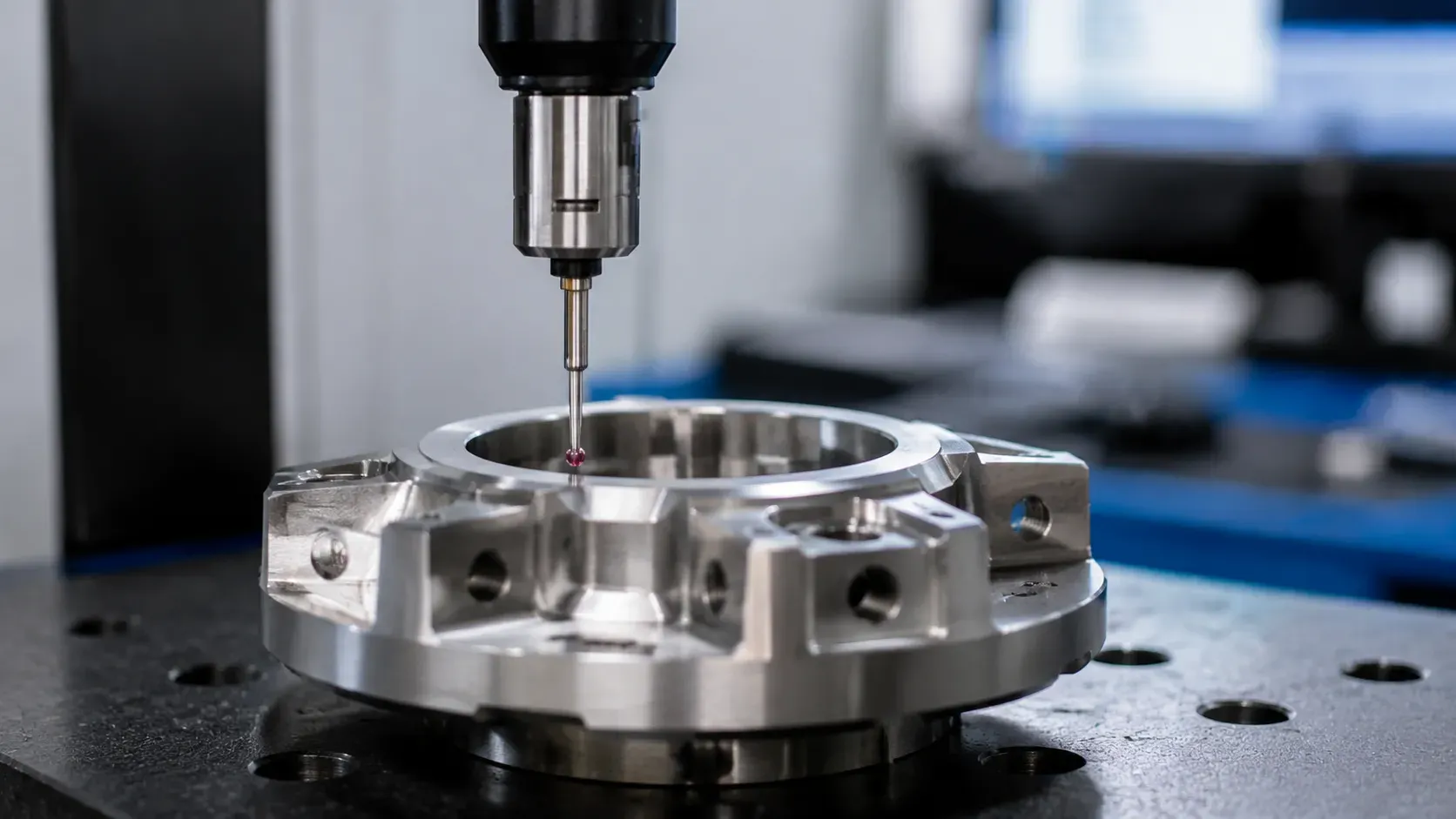
Tolerance defines the acceptable dimensional variation of stainless steel products.
Important tolerance factors include:
- Thickness tolerance
- Width tolerance
- Length tolerance
- Flatness tolerance
Although tolerance differences may appear small, they can significantly affect production efficiency.
Incorrect tolerance selection can cause:
- Assembly problems
- Increased cutting waste
- Additional machining
- Difficulty in automated production
Using Standard Tolerance for Precision Applications
Industries such as:
- Precision machinery
- Electronic components
- Automated equipment
may require tighter dimensional control.
Standard tolerance may not provide enough accuracy.
Requesting Excessive Tolerance Requirements
Some buyers specify extremely tight tolerances even when their application does not require them.
This increases:
- Material cost
- Production difficulty
- Lead time
The correct approach is to select tolerance based on actual production requirements.
Mistake 4: Selecting Stainless Steel Surface Finish Without Considering End Use
Surface finish affects both appearance and processing performance.
Common stainless steel finishes include:
| Finish | Characteristics | Applications |
|---|---|---|
| 2B | Smooth industrial finish with good corrosion resistance | General fabrication, equipment, industrial parts |
| BA | Bright reflective surface | Appliances, decorative products |
| No.4 | Brushed finish appearance | Kitchen equipment, architectural applications |
| No.8 | Mirror-like reflective finish | Premium decorative products |
Choosing the wrong finish may create unnecessary processing costs.
For example:
A decorative stainless steel product may require a high-quality finish because surface appearance directly affects customer perception.
However, industrial components hidden inside equipment may only require a standard 2B finish.
Incorrect finish selection can result in:
- Additional polishing operations
- Increased production time
- Higher processing costs
Buyers should define surface requirements according to the final product function.
Mistake 5: Ignoring Stainless Steel Mechanical Property Requirements
Why Mechanical Properties Matter
Stainless steel is not only selected based on corrosion resistance.
Mechanical properties also determine whether the material can successfully complete manufacturing processes.
Important properties include:
- Tensile strength
- Yield strength
- Hardness
- Elongation
These influence:
- Bending performance
- Stamping capability
- Forming behavior
- Load-bearing performance
Selecting Mechanical Properties Should Be Based on Application
Different applications require different material characteristics.
Deep Drawing Applications
Examples:
- Cookware
- Stainless steel sinks
- Formed components
Usually require:
- Higher elongation
- Better ductility
- Stable forming performance
Structural Applications
Examples:
- Industrial equipment frames
- Heavy components
Usually require:
- Higher strength
- Better load resistance
Ignoring mechanical requirements can result in cracks, deformation, or production failure.
Mistake 6: Not Considering Stainless Steel Fabrication Requirements
Welding Requirements
Stainless steel performance during welding depends on:
- Material grade
- Chemical composition
- Thickness
- Welding method
Common welding problems include:
- Distortion
- Surface discoloration
- Reduced corrosion resistance
Before purchasing stainless steel, buyers should consider:
- Welding method
- Heat exposure
- Post-welding treatment requirements
Forming and Machining Requirements
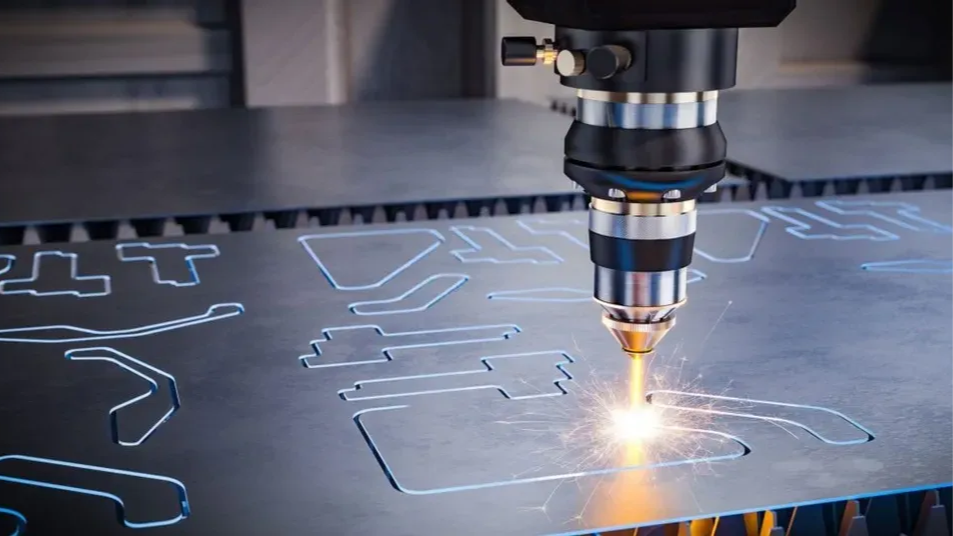
Manufacturers should also consider their production processes before selecting materials.
Important factors include:
- Stamping process
- Bending requirements
- Cutting method
- Machining requirements
A material that performs well in one process may not be suitable for another.
For example:
A stainless steel grade with excellent corrosion resistance may not provide the best deep drawing performance.
A reliable custom stainless steel supplier should understand both material properties and downstream fabrication requirements.
Mistake 7: Missing Certification and Quality Requirements
Not Specifying Material Certification
Material documentation is important for industries requiring quality traceability.
Buyers should consider requesting:
- Mill Test Certificate (MTC)
- Chemical composition report
- Mechanical test results
These documents verify that the supplied stainless steel meets the agreed specification.
Not Defining Inspection Requirements
Before placing orders, buyers should clarify inspection requirements, including:
- Thickness inspection
- Surface inspection
- Dimensional inspection
- Packaging requirements
Clear quality requirements reduce disputes and ensure smoother cooperation between buyers and suppliers.
How Weijunli Steel Helps Buyers Avoid Stainless Steel Specification Problems
Selecting stainless steel correctly requires more than choosing a material grade. Buyers also need support in defining specifications that match their production requirements.
Weijunli Steel is a China-based stainless steel supplier providing stainless steel coils, sheets, and plates for global industrial buyers.
Our support includes:
- Stainless steel grade recommendation
- Specification confirmation
- Material quality inspection
- Customized processing solutions
- Export experience for international customers
For buyers with special requirements, working with a custom stainless steel supplier helps ensure that material specifications align with manufacturing processes.
For distributors and bulk purchasers, a reliable wholesale stainless steel supplier provides consistent quality, stable supply, and technical support.
A professional supplier should not only deliver stainless steel products but also help customers avoid specification mistakes before production begins.
Final Recommendation: How to Create an Accurate Stainless Steel Specification
A complete stainless steel specification should include:
- Stainless steel grade
- Product form
- Thickness
- Dimensions
- Tolerance
- Surface finish
- Mechanical requirements
- Fabrication requirements
- Certification requirements
The best stainless steel is the one that matches the actual manufacturing process and product requirements.
By defining specifications clearly and working with an experienced steel supplier and processor, buyers can reduce production risks, minimize waste, and achieve more stable manufacturing results.