When purchasing stainless steel sheets or plates, many buyers focus mainly on grade, thickness, and surface finish. However, stainless steel tolerance is another critical factor that directly affects fabrication accuracy, production efficiency, and overall cost.
A stainless steel sheet that does not meet the required dimensional tolerance can create problems during downstream processing, including:
- Difficult assembly
- Increased machining allowance
- Higher material waste
- Welding issues
- Production delays
For industrial buyers, the goal is not always to choose the tightest tolerance available. Instead, the right approach is to select a tolerance level that matches the actual application requirements.
The main stainless steel tolerance factors include:
- Thickness tolerance
- Width tolerance
- Length tolerance
- Flatness tolerance
Understanding these specifications helps manufacturers and junior purchasers select the right stainless steel in the correct RFQ without paying unnecessary costs for excessive precision.
What Is Stainless Steel Sheet and Plate Tolerance?
How Should We Understand Stainless Steel Tolerance?
Stainless steel tolerance refers to the allowable dimensional variation between the ordered specification and the actual supplied product.
During stainless steel production, completely identical dimensions cannot be achieved because of factors such as:
- Rolling pressure variation
- Temperature changes
- Material characteristics
- Processing equipment limitations
For example, if a buyer orders:
2.00 mm stainless steel sheet with ±0.05 mm thickness tolerance
the acceptable thickness range is:
1.95 mm to 2.05 mm
As long as the supplied material falls within this range, it meets the specified tolerance requirement.
For stainless steel buyers, understanding tolerance helps avoid two common problems:
- Ordering material that is too loose for the application
- Paying extra for precision that is not necessary
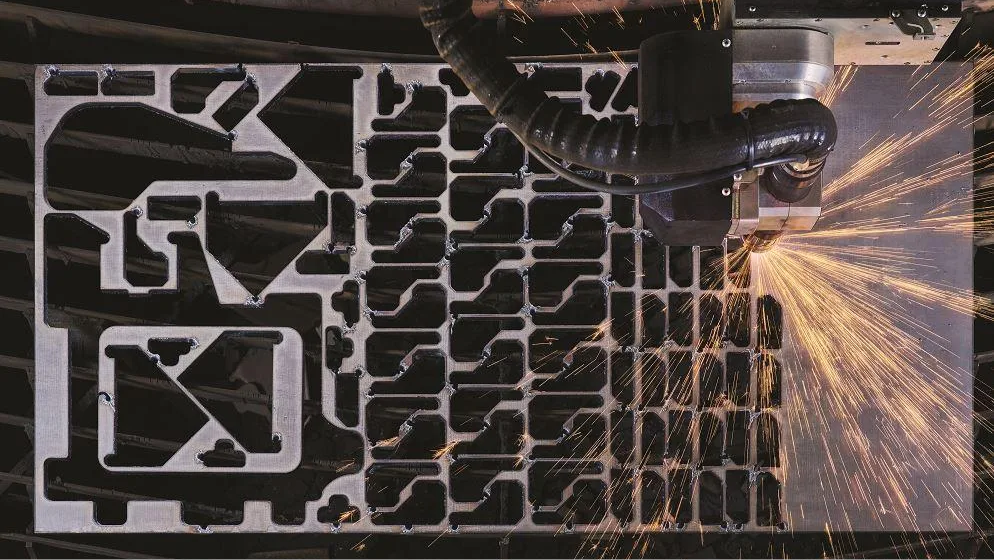
What Should Junior Purchasers Know About Stainless Steel Thickness Tolerance?
Why Thickness Tolerance Matters
Thickness is one of the most important stainless steel dimensions because it affects:
- Product strength
- Material weight
- Forming performance
- Machining allowance
- Final product accuracy
For example:
A cookware manufacturer may require consistent thickness for deep drawing and forming.
A machinery manufacturer may require accurate thickness because the steel plate becomes part of a structural assembly.
If thickness variation is too large, manufacturers may experience:
- Uneven forming
- Additional machining work
- Incorrect component dimensions
Typical Stainless Steel Thickness Tolerance Range
Actual tolerance depends on:
- Stainless steel grade
- Production standard
- Cold rolling or hot rolling process
- Supplier manufacturing capability
Typical applications can be categorized as follows:
| Stainless Steel Thickness Range | Common Applications | Main Tolerance Consideration |
|---|---|---|
| 0.3–1.0 mm | Precision parts, appliances, decorative products | Tight thickness control |
| 1.0–3.0 mm | Kitchenware, sheet metal fabrication, equipment panels | Balance between accuracy and cost |
| 3.0–6.0 mm | Industrial equipment, machinery components | Strength and dimensional stability |
| Above 6 mm | Heavy fabrication, structural applications | Thickness availability and mechanical performance |
For most general manufacturing applications, standard thickness tolerance is sufficient. However, industries involving precision forming or automated production may require tighter control.
Stainless Steel Width and Length Tolerance
Width Tolerance
Width tolerance refers to the allowable variation between the ordered width and the actual supplied width.
Width accuracy affects:
- Material utilization
- Cutting efficiency
- Production layout
- Scrap rate
For example, when stainless steel sheets are processed by laser cutting, incorrect width dimensions may result in:
- More edge trimming
- Increased material waste
- Lower production efficiency
For high-volume manufacturing, even small dimensional differences can affect overall material consumption.
Length Tolerance for Cut-to-Length Stainless Steel Sheets
Length tolerance becomes especially important when buyers purchase stainless steel sheets cut from coils.
It affects applications such as:
- Fabricated panels
- Industrial enclosures
- Machine components
- Structural assemblies
Different applications have different requirements:
| Application | Important Dimension Control |
|---|---|
| Laser cutting | Width and length accuracy |
| CNC machining | Thickness consistency |
| Welding fabrication | Flatness and overall dimensions |
| Automated production | Stable repeatability |
When ordering cut-to-length stainless steel sheets, buyers should clearly specify required dimensions and acceptable tolerance ranges.
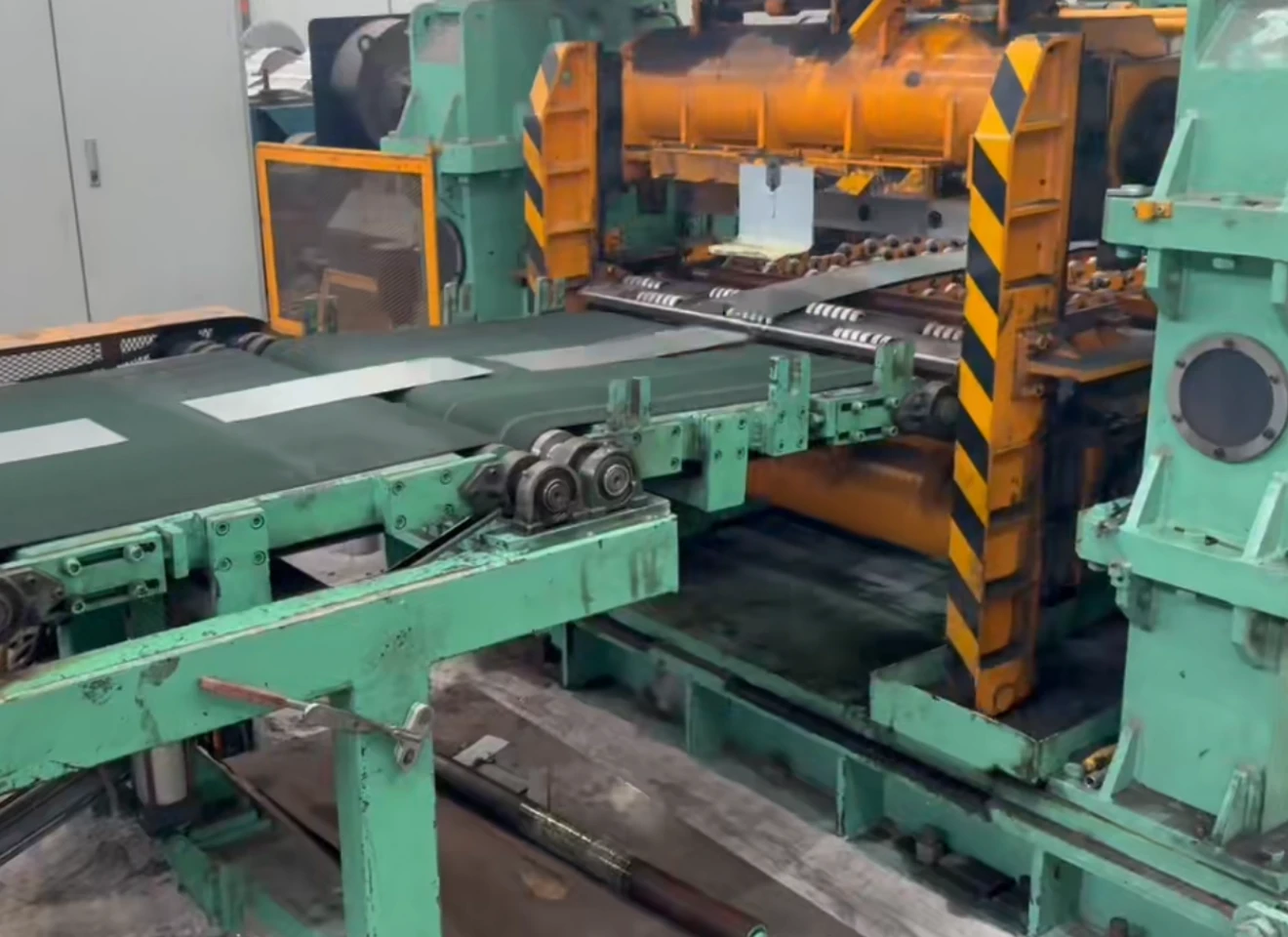
Stainless Steel Flatness Tolerance Explained
What Is Flatness Tolerance?
Flatness tolerance describes how much a stainless steel sheet or plate deviates from a perfectly flat surface.
A sheet with poor flatness may have:
- Waves
- Edge curl
- Uneven surfaces
These issues can create difficulties during:
- Laser cutting
- Welding
- Assembly
- Automated processing
Applications Requiring Better Flatness
Some applications require tighter flatness control, including:
Precision Fabrication
Examples:
- Machinery components
- Industrial equipment parts
- Precision assemblies
Flat material improves dimensional accuracy during fabrication.
Laser Cutting
Laser cutting performance depends heavily on material stability.
Better flatness helps:
- Maintain cutting distance
- Improve cutting consistency
- Reduce processing problems
Decorative Stainless Steel Products
For products where appearance matters, such as architectural panels, flatness affects:
- Surface appearance
- Installation quality
- Final visual performance
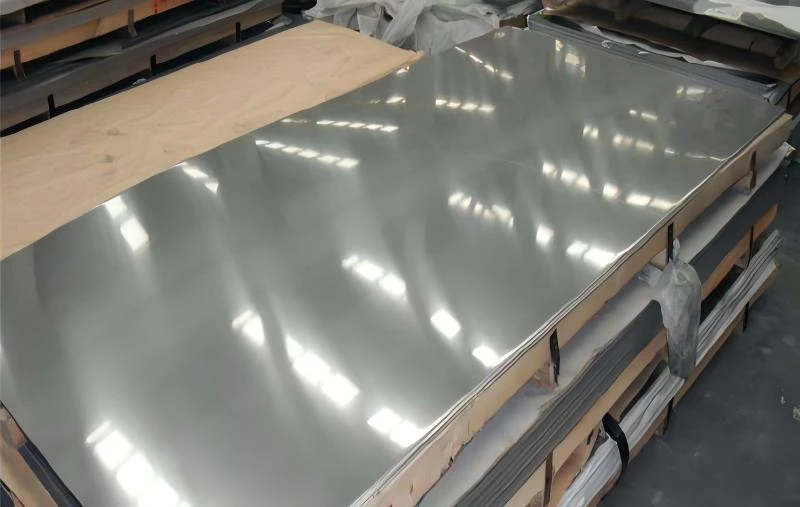
Cold Rolled Stainless Steel Sheet vs Hot Rolled Stainless Steel Plate Tolerance
Cold Rolled Stainless Steel Sheet Tolerance
Cold rolled stainless steel sheets generally provide better dimensional accuracy compared with hot rolled products.
Advantages include:
- Better thickness control
- Smoother surface finish
- Improved dimensional consistency
Common applications include:
- Kitchen equipment
- Appliances
- Cookware
- Precision components
- Decorative applications
Because of these advantages, cold rolled stainless steel is often selected when surface quality and dimensional accuracy are important.
Hot Rolled Stainless Steel Plate Tolerance
Hot rolled stainless steel plates are usually selected for applications requiring:
- Larger thicknesses
- Higher strength
- Heavy fabrication capability
Typical applications include:
- Industrial machinery
- Pressure equipment
- Structural components
Compared with cold rolled sheets, hot rolled plates usually prioritize:
- Mechanical performance
- Thickness availability
- Cost efficiency
rather than extremely tight dimensional tolerance.
Stainless Steel Tolerance Standards Buyers Should Know
ASTM Standards
Many stainless steel flat products follow ASTM specifications, including:
ASTM A480/A480M
This standard covers general requirements for stainless steel flat products, including:
- Thickness requirements
- Flatness requirements
- Surface conditions
- Dimensional specifications
Buyers should confirm the required standard when preparing purchasing specifications.
EN Standards
European stainless steel products commonly reference standards such as:
EN 10088
These standards define stainless steel grades and product requirements for European markets.
For international purchasing, confirming applicable standards helps avoid specification differences between suppliers and buyers.
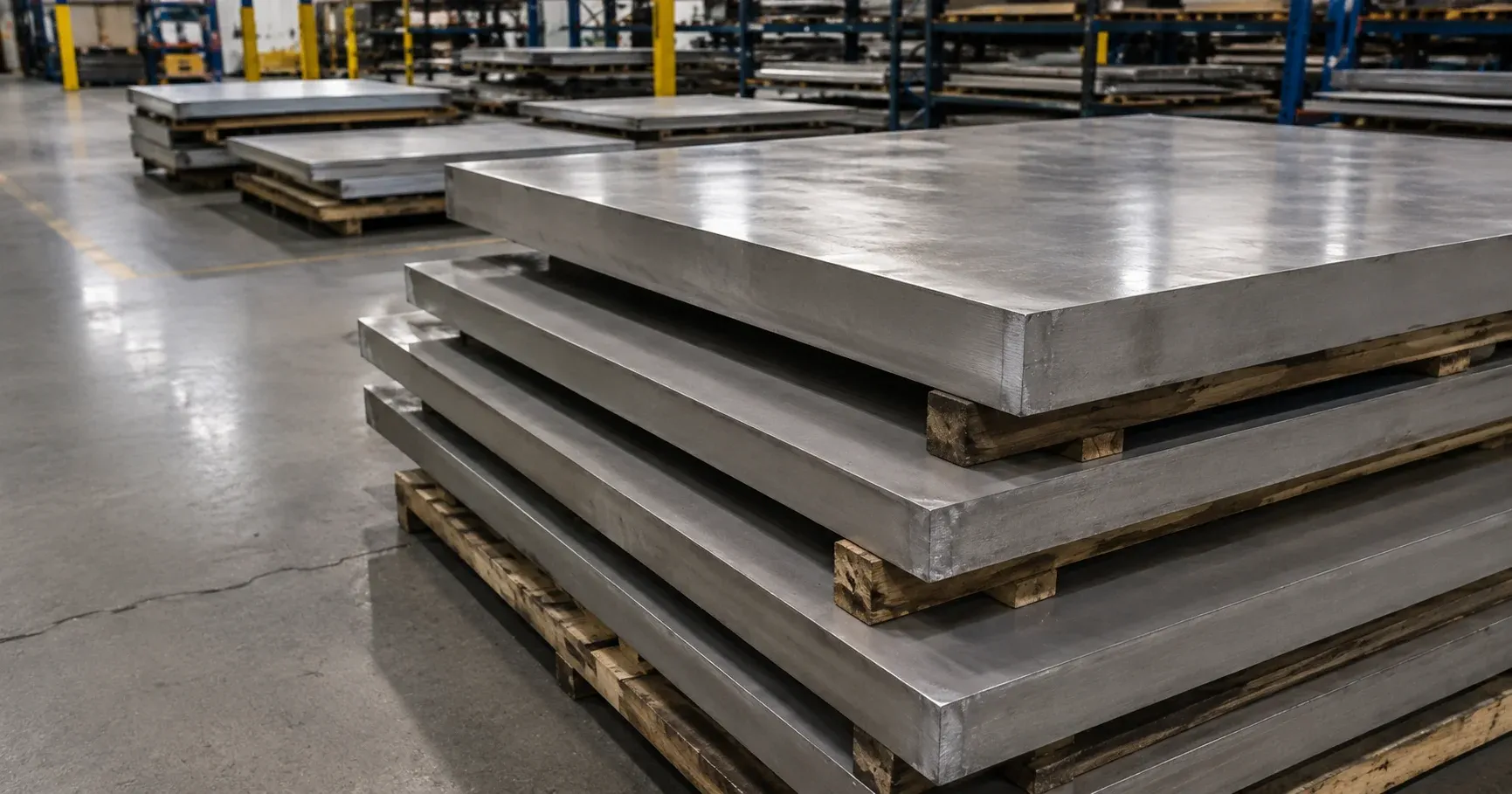
How to Choose the Right Stainless Steel Tolerance for Different Applications
Precision Manufacturing Applications
Examples:
- Electronic components
- Medical equipment
- Precision machinery
Recommended focus:
- Tight thickness tolerance
- Better flatness control
- Consistent dimensional accuracy
In these applications, small dimensional differences may affect final assembly.
General Fabrication Applications
Examples:
- Equipment frames
- Stainless steel cabinets
- Industrial structures
Recommended focus:
- Standard thickness tolerance
- Good surface quality
- Stable supply consistency
Over-specifying tolerance may increase material costs without improving product performance.
Heavy Industrial Applications
Examples:
- Large machinery
- Structural equipment
- Industrial platforms
Recommended focus:
- Mechanical properties
- Thickness availability
- Weldability
Standard tolerance is often acceptable because fabrication processes can accommodate minor variations.
How Stainless Steel Tolerance Affects Purchasing Cost
Tighter tolerance usually requires:
- More precise rolling control
- Additional inspection
- Higher production requirements
This increases manufacturing cost.
| Requirement | Cost Impact |
|---|---|
| Standard tolerance | Lower material cost |
| Tight thickness tolerance | Higher production cost |
| Special flatness requirement | Additional processing cost |
| Precision cutting | Extra service cost |
The best purchasing strategy is to specify only the tolerance required by the application.
A buyer purchasing standard fabrication material does not need the same tolerance level as a precision machining manufacturer.
What Buyers Should Include in Stainless Steel RFQ Specifications
When requesting a quotation, buyers should provide:
- Stainless steel grade
- Thickness
- Thickness tolerance
- Width
- Length
- Flatness requirements
- Surface finish
- Processing requirements
- Inspection requirements
For example:
Instead of requesting:
“304 stainless steel sheet”
a more complete specification would include:
“304 stainless steel cold rolled sheet, 2.0 mm thickness, specified surface finish, required width, and tolerance requirement.”
Clear specifications help suppliers provide more accurate pricing and reduce communication problems.
👉Click to learn more about a correct RFQ format to accelerate communication
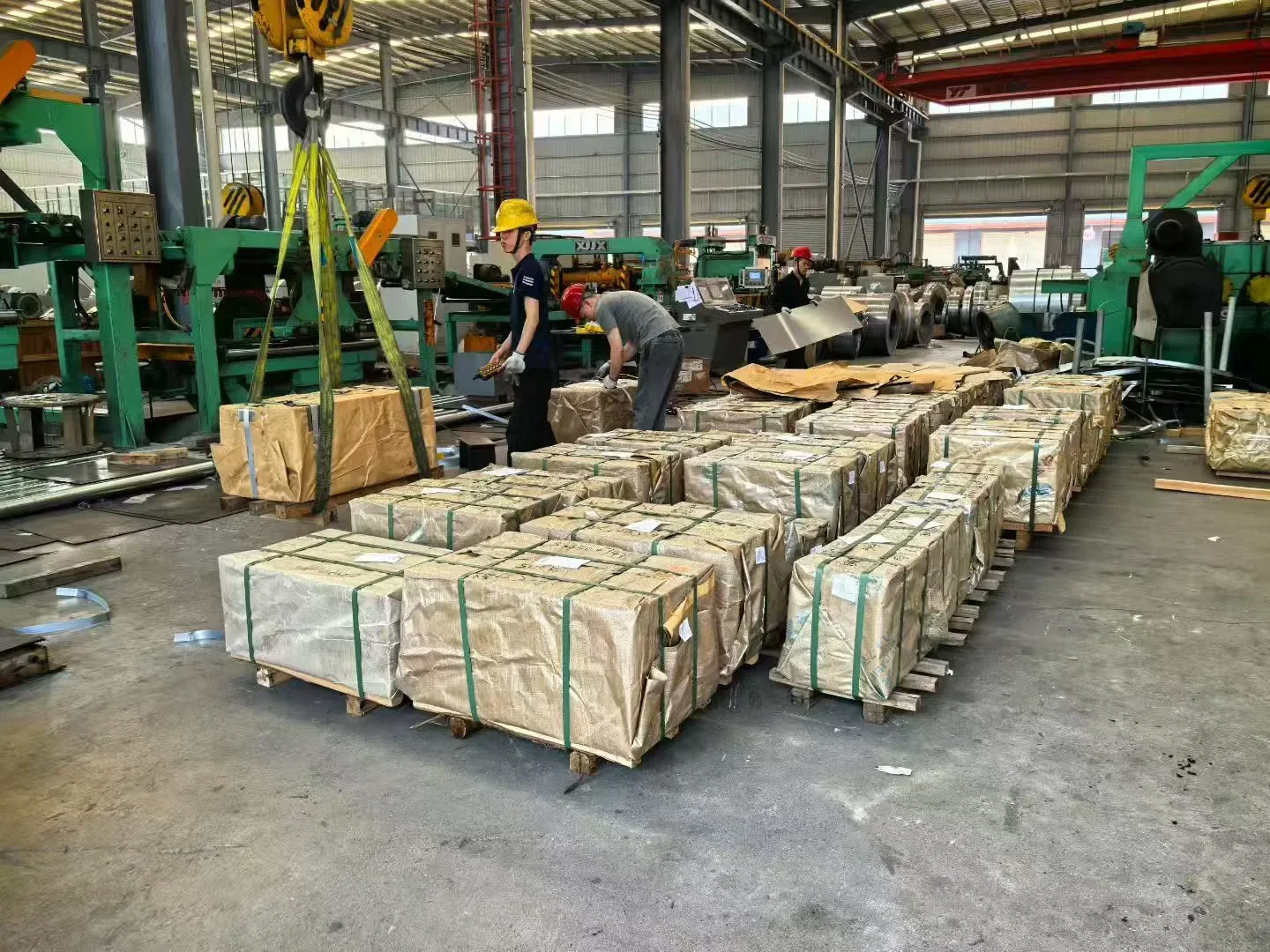
How Weijunli Steel Supports Stainless Steel Sheet and Plate Requirements
As a China-based stainless steel supplier, Weijunli Steel provides stainless steel sheets and plates for industrial manufacturers, distributors, and global buyers.
Our material support includes:
- Stainless steel grade recommendation
- Thickness and dimensional control
- Surface quality inspection
- Customized sheet processing
- Export support
For buyers with specific application requirements, working with an experienced custom stainless steel supplier helps ensure the material specification matches actual production needs.
Whether customers require standard stainless steel sheets or bulk orders, a reliable wholesale stainless steel supplier can provide consistent quality and stable supply.
The right tolerance selection helps manufacturers achieve a better balance between:
- Product accuracy
- Manufacturing efficiency
- Material cost
Final Recommendation: How to Select Stainless Steel Tolerance
| Application | Recommended Tolerance Focus |
|---|---|
| Precision components | Thickness and flatness control |
| Laser cutting | Flatness and dimensional accuracy |
| Welding fabrication | Thickness consistency |
| Heavy industrial equipment | Strength and standard tolerance |
| Decorative products | Surface quality and flatness |
Stainless steel tolerance should always be selected according to the final application.
Choosing the tightest tolerance is not always the best solution. The most efficient approach is selecting the tolerance level that provides sufficient performance while maintaining reasonable material costs.
By working with an experienced stainless steel supplier, buyers can define suitable specifications and avoid unnecessary production issues.
FAQ
What affects stainless steel thickness tolerance?
Thickness tolerance depends on manufacturing process, material grade, production standard, and supplier capability.
Why is stainless steel flatness important?
Flatness affects cutting accuracy, welding quality, assembly performance, and final product appearance.
Are cold rolled stainless steel sheets more accurate than hot rolled plates?
Generally, cold rolled stainless steel sheets provide better thickness accuracy and surface quality, while hot rolled plates are mainly selected for heavy industrial applications.