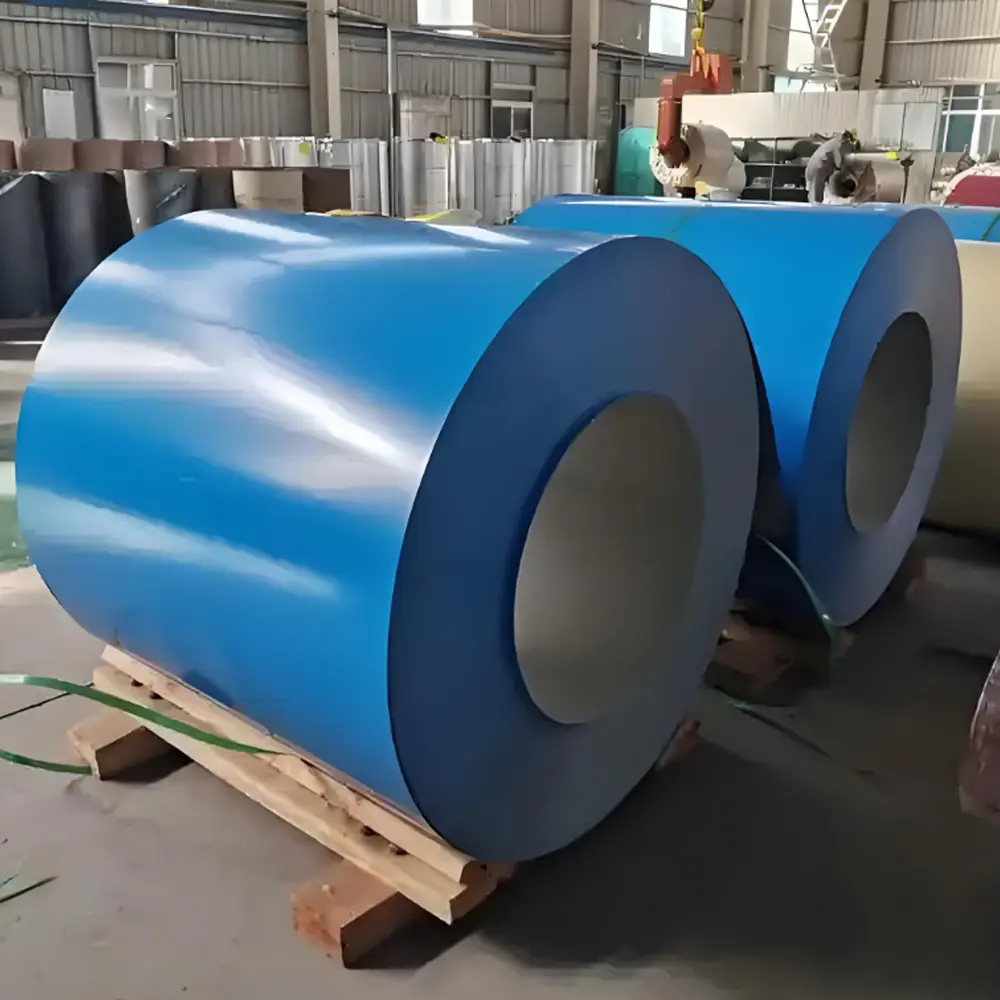
For many furniture frames, brackets, supports, and coated components, HRPO steel can provide the surface condition and fabrication performance required without specifying cold rolled steel.
The practical question behind HRPO vs cold rolled is not simply which material is better. It is whether the finished part actually needs the additional surface and dimensional characteristics provided by cold rolling.
For manufacturers sourcing furniture steel, this distinction matters because different furniture steel parts can have very different requirements. Structural frames, hidden brackets, and powder-coated components may not need the same material characteristics as exposed decorative panels.
HRPO is hot rolled steel that has been pickled to remove mill scale and then oiled for temporary protection. Cold rolled steel undergoes additional cold reduction and finishing, resulting in a smoother and more uniform surface with tighter dimensional control.
What Actually Changes Between HRPO and Cold Rolled Steel?
Understanding the difference between HRPO steel and cold rolled steel starts with their processing routes and the characteristics those processes provide.
HRPO Removes Scale Without Cold Reduction
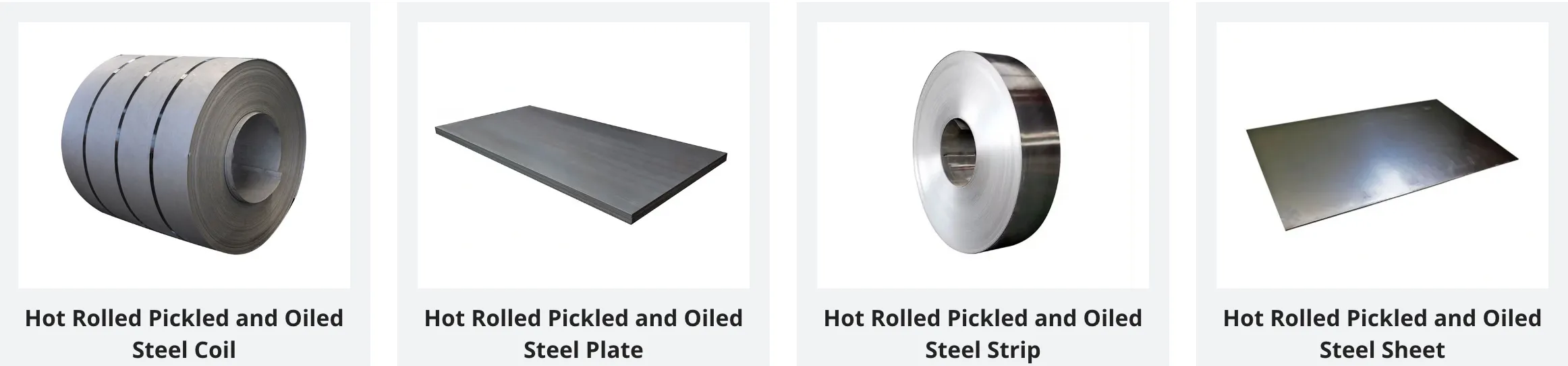
HRPO, or hot rolled pickled and oiled steel, starts as hot rolled steel. Pickling removes the mill scale formed during hot rolling, and oiling provides temporary protection against handling and storage conditions.
The result is a cleaner surface than conventional hot rolled steel while retaining the general dimensional characteristics associated with hot rolled products.
This makes HRPO useful when a steel for furniture application needs a clean surface for subsequent fabrication, welding, painting, or forming but does not require the smoother surface associated with cold rolled steel.
Cold Rolled Adds Surface and Dimensional Control
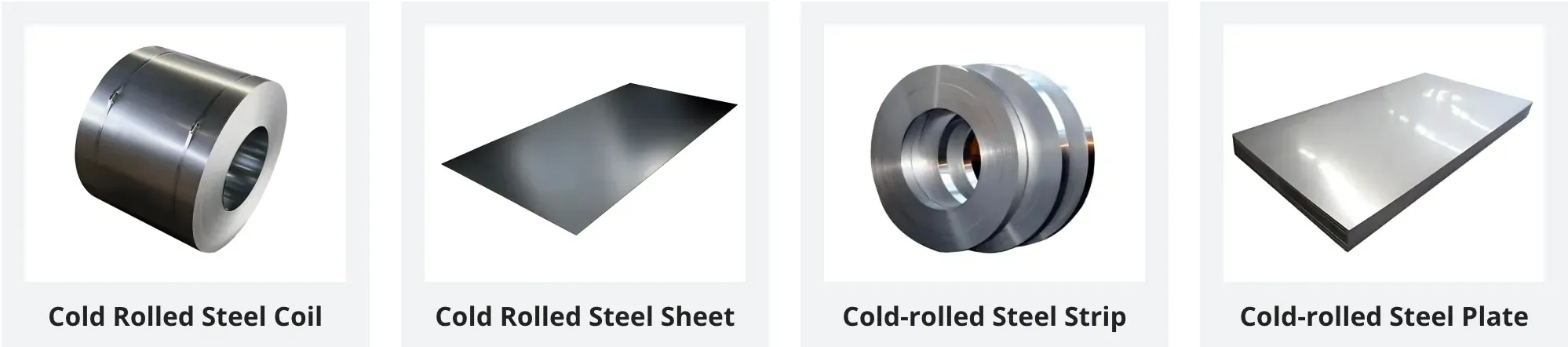
Cold rolled steel undergoes further cold reduction and finishing after hot rolling. This produces a smoother, more uniform surface and generally tighter dimensional control.
This distinction is important when evaluating cold rolled steel furniture applications. If the steel itself remains visible or the component requires controlled dimensions, the additional characteristics of cold rolled steel can directly affect the finished product.
The Difference That Matters for Furniture
The difference between HRPO surface finish and cold rolled steel surface finish matters only when the finished component actually benefits from it.
If the component will be powder coated, painted, welded, or hidden inside an assembly, the additional smoothness of cold rolled steel may provide little practical value.
If the bare steel surface remains exposed or the component requires tighter dimensional control, cold rolled steel may be the more appropriate specification.
For furniture steel manufacturing, the material should therefore be selected according to the most demanding requirement of the finished part, rather than simply choosing the material with the more refined surface.
Why HRPO Can Be Enough for Many Furniture Parts
The suitability of HRPO steel furniture depends largely on what happens to the steel after it leaves the supplier.
For a furniture steel supplier, this also means that material recommendations should be based on the individual component rather than treating all steel furniture applications as requiring the same grade or surface condition.
When the Surface Will Be Painted or Powder Coated
Many furniture components receive paint or powder coating before final assembly. In these cases, the finished appearance is determined primarily by the coating system rather than the original bare-steel appearance.
HRPO provides a pickled, scale-free surface that is commonly used for subsequent fabrication and coating applications.
This does not mean HRPO and cold rolled steel are automatically interchangeable for every coating process. Surface preparation and coating requirements still need to be evaluated.
However, if an opaque coating will completely cover the steel, paying for a smoother bare-steel surface may not provide a meaningful benefit.
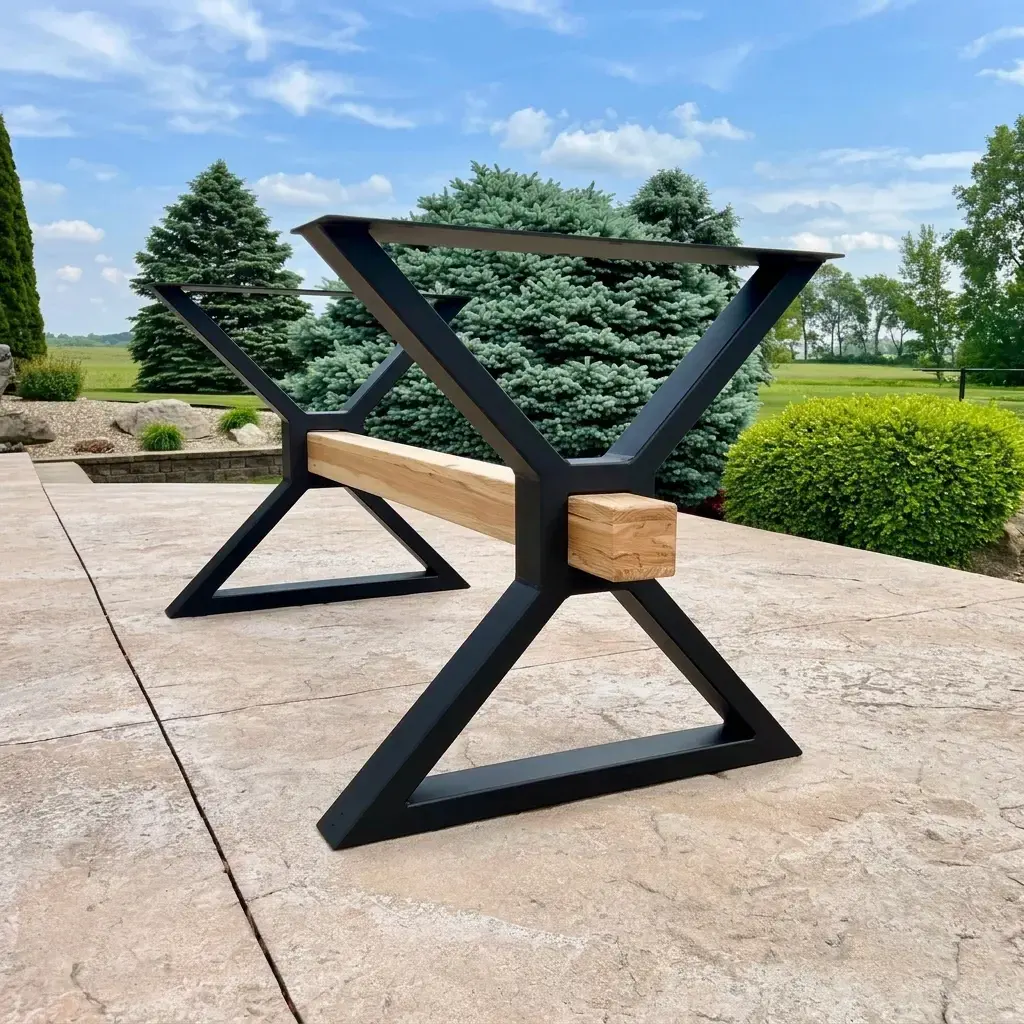
When the Part Is Structural Rather Than Cosmetic
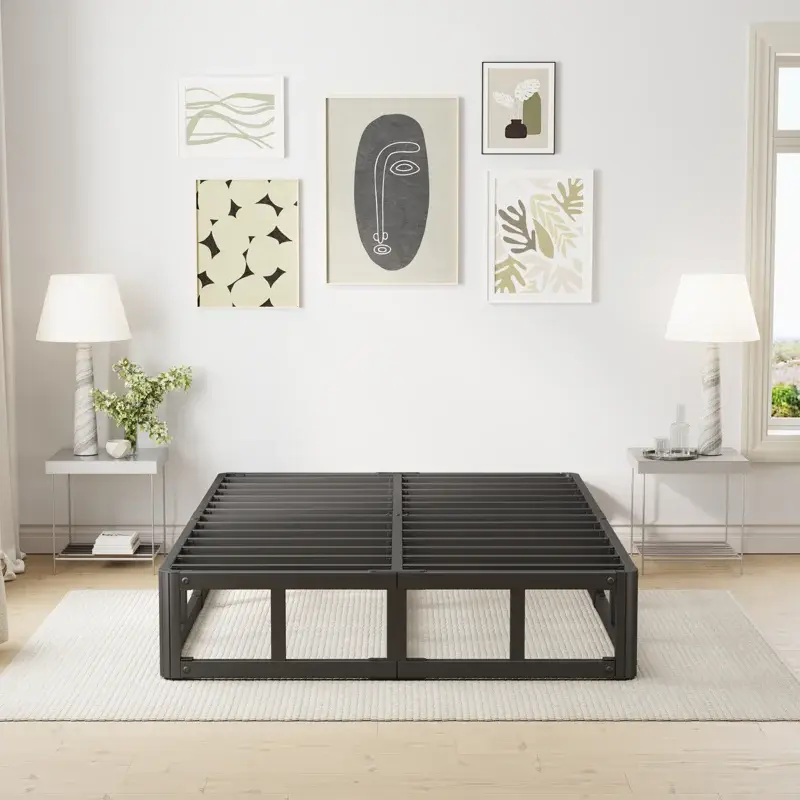
Furniture contains many components that provide structural support without contributing directly to the product’s visible appearance.
Examples include:
- Table and chair frames
- Cabinet supports
- Shelving supports
- Reinforcement members
- Mounting brackets
- Under-table structures
- Internal cabinet components
These applications often prioritize strength, formability, welding, fabrication, and coating over the appearance of the raw steel.
HRPO is already used in metal furniture and structural fabrication applications, making it a practical option when surface appearance is not the primary requirement.
This is where HRPO furniture applications can differ from more appearance-focused cold rolled steel furniture applications.
When the Part Will Be Welded or Further Fabricated
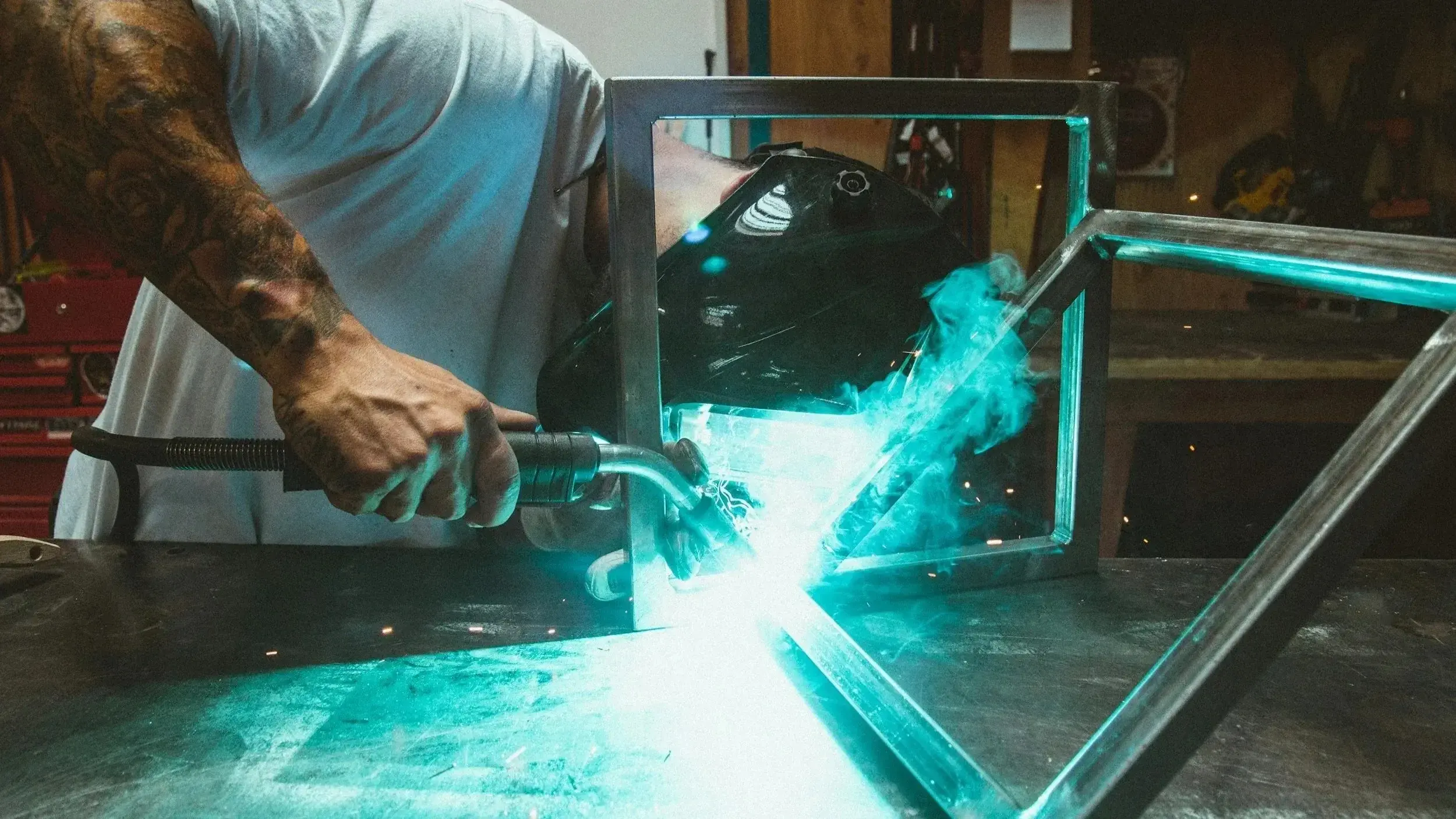
A furniture component rarely goes directly from steel supply to final assembly. It may be cut, bent, stamped, drilled, welded, or otherwise processed first.
HRPO is commonly used for fabrication operations including forming, welding, and painting, while cold rolled steel may be selected when tighter dimensions or a more refined surface are important to the process.
The key consideration is what the steel needs to provide throughout the production route.
For steel furniture manufacturing, if the raw surface will be altered, covered, or hidden during manufacturing, specifying cold rolled steel solely for its surface quality may not be necessary.
Which Furniture Parts Can Use HRPO?
There is no universal rule that assigns HRPO to one furniture product and cold rolled steel to another. The better approach is to evaluate each component according to its function, visibility, and manufacturing requirements.
Frames and Structural Supports
Furniture frames are among the applications where HRPO steel for furniture can make practical sense.
Table frames, chair structures, cabinet supports, shelving structures, and reinforcement members often prioritize fabrication and structural performance rather than the appearance of the raw steel.
If these parts will subsequently be powder coated or painted, the additional smoothness of cold rolled steel may not justify its use.
For a furniture steel manufacturer, these components are also a good example of why material selection should begin with the actual part specification rather than the product category alone.
Brackets and Hidden Components
Small brackets and internal supports are another potential application for HRPO.
Mounting brackets, under-table supports, cabinet reinforcement pieces, and similar components may be completely hidden after assembly.
Because these parts contribute to the furniture’s structure rather than its visible appearance, HRPO furniture components can often meet the practical requirement without requiring a highly refined surface finish.
Components Receiving Further Finishing
HRPO can also be appropriate when a component will undergo substantial downstream processing.
A manufacturer may cut the steel into blanks, form the components, weld assemblies, and then apply paint or powder coating.
In this situation, the relevant question is not how attractive the bare steel looks but whether its surface condition and dimensional characteristics are sufficient for the complete production process.
The less the bare steel contributes to the finished appearance, the less reason there is to specify cold rolled steel solely for its surface characteristics.
When Furniture Parts Still Need Cold Rolled Steel
HRPO is not a universal replacement for cold rolled steel. Some applications require the characteristics associated with cold rolling.
Exposed Visible Surfaces
If the steel remains visible to the customer, surface quality becomes more important.
Visible furniture panels, decorative metal surfaces, and exposed components may require a smoother and more uniform appearance. Cold rolled steel is commonly selected for applications where high surface quality is important.
This is where the difference in cold rolled steel surface finish can become commercially relevant. If customers directly see and evaluate the steel surface, the additional processing may contribute to the perceived quality of the product.
When Dimensional Control Is Critical
Some furniture components must fit closely with other parts or maintain consistent dimensions across high-volume production.
This can matter for:
- Precision-formed components
- Closely fitted panels
- Components with controlled gaps
- Parts requiring consistent dimensions across large production runs
Cold rolled steel generally provides tighter dimensional control than HRPO.
If dimensional variation creates assembly problems or affects the appearance of the finished product, cold rolled steel may justify its additional processing.
When Surface Appearance Is Part of Product Value
For premium furniture, the steel surface may intentionally remain visible rather than being covered by paint or powder coating.
In this situation, the smoother cold rolled steel surface finish can contribute directly to the appearance and perceived quality of the product.
The same logic applies to certain cold rolled steel furniture applications where surface consistency is part of the product specification.
The decision should therefore be based on whether the surface itself has commercial value—not simply on whether cold rolled steel has a technically superior surface.
HRPO vs Cold Rolled for Furniture Parts: A Practical Comparison
The following comparison helps manufacturers evaluate HRPO vs cold rolled cost together with actual performance requirements when sourcing furniture steel.
| Requirement | HRPO | Cold Rolled |
|---|---|---|
| Clean, scale-free surface | Suitable | Suitable |
| Smooth visible surface | Moderate | Better |
| Tight dimensional control | Moderate | Better |
| Structural furniture components | Often suitable | May be unnecessary |
| Painting or powder coating | Often suitable | Suitable |
| Welded furniture frames | Often suitable | Suitable |
| Exposed cosmetic panels | Application-dependent | Often preferred |
| Cost-sensitive furniture steel | Strong option | Additional processing may not be justified |
The cost question should not be reduced to the purchase price per ton or per sheet.
The real HRPO vs cold rolled cost comparison should consider whether the additional characteristics of cold rolled steel contribute to the finished furniture part.
If a component is hidden, painted, welded, or primarily structural, HRPO may provide the required performance without paying for surface and dimensional characteristics that do not materially affect the finished product.
If a component remains exposed or requires tighter dimensional control, the additional cost associated with cold rolled steel may be justified.
Match the Material to the Most Demanding Requirement
A practical evaluation can follow this sequence:
Surface → dimensional tolerance → forming → finishing → total material cost
First, determine whether the surface will remain visible.
Next, establish whether the component requires tighter dimensional characteristics.
Then evaluate forming, stamping, welding, and other fabrication requirements.
Finally, compare the total material and production implications.
This prevents a common purchasing mistake in furniture steel sourcing: selecting cold rolled steel simply because it has a better surface when the finished furniture component does not actually require that surface.
How Weijunli Steel Can Help Select the Right Material
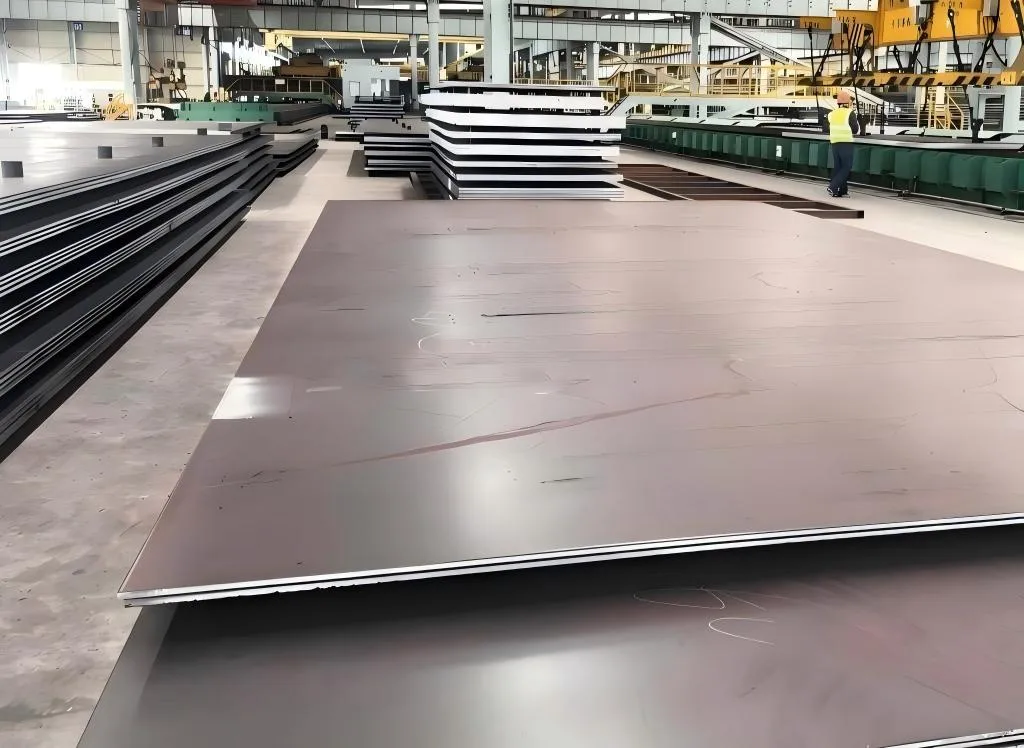
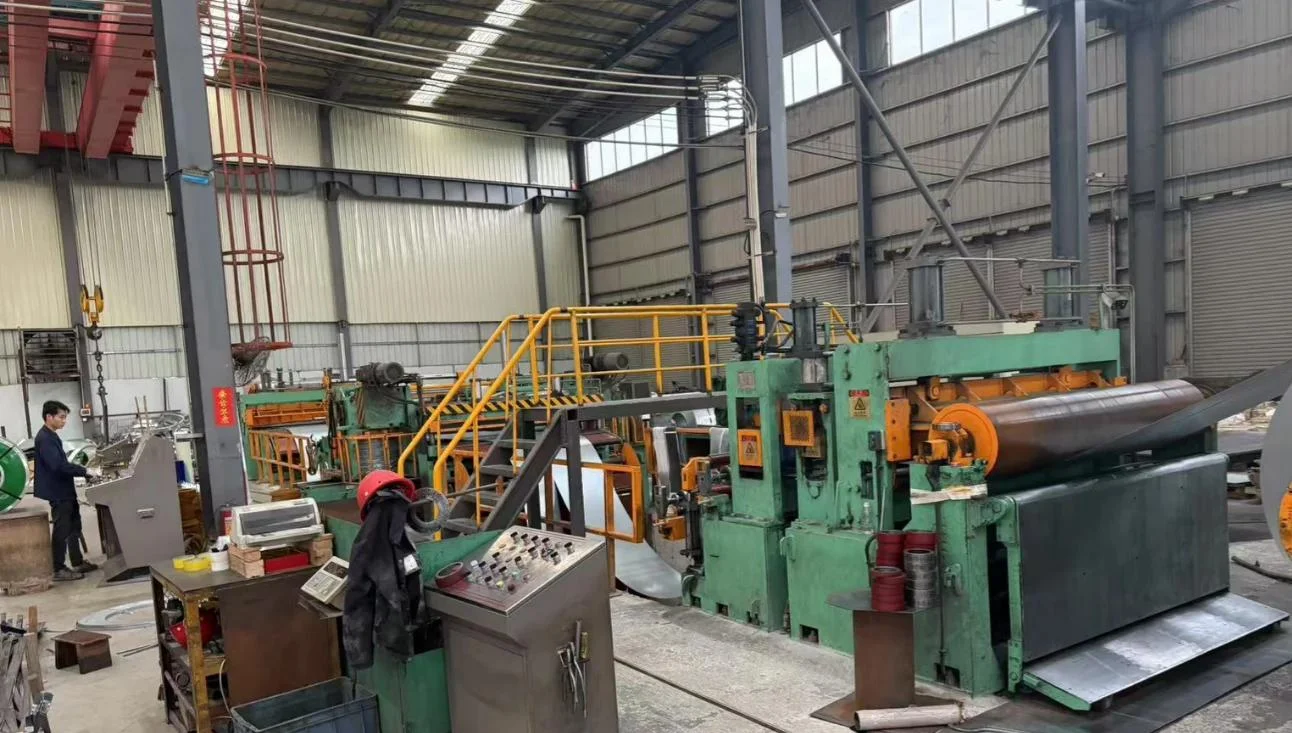
Weijunli Steel supplies both HRPO steel and cold rolled steel in coils, plates, sheets, and strips. Its processing capabilities include cutting, slitting, laser cutting, and other customized steel processing solutions.
For furniture manufacturers, this allows furniture steel selection to be connected with the actual requirements of the finished component rather than treating all furniture applications the same.
A practical starting point is:
- Choose HRPO steel when a clean, scale-free surface and economical fabrication are sufficient.
- Consider cold rolled steel when smoother surface quality or tighter dimensional control directly affects the finished component.
- Consider customized processing when supplied material dimensions need to match the furniture part.
For buyers looking for a steel supplier for furniture frame steel, Weijunli can provide HRPO material in different product forms and support downstream processing requirements. For applications requiring tighter surface or dimensional characteristics, our cold rolled steel range provides an alternative within the same sourcing workflow.
Its steel processing services can also support cutting, slitting, and laser cutting before material enters the customer’s steel furniture manufacturing process.
The objective is not to make every furniture component use HRPO. It is to match the material specification with the actual requirements of the part.
Conclusion: Don’t Pay for Surface Quality the Part Doesn’t Need
The choice between HRPO and cold rolled steel should be based on the requirements of the finished furniture component.
HRPO can be a practical choice for structural, welded, concealed, painted, and powder-coated furniture steel parts where a clean surface is required but a highly refined bare-steel finish is not. Cold rolled steel becomes more valuable when the component has an exposed surface, requires tighter dimensional control, or depends directly on a smoother and more uniform steel surface.
For manufacturers sourcing furniture steel, the key question is therefore not simply “Which steel has the better surface?”
It is:
Does this furniture part actually need the additional surface and dimensional characteristics provided by cold rolled steel?
If the answer is no, HRPO may provide a more appropriate balance of surface condition, fabrication performance, and material cost.