Most warehouses are built from a combination of structural steel products rather than one universal type of steel. The primary frame commonly uses hot-rolled or built-up structural members, while secondary components such as purlins and girts often use cold-formed sections. The required steel grade and corrosion protection depend on the structural design, loads, building system, and environmental conditions.
For anyone sourcing steel for warehouse construction, the important point is to match the steel form and grade to the structural role. A column does not have the same requirements as a roof purlin, and a warehouse in a humid or corrosive environment may need different protection from one in a dry indoor location.
What Types of Steel Are Used in a Warehouse Structure?
A typical warehouse steel structure can be divided into primary framing, secondary framing, and connection or bracing components.
The most common material categories are:
- Hot rolled steel for major load-bearing members
- Cold formed steel for lighter secondary members
- Galvanized or otherwise protected steel where corrosion resistance is required
- Structural steel plate and other sections for connections, bracing, and customized components
The exact combination depends on the structural system and engineering requirements.
Hot-Rolled Steel for Primary Structural Members
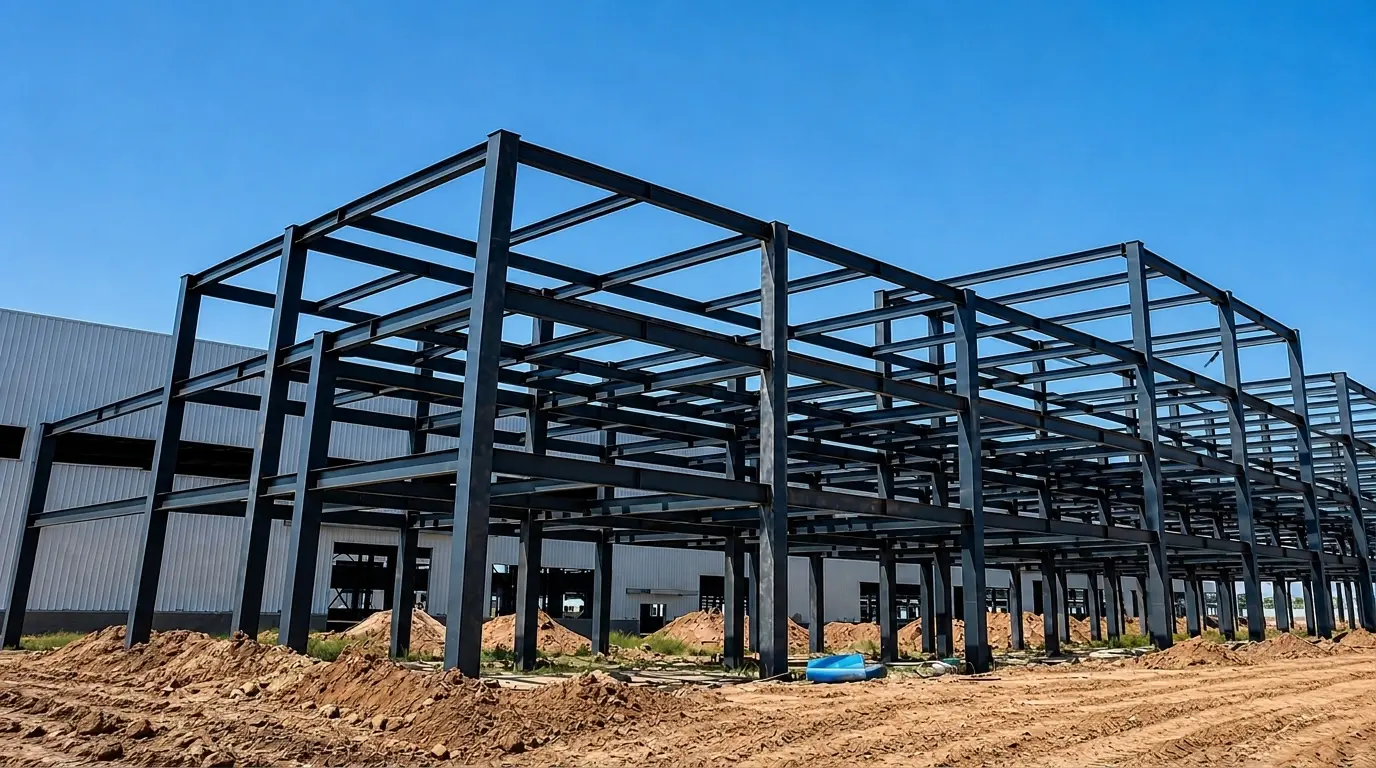
Hot-rolled structural steel is commonly used where the warehouse requires substantial load-bearing capacity.
Typical applications include:
- Columns
- Beams
- Roof rafters
- Main frame members
- Plates and connection components
These members form the main load path of the building. They must be selected according to factors such as span, building loads, wind and seismic requirements, and connection design.
This is why structural steel for warehouse construction is normally specified by both its section and grade rather than simply by the general term “steel.”
Cold-Formed Steel for Secondary Members
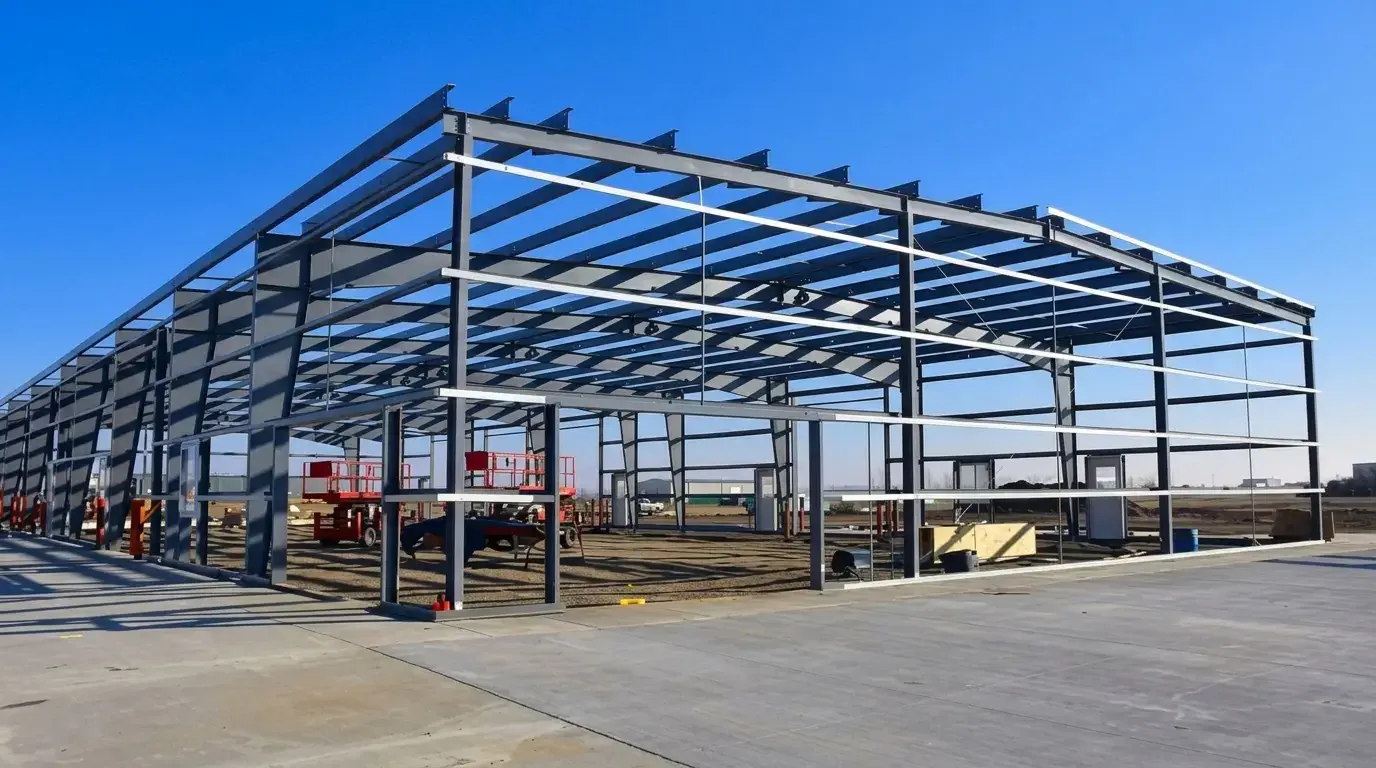
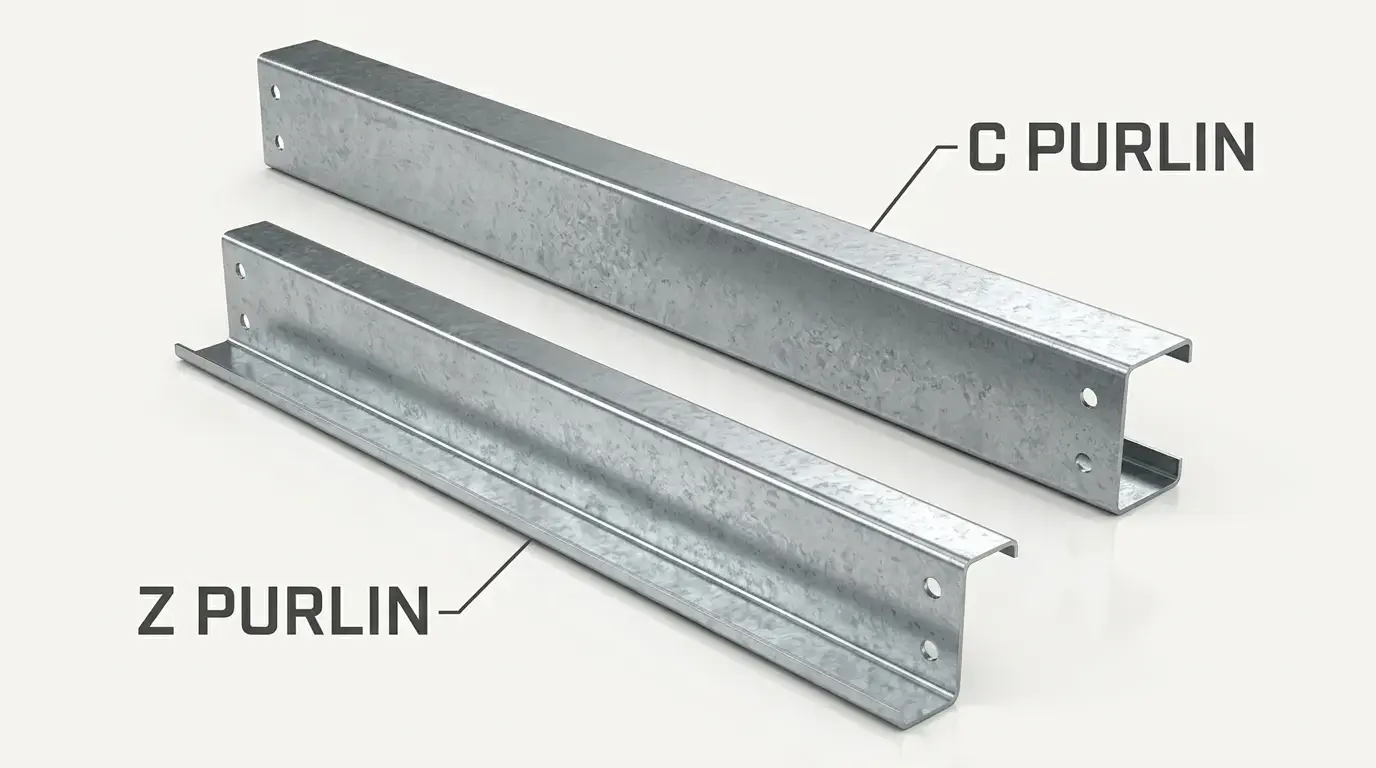
Cold formed steel is commonly used for lighter secondary framing. Steel sheet or strip is roll-formed into structural profiles such as C and Z sections.
Typical applications include:
- C purlins
- Z purlins
- Wall girts
- Secondary framing members
These components support roof and wall cladding and transfer loads back to the primary frame. Their lighter sections can provide an efficient solution where the structural design does not require the larger sections used for primary columns and beams.
Which Steel Is Used for Warehouse Columns, Beams, and Purlins?
The easiest way to understand warehouse construction steel is to look at what each component actually does.
| Warehouse component | Typical steel form | Main function |
|---|---|---|
| Columns | Hot-rolled or built-up structural steel | Transfer building loads to the foundation |
| Beams/rafters | Hot-rolled or built-up structural steel | Support roof and structural loads |
| Purlins | Cold-formed C/Z sections | Support roof cladding |
| Girts | Cold-formed C/Z sections | Support wall cladding |
| Bracing | Rods, angles, tubes, or other structural members | Resist lateral forces |
| Connection plates | Structural steel plate | Transfer forces between members |
These are typical arrangements rather than universal specifications. The actual section and material grade must follow the project’s structural design.
Steel Columns and Beams
Steel columns and steel beams form the primary structural skeleton in many warehouse buildings.
Depending on the design, these may use standard rolled sections such as wide-flange shapes or built-up welded members. The required section size and steel grade are determined by the loads and span rather than by the warehouse’s general purpose alone.
For example, a small storage building and a large warehouse with long clear spans may require substantially different structural members even if both are classified as warehouses.
Steel Purlins and Girts
Steel purlins support roof panels between the main frames, while girts perform a similar function along the walls.
C and Z sections are common because they can provide the required secondary framing function with relatively efficient use of material.
For high-volume warehouse projects, the purlin specification therefore needs to consider more than material grade. Section geometry, thickness, spacing, span, connection method, and design loads all affect suitability.
What Steel Grades Are Used for Warehouse Construction?
There is no single universal structural steel grade for every warehouse.
Grade selection depends on the applicable design standard, structural calculations, section type, loading conditions, fabrication requirements, and project specification.
In projects using ASTM standards, several specifications may appear in structural steel applications.
Common Structural Steel Grade References
ASTM A36 is a widely recognized carbon structural steel specification. ASTM A572 covers high-strength low-alloy structural steel in several grades for structural applications.
ASTM A992, meanwhile, specifically covers rolled structural shapes for building framing and other structural purposes.
These standards should not be treated as interchangeable labels for “warehouse steel.” Each has a defined scope, and the appropriate specification must match the engineer’s design and project requirements.
For buyers, this distinction is important: the steel grade should come from the project specification, not be selected solely because it is commonly associated with structural construction.
When Is Galvanized Steel Used in Warehouse Construction?
Galvanized steel is primarily selected to provide corrosion protection.
This can be particularly relevant for secondary components such as purlins, girts, and light-gauge framing, depending on the building system and environmental exposure.
Why Secondary Steel May Be Galvanized
Warehouse components can be exposed to moisture, condensation, or outdoor conditions before and during the building’s service life. A zinc coating can provide additional protection against corrosion.
However, this does not mean every structural member in a warehouse needs to be galvanized.
The appropriate protection depends on:
- Indoor or outdoor exposure
- Humidity and condensation
- Industrial or coastal environment
- Expected service conditions
- Project specifications
- Required maintenance and service life
Galvanization should therefore be treated as a corrosion-protection requirement, separate from the structural grade itself.
Does a Pre-Engineered Warehouse Use Different Steel?
A pre-engineered metal building (PEMB) does not mean that the entire warehouse is made from one special type of steel.
Instead, the structural system is engineered around the building’s requirements. Primary frames may use built-up tapered members, while secondary framing commonly uses cold-formed sections.
This differs from a conventional structural steel building that may rely more heavily on standard rolled sections.
The distinction is mainly in the structural system, member configuration, and fabrication approach. In both cases, the steel still needs to satisfy the required structural properties and applicable standards.
For a warehouse steel frame, the important question is therefore not whether the building is “pre-engineered” or “conventional” alone. It is which structural members are required and what loads they must carry.
How Weijunli Steel Can Support Warehouse Steel Sourcing
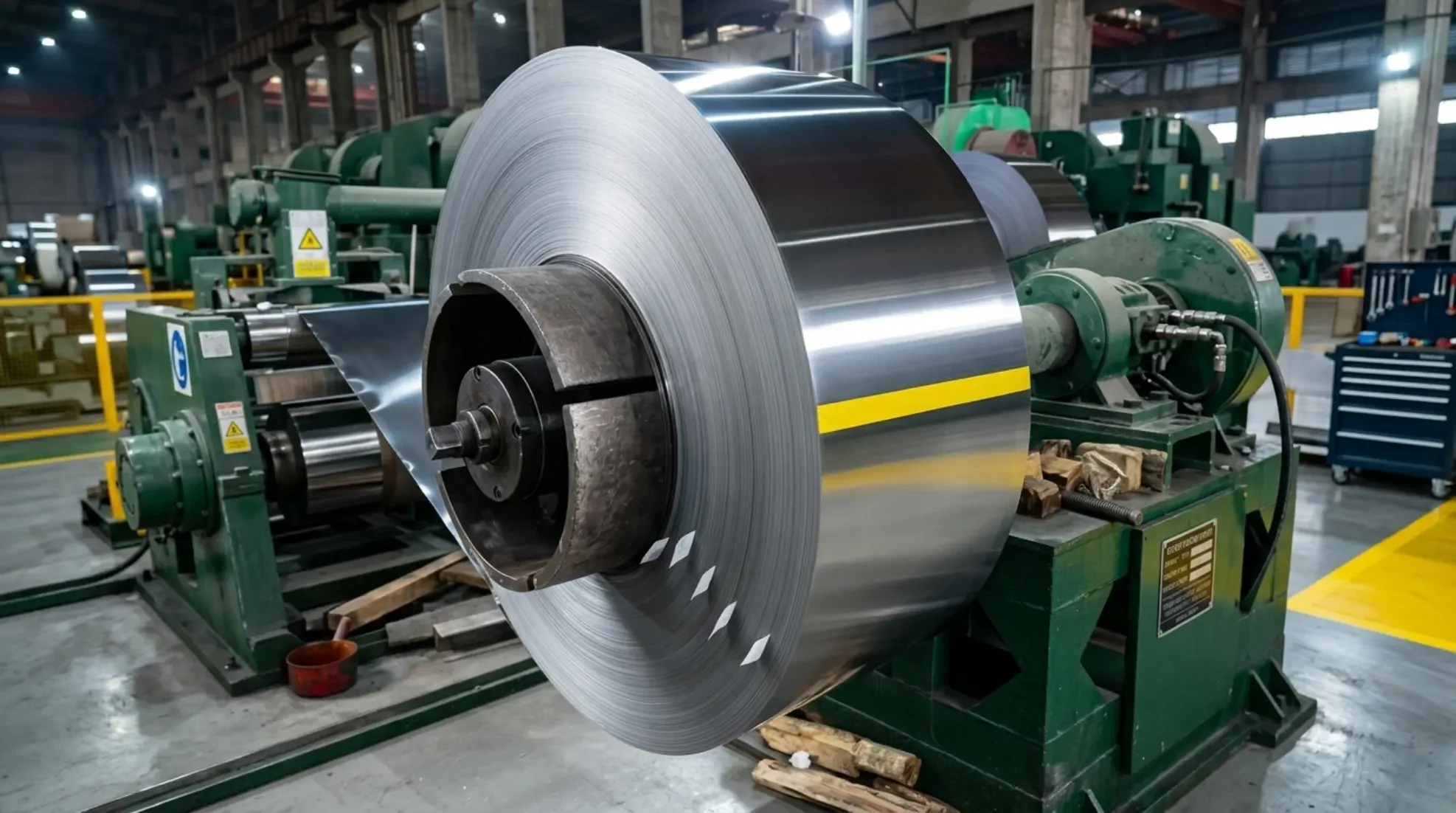
Weijunli Steel supplies and processes steel for construction and industrial projects. Our steel meets the standards for applications including beams, columns, frames, trusses, supports, warehouses, and prefabricated structures.
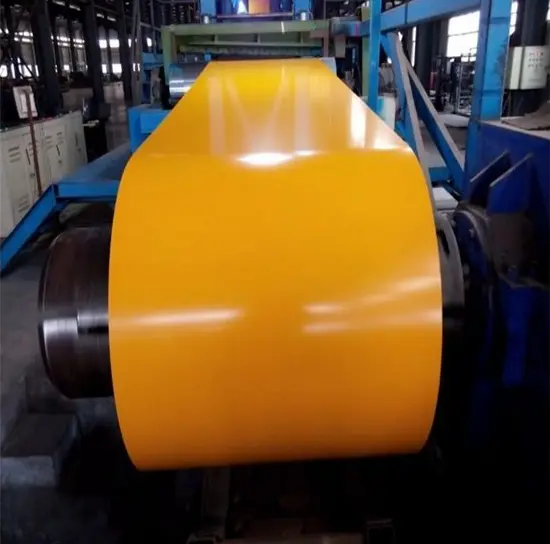
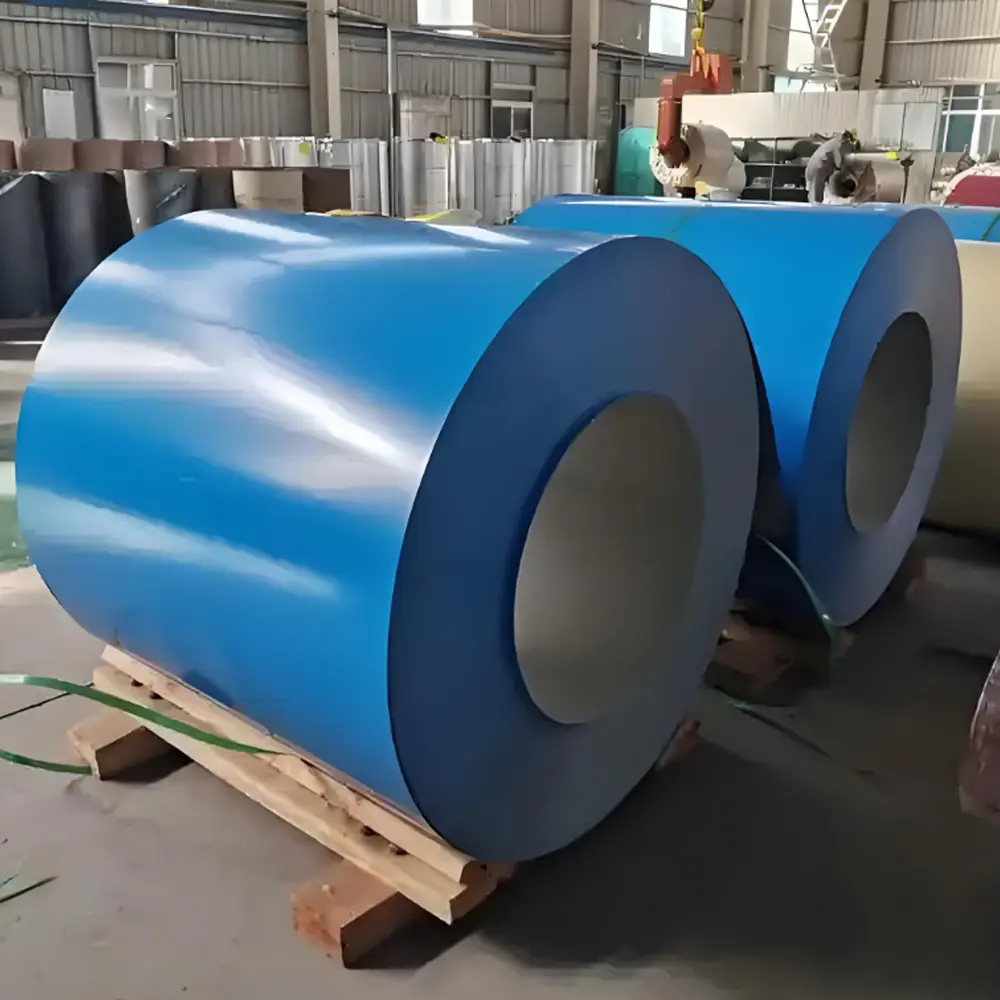
Our current product range includes hot-rolled steel, HRPO, cold-rolled steel, galvanized steel, Galvalume, prepainted steel, and other steel materials.
For warehouse-related projects, material selection can therefore be connected with the required application and downstream processing.
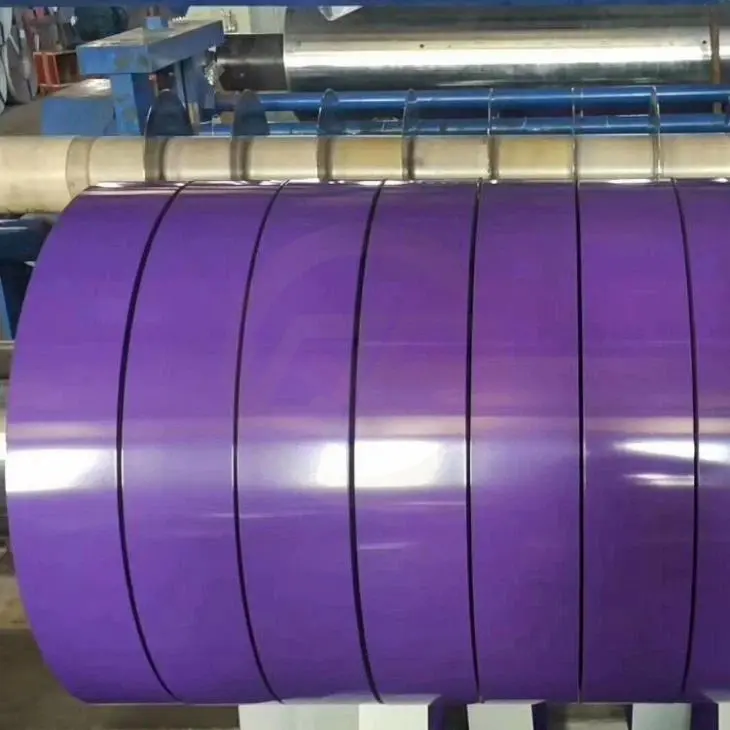
Weijunli also provides custom steel processing, including cutting, slitting, laser cutting, lamination, and welding. Its website states that these services cover construction and other industrial applications and can support projects from smaller batches to larger-scale production.
For buyers sourcing from a structural steel supplier, the key is to provide the required grade, dimensions, section or material form, applicable standard, and processing requirements. The supplier can then match the available material and processing route to the project specification.
Conclusion: Warehouse Construction Uses Different Steel for Different Roles
The answer to what steel is used for warehouse construction is not one specific grade.
A typical warehouse may use:
- Hot-rolled or built-up structural steel for columns, beams, and primary frames
- Cold-formed C/Z sections for purlins and girts
- Structural plate and other steel members for bracing and connections
- Galvanized steel where additional corrosion protection is required
- Different structural steel grades according to the engineering design and applicable standards
The correct steel for warehouse construction is therefore determined by the building system, structural role, loads, environment, and project specification. Selecting the material on that basis is more reliable than choosing a steel grade simply because it is commonly used in warehouses.