Choosing between stainless steel coil, strip, and sheet is not simply a matter of comparing the price per kilogram. The format can affect material utilization, scrap, processing, handling, and production efficiency.
In general, coil is well suited to high-volume continuous production, strip is useful when narrow and consistent widths are required, while sheet can be more economical for batch production where ready-cut material avoids additional processing.
Therefore, as a steel supplier and processor, Weijunli Steel suggests choosing the format that best matches the dimensions and production method of the final component.
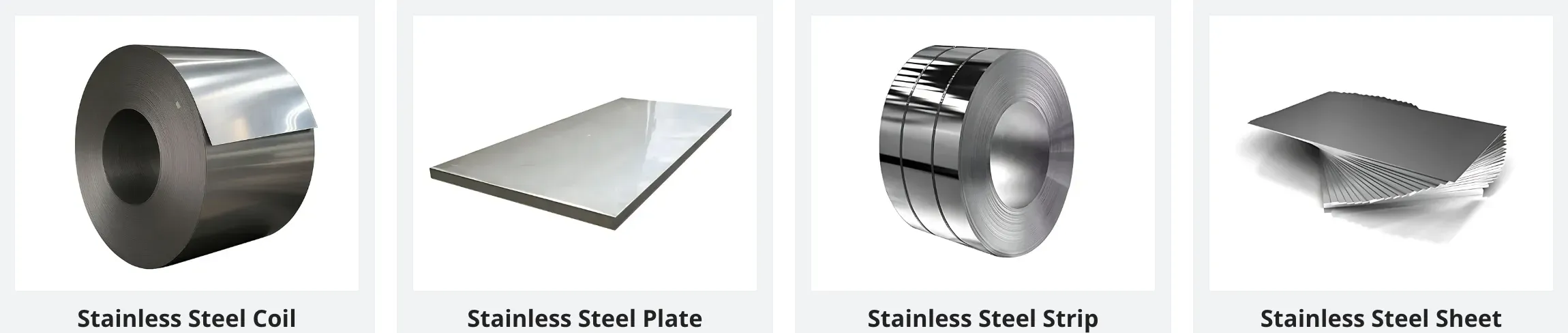
What Changes Between Stainless Steel Coil, Strip, and Sheet?
The three formats are all forms of flat-rolled stainless steel, but they are supplied differently and therefore fit different production processes.
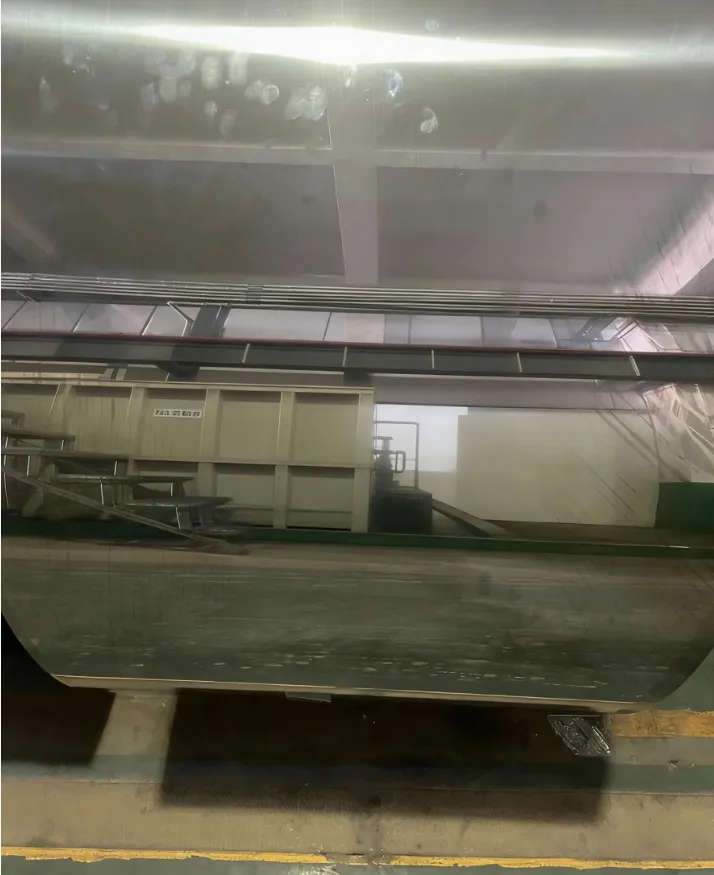
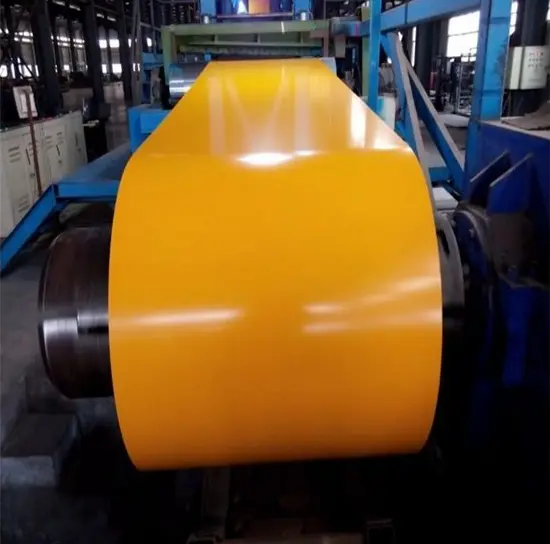
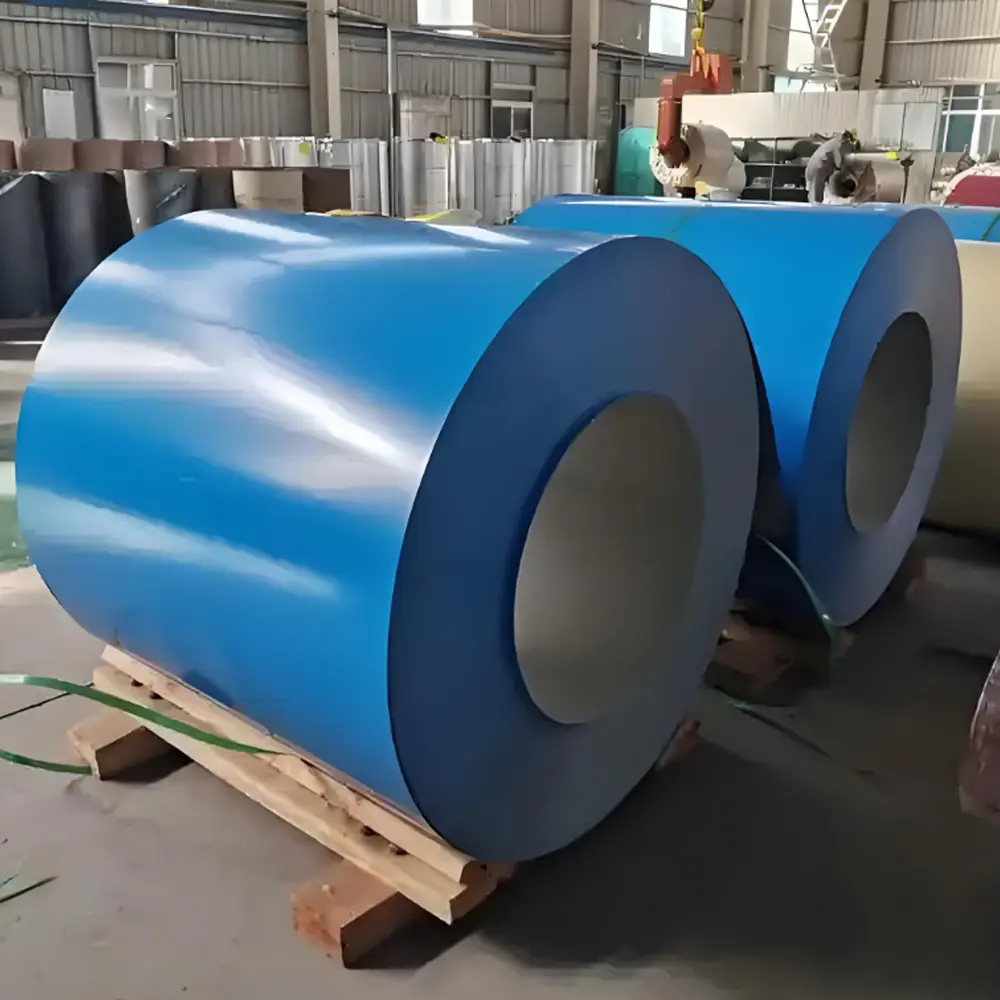
Stainless Steel Coil
Stainless steel coil is supplied as continuous material wound into a coil. It is suitable for processes that can continuously feed material into equipment, including stamping, forming, and other automated operations.
Its main cost advantage appears when a manufacturer can efficiently use the continuous length of material without excessive trimming or interruption.
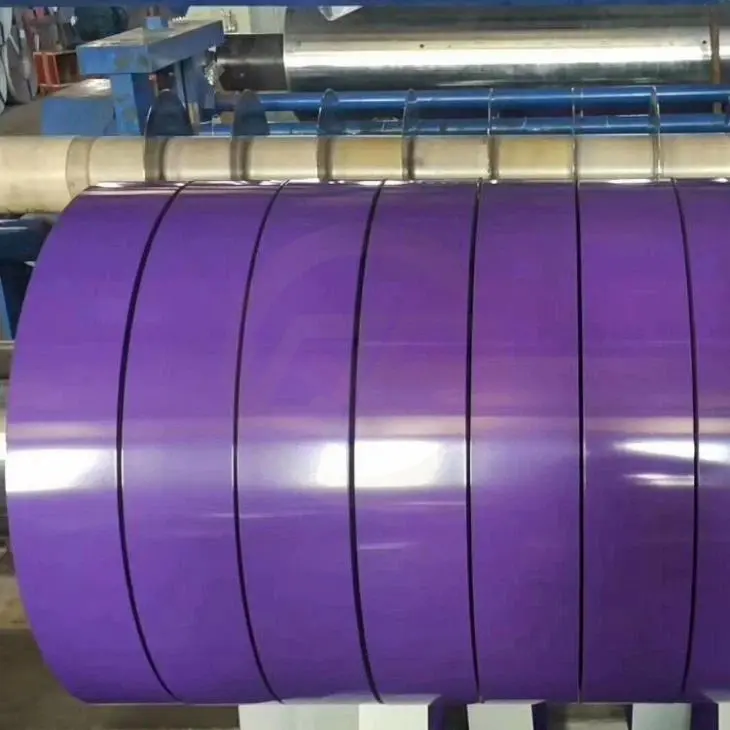
Stainless Steel Strip
Stainless steel strip is narrow-width flat material, often produced by slitting wider coil into narrower widths.
Strip is particularly useful when the finished component requires a relatively narrow and consistent width. Using material closer to the required width can reduce unnecessary trimming and unused material.
Stainless Steel Sheet
Stainless steel sheet is supplied as individual flat pieces cut to a specified length and width.
This format is convenient when parts are produced as individual blanks or in relatively small batches. If the supplied sheet dimensions already match the production requirement, additional cut-to-length processing may not be necessary.
The key difference is therefore not simply the physical form. It is how much additional processing, handling, and material waste each format creates before the steel becomes a finished component.
What Actually Determines Stainless Steel Production Cost?
The material quotation is only one part of the cost.
A more useful calculation is:
Material cost + processing cost + scrap + handling = actual production cost
Material Utilization
The dimensions of the supplied material have a direct effect on how much steel becomes usable product.
For example, if a component requires a relatively narrow blank but is produced from unnecessarily wide material, the excess width may need to be trimmed away. That material becomes scrap unless it can be used elsewhere.
This is why stainless steel material utilization matters. A slightly higher-priced material that fits the component dimensions better can sometimes produce a lower cost per usable part.
Processing Cost
Different formats may require different preparation processes, including:
- Slitting
- Cut-to-length
- Leveling
- Blanking
- Rewinding
- Additional handling
These operations add processing costs and may also introduce setup time or additional material loss.
Production Volume
Production volume changes the economics.
High-volume repetitive production can justify continuous coil feeding and specialized processing. In contrast, low-volume production may not generate enough output to justify additional coil-processing operations.
For a smaller batch, ready-to-use sheet can sometimes be more practical even if its initial material cost is not the lowest.
Scrap and Yield
Scrap is not simply the weight of material left over.
It also represents money spent on:
- Purchasing the unused material
- Processing it
- Moving it through the factory
- Storing it
- Disposing of it if it cannot be reused
Therefore, the more meaningful comparison is often cost per usable finished part, rather than cost per ton of incoming steel.
When Stainless Steel Coil Reduces Production Cost
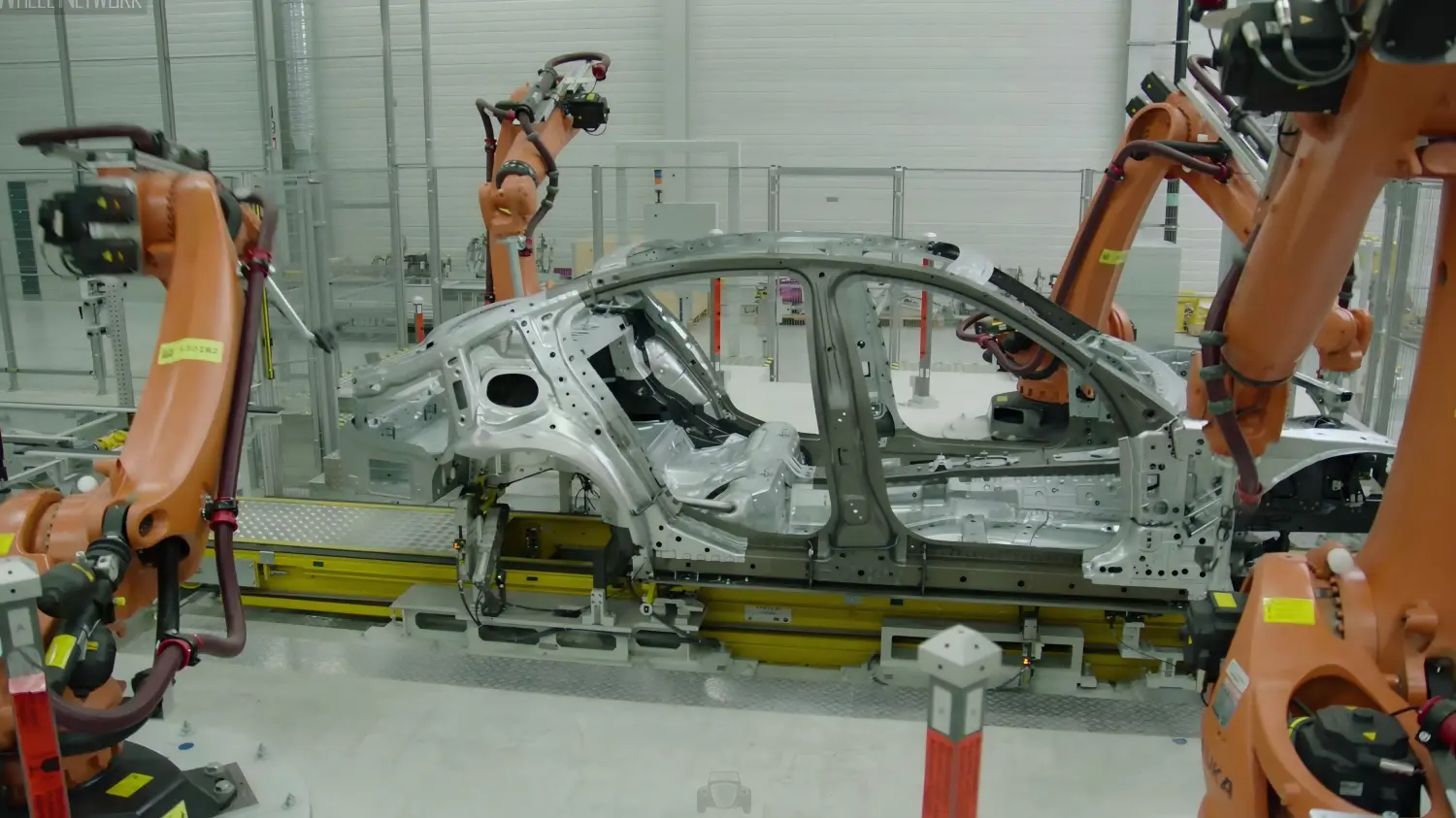
Coil is most economical when production volume is high, parts are repetitive, and the production line can continuously feed the material.
It works particularly well when the coil width is appropriately matched to the required component or blank layout. Continuous feeding can reduce interruptions and repeated material handling while making efficient use of the available material length.
High-Volume and Continuous Production
The basic economic relationship is:
continuous feeding → fewer interruptions → efficient material utilization → lower processing cost per part
Coil can therefore be suitable for applications where thousands or millions of repetitive components are produced using automated or semi-automated equipment.
Typical downstream industries: Automotive stamping, appliance manufacturing, HVAC components, and other high-volume metal forming applications can benefit from coil when they produce large quantities of repetitive parts.
Coil is not automatically the least wasteful option. If the width is poorly matched to the finished part, trimming and unused material can reduce its advantage.
When Stainless Steel Strip Reduces Production Cost
Strip is particularly useful when components require a narrow, consistent width and buying wider material would create excessive trimming or unused material.
Instead of starting with a wider coil or sheet and repeatedly cutting away excess material, a properly sized strip can bring the supplied width closer to the production requirement.
Narrow, Repetitive Components
The basic relationship is:
correct strip width → less trimming → less scrap → better material utilization
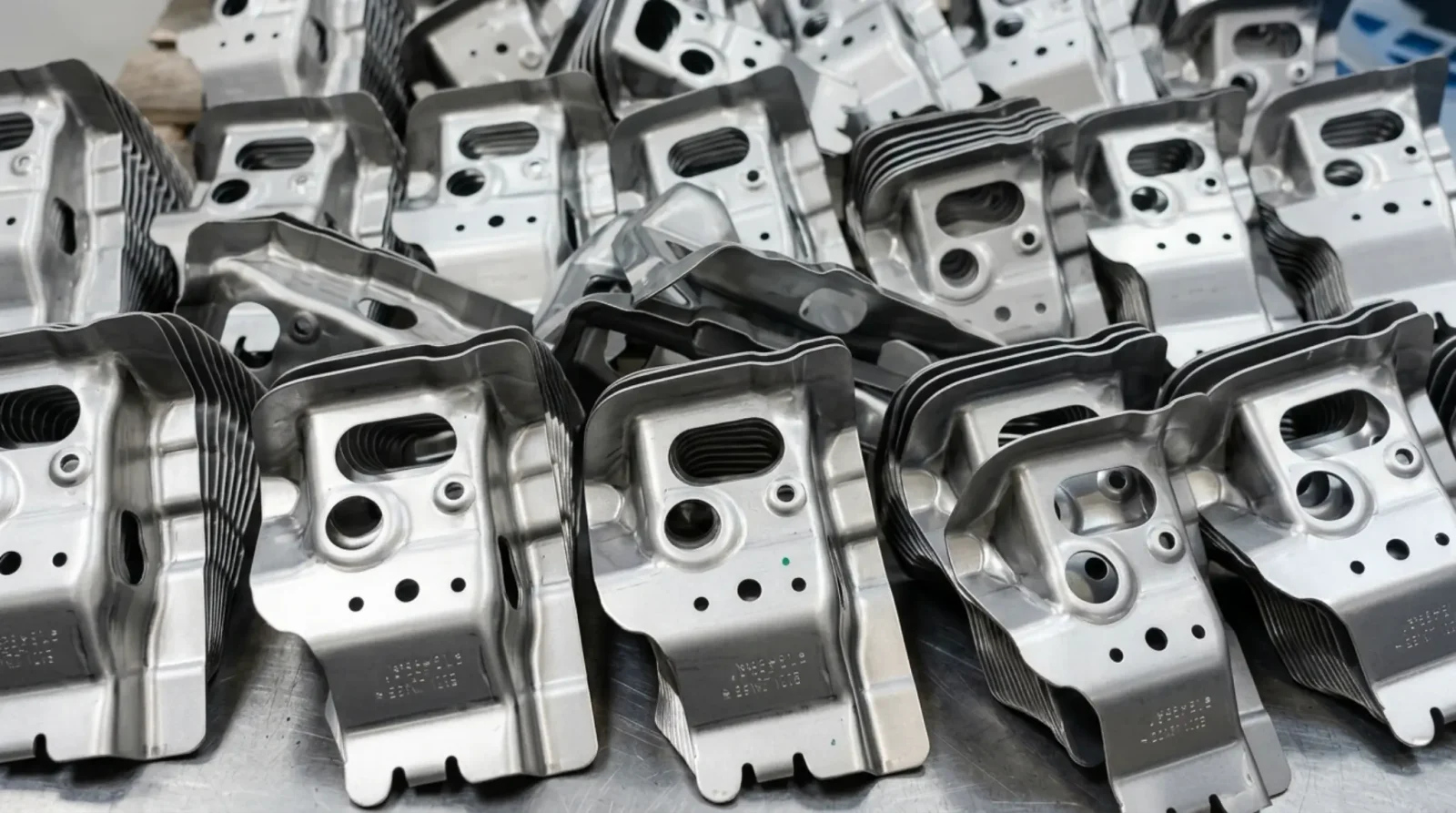
This can be particularly valuable for repetitive stamping or forming operations where the same narrow-width component is produced in large quantities.
Typical downstream industries: Automotive clips and brackets, electrical components, hardware fittings, and precision formed parts can benefit from stainless steel strip when narrow, repetitive widths are required.
The advantage of strip therefore comes from width matching, not because strip is inherently cheaper than coil or sheet.
When Stainless Steel Sheet Reduces Production Cost
Sheet can be more economical when production volume is relatively low, parts are produced as individual blanks, or the required dimensions can be supplied directly as sheets.
In these situations, using coil may introduce additional processing and handling that does not provide enough production efficiency to justify the cost.
Low-Volume and Batch Production
Sheet can make sense when:
- Production is batch-based
- Component dimensions vary
- Individual blanks are required
- Coil-feeding equipment is unavailable or unnecessary
- Standard sheet dimensions already fit the application
For example, a manufacturer producing relatively small quantities of different equipment panels may gain little from purchasing coil and arranging additional cut-to-length processing.
Avoiding Unnecessary Processing
Appropriately sized sheets can reduce the need for:
- Cut-to-length processing
- Coil handling
- Additional setup
- Intermediate material preparation
Typical downstream industries: Custom equipment, commercial kitchen equipment, metal enclosures, furniture components, and general fabrication often benefit from sheet when production is batch-based rather than continuous.
Therefore, sheet can have a higher apparent material cost while still producing a lower total production cost.


Stainless Steel Coil vs Strip vs Sheet: Which Format Is More Cost-Effective?
There is no universal winner. The most efficient format depends on the production conditions.
| Production condition | Potentially more efficient format | Main reason |
|---|---|---|
| High-volume continuous production | Coil | Continuous feeding and efficient use of material length |
| Narrow repetitive components | Strip | Better width matching and less trimming |
| Low-volume batch production | Sheet | Less additional processing |
| Standard individual blanks | Sheet | Ready-to-use cut-to-length format |
| Repetitive stamping/forming | Coil / Strip | Continuous material feeding |
| Highly width-sensitive parts | Strip | Reduced unused width |
A Simple Decision Framework
Before selecting the format, consider:
- What is the production volume?
- What width does the finished component require?
- Can the production line accept coil?
- How much trimming will be required?
- Is slitting or cut-to-length already available?
- How much scrap will remain?
- Can leftover material be reused?
The central principle is:
The least wasteful format is determined by how closely the supplied dimensions match the final part and production method—not simply by whether the material is supplied as coil, strip, or sheet.
How Weijunli Steel Can Help Reduce Total Material Consumption
Material format selection does not have to be separated from the actual dimensions of the finished parts.
Weijunli Steel can help customers coordinate the stainless steel coil, strip, or sheet format with requirements such as:
- Width
- Thickness
- Slitting
- Cut-to-length
- Required material dimensions
- Downstream processing requirements
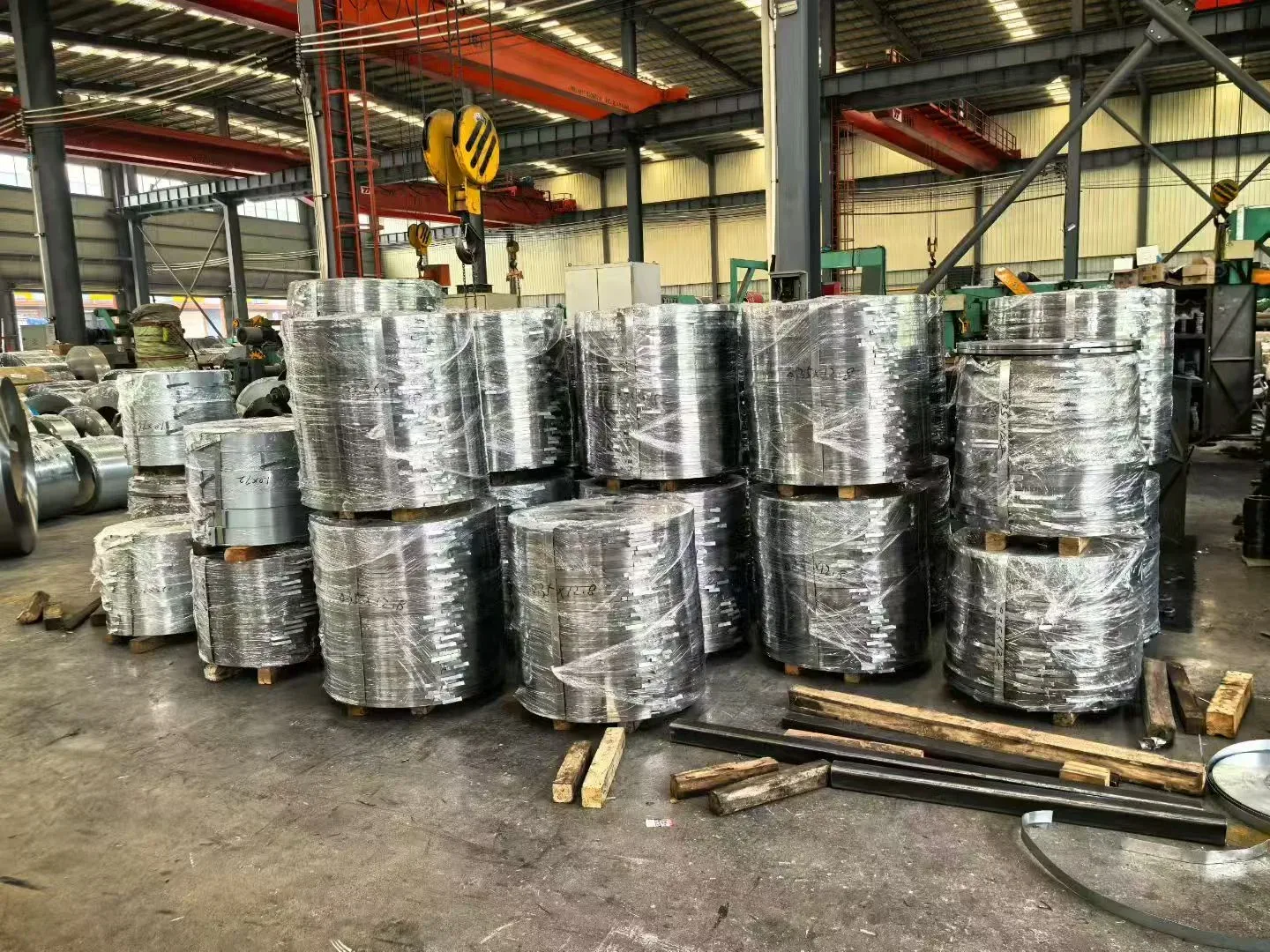
- Bulk supply
- Packaging and handling
With steel supply and processing capabilities, Weijunli Steel can help customers consider material format and dimensions together, rather than selecting coil, strip, or sheet based only on the initial material price. The objective is to provide a supply format that fits the downstream production process and helps reduce unnecessary material consumption.
For customers purchasing stainless steel in bulk, Weijunli Steel can coordinate the material format, dimensions, and processing requirements as part of the supply solution, helping customers make better use of the material they purchase.
Conclusion: Choose the Format That Minimizes Total Cost
The most economical stainless steel format depends on the relationship between material dimensions, production volume, processing requirements, and scrap.
- Coil is generally suited to high-volume, continuous, repetitive production.
- Strip is useful when narrow, consistent widths help reduce trimming and material waste.
- Sheet can be more economical for batch or lower-volume production where ready-cut material avoids additional processing.
The important comparison is not simply which format has the lowest price per kilogram. It is which format produces the lowest total cost for the usable finished part.