À medida que as empresas de serviços públicos e os fabricantes de transformadores dão cada vez mais ênfase à eficiência e aos custos operacionais na era da IA, o aço elétrico tornou-se um dos materiais mais importantes na conceção de transformadores de potência.
A qualidade do núcleo do transformador afeta diretamente as perdas de energia, o desempenho térmico e a eficiência operacional a longo prazo. A escolha do aço elétrico adequado é, por isso, uma decisão crucial tanto para os fabricantes como para os compradores.
Como profissional fornecedor grossista de aço, iremos explicar os principais tipos de aço magnético utilizados nos transformadores, como se comparam os diferentes tipos e quais os fatores que devem ser tidos em conta na seleção dos materiais para o núcleo dos transformadores.
Por que razão o aço magnético é importante nos transformadores de potência
O papel do núcleo do transformador
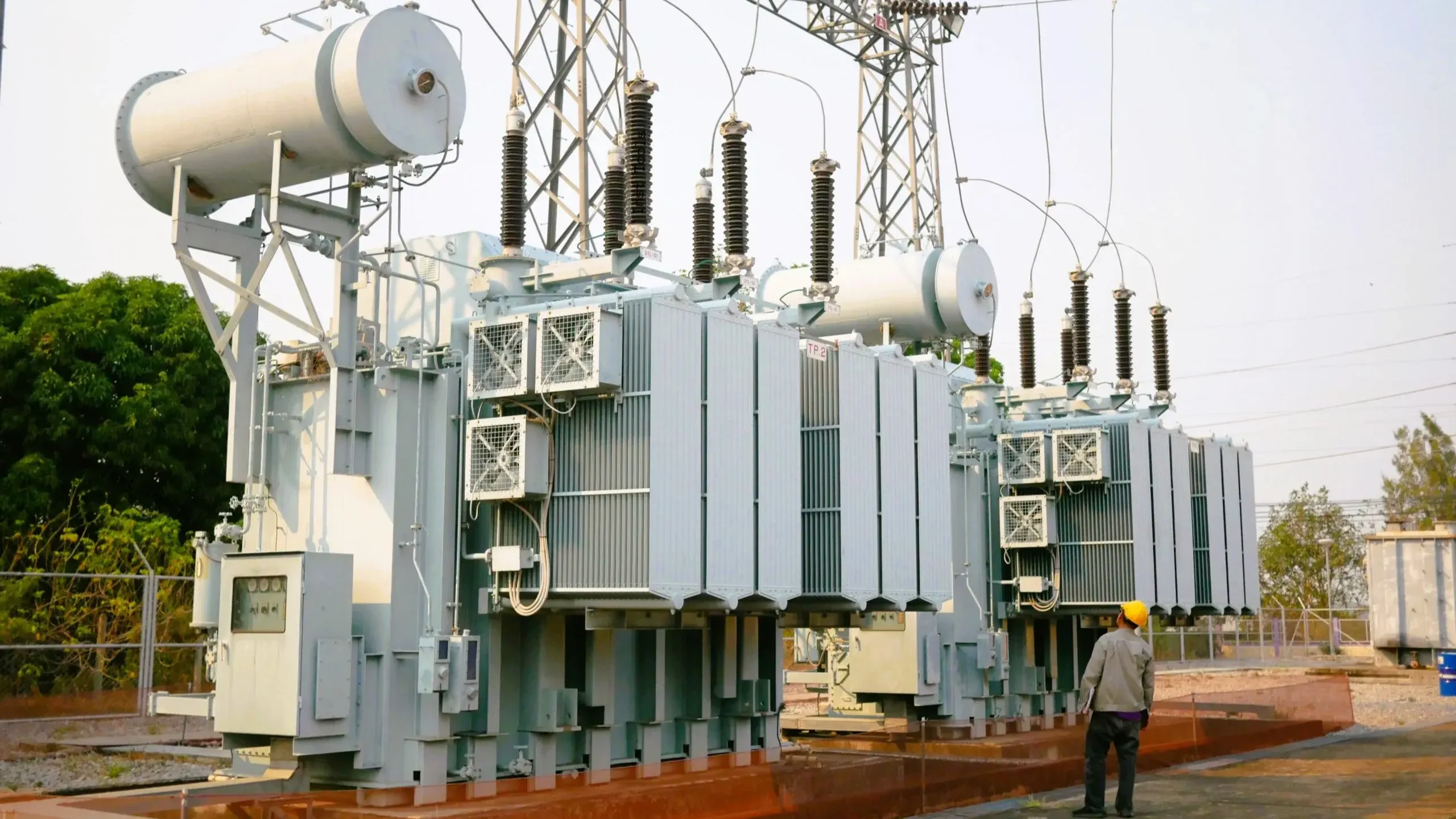
O núcleo do transformador proporciona um percurso magnético controlado que permite a transferência eficiente de energia elétrica entre os enrolamentos.
Quando a corrente alternada circula pelo enrolamento primário, é gerado um campo magnético no núcleo. Este fluxo magnético induz tensão no enrolamento secundário, permitindo a transferência de energia sem contacto elétrico direto.
Uma vez que o fluxo magnético atravessa continuamente o núcleo durante o funcionamento, a qualidade do material do núcleo afeta diretamente a eficiência do transformador.
Como ocorrem as perdas no núcleo
Mesmo quando um transformador está a funcionar em condições de vazio, ocorrem perdas de energia no núcleo.
Os dois principais tipos de perdas no núcleo são:
- Perdas por histerese causadas pela magnetização e desmagnetização repetidas
- Perdas por correntes de Foucault causadas pelas correntes circulantes induzidas no aço
O aço elétrico de maior qualidade minimiza ambos os mecanismos de perda, melhorando o desempenho global do transformador.
O custo de escolher o aço errado
A escolha de aço elétrico de qualidade inferior pode reduzir os custos iniciais com materiais, mas, muitas vezes, aumenta os custos totais de propriedade através de:
- Maior consumo de energia
- Aumento das temperaturas de funcionamento
- Maiores necessidades de refrigeração
- Diminuição da eficiência do transformador
- Menor competitividade nos mercados da eficiência energética
Para as empresas de serviços públicos que operam milhares de transformadores, mesmo pequenas melhorias nas perdas no núcleo podem gerar poupanças substanciais ao longo da vida útil.
O que é o aço magnético?
Definição e composição
O aço elétrico, frequentemente designado por «aço ao silício», é uma liga de aço especializada concebida para aplicações magnéticas.
A maior parte do aço elétrico para transformadores contém aproximadamente 2% a 4% de silício. A adição de silício melhora significativamente o desempenho magnético, ao mesmo tempo que reduz as perdas de energia.
Ao contrário do aço ao carbono convencional, o aço magnético é concebido especificamente para otimizar o comportamento do fluxo magnético.
Principais propriedades magnéticas
O aço magnético é apreciado por várias características essenciais:
- Elevada permeabilidade magnética
- Baixa perda por histerese
- Redução das perdas por correntes de Foucault
- Elevada indução magnética
- Desempenho magnético estável
Estas propriedades tornam-no o material preferido para núcleos de transformadores, reatores, geradores e outros equipamentos eletromagnéticos.
Por que se adiciona silício?
O silício melhora o desempenho do aço elétrico ao:
- Aumento da resistividade elétrica
- Redução das perdas por correntes de Foucault
- Aumentar a eficiência magnética
- Melhorar a permeabilidade
- Reduzir a perda de núcleo global
O resultado é um material capaz de permitir uma transferência eficiente do fluxo magnético, minimizando simultaneamente o desperdício de energia.
Aço elétrico de grão orientado vs. aço elétrico de grão não orientado
O que é o aço elétrico de grão orientado (GOES)?
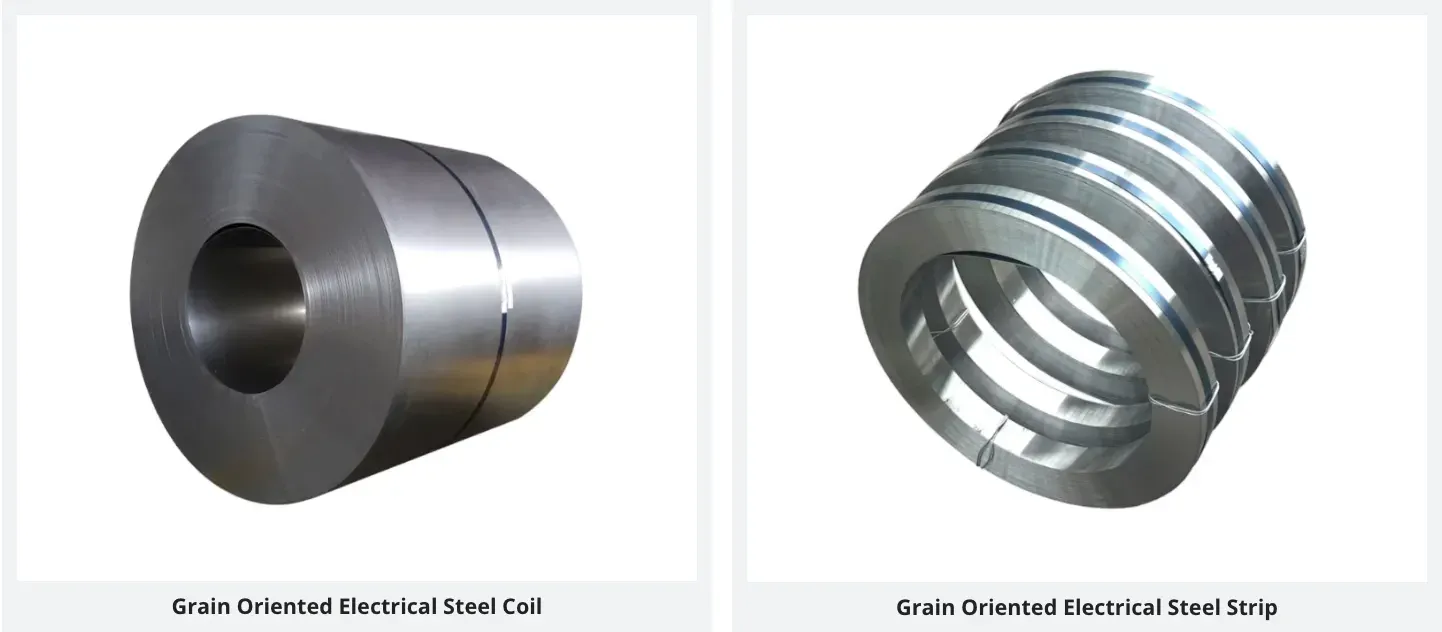
Aço elétrico de grão orientado (GOES) foi especificamente concebido para que a sua estrutura cristalina se alinhe numa direção magnética preferencial durante o fabrico.
Uma vez que o fluxo magnético segue um percurso previsível no interior dos núcleos dos transformadores, este alinhamento direcional permite que o GOES consiga:
- Perda de núcleo extremamente baixa
- Elevada permeabilidade
- Indução magnética superior
- Maior eficiência do transformador
O GOES é o material predominante utilizado nos núcleos dos transformadores modernos.
O que é o aço elétrico de grão não orientado (NGOES)?
Aço elétrico não orientado (NGOES) apresenta uma orientação cristalina mais uniforme.
As suas propriedades magnéticas mantêm-se relativamente constantes em todas as direções, tornando-o adequado para máquinas rotativas em que o fluxo magnético muda de direção continuamente.
As aplicações típicas do aço elétrico não orientado incluem:
- Motores elétricos
- Motores industriais
- Geradores
- Motores de tração para automóveis
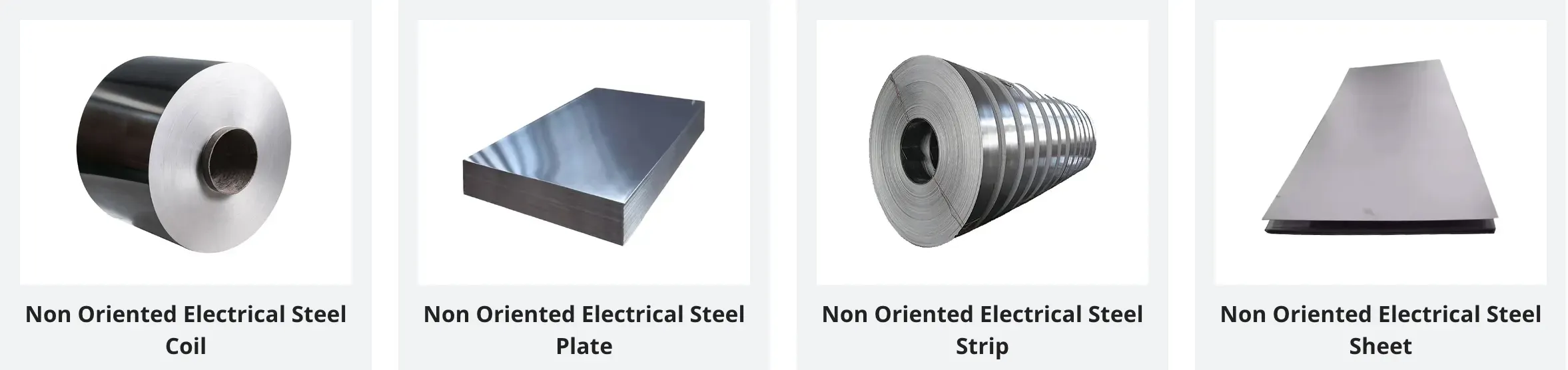
Comparação entre GOES e NGOES
| Imóveis | GOES | ONGES |
|---|---|---|
| Perda no núcleo | Inferior | Mais alto |
| Permeabilidade | Mais alto | Inferior |
| Desempenho do transformador | Excelente | Limitada |
| Aplicações de motores | Limitada | Excelente |
| Eficiência | Superior | Moderado |
Tipos de aço elétrico de grão orientado utilizados em transformadores
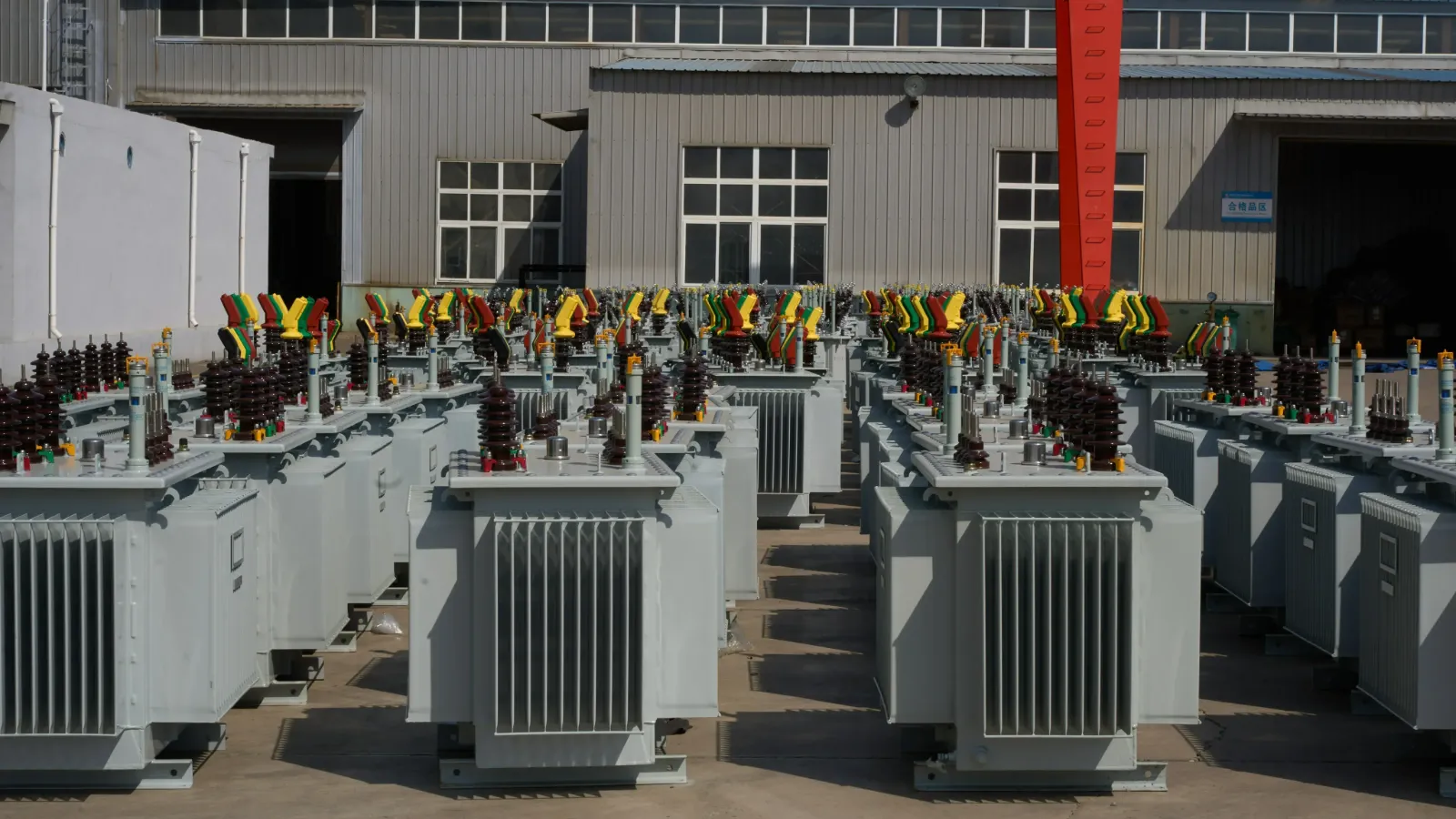
Aço CRGO convencional
O aço laminado a frio com grãos orientados (CRGO) continua a ser um dos materiais mais utilizados para núcleos de transformadores em todo o mundo.
As vantagens incluem:
- Desempenho magnético fiável
- Preços acessíveis
- Ampla disponibilidade
- Adequado para aplicações com transformadores padrão
O CRGO convencional é frequentemente utilizado em transformadores de distribuição e em equipamento elétrico de uso geral.
Aço elétrico de alta permeabilidade (Hi-B)
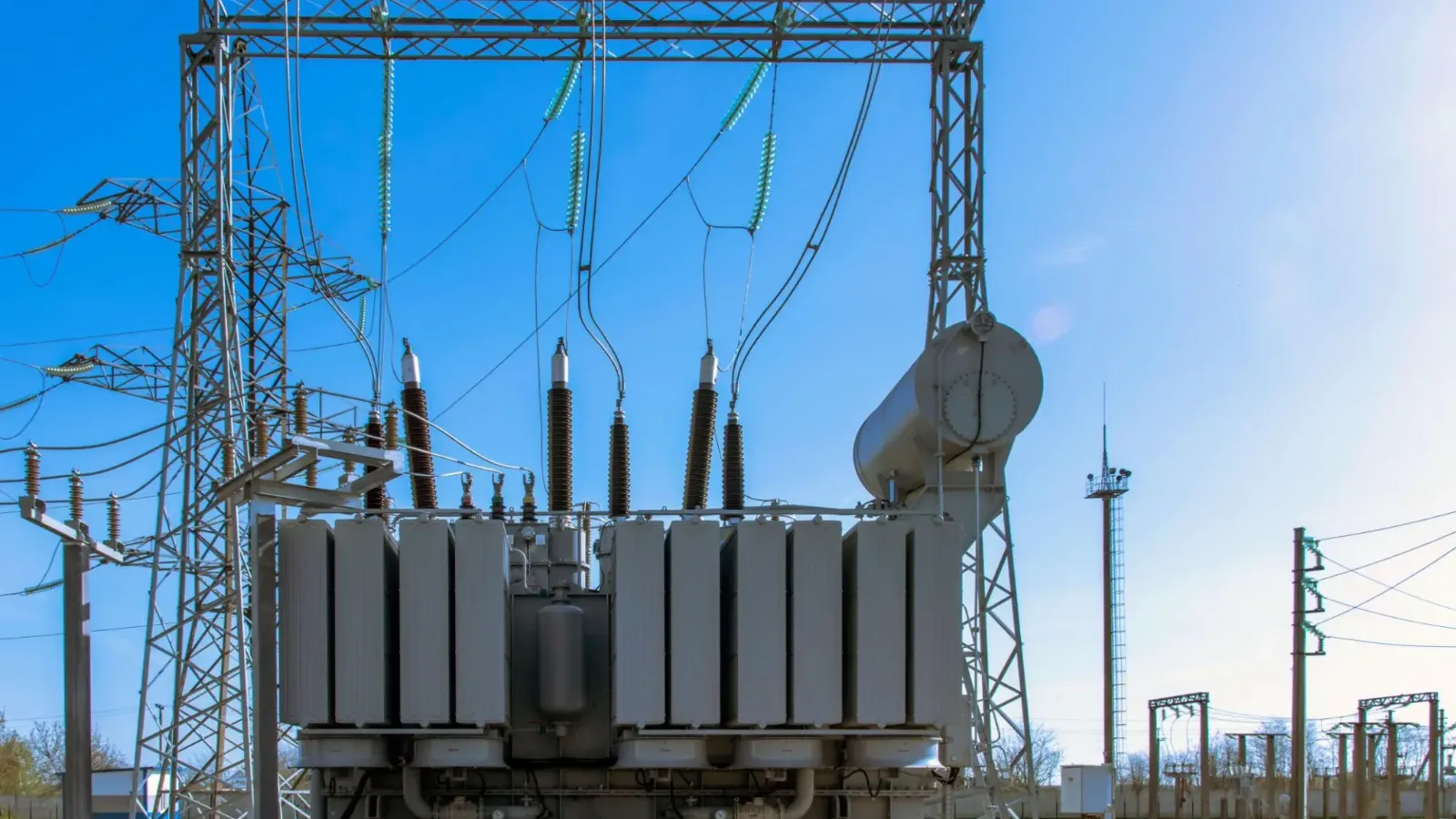
O aço elétrico Hi-B representa uma forma avançada de aço de grão orientado com um alinhamento magnético melhorado.
Em comparação com o CRGO convencional, o Hi-B oferece:
- Maior permeabilidade
- Corrente de magnetização mais baixa
- Perda no núcleo reduzida
- Maior eficiência energética
Atualmente, muitos fabricantes de transformadores preferem materiais Hi-B para projetos de transformadores de gama alta e energeticamente eficientes.
Aço elétrico refinado por domínio
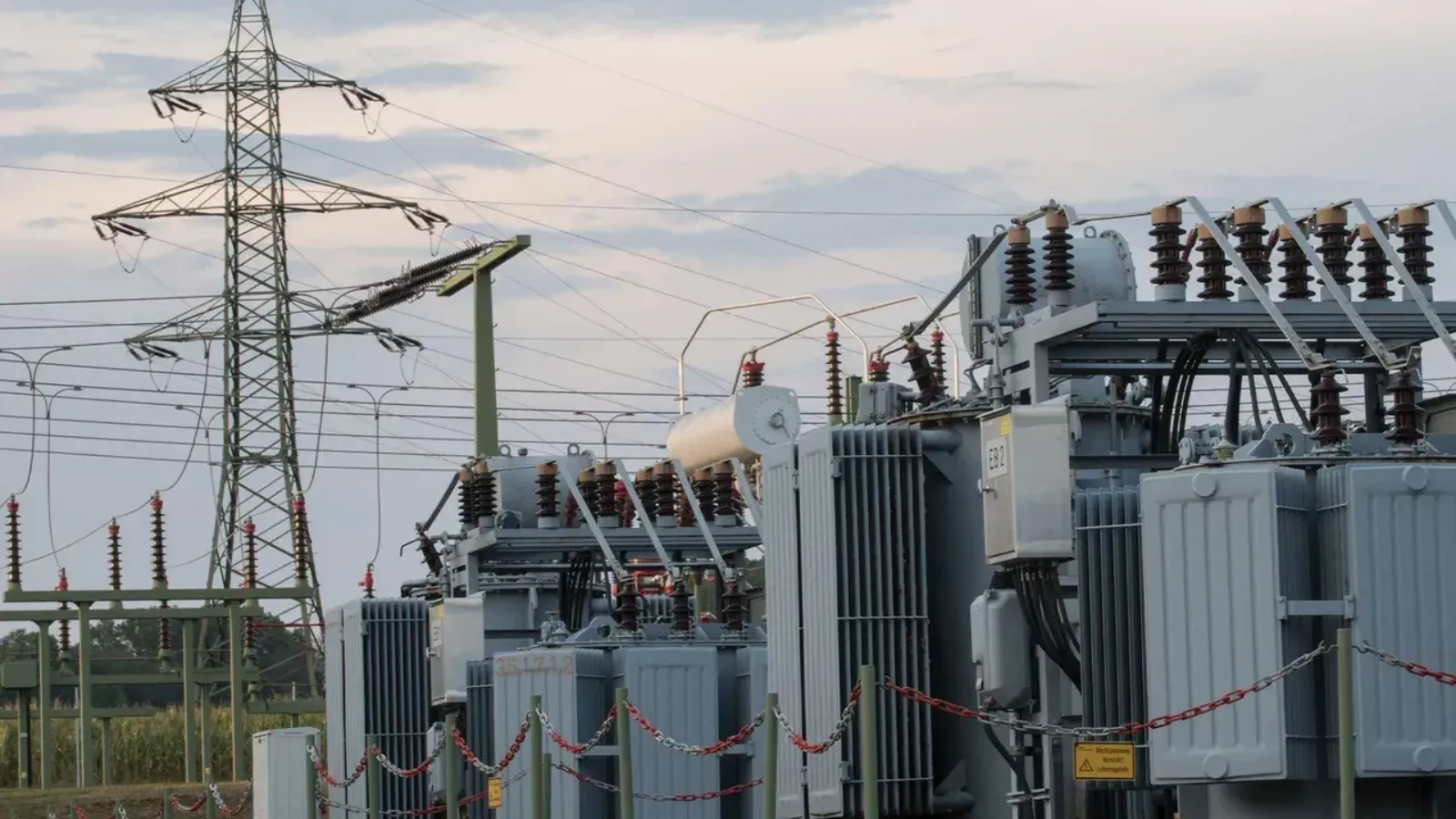
O aço elétrico com domínios refinados recorre a tecnologias avançadas, como a gravação a laser, para otimizar as estruturas dos domínios magnéticos.
Os benefícios incluem:
- Perdas no núcleo ultrabaixas
- Maior eficiência
- Temperaturas de funcionamento reduzidas
- Custos operacionais mais baixos ao longo do ciclo de vida
Este tipo de material é frequentemente escolhido para grandes transformadores de potência e aplicações de infraestruturas de alto desempenho.
Qual é a melhor qualidade de aço magnético para os diferentes tipos de transformadores?
O tipo ideal depende dos requisitos da aplicação, dos objetivos de eficiência e das restrições orçamentais.
Matriz de seleção de notas
| Tipo de transformador | Aço recomendado |
| Transformador de distribuição padrão | CRGO convencional |
| Transformador de distribuição energeticamente eficiente | Hi-B GOES |
| Transformador de potência para serviços públicos | Hi-B GOES |
| Transformador para energias renováveis | GOES Hi-B ou refinados por domínio |
| Transformador para infraestruturas críticas | GOES refinados por domínio |
Parâmetros-chave a ter em conta na aquisição de aço elétrico para transformadores
Perda no núcleo
A perda no núcleo é um dos critérios de compra mais importantes.
Medida em watts por quilograma (W/kg), uma menor perda no núcleo indica, geralmente, uma melhor eficiência do transformador e custos operacionais reduzidos.
Para muitos compradores, pagar um pouco mais por material com menores perdas pode resultar em poupanças significativas ao longo da vida útil do transformador.
Permeabilidade magnética
A elevada permeabilidade permite que o fluxo magnético se desloque mais facilmente através do núcleo.
Os benefícios incluem:
- Corrente de excitação mais baixa
- Maior eficiência
- Redução das perdas
Indução magnética
A indução magnética reflete a capacidade do aço de conduzir o fluxo magnético.
Valores de indução mais elevados permitem conceber transformadores mais compactos, mantendo o desempenho.
Espessura
O aço magnético está disponível em várias espessuras, incluindo:
- 0,30 mm
- 0,27 mm
- 0,23 mm
De um modo geral, o aço mais fino contribui para reduzir as perdas por correntes de Foucault e melhorar a eficiência.
Revestimento isolante de superfícies
Os revestimentos desempenham várias funções importantes:
- Isolamento elétrico entre as lâminas
- Melhoria no desempenho de perfuração
- Melhor resistência à corrosão
- Perdas interlaminares reduzidas
A qualidade do revestimento deve ser avaliada em conjunto com as propriedades magnéticas ao comparar fornecedores de aço elétrico de grão orientado.
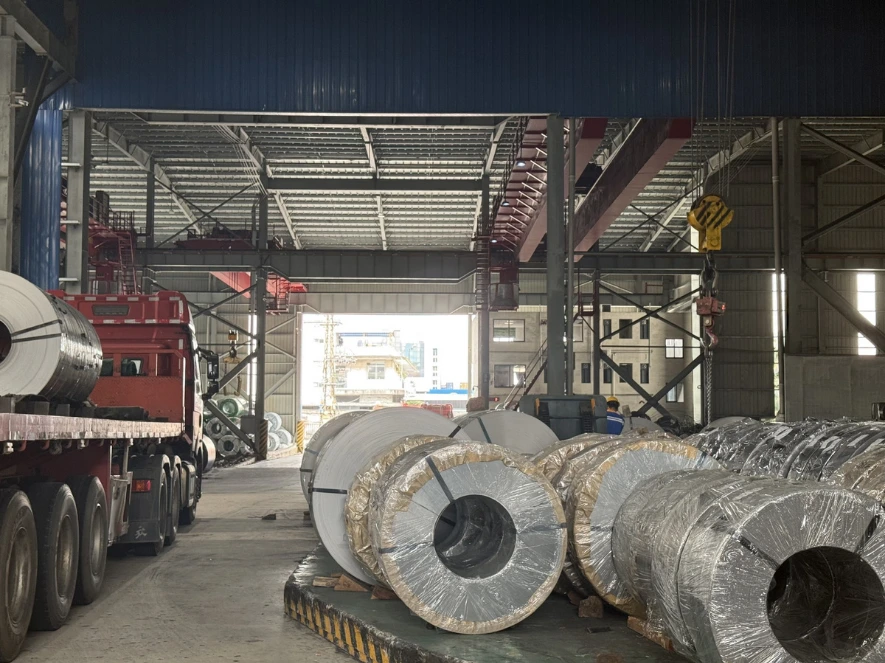
Como o aço magnético influencia o desempenho dos transformadores
Eficiência energética
O aço magnético determina diretamente a quantidade de energia que se perde no núcleo do transformador.
Os materiais com menores perdas ajudam os fabricantes a cumprir requisitos de eficiência cada vez mais rigorosos, reduzindo simultaneamente o desperdício de eletricidade.
Temperatura de funcionamento
Perdas no núcleo mais baixas geram menos calor.
Os benefícios incluem:
- Redução da procura de refrigeração
- Maior estabilidade térmica
- Maior durabilidade do isolamento
- Maior fiabilidade
Redução de ruído
Os graus GOES avançados melhoram frequentemente o comportamento do fluxo magnético e reduzem os efeitos da magnetoestrição.
Isto pode contribuir para reduzir os níveis de ruído dos transformadores, um aspeto importante a ter em conta em instalações urbanas e comerciais.
Custo Total de Propriedade
Muitos compradores concentram-se principalmente no preço de compra.
No entanto, a rentabilidade dos transformadores é fortemente influenciada pelas perdas de energia ao longo da sua vida útil.
Um transformador fabricado com aço magnético de alta qualidade pode ter um custo inicial mais elevado, mas, muitas vezes, compensa:
- Custos operacionais mais baixos
- Maior eficiência
- Menor carga de manutenção
- Melhor retorno do investimento a longo prazo
O aço elétrico mais económico nem sempre é o material mais barato — é aquele que minimiza o custo total de propriedade ao longo de décadas de utilização.
Como escolher um fornecedor fiável de aço elétrico
Propriedades magnéticas consistentes
Um fornecedor de renome de aço elétrico de grão orientado deve garantir um desempenho magnético estável em todos os lotes de produção.
As propriedades inconsistentes dos materiais podem afetar negativamente a qualidade dos transformadores e os rendimentos de produção.
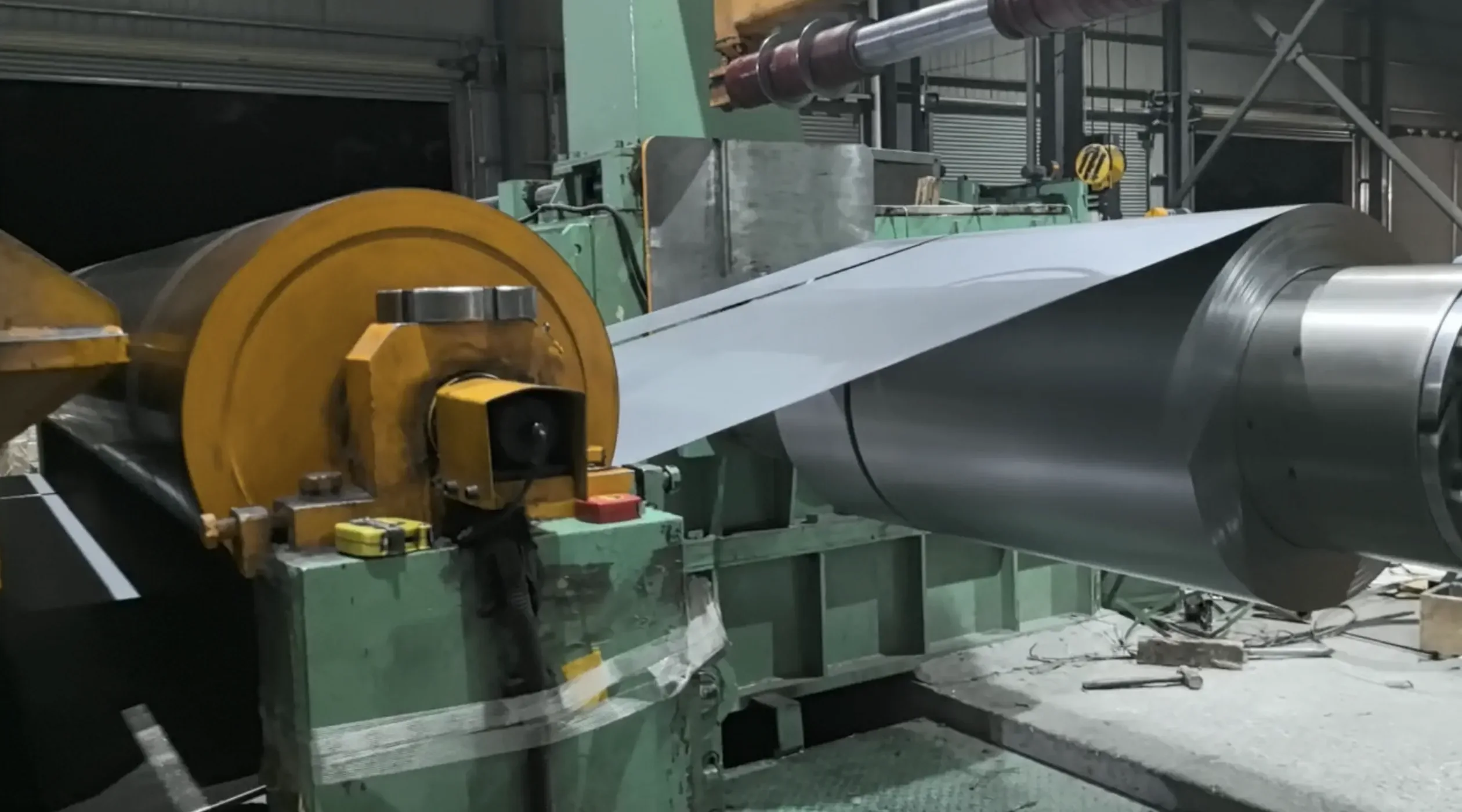
Capacidades de corte longitudinal de precisão
Muitos fabricantes de transformadores necessitam de bobinas com fendas adaptadas a requisitos de produção específicos.
Um competente fabricante de aço magnético à medida deveria oferecer:
- Corte longitudinal de precisão
- Tolerâncias dimensionais apertadas
- Elevada qualidade dos contornos
- Geometria consistente da bobina
Cadeia de abastecimento estável
Um abastecimento fiável é essencial para a produção de transformadores em grande escala.
Ao avaliar um fornecedor de aço elétrico de grão orientado, os compradores devem avaliar:
- Capacidade de armazenamento
- Prazos de entrega
- Capacidade de produção
- Estabilidade do abastecimento a longo prazo
Experiência em exportação internacional
Os compradores globais beneficiam frequentemente da colaboração com fornecedores experientes em logística internacional, documentação e conformidade com as normas de exportação.
Apoio à produção OEM e à produção por encomenda
Um profissional qualificado fornecedor grossista de aço magnético deverá prestar serviços de valor acrescentado, tais como:
- Corte de bobinas
- Processamento por corte à medida
- Dimensões personalizadas
- Recomendações de materiais específicas para cada projeto
Estes serviços podem ajudar a otimizar as operações de fabrico e a reduzir a complexidade do processo de aquisição.
Conclusão
O aço magnético desempenha um papel fundamental na eficiência e no desempenho dos transformadores, especialmente na era da IA.
Na maioria das aplicações de transformadores de potência, o aço elétrico de grão orientado continua a ser a escolha preferida devido às suas baixas perdas no núcleo e às suas excelentes propriedades magnéticas. As classes convencionais CRGO, Hi-B e de refinamento de domínios satisfazem, cada uma, diferentes requisitos de desempenho e orçamento.
Sobre a Weijunli Steel – O seu fornecedor de confiança de aço elétrico
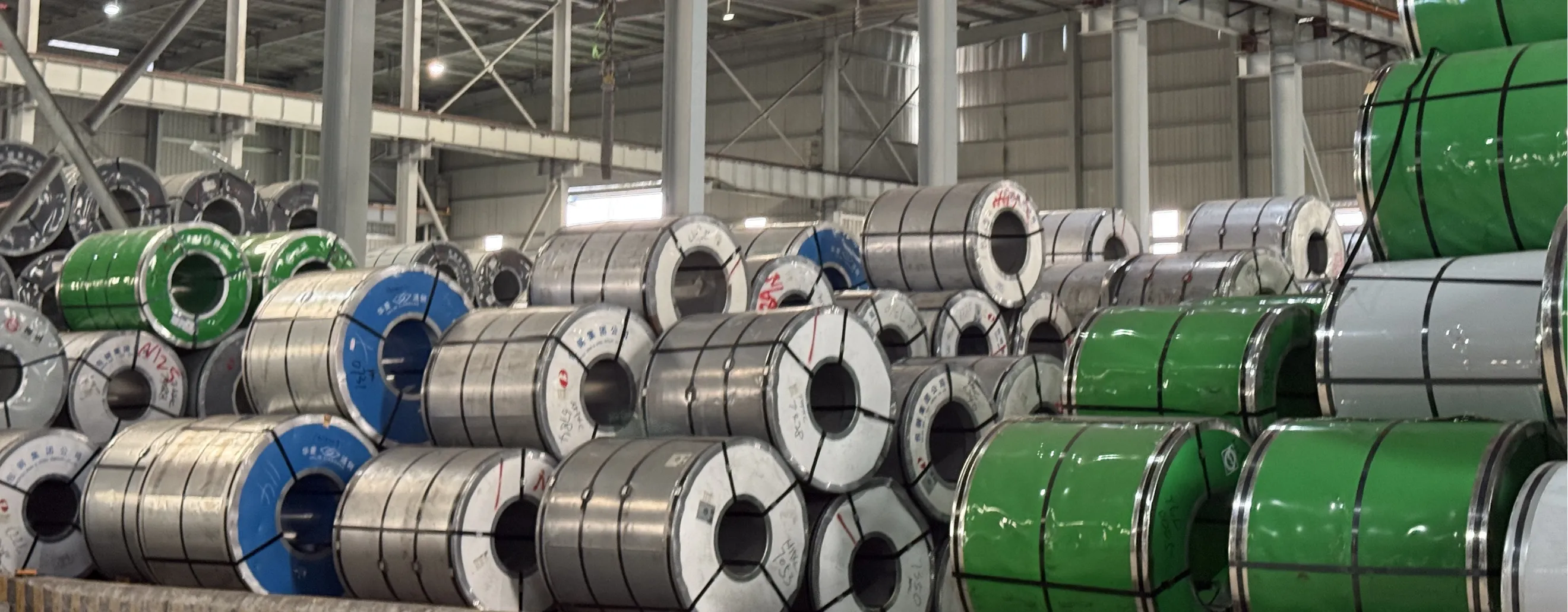
Como fornecedor profissional de aço, somos especializados no fornecimento de produtos de alta qualidade venda por grosso de aço elétrico de grãos orientados e aço elétrico não orientado, por grosso para fabricantes de transformadores, motores e equipamentos elétricos em todo o mundo. Com uma elevada capacidade de armazenamento, um abastecimento estável e preços diretos de fábrica, apoiamos aquisições B2B de grande volume, mantendo simultaneamente um desempenho magnético consistente e uma qualidade de produto fiável.
A satisfação do cliente está no centro da nossa atividade, e oferecemos serviços de processamento personalizados, incluindo corte longitudinal de precisão, corte à medida e especificações específicas para cada projeto, de modo a satisfazer os diversos requisitos de fabrico. Com o apoio de uma vasta experiência no setor, de um controlo de qualidade rigoroso e de um apoio profissional à exportação, ajudamos os clientes a melhorar a eficiência da produção, a reduzir a complexidade do aprovisionamento e a alcançar fiabilidade operacional a longo prazo.
FAQ
Qual é o melhor aço magnético para transformadores de potência?
O aço elétrico de grãos orientados de alta permeabilidade (Hi-B GOES) é geralmente considerado uma das melhores opções, uma vez que combina baixas perdas no núcleo com uma excelente permeabilidade magnética.
Por que razão se prefere o aço magnético de grão orientado nos transformadores?
A sua estrutura cristalina está alinhada com a direção do fluxo magnético, o que permite menores perdas de energia e uma maior eficiência do transformador.
Qual é a diferença entre o aço elétrico CRGO e o Hi-B?
O aço elétrico Hi-B apresenta maior permeabilidade e menores perdas no núcleo do que o CRGO convencional, tornando-o adequado para projetos de transformadores de maior eficiência.
De que forma a perda no núcleo afeta a eficiência do transformador?
Uma menor perda no núcleo significa que se desperdiça menos energia sob a forma de calor, o que se traduz numa maior eficiência e em custos operacionais mais baixos ao longo de toda a vida útil do transformador.
Qual é a espessura do aço magnético normalmente utilizada nos transformadores?
As espessuras mais comuns dos transformadores incluem 0,30 mm, 0,27 mm e 0,23 mm, sendo que os materiais mais finos proporcionam, geralmente, perdas mais baixas.
Será que uma menor perda no núcleo compensa o custo mais elevado do material?
Em muitos casos, sim. A redução das perdas de energia ao longo da vida útil da instalação excede frequentemente o custo adicional inicial dos materiais.
Como posso escolher um fornecedor fiável de aço elétrico?
Avalie a consistência do desempenho magnético, as capacidades de processamento, os sistemas de controlo de qualidade, os prazos de entrega, a experiência em exportação e as capacidades de atendimento personalizado antes de tomar uma decisão sobre o fornecedor.