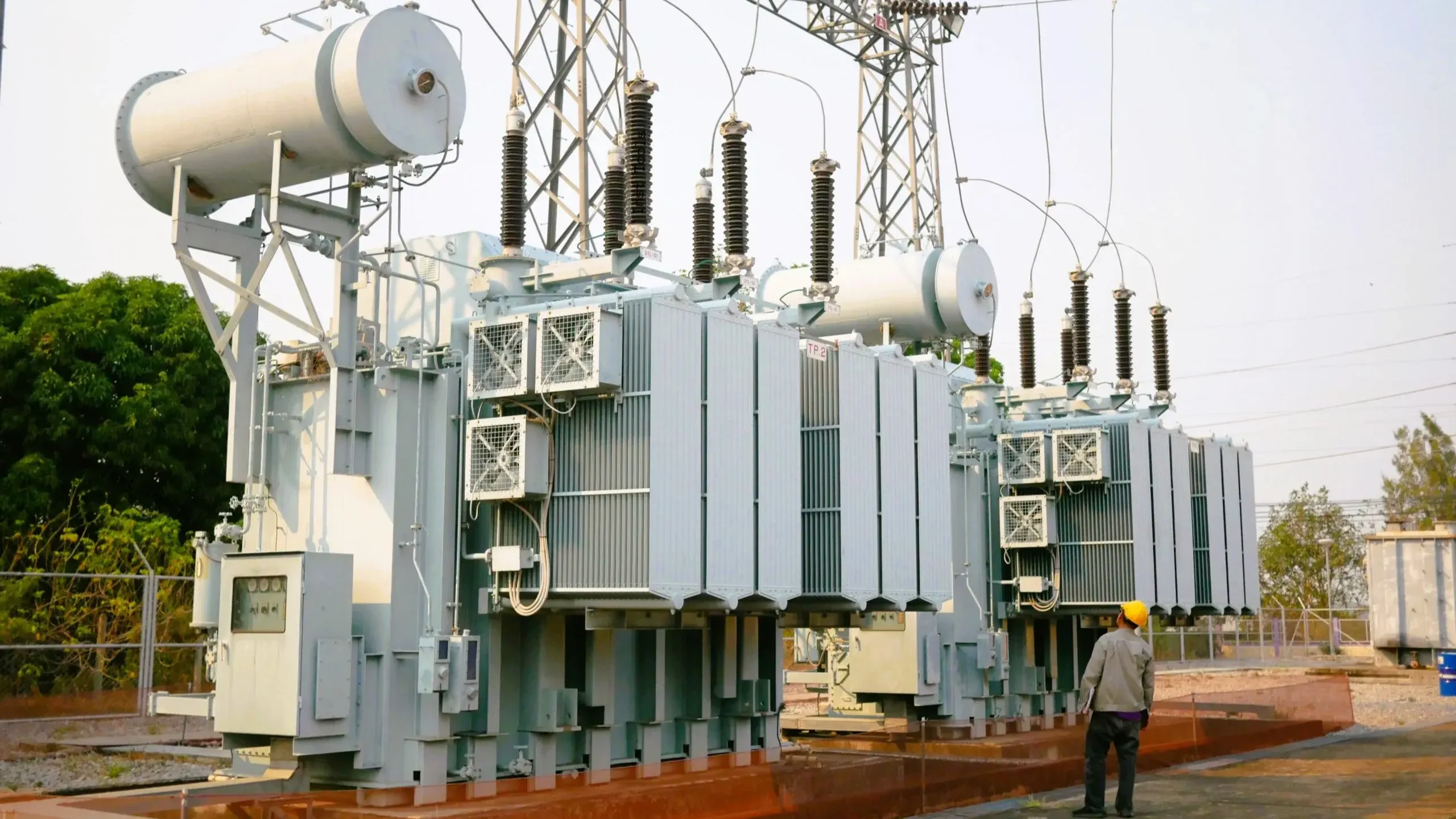
Поскольку в эпоху искусственного интеллекта энергетические компании и производители трансформаторов уделяют всё большее внимание эффективности и эксплуатационным расходам, электротехническая сталь стала одним из важнейших материалов при проектировании силовых трансформаторов.
Качество сердечника трансформатора напрямую влияет на энергетические потери, тепловые характеристики и долгосрочную эффективность работы. Поэтому выбор подходящей электротехнической стали является крайне важным решением как для производителей, так и для покупателей.
Как профессионал оптовый поставщик стали, мы расскажем об основных типах электротехнической стали, используемой в трансформаторах, о том, чем отличаются различные марки, и какие факторы следует учитывать при выборе материалов для сердечника трансформатора.
Почему электротехническая сталь играет важную роль в силовых трансформаторах
Роль сердечника трансформатора
Сердечник трансформатора обеспечивает контролируемый магнитный путь, позволяющий эффективно передавать электрическую энергию между обмотками.
Когда переменный ток протекает через первичную обмотку, в сердечнике возникает магнитное поле. Этот магнитный поток наводит напряжение во вторичной обмотке, что позволяет передавать энергию без прямого электрического контакта.
Поскольку во время работы магнитный поток непрерывно проходит через сердечник, качество материала сердечника напрямую влияет на КПД трансформатора.
Как возникают потери в сердечнике
Даже когда трансформатор работает в режиме холостого хода, в его сердечнике возникают потери энергии.
Существуют два основных типа потерь в сердечнике:
- Потери на гистерезис, вызванные многократной намагниченностью и размагничиванием
- Потери на вихревые токи, вызванные циркулирующими токами, индуцированными в стали
Электротехническая сталь более высокого качества сводит к минимуму оба механизма потерь, улучшая общие эксплуатационные характеристики трансформатора.
Цена неправильного выбора стали
Выбор электротехнической стали более низкого качества может снизить первоначальные затраты на материалы, однако зачастую приводит к увеличению совокупных затрат на эксплуатацию за счет:
- Более высокое энергопотребление
- Повышенные рабочие температуры
- Повышенные требования к охлаждению
- Снижение КПД трансформатора
- Снижение конкурентоспособности на рынках энергоэффективности
Для энергетических компаний, эксплуатирующих тысячи трансформаторов, даже незначительное снижение потерь в сердечнике может привести к существенной экономии за весь срок службы.
Что такое электротехническая сталь?
Определение и состав
Электротехническая сталь, которую часто называют кремниевой сталью, представляет собой специальный стальной сплав, предназначенный для использования в магнитных системах.
Большинство марок электротехнической стали трансформаторного качества содержат от 2% до 4% кремния. Добавление кремния значительно улучшает магнитные характеристики и одновременно снижает энергетические потери.
В отличие от обычной углеродистой стали, электротехническая сталь разработана специально для оптимизации характеристик магнитного потока.
Основные магнитные свойства
Электротехническая сталь ценится за ряд важнейших характеристик:
- Высокая магнитная проницаемость
- Низкие потери на гистерезис
- Снижение потерь на вихревые токи
- Высокая магнитная индукция
- Стабильные магнитные характеристики
Благодаря этим свойствам он является предпочтительным материалом для изготовления сердечников трансформаторов, реакторов, генераторов и другого электромагнитного оборудования.
Почему добавляют кремний
Кремний улучшает эксплуатационные характеристики электротехнической стали за счет:
- Увеличение удельного электрического сопротивления
- Снижение потерь на вихревые токи
- Повышение магнитной эффективности
- Повышение проницаемости
- Снижение общих потерь в ядре
В результате получен материал, способный обеспечивать эффективную передачу магнитного потока при минимальных потерях энергии.
Электротехническая сталь с ориентированной и неориентированной кристаллической структурой
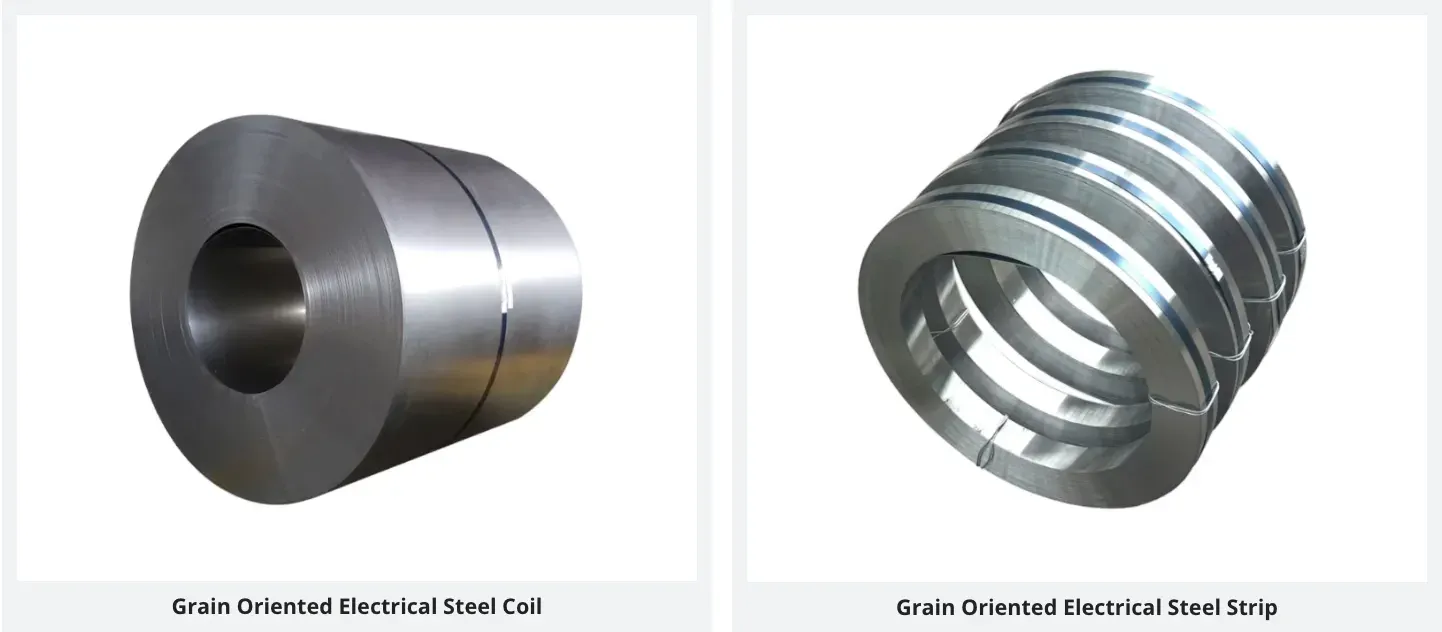
Что такое ориентированная по зерну электротехническая сталь (GOES)?
Электротехническая сталь с зернистой структурой (GOES) специально разработан таким образом, чтобы его кристаллическая структура при производстве выстраивалась в соответствии с преимущественным магнитным направлением.
Поскольку магнитный поток движется по предсказуемому пути внутри сердечников трансформатора, такая направленная ориентация позволяет системе GOES обеспечить:
- Чрезвычайно низкие потери в сердечнике
- Высокая проницаемость
- Превосходная магнитная индукция
- Повышение КПД трансформатора
GOES — это основной материал, используемый в сердечниках современных трансформаторов.
Что такое электротехническая сталь с неориентированным зерном (NGOES)?
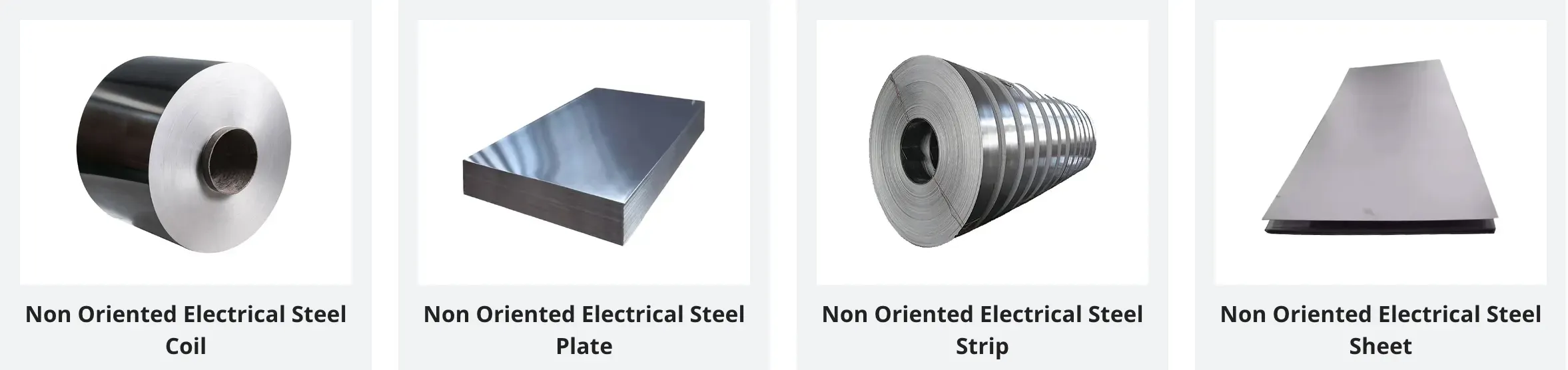
Электротехническая сталь с неориентированным зерном (NGOES) имеет более однородную ориентацию кристаллов.
Его магнитные свойства остаются относительно постоянными во всех направлениях, благодаря чему он подходит для использования в вращающихся машинах, где магнитный поток непрерывно меняет направление.
К типичным областям применения неориентированной электротехнической стали относятся:
- Электродвигатели
- Промышленные двигатели
- Генераторы
- Автомобильные тяговые двигатели
Сравнение GOES и NGOES
| Недвижимость | GOES | НПО |
|---|---|---|
| Потери в сердечнике | Нижний | Выше |
| Проницаемость | Выше | Нижний |
| Характеристики трансформатора | Превосходно | Ограниченный |
| Применение двигателей | Ограниченный | Превосходно |
| Эффективность | Высший | Умеренный |
Виды ориентированной по зерну электротехнической стали, используемой в трансформаторах
Обычная сталь CRGO
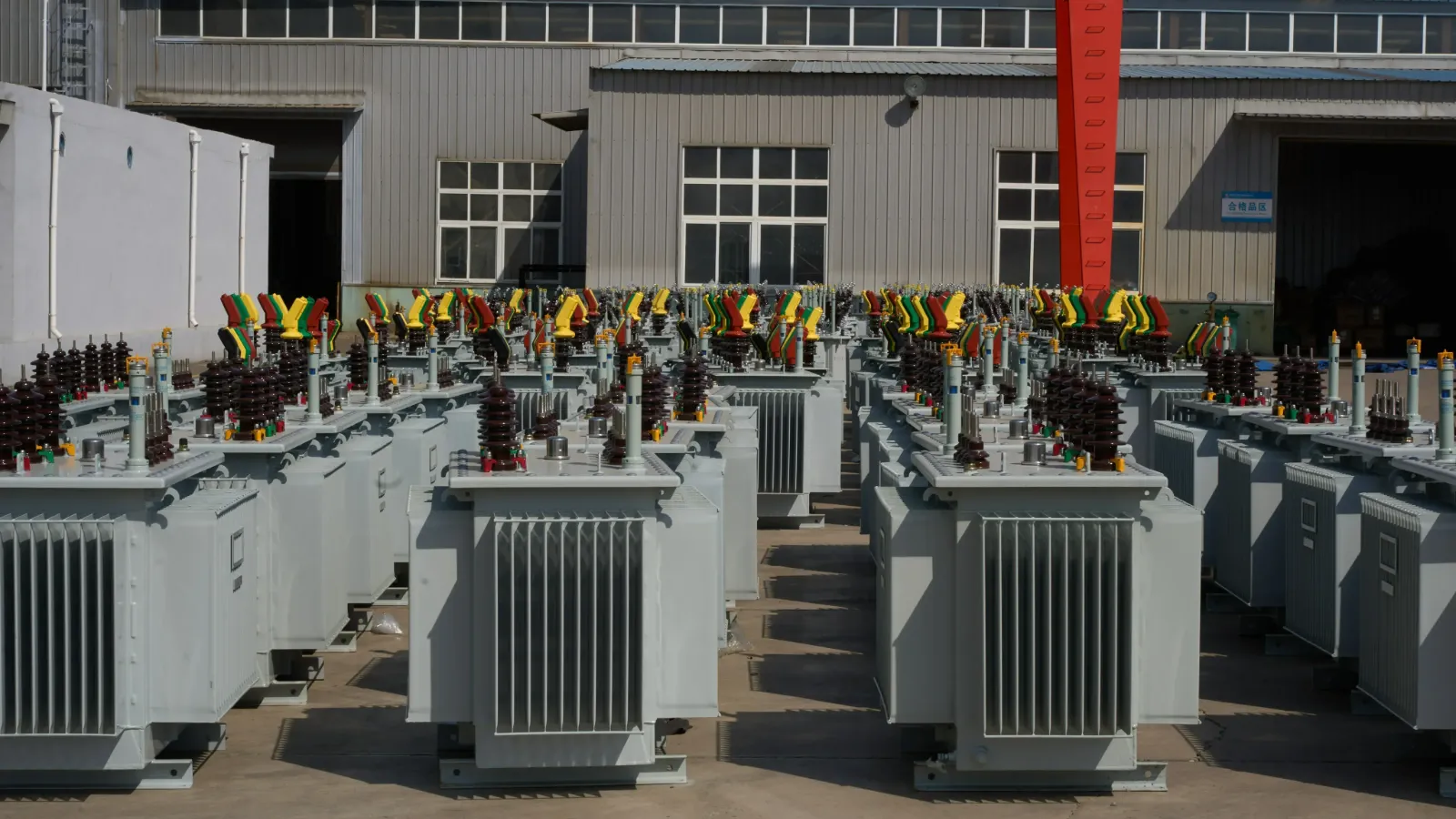
Холоднокатаная сталь с ориентированной структурой (CRGO) по-прежнему остается одним из наиболее широко используемых материалов для изготовления сердечников трансформаторов во всем мире.
К преимуществам относятся:
- Надежные магнитные характеристики
- Выгодные цены
- Широкая доступность
- Подходит для стандартных трансформаторных установок
Обычные CRGO широко применяются в распределительных трансформаторах и силовом оборудовании общего назначения.
Электротехническая сталь с высокой проницаемостью (Hi-B)
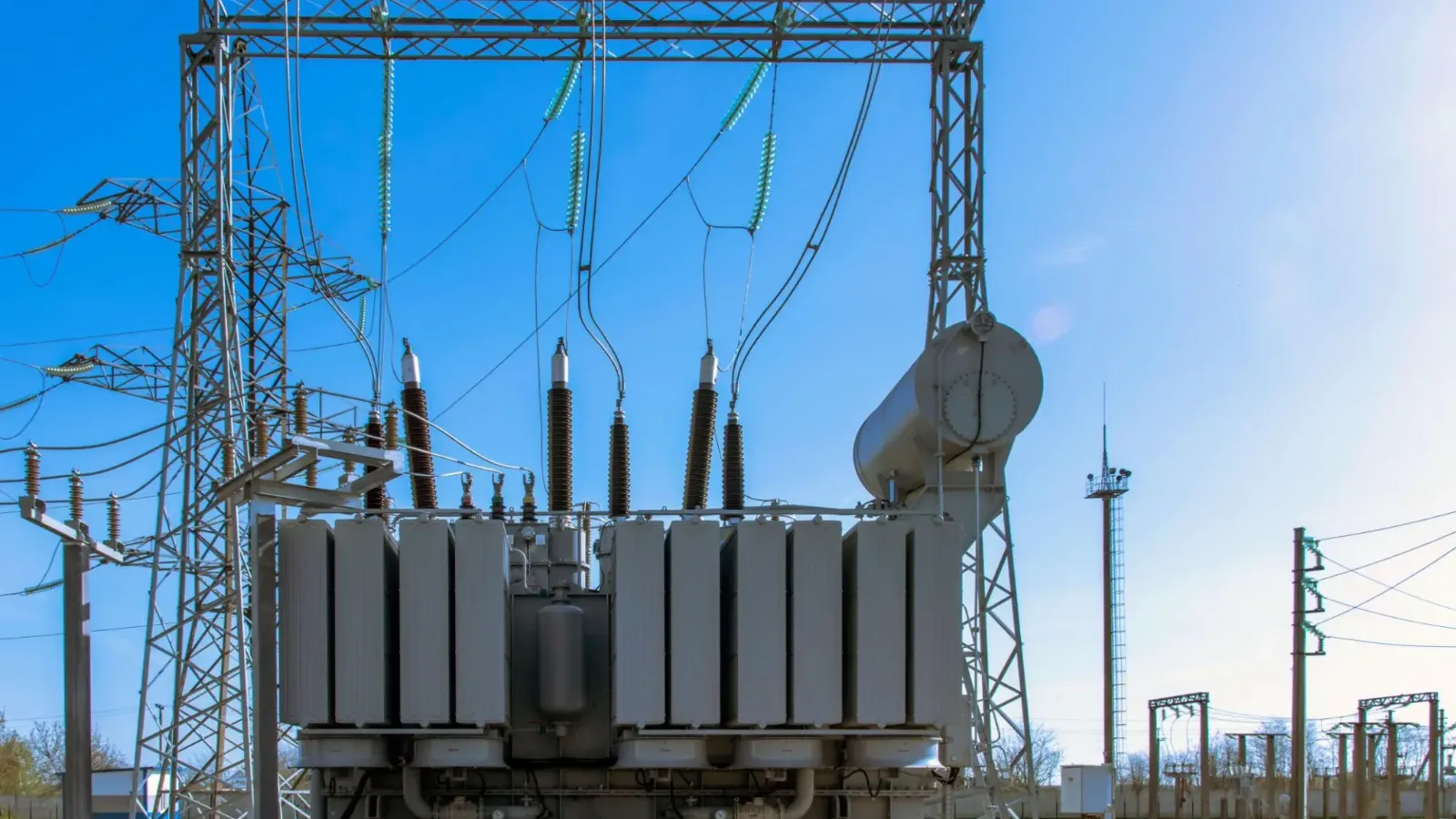
Электротехническая сталь Hi-B представляет собой усовершенствованный вид сталей с ориентированным зерном, отличающийся улучшенной магнитной ориентацией.
По сравнению с обычным CRGO система Hi-B обладает следующими преимуществами:
- Более высокая проницаемость
- Более низкий ток намагничивания
- Снижение потерь в сердечнике
- Повышение энергоэффективности
В настоящее время многие производители трансформаторов отдают предпочтение материалам класса Hi-B при разработке трансформаторов премиум-класса и энергоэффективных моделей.
Электротехническая сталь с усовершенствованными свойствами
При производстве электротехнической стали с усовершенствованной структурой магнитных доменов используются передовые технологии, такие как лазерная рифление, для оптимизации структуры магнитных доменов.
К преимуществам относятся:
- Сверхнизкие потери в сердечнике
- Повышение эффективности
- Сниженные рабочие температуры
- Снижение эксплуатационных затрат на протяжении всего жизненного цикла
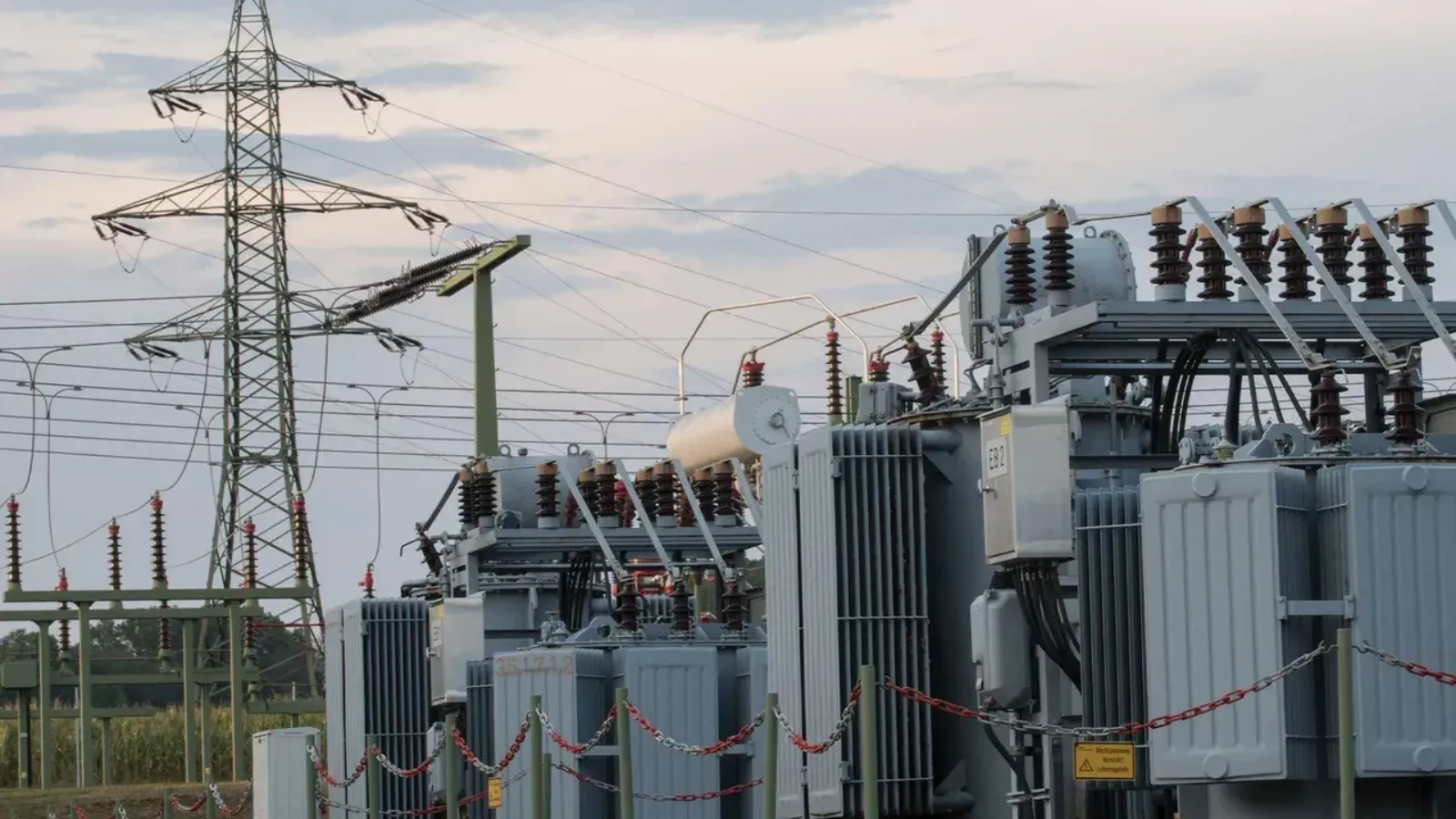
Данный класс часто выбирают для крупных силовых трансформаторов и высокопроизводительных инфраструктурных систем.
Какая марка электротехнической стали лучше всего подходит для различных типов трансформаторов?
Выбор оптимального сорта зависит от требований к применению, целевых показателей эффективности и бюджетных ограничений.
Матрица выбора класса
| Тип трансформатора | Рекомендуемая сталь |
| Стандартный распределительный трансформатор | Обычная CRGO |
| Энергоэффективный распределительный трансформатор | Hi-B GOES |
| Энергетический трансформатор | Hi-B GOES |
| Трансформатор для возобновляемых источников энергии | Hi-B или GOES с доменной очисткой |
| Трансформатор для объектов критически важной инфраструктуры | GOES с уточненными доменными параметрами |
Основные параметры, которые необходимо учитывать при покупке электротехнической стали для трансформаторов
Потери в сердечнике
Потери в сердечнике — один из важнейших критериев при выборе оборудования.
Выраженные в ваттах на килограмм (Вт/кг), более низкие потери в сердечнике, как правило, свидетельствуют о более высоком КПД трансформатора и снижении эксплуатационных расходов.
Для многих покупателей готовность заплатить немного больше за материал с меньшими потерями может привести к значительной экономии в течение всего срока службы трансформатора.
Магнитная проницаемость
Высокая магнитная проницаемость позволяет магнитному потоку более свободно проходить через сердечник.
К преимуществам относятся:
- Меньший ток возбуждения
- Повышение эффективности
- Снижение потерь
Магнитная индукция
Магнитная индукция отражает способность стали проводить магнитный поток.
Более высокие значения индуктивности позволяют создавать более компактные конструкции трансформаторов при сохранении их рабочих характеристик.
Толщина
Электротехническая сталь выпускается различной толщины, в том числе:
- 0,30 мм
- 0,27 мм
- 0,23 мм
Как правило, более тонкая сталь способствует снижению потерь на вихревые токи и повышению КПД.
Покрытие для теплоизоляции поверхностей
Покрытия выполняют несколько важных функций:
- Электрическая изоляция между пластинами
- Повышенная производительность штамповки
- Повышенная коррозионная стойкость
- Снижение межслойных потерь
При сравнении следует оценивать качество покрытия наряду с магнитными свойствами поставщики зернистоориентированной электротехнической стали.
Как электротехническая сталь влияет на характеристики трансформатора
Энергоэффективность
Электротехническая сталь напрямую определяет, сколько энергии теряется в сердечнике трансформатора.
Материалы с меньшими потерями помогают производителям соответствовать все более строгим требованиям к эффективности и одновременно сокращать потери электроэнергии.
Рабочая температура
Меньшие потери в сердечнике приводят к меньшему выделению тепла.
К преимуществам относятся:
- Снижение потребности в охлаждении
- Повышенная термическая стабильность
- Более длительный срок службы теплоизоляции
- Повышенная надежность
Подавление шума
Усовершенствованные марки GOES зачастую улучшают поведение магнитного потока и снижают эффекты магнитострикции.
Это может способствовать снижению уровня шума трансформатора, что является важным фактором при установке оборудования в городских и коммерческих помещениях.
Общая стоимость владения
Многие покупатели обращают внимание в первую очередь на цену покупки.
Однако на экономическую эффективность трансформатора в значительной степени влияют энергетические потери за весь срок службы.
Трансформатор, изготовленный из электротехнической стали высшего качества, может изначально стоить дороже, но зачастую окупается:
- Снижение эксплуатационных расходов
- Повышение эффективности
- Снижение нагрузки, связанной с техническим обслуживанием
- Более высокая долгосрочная рентабельность инвестиций
Самая экономичная электротехническая сталь — это не всегда самый дешёвый материал, а тот, который позволяет свести к минимуму совокупную стоимость владения на протяжении десятилетий эксплуатации.
Как выбрать надежного поставщика электротехнической стали
Стабильные магнитные свойства
Надежный поставщик электротехнической стали с ориентированной структурой должен обеспечивать стабильные магнитные характеристики во всех производственных партиях.
Неоднородные свойства материала могут негативно повлиять на качество трансформаторов и выпускную производительность.
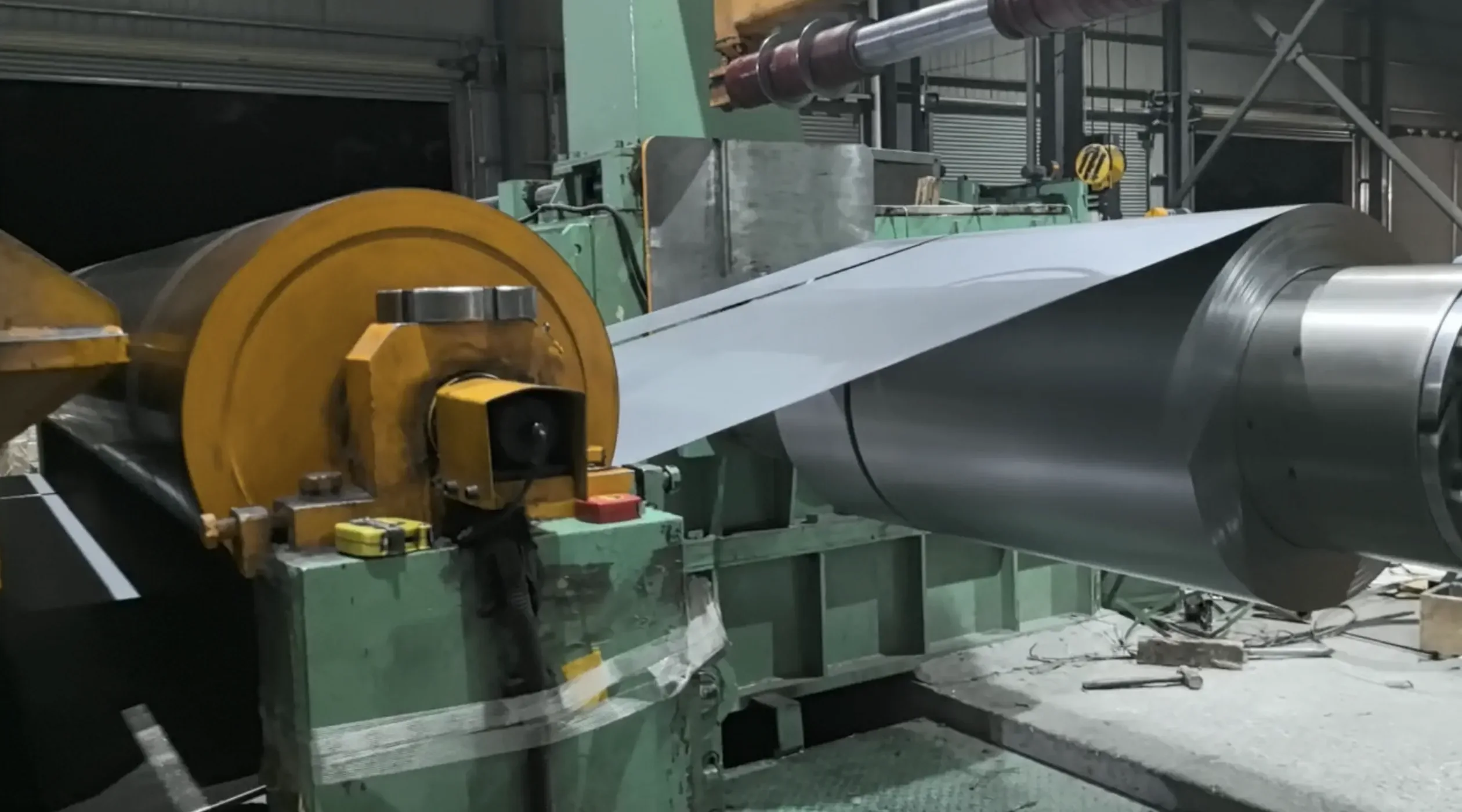
Возможности точного продольного раскроя
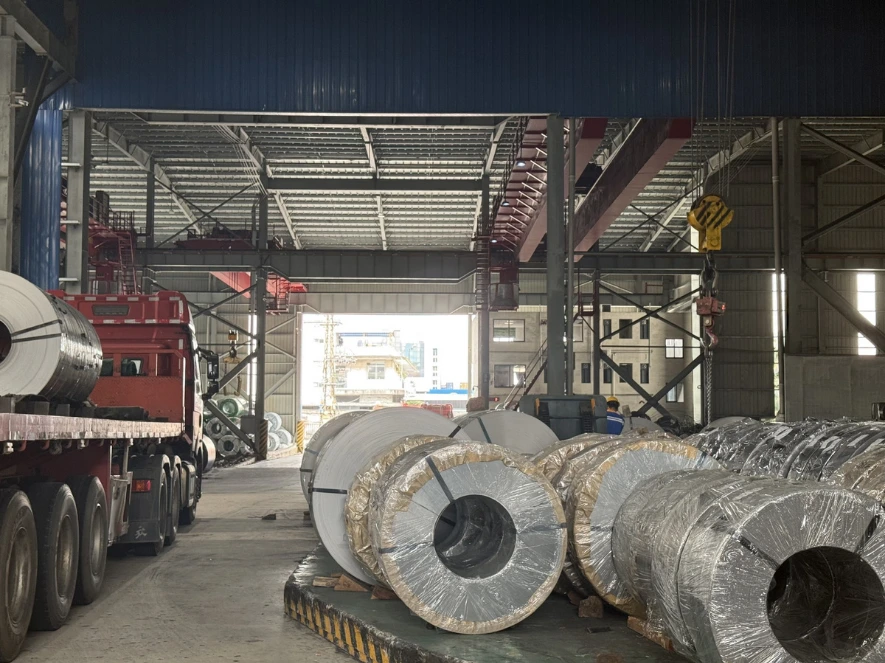
Многие производители трансформаторов нуждаются в катушках с прорезями, изготовленных с учетом конкретных производственных требований.
Компетентный производитель электротехнической стали на заказ должно предлагать:
- Точная продольная резка
- Жесткие допуски на размеры
- Высокое качество кромок
- Однородная геометрия катушки
Стабильная цепочка поставок
Надежное снабжение имеет решающее значение для крупномасштабного производства трансформаторов.
При оценке поставщик зерноориентированной электротехнической стали, покупателям следует оценить:
- Производственная мощность
- Сроки выполнения заказов
- Производственные мощности
- Долгосрочная стабильность поставок
Опыт работы в сфере международного экспорта
Международные покупатели зачастую получают преимущества от сотрудничества с поставщиками, имеющими опыт в сфере международной логистики, оформления документов и соблюдения экспортного законодательства.
Поддержка OEM-производства и изготовления на заказ
Квалифицированный оптовый поставщик электротехнической стали должны предоставлять дополнительные услуги, такие как:
- Раскрой рулонов
- Обработка с нарезкой на отрезки
- Пользовательские размеры
- Рекомендации по материалам для конкретных проектов
Эти услуги могут помочь оптимизировать производственные процессы и упростить процедуру закупок.
Заключение
Электротехническая сталь играет решающую роль в обеспечении эффективности и производительности трансформаторов, особенно в эпоху искусственного интеллекта.
В большинстве случаев применения силовых трансформаторов ориентированная по зерну электротехническая сталь остается предпочтительным выбором благодаря низким потерям в сердечнике и превосходным магнитным свойствам. Традиционные марки CRGO, Hi-B и марки с усовершенствованной доменной структурой соответствуют различным требованиям к эксплуатационным характеристикам и бюджету.
О компании «Weijunli Steel» — ваш надежный поставщик электротехнической стали
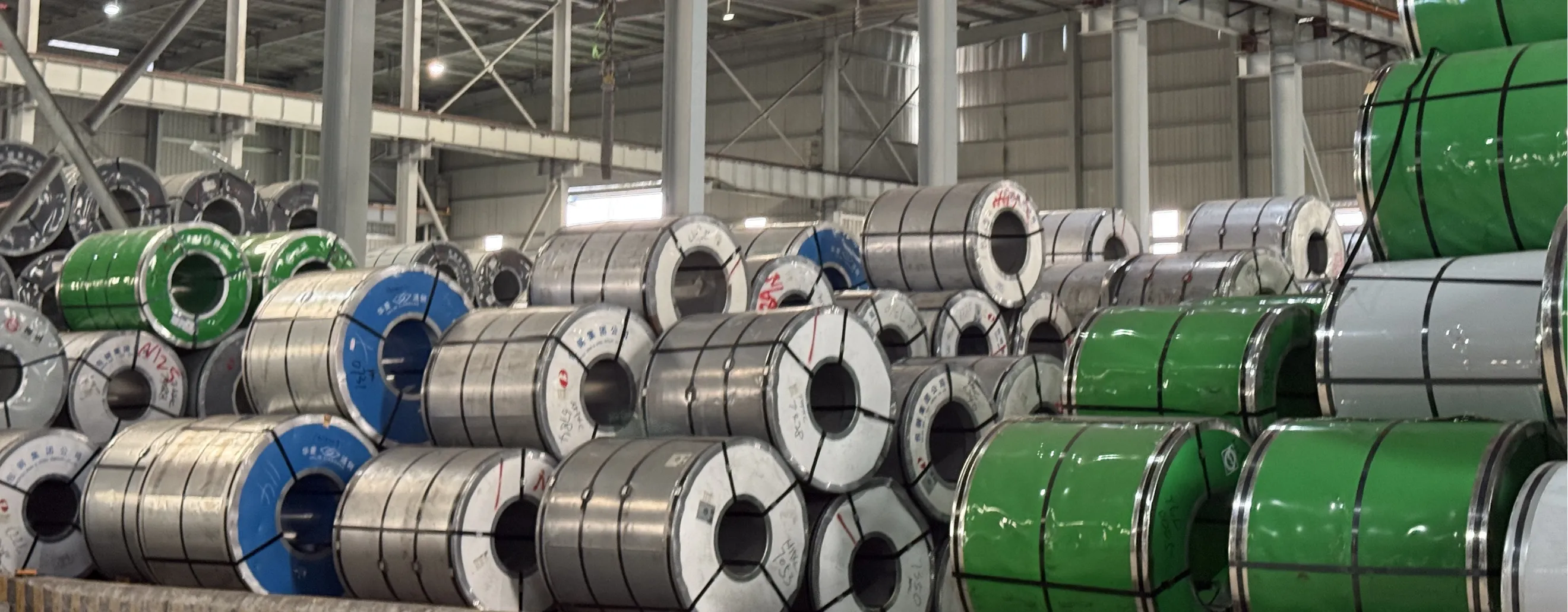
В качестве профессиональный поставщик стали, мы специализируемся на поставках высококачественных оптовая продажа зернистой электротехнической стали и оптовая продажа незернистой электротехнической стали для производителей трансформаторов, двигателей и энергетического оборудования по всему миру. Благодаря значительным складским запасам, стабильным поставкам и ценам напрямую от завода мы обеспечиваем крупносерийные закупки в сегменте B2B, гарантируя при этом стабильные магнитные характеристики и надежное качество продукции.
Удовлетворенность клиентов лежит в основе нашей деятельности, и мы обеспечиваем услуги по обработке данных с учетом индивидуальных потребностей, включая прецизионную продольную резку, резку на отрезки и выполнение индивидуальных технических требований для конкретных проектов, чтобы удовлетворить разнообразные производственные потребности. Опираясь на обширный отраслевой опыт, строгий контроль качества и профессиональную поддержку в сфере экспорта, мы помогаем клиентам повысить эффективность производства, упростить процесс закупок и обеспечить долгосрочную эксплуатационную надежность.
ЧАСТО ЗАДАВАЕМЫЕ ВОПРОСЫ
Какая электротехническая сталь лучше всего подходит для силовых трансформаторов?
Электротехническая сталь с ориентированным зерном и высокой магнитной проницаемостью (Hi-B GOES) обычно считается одним из лучших вариантов, поскольку она сочетает в себе низкие потери в сердечнике с превосходной магнитной проницаемостью.
Почему в трансформаторах предпочтительно использовать электротехническую сталь с ориентированной структурой?
Его кристаллическая структура ориентирована в направлении магнитного потока, что позволяет снизить потери энергии и повысить КПД трансформатора.
В чём заключается разница между электротехнической сталью CRGO и Hi-B?
Электротехническая сталь Hi-B отличается более высокой магнитной проницаемостью и меньшими потерями в сердечнике по сравнению с традиционной сталью CRGO, что делает её подходящей для конструкций трансформаторов с более высоким КПД.
Как потери в сердечнике влияют на КПД трансформатора?
Меньшие потери в сердечнике означают, что меньше энергии расходуется в виде тепла, что приводит к повышению КПД и снижению эксплуатационных расходов на протяжении всего срока службы трансформатора.
Какой толщины электротехническая сталь обычно используется в трансформаторах?
К распространенным маркам трансформаторного материала относятся толщины 0,30 мм, 0,27 мм и 0,23 мм, причем более тонкие материалы, как правило, характеризуются меньшими потерями.
Стоит ли снижение потерь в сердечнике более высокой стоимости материалов?
Во многих случаях — да. Сокращение энергетических потерь за весь срок службы зачастую превышает дополнительные первоначальные затраты на материалы.
Как выбрать надежного поставщика электротехнической стали?
Прежде чем принять решение о выборе поставщика, оцените стабильность показателей магнитных характеристик, производственные возможности, системы контроля качества, сроки поставки, опыт работы в сфере экспорта, а также возможности по предоставлению индивидуальных услуг.