Choosing a stainless steel supplier for long-term cooperation involves more than comparing prices and material grades. Manufacturers, distributors, and importers need consistent quality, reliable deliveries, and responsive support across repeated orders.
To qualify a stainless steel supplier for long-term supply, buyers should verify material traceability, quality control, processing capabilities, delivery reliability, and actual order performance. The following steps provide a practical approach to evaluating suppliers before establishing a long-term purchasing relationship.
Define Your Long-Term Stainless Steel Supply Requirements
Before evaluating suppliers, establish clear purchasing requirements. A stainless steel supplier evaluation is only meaningful when candidates are compared against the same specifications.
Define your material requirements:
- Material grade: Such as 304 or 316, depending on the application.
- Product form: Stainless steel coils, sheets, plates, or strips.
- Dimensions: Required thickness, width, length, and tolerances.
- Surface finish: Appearance and surface-quality requirements.
- Processing: Cutting, slitting, bending, or other required operations.
- Documentation: Applicable product standards and inspection records.
Buyers should also estimate their order quantities, purchasing frequency, and expected demand fluctuations. A supplier suitable for a one-time order may not necessarily support frequent replenishment.
Clear specifications also help prevent common stainless steel specification mistakes that can cause delays or material rejection.
Verify Material Sources, Certifications, and Traceability
Material traceability helps buyers confirm that delivered stainless steel corresponds to the agreed specifications and supporting documents.
Identify Material Sources
Not every stainless steel supplier operates a steelmaking mill. Some companies source materials from mills and provide additional processing, distribution, or logistics services.
Buyers should confirm:
- Which mills or approved sources supply the material.
- Whether material sources may change between orders.
- Who performs downstream processing and inspection.
- How material identity is maintained through delivery.
Multiple sourcing options can improve supply flexibility, provided that material conformity and traceability are maintained.
Check the Mill Test Certificate
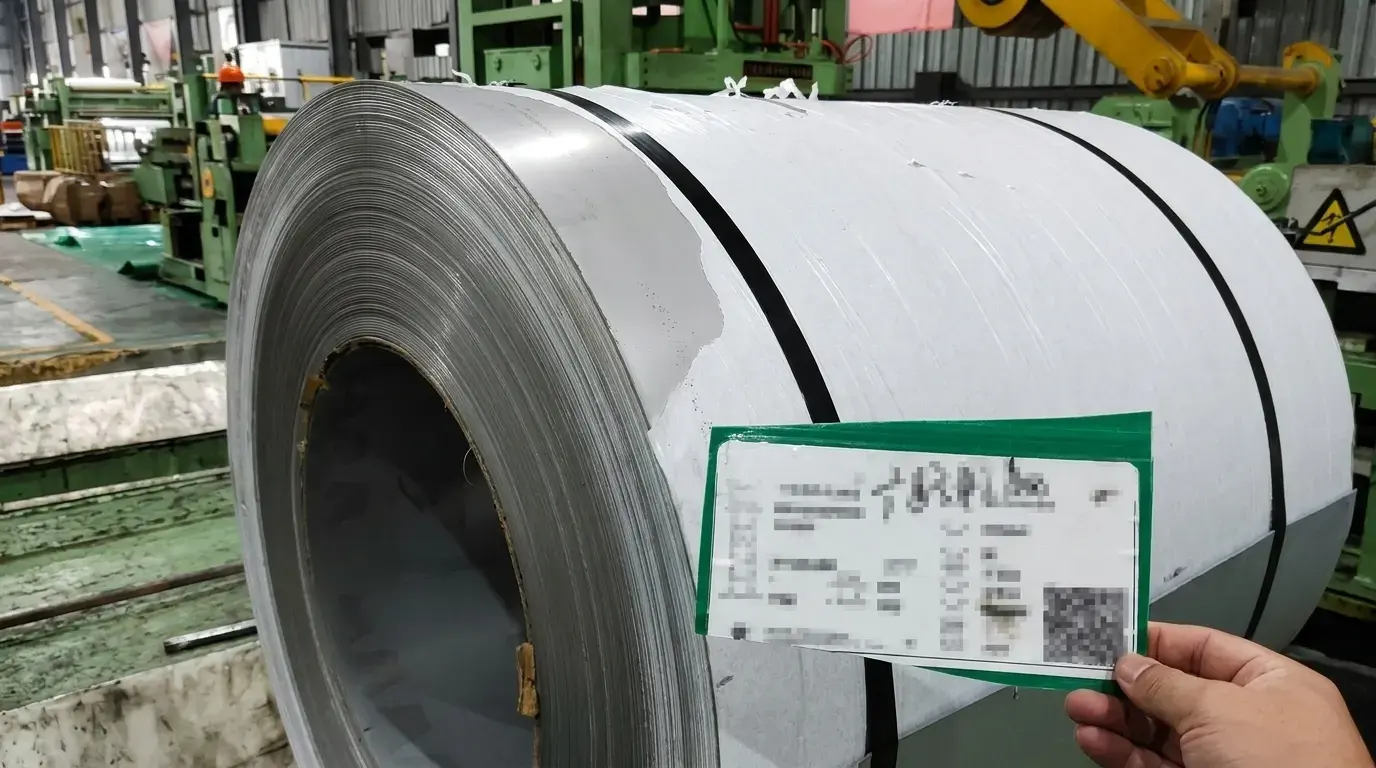
A mill test certificate (MTC) may include material grade, heat number, chemical composition, mechanical properties, and relevant inspection results.
Compare the certificate with the purchase specification and material identification. For shipments containing different heats, verify that each relevant batch can be connected to its records.
EN 10204 defines different inspection-document types, including 3.1 and 3.2, while product standards such as ASTM A240/A240M establish requirements for applicable stainless steel products. The required documentation should match the order and application.
Read our stainless steel material test certificate guide for more details.
Evaluate Quality Control and Processing Consistency
Reliable stainless steel quality control should cover incoming materials, processing operations, and final shipment inspection.
Review Quality Inspection Procedures
Ask the supplier how it verifies:
- Incoming material: Grade identification, dimensions, documentation, and visible defects.
- In-process quality: Cutting accuracy, slitting width, edge condition, and other relevant processing results.
- Final products: Dimensional conformity, surface appearance, packaging, and shipment identification.
Inspection methods and acceptance criteria should reflect the actual product and purchasing requirements.

Verify Processing Capabilities
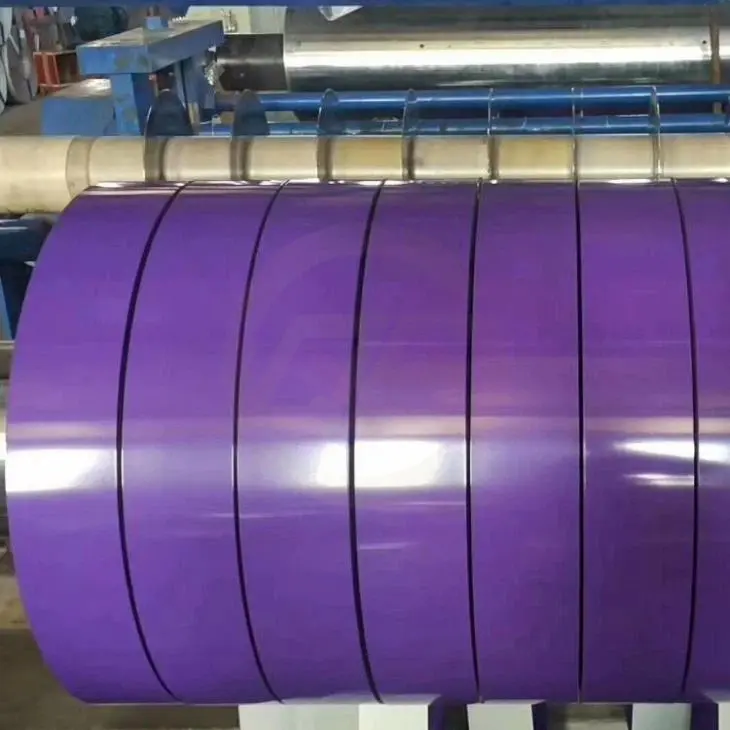
When customized materials are required, confirm the supplier’s stainless steel processing capabilities, including supported operations, dimensional limitations, achievable tolerances, and inspection procedures.
Processing consistency is particularly important for repeat orders. Changes in material sources or processing methods may affect surface appearance, dimensions, or downstream manufacturing performance.
Buyers should agree on how significant changes will be communicated and approved.
For reference, explore Weijunli’s custom steel processing solutions, with available services and specifications subject to order confirmation.
Assess Supply Capacity and Replenishment Reliability
Long-term stainless steel supply depends on reliable sourcing, realistic delivery schedules, and effective replenishment planning.
Verify Lead Times and Material Availability
Ask whether the required material is in stock, must be sourced from a mill, or requires additional processing.
Delivery estimates should consider material availability, processing, inspection, packaging, and transportation.
For international orders, distinguish between the shipment date and the expected arrival date.
Evaluate Replenishment Planning
A long-term supplier should be able to discuss:
- Expected purchasing frequency and demand forecasts.
- Repeat-order confirmation procedures.
- Advance communication about shortages or delays.
- Alternative material sources when necessary.
- Change control for replacement materials or mills.
Alternative sourcing should not compromise agreed specifications.
Weijunli’s steel supply services provide additional information about its sourcing and supply approach.

Review Pricing, Delivery Terms, and Problem Resolution
The lowest material price does not always represent the lowest long-term purchasing cost.
Compare quotations based on the complete supply arrangement, including material specifications, processing charges, packaging, transportation, and payment terms.
Important questions include:
- What is included in the quoted price?
- How are future price adjustments communicated?
- What are the agreed delivery responsibilities?
- How are quality complaints and delayed shipments handled?
- What corrective actions are available when materials fail agreed requirements?
Buyers should establish clear procedures for reporting defects, investigating problems, and resolving nonconforming deliveries.
A supplier that communicates problems promptly and handles corrective actions effectively may offer greater long-term value than one competing primarily on price.
Use a Trial Order to Verify Actual Supplier Performance
A trial order allows buyers to assess supplier performance under real purchasing conditions before increasing order volumes.
A practical qualification process includes four steps:
Step 1 — Confirm Order Specifications
Finalize material requirements, processing instructions, acceptance criteria, required documentation, and delivery conditions.
Step 2 — Place a Representative Trial Order
Choose an order that reflects the material and processing requirements expected in future purchasing.
Step 3 — Inspect and Test the Delivered Material
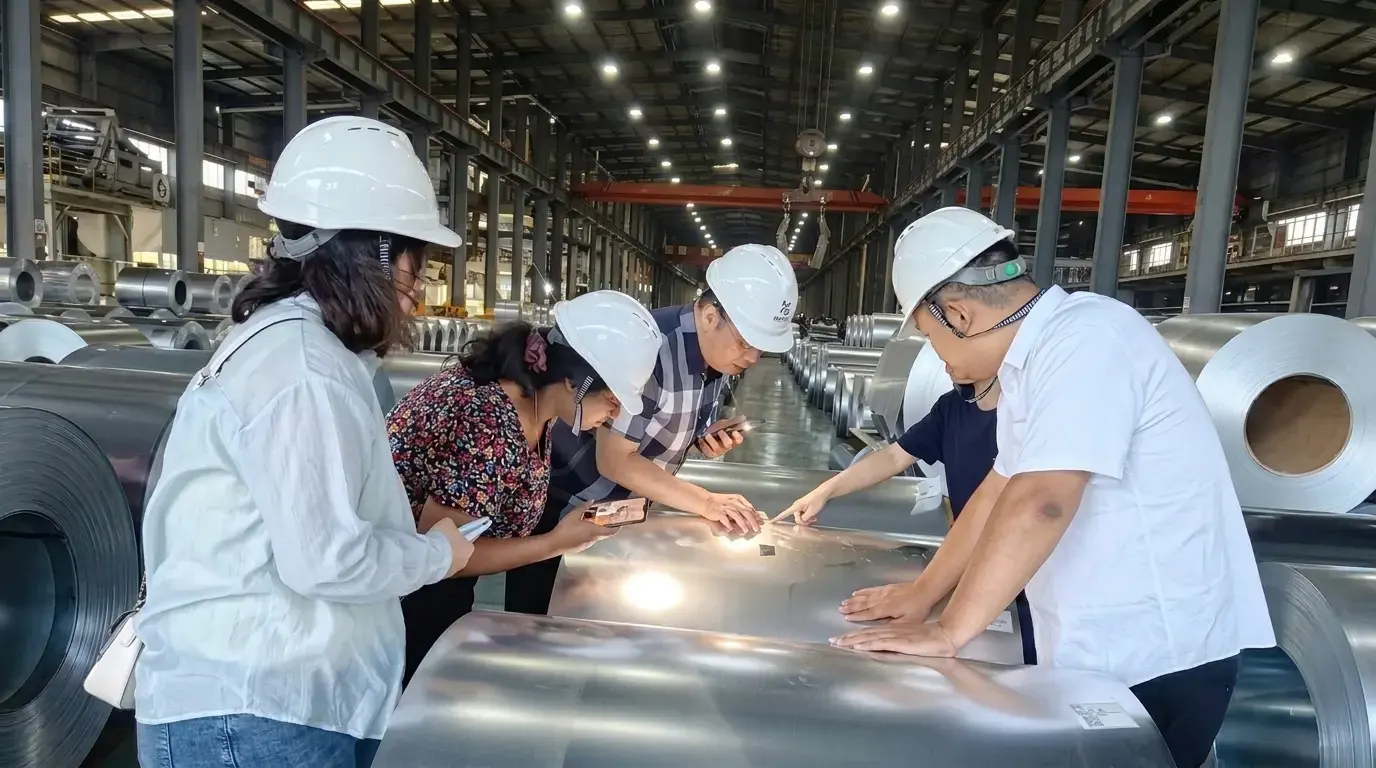
Verify material identification, dimensions, surface condition, documentation, and delivery performance. Where practical, evaluate the material in its intended manufacturing process.
Step 4 — Record the Results
Document defects, delays, inconsistencies, and corrective actions. Decide whether the supplier meets the requirements for further orders.
A satisfactory trial order is useful evidence, but it does not guarantee future consistency. For applications sensitive to material variation, additional checks across subsequent batches may be appropriate.
Monitor Supplier Performance Before Long-Term Approval
Supplier qualification should continue after the first successful delivery.
A supplier performance scorecard helps purchasing teams monitor quality, reliability, and corrective actions using consistent criteria.
| Evaluation Area | What to Review |
|---|---|
| Material Quality | Specification conformity, inspection results, and defects |
| Processing Consistency | Dimensions, surface quality, and repeat-order variation |
| Delivery Reliability | Actual delivery against confirmed schedules |
| Supply Continuity | Replenishment performance and material availability |
| Problem Resolution | Response times, corrective actions, and recurring issues |
Review supplier performance according to order frequency, application risk, and previous results.
Based on the available evidence, buyers can classify suppliers as:
- Approved: Meets the qualification requirements for a defined purchasing scope.
- Conditionally Approved: Can supply under specified limitations while additional evidence or corrective actions are completed.
- Not Approved: Fails critical requirements or has unresolved quality or supply risks.
Qualification criteria and any scoring thresholds should be established according to the buyer’s operational needs.
The goal is to develop a supply relationship supported by documented performance rather than promises alone.
Conclusion: Choose a Supplier That Can Prove Long-Term Reliability
Qualifying a stainless steel supplier for long-term supply requires a systematic evaluation of material quality, traceability, processing capabilities, delivery reliability, and actual order performance. Clear purchasing requirements, representative trial orders, and ongoing reviews help buyers reduce supply uncertainty and make better long-term sourcing decisions.
As a wholesale steel supplier with more than 20 years of industry experience, Weijunli provides stainless steel sourcing and customized processing services for industrial buyers. Explore our stainless steel coils, sheets, plates, and strips, or contact our team with your material specifications, order quantities, processing requirements, and expected delivery schedule to discuss suitable supply options.