Правильный выбор стали имеет решающее значение для эксплуатационных характеристик, долговечности и себестоимости производства кронштейнов для промышленного оборудования. Хотя как горячекатаная сталь HRPO, так и холоднокатаная сталь широко используются в листообработке, они предназначены для разных областей применения.
Многие покупатели полагают, что более гладкая поверхность автоматически означает более качественный материал. На самом деле при производстве промышленных кронштейнов приоритет обычно отдается прочности, свариваемости и экономичности, а не внешнему виду. В данном руководстве проводится сравнение HRPO и холоднокатаной стали, чтобы объяснить, почему HRPO стала предпочтительным выбором для многих областей применения конструкционных кронштейнов.
Что такое сталь HRPO (горячекатаная, протравленная и промасленная)?
Горячекатаная травленая и промасленная сталь
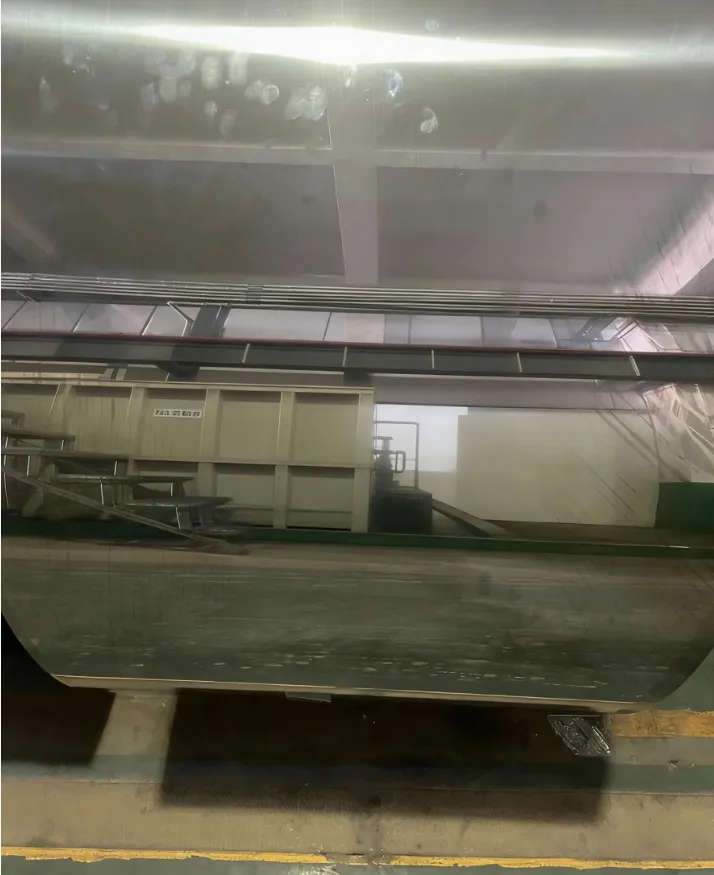
Сталь HRPO (Hot Rolled Pickled and Oiled) — это горячекатаная сталь, прошедшая процесс травления для удаления окалины, после чего на её чистую поверхность наносится тонкий слой масла для защиты от ржавчины во время хранения и транспортировки.
По сравнению с обычной горячекатаной сталью HRPO обладает следующими преимуществами:
- Более чистая поверхность
- Улучшенная свариваемость
- Отличная формуемость
- Более низкая стоимость материала по сравнению с холоднокатаной сталью
Он широко применяется для изготовления каркасов машин, опорных кронштейнов, монтажных пластин и других конструктивных элементов.
Что такое холоднокатаная сталь?
Холоднокатаная сталь получается в результате дальнейшей обработки горячекатаной стали при комнатной температуре с целью повышения точности размеров и качества поверхности.
По сравнению с HRPO холоднокатаная сталь обладает следующими преимуществами:
- Более гладкая поверхность
- Более жесткий допуск по толщине
- Повышенная прочность
- Более высокая точность размеров
Обычно его применяют для изготовления шкафов, бытовой техники, мебели и прецизионных деталей из листового металла, где важны внешний вид и точность.
Сталь HRPO и холоднокатаная сталь: подробное сравнение
Хотя оба материала подходят для изготовления, они демонстрируют превосходные характеристики в разных областях.
| Недвижимость | Сталь HRPO | Холоднокатаная сталь |
|---|---|---|
| Отделка поверхности | Хорошо | Превосходно |
| Свариваемость | Превосходно | Хорошо |
| Формуемость | Превосходно | Превосходно |
| Прочность | Хорошо | Выше |
| Стоимость материалов | Нижний | Выше |
| Допуски на размеры | Стандарт | Плотно |
| Типовые применения | Конструктивные элементы | Прецизионные компоненты |
В случае кронштейнов для промышленного оборудования улучшенная качество поверхности холоднокатаной стали зачастую не представляет практической ценности, тогда как HRPO представляет собой более экономичное решение, не уступающее по конструктивным характеристикам.
Почему для изготовления кронштейнов промышленного оборудования обычно используется сталь HRPO
Более выгодное соотношение цены и производительности
Кронштейны для промышленного оборудования предназначены для поддержки машин, поглощения нагрузок и обеспечения конструктивной устойчивости. Их эксплуатационные характеристики в большей степени зависят от прочности и качества изготовления, чем от внешнего вида.
Поскольку сталь HRPO стоит дешевле холоднокатаной стали и при этом обладает превосходными механическими свойствами, она обеспечивает более выгодные общие характеристики для многих конструкционных применений.
Для производителей, выпускающих кронштейны в больших количествах, экономия на стоимости материалов может быть значительной.
Превосходные характеристики сварки
Многие промышленные кронштейны собираются с помощью сварки после резки и гибки.
К распространенным методам сварки относятся:
- Сварка в среде защитных газов (MIG)
- Сварка методом TIG
- Роботизированная сварка
- Точечная сварка
Благодаря гладкой поверхности, полученной в результате травления, сталь HRPO сваривается легче, чем стандартная горячекатаная сталь, что сокращает время подготовки и способствует обеспечению стабильного качества сварных швов.
Лучше подходит для изготовления конструкций, подвергающихся высоким нагрузкам
Промышленные кронштейны, как правило, подвергаются механическим нагрузкам, а не должны соответствовать эстетическим требованиям.
Типичные области применения включают:
- Опорные кронштейны для оборудования
- Крепежные кронштейны
- Опорные плиты для оборудования
- Армирующие пластины
- Конструктивные опоры
- Монтажные рамы для оборудования
Эти детали требуют высокой прочности, хорошей свариваемости и экономически эффективного производства — и именно в этих областях HRPO демонстрирует исключительные характеристики.
Более простая лазерная резка и гибка
Сталь HRPO широко используется в производстве листовых изделий, поскольку она демонстрирует хорошие эксплуатационные характеристики при выполнении различных производственных процессов.
К ним относятся:
- Лазерная резка
- Штамповка с ЧПУ
- Гибка на листогибочном прессе
- Сварка
Благодаря гладкой поверхности и хорошей пластичности производители могут выполнять точные разрезы и гибку, сводя к минимуму количество дефектов в процессе производства.
Благодаря этому HRPO является отличным выбором для производства скоб как средних, так и больших партий.
Когда холоднокатаная сталь — лучший выбор
Хотя для изготовления многих промышленных кронштейнов предпочтительным материалом является HRPO, холоднокатаная сталь по-прежнему остается более подходящим вариантом для задач, требующих более высокой точности или превосходного качества поверхности.
Прецизионные компоненты
В изделиях с жесткими допусками на размеры часто целесообразно использовать холоднокатаную сталь.
К примеру:
- Прецизионная штамповка
- Электронные компоненты
- Корпуса приборов
Видимые наружные детали
Если после сборки поверхность стали остается видимой, внешний вид приобретает еще большее значение.
К типичным продуктам относятся:
- Декоративные панели
- Потребительские товары
- Офисное оборудование
Жесткие допуски на размеры
Производители, выпускающие детали с жесткими требованиями к толщине или плоскостности, часто отдают предпочтение холоднокатаной стали, несмотря на ее более высокую стоимость.
Таблица выбора материалов по типу продукции
| Продукт | Рекомендуемые материалы |
|---|---|
| Кронштейны для промышленного оборудования | Сталь HRPO |
| Рамы машин | Сталь HRPO |
| Крепежные пластины | Сталь HRPO |
| Армирующие пластины | Сталь HRPO |
| Электрощиты | Холоднокатаная сталь |
| Панели управления | Холоднокатаная сталь |
| Офисная мебель | Холоднокатаная сталь |
| Декоративные металлические детали | Холоднокатаная сталь |
Как выбрать подходящую сталь для вашего проекта по изготовлению кронштейнов
Учтите конечную цель использования
Начните с анализа функциональных требований к продукту.
Задавайте такие вопросы, как:
- Будет ли эта деталь нести конструктивные нагрузки?
- Останется ли поверхность видимой?
- Важна ли внешность?
- Будет ли эта деталь свариваться после изготовления?
От ответов на эти вопросы часто зависит, что лучше выбрать: HRPO или холоднокатаную сталь.
Оценка сложности процессов производства стали
Процесс производства также должен влиять на выбор материала.
Оцените, предусматривает ли проект:
- Лазерная резка
- Штамповка с ЧПУ
- Сгибание
- Сварка
- Порошковое покрытие
HRPO демонстрирует особенно высокую эффективность в сферах с высокой долей производственных операций, таких как резка, гибка и сварка.
Обратитесь к опытному поставщику стали
Знающий Поставщик стали HRPO может порекомендовать наиболее подходящий материал с учетом конструкции изделия, методов изготовления и объемов производства.
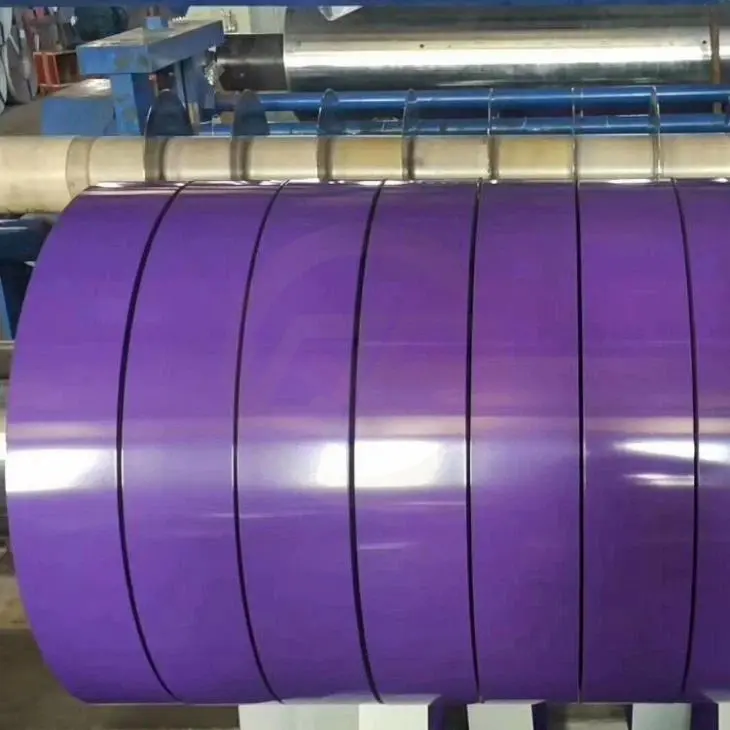
Компании, предлагающие услуги по обработке заказов на индивидуальных условиях, такие как, например, производитель стали по индивидуальному заказу по технологии HRPO или оптовый поставщик стали HRPO—также может поставлять рулоны с прорезями, листы, нарезанные по длине, и другие индивидуальные решения, позволяющие повысить эффективность производства.
Почему стоит закупать сталь HRPO у опытного поставщика стали?
Стабильное качество материала
Надежное качество материалов имеет решающее значение для обеспечения стабильного производства и сокращения количества брака.
Опытный оптовый поставщик стали осуществляет строгий контроль качества для обеспечения стабильной толщины, механических свойств и состояния поверхности во всех производственных партиях.
Услуги по прецизионной обработке
Многим производителям требуются не только стандартные стальные листы.
Профессиональные поставщики могут предоставить:
- Точная продольная резка
- Обработка с нарезкой на отрезки
- Нестандартные размеры листов
- Обрезка кромок
Эти дополнительные услуги позволяют сократить объем вторичной обработки и повысить эффективность производства.
Стабильные поставки и быстрая доставка
Сотрудничество с проверенным производителем гарантирует надежное обеспечение запасов, стабильные сроки поставки и эффективную глобальную логистику — особенно в случае долгосрочных производственных программ.
Поддержка производства по схеме OEM
Помимо поставок стали, а профессиональный поставщик стали может оказывать поддержку OEM-партнерам и оптовым клиентам посредством:
- Рекомендации по материалам
- Индивидуальные технические характеристики
- Серийное производство
- Экспортная упаковка
- Международная доставка
Это позволяет покупателям упростить процесс закупок, сохраняя при этом стабильное качество продукции.
Заключение
Сталь HRPO — это не просто более экономичная альтернатива холоднокатаной стали, а зачастую и более удачный инженерный выбор для изготовления кронштейнов промышленного оборудования.
Благодаря отличной свариваемости, хорошей формуемости, надежной прочности и конкурентоспособной цене этот материал идеально подходит для использования в конструкциях, где внешний вид не является первостепенным фактором. Холоднокатаная сталь по-прежнему остается предпочтительным выбором для изготовления прецизионных и эстетически важных деталей, однако для большинства сварных кронштейнов и опорных элементов HRPO обеспечивает оптимальный баланс между эксплуатационными характеристиками и стоимостью.
Выбор подходящего материала в конечном счете зависит не столько от качества поверхности, сколько от функциональных требований к изделию, технологического процесса и бюджета.