عند اختيار الفولاذ المقاوم للصدأ لمشروع ما،, الفولاذ المقاوم للصدأ 201 و304 وهما نوعان من الفولاذ المقاوم للصدأ يقارنهما المشترون بشكل متكرر. وكلاهما من الفولاذ المقاوم للصدأ الأوستنيتي، لكن اختلاف تركيباتهما الكيميائية يمنحهما مستويات مختلفة من مقاومة التآكل، وقابلية التشكيل، والقوة، والتكلفة.
بالنسبة لمديري المشتريات والمقاولين والمشترين الجدد للصلب وموظفي المبيعات، لا ينبغي أن يكون القرار مجرد “أي صف أفضل؟” والسؤال الأكثر فائدة هو:
ما هي الدرجة التي توفر الأداء المناسب للتطبيق دون تكبد تكاليف غير ضرورية للمواد؟
بشكل عام، غالبًا ما يُختار النوع 201 للتطبيقات التي تراعي التكلفة وتتميز بظروف تشغيل معتدلة نسبيًّا، في حين يُفضل النوع 304 عندما تكون مقاومة التآكل وأداء التشكيل والموثوقية على المدى الطويل من العوامل الأكثر أهمية.
ما هو الفولاذ المقاوم للصدأ 201؟
الفولاذ المقاوم للصدأ 201 هو نوع من الفولاذ المقاوم للصدأ الأوستينيتي الذي يتكون من الكروم والنيكل والمنغنيز. وتساعد نسبة المنغنيز الأعلى ونسبة النيكل الأقل فيه مقارنةً بالفولاذ 304 على تقليل الاعتماد على النيكل، مما يجعله خيارًا جذابًا للتطبيقات التي يُعد فيها التحكم في تكلفة المواد أمرًا مهمًا.
الخصائص الرئيسية للفولاذ المقاوم للصدأ 201
يقدم «201» عادةً ما يلي:
- مقاومة جيدة للتآكل العام
- قوة جيدة
- قابلية تشكيل جيدة
- قابلية لحام مناسبة للعديد من التطبيقات
- تكلفة المواد أقل من الفئة 304 في العديد من ظروف السوق
ومع ذلك، ونظرًا لأن الفئة 201 تحتوي على نسبة أعلى من المنغنيز ونسبة أقل من النيكل مقارنةً بالفئة 304، فإنها توفر عمومًا مقاومة أقل للتآكل، لا سيما في البيئات التي تتسم بارتفاع نسبة الرطوبة أو وجود الكلوريدات أو أي عوامل تآكل أخرى.
المجالات التي يُثبت فيها الفولاذ المقاوم للصدأ 201 فعاليته
تشمل التطبيقات النموذجية ما يلي:
- المنتجات المعمارية الداخلية
- مكونات الأثاث
- المنتجات الزخرفية
- مكونات الأجهزة
- التصنيع العام
- بعض معدات المطبخ
العامل الأساسي الذي يجب أخذه في الاعتبار هو بيئة الاستخدام. فقد يُقدم المنتج 201 أداءً جيدًا عند استخدامه في الأماكن المغلقة وفي ظروف معتدلة نسبيًّا، لكن هذه المادة نفسها قد تكون خيارًا غير ملائم في بيئة رطبة أو مالحة أو تحتوي على مواد كيميائية قوية التأثير.
ما هو الفولاذ المقاوم للصدأ 304؟
يُعد الفولاذ المقاوم للصدأ من النوع 304 أحد أكثر أنواع الفولاذ المقاوم للصدأ الأوستنيتي استخدامًا. ويجعله الجمع بين مقاومته للتآكل وقابليته للتشكيل وقابليته للحام وتوافره مناسبًا لمجموعة أوسع بكثير من التطبيقات.
الخصائص الرئيسية للفولاذ المقاوم للصدأ 304
ينص البند 304 على ما يلي:
- مقاومة جيدة للتآكل
- قابلية تشكيل ممتازة
- قابلية جيدة للحام
- مقاومة جيدة للعديد من البيئات الغذائية والصناعية
- مرونة واسعة في الاستخدام
ويساعد احتوائه على نسبة عالية نسبيًا من الكروم والنيكل في توفير طبقة سلبية مستقرة ومقاومة جيدة للتآكل، مع الحفاظ في الوقت نفسه على الليونة وأداء التشكيل المطلوبين لمجموعة واسعة من عمليات التصنيع.
المجالات التي يُثبت فيها الفولاذ المقاوم للصدأ 304 فعاليته
تشمل التطبيقات الشائعة ما يلي:
- معدات تجهيز الأغذية
- معدات المطابخ التجارية
- أواني الطهي
- معدات صناعية
- منتجات الأنشطة الخارجية
- المكونات المعمارية
- التصنيع العام للمعادن
بالنسبة للمشترين الذين يشعرون بالارتباك بشأن الظروف البيئية أو الذين يحتاجون إلى مادة ذات نطاق تطبيقات أوسع، غالبًا ما يُعد الفولاذ 304 الخيار الأكثر أمانًا للبدء به.
جدول موجز لمقارنة الفولاذ المقاوم للصدأ 201 و304
| العامل | الفولاذ المقاوم للصدأ 201 | الفولاذ المقاوم للصدأ 304 |
|---|---|---|
| خصائص السبائك | نسبة أعلى من المنغنيز، ونسبة أقل من النيكل | نسبة نيكل أعلى، ونسبة منغنيز أقل |
| مقاومة التآكل | معتدل | أعلى |
| القابلية للتشكيل | جيد | ممتاز |
| قابلية اللحام | مناسب للاستخدامات الملائمة | ممتاز بشكل عام |
| تكلفة المواد | عادةً ما يكون أقل | عادةً ما تكون أعلى |
| السلوك المغناطيسي | يكون غير مغناطيسي عمومًا عند التلدين؛ وقد يصبح مغناطيسيًا بعد التشكيل على البارد | يكون غير مغناطيسي عمومًا عند التلدين؛ وقد يصبح مغناطيسيًا بعد التشكيل على البارد |
| التطبيقات النموذجية | الاستخدامات الداخلية/العامة | التطبيقات الغذائية والصناعية والخارجية والعامة |
| الميزة الرئيسية | الكفاءة من حيث التكلفة | الأداء والتعددية |
النقطة المهمة هي أن النوع 201 ليس مجرد نسخة أرخص من النوع 304. يختلف تركيبها الكيميائي وخصائص أدائها، لذا فإن الدرجة المناسبة تعتمد على الاستخدام الفعلي.
الفولاذ المقاوم للصدأ 201 مقابل 304: الاختلافات الرئيسية
التركيب الكيميائي
يكمن الاختلاف الرئيسي بين 201 و304 في تركيبة السبائك المستخدمة.
يحتوي النوع 201 على نسبة أعلى من المنغنيز ونسبة أقل من النيكل مقارنةً بالنوع 304. أما النوع 304 فيعتمد بشكل أكبر على النيكل كجزء من نظام سبائكه.
يؤثر هذا الاختلاف على ما يلي في المادة:
- مقاومة التآكل
- الخصائص الميكانيكية
- سلوك التشكيل
- هيكل التكلفة
يجب على المشترين تجنب الحكم على نوعية الفولاذ المقاوم للصدأ بناءً على مظهره فحسب. فقد تتمتع مادتان بلمسات نهائية متشابهة على السطح، في حين أن أداءهما يختلف اختلافًا كبيرًا أثناء الاستخدام.
عند الشراء، يجب تحديد الدرجة بوضوح إلى جانب معيار المواد المعمول به ومتطلبات المنتج.
مقاومة التآكل
تعد مقاومة التآكل أحد أهم الأسباب التي تدفع المشترين إلى اختيار الفئة 304 بدلاً من الفئة 201.
يُعد الأداء العام لـ 304 أفضل في البيئات التي تتضمن:
- الرطوبة
- الرطوبة
- التعرض للعوامل الخارجية
- ظروف معالجة الأغذية
- المواد الكيميائية المستخدمة في التنظيف
- التعرض لمواد تآكلية بدرجة متوسطة
يمكن أن يكون 201 مناسبًا للبيئات الداخلية المعتدلة نسبيًّا حيث يكون التعرض للتآكل محدودًا.
على سبيل المثال، قد يكون الرقم 201 مناسبًا لمكون زخرفي داخلي، في حين أن الرقم 304 يكون عادةً أكثر ملاءمةً للمعدات المعرضة بانتظام للماء أو للعوامل الجوية الخارجية.
بالنسبة لمديري المشتريات، فإن القاعدة العملية بسيطة:
إذا كانت مقاومة التآكل تؤثر بشكل مباشر على عمر المنتج أو صيانته أو شكاوى العملاء، فإن الفئة 304 تُعدّ عمومًا الخيار الأكثر أمانًا.
القوة وقابلية التشكيل
كما ينبغي أخذ القوة وقابلية التشكيل في الاعتبار عند الاختيار بين الفئتين 201 و304.
يمكن استخدام كلا النوعين في عمليات التشكيل، لكن الأداء الفعلي يعتمد على حالة المادة المحددة، وسماكتها، وطريقة المعالجة، وهندسة المنتج.
وهذا أمر مهم بشكل خاص بالنسبة إلى:
- الرسم العميق
- الختم
- الانحناء
- تشكيل الأشكال المعقدة
بالنسبة لتطبيقات التشكيل الصعبة، يجب ألا يختار المشترون نوعًا معينًا من الفولاذ استنادًا إلى قيمة القوة العامة فقط. بل ينبغي عليهم مناقشة عملية التشكيل المطلوبة مع المورد والتأكد من مدى ملاءمة الحالة المحددة للمادة.
على سبيل المثال، قد يحتاج مصنع أدوات الطهي إلى أداء جيد في عملية السحب العميق، بدلاً من الاكتفاء باختيار الدرجة ذات السعر الأقل للمادة.
قابلية اللحام
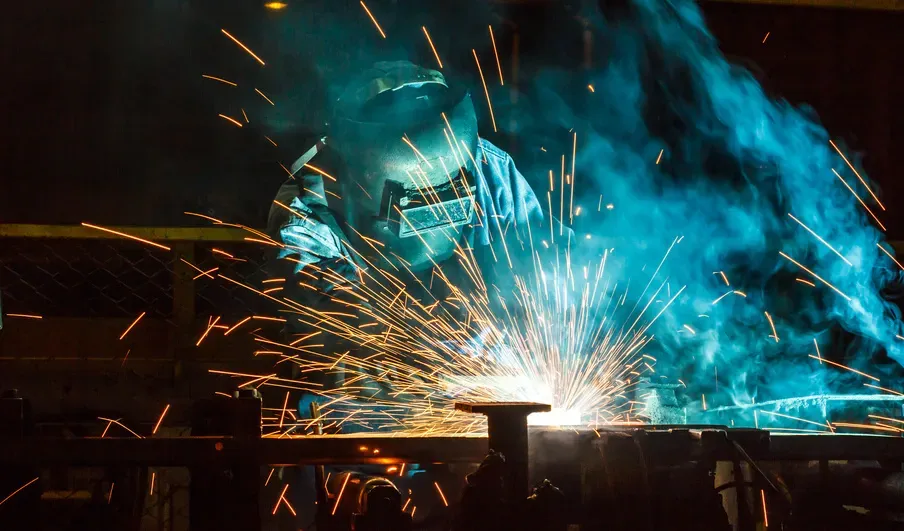
يمكن لحام كل من الفئتين 201 و304 عند استخدام إجراءات اللحام المناسبة.
ومع ذلك، فإن الأداء النهائي لعملية اللحام لا يعتمد على درجة الفولاذ المقاوم للصدأ فحسب. يجب على المشترين أيضًا مراعاة ما يلي:
- سماكة المادة
- طريقة اللحام
- التصميم المشترك
- الطاقة الحرارية المدخلة
- بيئة الخدمة
- المعالجة بعد اللحام
في التطبيقات التي تتعرض فيها المناطق الملحومة لظروف تآكلية، ينبغي أخذ أداء المجموعة الملحومة النهائية من حيث مقاومة التآكل في الاعتبار، بدلاً من تقييم المادة الأساسية وحدها.
إذا كان اللحام جزءًا أساسيًا من عملية الإنتاج، فيجب على المشترين الإشارة إلى هذا الشرط عند طلب الفولاذ المقاوم للصدأ من المورد.
السعر والتكلفة الإجمالية
يُعتبر الفولاذ 201 أقل تكلفة عمومًا من الفولاذ 304، على الرغم من أن الأسعار الفعلية تختلف تبعًا لأسواق النيكل والمواد الخام الأخرى، والمواصفات، وسماكة الفولاذ، وتشطيب السطح، وشروط التوريد.
الخطأ يكمن في الاكتفاء بمقارنة سعر الشراء فقط.
لنتناول مشروعين.
المشروع أ: عنصر زخرفي داخلي يتعرض لرطوبة محدودة.
قد يوفر استخدام 201 أداءً ملائمًا مع خفض تكلفة المواد.
المشروع ب: المعدات الخارجية المعرضة للمطر والرطوبة.
قد لا يبرر السعر الأولي الأقل لـ 201 الزيادة المحتملة في مخاطر التآكل والاستبدال. وفي هذه الحالة، قد يوفر 304 قيمة إجمالية أفضل.
| عامل التكلفة | 201 | 304 |
|---|---|---|
| التكلفة الأولية للمواد | عادةً ما يكون أقل | عادةً ما تكون أعلى |
| مقاومة التآكل | معتدل | أعلى |
| التعرض لأعمال الصيانة | يعتمد على التطبيق | تكون أدائها أقل عمومًا في البيئات الصعبة |
| القيمة على المدى الطويل | تُظهر أداءً قويًّا في البيئات المناسبة | متين في الظروف القاسية |
لذلك، فإن السؤال الصحيح ليس “هل سعر 201 أرخص؟” إنه “هل يوفر الإصدار 201 أداءً كافياً لهذا التطبيق؟”
متى ينبغي عليك اختيار الفولاذ المقاوم للصدأ 201؟
يمكن أن يكون 201 خيارًا عمليًّا في الحالات التالية:
- يُستخدم هذا المنتج بشكل أساسي في الأماكن المغلقة
- التعرض للمواد المسببة للتآكل محدود
- هذا التطبيق معتدل نسبيًا
- يُعد ضبط التكاليف أمرًا مهمًا
- لا يلزم توفر مقاومة فائقة للتآكل
التطبيقات النموذجية للفولاذ المقاوم للصدأ 201
| التطبيق | الملاءمة |
|---|---|
| المنتجات الزخرفية الداخلية | جيد |
| مكونات الأثاث | جيد |
| مكونات الأجهزة المنزلية | غالبًا ما تكون مناسبة |
| التصنيع العام | غالبًا ما تكون مناسبة |
| مكونات المطابخ الداخلية | يعتمد على التطبيق |
| المعدات البحرية | لا يُفضل ذلك عمومًا |
| البيئات الغنية بالكلوريد | لا يُفضل ذلك عمومًا |
في هذه التطبيقات، قد يؤدي اختيار الفئة 304 تلقائيًّا إلى زيادة تكلفة المواد فحسب دون أن يوفر ميزة أداء ملموسة.
متى ينبغي عليك اختيار الفولاذ المقاوم للصدأ 304؟
يصبح الفولاذ 304 الخيار الأفضل عندما يتطلب الاستخدام مقاومة أعلى للتآكل أو نطاقًا أوسع من الاستخدامات.
يجب أخذ 304 في الاعتبار في الحالات التالية:
- يتعرض المنتج للرطوبة بشكل منتظم
- من المتوقع استخدامه في الهواء الطلق
- تتضمن تطبيقات تتعلق بالتلامس مع الأغذية
- يلزم التنظيف بشكل متكرر
- التشكيل العميق أمر ضروري
- يُعد طول العمر التشغيلي أولوية
التطبيقات النموذجية للفولاذ المقاوم للصدأ من النوع 304
| التطبيق | لماذا يُفضل استخدام الفولاذ 304 |
|---|---|
| معدات تجهيز الأغذية | مقاومة التآكل والنظافة |
| المطابخ التجارية | التعرض للرطوبة وعمليات التنظيف |
| أواني الطهي | قابلية التشكيل ومقاومة التآكل |
| المعدات الخارجية | مقاومة بيئية أفضل |
| معدات صناعية | قدرة تطبيق أوسع نطاقًا |
| المنتجات المعمارية | المتانة والمظهر |
لا يُعد الفولاذ 304 بالضرورة الخيار الأكثر اقتصادية لكل منتج، لكنه يوفر هامش أداء أوسع عندما تكون ظروف التشغيل أكثر صعوبة.
201 مقابل 304: كيف ينبغي لمديري المشتريات اتخاذ القرار؟
بالنسبة لمديري المشتريات والمقاولين، يمكن تبسيط عملية اتخاذ القرار إلى خمسة أسئلة.
1. أين سيتم استخدام المنتج؟
حدد ما إذا كان المنتج سيكون:
- في الأماكن المغلقة
- في الهواء الطلق
- في بيئة رطبة
- في البيئة البحرية
- في منشأة لتصنيع الأغذية
- حول المواد الكيميائية
تؤدي البيئة على الفور إلى تضييق نطاق خيارات المواد.
2. ما هي العوامل التي سيتعرض لها الفولاذ؟
ضع في اعتبارك التعرض لما يلي:
- الماء
- الملح
- الرطوبة
- مواد التنظيف
- المواد الكيميائية
- بقايا الطعام
إن زيادة التعرض تعزز عمومًا الحجة المؤيدة لاستخدام الفولاذ 304.
3. كيف ستتم معالجة المادة؟
حدد ما إذا كانت المادة ستخضع لما يلي:
- القطع بالليزر
- الختم
- الرسم العميق
- الانحناء
- اللحام
- التصنيع الآلي
يجب أن تكون درجة جودة المادة وسمكها وحالتها متوافقة مع هذه العمليات.
4. ما هي المدة التي يجب أن يدوم فيها المنتج؟
بالنسبة للتطبيقات المؤقتة أو ذات الطلب المنخفض، قد تكون تكلفة المواد عاملاً أكثر أهمية.
بالنسبة للمنتجات التي يُتوقع أن تستمر في العمل لسنوات عديدة، تزداد أهمية مقاومة التآكل ومتطلبات الصيانة.
5. ما هو الهدف المحدد للتكلفة الإجمالية؟
لا تقارن سعر الشراء فحسب، بل قارن أيضًا ما يلي:
- تكاليف المعالجة
- معالجة السطح
- الصيانة
- مخاطر الاستبدال
- رفض المنتج
- العمر التشغيلي المتوقع
وهذا يوفر أساسًا أكثر واقعية لاختيار المواد.

الأخطاء الشائعة عند الاختيار بين 201 و304
| خطأ | النتيجة المحتملة |
|---|---|
| اخترت 201 فقط لأنها أرخص | ارتفاع مخاطر التآكل أو الصيانة |
| بافتراض أن 201 و304 قابلان للتبادل | مشاكل أداء التطبيقات |
| اختيار الفئة 304 لكل استخدام | تكلفة المواد غير الضرورية |
| تجاهل التعرض للعوامل البيئية | التآكل المبكر |
| عدم مراعاة متطلبات التشكيل | عيوب التصنيع |
| مقارنة الأسعار دون مراعاة العمر التشغيلي | قرار خاطئ بشأن التكلفة الإجمالية |
الخطأ الجوهري هو عدم اختيار 201 أو 304.
الخطأ هو اختيار درجة دون مراعاة مجال التطبيق.
التوصية النهائية: الفولاذ المقاوم للصدأ 201 أم 304؟
لا يوجد فائز شامل بين 201 و304.
اختر الرقم 201 في الحالات التالية:
- يُستخدم هذا التطبيق بشكل أساسي في الأماكن المغلقة
- التعرض للمواد المسببة للتآكل محدود
- يُعد التحكم في التكاليف أحد الاعتبارات الرئيسية
- الأداء المطلوب لا يبرر التكلفة الإضافية البالغة 304
اختر 304 في الحالات التالية:
- مقاومة التآكل أمر مهم
- يتعرض المنتج للرطوبة أو للعوامل الخارجية
- تتضمن هذه التطبيقات استخدامات تتعلق بالتلامس مع الأغذية أو المطابخ التجارية
- تعد قابلية التشكيل والموثوقية على المدى الطويل من الأولويات
بعبارات بسيطة،, غالبًا ما يُعد النوع 201 الخيار الأفضل من حيث التكلفة في البيئات المناسبة، في حين يُعد النوع 304 عمومًا الخيار الأكثر أمانًا عندما تكون مقاومة التآكل، وتعدد الاستخدامات، والأداء على المدى الطويل من العوامل الأكثر أهمية.
وبالتالي، فإن النوع الأفضل يتحدد وفقًا للاستخدام المقصود — وليس فقط بناءً على أي نوع من الفولاذ المقاوم للصدأ أرخص ثمناً.
الخاتمة
ينبغي أن يستند الاختيار بين الفولاذ المقاوم للصدأ من النوع 201 والنوع 304 إلى المتطلبات الفعلية للتطبيق، وليس إلى سعر المادة وحده.
الفولاذ المقاوم للصدأ 201 يمكن أن يكون خيارًا عمليًّا للمنتجات التي تراعي التكلفة والمستخدمة في بيئات داخلية معتدلة نسبيًّا، في حين أن الفولاذ المقاوم للصدأ 304 يُعد هذا الخيار عمومًا أكثر ملاءمةً للتطبيقات التي تتطلب مقاومة أعلى للتآكل، وأداءً أفضل في التشكيل، وتوافقًا بيئيًّا أوسع نطاقًا.
قبل تقديم الطلب، ينبغي على المشترين مراعاة ما يلي: بيئة التشغيل، التعرض للتآكل، عملية التصنيع، العمر التشغيلي المطلوب، السُمك، تشطيب السطح، والتكلفة الإجمالية للمواد. إن اختيار درجة الفولاذ المقاوم للصدأ التي تتوافق مع هذه المتطلبات يمكن أن يساعد في منع التآكل المبكر، ومشاكل المعالجة، والنفقات غير الضرورية على المواد.
حول مورد الصلب ويجونلي للصلب
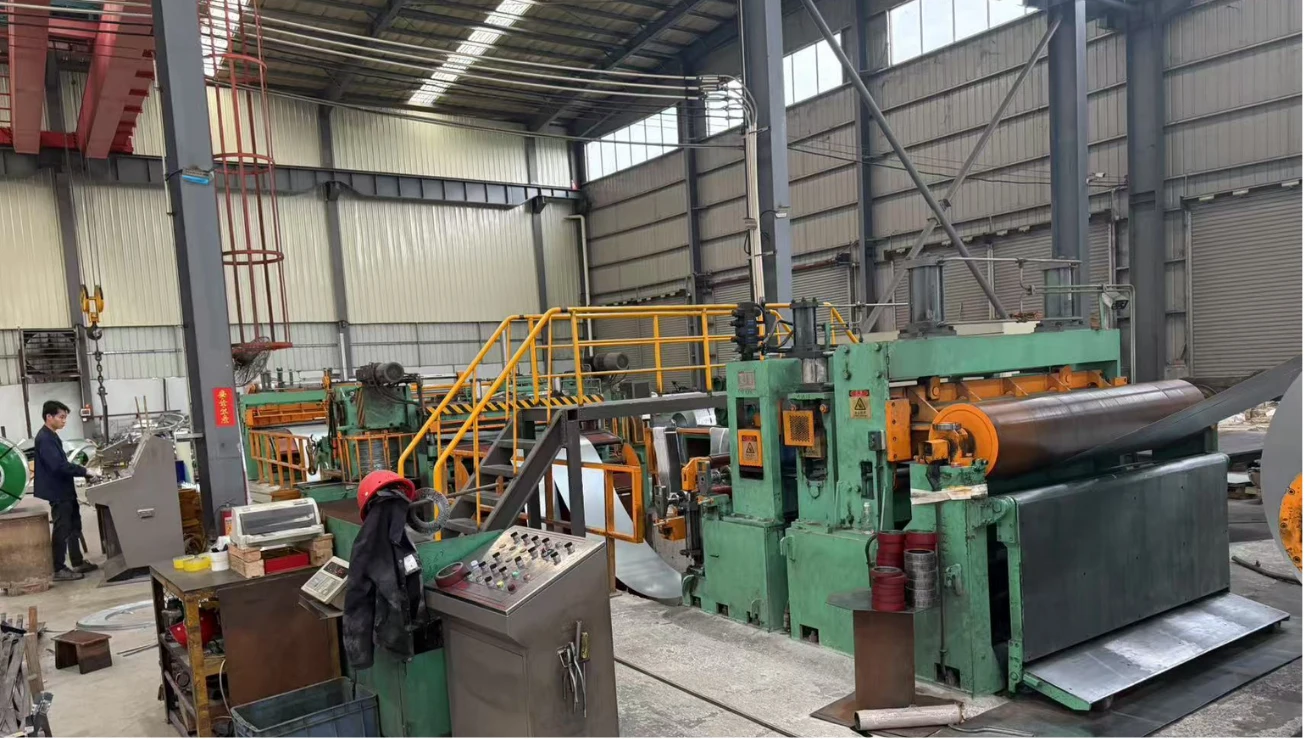
ويجونلي ستيل هي شركة شركة متخصصة في تصنيع وتوريد الفولاذ تقدم خدماتها للمقاولين والمصنعين والموزعين والمشترين الصناعيين على مستوى العالم.
نحن نركز على توفير منتجات موثوقة من الفولاذ المقاوم للصدأ وأنواع أخرى من الفولاذ، مصممة خصيصًا لتلبية متطلبات الاستخدامات المحددة. وبفضل ضوابط الجودة الصارمة التي نطبقها في جميع مراحل عملية توريد المواد ومعالجتها والفحص النهائي، تتوافق منتجاتنا مع المعايير الدولية ذات الصلة ومتطلبات الاعتماد.
كما نقدم أيضًا حلول الصلب من الشركات المصنعة للمعدات الأصلية (OEM) والحلول المخصصة, ، بما في ذلك درجات المواد، والأبعاد، والسماكات، وتشطيبات الأسطح، والمواصفات الأخرى. وبفضل نهجها الذي يركز على العملاء وقدراتها الإنتاجية المستقرة، تدعم شركة «ويجونلي» عملاءها من الشركات (B2B) بجودة ثابتة وإمدادات موثوقة من الفولاذ.