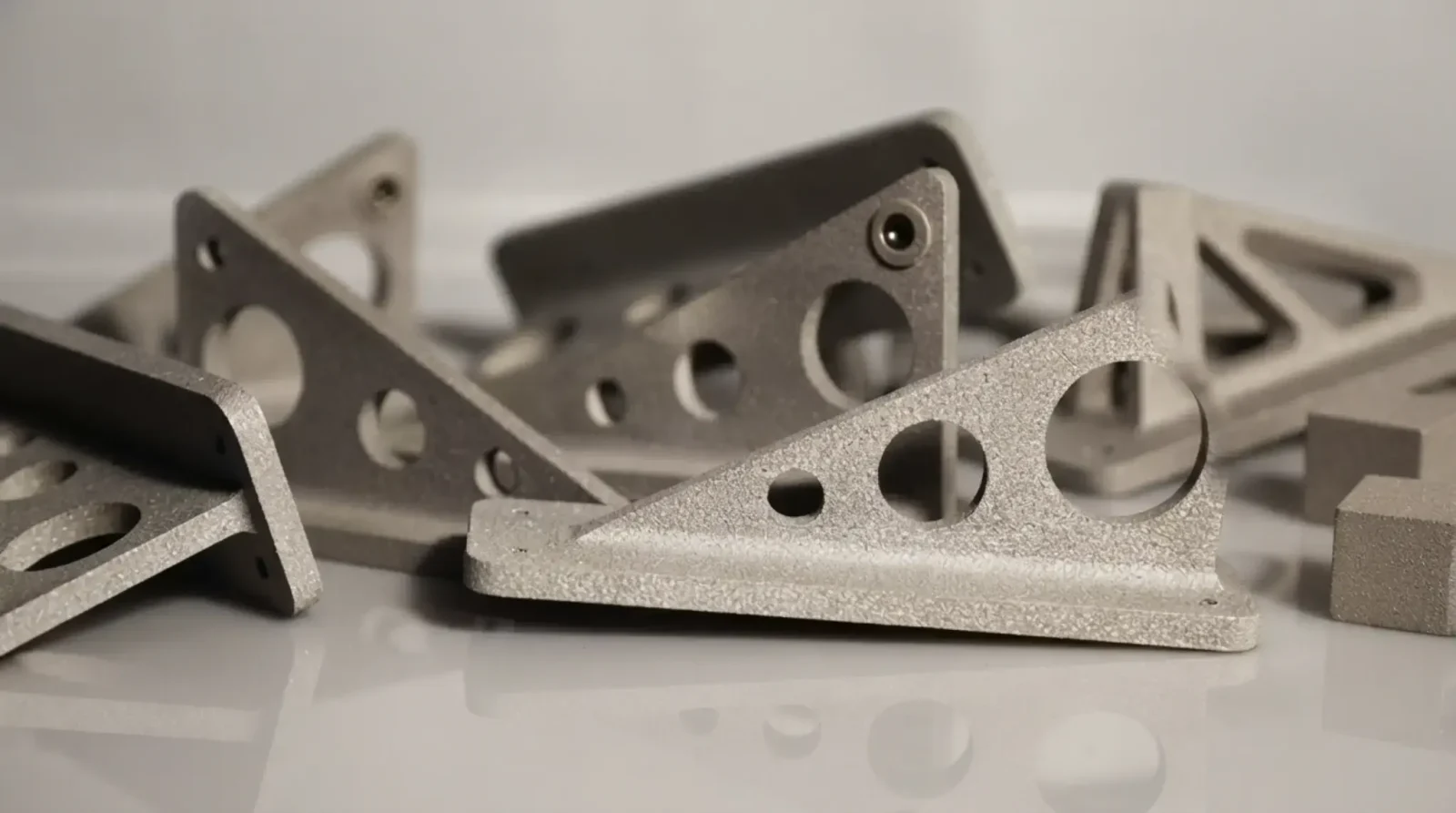
Small automotive structural brackets are easy to overlook. They are often simple stamped or bent components, but they can play an important role in mounting, supporting, reinforcing, or connecting vehicle components. Because these parts are commonly produced in large quantities, the material must provide more than adequate strength. It also needs suitable formability, consistent processing performance, an appropriate surface condition, and reasonable cost.
This is why HRPO steel—hot rolled pickled and oiled steel—is commonly used for many automotive bracket applications. Its advantage is not one exceptional property, but a practical balance between material performance and manufacturing requirements.
What Is HRPO Steel for Automotive Brackets?
HRPO Means Hot Rolled, Pickled, and Oiled
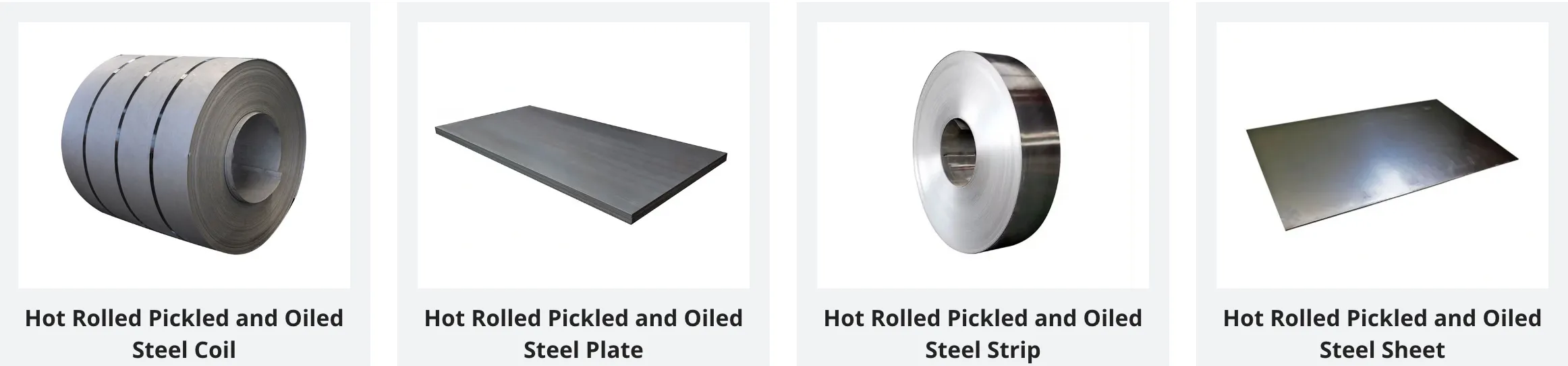
HRPO steel stands for Hot Rolled Pickled and Oiled steel. It starts as hot rolled steel, after which the surface scale generated during hot rolling is removed through pickling. A light oil coating is then applied to provide temporary protection against rust during storage and handling.
For automotive bracket applications, the important point is that HRPO provides a cleaner surface than conventional unpickled hot rolled steel while retaining the characteristics of the selected hot rolled steel grade.
Why the Surface Condition Matters for Bracket Manufacturing
The removal of hot-rolling scale gives HRPO steel a cleaner surface for subsequent manufacturing operations. This can be useful when steel sheets or coils are processed through cutting, stamping, bending, welding, or coating.
The exact benefit depends on the production process. However, for manufacturers producing small brackets, starting with a controlled and relatively clean surface can simplify downstream processing compared with working directly with heavily scaled hot rolled material.
What Do Small Automotive Structural Brackets Need From Steel?
Before understanding why HRPO is commonly selected, it helps to understand what these brackets actually require from their material.
Sufficient Strength for Supporting and Connecting Components
Automotive brackets can be used to mount, support, reinforce, or connect components. Depending on their location and function, they may experience static loads, vibration, impact, or repeated loading.
The selected steel therefore needs sufficient yield strength and tensile strength for the intended application. However, a small bracket does not automatically require the highest-strength steel available.
Using a much stronger material than necessary can increase material cost or make forming more difficult without providing a meaningful benefit to the finished component. Material selection should instead start with the actual load and design requirements.
Good Formability for Bending and Stamping
Many small automotive brackets are manufactured from sheet steel through operations such as stamping, punching, bending, and forming.
The steel therefore needs to deform into the required geometry without excessive cracking, distortion, or springback. The required level of formability depends heavily on the bracket design.
A simple right-angle bracket may place relatively modest demands on the material, while a bracket with multiple bends, deep forming, or tight radii may require a more carefully selected grade.
Consistent Performance in Mass Production
Automotive brackets are often produced in high volumes. A material that performs well for one prototype is not enough; it must also behave consistently throughout production.
Material consistency affects:
- Part dimensions
- Bend angles
- Hole positions
- Stamping performance
- Production yield
Consistent steel properties help manufacturers maintain stable production conditions and reduce problems caused by material variation.
Why Is HRPO Steel Common for Small Automotive Structural Brackets?
The popularity of HRPO comes from how well these characteristics align with the requirements of many small brackets.
It Balances Strength and Formability
Many small structural brackets need sufficient mechanical strength but do not require extremely high-strength materials.
Depending on the selected grade, HRPO steel can provide an appropriate balance between strength and formability. This makes it suitable for components that need to be stamped or bent while still providing adequate structural support.
The key is the grade selection. HRPO describes the processing and surface condition of the steel; the actual mechanical properties come from the applicable material specification.
For a custom steel manufacturer, this distinction is important when matching material grades to different bracket designs. A manufacturer should not simply recommend the strongest available steel. The grade should correspond to the component’s load, geometry, forming process, and production requirements.
Its Surface Is Cleaner Than Standard Hot Rolled Steel
Hot rolled steel normally develops an oxide scale during the rolling process. HRPO undergoes pickling to remove this scale, resulting in a substantially cleaner surface.
This matters because small brackets frequently undergo additional manufacturing operations after the material is supplied.
A cleaner surface can be advantageous for processes involving fabrication, welding, coating, or painting, although the required surface preparation still depends on the final application and process.
Importantly, pickling does not make the steel inherently stronger. The benefit is primarily improved surface condition and downstream process suitability.
It Works Well With Common Bracket Manufacturing Processes
The relatively straightforward geometry of many automotive brackets makes them suitable for common sheet-metal manufacturing processes.
Depending on the grade and design, HRPO steel can be processed through:
- Stamping
- Bending
- Punching
- Laser or mechanical cutting
- Welding
For example, a flat steel blank may first be punched to create mounting holes, then stamped or bent into its final three-dimensional shape. The material needs to withstand these operations while maintaining the required geometry.
Actual suitability must always be evaluated against the steel grade, thickness, bend radius, part geometry, tooling, and forming severity.
It Provides a Practical Cost-to-Performance Balance
Cost is particularly important for small automotive brackets because these components may be produced by the thousands or millions.
The material-selection logic is therefore not simply:
Higher strength = better material.
A more useful approach is:
Required performance → appropriate steel grade → efficient processing → controlled material cost
If a bracket only requires moderate structural performance, using an expensive specialized material may provide little additional value. HRPO can be an economical option when its mechanical and processing characteristics meet the component requirements.
For manufacturers and distributors handling high-volume automotive components, this balance between material cost, production efficiency, and component performance is one reason HRPO remains relevant.
HRPO Steel vs. Other Steel Options for Automotive Brackets
HRPO is not automatically the best material for every bracket. Other steel products can be more appropriate depending on the application.
| Steel Type | Main Advantage | When It May Be Considered |
|---|---|---|
| HRPO steel | Balanced strength, formability, surface condition, and cost | General structural and fabricated brackets |
| Regular hot rolled steel | Cost-effective | Applications where surface scale is less important |
| Cold rolled steel | Better surface finish and dimensional control | More demanding surface or dimensional requirements |
| High-strength steel | Higher strength-to-weight potential | Higher loads or weight-reduction requirements |
| Galvanized steel | Better corrosion resistance | Applications with greater corrosion exposure |
This comparison illustrates an important principle in automotive material selection: the best steel is determined by the component’s requirements, not by the material’s general reputation.
For a basic structural bracket, the additional properties of a premium material may not justify the additional cost or manufacturing considerations.
What Types of Small Automotive Brackets Can Use HRPO Steel?
HRPO steel can be considered for various small sheet-metal brackets, provided the selected grade meets the component requirements.
Mounting Brackets
Mounting brackets position or attach components to another part of the vehicle structure.
These brackets commonly include holes, flanges, bends, and relatively simple formed features. The material needs to maintain its geometry while providing sufficient strength for the mounted component and its operating environment.
Support and Reinforcement Brackets
Support and reinforcement brackets can help distribute loads, stabilize assemblies, or reinforce connections between components.
For these applications, designers need to consider the bracket’s thickness, shape, mounting method, and expected loading rather than evaluating the steel grade independently.
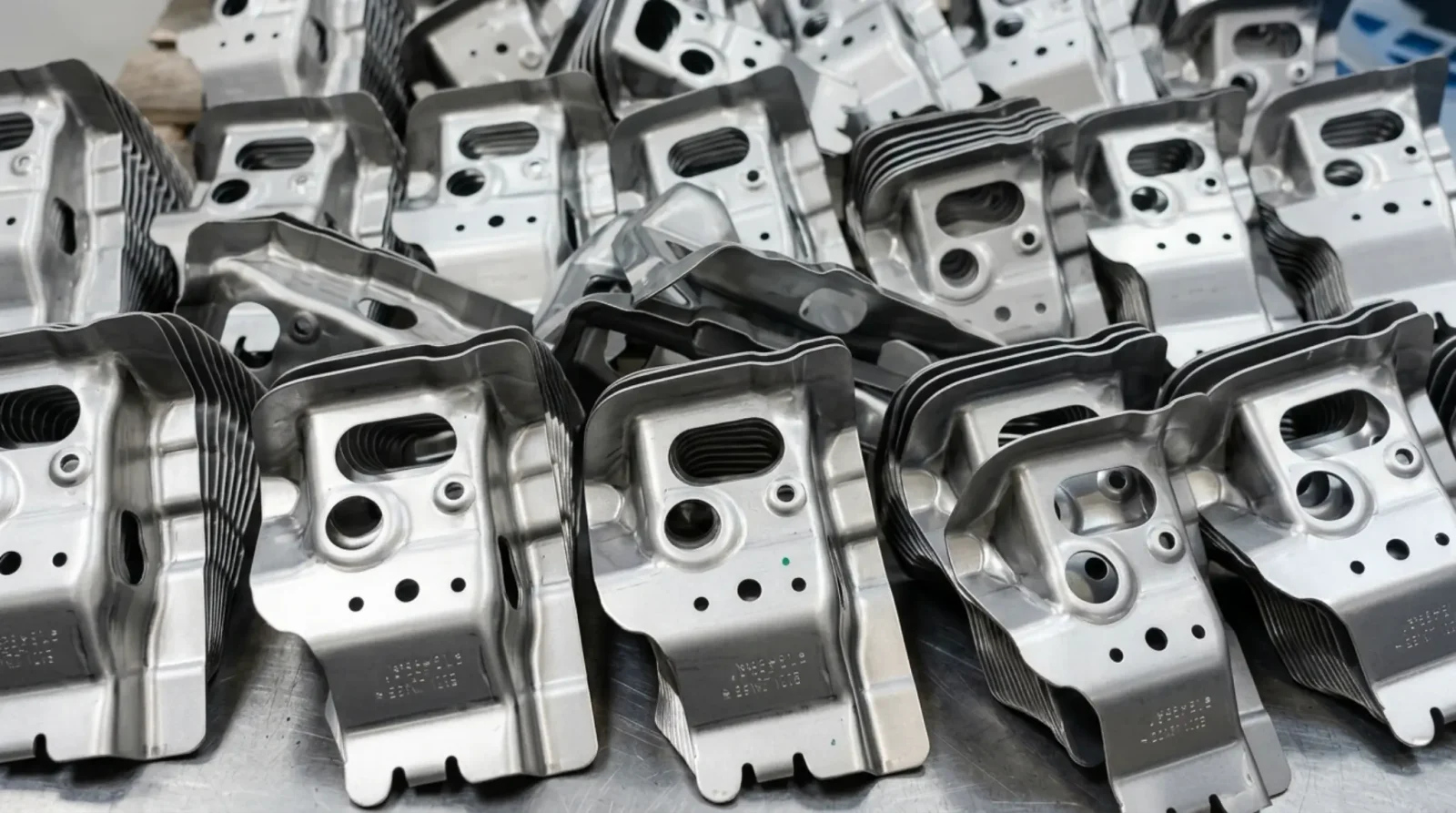
Stamped and Bent Sheet Metal Brackets
Many small brackets are manufactured from flat sheet or coil through stamping, punching, and bending.
HRPO can be suitable for these applications when its grade and thickness provide the required combination of formability and strength. Its surface condition can also be useful when the finished bracket will undergo additional processing.
When Is HRPO Steel Not the Best Choice?
HRPO is versatile, but it should not be treated as a universal automotive material.
When Higher Strength Is Required
If a bracket must withstand higher loads while minimizing material thickness and weight, high-strength steel may be more appropriate.
Higher-strength grades can allow designers to achieve required performance with less material, but they can also introduce additional forming considerations. The decision should therefore consider both the final mechanical requirements and manufacturing process.
When Corrosion Resistance Is Critical
HRPO’s oil coating provides temporary protection during storage and handling. It should not be confused with long-term corrosion protection.
For brackets exposed to significant moisture, road salt, or corrosive environments, galvanized or coated steel may provide a more suitable solution.
The final corrosion-protection strategy can also include painting, coating, or other surface treatments depending on the component’s location and requirements.
When Surface Finish or Dimensional Precision Is More Important
Some applications place greater emphasis on surface appearance, dimensional control, or tight tolerances.
In such cases, cold rolled steel may be worth considering because it generally offers a more controlled surface and dimensional characteristics than conventional hot rolled products.
Again, this does not mean cold rolled steel is inherently better. It means its characteristics may be more appropriate for a different set of requirements.
How Is HRPO Steel Selected for an Automotive Bracket?
Material selection should begin with the bracket rather than with the steel catalogue.
Match the Steel Grade to the Required Mechanical Properties
The first step is determining the mechanical requirements of the component.
Important properties can include:
- Yield strength
- Tensile strength
- Elongation
- Applicable material or automotive specification
The selected grade should provide sufficient performance without unnecessarily increasing material or processing costs.
Match Thickness to Load and Forming Requirements
Thickness affects several aspects of bracket design and manufacturing, including strength, stiffness, weight, forming behavior, and cost.
A thicker sheet may improve rigidity but can require greater forming force. A thinner sheet can reduce weight and material usage but may not provide enough stiffness for the application.
Therefore, thickness should be selected together with the bracket’s geometry and loading conditions.
Consider the Complete Manufacturing Process
The steel should also be evaluated against the complete manufacturing route.
For example:
Steel selection → cutting → stamping/punching → bending → welding → coating → assembly
A material that looks suitable based only on its strength may create problems during bending or welding. Conversely, a material with appropriate forming behavior may offer a more efficient overall production solution.
An experienced HRPO steel supplier can support this process by matching the available steel grade, thickness, surface condition, and supply format with the customer’s manufacturing requirements. For OEM and bulk applications, quality control and consistency across production batches are equally important.
Conclusion: Why HRPO Steel Remains Common for Small Automotive Brackets
HRPO steel is common for many small automotive structural brackets because it offers a practical combination of mechanical performance, formability, surface condition, manufacturing compatibility, and cost efficiency.
Its value does not come from being the strongest or most sophisticated steel available. Instead, it often provides the level of performance required by relatively simple brackets while remaining compatible with high-volume manufacturing processes such as stamping, punching, and bending.
For automotive newcomers, the key material-selection principle is simple: HRPO is not selected simply because it is strong. It is selected when its overall material and manufacturing characteristics match the actual requirements of the bracket.
For manufacturers requiring customized dimensions, specific grades, or consistent bulk supply, working with an experienced HRPO steel manufacturer can also help align material selection with downstream fabrication and production requirements.