Para os fabricantes de utensílios de cozinha, a escolha do tipo certo de aço inoxidável tem um impacto direto na durabilidade do produto, na resistência à corrosão, na eficiência de fabrico e no custo de produção.
Muitos compradores concentram-se principalmente no preço do aço inoxidável quando procuram materiais. No entanto, escolher a opção mais barata nem sempre resulta no custo de produção global mais baixo. Um tipo de aço inoxidável inadequado pode causar problemas durante a estampagem profunda, a estampagem, o polimento ou a utilização do produto a longo prazo.
A escolha do melhor material de aço inoxidável depende de vários fatores, incluindo:
- Tipo de utensílios de cozinha
- Processo de fabrico
- Resistência à corrosão exigida
- Posicionamento no mercado-alvo
- Volume de produção
Este artigo compara os tipos de aço inoxidável mais utilizados em utensílios de cozinha, incluindo Aço inoxidável 304, 316 e 430, e explica como os fabricantes podem selecionar o material adequado para diferentes aplicações em utensílios de cozinha.
Que tipo de aço inoxidável é utilizado no fabrico de utensílios de cozinha?
O aço inoxidável é amplamente utilizado na produção de utensílios de cozinha, uma vez que oferece uma combinação de:
- Segurança alimentar
- Resistência à corrosão
- Durabilidade
- Limpeza fácil
- Aspecto atraente
As categorias de aço inoxidável mais comuns utilizadas em utensílios de cozinha são:
- Aço inoxidável austenítico: 304 e 316
- Aço inoxidável ferrítico: 430
Cada tipo de aço apresenta composições químicas e características de desempenho diferentes, o que os torna adequados para diferentes estruturas de utensílios de cozinha e requisitos do mercado.
Aço inoxidável 304: a escolha mais comum para utensílios de cozinha
Por que razão o aço inoxidável 304 é amplamente utilizado
O aço inoxidável 304 é o material mais utilizado no fabrico de utensílios de cozinha, uma vez que oferece um equilíbrio sólido entre desempenho, custo e facilidade de processamento.
Entre as suas principais vantagens contam-se:
- Excelente resistência à corrosão
- Boa moldabilidade
- Excelente desempenho na estampagem profunda
- Fácil de polir
- Bom desempenho no contacto com alimentos
Estas características tornam o aço inoxidável 304 adequado para produtos como:
- Panelas de aço inoxidável
- Frigideiras
- Panelas para molhos
- Utensílios de cozinha
- Equipamento para a preparação de alimentos
Na maioria das aplicações em utensílios de cozinha domésticos, o aço inoxidável 304 proporciona durabilidade e resistência à corrosão suficientes, sem aumentar significativamente os custos dos materiais.
Panelas de aço inoxidável 18/8 e 18/10
Muitos produtos de cozinha são comercializados como Aço inoxidável 18/8 ou Aço inoxidável 18/10.
Estes termos referem-se, em geral, ao teor aproximado de crómio e níquel:
- O crómio 18% melhora a resistência à corrosão
- O níquel 8–10% melhora a durabilidade, a resistência à corrosão e o aspeto da superfície
Devido ao seu melhor acabamento e desempenho, os aços inoxidáveis 18/8 e 18/10 são frequentemente utilizados em:
- Panelas de gama média
- Linhas de utensílios de cozinha de gama alta
- Produtos de cozinha de alta qualidade
No caso das marcas de utensílios de cozinha que se dirigem aos mercados de gama alta, o aço inoxidável 304 com uma composição 18/10 é frequentemente a escolha preferida.
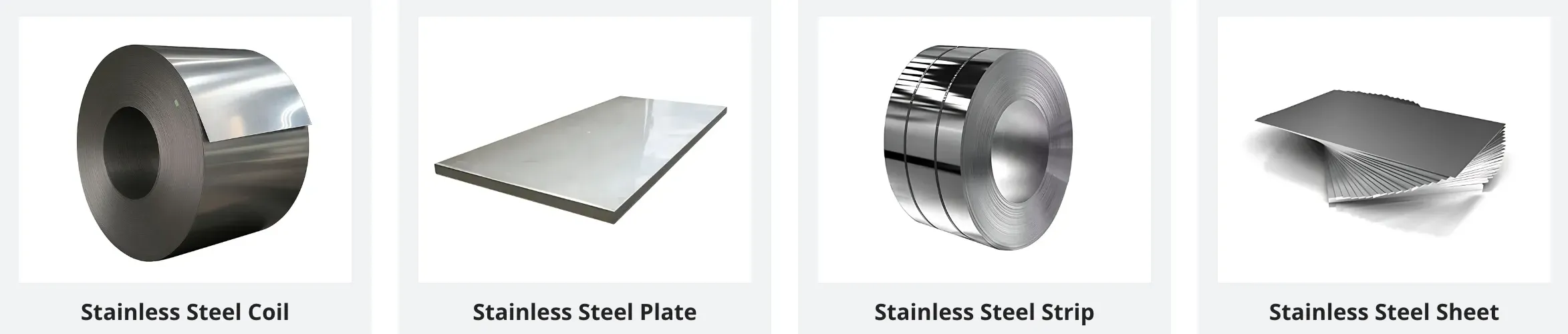
Aço inoxidável 316: material de alta qualidade para aplicações em ambientes altamente corrosivos
Vantagens do aço inoxidável 316
O aço inoxidável 316 é um tipo de aço inoxidável de alto desempenho que contém molibdénio, o que melhora a resistência a ambientes corrosivos.
Em comparação com o aço inoxidável 304, o 316 oferece:
- Maior resistência à corrosão
- Maior resistência à exposição ao sal
- Maior resistência química
- Maior vida útil em ambientes adversos
É frequentemente utilizado em aplicações em que é importante dispor de proteção adicional contra a corrosão, tais como:
- Utensílios de cozinha relacionados com o mar
- Equipamento profissional de cozinha
- Produtos especializados para cozinha
Para os fabricantes de utensílios de cozinha de gama alta, o aço inoxidável 316 pode ajudar a criar produtos concebidos para oferecer a máxima durabilidade e desempenho.
Por que razão o aço inoxidável 316 nem sempre é a melhor escolha
Embora o aço inoxidável 316 ofereça uma melhor resistência à corrosão, nem sempre é necessário para os utensílios de cozinha comuns.
A principal limitação é:
- Aumento do custo das matérias-primas
No caso dos utensílios de cozinha domésticos normais utilizados em ambientes comuns, o aço inoxidável 304 oferece, normalmente, um desempenho suficiente.
Por conseguinte, os fabricantes devem avaliar se o custo adicional do 316 confere um valor significativo ao produto.
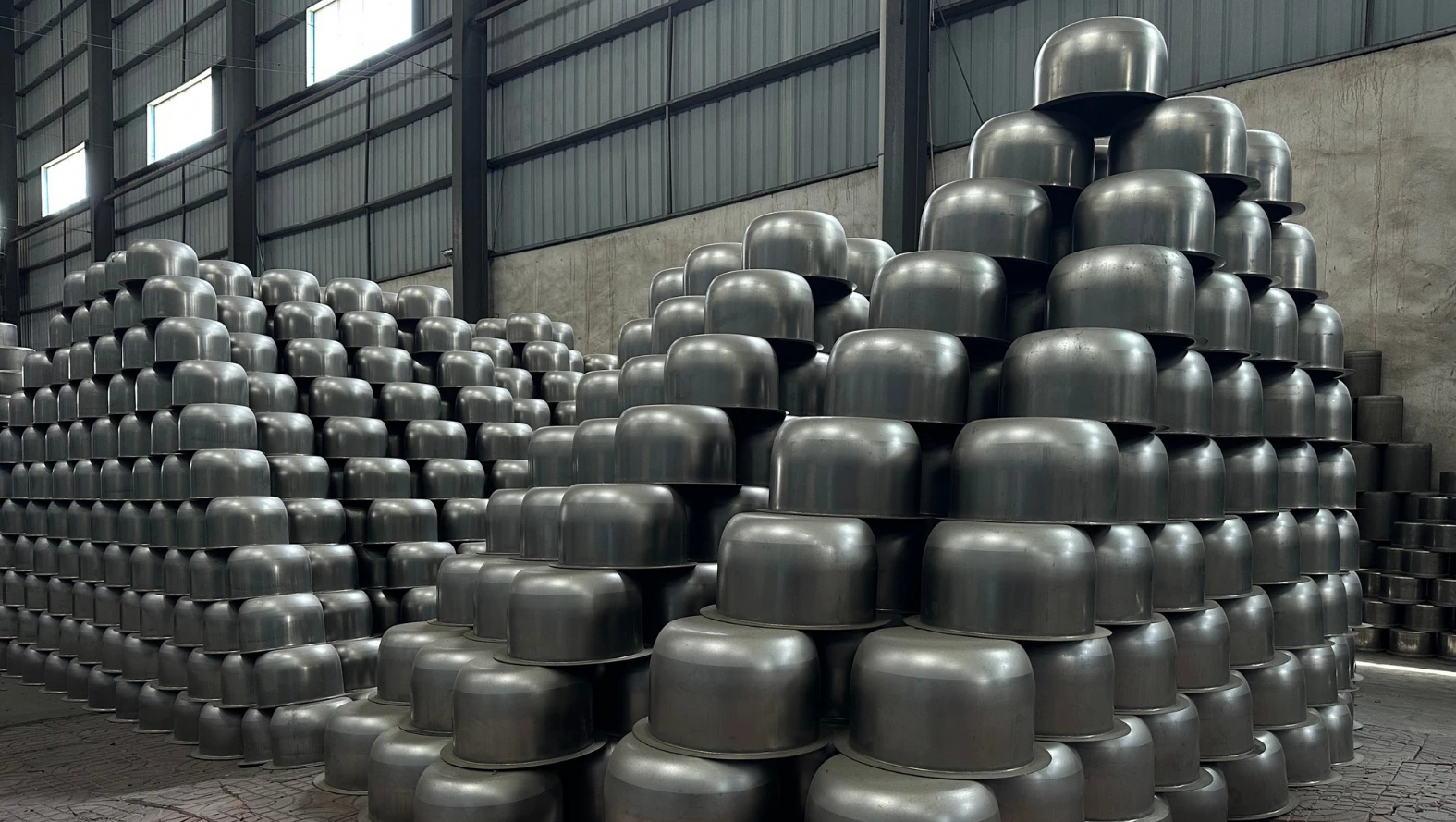
Aço inoxidável 430: uma opção económica para o fabrico de utensílios de cozinha
Características do aço inoxidável 430
O aço inoxidável 430 é um aço inoxidável ferrítico frequentemente utilizado na fabricação de utensílios de cozinha, onde a relação custo-benefício e o desempenho magnético são fatores importantes.
Entre as suas vantagens contam-se:
- Custo mais baixo dos materiais
- Propriedades magnéticas
- Boa resistência à corrosão
- Adequado para aplicações de indução
Entre as aplicações mais comuns contam-se:
- Camadas inferiores dos utensílios de cozinha
- Bases compatíveis com indução
- Artigos de cozinha a preços acessíveis
Como o aço inoxidável 430 é magnético, é frequentemente utilizado como camada exterior em utensílios de cozinha concebidos para placas de indução.
Limitações do aço inoxidável 430
Em comparação com o aço inoxidável 304, o 430 apresenta algumas limitações:
- Menor resistência à corrosão
- Menor teor de níquel
- Menos adequado para superfícies de cozinha de alta qualidade
Por este motivo, o aço inoxidável 430 não é normalmente escolhido como superfície principal de cozedura para utensílios de cozinha de gama alta.
Em vez disso, os fabricantes costumam combinar o aço inoxidável 430 com o 304 para equilibrar o desempenho e o custo.
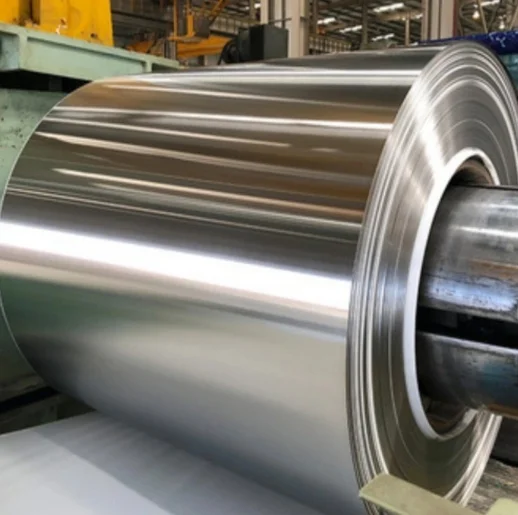
Aço inoxidável 304, 316 e 430 na fabricação de utensílios de cozinha
| Caraterística | Aço inoxidável 304 | Aço inoxidável 316 | Aço inoxidável 430 |
|---|---|---|---|
| Resistência à corrosão | Excelente | Superior | Bom |
| Custo dos materiais | Médio | Mais alto | Mais baixo |
| Teor de níquel | Sim | Sim | Não |
| Aplicações em contacto com alimentos | Excelente | Excelente | Bom |
| Propriedades magnéticas | Normalmente não magnético | Normalmente não magnético | Magnético |
| Utilização típica | Corpo principal do utensílio de cozinha | Utensílios de cozinha de alta qualidade | Base de indução, produtos com boa relação qualidade/preço |
Como os fabricantes de utensílios de cozinha selecionam os tipos de aço inoxidável
Seleção com base no posicionamento do produto
Os diferentes segmentos de mercado exigem estratégias de materiais diferentes.
Utensílios de cozinha de alta qualidade:
→ aço inoxidável 304 ou 316
Utensílios de cozinha para o mercado de grande consumo:
→ Corpo em aço inoxidável 304 + base de indução em aço inoxidável 430
Utensílios de cozinha económicos:
→ Soluções em aço inoxidável 430
A escolha correta do material ajuda as marcas a encontrar o equilíbrio entre o desempenho do produto e o preço de venda ao público pretendido.
Seleção com base no processo de fabrico
A escolha do tipo de aço inoxidável também influencia a eficiência do processo de fabrico.
A produção de utensílios de cozinha envolve normalmente:
- Desenho profundo
- Estampagem
- Soldadura
- Polimento
O aço inoxidável 304 é amplamente preferido porque oferece:
- Boa ductilidade
- Desempenho estável na conformação
- Resultados de acabamento suave
No caso de utensílios de cozinha com formas complexas, a escolha de um material com boas propriedades de moldagem pode reduzir os defeitos de produção e melhorar a eficiência do processo de fabrico.
Seleção com base no ambiente de utilização
O ambiente de aplicação final também influencia a escolha dos materiais.
Considere o seguinte:
- Exposição à humidade
- Exposição ao sal
- Produtos químicos de limpeza
- Frequência de utilização
Exemplos:
Utensílios de cozinha domésticos comuns:
→ aço inoxidável 304
Ambientes marinhos ou altamente corrosivos:
→ aço inoxidável 316
Estruturas dos utensílios de cozinha para fogões de indução:
→ Aço inoxidável 430 pelas suas propriedades magnéticas
Por que razão os utensílios de cozinha em aço inoxidável multicamadas utilizam diferentes graus de qualidade
Estrutura comum dos utensílios de cozinha multicamadas
Muitos produtos de cozinha de gama alta utilizam várias camadas de aço inoxidável em vez de um único material.
Uma estrutura típica inclui:
Superfície interior de cozedura:
- aço inoxidável 304
Camada de indução exterior:
- Aço inoxidável 430
Camada central:
- Alumínio ou cobre
Esta combinação permite aos fabricantes atingir diferentes objetivos de desempenho num único produto.
Vantagens do design multimaterial
A utilização conjunta de diferentes tipos de aço inoxidável proporciona:
- Melhor distribuição do calor
- Compatibilidade com indução
- Maior durabilidade
- Custo otimizado dos materiais
Para as marcas de utensílios de cozinha, a construção em várias camadas permite criar produtos de alta qualidade, ao mesmo tempo que se controlam os custos de fabrico.
O que os compradores devem especificar ao adquirir aço inoxidável para a produção de utensílios de cozinha
Ao adquirir materiais de aço inoxidável, os fabricantes de utensílios de cozinha devem fornecer especificações completas aos fornecedores.
Requisitos relativos aos tipos de aço inoxidável
Entre os detalhes importantes, destacam-se:
- Tipo de aço inoxidável
- Composição química
- Norma relativa aos materiais
- Requisitos relativos ao contacto com alimentos
A escolha do tipo correto garante que o material seja adequado à utilização pretendida nos utensílios de cozinha.
Especificações das bobinas e chapas de aço inoxidável
Para além da classificação, os compradores devem também verificar:
- Espessura
- Largura
- Acabamento da superfície
- Tolerância
- Em bobinas ou em chapas
Por exemplo:
- Os utensílios de cozinha fabricados por estampagem profunda requerem uma espessura adequada e um bom desempenho na conformação.
- Os utensílios de cozinha polidos exigem uma qualidade de superfície uniforme.
Um experiente fornecedor de aço inoxidável pode ajudar a recomendar especificações adequadas de acordo com os requisitos de produção.
Requisitos de processamento e qualidade
Na produção industrial de utensílios de cozinha, é essencial que a qualidade dos materiais seja estável.
Os compradores devem confirmar:
- Normas de inspeção de superfícies
- Precisão dimensional
- Certificação de materiais
- Consistência entre lotes
Um fiável fornecedor de aço inoxidável deve fornecer materiais consistentes que contribuam para uma produção a jusante eficiente.
Como a Weijunli Steel apoia os fabricantes de utensílios de cozinha
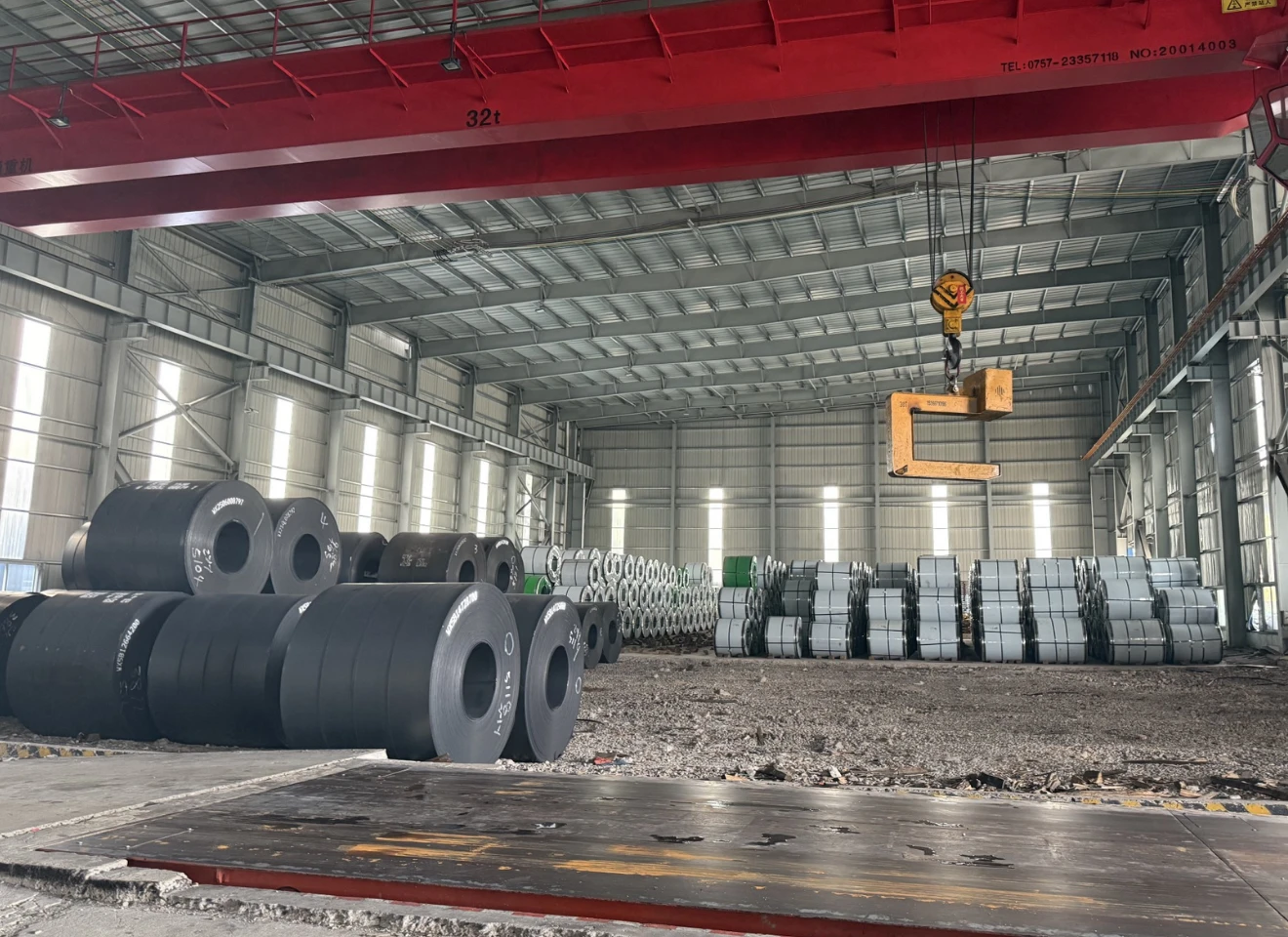
Como fornecedor grossista de aço da China, A Weijunli Steel fornece materiais de aço inoxidável para fabricantes de utensílios de cozinha e aplicações industriais.
O nosso apoio inclui:
- Fornecimento de bobinas e chapas de aço inoxidável
- Recomendação de classificação
- Espessura e largura personalizadas
- Opções de acabamento superficial
- Controlo de qualidade
- Apoio à exportação
Para os fabricantes de utensílios de cozinha, a escolha do material de aço inoxidável adequado não se resume apenas à compra do aço — trata-se de garantir que o material tenha um desempenho adequado ao longo de todo o processo de produção.
Ao trabalhar com um profissional experiente fornecedor de aço inoxidável à medida, os compradores podem otimizar a seleção de materiais com base na conceção do produto, nos requisitos de fabrico e no posicionamento no mercado.
Para distribuidores e compradores de grandes volumes, um fornecedor fiável fornecedor grossista de aço inoxidável ajuda a garantir um abastecimento estável e uma qualidade consistente em encomendas repetidas.
Recomendação final: Qual é o tipo de aço inoxidável mais adequado para utensílios de cozinha?
| Candidatura | Nível recomendado |
|---|---|
| Utensílios de cozinha para uso diário | aço inoxidável 304 |
| Utensílios de cozinha de alta qualidade | Aço inoxidável 304 / 316 |
| Ambiente altamente corrosivo | aço inoxidável 316 |
| Base de utensílios de cozinha para indução | Aço inoxidável 430 |
| Utensílios de cozinha com boa relação qualidade-preço | Aço inoxidável 430 |
Não existe um único tipo de aço inoxidável que seja o mais adequado para todos os tipos de utensílios de cozinha.
O aço inoxidável 304 continua a ser a opção mais utilizada, uma vez que oferece o melhor equilíbrio entre desempenho e custo. O aço inoxidável 316 é adequado para aplicações de gama alta que exigem maior resistência à corrosão, enquanto o aço inoxidável 430 constitui uma solução económica para estruturas compatíveis com indução.
Para os fabricantes de utensílios de cozinha, a escolha certa depende do posicionamento do produto, do processo de fabrico e dos requisitos do mercado-alvo.
FAQ
Qual é o melhor tipo de aço inoxidável para o fabrico de utensílios de cozinha?
O aço inoxidável 304 é o tipo mais utilizado, uma vez que oferece excelente resistência à corrosão, durabilidade e desempenho na produção.
O aço inoxidável 316 é melhor do que o 304 para utensílios de cozinha?
Isso aplica-se num ambiente salino. O aço inoxidável 316 oferece uma maior resistência à corrosão, mas o aço inoxidável 304 é normalmente suficiente para a maioria das aplicações em utensílios de cozinha domésticos.
O aço inoxidável 430 é adequado para utensílios de cozinha?
Sim. O aço inoxidável 430 é frequentemente utilizado em bases de indução e em estruturas de utensílios de cozinha com boa relação qualidade/preço.
Que espessura de aço inoxidável é utilizada nos utensílios de cozinha?
A espessura necessária depende do tipo de utensílio de cozinha, do processo de fabrico, dos requisitos de durabilidade e do posicionamento do produto.
Por que razão os fabricantes de utensílios de cozinha utilizam em conjunto o aço inoxidável 304 e o 430?
O 304 proporciona uma superfície de cozedura resistente à corrosão, enquanto o 430 oferece propriedades magnéticas que garantem a compatibilidade com fogões de indução e ajuda a otimizar os custos com os materiais.