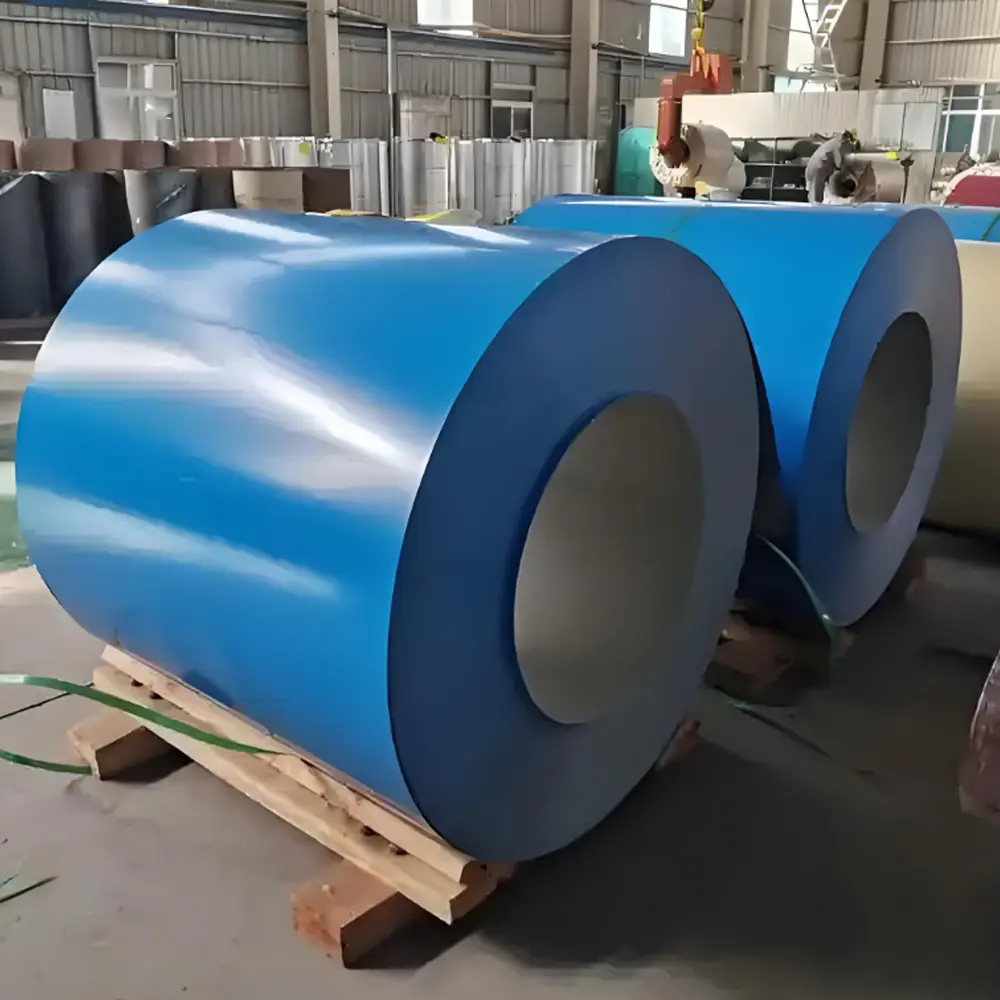
O acabamento da superfície do aço inoxidável é uma especificação importante que afeta a aparência do produto, os requisitos de processamento, a manutenção e o custo global do material. Entre os acabamentos do aço inoxidável laminado a frio, os acabamentos 2B e BA são duas das opções mais utilizadas.
Embora ambos os acabamentos sejam produzidos através de processos de laminação a frio e recozimento, apresentam diferenças notáveis em termos de brilho, suavidade da superfície, métodos de produção, aplicações e preços.
Para os compradores que procuram chapas ou bobinas de aço inoxidável, é essencial escolher o acabamento correto. Optar por um acabamento demasiado caro para a aplicação aumenta os custos com os materiais, enquanto a escolha de um acabamento inadequado pode afetar a aparência do produto final e as expectativas dos clientes.
Este guia explica as diferenças entre os acabamentos em aço inoxidável 2B e BA, ajudando os compradores a escolher a opção certa para aplicações industriais, comerciais e decorativas.
O que é o acabamento em aço inoxidável 2B?
O acabamento em aço inoxidável 2B é o acabamento superficial de aço inoxidável laminado a frio mais utilizado. É considerado o acabamento industrial padrão para muitos produtos em aço inoxidável.
O processo de produção inclui, geralmente:
- Laminagem a frio
- Tratamento térmico (recozimento)
- Conservação em salmoura
- Laminação final de acabamento num laminador de acabamento
O processo final de acabamento melhora a planicidade e a uniformidade da superfície, criando uma superfície lisa, mas com um nível de reflexão relativamente baixo.
Em comparação com o aço inoxidável laminado a quente não tratado, o aço inoxidável 2B apresenta:
- Melhor uniformidade da superfície
- Menor rugosidade da superfície
- Melhoria na aparência
- Maior adequação à fabricação
No entanto, o 2B não foi concebido para proporcionar um aspeto altamente decorativo. As suas principais vantagens são a praticabilidade, a disponibilidade e a relação custo-benefício.
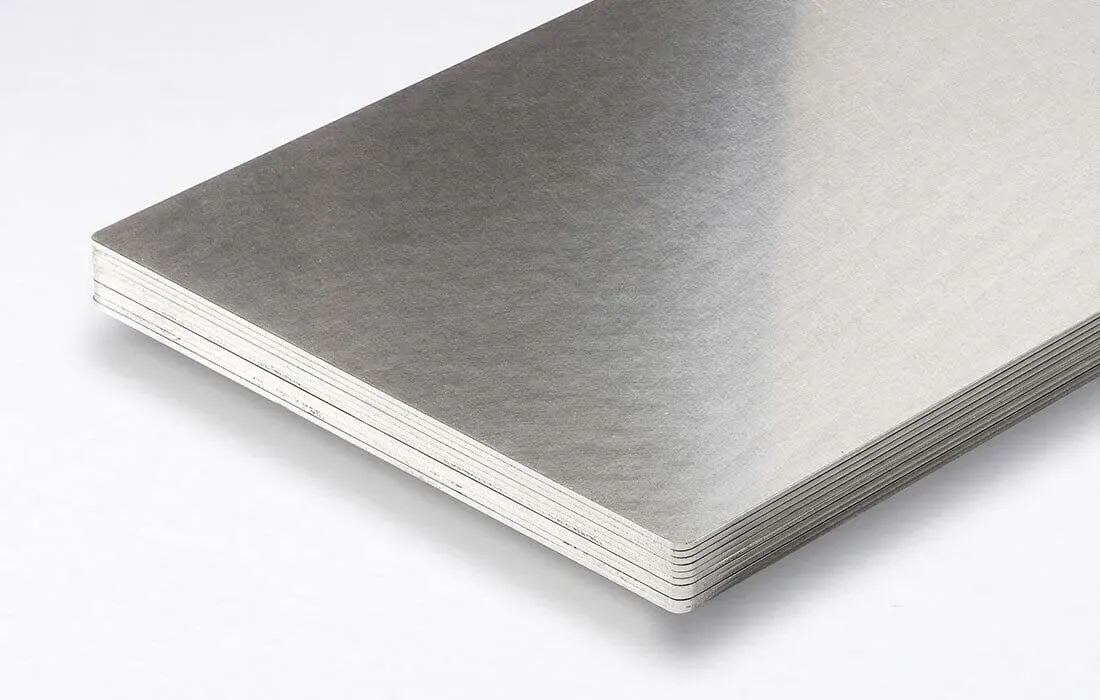
Aplicações comuns do aço inoxidável 2B
Devido ao equilíbrio entre desempenho e preço, o aço inoxidável 2B é amplamente utilizado em aplicações industriais.
As aplicações típicas incluem:
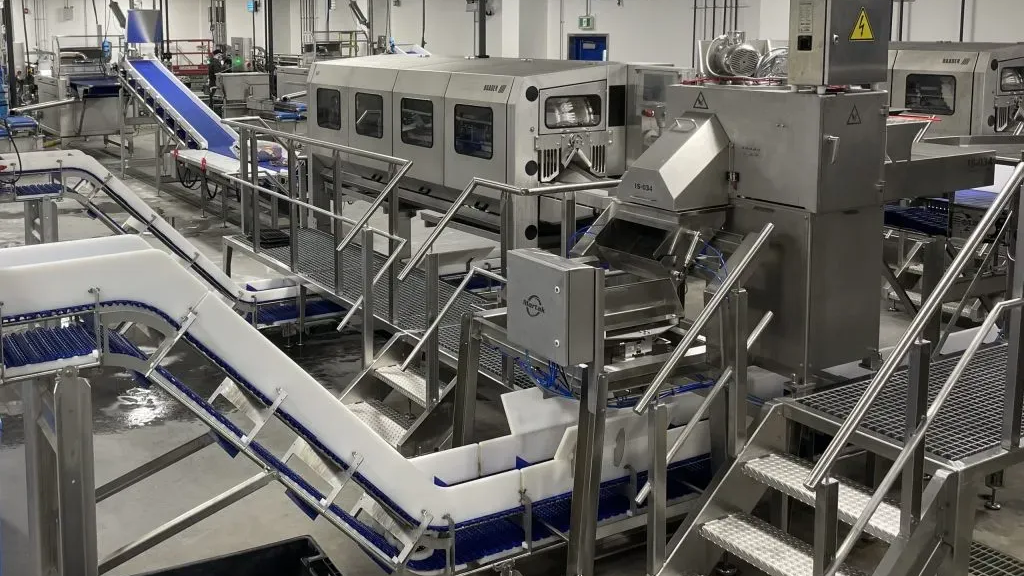
- Equipamento de processamento de alimentos
- Equipamento de cozinha profissional
- Máquinas industriais
- Tanques de armazenamento
- Equipamentos sob pressão
- Sistemas de tubagem
- Fabrico geral de peças metálicas
Para aplicações em que o desempenho do aço inoxidável é mais importante do que a aparência, a chapa de aço inoxidável com acabamento 2B é normalmente a escolha preferida.
Por exemplo, os fabricantes de equipamentos optam frequentemente pelo aço inoxidável 304 2B, uma vez que este oferece uma boa resistência à corrosão e um bom desempenho na fabricação, sem acarretar custos desnecessários com o acabamento.
O que é o acabamento em aço inoxidável BA?
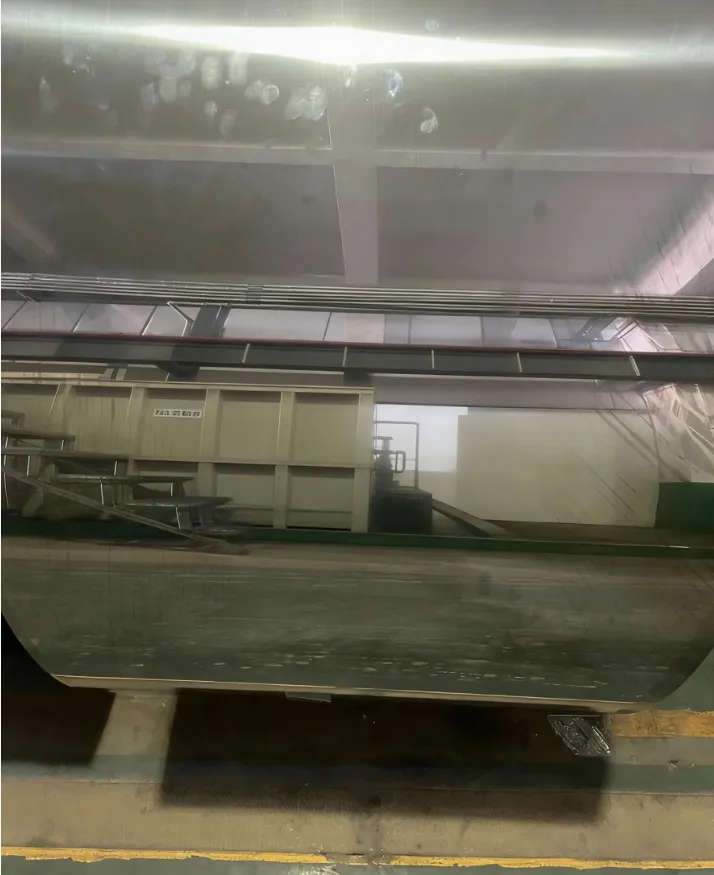
O acabamento BA em aço inoxidável significa «Bright Annealed» (recozimento brilhante). Trata-se de uma superfície de aço inoxidável laminada a frio, obtida através de um processo de recozimento brilhante numa atmosfera controlada.
Ao contrário do recozimento convencional, o recozimento brilhante evita a oxidação durante o tratamento térmico. Consequentemente, o aço inoxidável mantém uma superfície mais limpa e brilhante após o processamento.
Características do aço inoxidável BA:
- Maior luminosidade
- Melhor refletividade
- Aspecto mais liso da superfície
- Maior qualidade visual decorativa
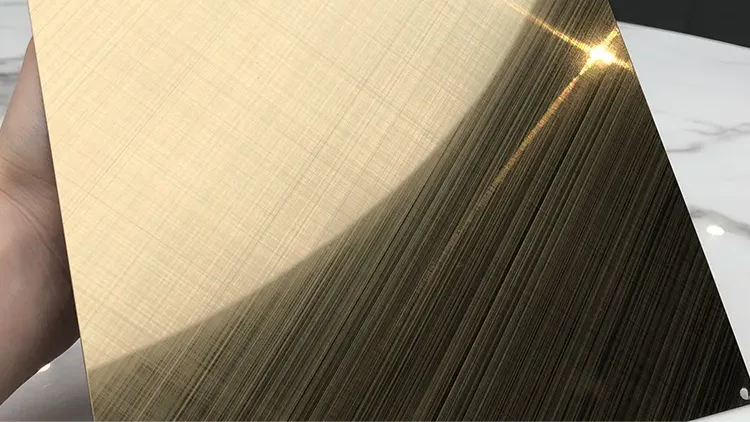
Embora o aço inoxidável BA não tenha um acabamento espelhado, apresenta um aspeto semelhante ao polido, o que o torna adequado para produtos em que o aspeto da superfície influencia diretamente a perceção do cliente.
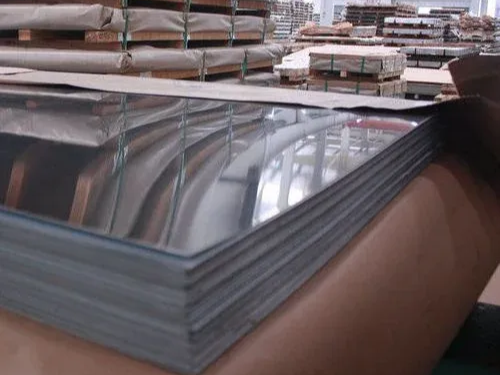
Aplicações comuns do aço inoxidável BA
O aço inoxidável BA é frequentemente escolhido para componentes visíveis e produtos de consumo.
As aplicações típicas incluem:
- Electrodomésticos
- Painéis de frigorífico
- Painéis de elevador
- Peças decorativas para automóveis
- Eletrodomésticos de cozinha
- Painéis decorativos em aço inoxidável
- Produtos de consumo de gama alta
Para marcas e fabricantes que produzem produtos em que a aparência é fundamental, a chapa de aço inoxidável com acabamento BA pode reduzir a necessidade de polimento adicional, proporcionando simultaneamente um aspeto superficial de alta qualidade.
Acabamento em aço inoxidável 2B vs BA: principais diferenças
| Caraterística | Acabamento em aço inoxidável 2B | BA com acabamento em aço inoxidável |
|---|---|---|
| Método de produção | Laminagem a frio + recozimento + decapagem + passagem de acabamento | Laminagem a frio + recozimento brilhante |
| Aspecto da superfície | Liso, mate, ligeiramente refletor | Brilhante, lustroso, refletor |
| Suavidade da superfície | Superfície lisa padrão | Superfície mais lisa |
| Refletividade | Médio | Mais alto |
| Valor decorativo | Limitada | Excelente |
| Custo | Inferior | Mais alto |
| Disponibilidade | Amplamente disponível | Mais especializado |
| Principais aplicações | Produtos industriais e funcionais | Produtos decorativos e de consumo |
A principal diferença entre o 2B e o BA não reside na resistência à corrosão, mas sim no aspeto da superfície e nos requisitos de processamento.
Diferença no processo de fabrico
Como é produzido o aço inoxidável 2B
O processo de produção do aço inoxidável 2B segue normalmente os seguintes passos:
Laminagem a frio
↓
Reduz a espessura do aço inoxidável e melhora a precisão dimensional.
↓
Recozimento
↓
Restaura as propriedades do material após a deformação a frio.
↓
Conservação em salmoura
↓
Remove os óxidos superficiais formados durante o tratamento térmico.
↓
Rolagem do Skin Pass
↓
Melhora a planicidade e confere à superfície o acabamento final 2B.
Este processo cria uma superfície industrial fiável, adequada para uma vasta gama de aplicações.
Como é produzido o aço inoxidável BA
O aço inoxidável BA segue um processo de acabamento diferente:
Laminagem a frio
↓
Proporciona a espessura e o acabamento superficial necessários.
↓
Recozimento brilhante
↓
O tratamento térmico é realizado numa atmosfera controlada para evitar a oxidação.
↓
Processo de arrefecimento
↓
Mantém a superfície brilhante.
Uma vez que a superfície se mantém limpa durante o recozimento, o aço inoxidável BA apresenta um aspeto mais brilhante e mais refletor.
O controlo adicional do processo é uma das razões pelas quais o aço inoxidável BA tem, normalmente, um preço mais elevado do que o 2B.
Que acabamento de aço inoxidável devem os compradores escolher?
Escolha o aço inoxidável 2B quando:
Recomenda-se a opção 2B quando a funcionalidade e a relação custo-benefício são as principais prioridades.
Entre as aplicações adequadas incluem-se:
- Equipamento industrial
- Maquinaria para a indústria alimentar
- Componentes internos
- Aplicações estruturais
- Peças metálicas fabricadas
Vantagens:
- Custo mais baixo dos materiais
- Abastecimento fácil
- Ampla disponibilidade
- Bom desempenho na fabricação
No caso de projetos industriais de grande volume, optar pela versão 2B em vez da BA pode reduzir significativamente os custos de aquisição.
Escolha o aço inoxidável BA quando:
O BA é a melhor opção quando a superfície em aço inoxidável vai permanecer visível.
Entre as aplicações adequadas incluem-se:
- Eletrodomésticos
- Painéis decorativos
- Equipamento de alta qualidade
- Componentes arquitetónicos
Vantagens:
- Melhor aspeto visual
- Maior luminosidade
- Menores requisitos de polimento
- Melhoria na apresentação do produto
No caso de produtos em que a aparência influencia as decisões de compra, o aço inoxidável BA pode proporcionar um valor comercial adicional.
Aço inoxidável 2B vs BA: Considerações relativas aos custos
O aço inoxidável BA costuma ser mais caro do que o 2B devido a:
- Processos adicionais de recozimento brilhante
- Condições de produção mais controladas
- Requisitos mais exigentes em termos de qualidade da superfície
- Normas de manuseamento mais rigorosas
No entanto, um preço mais elevado nem sempre significa uma melhor relação qualidade-preço.
Por exemplo:
A utilização de aço inoxidável BA em componentes industriais ocultos acarreta custos adicionais sem melhorar o desempenho do produto.
Por outro lado, a utilização de aço inoxidável 2B em produtos de alta qualidade destinados a serem vistos pode exigir um polimento ou acabamento adicional após o fabrico, o que aumenta os custos de processamento.
A escolha correta depende da aplicação final e não apenas do preço final.
Requisitos de proteção de superfícies para o aço inoxidável 2B e BA
Os requisitos de embalagem podem variar consoante o acabamento.
Proteção de acabamento 2B
A proteção típica inclui:
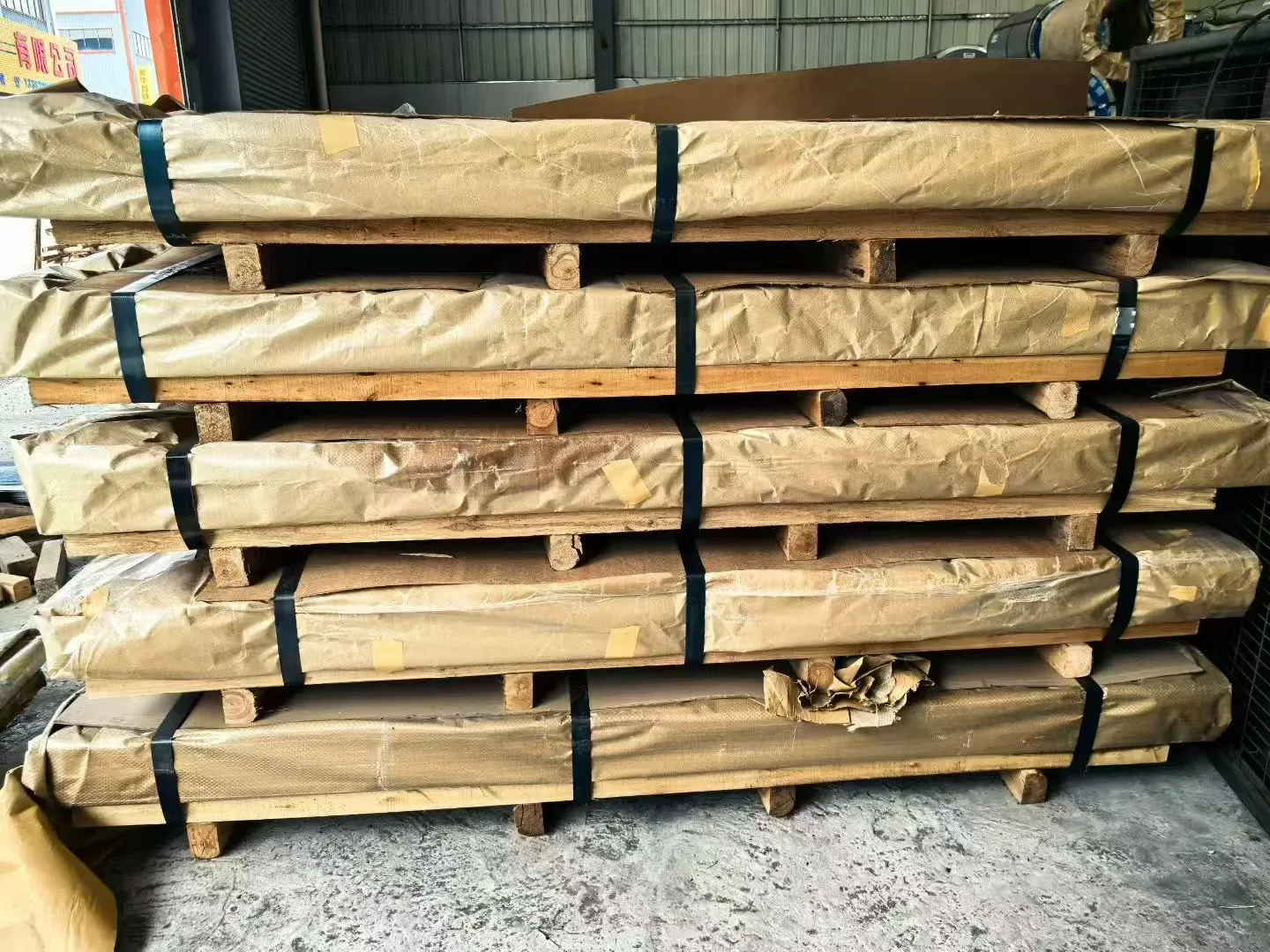
- Separação do papel
- Embalagem padrão para exportação
- Fitas de aço
- Embalagem de proteção
Uma vez que as pequenas marcas superficiais são menos visíveis, o 2B apresenta, em geral, requisitos de manuseamento menos exigentes.
Proteção de Acabamento BA
O BA requer uma proteção mais cuidadosa, uma vez que os riscos e as impressões digitais são mais visíveis.
A proteção recomendada inclui:
- Película protetora
- Separação de folhas individuais
- Procedimentos de manuseamento cuidadoso
- Embalagem de exportação melhorada
Experiente fornecedores de aço inoxidável adaptar os métodos de embalagem de acordo com os requisitos de acabamento da superfície, de modo a manter a qualidade do produto durante o transporte.
Como os fornecedores de aço inoxidável ajudam os compradores a escolher o acabamento certo
A escolha entre o 2B e o BA não é apenas uma decisão técnica. Implica também a avaliação dos requisitos da aplicação, dos processos de produção e dos objetivos de custos.
Um experiente fornecedor de aço inoxidável pode ajudar os compradores a avaliar:
- Requisitos relativos à apresentação do produto final
- Métodos de fabrico
- Expectativas quanto à durabilidade da superfície
- Volume de produção
- Limitações orçamentais
Para projetos personalizados, um fornecedor de aço inoxidável à medida pode prestar apoio nas seguintes áreas:
- Recomendações para o acabamento
- Seleção do tipo de aço inoxidável
- Inspeção da superfície
- Serviços de corte e transformação
- Soluções de embalagem para exportação
Para distribuidores e compradores de grandes volumes, trabalhar com um fornecedor de confiança fornecedor grossista de aço inoxidável garante uma qualidade de acabamento consistente, um abastecimento estável e padrões de produção previsíveis.
Erros comuns na escolha do acabamento em aço inoxidável
| Erro | Resultado |
|---|---|
| Escolher a BA apenas porque parece mais promissora | Custo mais elevado sem benefícios funcionais |
| Não especificar o acabamento no pedido de cotação | O fornecedor pode fornecer um acabamento 2B padrão |
| Partindo do princípio de que o BA tem uma melhor resistência à corrosão | Seleção incorreta do material |
| Ignorar os requisitos de proteção de superfícies | Arranhões durante o transporte |
| Escolher o acabamento sem ter em conta a aplicação | Aumento dos custos de processamento |
Definir claramente os requisitos relativos ao acabamento da superfície durante a fase de orçamento e aquisição ajuda a evitar estes problemas.
Conclusão
Os acabamentos em aço inoxidável 2B e BA são amplamente utilizados, mas destinam-se a fins diferentes.
O aço inoxidável 2B é a escolha prática para aplicações industriais em que o desempenho, a disponibilidade e a rentabilidade são prioridades. O aço inoxidável BA é mais adequado para produtos que exigem um aspeto mais brilhante, mais limpo e mais decorativo.
A melhor escolha depende da aplicação, dos requisitos estéticos, do processo de fabrico e das considerações orçamentais.
Ao trabalhar com um fornecedor experiente de aço inoxidável, os compradores podem selecionar o acabamento superficial adequado, otimizar os custos com os materiais e garantir uma qualidade consistente, desde a produção até à entrega final.
FAQ
O aço inoxidável BA é melhor do que o 2B?
O BA não é, de forma geral, melhor. Proporciona um aspeto mais brilhante e decorativo, enquanto o 2B oferece um excelente desempenho a um custo mais baixo.
O aço inoxidável BA é mais resistente à corrosão do que o 2B?
Não. A resistência à corrosão depende principalmente do tipo de aço inoxidável e da composição química, e não do acabamento da superfície.
Qual é o melhor acabamento em aço inoxidável para o equipamento de cozinha?
Ambos os acabamentos podem ser utilizados. O acabamento 2B é comum em equipamentos funcionais, enquanto o acabamento BA é preferido para superfícies visíveis dos aparelhos.
Por que é que o aço inoxidável BA é mais caro?
O BA requer processos adicionais de recozimento brilhante e um controlo mais rigoroso da superfície, o que aumenta os custos de produção.
O aço inoxidável 2B pode ser polido?
Sim. O aço inoxidável 2B pode ser submetido a um processo de polimento para obter diferentes acabamentos decorativos, consoante os requisitos da aplicação.