HRPO (Hot Rolled Pickled and Oiled) steel has become a preferred material for industrial fabrication thanks to its clean surface, balanced mechanical properties, and excellent workability. Whether manufacturing equipment brackets, machine frames, mounting plates, or structural supports, HRPO helps manufacturers simplify fabrication while maintaining reliable performance.
However, fabrication performance—including welding, drilling, cutting, and forming—is equally important because it directly affects production efficiency and manufacturing costs of bulk steel buyers.
Weijunli Steel explains how HRPO steel performs during welding and drilling, compares it with other steel products, and provides practical recommendations for choosing the right HRPO steel format for your project.
How is Hot Rolled Pickled and Oiled Steel Produced?
HRPO steel is produced by removing the mill scale from hot rolled steel through an acid pickling process, followed by the application of a light oil coating to protect the surface from temporary corrosion during storage and transportation.
Compared with ordinary hot rolled steel, HRPO offers:
- A cleaner surface
- Better weldability
- Improved machining performance
- Excellent formability
- Lower cost than cold rolled steel
These characteristics make HRP鋼 one of the most widely used materials in industrial sheet metal fabrication.
Available HRPO Steel Formats at Weijunli Steel
Our wholesale HRPO products are available in several supply forms to suit different manufacturing processes.
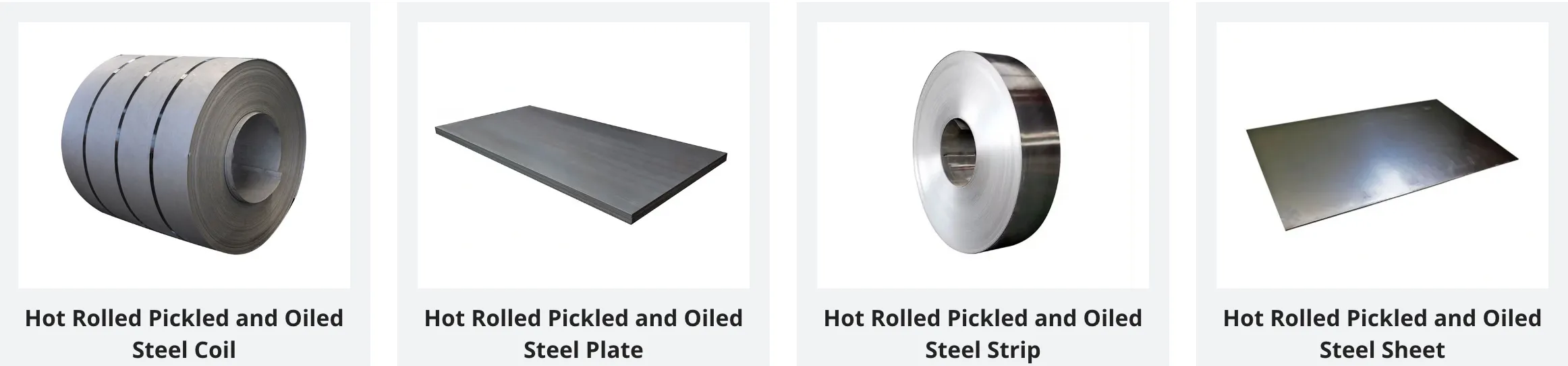
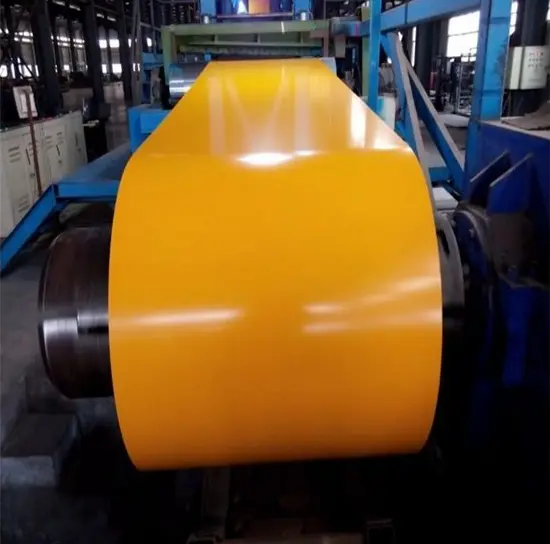
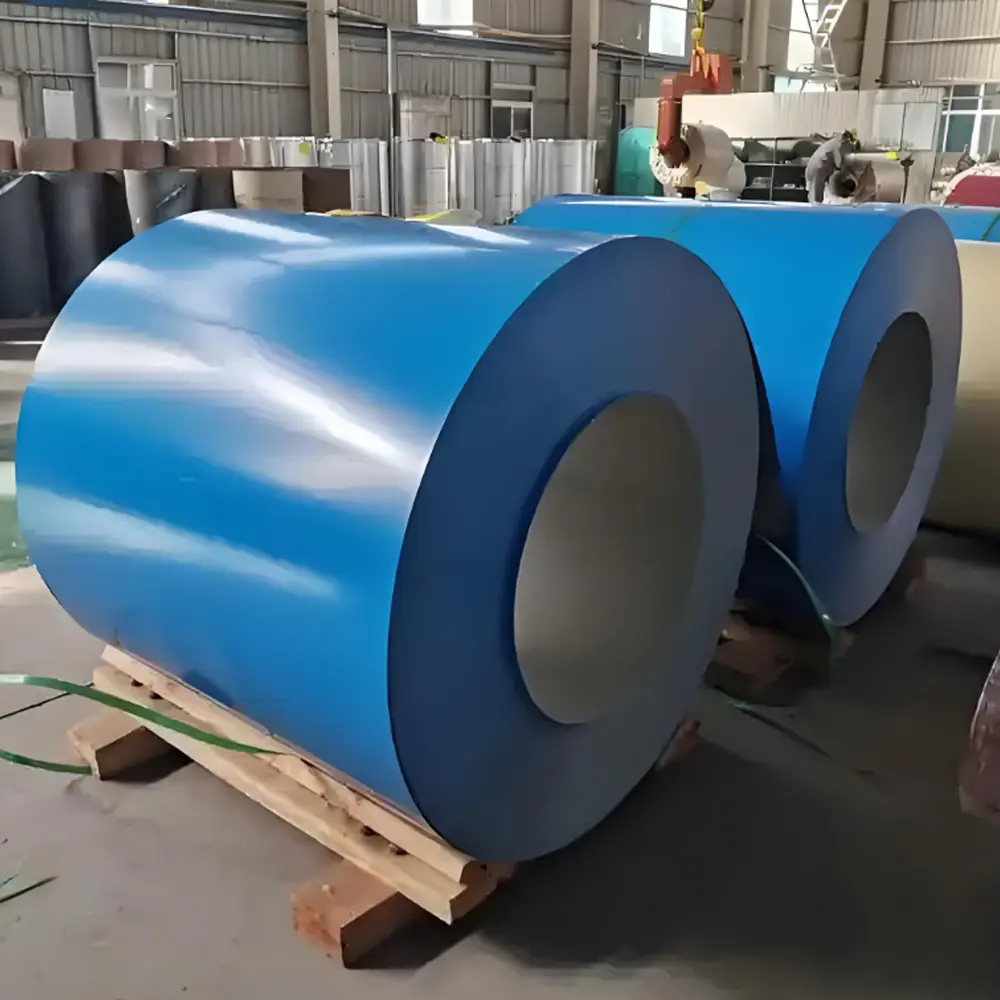
- HRPO steel coil is ideal for automated stamping, roll forming, and continuous production lines.
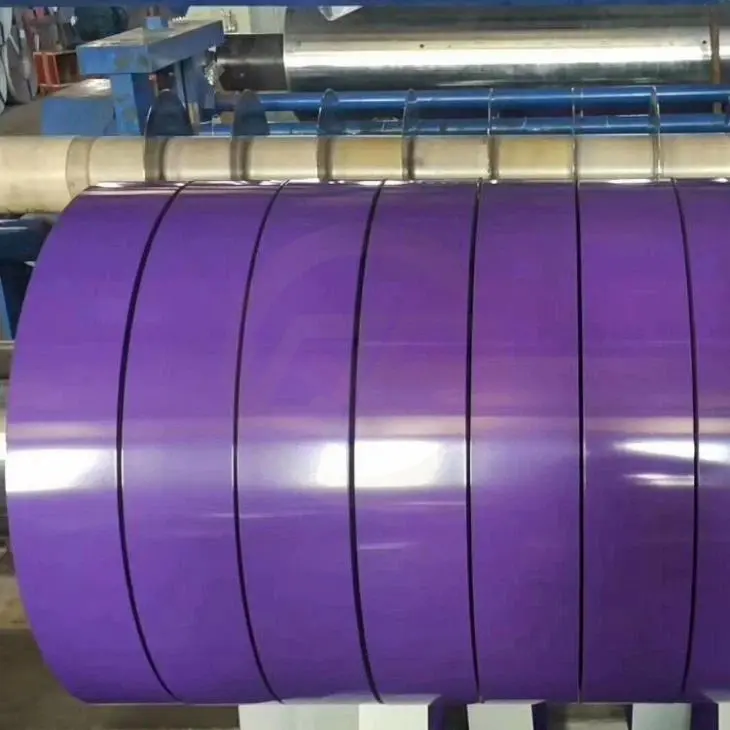
- HRPO steel strip is produced by slitting master coils into narrow widths for precision stamping, brackets, clips, and other narrow components.
- HRPO steel sheet is commonly used for laser cutting, CNC punching, bending, and general fabrication.
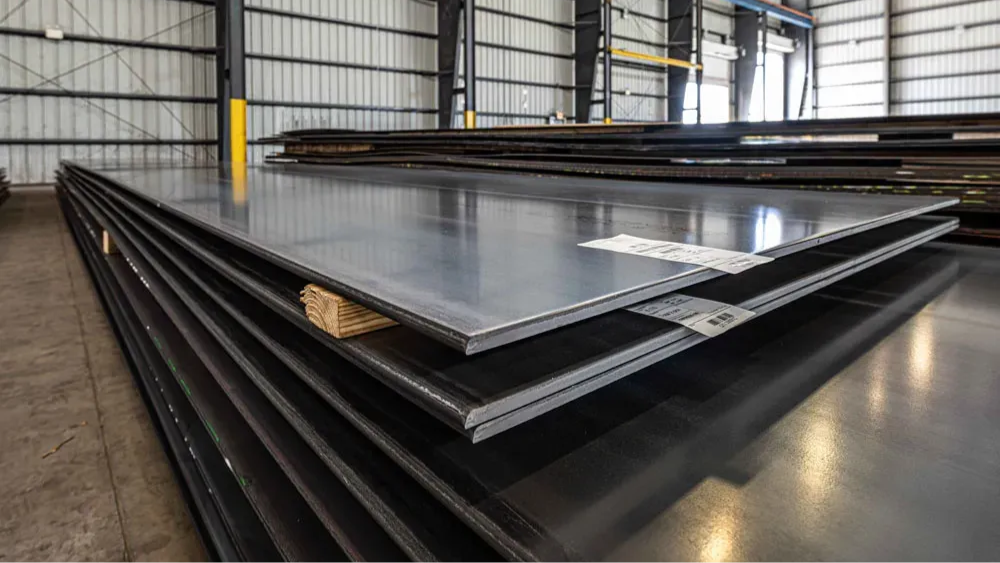
- HRPO steel plate is supplied in heavier gauges for machine bases, structural supports, and heavy-duty industrial equipment.
Choosing the correct product format helps manufacturers reduce waste, improve productivity, and optimize material costs.

Why HRPO Steel Performs Well in Fabrication
HRPO steel has become a preferred material across many manufacturing industries because it balances mechanical performance with fabrication efficiency.
Clean Surface Improves Manufacturing
Unlike standard hot rolled steel, HRPO has already undergone pickling to remove heavy mill scale.
This provides several advantages:
- Less surface contamination
- Reduced tool wear
- More consistent laser cutting
- Improved weld quality
- Lower preparation time before fabrication
For manufacturers processing thousands of parts every day, these improvements translate directly into lower production costs.
Balanced Mechanical Properties
HRPO steel is neither excessively hard nor overly soft.
Its balanced mechanical properties provide:
- Good ductility for bending
- Reliable structural strength
- Stable machining performance
- Low risk of cracking during forming
This combination makes HRPO suitable for a wide variety of fabricated components.
Compatible with Multiple Fabrication Processes
One of HRPO steel’s greatest strengths is its versatility.
It performs well in nearly every common sheet metal process, including:
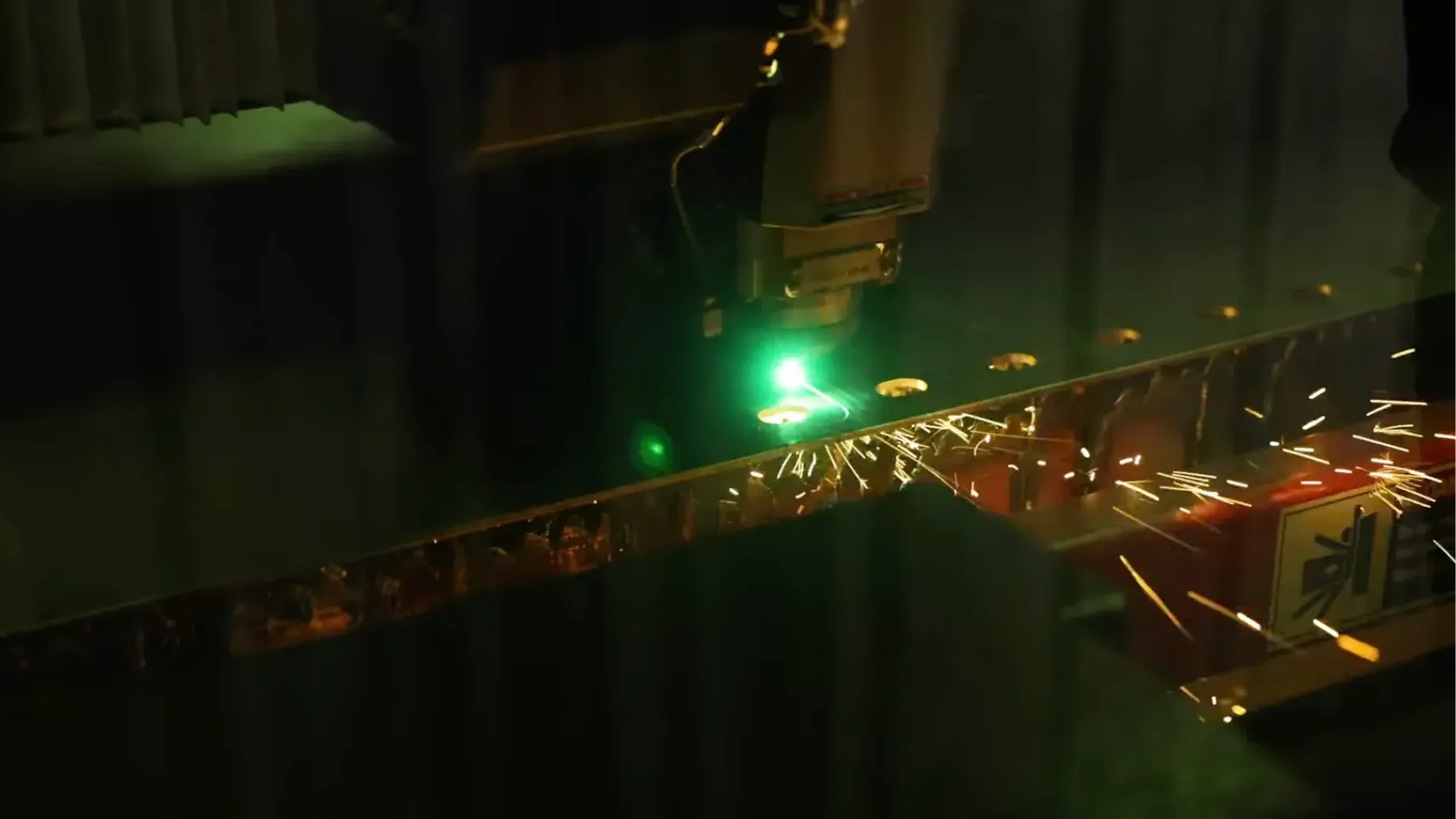
- Laser cutting
- Plasma cutting
- CNC punching
- Press brake bending
- 溶接
- Drilling
- Mechanical fastening
Rather than requiring different materials for different operations, many manufacturers can complete the entire fabrication process using HRPO steel.

Welding Performance of HRPO Steel
Why HRPO Steel Is Easy to Weld
Welding quality depends not only on the steel itself but also on surface condition.
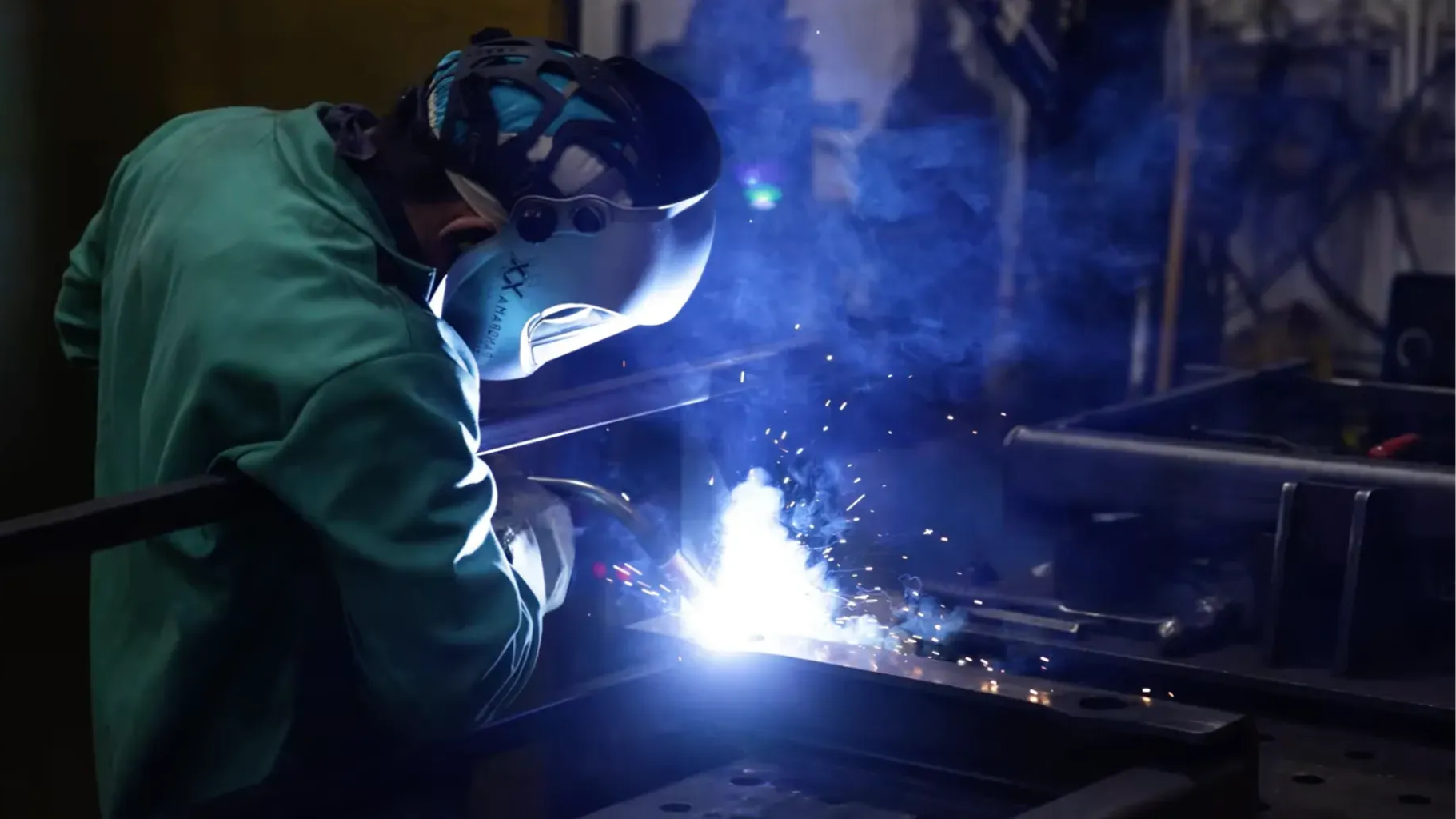
Because the pickling process removes oxide scale, HRPO steel provides a much cleaner welding surface than ordinary hot rolled steel. Less contamination means fewer welding defects and less preparation before production.
As a result, manufacturers often experience:
- Stable arc performance
- Better weld penetration
- Reduced weld spatter
- Improved joint consistency
- Higher production efficiency
These advantages are especially valuable in automated production environments where consistent weld quality is critical.
Recommended Welding Methods
HRPO steel is compatible with virtually all common welding techniques used in industrial fabrication.
Recommended methods include:
- MIG (Gas Metal Arc Welding): Used for high-speed, structural joints on medium-to-thick HRPO components.
- TIG (Gas Tungsten Arc Welding): Used for high-precision, spatter-free aesthetic welds on thin HRPO sheets.
- Spot welding: Used for rapid, high-volume lap-joint assembly of thin HRPO steel stampings.
- Robotic welding: Used for automated, highly repeatable mass production of HRPO assemblies.
- Flux-cored arc welding (FCAW): Used for deep-penetration, heavy-duty structural joints on thick HRPO plates.
This flexibility allows manufacturers to use HRP鋼 across a wide range of equipment and production systems.
Welding Best Practices
Although HRPO steel is highly weldable, following proper fabrication procedures helps achieve the best results.
Recommended practices include:
- Remove the protective oil coating near the weld area.
- Ensure joint surfaces are clean and dry.
- Select filler materials compatible with the steel grade.
- Use appropriate heat input to minimize distortion.
- Apply paint, powder coating, or galvanizing after fabrication when long-term corrosion resistance is required.
Proper preparation helps maximize weld quality while reducing rework and inspection failures.

HRPO vs Hot Rolled vs Cold Rolled for Welding
| プロパティ | HRP鋼 | 熱間圧延鋼板 | 冷間圧延鋼板 |
|---|---|---|---|
| Surface Cleanliness | 素晴らしい | Fair | 素晴らしい |
| Weld Preparation | Minimal | Extensive | Minimal |
| Weldability | 素晴らしい | グッド | グッド |
| Production Efficiency | 高い | 中程度 | 高い |
| Overall Fabrication Cost | 低い | ミディアム | より高い |
Compared with standard hot rolled steel, HRPO significantly reduces preparation work before welding. Although cold rolled steel also offers a clean surface, its higher material cost often makes HRPO the more economical choice for structurally fabricated components.
Drilling Performance of HRPO Steel
Drilling is another important fabrication process for equipment manufacturers, particularly when producing brackets, mounting plates, machine frames, and structural assemblies.
HRPO steel provides consistent drilling performance because its clean surface reduces friction while its balanced hardness minimizes excessive tool wear.
Why HRPO Steel Is Easy to Drill
Manufacturers choose HRPO steel because it offers several machining advantages:
- Uniform material properties
- Smooth drilling performance
- Reduced drill bit wear
- Consistent hole quality
- Lower machining costs
These characteristics make HRPO suitable for both manual fabrication and automated CNC machining.
Recommended Drilling Tools
Selecting the correct tooling improves drilling efficiency and extends tool life.
Common options include:
- High-Speed Steel (HSS) drill bits for general fabrication
- Cobalt drill bits for improved durability
- Carbide drill bits for high-speed or high-volume production
Using cutting fluid and maintaining proper spindle speeds further improves drilling performance.
Tips for Better Drilling Results
To achieve clean, accurate holes while maximizing tool life:
- Use the correct cutting speed for the material thickness.
- Apply cutting lubricant to reduce heat buildup.
- Clamp the workpiece securely to prevent vibration.
- Avoid excessive feed pressure that may damage the drill bit.
- Remove chips regularly during deep-hole drilling.
Following these practices helps improve machining efficiency while reducing downtime and tooling costs.

Common Fabrication Applications for HRPO Steel
Thanks to its excellent weldability, machinability, and cost-effectiveness, HRPO steel is widely used across industries that require durable fabricated components.
HRPO Steel Coil Applications
HRPO steel coil is the preferred option for automated, high-volume manufacturing where continuous feeding improves productivity.
Typical applications include:
- Progressive stamping
- Roll forming
- Automotive structural components
- Industrial equipment brackets
- Agricultural machinery parts
Coil-fed production minimizes downtime and material waste, making it ideal for mass production.

HRPO Steel Strip Applications
HRPO steel strip is manufactured by slitting master coils into narrower widths, allowing manufacturers to purchase material that closely matches their product dimensions.
Typical applications include:
- Precision brackets
- Mounting clips
- Clamps
- Retaining plates
- Narrow stamped components
Using HRPO steel strip reduces scrap while improving production efficiency for precision stamping operations.

HRPO Steel Sheet Applications
HRPO steel sheet is commonly selected for fabrication shops because it is easy to process with standard sheet metal equipment.
Typical applications include:
- Laser-cut components
- Mounting plates
- Equipment covers
- Electrical enclosures
- General sheet metal fabrication
Its flat format makes it particularly suitable for low- and medium-volume production where flexibility is important.

HRPO Steel Plate Applications
For thicker structural parts, HRPO steel plate offers the strength required for heavy-duty fabrication.
Typical applications include:
- Machine bases
- Structural supports
- Heavy-duty brackets
- Construction machinery
- Industrial equipment frames
These components often require extensive welding and drilling, making HRPO plate an economical alternative to more expensive materials.

How to Improve Fabrication Results with HRPO Steel
Choosing the right material is only part of the process. Proper storage, preparation, and processing techniques help maximize fabrication efficiency and product quality.
Store Material Properly
Although the oil coating provides temporary corrosion protection, HRPO steel should still be stored in a clean, dry environment.
To maintain surface quality:
- Keep material away from moisture.
- Store coils and sheets indoors whenever possible.
- Avoid prolonged exposure to humid conditions.
- Process material within the recommended storage period.
Proper storage minimizes surface oxidation and reduces the need for additional cleaning before fabrication.
Prepare the Surface Before Welding
The protective oil coating should be removed from the welding area before fabrication.
Simple cleaning methods include:
- Solvent wiping
- Degreasing
- Mechanical cleaning when necessary
Proper surface preparation helps improve weld penetration, reduce contamination, and produce stronger weld joints.
Choose the Right Drilling Tools
Consistent drilling performance depends not only on tooling but also on an optimized production process.
Manufacturers can improve efficiency by:
- Using CNC drilling equipment for repeatable accuracy.
- Grouping similar drilling operations to reduce machine setup time.
- Maintaining sharp drill bits through regular inspection and replacement.
- Standardizing machining parameters across production batches.
- Implementing quality checks to verify hole diameter, position, and surface finish.
A well-controlled drilling process improves productivity, reduces scrap, and ensures consistent part quality in large-scale manufacturing.
Choose the Right HRPO Product Format
Selecting the appropriate material form is just as important as choosing the steel grade.
As a general guideline:
- 選ぶ HRPO steel coil for continuous stamping and roll-forming operations.
- Select HRPO steel strip for narrow-width precision parts and stamped components.
- 用途 HRPO steel sheet for laser cutting, CNC punching, bending, and general fabrication.
- 選ぶ HRPO steel plate for structural applications requiring greater thickness and load-bearing capacity.
Selecting the correct format helps reduce material waste, improve processing efficiency, and lower overall manufacturing costs.
Work with an Experienced Steel Supplier
Material consistency is essential for reliable fabrication.
An experienced HRPO steel supplier can provide consistent mechanical properties, accurate thickness tolerances, and dependable surface quality across production batches.
At Weijunli Steel, we can also offer value-added processing services, including:
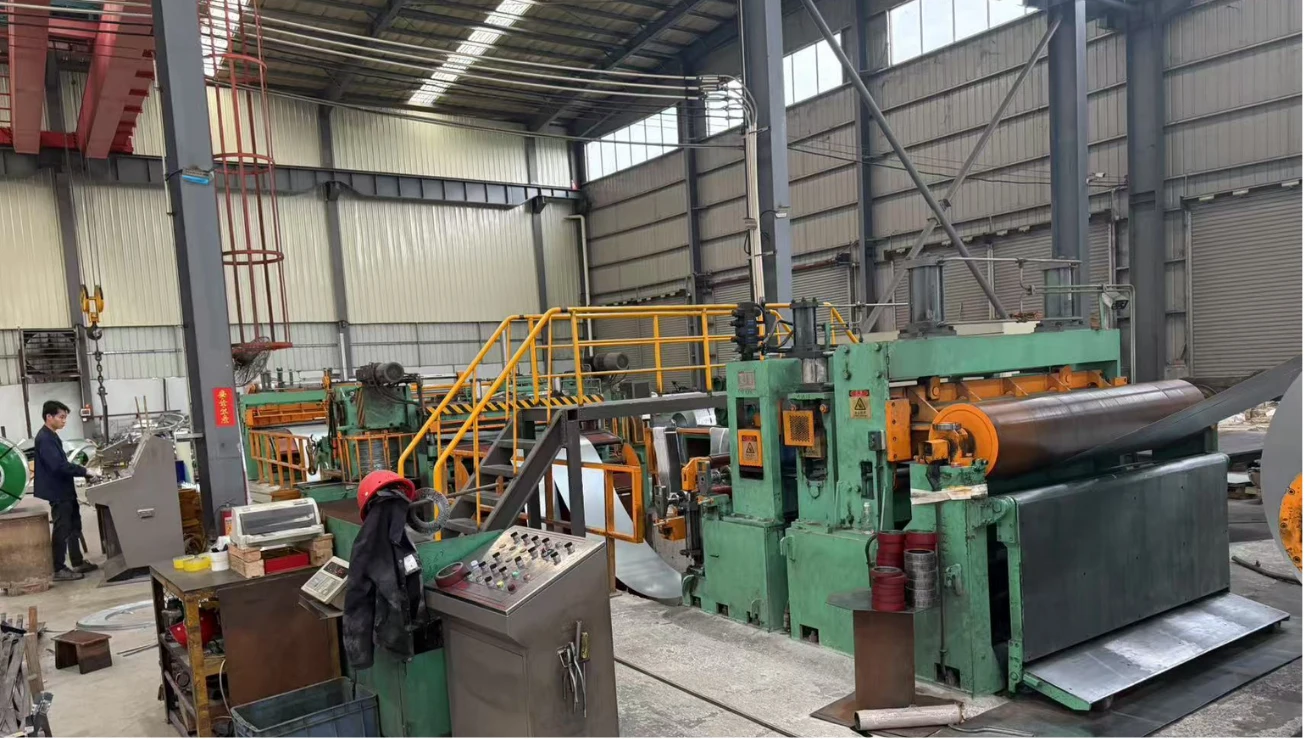
- Precision coil slitting
- Cut-to-length sheets
- Custom HRPO steel plates
- Custom dimensions
- OEM processing support
- Export packaging for global shipments
Working with a custom HRPO steel supplier helps simplify procurement while reducing secondary processing and improving production efficiency.
結論
HRPO steel has become one of the most widely used materials in industrial fabrication because it combines excellent weldability, reliable drilling performance, good formability, and competitive pricing.
Available in coil, strip, sheet, and plate formats, HRPO can support a wide range of manufacturing processes—from automated stamping and roll forming to laser cutting, CNC machining, welding, and structural fabrication. While proper storage, tooling, and fabrication practices further improve results, selecting the appropriate HRPO product format is equally important for maximizing efficiency and minimizing production costs.
For manufacturers seeking a practical balance between performance and value, HRPO steel remains an outstanding choice for fabricated industrial components.
About Weijunli Steel – Your Trusted Global Steel Supplier

として professional steel supplier based in China, Weijunli Steel provides HRPO steel coil, HRPO steel strip, HRPO steel plate, and HRPO steel sheet for clients worldwide. With stable supply chains, advanced processing capabilities, and strict quality control, we have helped distributors, manufacturers, contractors, and industrial buyers reduce sourcing risks while ensuring consistent product performance. Meanwhile, we provide steel cutting, slitting, bending, welding, surface treatment, and custom steel fabrication tailored to project specifications.
Why Weijunli Steel
🏭 Integrated Steel Processing Supplier
As a professional steel processing supplier, we combine material sourcing, precision processing, quality inspection, and global delivery under one roof, helping you simplify procurement and reduce supply chain costs.
⚙️ Comprehensive Custom Processing
We provide customized steel solutions, including cutting, slitting, bending, welding, drilling, polishing, and surface treatment, tailored to your drawings and project specifications.
🔍 Strict Quality Assurance
Every order undergoes rigorous quality control from raw material selection to final inspection, ensuring stable performance, accurate dimensions, and reliable consistency.
📦 Reliable Bulk Supply
With strong production capacity and efficient inventory management, we support both standard and large-volume orders with stable lead times and dependable delivery.
🌍 グローバル輸出の経験
Serving distributors, manufacturers, contractors, and industrial buyers worldwide, we offer professional export packaging, documentation, and logistics support for smooth international shipments.
🤝 Dedicated OEM & B2B Support
From custom dimensions and private labeling to value-added processing, our experienced team provides responsive OEM services and one-on-one support to help your business stay competitive.