A la hora de adquirir acero inoxidable, muchos compradores dan por sentado que basta con indicar el tipo de material y la cantidad para recibir un presupuesto. En realidad, las solicitudes de presupuesto incompletas suelen dar lugar a intercambios repetidos de correos electrónicos, retrasos en las respuestas y cambios en los precios una vez que se aclaran los detalles que faltaban.
Una solicitud de presupuesto bien elaborada permite a los proveedores evaluar la viabilidad de la fabricación, calcular con precisión los costes de producción y recomendar los materiales o métodos de procesamiento más adecuados. Además, ayuda a los compradores a comparar las ofertas de los distintos proveedores de forma coherente.
Esta guía explica no solo qué información debe incluirse en una solicitud de presupuesto de acero inoxidable, sino también cómo los fabricantes profesionales evalúan estas solicitudes entre bastidores para ofrecer presupuestos más rápidos y precisos.
¿Qué ocurre después de enviar una solicitud de presupuesto?
Muchos compradores piensan que un proveedor se limita a consultar el precio del material y a enviar un presupuesto. En realidad, un profesional proveedores de acero inoxidable Seguir un proceso de evaluación estructurado antes de calcular los costes.
Un proceso típico de elaboración de presupuestos es el siguiente:
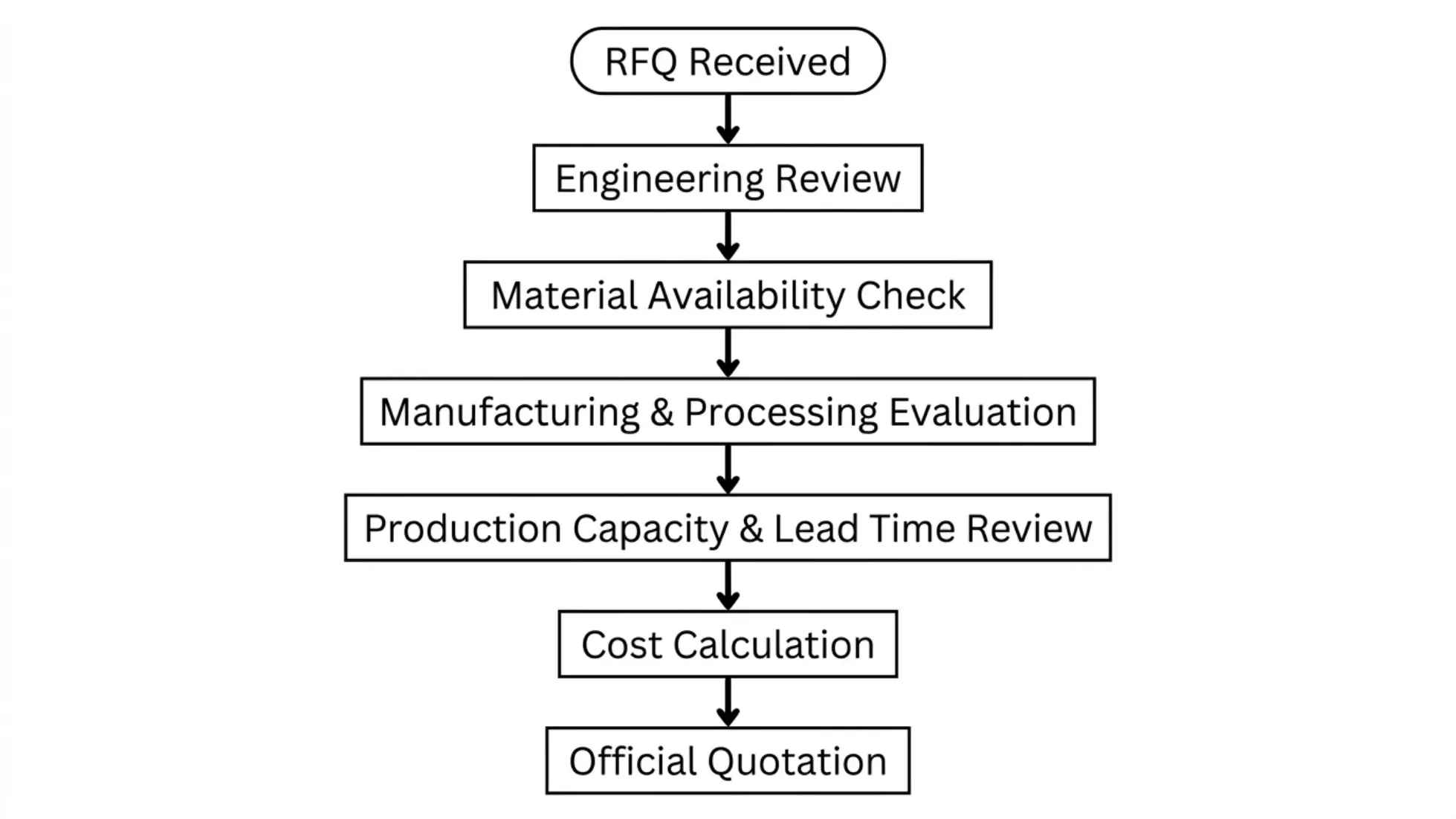
Cada fase depende de la calidad de la información facilitada en la solicitud de presupuesto. Si faltan datos fundamentales, los ingenieros deben interrumpir el proceso de revisión y ponerse en contacto con el comprador para obtener aclaraciones. Incluso una simple omisión —como un acabado superficial no especificado o un requisito de procesamiento— puede retrasar la presentación del presupuesto varios días.
Cuanto más completa sea tu solicitud de presupuesto, más rápido podrán los proveedores evaluar la viabilidad, asignar los recursos de producción y elaborar una propuesta precisa.
¿Qué información debe incluir toda solicitud de presupuesto de acero inoxidable?
Facilitar las especificaciones completas reduce la incertidumbre y permite a los proveedores calcular los precios con mayor seguridad.
Forma del producto
Lo primero que hay que especificar es el producto que necesitas.
Entre las opciones más habituales se encuentran:
- Bobina de acero inoxidable
- Tira de acero inoxidable
- Chapa de acero inoxidable
- Chapa de acero inoxidable
- Tubo de acero inoxidable
- Tubo de acero inoxidable
- Barra de acero inoxidable
Las diferentes formas de los productos requieren distintos procesos de fabricación, métodos de envasado y equipos de procesamiento. Por ejemplo, un presupuesto para bobinas de acero inoxidable difiere considerablemente de uno para chapas cortadas a medida, ya que puede ser necesario un procesamiento adicional.
Calidad del material
La calidad del material es uno de los factores más importantes que influyen en el precio y el rendimiento.
Entre los grados más habituales se encuentran:
- 201
- 304
- 304L
- 316
- 316L
- 430
El tipo de acero seleccionado determina la resistencia a la corrosión, las propiedades mecánicas, la soldabilidad y el coste de la materia prima.
Si no estás seguro de qué grado se adapta mejor a tu aplicación, describe el entorno de uso final. Un experto proveedor de acero inoxidable A menudo pueden recomendar una alternativa más adecuada o más rentable.
Dimensiones
Especifica siempre con claridad las dimensiones requeridas.
En el caso de los productos planos, incluye:
- Espesor
- Ancho
- Longitud
En el caso de las bobinas, también puede ser necesario facilitar información adicional, como el diámetro interior (DI), el diámetro exterior (DE) o el peso máximo de la bobina.
Unas dimensiones precisas ayudan a los proveedores a determinar la disponibilidad de materiales, los métodos de procesamiento, los requisitos de embalaje y los costes de producción.
Acabado superficial
El acabado superficial influye tanto en el aspecto como en el coste de fabricación.
Entre los acabados más habituales se encuentran:
- 2B
- Licenciatura
- N.º 4
- Línea del cabello (HL)
- Espejo
Los distintos acabados requieren procesos de producción diferentes. Aunque el material 2B suele estar disponible en stock, los acabados de espejo y decorativos suelen implicar operaciones de pulido adicionales, lo que aumenta tanto el plazo de entrega como el coste.
Especificar claramente el acabado deseado ayuda a los proveedores a elaborar presupuestos más precisos desde el principio.
Cantidad
La cantidad influye mucho más que el valor total del pedido.
En lugar de indicar únicamente la cantidad que se va a adquirir, plantéate explicar tu plan de aprovisionamiento.
Por ejemplo:
- Pedido de muestra
- Fabricación de prototipos
- Volumen mensual de compras
- Demanda anual
- Acuerdo de suministro a largo plazo
A menudo, los proveedores pueden optimizar los calendarios de producción y ofrecer precios más competitivos para los pedidos recurrentes o a largo plazo.
Requisitos de procesamiento
Si se requiere un procesamiento adicional, indícalo en tu solicitud de presupuesto.
Algunos ejemplos son:
- Corte
- Corte a medida
- Corte por láser
- Recorte de bordes
- Pulido
- Aplicación de la lámina protectora
Estos servicios influyen en el tiempo de producción, la utilización de los equipos y la precisión general de los presupuestos.
Trabajar con un proveedor y transformador de acero inoxidable a medida que ofrece un procesamiento de valor añadido puede reducir las operaciones secundarias y simplificar tu cadena de suministro.
Solicitud
Explica al proveedor cómo se va a utilizar el material.
Las aplicaciones típicas son:
- Equipamiento para cocinas profesionales
- Maquinaria para la industria alimentaria
- Productos sanitarios
- Construcción
- Componentes de automoción
- Equipamiento industrial
Conocer la aplicación permite a los ingenieros evaluar si el material solicitado es el adecuado o si otro tipo, espesor o acabado ofrecería un mejor rendimiento o un menor coste.
Requisitos de certificación
Son muchos los sectores que exigen materiales certificados.
Entre las solicitudes de certificación más habituales se encuentran:
- EN 10204 3.1 Certificado de ensayo de fábrica (MTC)
- Normas ASTM
- Certificaciones ISO
- Cumplimiento de la directiva RoHS
- Cumplimiento del reglamento REACH
Indicar los requisitos de certificación en la fase de presupuesto evita retrasos en fases posteriores del proceso de contratación.
Requisitos de entrega
Por último, incluye la información logística en tu solicitud de presupuesto.
Entre los datos útiles se incluyen:
- País de destino
- Dirección de entrega (si está disponible)
- Incoterms preferidos (FOB, CIF, EXW, etc.)
- Fecha de entrega requerida
- Requisitos de embalaje
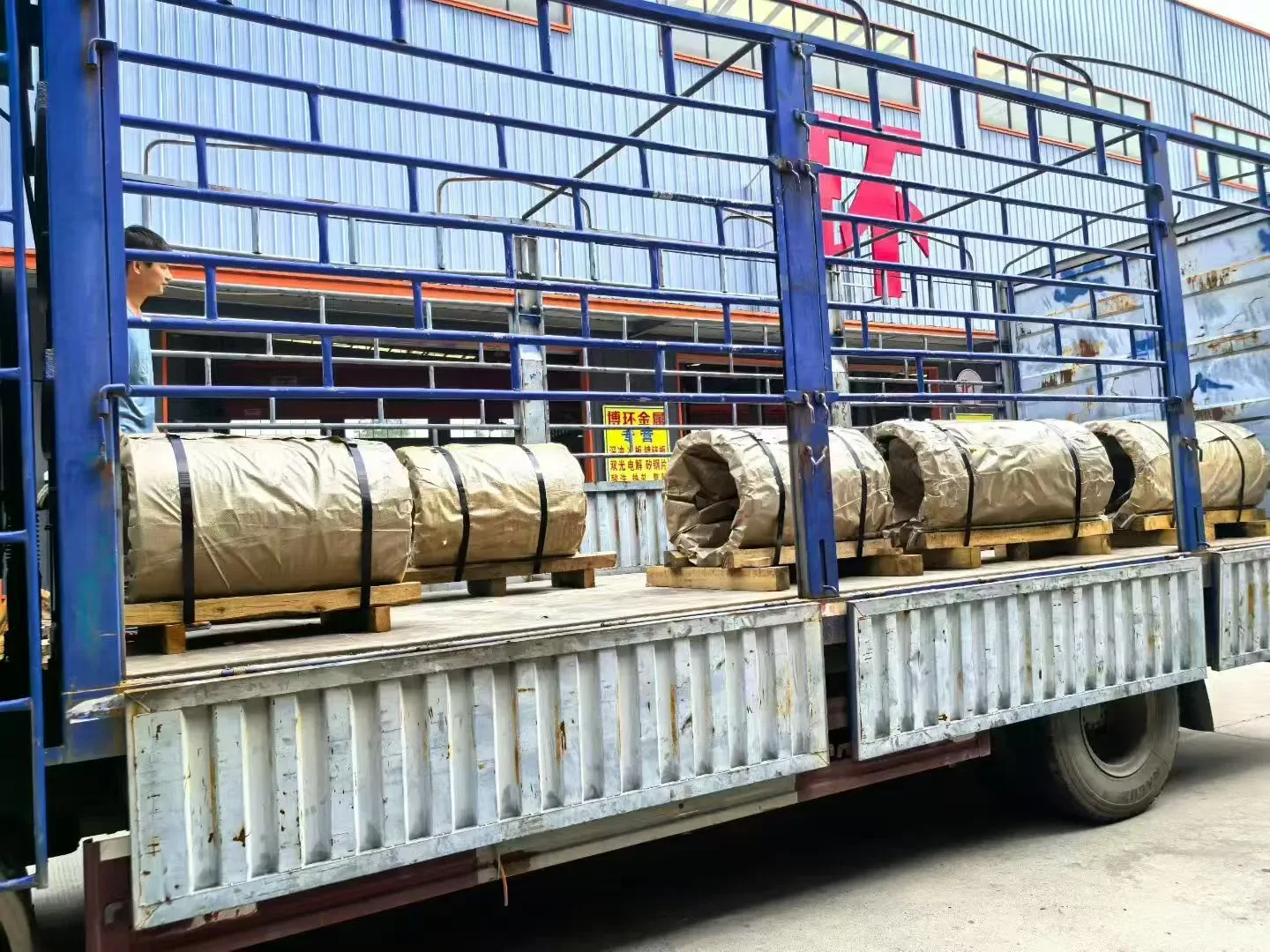
Estos factores influyen en los costes de transporte, la planificación de la producción y la documentación de exportación. Un pliego de condiciones logísticas completo permite a los proveedores elaborar un presupuesto que refleje el coste real en destino, en lugar de limitarse únicamente al precio del material.
¿Por qué los proveedores solicitan estos datos?
Algunos compradores dan por hecho que los proveedores solicitan especificaciones detalladas simplemente para rellenar un formulario de presupuesto. En realidad, cada dato ayuda a los ingenieros a evaluar el proyecto e identificar la solución de producción más eficiente.
Disponibilidad de materiales
La primera pregunta que plantean los proveedores es si el material solicitado está disponible de inmediato.
Por ejemplo:
- ¿Se suele tener en stock el calibre solicitado?
- ¿Está disponible el grosor que se necesita?
- ¿El ancho se ajusta a la producción estándar de la fábrica?
- ¿Es necesaria una tirada de producción especial?
Si un comprador se muestra flexible en cuanto a determinadas especificaciones, los proveedores pueden recomendarle materiales fácilmente disponibles que acorten los plazos de entrega y reduzcan los costes.
Viabilidad de fabricación
A continuación, los ingenieros evalúan si las especificaciones solicitadas pueden fabricarse de forma eficiente.
Esto incluye revisar:
- Requisitos de acabado superficial
- Tolerancias de espesor
- Tolerancias de anchura
- Requisitos de procesamiento
- Especificaciones del embalaje
Algunos requisitos pueden exigir pasos de procesamiento adicionales o equipos especializados, lo que repercute tanto en el tiempo de producción como en el precio.
Rendimiento de la producción
Los fabricantes profesionales también evalúan el aprovechamiento del material antes de elaborar un presupuesto.
Por ejemplo, si el ancho solicitado requiere un recorte considerable de una bobina estándar de fábrica, el presupuesto incluirá la pérdida de material adicional.
En algunos casos, los ingenieros pueden recomendar:
- Ancho estándar de la bobina
- Un tamaño de hoja diferente
- Dimensiones alternativas de corte a medida
Estos pequeños ajustes pueden mejorar el rendimiento de la producción, reducir los desechos y disminuir el coste total de los materiales sin afectar al rendimiento del producto.
Planificación de los plazos de entrega
La planificación de la producción comienza antes de que se emita el presupuesto.
Revisión de proveedores:
- Capacidad de producción actual
- Existencias actuales
- Calendarios de procesamiento
- Plazos de envío
Ofrecer unas previsiones de entrega realistas permite a los fabricantes recomendar el plan de producción más eficiente y, al mismo tiempo, evitar recargos innecesarios por prisa.
Coste total de fabricación
El precio presupuestado no se basa únicamente en los costes de las materias primas.
Los fabricantes profesionales también evalúan:
- Aprovechamiento de los materiales
- Plazo de tramitación
- Capacidad de los equipos
- Requisitos de mano de obra
- Embalaje
- Logística
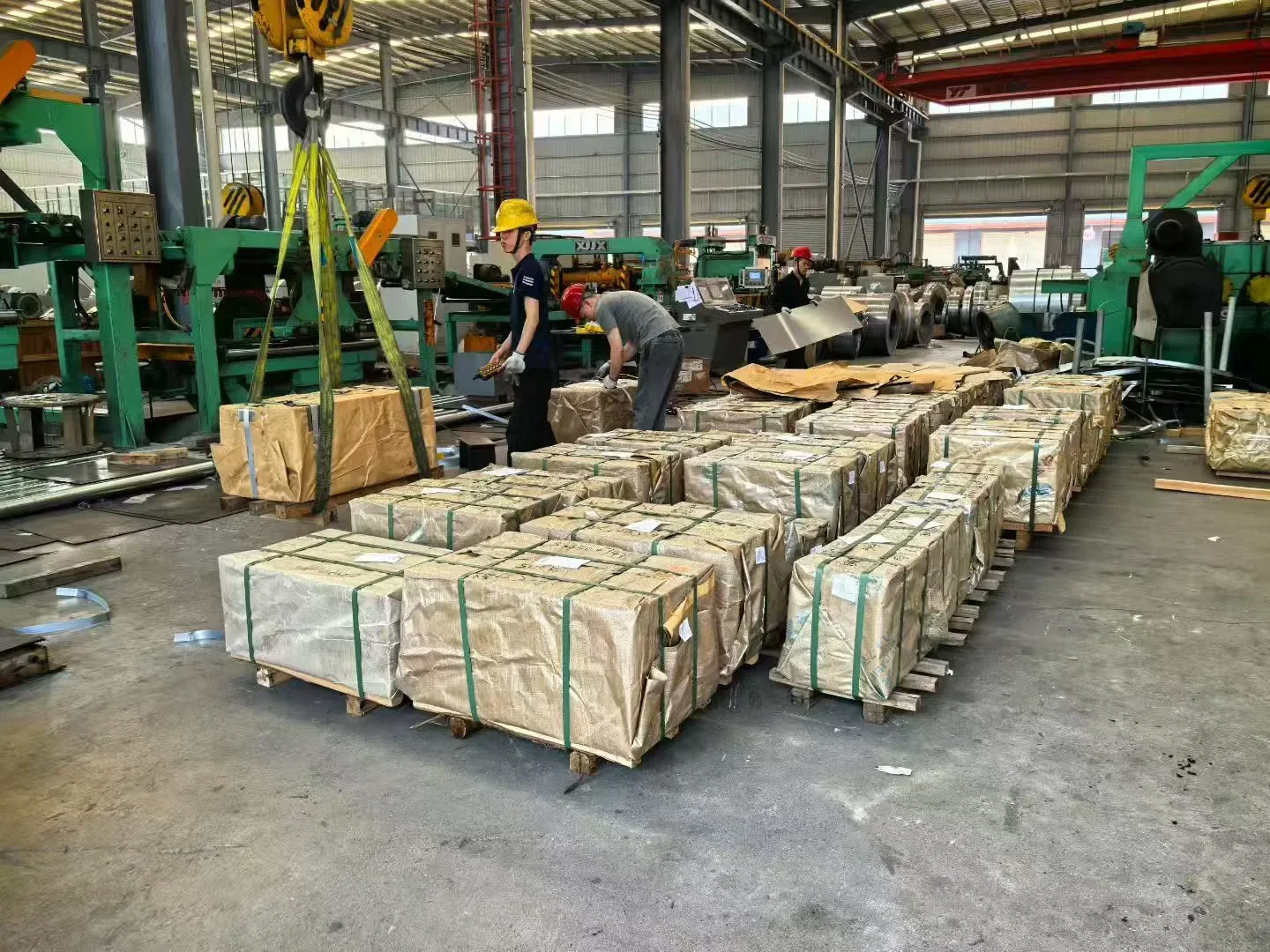
Por este motivo, dos solicitudes de presupuesto en las que se pida el mismo tipo de acero inoxidable pueden recibir presupuestos diferentes si sus requisitos de procesamiento o entrega difieren.
Información que realmente puede reducir el importe de tu presupuesto
Muchos compradores aumentan los costes sin darse cuenta al establecer especificaciones rígidas cuando sería aceptable un cierto grado de flexibilidad.
Si procede, plantéate incluir información como:
- Se admiten otros tipos de acero inoxidable.
- Se pueden utilizar bobinas o láminas de anchura estándar.
- Se aceptan tolerancias dimensionales mínimas.
- Se permiten los envíos parciales.
- Se podrán tener en cuenta acabados superficiales equivalentes.
- La producción se puede programar en varios lotes.
Esta flexibilidad ofrece a los proveedores más opciones a la hora de planificar la producción y el abastecimiento de materiales.
Por ejemplo, utilizar un ancho de laminado estándar en lugar de uno a medida puede eliminar operaciones adicionales de corte longitudinal, mientras que aceptar varios envíos puede permitir al proveedor combinar la producción con otros pedidos, reduciendo así los costes de fabricación.
Un experimentado proveedor mayorista de acero inoxidable puede identificar estas oportunidades y recomendar alternativas prácticas sin comprometer la calidad del producto.
Errores habituales en las solicitudes de presupuesto que retrasan la presentación de las ofertas
Muchos retrasos en la elaboración de presupuestos se deben a que las solicitudes de presupuesto son incompletas o poco claras.
| Solicitud de presupuesto incompleta | Mejor solicitud de presupuesto |
|---|---|
| Necesito una chapa de acero 304 | Chapa de acero 304 2B, 1,5 × 1250 × 2500 mm |
| Por favor, envíenme un presupuesto lo antes posible. | Fecha de entrega prevista: 30 de agosto |
| Igual que el último pedido | Adjunta la orden de compra anterior o el plano técnico |
| Acabado estándar | Especifica 2B, BA, n.º 4, HL o Mirror |
| Necesito acero inoxidable | Especifique la forma, la calidad, las dimensiones y la cantidad del producto |
Estas sencillas mejoras ayudan a los proveedores a comprender los requisitos de inmediato y reducen las comunicaciones innecesarias.
Siempre que sea posible, adjunta documentación de apoyo, como planos en formato PDF, archivos DWG o modelos STEP. Los planos técnicos suelen dar respuesta a preguntas que las especificaciones escritas no pueden resolver.
Ejemplo de una solicitud de presupuesto profesional para acero inoxidable
La siguiente plantilla incluye la información que la mayoría de los proveedores necesitan para elaborar un presupuesto preciso.
| Artículo | Ejemplo |
|---|---|
| Producto | Bobina de acero inoxidable |
| Grado | 304 |
| Espesor | 1,5 mm |
| Ancho | 1250 mm |
| Acabado superficial | 2B |
| Cantidad | 20 toneladas |
| Tratamiento | Corte |
| Solicitud | Equipamiento para cocinas profesionales |
| Certificado | EN 10204 3.1 |
| Condiciones de entrega | FOB Shanghái |
| Entrega obligatoria | En un plazo de 30 días |
El uso de una solicitud de presupuesto estructurada como esta reduce el número de correos electrónicos de aclaración y permite a los proveedores comenzar a evaluar la producción de inmediato.
¿Por qué trabajar con un proveedor de acero inoxidable con experiencia?
Un proveedor profesional hace mucho más que calcular los precios de los materiales.
Un experimentado proveedor de acero inoxidable combina los conocimientos de ingeniería con la experiencia en producción para ayudar a los compradores a optimizar tanto el rendimiento de los productos como los costes de adquisición.
Los servicios de valor añadido pueden incluir:
- Recomendaciones sobre la calidad de los materiales
- Corte de bobinas
- Procesamiento por corte a medida
- Acabado de superficies
- Fabricación OEM y a medida
- Embalaje para exportación
- Planificación de existencias
- Programas de suministro a largo plazo
En lugar de limitarse a suministrar acero inoxidable, una empresa con experiencia proveedor de acero inoxidable a medida colabora con los compradores para mejorar el aprovechamiento de los materiales, simplificar los procesos y respaldar las estrategias de abastecimiento a largo plazo.
Conclusión
Una solicitud de presupuesto (RFQ) completa en acero inoxidable es una de las formas más sencillas de mejorar la eficiencia en la contratación. Al proporcionar información detallada sobre el material, las dimensiones, el procesamiento, las certificaciones y los requisitos de entrega, los compradores permiten a los proveedores elaborar presupuestos más rápidos y precisos, con menos revisiones.
Comprender cómo evalúan los fabricantes las solicitudes de presupuesto también ayuda a los compradores a entender por qué son importantes los detalles técnicos. Cada especificación influye en la disponibilidad de los materiales, la planificación de la producción, los métodos de procesamiento y el coste total de fabricación.
Trabajar con un proveedor de acero inoxidable optimiza aún más el proceso de abastecimiento mediante recomendaciones técnicas, servicios de procesamiento personalizados y un apoyo fiable a la producción, lo que ayuda a los compradores a reducir tanto los riesgos de aprovisionamiento como los costes a largo plazo.