Para los fabricantes de utensilios de cocina, la elección del tipo adecuado de acero inoxidable influye directamente en la durabilidad del producto, la resistencia a la corrosión, la eficiencia en la fabricación y el coste de producción.
Muchos compradores se fijan principalmente en el precio del acero inoxidable a la hora de adquirir materiales. Sin embargo, elegir la opción más barata no siempre se traduce en el menor coste total de producción. Un tipo de acero inoxidable inadecuado puede provocar problemas durante el embutido profundo, el estampado, el pulido o el uso a largo plazo del producto.
El mejor tipo de acero inoxidable depende de varios factores, entre los que se incluyen:
- Tipo de utensilios de cocina
- Proceso de fabricación
- Resistencia a la corrosión requerida
- Posicionamiento en el mercado objetivo
- Volumen de producción
Este artículo compara los tipos de acero inoxidable más utilizados en los utensilios de cocina, entre los que se incluyen Acero inoxidable 304, 316 y 430, y explica cómo los fabricantes pueden elegir el material adecuado para las distintas aplicaciones de los utensilios de cocina.
¿Qué tipo de acero inoxidable se utiliza para la fabricación de utensilios de cocina?
El acero inoxidable se utiliza ampliamente en la fabricación de utensilios de cocina porque ofrece una combinación de:
- Seguridad alimentaria
- Resistencia a la corrosión
- Durabilidad
- Fácil de limpiar
- Aspecto atractivo
Las categorías de acero inoxidable más habituales en los utensilios de cocina son:
- Acero inoxidable austenítico: 304 y 316
- Acero inoxidable ferrítico: 430
Cada grado presenta una composición química y unas características de rendimiento diferentes, lo que los hace adecuados para distintos tipos de utensilios de cocina y para los distintos requisitos del mercado.
Acero inoxidable 304: la opción más habitual para los utensilios de cocina
Por qué se utiliza tanto el acero inoxidable 304
El acero inoxidable 304 es el material más utilizado en la fabricación de utensilios de cocina, ya que ofrece un excelente equilibrio entre rendimiento, coste y facilidad de procesamiento.
Entre sus principales ventajas se encuentran:
- Excelente resistencia a la corrosión
- Buena conformabilidad
- Excelente rendimiento en el embutido profundo
- Fácil de pulir
- Buenas prestaciones en contacto con los alimentos
Estas características hacen que el acero inoxidable 304 sea adecuado para productos como:
- Ollas de acero inoxidable
- Sartenes
- Cacerolas
- Utensilios de cocina
- Equipos para la preparación de alimentos
Para la mayoría de las aplicaciones de utensilios de cocina domésticos, el acero inoxidable 304 ofrece una durabilidad y una resistencia a la corrosión suficientes sin aumentar de forma significativa los costes de material.
Utensilios de cocina de acero inoxidable 18/8 y 18/10
Muchos productos de menaje de cocina se comercializan como Acero inoxidable 18/8 o Acero inoxidable 18/10.
Estos términos suelen referirse al contenido aproximado de cromo y níquel:
- El cromo 18% mejora la resistencia a la corrosión
- El níquel 8–10% mejora la durabilidad, la resistencia a la corrosión y el aspecto de la superficie
Debido a su mejor acabado y rendimiento, los aceros inoxidables 18/8 y 18/10 se utilizan habitualmente en:
- Utensilios de cocina de gama media
- Líneas de menaje de cocina de alta gama
- Productos de cocina de alta calidad
En el caso de las marcas de menaje de cocina dirigidas a los segmentos de gama alta, suele preferirse el acero inoxidable 304 con una composición 18/10.
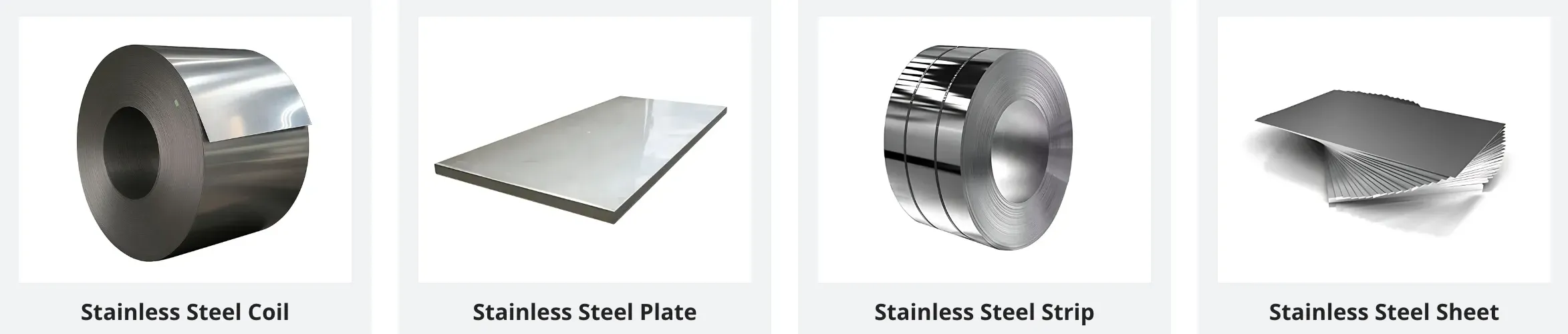
Acero inoxidable 316: material de primera calidad para aplicaciones con alta corrosión
Ventajas del acero inoxidable 316
El acero inoxidable 316 es un tipo de acero inoxidable de alto rendimiento que contiene molibdeno, lo que mejora su resistencia frente a entornos corrosivos.
En comparación con el acero inoxidable 304, el 316 ofrece:
- Mayor resistencia a la corrosión
- Mayor resistencia a la exposición a la sal
- Mayor resistencia química
- Mayor vida útil en entornos adversos
Se utiliza habitualmente en aplicaciones en las que resulta útil contar con una protección adicional contra la corrosión, como por ejemplo:
- Utensilios de cocina relacionados con el mar
- Equipamiento profesional de cocina
- Productos de menaje de cocina especializados
Para los fabricantes de utensilios de cocina de alta gama, el acero inoxidable 316 puede ayudar a crear productos diseñados para ofrecer la máxima durabilidad y rendimiento.
Por qué el acero inoxidable 316 no siempre es la mejor opción
Aunque el acero inoxidable 316 ofrece una mayor resistencia a la corrosión, no siempre es necesario para los utensilios de cocina estándar.
La principal limitación es:
- Aumento del coste de las materias primas
Para los utensilios de cocina domésticos normales que se utilizan en entornos habituales, el acero inoxidable 304 suele ofrecer un rendimiento suficiente.
Por lo tanto, los fabricantes deberían evaluar si el coste adicional del acero 316 aporta un valor significativo al producto.
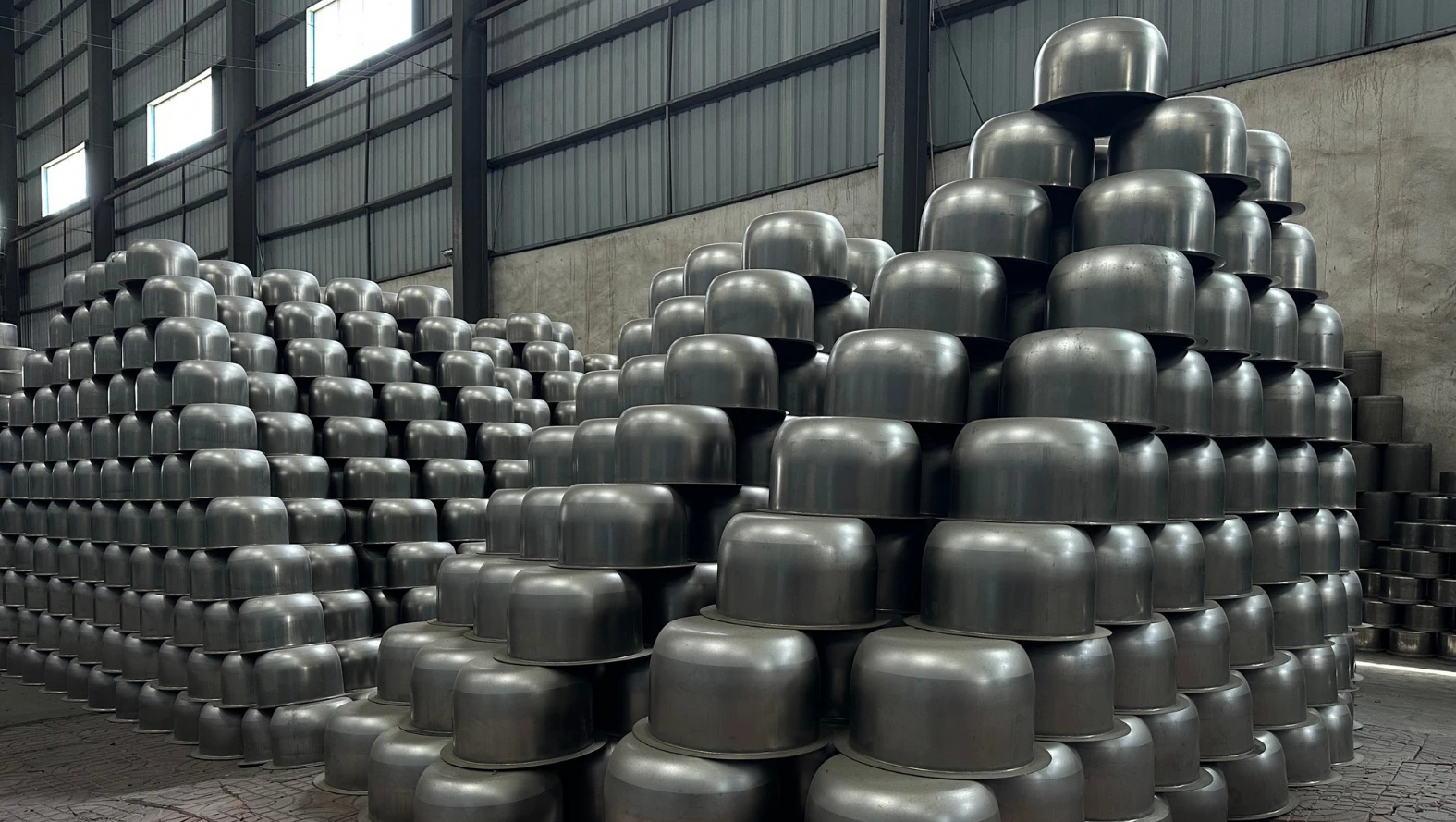
Acero inoxidable 430: una opción rentable para la fabricación de utensilios de cocina
Características del acero inoxidable 430
El acero inoxidable 430 es un acero inoxidable ferrítico que se utiliza habitualmente en la fabricación de utensilios de cocina, donde la relación calidad-precio y las propiedades magnéticas son factores importantes.
Entre sus ventajas se encuentran:
- Menor coste del material
- Propiedades magnéticas
- Buena resistencia a la corrosión
- Apto para aplicaciones de inducción
Entre sus aplicaciones más habituales se encuentran:
- Capas inferiores de los utensilios de cocina
- Bases compatibles con la inducción
- Utensilios de cocina a precios asequibles
Dado que el acero inoxidable 430 es magnético, se utiliza con frecuencia como capa exterior en los utensilios de cocina diseñados para placas de inducción.
Limitaciones del acero inoxidable 430
En comparación con el acero inoxidable 304, el 430 presenta algunas limitaciones:
- Menor resistencia a la corrosión
- Menor contenido en níquel
- Menos adecuado para superficies de cocina de alta gama
Por este motivo, el acero inoxidable 430 no suele elegirse como superficie principal de cocción para los utensilios de cocina de alta gama.
En cambio, los fabricantes suelen combinar el acero inoxidable 430 con el 304 para encontrar un equilibrio entre rendimiento y coste.
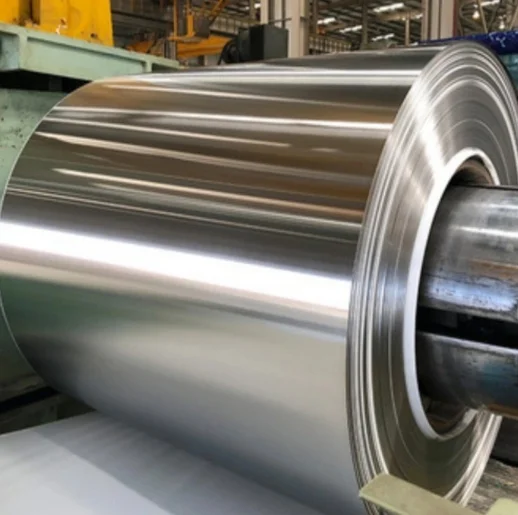
Acero inoxidable 304, 316 y 430 para la fabricación de utensilios de cocina
| Característica | Acero inoxidable 304 | Acero inoxidable 316 | Acero inoxidable 430 |
|---|---|---|---|
| Resistencia a la corrosión | Excelente | Superior | Bien |
| Coste de los materiales | Medio | El más alto | Mínimo |
| Contenido en níquel | Sí | Sí | No |
| Aplicaciones en contacto con alimentos | Excelente | Excelente | Bien |
| Propiedades magnéticas | Normalmente no magnético | Normalmente no magnético | Magnético |
| Uso habitual | Cuerpo principal del utensilio de cocina | Utensilios de cocina de alta gama | Base de inducción, productos con una buena relación calidad-precio |
Cómo seleccionan los fabricantes de utensilios de cocina los tipos de acero inoxidable
Selección basada en el posicionamiento del producto
Los distintos segmentos de mercado requieren estrategias de materiales diferentes.
Utensilios de cocina de alta gama:
→ Acero inoxidable 304 o 316
Utensilios de cocina para el gran público:
→ Cuerpo de acero inoxidable 304 + base de inducción de acero inoxidable 430
Utensilios de cocina económicos:
→ Soluciones en acero inoxidable 430
La elección adecuada de los materiales ayuda a las marcas a encontrar el equilibrio entre el rendimiento del producto y el precio de venta al público previsto.
Selección en función del proceso de fabricación
La elección del tipo de acero inoxidable también influye en la eficiencia de la fabricación.
La fabricación de utensilios de cocina suele incluir:
- Dibujo profundo
- Estampación
- Soldadura
- Pulido
El acero inoxidable 304 es muy apreciado porque ofrece:
- Buena ductilidad
- Rendimiento de conformado estable
- Resultados de acabado impecables
En el caso de los utensilios de cocina con formas complejas, elegir un material con buenas propiedades de conformado puede reducir los defectos de producción y mejorar la eficiencia en la fabricación.
Selección en función del entorno de uso
El entorno de aplicación final también influye en la elección de los materiales.
Piensa en lo siguiente:
- Exposición a la humedad
- Exposición a la sal
- Productos químicos de limpieza
- Frecuencia de uso
Ejemplos:
Utensilios de cocina habituales en cualquier hogar:
→ Acero inoxidable 304
Entornos marinos o altamente corrosivos:
→ Acero inoxidable 316
Estructuras de los utensilios de cocina para inducción:
→ Acero inoxidable 430 por sus propiedades magnéticas
¿Por qué los utensilios de cocina de acero inoxidable multicapa utilizan diferentes calidades?
Estructura habitual de los utensilios de cocina multicapa
Muchos productos de menaje de cocina de alta gama utilizan varias capas de acero inoxidable en lugar de un único material.
Una estructura típica incluye:
Superficie interior de cocción:
- Acero inoxidable 304
Capa de inducción exterior:
- Acero inoxidable 430
Capa central:
- Aluminio o cobre
Esta combinación permite a los fabricantes alcanzar diferentes objetivos de rendimiento con un mismo producto.
Ventajas del diseño multimaterial
La combinación de diferentes calidades de acero inoxidable ofrece:
- Mejor distribución del calor
- Compatibilidad con la inducción
- Mayor durabilidad
- Coste optimizado de los materiales
Para las marcas de menaje de cocina, la estructura multicapa ofrece la posibilidad de crear productos de alta gama al tiempo que se controlan los gastos de fabricación.
Lo que los compradores deben especificar al adquirir acero inoxidable para la fabricación de utensilios de cocina
A la hora de adquirir materiales de acero inoxidable, los fabricantes de utensilios de cocina deben facilitar a los proveedores las especificaciones completas.
Requisitos relativos a los grados de acero inoxidable
Entre los detalles importantes se incluyen:
- Calidad del acero inoxidable
- Composición química
- Norma sobre materiales
- Requisitos relativos al contacto con los alimentos
Elegir el grado adecuado garantiza que el material sea el más adecuado para el uso previsto en los utensilios de cocina.
Especificaciones de bobinas y chapas de acero inoxidable
Además de la calidad, los compradores también deben comprobar lo siguiente:
- Espesor
- Ancho
- Acabado superficial
- Tolerancia
- En bobina o en láminas
Por ejemplo:
- Los utensilios de cocina fabricados mediante embutición profunda requieren un grosor adecuado y buenas prestaciones de conformado.
- Los utensilios de cocina pulidos requieren una calidad de superficie uniforme.
Un experimentado proveedor de acero inoxidable puede ayudar a recomendar las especificaciones adecuadas en función de los requisitos de producción.
Requisitos de procesamiento y calidad
En la fabricación de utensilios de cocina industriales, es fundamental que la calidad de los materiales sea constante.
Los compradores deben confirmar:
- Normas de inspección de superficies
- Precisión dimensional
- Certificación de materiales
- Consistencia entre lotes
A fiable proveedor de acero inoxidable debería proporcionar materiales homogéneos que faciliten una producción posterior eficiente.
Cómo Weijunli Steel apoya a los fabricantes de utensilios de cocina
Como proveedor mayorista de acero de China, Weijunli Steel suministra materiales de acero inoxidable a fabricantes de utensilios de cocina y para aplicaciones industriales.
Nuestro servicio de asistencia incluye:
- Suministro de bobinas y chapas de acero inoxidable
- Recomendación de nota
- Espesor y anchura a medida
- Opciones de acabado superficial
- Control de calidad
- Apoyo a la exportación
Para los fabricantes de utensilios de cocina, elegir el acero inoxidable adecuado no consiste únicamente en comprar el acero, sino en garantizar que el material funcione correctamente a lo largo de todo el proceso de producción.
Al trabajar con un profesional con experiencia proveedor de acero inoxidable a medida, los compradores pueden optimizar la selección de materiales en función del diseño del producto, los requisitos de fabricación y el posicionamiento en el mercado.
Para distribuidores y compradores de grandes volúmenes, un proveedor fiable proveedor mayorista de acero inoxidable contribuye a mantener un suministro estable y una calidad constante en los pedidos recurrentes.
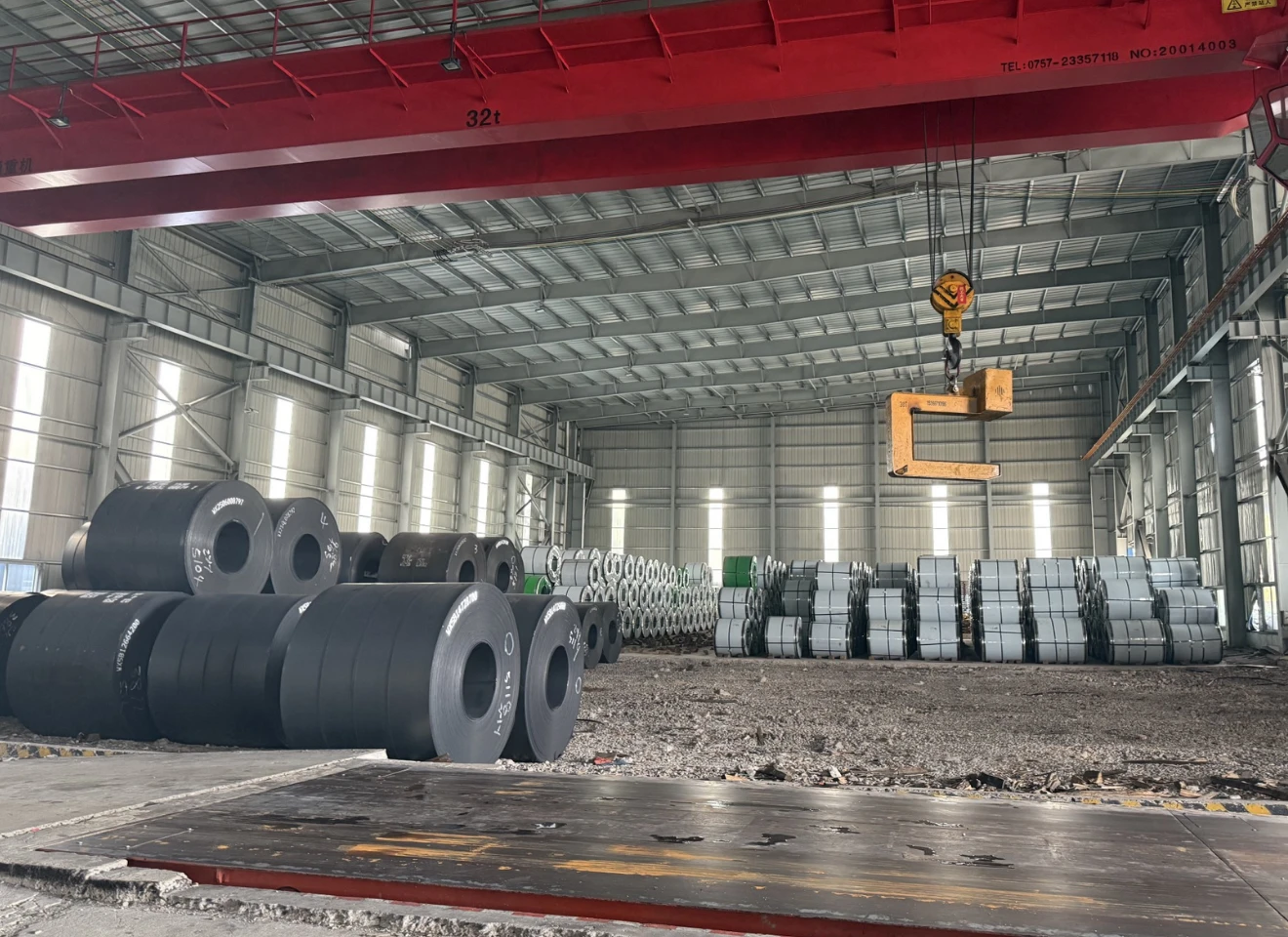
Recomendación final: ¿Qué tipo de acero inoxidable es el más adecuado para los utensilios de cocina?
| Solicitud | Nivel recomendado |
|---|---|
| Utensilios de cocina para el día a día | Acero inoxidable 304 |
| Utensilios de cocina de alta gama | Acero inoxidable 304 / 316 |
| Entorno altamente corrosivo | Acero inoxidable 316 |
| Base de los utensilios de cocina para inducción | Acero inoxidable 430 |
| Utensilios de cocina a buen precio | Acero inoxidable 430 |
No existe un único tipo de acero inoxidable que sea el más adecuado para todos los productos de menaje de cocina.
El acero inoxidable 304 sigue siendo la opción más utilizada, ya que ofrece el mejor equilibrio entre rendimiento y coste. El acero inoxidable 316 es adecuado para aplicaciones de alta gama que requieren una mayor resistencia a la corrosión, mientras que el acero inoxidable 430 ofrece una solución económica para estructuras compatibles con la inducción.
Para los fabricantes de utensilios de cocina, la elección adecuada depende del posicionamiento del producto, del proceso de fabricación y de los requisitos del mercado al que se dirigen.
PREGUNTAS FRECUENTES
¿Cuál es el mejor tipo de acero inoxidable para la fabricación de utensilios de cocina?
El acero inoxidable 304 es el tipo más utilizado, ya que ofrece una excelente resistencia a la corrosión, durabilidad y rendimiento en la fabricación.
¿Es el acero inoxidable 316 mejor que el 304 para los utensilios de cocina?
Esto es cierto en un entorno salino. El acero inoxidable 316 ofrece una mayor resistencia a la corrosión, pero el acero inoxidable 304 suele ser suficiente para la mayoría de los utensilios de cocina domésticos.
¿Es el acero inoxidable 430 adecuado para los utensilios de cocina?
Sí. El acero inoxidable 430 se utiliza habitualmente para las bases de inducción y para la fabricación de utensilios de cocina a buen precio.
¿Qué grosor de acero inoxidable se utiliza para los utensilios de cocina?
El espesor necesario depende del tipo de utensilio de cocina, del proceso de fabricación, de los requisitos de durabilidad y del posicionamiento del producto.
¿Por qué los fabricantes de utensilios de cocina utilizan conjuntamente acero inoxidable 304 y 430?
El acero 304 ofrece una superficie de cocción resistente a la corrosión, mientras que el 430 aporta propiedades magnéticas que lo hacen compatible con la inducción y ayuda a optimizar los costes de material.