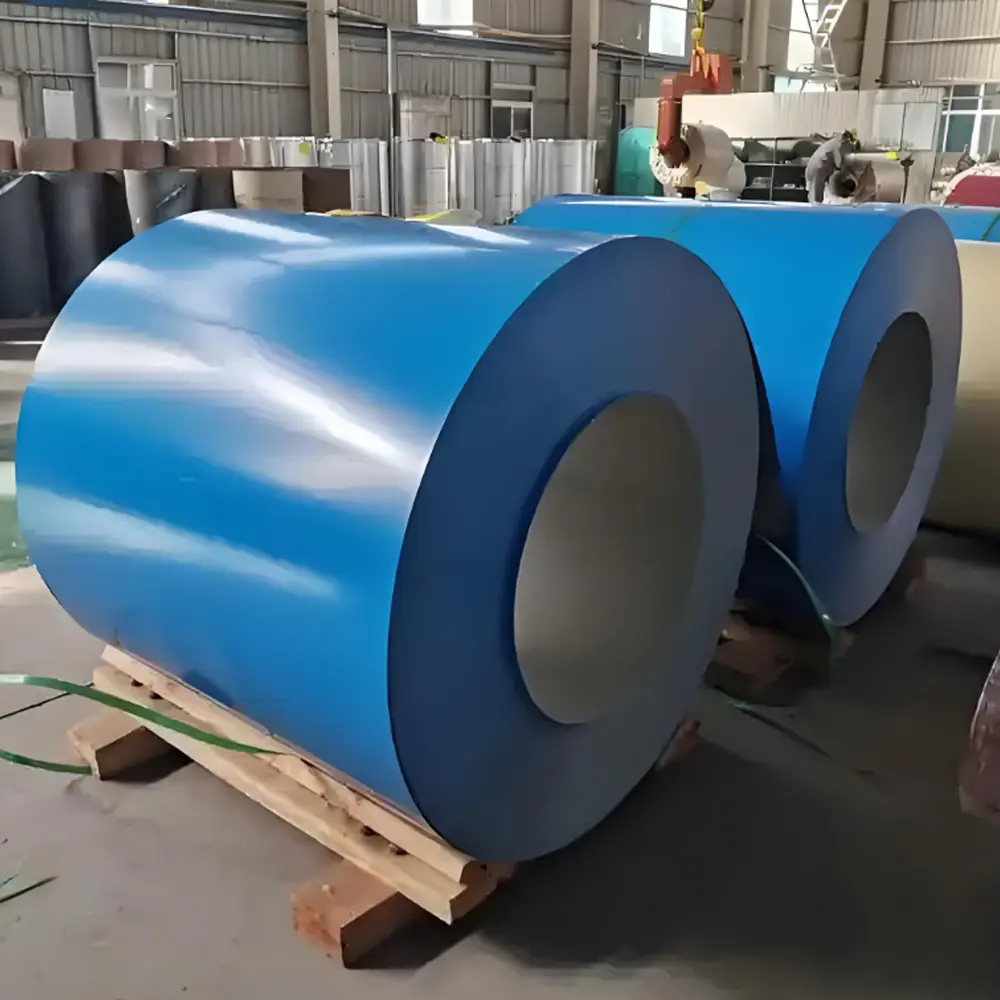
Galvalume steel roofing is widely used in residential, commercial, industrial, and agricultural buildings because of its strong corrosion resistance, long service life, and relatively low maintenance requirements. For buyers, contractors, and building owners, one of the most important questions is: how long does Galvalume steel roofing last?
In general, a high-quality Galvalume steel roof can last 40 to 60 years under suitable conditions. U.S. Steel also announced that its GALVALUME® coated steel coil warranty was upgraded from 20–25 years to 40–60 years, depending on product type, coating weight, and application conditions.
However, the actual lifespan of a Galvalume steel roof is not determined by the material alone. It also depends on the coating specification, local climate, installation quality, roof design, drainage, surface finish, and regular maintenance.
As a Galvalume steel coil manufacturer and supplier from China, I will explain the key factors that influence Galvalume steel roofing lifespan and share practical tips.
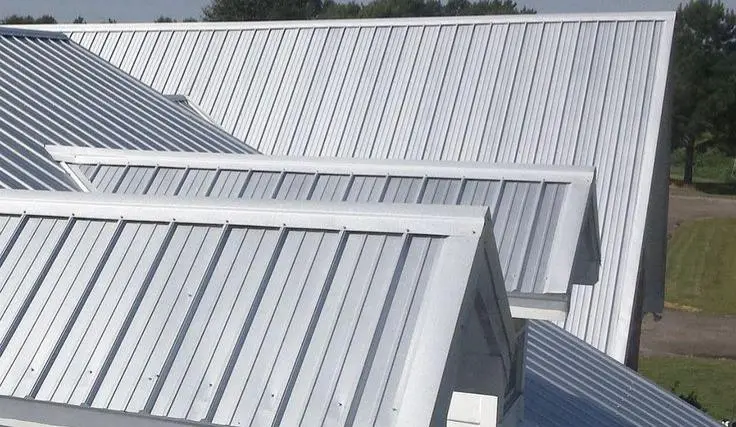
What Is Galvalume Steel Roofing?
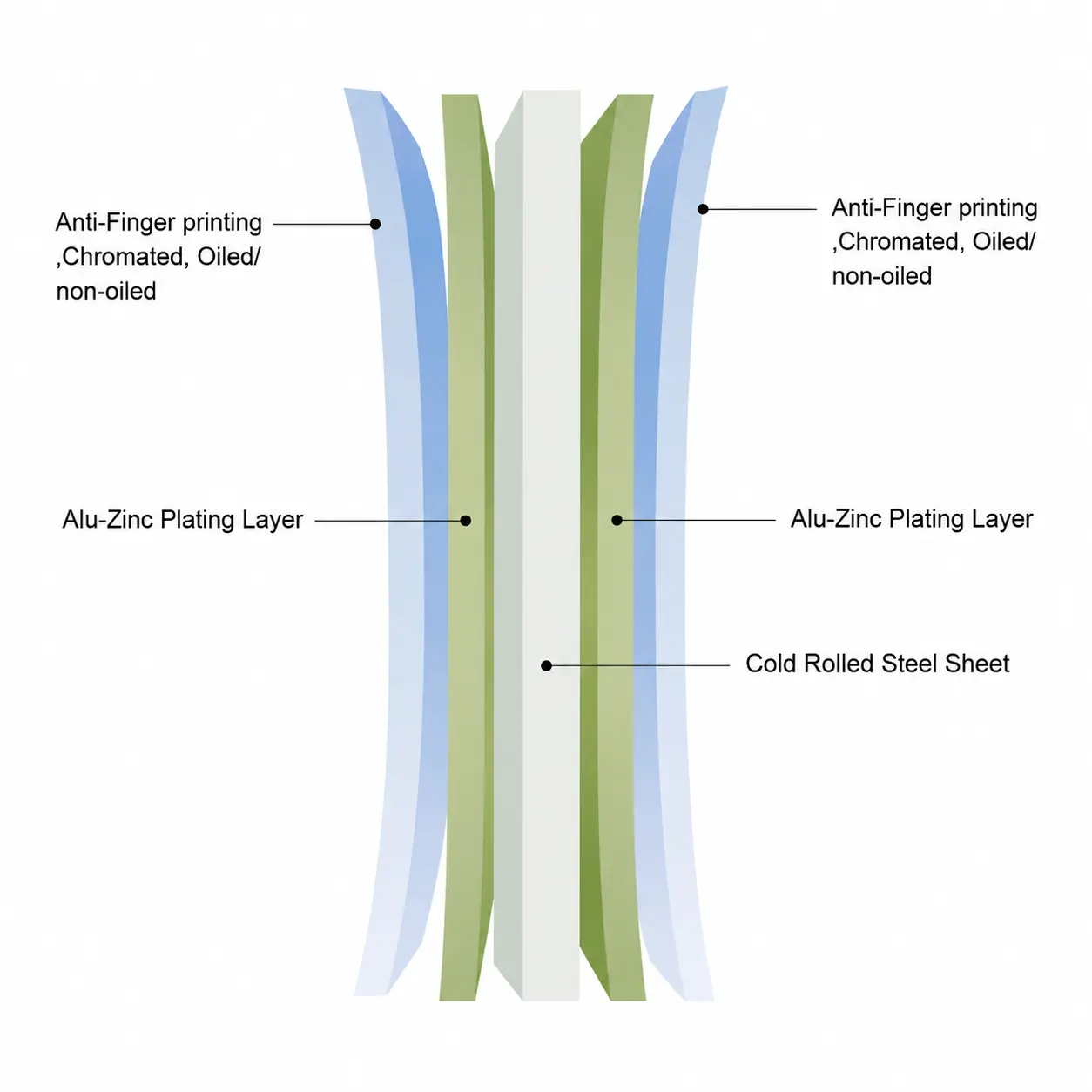
Galvalume steel roofing is made from steel sheet coated with an aluminum-zinc-silicon alloy. The typical coating composition is approximately 55% aluminum, 43.4% zinc, and 1.6% silicon. This coating combines the long-term barrier protection of aluminum with the sacrificial protection of zinc, while silicon helps improve coating performance during manufacturing.
This special coating structure makes Galvalume steel a popular material for:
- Metal roofing panels
- Standing seam roofing systems
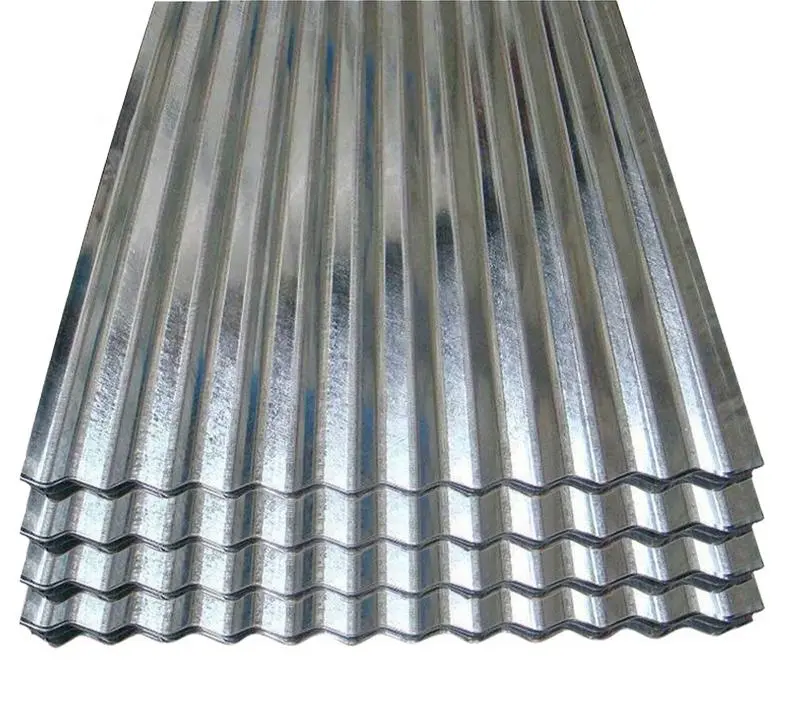
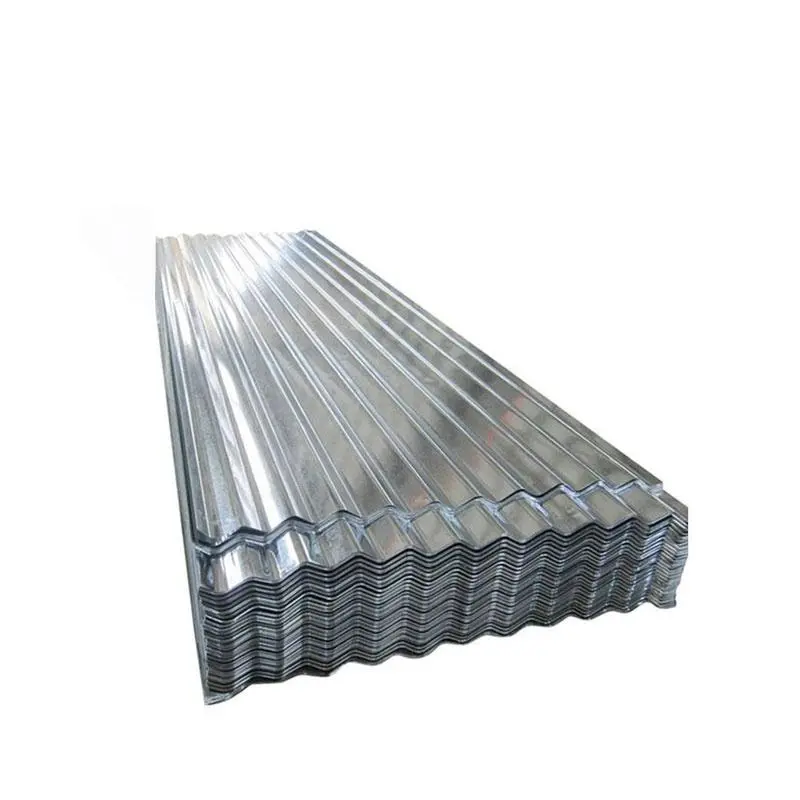
- Corrugated roofing sheets
- Wall cladding panels
- Industrial warehouses
- Agricultural buildings
- Commercial and residential roofing projects
Compared with ordinary carbon steel, Galvalume provides much stronger protection against oxidation and atmospheric corrosion. Compared with traditional galvanized steel, Galvalume often offers better long-term corrosion resistance in many roofing applications because it combines aluminum and zinc protection in one coating system.
How Long Does Galvalume Steel Roofing Last?
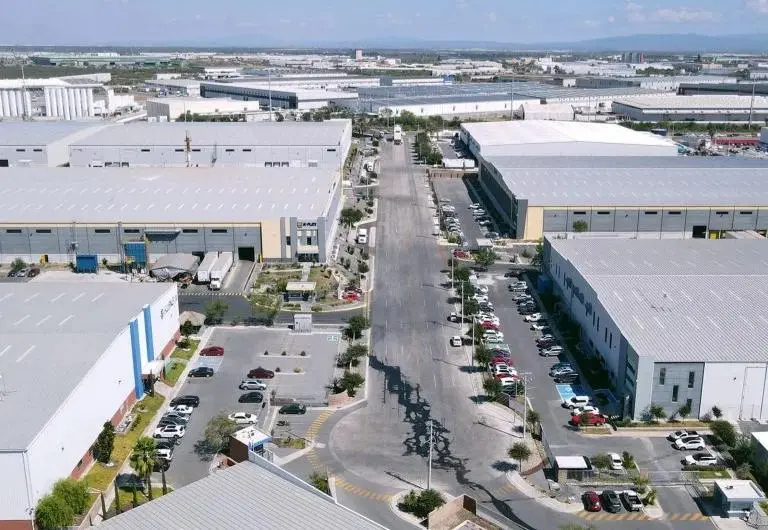
The typical lifespan of Galvalume steel roofing is around 40 to 60 years when the material is properly selected, installed, and maintained. In mild inland environments with good drainage and low pollution exposure, Galvalume roofing can perform for decades with minimal maintenance.
However, in harsh environments, such as coastal regions, industrial areas, high-humidity climates, or buildings exposed to chemical pollutants, the lifespan may be shorter if the wrong specification is used.
Here is a simple reference table:
| Application Environment | Expected Lifespan | Notes |
| Mild inland environment | 40–60 years | Best condition for long-term performance |
| Residential roofing | 40–60 years | Depends on roof slope, paint system, and maintenance |
| Commercial buildings | 40–60 years | Suitable for warehouses, factories, and large-span roofs |
| Agricultural buildings | 30–50 years | Moisture, ammonia, and chemicals may affect performance |
| Coastal areas | Varies greatly | Salt exposure may reduce lifespan without proper specification |
| Industrial areas | Varies greatly | Pollution and chemical exposure must be considered |
It is also important to understand that the warranty period is not exactly the same as the actual service life. A warranty is based on specific product conditions and application limits, while the real roof lifespan depends on the project environment and how the roof is installed and maintained.
Why Does Galvalume Roofing Last So Long?
The long lifespan of Galvalume roofing comes from its aluminum-zinc alloy coating. Each element plays a different role in protecting the steel substrate.
| Coating Element | Main Function | Benefit for Roofing |
| Aluminum | Provides barrier protection | Helps block moisture, oxygen, and atmospheric corrosion |
| Zinc | Provides sacrificial protection | Helps protect cut edges, scratches, and exposed areas |
| Silicon | Supports coating performance | Helps improve coating stability during production |
This combination makes Galvalume roofing especially suitable for long-term outdoor exposure. Aluminum helps protect the broad surface area of the panel, while zinc provides additional protection at vulnerable points such as cut edges, drilled holes, and minor scratches.
Key Factors That Affect the Lifespan of Galvalume Steel Roofing
Not every Galvalume roof lasts the same amount of time. The actual service life depends on several important factors.
I. Coating Weight
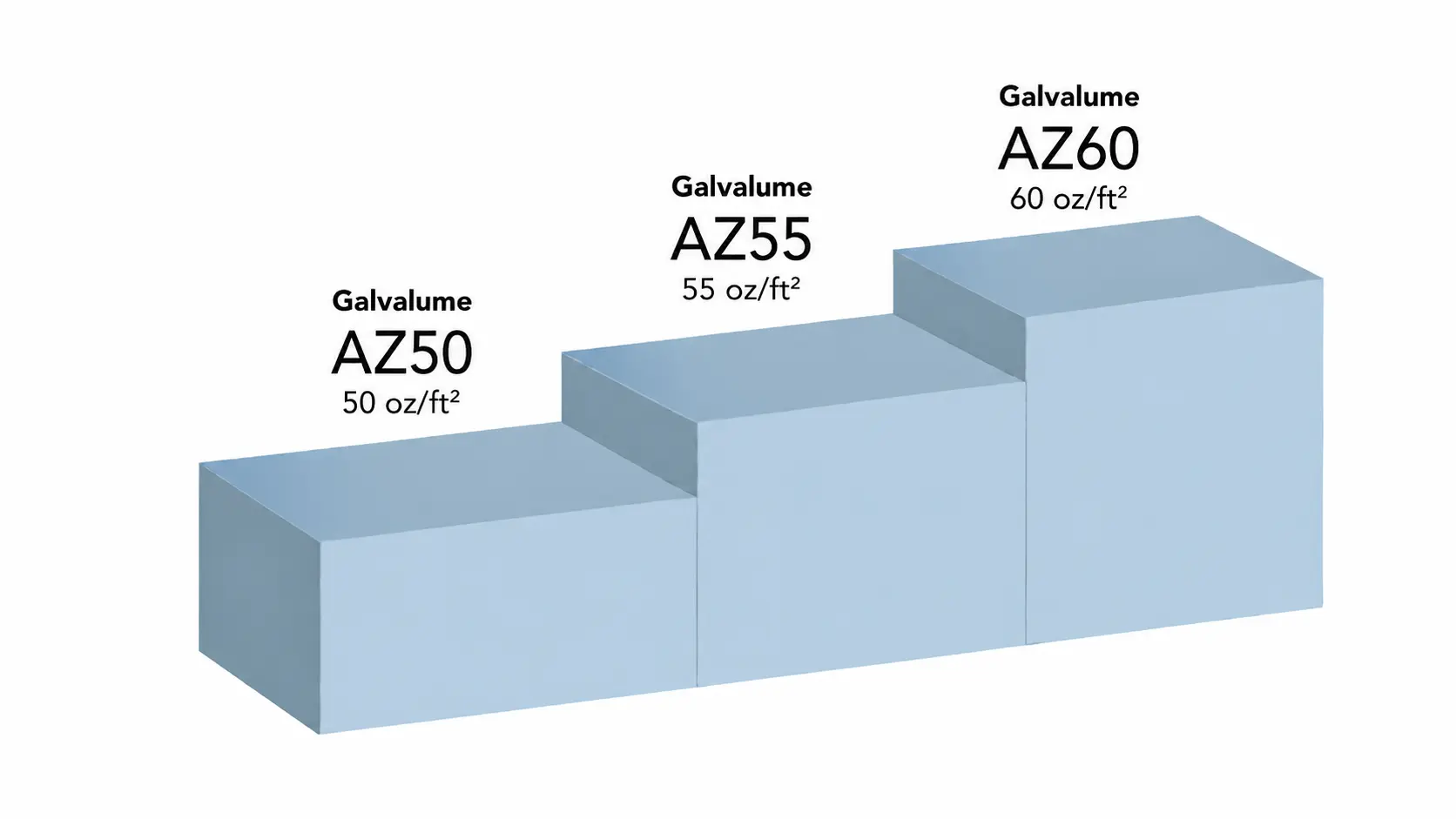
Coating weight is one of the most important factors affecting durability. Common Galvalume coating designations include AZ50, AZ55, and AZ60. In general, a heavier coating provides more metallic protection and may offer better long-term corrosion resistance.、
AZ50, AZ55, and AZ60 refer to different coating weights of Galvalume steel. AZ50 means the aluminum-zinc coating weight is about 0.50 oz/ft², AZ55 is about 0.55 oz/ft², and AZ60 is about 0.60 oz/ft². In simple terms, the higher the number, the heavier the coating and the stronger the potential corrosion protection.
AZ60 products, with some pre-painted AZ60 products reaching up to 60 years under specified conditions.
| Coating Designation | Coating Weight | Common Application | Main Advantage |
|---|---|---|---|
| AZ50 | About 0.50 oz/ft² | Pre-painted Galvalume steel | Good balance of cost and painted surface performance |
| AZ55 | About 0.55 oz/ft² | Bare Galvalume roofing sheets | Strong corrosion resistance for roofing applications |
| AZ60 | About 0.60 oz/ft² | Higher-demand roofing projects | Heavier coating for better long-term protection |
Note: In addition, there are also metric coating designations such as AZ100, AZ120, and AZ150, which are commonly expressed in g/m², total both sides. AZ50 and AZ150 may look very different in number, but they are not from the same unit system. AZ50 is based on oz/ft², while AZ150 is based on g/m². So when comparing coating weights, buyers should always confirm the unit and standard with the Galvalume steel coil supplier.
For buyers, this means price should not be the only consideration. It is important to confirm:
- Coating designation
- Coating mass
- Base metal thickness
- Surface finish
- Paint system
- Warranty conditions
- Intended application environment
II. Local Climate and Environment
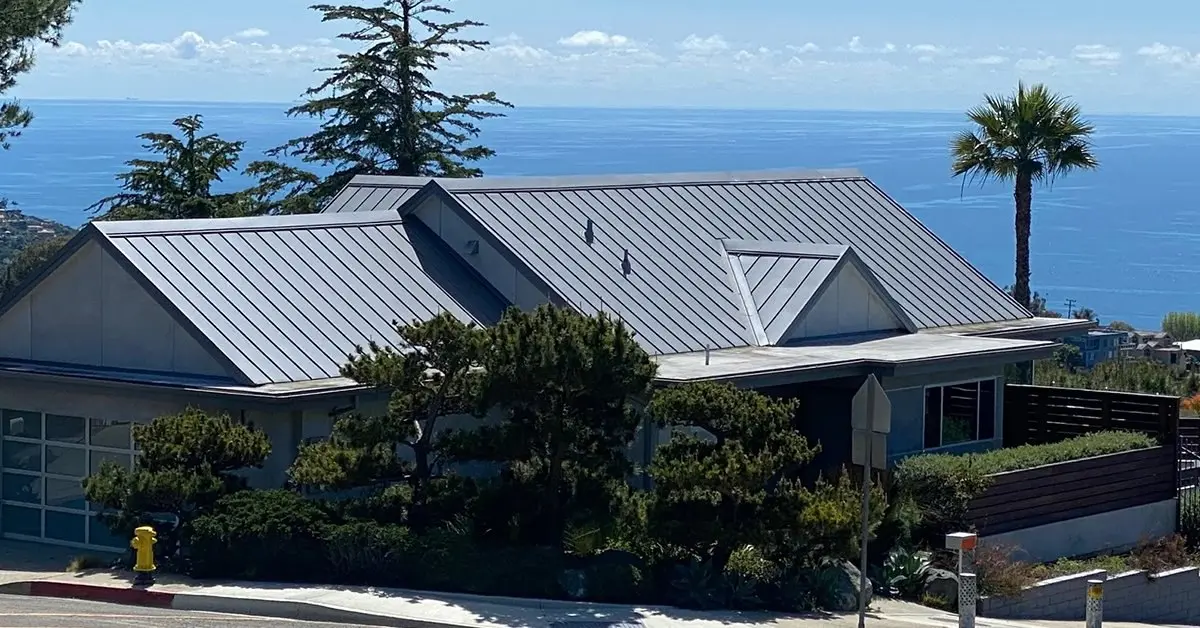
The local environment has a direct influence on Galvalume roof lifespan.
Galvalume roofing usually performs well in:
- Dry inland areas
- Moderate climates
- Low-pollution environments
- Buildings with good roof drainage
More caution is needed in:
- Coastal regions
- High-salt environments
- Industrial zones
- Chemical plants
- High-humidity areas
- Livestock or agricultural buildings with ammonia exposure
In coastal or industrial environments, buyers should not choose material based only on the lowest price. A higher coating weight, better paint system, or special specification may be required.
III. Roof Design and Drainage
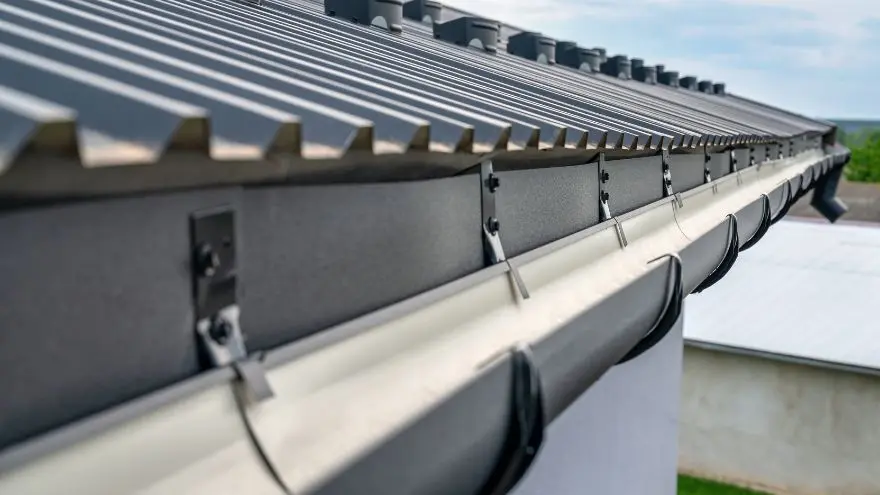
A well-designed roof helps Galvalume steel last longer. Poor drainage can shorten roof life because standing water increases the risk of corrosion, especially around overlaps, fasteners, valleys, and gutters.
Good roof design should include:
- Proper roof slope
- Smooth rainwater drainage
- Correct panel overlap
- Reliable flashing design
- Well-installed ridge caps
- Clean and functional gutters
- Proper ventilation
Standing seam roofing systems usually offer better water resistance than exposed fastener systems because the fasteners are hidden. Exposed fastener systems can still perform well, but they require high-quality screws, washers, and regular inspection.
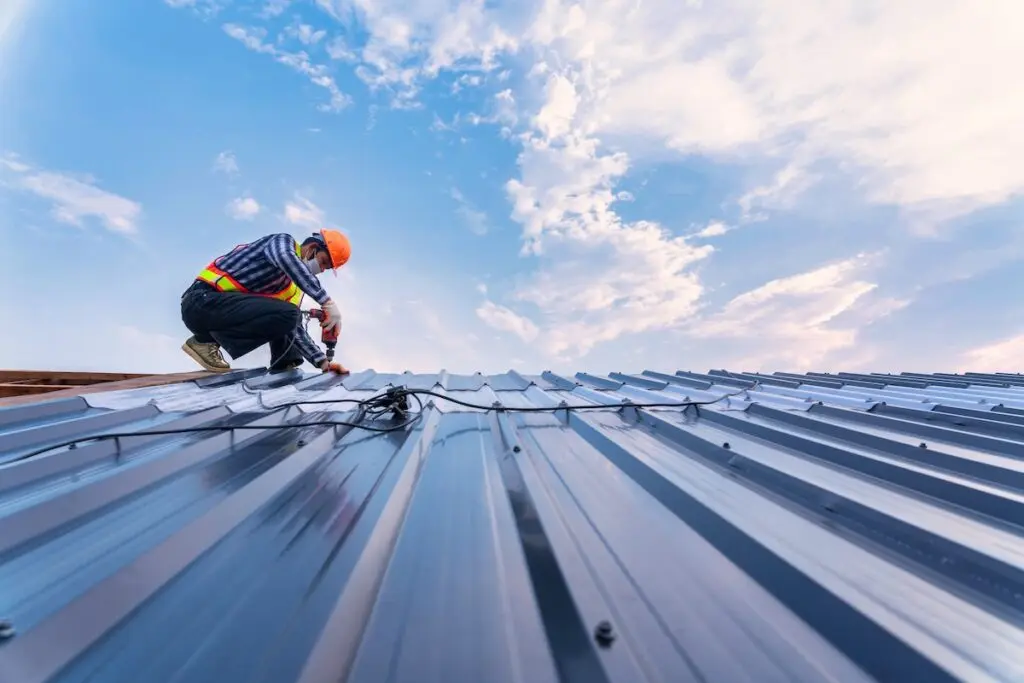
IV. Installation Quality
Even high-quality Galvalume steel roofing can fail early if it is installed incorrectly.
Common installation problems include:
- Over-tightened screws
- Loose fasteners
- Damaged washers
- Improper cutting
- Uncleaned metal filings
- Scratched coating
- Poorly sealed overlaps
- Incompatible accessories
- Direct contact with unsuitable metals
After cutting or drilling, metal filings should be removed from the roof surface. If these particles remain on the panel, they may rust and create stains or local corrosion.
V. Surface Finish and Paint System
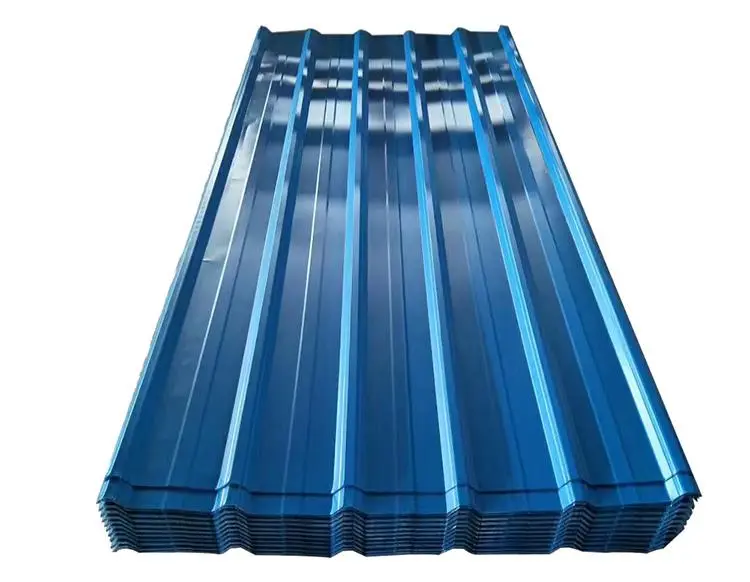
Galvalume roofing can be supplied in different surface types, including bare Galvalume, acrylic-coated Galvalume, and pre-painted Galvalume.
| Surface Type | Main Advantage | Suitable Applications |
| Bare Galvalume | Metallic appearance and strong corrosion resistance | Industrial roofs, warehouses, agricultural buildings |
| Acrylic-coated Galvalume | Improved handling and surface protection | Roofing and wall panels |
| Pre-painted Galvalume | Color options and better architectural appearance | Residential, commercial, and decorative roofing |
For architectural projects, the paint system is especially important. Different coating systems, such as SMP or PVDF, may vary in color retention, chalking resistance, weatherability, and cost.
VI. Maintenance
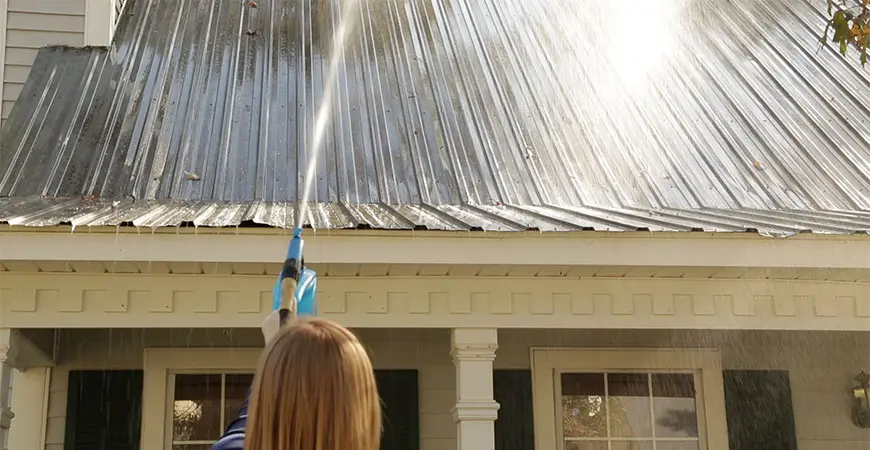
Galvalume steel roofing is low maintenance, but it is not completely maintenance-free. Regular inspection and cleaning can help extend roof life.
Recommended maintenance includes:
- Remove leaves, branches, and dirt from the roof
- Keep gutters and downspouts clear
- Check fasteners and washers regularly
- Inspect flashing, ridge caps, and overlaps
- Repair scratches or coating damage early
- Check the roof after storms, hail, or strong winds
- Avoid harsh chemical cleaners
Small problems should be repaired as early as possible before they become leaks or corrosion issues.
Galvalume vs Galvanized Roofing Lifespan
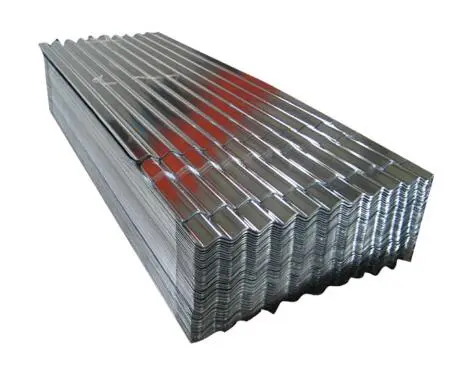
Galvalume and galvanized steel are both coated steel materials, but their coating systems are different.
Galvanized steel is coated mainly with zinc, while Galvalume steel uses an aluminum-zinc-silicon alloy coating. Because of this difference, Galvalume often provides stronger long-term corrosion resistance in many roofing environments.
| Item | Galvalume Roofing | Galvanized Roofing |
| Coating Type | Aluminum-zinc-silicon alloy | Zinc coating |
| Corrosion Resistance | Strong long-term resistance | Good basic protection |
| Typical Roofing Lifespan | Often 40–60 years | Usually shorter in many roofing environments |
| Best Use | Roofing, siding, long-life building panels | General steel applications and budget projects |
| Appearance | Metallic spangle or painted finish | Zinc-coated surface or painted finish |
| Cost | Usually higher than galvanized | Usually more economical |
For long-term roofing projects, Galvalume is often a better choice. For some budget-sensitive or general applications, galvanized steel may still be suitable.
Signs That a Galvalume Roof May Need Repair
Although Galvalume roofing has a long service life, regular inspection is still necessary. A roof may need repair if the following signs appear:
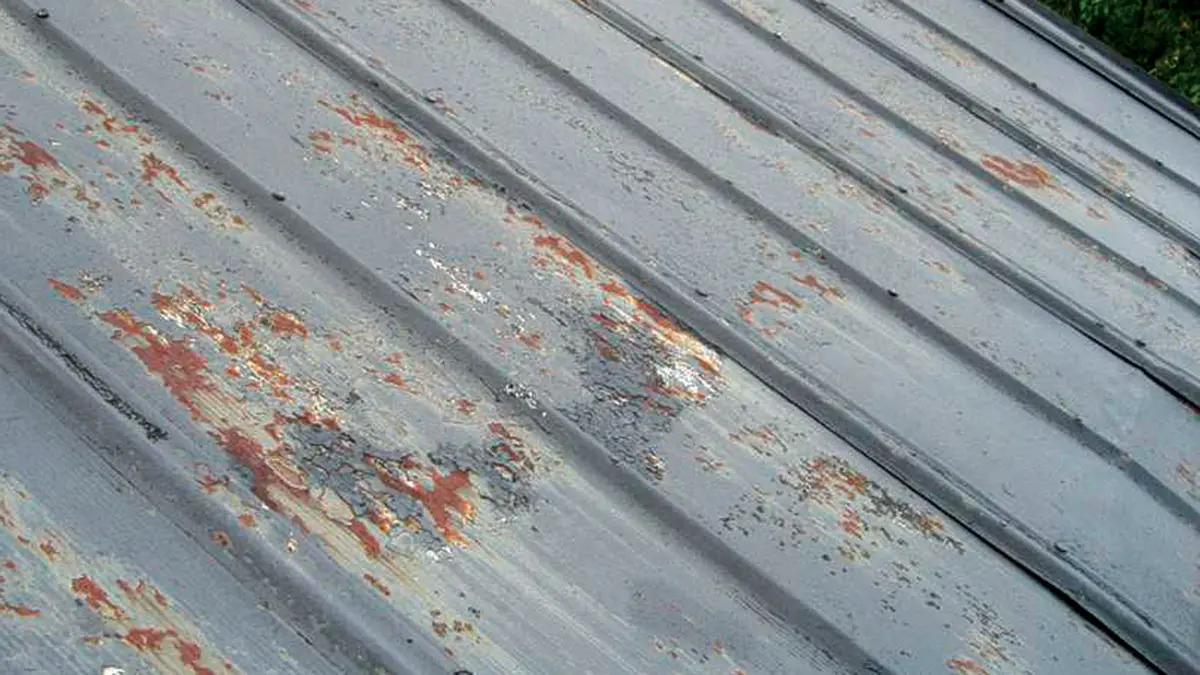
- Visible red rust
- Water leakage
- Loose or missing screws
- Damaged washers
- Failed sealant
- Scratched or exposed steel substrate
- Severe dents from hail or impact
- Panel deformation
- Blocked gutters
- Paint peeling, chalking, or fading
These issues do not always mean the entire roof must be replaced. In many cases, early repair can extend the roof’s service life and prevent larger problems.
How to Extend the Lifespan of Galvalume Steel Roofing
To help a Galvalume roof last longer, buyers, contractors, and building owners should focus on both material selection and long-term maintenance.
Practical Tips
- Choose the right coating weight for the project environment.
- Use compatible fasteners, screws, washers, and flashing.
- Avoid direct contact with incompatible metals.
- Make sure the roof has proper slope and drainage.
- Clean the roof and gutters regularly.
- Inspect the roof after severe weather.
- Repair scratches, loose fasteners, or sealant failure quickly.
- Confirm warranty terms before purchasing.
A Galvalume roof is a long-term investment. Choosing a slightly better specification at the beginning may reduce maintenance costs and replacement risks later.
Buying Tips for Long-Lasting Galvalume Roofing
When purchasing Galvalume steel roofing, buyers should not only compare price. A reliable supplier should provide complete technical information and help recommend suitable specifications for different environments.
Here is a useful purchasing checklist:
| Item to Check | Why It Matters |
| Coating designation | Affects corrosion resistance and warranty |
| Steel thickness | Affects strength, rigidity, and wind resistance |
| Surface finish | Determines appearance and protection level |
| Paint system | Important for color retention and weather resistance |
| Standards | Helps confirm product quality and compliance |
| Warranty | Shows expected performance under specific conditions |
| Packaging | Important for export transportation and storage |
| Supplier experience | Helps reduce specification and installation risks |
Buyers should ask the supplier for:
- AZ50, AZ55, or AZ60 options
- Base metal thickness
- Total coated thickness
- Coil width or panel size
- Surface treatment
- Paint type and color options
- Test reports
- Export packaging details
- Project-based recommendations
FAQs About Galvalume Steel Roofing Lifespan
How long does Galvalume steel roofing usually last?
Galvalume steel roofing usually lasts around 40 to 60 years, depending on coating quality, local environment, installation quality, roof design, and maintenance.
Is Galvalume roofing better than galvanized roofing?
For many roofing applications, Galvalume provides better long-term corrosion resistance than galvanized steel because it combines aluminum barrier protection with zinc sacrificial protection.
Can Galvalume roofing be used near the ocean?
Galvalume roofing can be used in some coastal projects, but the specification must be selected carefully. Salt exposure can accelerate corrosion, so buyers should confirm coating weight, paint system, warranty limits, and maintenance requirements.
Does painted Galvalume last longer than bare Galvalume?
Painted Galvalume can provide additional surface protection and better appearance, but its performance depends on the substrate, paint system, environment, and maintenance.
What is the most important factor in Galvalume roof lifespan?
The most important factors include coating weight, environmental exposure, installation quality, roof drainage, and maintenance. No single factor determines the lifespan alone.
Conclusion
Galvalume steel roofing is a durable and cost-effective roofing material with a typical service life of 40 to 60 years under suitable conditions. Its aluminum-zinc-silicon coating provides strong corrosion resistance, making it suitable for residential, commercial, industrial, and agricultural buildings.
However, the actual lifespan of a Galvalume roof depends on more than just the material itself. Coating weight, climate, installation quality, drainage design, surface finish, and maintenance all play important roles.
For buyers, the key is not only asking “How long does Galvalume steel roofing last?” but also confirming whether the selected product is suitable for the project environment.
If you are sourcing Galvalume steel roofing sheets for residential, commercial, industrial, or agricultural projects, work with an experienced supplier who can provide proper coating options, thickness specifications, surface finishes, technical support, and export-ready packaging. A properly selected Galvalume roofing system can deliver reliable protection, long-term performance, and excellent value over decades.
About Weijunli Steel Supplier
Weijunli Steel is a professional wholesale steel supplier, providing Galvalume steel coils, galvanized steel coils, pre-painted steel coils, cold rolled steel, hot rolled steel, stainless steel, and other steel products for global customers.
As a Galvalume steel supplier, Weijunli Steel offers multiple coating options, thickness ranges, surface finishes, and steel specifications to meet different project requirements. Whether you need materials for residential roofing, commercial buildings, industrial warehouses, or large-scale construction projects, our team can help recommend suitable steel solutions based on application environment, corrosion resistance needs, and budget.