При выборе нержавеющей стали для глубокой вытяжки кухонной посуды материал должен выдерживать значительную пластическую деформацию, сохраняя при этом качество поверхности, стабильность размеров и механические характеристики.
Для большинства видов посуды, изготовленной методом глубокой вытяжки, Нержавеющая сталь марки 304 — это наиболее сбалансированный исходный вариант. Он сочетает в себе хорошую пластичность, формуемость, коррозионную стойкость, доступность и экономичность. Однако, Нержавеющая сталь марок 201 и 316 также может быть целесообразно для конкретных задач.
В качестве профессиональный поставщик нержавеющей стали, Компания «Weijunli Steel» отмечает, что такие факторы, как состояние материала, толщина, степень вытяжки, размер заготовки, инструмент и количество операций вытяжки, могут влиять на результаты производства.
Почему нержавеющая сталь подходит для глубокой вытяжки кухонной посуды?
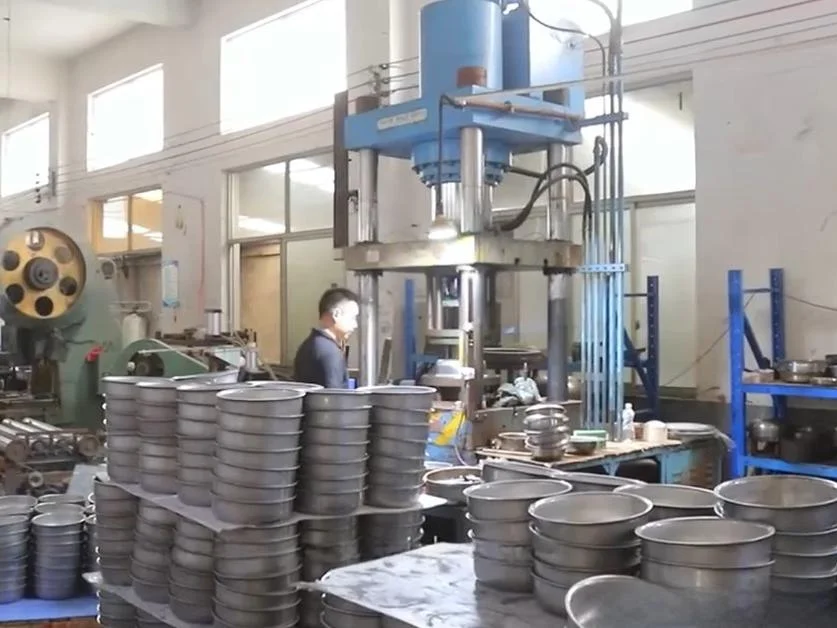
При глубокой вытяжке плоская заготовка из нержавеющей стали приобретает трехмерную форму путём вдавливания материала в матрицу. Этот процесс широко применяется при производстве кухонной посуды, такой как кастрюли, сковороды, миски и глубокие ёмкости.
Поэтому материал должен деформироваться без чрезмерного растрескивания, образования складок или повреждения поверхности.
Пластичность и относительное удлинение
Пластичность является одним из важнейших свойств материала при глубокой вытяжке. Пластичная нержавеющая сталь способна подвергаться значительной пластической деформации до момента разрушения.
Для производителей кухонной посуды хорошая пластичность позволяет материалу приспосабливаться к:
- Глубокие стенки кастрюли
- Переходы с закругленным дном
- Значительные изменения соотношения диаметра к глубине
- Несколько операций формовки
- Сложные геометрические формы кухонной посуды
Если материал не выдерживает требуемой деформации, в местах, подверженных высоким нагрузкам, может произойти разрыв.
Поведение при закаливании
Аустенитные нержавеющие стали могут подвергаться значительному упрочнению при деформации. По мере деформации материала его прочность увеличивается, а остаточная пластичность снижается.
Это приобретает особую важность при производстве глубокой посуды, изготовление которой требует нескольких этапов вытяжки. Материал, который хорошо поддается обработке на первом этапе, может стать более труднодеформируемым на последующих этапах.
Качество поверхности
Глубокая вытяжка — это не только предотвращение появления трещин. Кухонная посуда — это ещё и потребительский товар, который всегда находится на виду.
Поверхность из нержавеющей стали должна выдерживать волочение и последующие операции, такие как обрезка, полировка и финишная обработка, без появления чрезмерных царапин, следов или других дефектов.
Именно поэтому покупателям следует учитывать оба этих фактора механические свойства и состояние поверхности при закупке нержавеющей стали для производства кухонной посуды.
Какая марка нержавеющей стали лучше всего подходит для глубокой вытяжки кухонной посуды?
Три марки, имеющие наибольшее отношение к данному обсуждению, — это 201, 304 и 316.
| Марка нержавеющей стали | Пригодность к глубокой вытяжке | Устойчивость к коррозии | Типичные способы использования кухонной посуды |
|---|---|---|---|
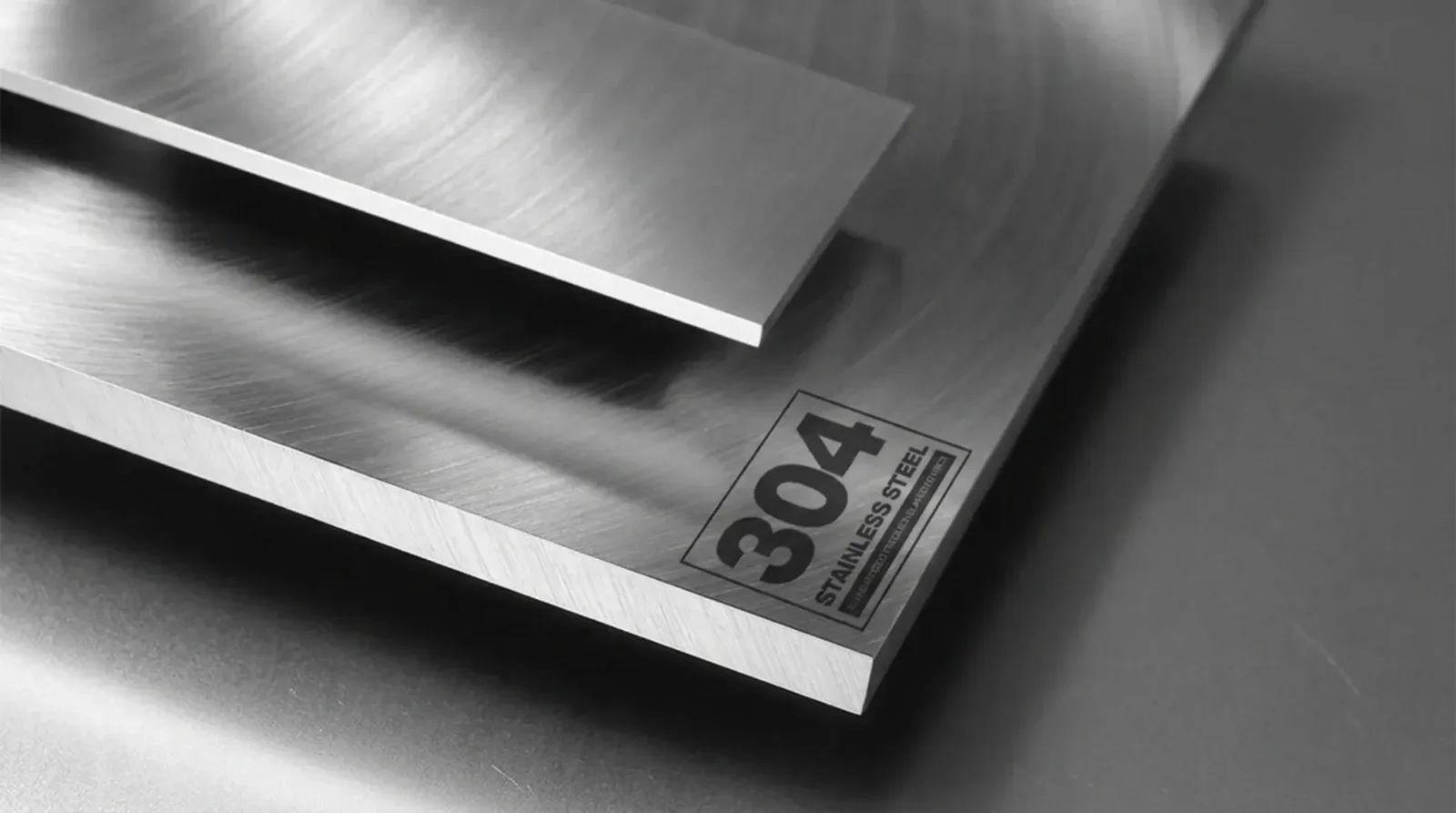
| 304 | От «очень хорошо» до «отлично» | Высокий | Посуда общего назначения и премиум-класса |
| 201 | Подходит для определённых областей применения | Умеренный | Экономичная посуда |
| 316 | Хорошо | Очень высокий | Специализированные приложения |
Для большинства производителей кухонной посуды, Нержавеющая сталь марки 304 — это наиболее практичный вариант для начала.
Это не означает, что сталь марки 304 автоматически является лучшим выбором для любого изделия. Напротив, она обеспечивает оптимальный баланс между технологичностью формовки, коррозионной стойкостью, доступностью материала и общей экономичностью производства.
Почему нержавеющая сталь марки 304 широко используется для производства посуды, изготовленной методом глубокой вытяжки
Нержавеющая сталь марки 304 широко используется в производстве кухонной посуды и в сфере пищевой промышленности, поскольку обладает набором свойств, подходящих как для производства, так и для конечного использования.
Хорошая пластичность и формуемость
Сталь марки 304, как правило, обладает хорошей пластичностью и формуемостью, что позволяет использовать её для выполнения стандартных операций по формовке кухонной посуды, таких как:
- Глубокий рисунок
- Растяжка
- Сгибание
- Обрезка
- Несколько этапов формовки
Благодаря этому данное решение подходит для производителей, выпускающих посуду различной формы, а не один стандартизированный вид продукции.
Поэтому для нового производителя кухонной посуды выбор стали марки 304 может обеспечить большую гибкость при разработке различных моделей кастрюль и сковородок.
Хорошая коррозионная стойкость
Посуда регулярно подвергается воздействию воды, соли, пищевых кислот, чистящих средств и многократной мойки.
Сталь марки 304 обладает хорошей коррозионной стойкостью в большинстве таких сред, благодаря чему она подходит для изготовления кухонной посуды повседневного использования.
Кроме того, его коррозионная стойкость позволяет производителям достичь оптимального баланса между долговечностью изделия и стоимостью материала, не прибегая к использованию более дорогостоящих марок, таких как 316.
Подходит для посуды различных форм и конструкций
Сталь марки 304 может использоваться для изготовления многих изделий, полученных методом глубокой вытяжки, в том числе:
- Кастрюли
- Кастрюли для соусов
- Кастрюли
- Глубокие контейнеры
- Чаши
- Другая кухонная посуда из нержавеющей стали
Эта широкая сфера применения является одной из причин, по которой марку 304 обычно выбирают производители, работающие с поставщик посуды из нержавеющей стали.
Широкая доступность поставок
Сталь марки 304 также привлекательна с коммерческой точки зрения, поскольку она широко представлена на рынке в различных вариантах толщины, ширины, отделки поверхности и форм изделий.
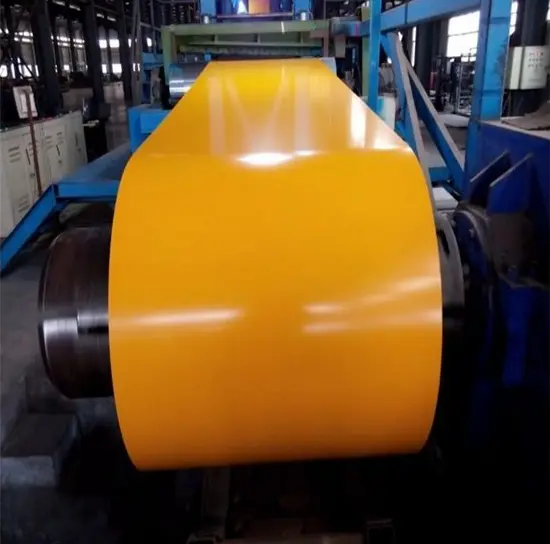
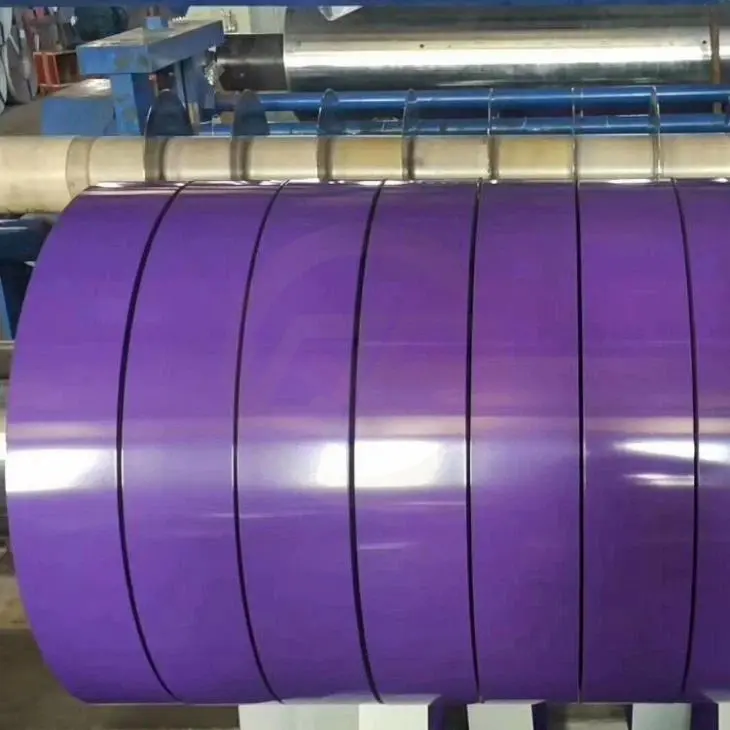
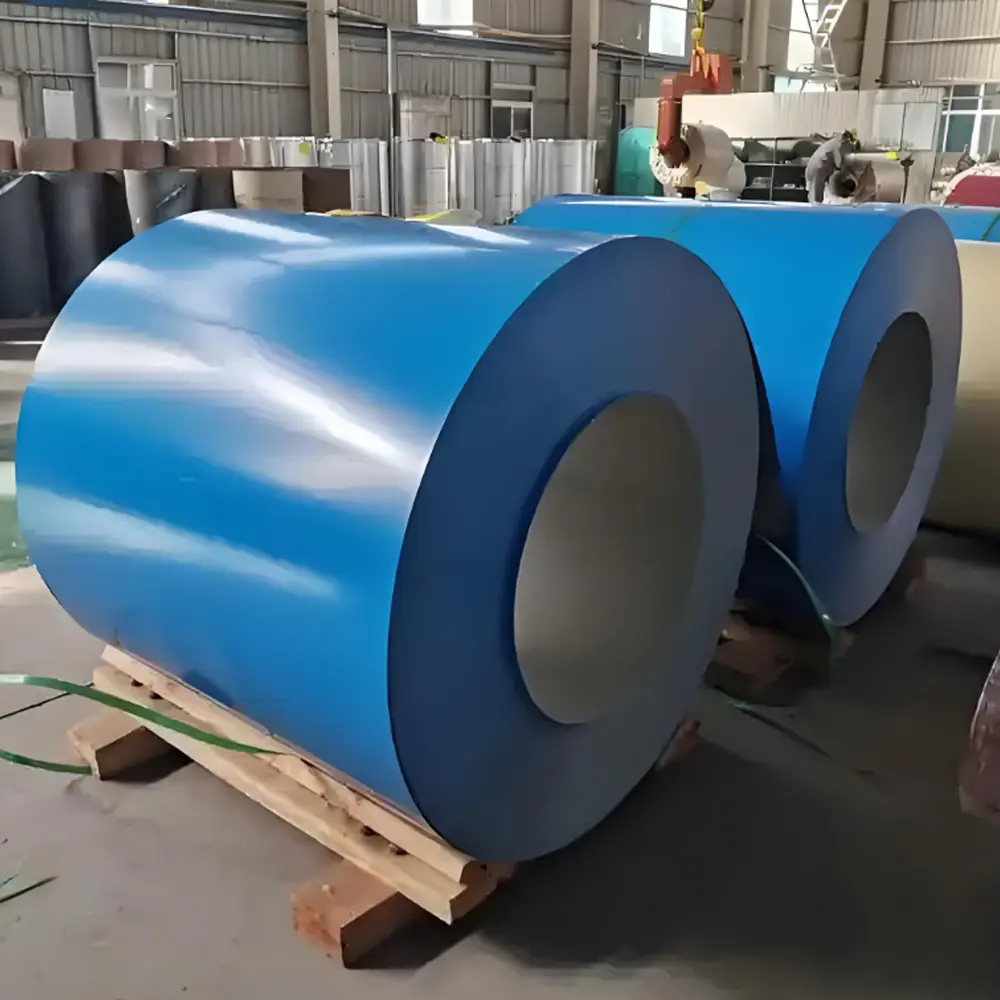
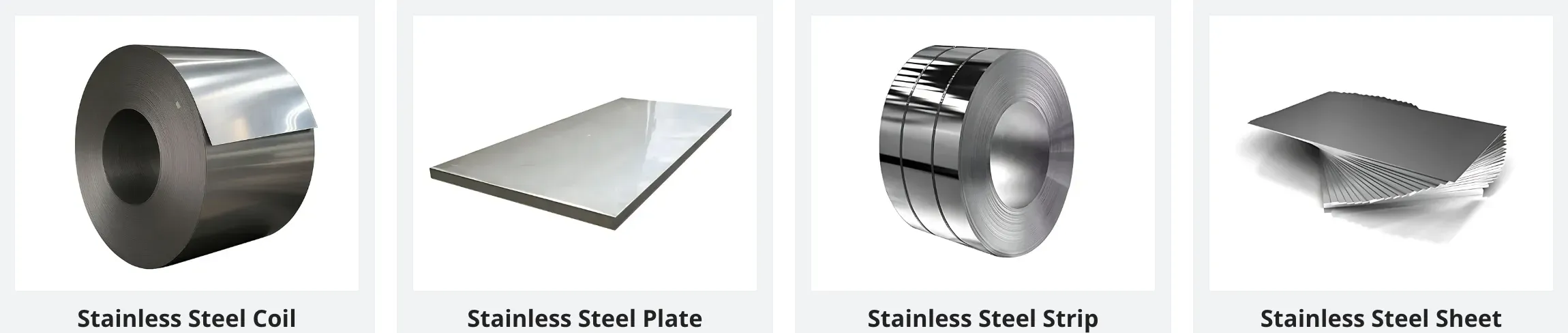
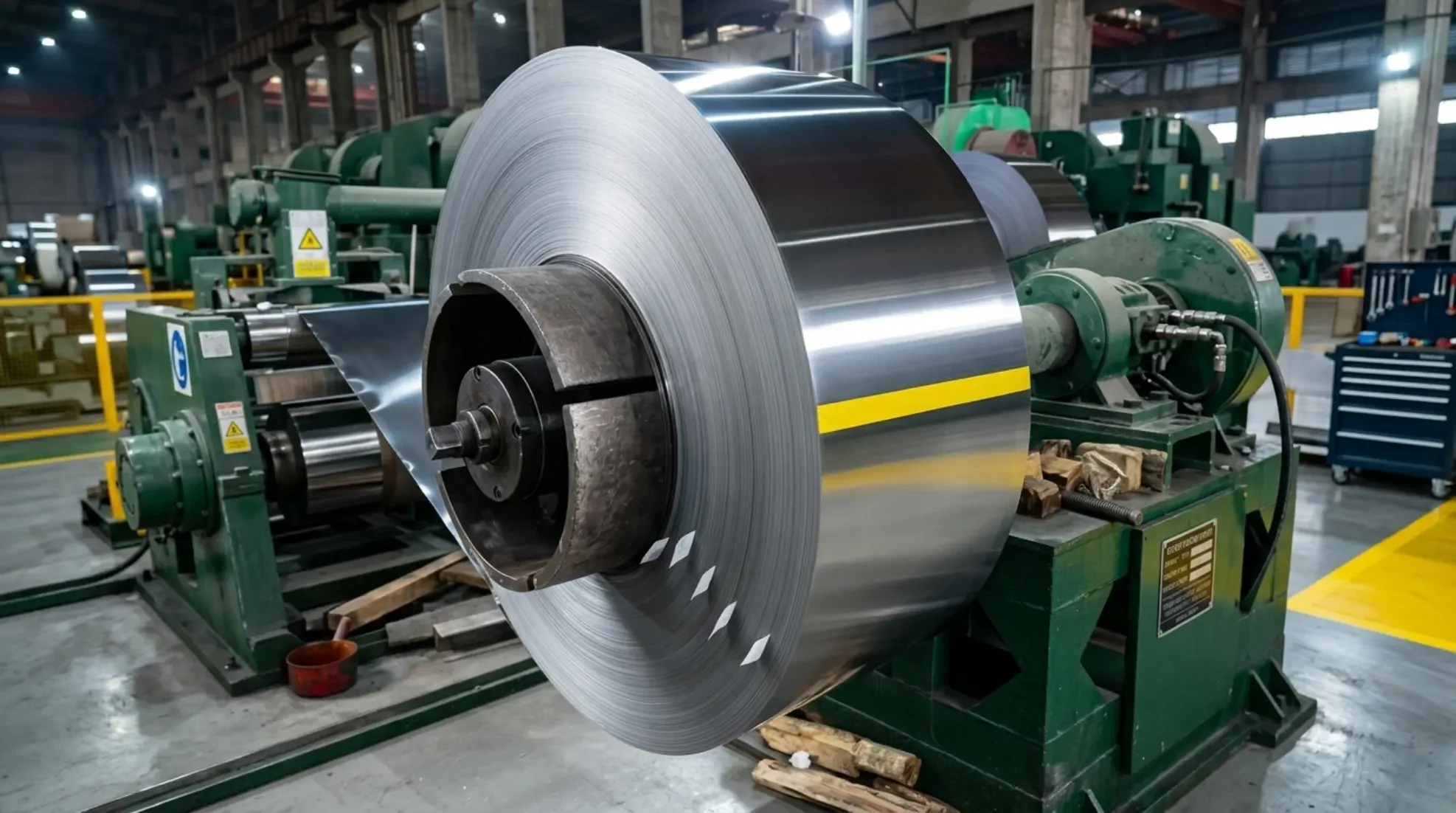
Производители могут приобретать его в виде рулонов или листов из нержавеющей стали в зависимости от своего производственного процесса.
При массовом производстве кухонной посуды рулонный прокат позволяет организовать автоматическую вырубку заготовок и непрерывное производство. Листовой прокат обеспечивает большую гибкость при изготовлении небольших партий или заготовок различных размеров.
Можно ли использовать нержавеющую сталь марки 201 для глубокой вытяжки кухонной посуды?
Да. Нержавеющая сталь марки 201 может использоваться для изготовления некоторых видов посуды, изготовленной методом глубокой вытяжки, однако её не следует рассматривать как прямую замену стали марки 304 во всех случаях.
Модель 201 часто выбирают в тех случаях, когда стоимость материала является важным фактором при покупке.
Когда число 201 может иметь смысл
Модель 201 может подойти для:
- Экономичная посуда
- Относительно простые формы
- Требования к контролируемому формованию
- Условия эксплуатации с умеренной нагрузкой
- Продукты, для которых требуется умеренная коррозионная стойкость
Для некоторых конструкций кухонной посуды сталь марки 201 может обеспечить приемлемый баланс между стоимостью материала и технологическими характеристиками.
На что следует обратить внимание покупателям
Главный фактор заключается в том, что сталь марки 201, как правило, обладает более низкой коррозионной стойкостью, чем сталь марки 304, особенно в более агрессивных средах.
Покупателям также следует обратить внимание на фактические свойства материала и требования к формовке. Сложная конструкция, требующая глубокой вытяжки, может предъявлять к материалу значительно более высокие требования, чем неглубокая и относительно простая форма кухонной посуды.
Следовательно, 201 следует оценивать с учетом конкретного изделия и процесса формования, а не просто потому, что его цена ниже.
Является ли нержавеющая сталь марки 316 более подходящим материалом для посуды, изготовленной методом глубокой вытяжки?
Нержавеющая сталь марки 316 обладает более высокой коррозионной стойкостью, чем сталь марки 304, особенно в условиях, где существует риск воздействия хлоридов.
Преимущества марки 316
Модель 316 можно рассматривать в тех случаях, когда к посуде или оборудованию для переработки пищевых продуктов предъявляются следующие требования:
- Повышенная коррозионная стойкость
- Повышенная стойкость к хлоридсодержащим средам
- Условия оказания специализированных услуг
- Повышенные эксплуатационные характеристики материала в агрессивных средах
Почему для стандартной кухонной посуды, как правило, не требуется сталь марки 316
В случае стандартной бытовой посуды дополнительная коррозионная стойкость стали марки 316 может не оправдывать более высокую стоимость материала.
Сталь марки 304 зачастую обеспечивает более оптимальное соотношение цены и качества.
Следовательно, более высокая марка нержавеющей стали не всегда означает лучшие эксплуатационные характеристики посуды. Материал следует выбирать с учетом реальных условий эксплуатации и производственных требований.
Марка нержавеющей стали — лишь один из факторов, определяющих характеристики глубокой вытяжки
Даже если два производителя закупают нержавеющую сталь марки 304, результаты их производства могут значительно различаться.
Состояние материала
Состояние материала влияет на его формуемость.
К важным факторам, которые следует учитывать, относятся:
- Отпущенное состояние
- Твёрдость
- Механические свойства
- Стабильность партии
При выполнении сложных операций глубокой вытяжки покупатели не должны указывать только марку стали. Им также следует сообщить поставщику о предполагаемом виде формовки.
Толщина
Толщина влияет как на процесс формования, так и на конечные эксплуатационные характеристики посуды.
Это может повлиять на:
- Требуемое усилие натяжения
- Прочность стены
- Вес посуды
- Расход материалов
- Себестоимость продукции
- Конечная толщина стенки
Толщина, подходящая для неглубокой сковороды, может оказаться не самым удачным выбором для большой и глубокой кастрюли.
В рулонах или листах
Рулон из нержавеющей стали как правило, выгодно для:
- Массовое производство
- Автоматическое гашение
- Непрерывное производство
- Крупные регулярные заказы
Лист из нержавеющей стали может быть более подходящим для:
- Небольшие партии продукции
- Размеры гибких заготовок
- Менее автоматизированное производство
- Производители, которым требуются отдельные листы для изготовления изделий
Правильный формат во многом зависит от оборудования производителя и объема производства.
Как параметры глубокой вытяжки влияют на выбор нержавеющей стали
Коэффициент выпадения
Коэффициент вытяжки является ключевым фактором при определении степени интенсивности, с которой плоская заготовка должна быть преобразована в глубокую тару.
Для посуды с неглубоким дном может потребоваться относительно небольшая деформация, тогда как для глубокой кастрюли — значительно большая.
По мере увеличения глубины вытяжки всё большее значение приобретает формуемость материала.
Диаметр и форма заготовки
Заготовка должна содержать достаточно материала для формирования окончательной геометрии посуды без образования излишних отходов или деформации.
Неправильные размеры заготовки могут привести к:
- Разрыв
- Появление морщин
- Чрезмерное истончение
- Расточительство материалов
Поэтому выбор нержавеющей стали следует рассматривать в комплексе с конструкцией заготовки, а не отдельно от неё.
Количество операций черчения
Для изготовления очень глубокой или сложной посуды может потребоваться несколько этапов вытяжки.
Материал должен сохранять достаточную формуемость на протяжении всех этих операций. Чрезмерное упрочнение при деформации на ранней стадии может затруднить последующую формовку.
Это ещё одна причина, по которой перед началом производства необходимо проинформировать поставщика нержавеющей стали о состоянии материала и фактических требованиях к чертежам.
Распространенные проблемы при глубокой вытяжке и их причины, связанные с материалом
| Задача | Возможные причины, связанные с материалом или технологическим процессом |
|---|---|
| Разрыв | Недостаточная пластичность, чрезмерная степень вытяжки, плохая смазка |
| Появление морщин | Неправильное усилие прижима или чрезмерное сжимающее напряжение |
| Иринг | Анизотропия материала |
| Царапины на поверхности | Плохое состояние поверхности или инструмента |
| Чрезмерная упругая деформация | Прочность материала и деформационное упрочнение |
| Неравномерная толщина стенки | Отклонения в материалах или несоответствующий инструмент |
Важно отметить, что не все проблемы, возникающие при глубокой вытяжке, связаны с выбором неподходящего сорта нержавеющей стали.
На конечный результат могут влиять конструкция инструмента, смазка, размер заготовки, усилие прижима заготовки, скорость формовки и другие технологические параметры.
Как компания «Weijunli Steel» оказывает поддержку производителям кухонной посуды
Для новых производителей кухонной посуды выбор нержавеющей стали для глубокой вытяжки — это не просто вопрос выбора марки 201, 304 или 316. Материал также должен соответствовать конструкции посуды, процессу формовки, требованиям к толщине, качеству поверхности и объёму производства.
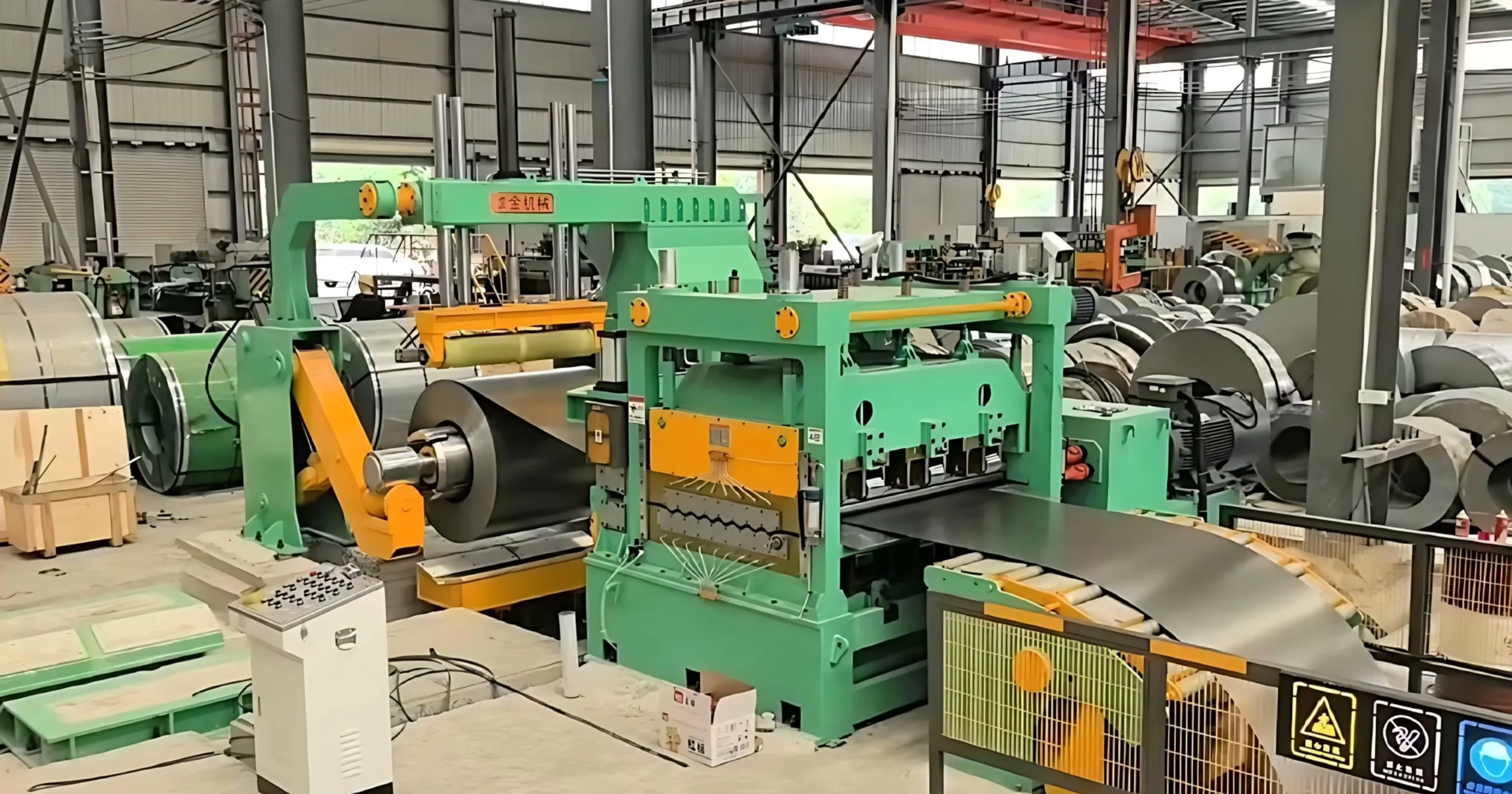
Как компания, базирующаяся в Китае поставщик нержавеющей стали, Компания «Weijunli Steel» оказывает поддержку производителям кухонной посуды и промышленным покупателям, поставляя нержавеющую сталь в соответствии с их фактическими производственными потребностями, а не просто рекомендуя тот или иной сорт, исходя из цены.
В число наших возможностей входят:
- Нержавеющая сталь марок 201 и 304
- Рулон из нержавеющей стали
- Лист из нержавеющей стали
- Различные значения толщины и ширины
- Варианты отделки поверхности
- Контроль качества материалов
- Оптовые поставки изделий из нержавеющей стали
- Поддержка экспорта
- Обмен спецификациями на основе приложений
Например, у производителя, выпускающего глубокотянутые кастрюли, требования к материалам могут отличаться от требований производителя, выпускающего неглубокие сковородки. Глубина вытяжки, диаметр изделия, толщина стенок, этапы формовки и требования к поверхности — все эти факторы могут повлиять на выбор подходящего сорта нержавеющей стали.
Работа с поставщик нестандартных изделий из нержавеющей стали позволяет обсудить эти требования до закупки материала. Это помогает покупателям избежать выбора марки, которая на бумаге кажется подходящей, но создает проблемы в ходе фактического производства.
Для массового производства кухонной посуды компания «Weijunli Steel» может поставлять рулоны из нержавеющей стали в соответствии с согласованными требованиями к толщине, ширине, качеству поверхности и количеству. Для небольших производственных партий или при необходимости гибкого выбора размеров продукции листы из нержавеющей стали могут обеспечить большую гибкость производства.
Для дистрибьюторов, импортеров и крупных покупателей компания «Weijunli Steel» также предоставляет оптовый поставщик изделий из нержавеющей стали поддержка планирования периодических потребностей в материалах, оптовых заказов и международных поставок.
Цель заключается не просто в поставке нержавеющей стали. Она заключается в том, чтобы помочь производителям кухонной посуды донести до потребителей свои фактические требования к формовке чтобы спецификация материала лучше соответствовала производственному процессу.
Заключение
Для большинства производителей кухонной посуды, начинающих производство изделий из нержавеющей стали, изготовленных методом глубокой вытяжки, Нержавеющая сталь марки 304 — это наиболее сбалансированный исходный вариант. Благодаря сочетанию пластичности, формуемости, коррозионной стойкости, доступности и низкой стоимости этот материал подходит для изготовления широкого спектра кухонной посуды.
Нержавеющая сталь марки 201 может рассматриваться в качестве варианта для отдельных видов продукции, где важна стоимость, при условии соответствия требований к формовке и условиям эксплуатации. Нержавеющая сталь марки 316 более целесообразно использовать в тех случаях, когда приложение действительно требует повышенной коррозионной стойкости.
Однако успех глубокой вытяжки зависит не только от марки нержавеющей стали. Состояние материала, толщина, форма поставки (рулон или лист), степень вытяжки, конструкция заготовки, инструмент, смазка и количество этапов вытяжки все это может повлиять на производительность производства.
Поэтому выбор подходящего сорта нержавеющей стали следует осуществлять с учетом конкретной конструкции посуды и технологического процесса глубокой вытяжки, а не исходя исключительно из марки или цены.