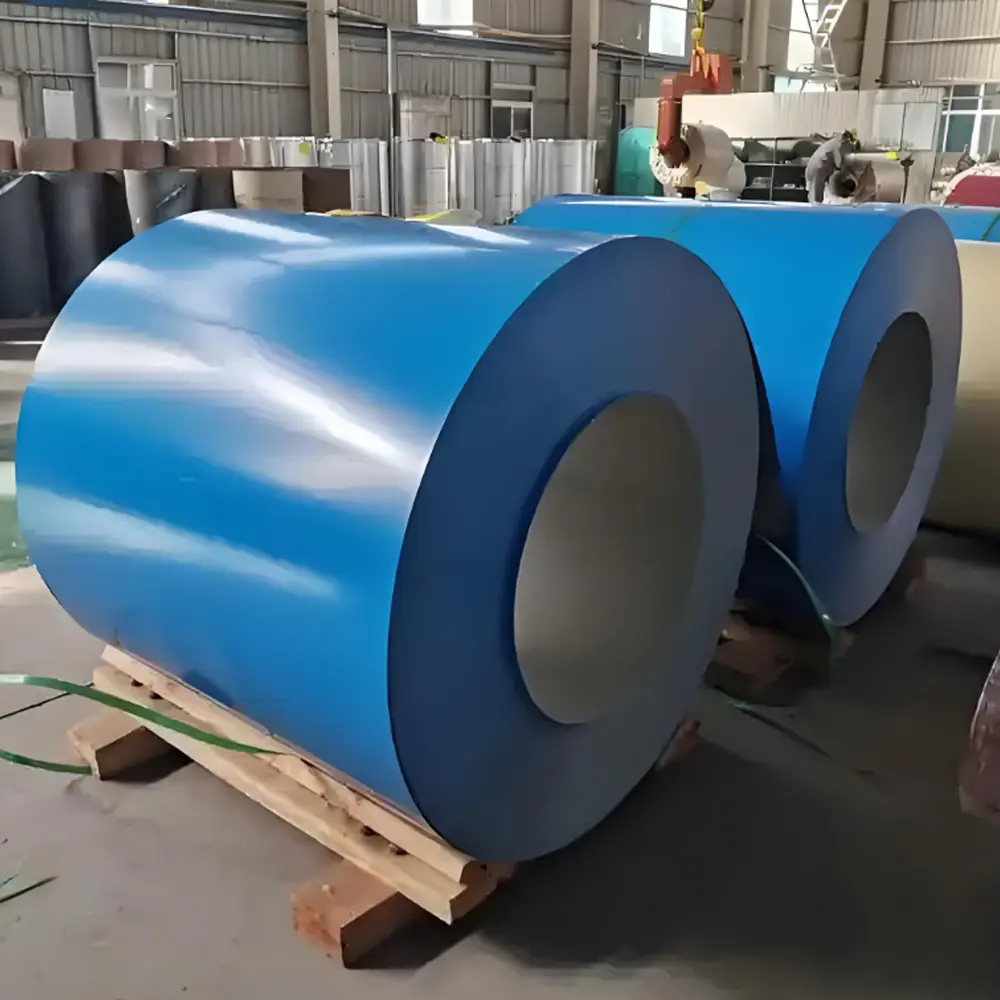
Lors du choix de l'acier inoxydable destiné à l'emboutissage profond d'ustensiles de cuisine, le matériau doit résister à une déformation plastique importante tout en conservant sa qualité de surface, sa stabilité dimensionnelle et ses performances mécaniques.
Pour la plupart des applications dans le domaine des ustensiles de cuisine emboutis, L'acier inoxydable 304 constitue le point de départ le plus équilibré. Il allie une bonne ductilité, une bonne formabilité, une bonne résistance à la corrosion, une bonne disponibilité et un coût avantageux. Cependant, Acier inoxydable 201 et 316 peut également convenir à certaines applications spécifiques.
En tant que fournisseur professionnel d'acier inoxydable, Weijunli Steel constate que des facteurs tels que l'état du matériau, l'épaisseur, le taux d'emboutissage, la taille de la flan, l'outillage et le nombre d'opérations d'emboutissage peuvent tous influencer les résultats de production.
Pourquoi l'acier inoxydable est-il adapté à l'emboutissage profond des ustensiles de cuisine ?
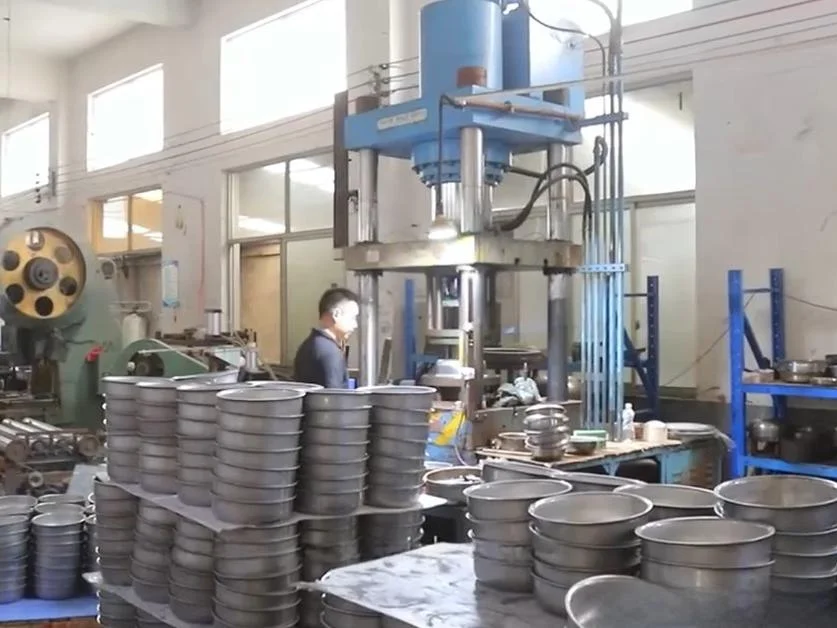
L'emboutissage profond consiste à donner une forme tridimensionnelle à une ébauche plate en acier inoxydable en enfonçant le matériau dans une matrice. Ce procédé est couramment utilisé pour la fabrication d'ustensiles de cuisine tels que les casseroles, les poêles, les bols et les récipients profonds.
Le matériau doit donc pouvoir se déformer sans présenter de fissures, de plis ou de dommages superficiels excessifs.
Ductilité et allongement
La ductilité est l'une des propriétés les plus importantes des matériaux pour l'emboutissage profond. Un acier inoxydable ductile peut subir une déformation plastique importante avant de céder.
Pour les fabricants d'ustensiles de cuisine, une bonne ductilité permet au matériau de s'adapter :
- Parois profondes
- Transitions à fond arrondi
- Variations importantes du rapport diamètre/profondeur
- Opérations de formage multiples
- Géométries complexes des ustensiles de cuisine
Si le matériau ne supporte pas la déformation requise, des déchirures peuvent apparaître au niveau des zones soumises à de fortes contraintes.
Comportement de durcissement par déformation
Les aciers inoxydables austénitiques peuvent subir un durcissement par déformation important lors du formage. À mesure que le matériau se déforme, sa résistance augmente tandis que sa formabilité résiduelle diminue.
Cela revêt une importance particulière lors de la fabrication d'ustensiles de cuisine profonds nécessitant plusieurs étapes d'emboutissage. Un matériau qui présente de bonnes performances lors de la première opération peut devenir plus difficile à former lors des opérations suivantes.
Qualité de surface
L'emboutissage profond ne sert pas uniquement à éviter les fissures. Les ustensiles de cuisine constituent également un produit de grande consommation très visible.
La surface en acier inoxydable doit résister à l'emboutissage et aux opérations ultérieures telles que le rognage, le polissage et la finition, sans présenter de rayures, de marques ou d'autres défauts excessifs.
C'est pourquoi les acheteurs devraient tenir compte à la fois de propriétés mécaniques et état de surface lors de l'achat d'acier inoxydable destiné à la fabrication d'ustensiles de cuisine.
Quelle nuance d'acier inoxydable est la mieux adaptée à l'emboutissage profond des ustensiles de cuisine ?
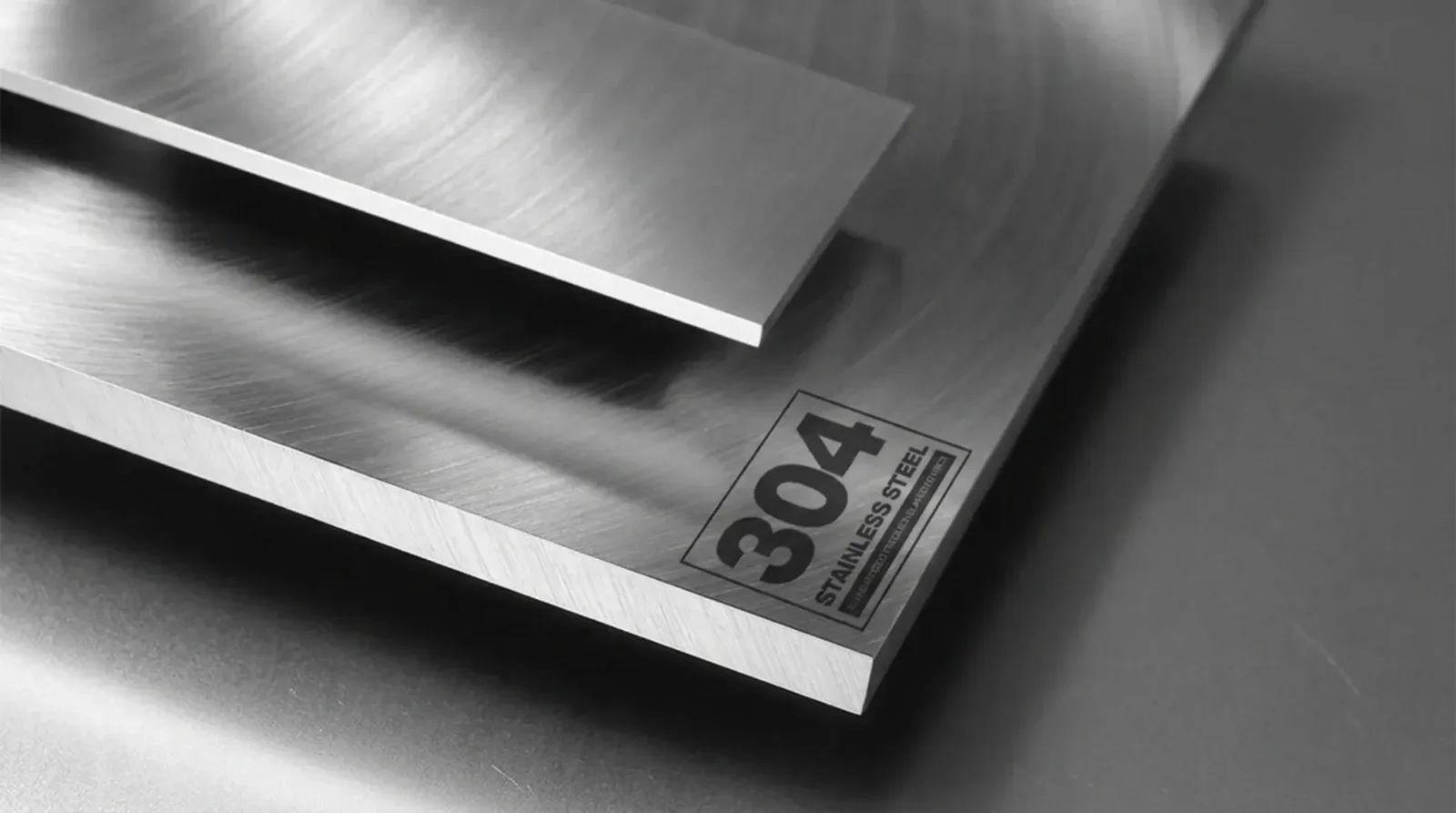
Les trois nuances les plus pertinentes dans le cadre de cette discussion sont les suivantes : 201, 304 et 316.
| Nuance d'acier inoxydable | Aptitude à l'emboutissage profond | Résistance à la corrosion | Utilisation courante des ustensiles de cuisine |
|---|---|---|---|
| 304 | Très bien à excellent | Haut | Ustensiles de cuisine classiques et haut de gamme |
| 201 | Convient à certaines applications | Modéré | Ustensiles de cuisine à prix abordable |
| 316 | Bon | Très élevé | Applications spécialisées |
Pour la plupart des fabricants d'ustensiles de cuisine, L'acier inoxydable 304 est le point de départ le plus pratique.
Cela ne signifie pas pour autant que l'acier 304 soit automatiquement le meilleur choix pour tous les produits. Il offre en revanche un excellent équilibre entre les performances de formage, la résistance à la corrosion, la disponibilité du matériau et la rentabilité globale de la production.
Pourquoi l'acier inoxydable 304 est-il si largement utilisé pour les ustensiles de cuisine emboutis ?
L'acier inoxydable 304 est largement utilisé dans la fabrication d'ustensiles de cuisine et dans les applications liées à l'alimentation, car il allie des propriétés qui conviennent aussi bien à la fabrication qu'à l'utilisation finale.
Bonne ductilité et bonne formabilité
L'acier 304 offre généralement une bonne ductilité et une bonne formabilité, ce qui lui permet de s'adapter aux opérations courantes de formage des ustensiles de cuisine, telles que :
- Dessin en profondeur
- Étirements
- Pliage
- Découpe
- Plusieurs étapes de formage
Cela en fait une solution adaptée aux fabricants qui produisent des ustensiles de cuisine de différentes formes plutôt qu'un seul produit standardisé.
Pour un nouveau fabricant d'ustensiles de cuisine, opter pour l'acier 304 peut donc offrir une plus grande flexibilité lors de la conception de différents modèles de casseroles et de poêles.
Bonne résistance à la corrosion
Les ustensiles de cuisine sont régulièrement exposés à l'eau, au sel, aux acides alimentaires, aux produits d'entretien et à des lavages répétés.
L'acier 304 offre une bonne résistance à la corrosion dans bon nombre de ces environnements, ce qui le rend adapté à une utilisation quotidienne dans le domaine des ustensiles de cuisine.
Sa résistance à la corrosion offre également aux fabricants un bon compromis entre la durabilité du produit et le coût des matériaux, sans qu'ils aient à opter directement pour une nuance plus onéreuse telle que la 316.
Convient à différents types d'ustensiles de cuisine
L'acier 304 peut être utilisé pour de nombreux produits emboutis, notamment :
- Marmites
- Casseroles
- Casseroles
- Conteneurs profonds
- Bols
- Autres ustensiles de cuisine en acier inoxydable
Cette grande polyvalence est l'une des raisons pour lesquelles l'acier 304 est souvent privilégié par les fabricants travaillant avec un fournisseur d'ustensiles de cuisine en acier inoxydable.
Large gamme de produits disponibles
L'acier 304 présente également un intérêt commercial, car il est largement disponible dans différentes épaisseurs, largeurs, finitions de surface et formes de produits.
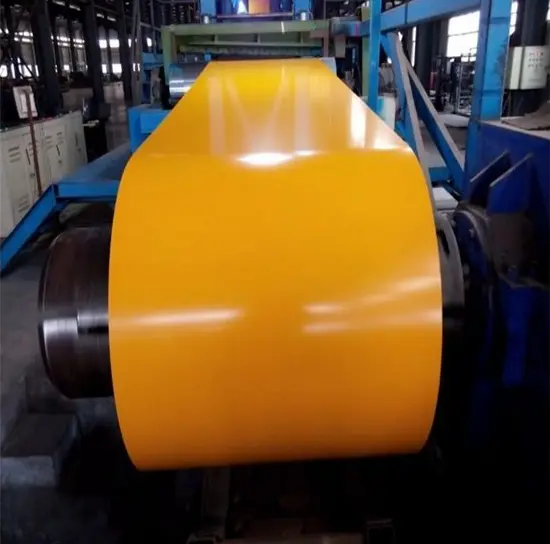
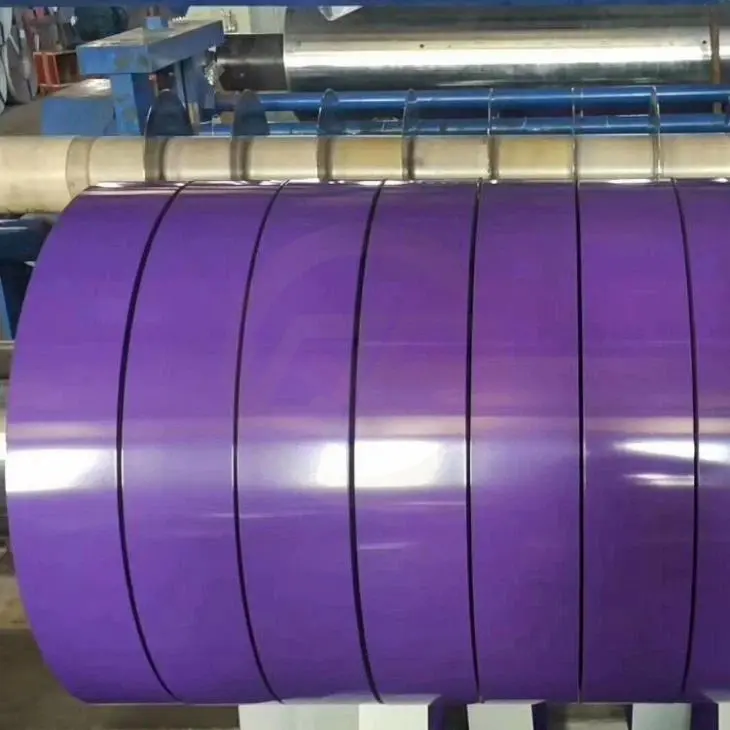
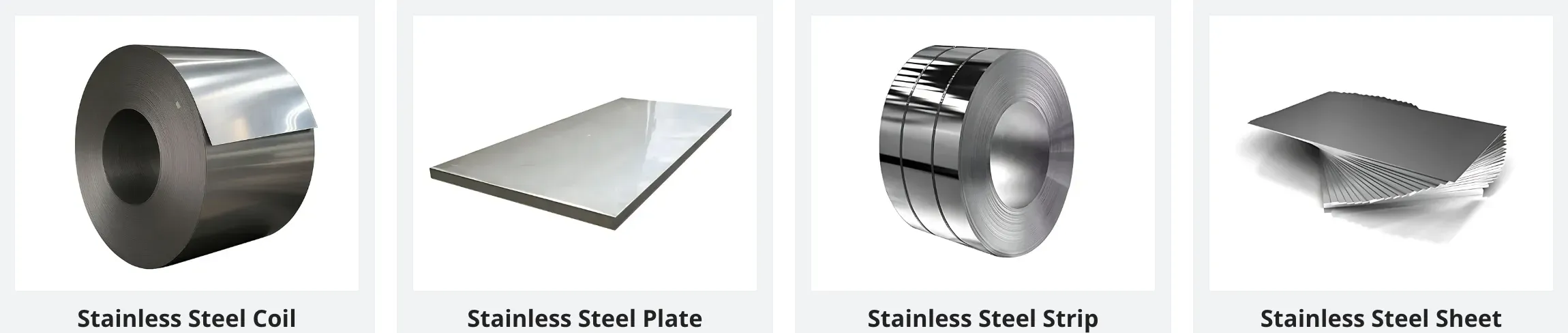
Les fabricants peuvent l'acheter sous forme de bobines ou de tôles en acier inoxydable, en fonction de leur processus de production.
Pour la production en grande série d'ustensiles de cuisine, la bobine permet un découpage automatisé et une production en continu. La tôle offre quant à elle une plus grande flexibilité pour les petits lots ou les découpes de dimensions variées.
L'acier inoxydable 201 peut-il être utilisé pour l'emboutissage profond d'ustensiles de cuisine ?
Oui. L'acier inoxydable 201 peut être utilisé pour certaines applications spécifiques d'ustensiles de cuisine emboutis, mais il ne doit pas être considéré comme un substitut direct de l'acier 304 dans toutes les applications.
Le modèle 201 est souvent envisagé lorsque le coût des matériaux constitue un facteur d'achat déterminant.
Quand le chiffre 201 peut avoir du sens
Le modèle 201 peut convenir pour :
- Ustensiles de cuisine à prix abordable
- Des formes relativement simples
- Exigences relatives au formage contrôlé
- Environnements d'exploitation peu exigeants
- Produits pour lesquels la résistance à la corrosion requise est modérée
Pour certains modèles d'ustensiles de cuisine, l'alliage 201 permet d'atteindre un équilibre satisfaisant entre le coût des matériaux et les performances de fabrication.
Ce que les acheteurs doivent surveiller
Il faut surtout garder à l'esprit que l'acier 201 offre généralement une résistance à la corrosion inférieure à celle de l'acier 304, en particulier dans des environnements plus exigeants.
Les acheteurs doivent également prêter attention à l'état réel du matériau et aux exigences de formage. Une conception nécessitant un emboutissage profond complexe peut imposer des contraintes nettement plus importantes au matériau qu'une forme d'ustensile de cuisine peu profonde et relativement simple.
Par conséquent, Le 201 doit être évalué en fonction du produit réel et du procédé de formage, plutôt que d'être choisi simplement parce que son prix d'achat est inférieur.
L'acier inoxydable 316 est-il plus adapté à la fabrication d'ustensiles de cuisine emboutis ?
L'acier inoxydable 316 offre une meilleure résistance à la corrosion que l'acier inoxydable 304, en particulier dans les environnements où l'exposition aux chlorures constitue un risque.
Avantages de l'acier 316
On peut envisager l'utilisation de l'acier 316 lorsque les ustensiles de cuisine ou les équipements de transformation alimentaire doivent répondre aux exigences suivantes :
- Meilleure résistance à la corrosion
- Meilleure résistance aux environnements contenant du chlorure
- Conditions générales de prestation de services spécialisés
- Meilleures performances du matériau dans des environnements agressifs
Pourquoi l'acier 316 n'est généralement pas nécessaire pour les ustensiles de cuisine classiques
Pour les ustensiles de cuisine courants, la résistance accrue à la corrosion de l'acier 316 ne justifie peut-être pas son coût plus élevé.
Le 304 offre souvent un meilleur rapport qualité-prix.
Par conséquent, une qualité supérieure d'acier inoxydable ne garantit pas automatiquement de meilleures performances pour les ustensiles de cuisine. Le choix du matériau doit être effectué en fonction de l'environnement d'utilisation réel et des exigences de production.
La nuance d'acier inoxydable n'est qu'un des facteurs déterminants des performances d'emboutissage profond
Même si deux fabricants achètent de l'acier inoxydable 304, leurs résultats de production peuvent varier considérablement.
État du matériel
L'état du matériau influe sur son comportement au formage.
Parmi les éléments importants à prendre en compte, on peut citer :
- État recuit
- Dureté
- Propriétés mécaniques
- Homogénéité des lots
Pour les opérations d'emboutissage profond exigeantes, les acheteurs ne doivent pas se contenter de préciser la nuance. Ils doivent également indiquer au fournisseur l'application de formage prévue.
Épaisseur
L'épaisseur influe à la fois sur le comportement au formage et sur les performances finales des ustensiles de cuisine.
Cela peut toucher :
- Force de traction requise
- Résistance des murs
- Poids des ustensiles de cuisine
- Consommation de matériaux
- Coût de production
- Épaisseur finale de la paroi
Une épaisseur adaptée à une poêle peu profonde n'est pas forcément le meilleur choix pour une grande marmite profonde.
Sous forme de bobines ou de tôles
Bobine en acier inoxydable est généralement avantageux pour :
- Production à grande échelle
- Suppression automatique
- Fabrication en continu
- Commandes récurrentes importantes
Tôle en acier inoxydable peut être plus adapté à :
- Petites séries de production
- Dimensions flexibles des flans
- Une production moins automatisée
- Fabricants ayant besoin de feuilles individuelles pour la fabrication
Le format approprié dépend en grande partie de l'équipement du fabricant et du volume de production.
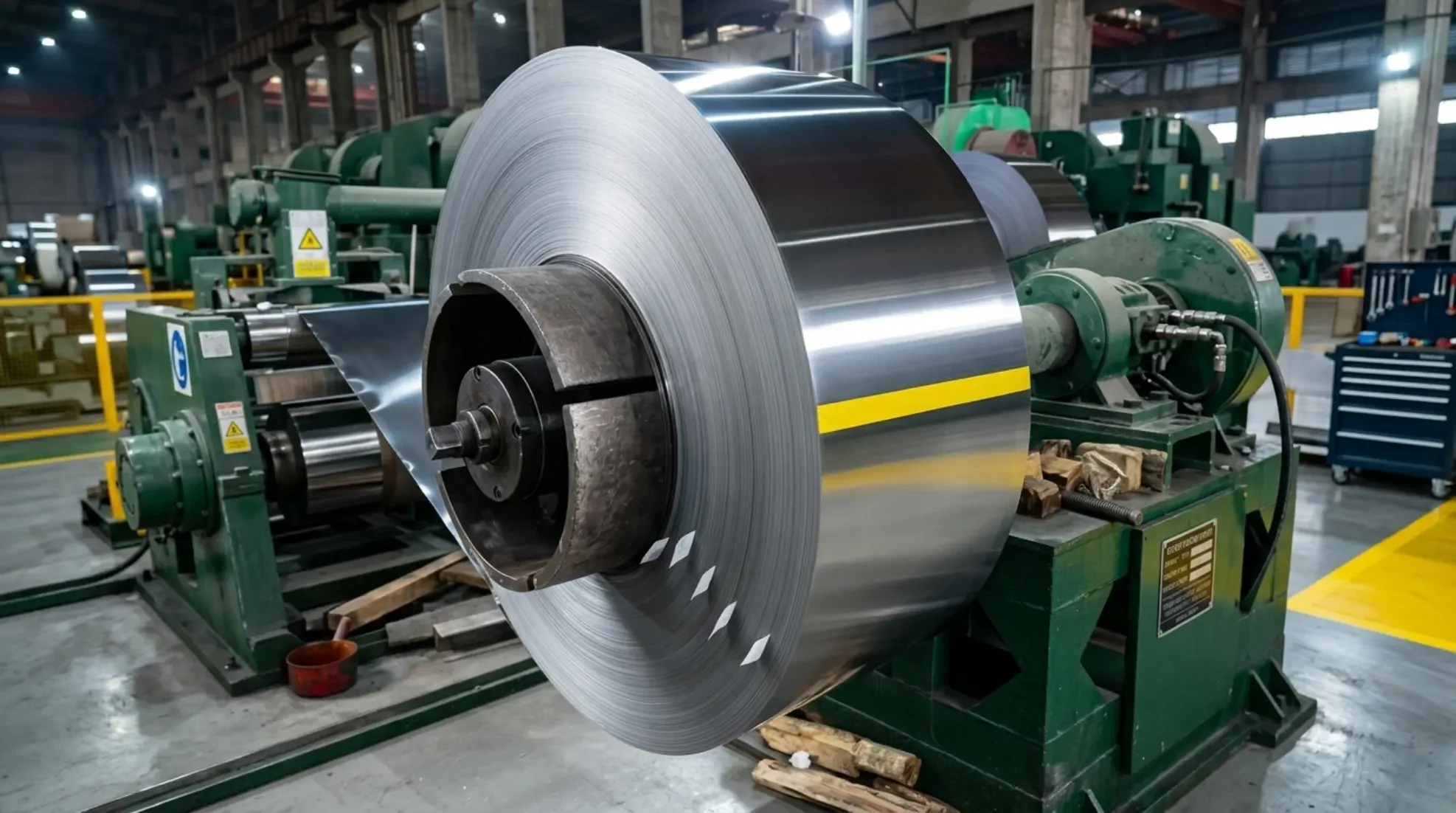
Influence des paramètres d'emboutissage profond sur le choix de l'acier inoxydable
Taux de tirage
Le taux d'emboutissage est un facteur déterminant pour établir dans quelle mesure une ébauche plate doit être transformée en un récipient profond.
Un plat peu profond peut ne nécessiter qu'une déformation relativement modeste, tandis qu'une marmite profonde peut en nécessiter une bien plus importante.
À mesure que la profondeur d'emboutissage augmente, la formabilité du matériau revêt une importance croissante.
Diamètre et forme de l'ébauche
L'ébauche doit fournir suffisamment de matière pour permettre d'obtenir la forme finale de l'ustensile de cuisine sans générer de déchets excessifs ni provoquer de déformation.
Des dimensions incorrectes des ébauches peuvent entraîner :
- Déchirure
- Formation de rides
- Éclaircissement excessif
- Gaspillage de matériaux
Par conséquent, le choix de l'acier inoxydable doit être envisagé en parallèle de la conception de l'ébauche, et non de manière indépendante.
Nombre d'opérations de dessin
Les ustensiles de cuisine très profonds ou complexes peuvent nécessiter plusieurs étapes de formage.
Le matériau doit conserver une formabilité suffisante tout au long de ces opérations. Un écrouissage excessif à un stade précoce peut compliquer les opérations de formage ultérieures.
C'est là une raison supplémentaire pour laquelle l'état du matériau et les exigences réelles en matière de tréfilage doivent être communiquées au fournisseur d'acier inoxydable avant le début de la production.
Problèmes courants liés à l'emboutissage profond et leurs causes liées aux matériaux
| Problème | Cause possible liée au matériau ou au procédé |
|---|---|
| Déchirure | Ductilité insuffisante, taux d'étirage excessif, lubrification insuffisante |
| Formation de rides | Force de maintien de l'ébauche inadaptée ou contrainte de compression excessive |
| Earing | Anisotropie des matériaux |
| Rayures de surface | Mauvais état de la surface ou de l'outillage |
| Retour élastique excessif | Résistance des matériaux et écrouissage |
| Épaisseur de paroi irrégulière | Variation du matériau ou outillage inadapté |
Il est important de noter que tous les problèmes liés à l'emboutissage profond ne sont pas nécessairement dus au choix d'une nuance d'acier inoxydable inadaptée.
La conception de l'outil, la lubrification, la taille de l'ébauche, la force d'appui, la vitesse de formage et d'autres paramètres du processus peuvent tous influencer le résultat final.
Comment Weijunli Steel accompagne les fabricants d'ustensiles de cuisine
Pour les nouveaux fabricants d'ustensiles de cuisine, le choix de l'acier inoxydable destiné à l'emboutissage profond ne se résume pas simplement à choisir entre les nuances 201, 304 ou 316. Le matériau doit également être adapté à la conception des ustensiles, au procédé de formage, aux exigences en matière d'épaisseur, à la finition de surface et au volume de production.
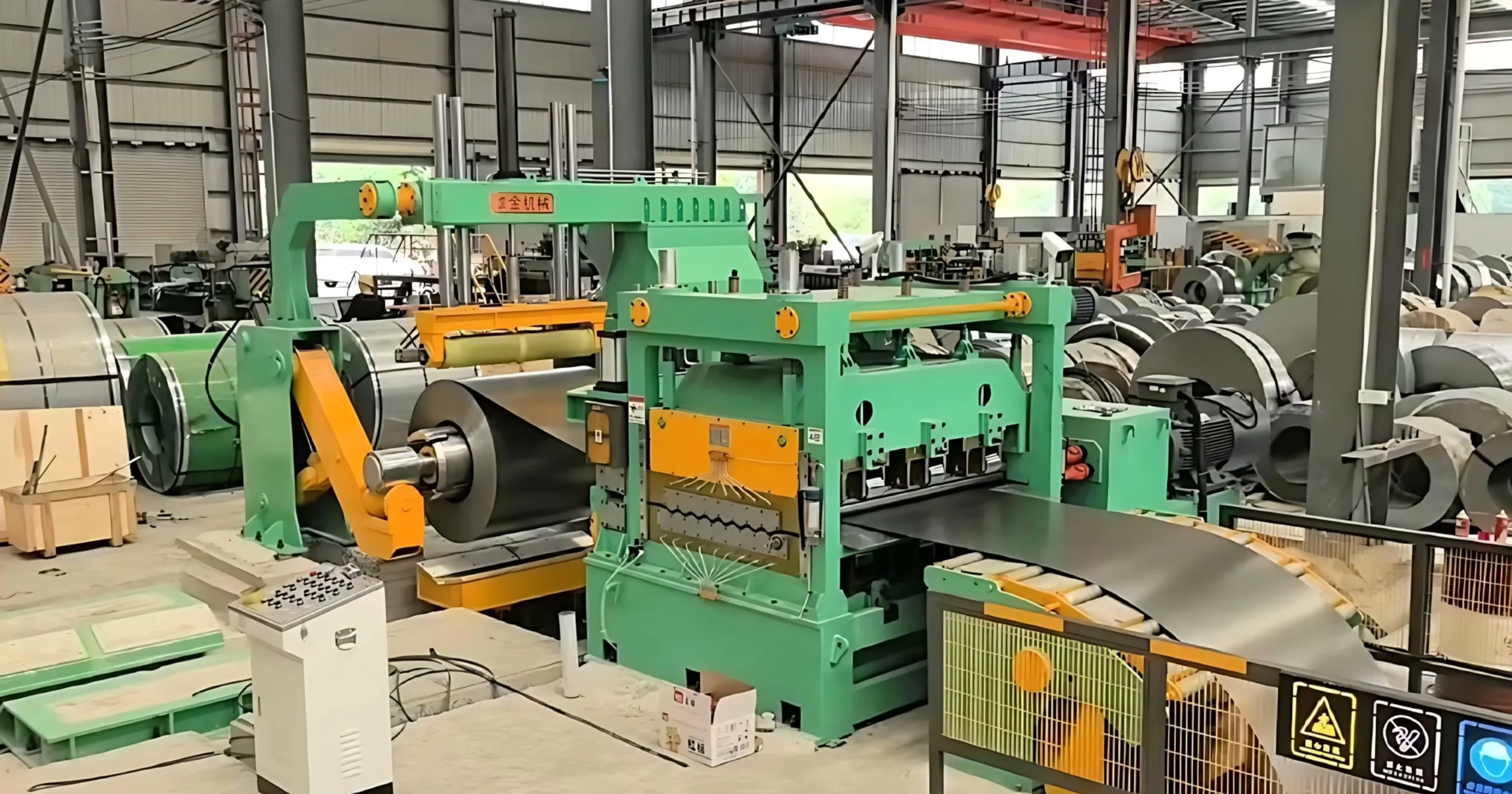
En tant qu'entreprise basée en Chine, fournisseur d'acier inoxydable, Weijunli Steel accompagne les fabricants d'ustensiles de cuisine et les acheteurs industriels en leur fournissant de l'acier inoxydable adapté à leurs besoins de production réels, plutôt que de se contenter de recommander une nuance en fonction du prix.
Nos compétences comprennent :
- Acier inoxydable 201 et 304
- Bobine en acier inoxydable
- Tôle en acier inoxydable
- Différentes spécifications d'épaisseur et de largeur
- Options de finition de surface
- Contrôle de la qualité des matériaux
- Fourniture en gros d'acier inoxydable
- Aide à l'exportation
- Communication des spécifications basée sur les applications
Par exemple, un fabricant de faitouts emboutis peut avoir des exigences en matière de matériaux différentes de celles d’un fabricant de poêles peu profondes. La profondeur d’emboutissage, le diamètre du produit, l’épaisseur de la paroi, les étapes de formage et les exigences relatives à la surface peuvent tous influencer le choix de la spécification d’acier inoxydable appropriée.
Travailler avec un fournisseur d'acier inoxydable sur mesure permet d'aborder ces exigences avant l'achat des matériaux. Cela aide les acheteurs à éviter de choisir une qualité qui semble adaptée sur le papier, mais qui pose des problèmes lors de la production proprement dite.
Pour la production en grande série d’ustensiles de cuisine, Weijunli Steel peut fournir des bobines d’acier inoxydable conformes aux spécifications convenues en matière d’épaisseur, de largeur, de finition de surface et de quantité. Pour les lots de production plus petits ou les dimensions de produits variables, la tôle d’acier inoxydable peut offrir une plus grande souplesse de production.
Pour les distributeurs, les importateurs et les acheteurs en gros, Weijunli Steel propose également fournisseur en gros d'acier inoxydable prise en charge des besoins récurrents en matériel, des commandes en gros et de l'approvisionnement international.
L'objectif n'est pas simplement de fournir de l'acier inoxydable. Il s'agit d'aider les fabricants d'ustensiles de cuisine à faire connaître leur exigences réelles en matière de formage afin que les spécifications des matériaux soient mieux adaptées au processus de production.
Conclusion
Pour la plupart des fabricants d'ustensiles de cuisine qui se lancent dans la production d'articles en acier inoxydable emboutis, L'acier inoxydable 304 constitue le point de départ le plus équilibré. Alliant ductilité, formabilité, résistance à la corrosion, disponibilité et coût, ce matériau convient à un large éventail d'applications dans le domaine des ustensiles de cuisine.
Acier inoxydable 201 peut être envisagé pour certains produits où le coût est un facteur déterminant, lorsque les exigences de formage et l'environnement d'utilisation s'y prêtent. acier inoxydable 316 est plus indiquée lorsque l'application nécessite réellement une meilleure résistance à la corrosion.
Cependant, la réussite de l'emboutissage profond ne dépend pas uniquement de la nuance d'acier inoxydable. État du matériau, épaisseur, format (bobine ou tôle), taux d'emboutissage, conception de la pièce brute, outillage, lubrification et nombre d'étapes d'emboutissage peuvent tous avoir une incidence sur les performances de production.
Il convient donc de choisir la spécification d'acier inoxydable appropriée en fonction de la conception réelle des ustensiles de cuisine et du procédé d'emboutissage profond, et non pas uniquement en fonction de la nuance ou du prix.