Многие проблемы, возникающие при производстве изделий из нержавеющей стали, берут свое начало не на этапе изготовления. Часто они возникают гораздо раньше — на этапе определения технических характеристик материала и его закупки.
Заказ на нержавеющую сталь может показаться правильным, если ориентироваться только на название продукта, однако отсутствие таких сведений, как марка, толщина, допуски, вид поверхности или механические требования, может привести к серьезным проблемам при производстве.
Для производителей выбор нержавеющей стали — это не просто выбор коррозионно-стойкого материала. Технические характеристики должны соответствовать конкретному производственному процессу и конечному назначению.
Независимо от того, приобретают ли покупатели рулоны, листы или плиты из нержавеющей стали, им необходимо четко определить требования, чтобы обеспечить стабильное качество продукции.
Weijunli Steel, компания, оптовый поставщик изделий из нержавеющей стали, в котором рассказывается о наиболее распространённых ошибках при определении технических характеристик нержавеющей стали и о том, как покупатели могут их избежать.
Ошибка 1: Выбор неподходящей марки нержавеющей стали для конкретного применения
Почему так важен выбор марки нержавеющей стали
Марки нержавеющей стали разработаны с учетом различных условий эксплуатации и производственных требований.
Хотя многие марки нержавеющей стали внешне похожи, их химический состав обусловливает существенные различия в:
- Устойчивость к коррозии
- Прочность
- Формуемость
- Характеристики сварки
- Термостойкость
Выбор неподходящего класса может привести к следующим проблемам:
- Преждевременная коррозия
- Растрескивание при формовании
- Неудовлетворительные результаты сварки
- Сокращение срока службы изделия
Например, марка стали, подходящая для общепромышленного производства, может не показать хороших эксплуатационных характеристик в морской среде или при использовании в химической промышленности.
К наиболее распространенным маркам нержавеющей стали относятся:
| Марка нержавеющей стали | Характеристики | Общие приложения |
|---|---|---|
| Нержавеющая сталь 304 | Сбалансированная коррозионная стойкость, хорошая формуемость, широкая доступность | Пищевое оборудование, кухонная утварь, общее металлообработка |
| Нержавеющая сталь 316 | Повышенная коррозионная и химическая стойкость благодаря содержанию молибдена | Морское оборудование, химическая промышленность, высокотехнологичные области применения |
| Нержавеющая сталь 430 | Магнитные свойства, хорошая стойкость к окислению, экономичность | Бытовая техника, индукционные панели, декоративные элементы |
Выбор подходящего класса зависит от конкретных условий эксплуатации и технологического процесса.
Опытный поставщик нержавеющей стали также может помочь покупателям убедиться, соответствует ли выбранный сорт их производственным требованиям.
Ошибка № 2: Выбор толщины нержавеющей стали без учета производственных требований
Почему толщина нержавеющей стали влияет на производительность производства
Толщина является одним из важнейших технических параметров нержавеющей стали, поскольку она напрямую влияет на:
- Преимущества продукта
- Вес материала
- Характеристики формования
- Припуск на механическую обработку
- Характеристики сварки
Выбор неправильной толщины может привести к двум противоположным проблемам:
Использование слишком тонкого материала может привести к:
- Недостаточная прочность
- Деформация в процессе эксплуатации
- Низкая долговечность
Использование слишком толстого материала может привести к следующим последствиям:
- Рост затрат на материалы
- Повышенная сложность прохождения
- Дополнительный вес изделия
Распространённые ошибки при выборе толщины
Для различных производственных процессов предъявляются разные требования к толщине.
| Производственный процесс | Вопросы, связанные с толщиной |
|---|---|
| Глубокий рисунок | Требуется соответствующая толщина и хорошая пластичность |
| Лазерная резка | Для обеспечения точности резки требуется стабильная толщина |
| Сварочные конструкции | Требуется контроль толщины для уменьшения деформации |
| Обработка на станках с ЧПУ | Требуется достаточный припуск на обработку |
Например, производителям кухонной посуды требуется нержавеющая сталь с соответствующей толщиной и технологичностью, поскольку чрезмерная твердость или неподходящая толщина могут привести к появлению трещин при глубокой вытяжке.
Производители промышленного оборудования, возможно, отдают приоритет прочности и конструктивной устойчивости.
Правильную толщину всегда следует определять исходя из конечного назначения, а не только исходя из стоимости материала.
Ошибка 3: Использование неверных допусков на нержавеющую сталь
Почему допуски на нержавеющую сталь имеют значение
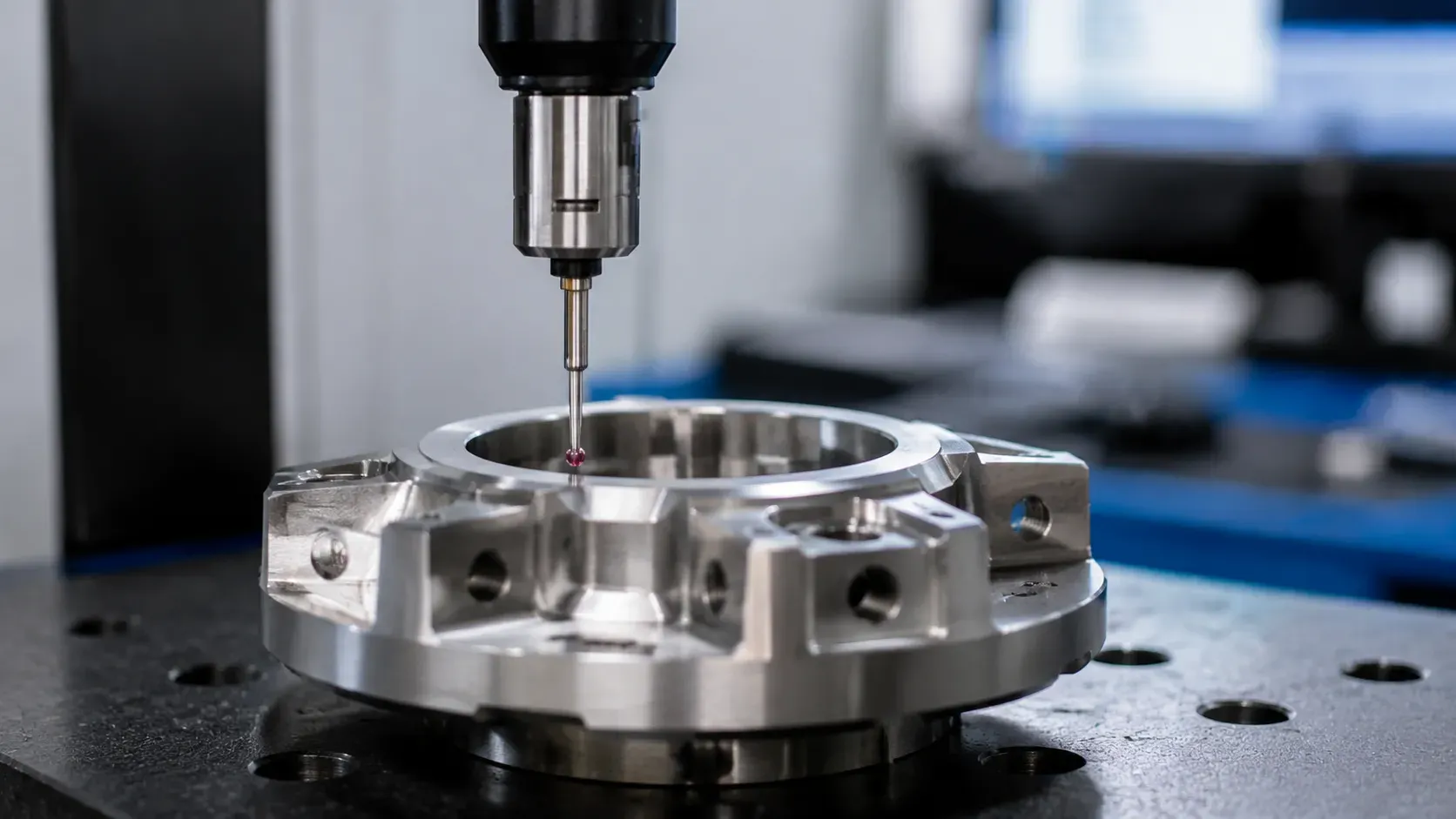
Допуск определяет допустимые отклонения размеров изделий из нержавеющей стали.
К важным факторам, влияющим на допуски, относятся:
- Допуск на толщину
- Допуск по ширине
- Допуск по длине
- Допуск на плоскостность
Хотя различия в допусках могут казаться незначительными, они могут существенно повлиять на эффективность производства.
Неправильный выбор допусков может привести к:
- Проблемы сборки
- Увеличение объема отходов резки
- Дополнительная механическая обработка
- Сложности в автоматизированном производстве
Использование стандартных допусков в прецизионных применениях
Такие отрасли, как:
- Прецизионное оборудование
- Электронные компоненты
- Автоматизированное оборудование
может потребовать более строгого контроля размеров.
Стандартный допуск может не обеспечить достаточной точности.
Запрос о введении чрезмерно высоких требований к допускам
Некоторые покупатели указывают чрезвычайно узкие допуски даже в тех случаях, когда это не требуется для их конкретного применения.
Это приводит к увеличению:
- Стоимость материалов
- Сложность производства
- Срок выполнения заказа
Правильный подход заключается в выборе допуска с учетом реальных производственных требований.
Ошибка № 4: Выбор вида отделки поверхности из нержавеющей стали без учета конечного назначения
Качество поверхности влияет как на внешний вид, так и на технологические характеристики.
К распространенным видам отделки из нержавеющей стали относятся:
| Завершить | Характеристики | Приложения |
|---|---|---|
| 2B | Гладкая промышленная поверхность с хорошей коррозионной стойкостью | Общее машиностроение, оборудование, промышленные детали |
| BA | Яркая светоотражающая поверхность | Бытовая техника, декоративные изделия |
| № 4 | Внешний вид с матовой поверхностью | Кухонное оборудование, архитектурные решения |
| № 8 | Зеркальная отражающая поверхность | Декоративные изделия премиум-класса |
Неправильный выбор вида отделки может привести к ненужным затратам на обработку.
Например:
Декоративные изделия из нержавеющей стали могут требовать высококачественной отделки, поскольку внешний вид поверхности напрямую влияет на восприятие клиентами.
Однако промышленные детали, скрытые внутри оборудования, могут потребовать лишь стандартной обработки поверхности 2B.
Неправильный выбор отделки может привести к следующим последствиям:
- Дополнительные операции по полировке
- Увеличение времени производства
- Более высокие затраты на переработку
Заказчики должны определять требования к поверхности в зависимости от назначения конечного изделия.
Ошибка № 5: Неучет требований к механическим свойствам нержавеющей стали
Почему механические свойства имеют значение
Нержавеющую сталь выбирают не только из-за её коррозионной стойкости.
Механические свойства также определяют, сможет ли материал успешно пройти производственные процессы.
К важным свойствам относятся:
- Прочность на разрыв
- Предел текучести
- Твёрдость
- Удлинение
На них влияют:
- Характеристики гибки
- Возможности штамповки
- Характеристики формования
- Несущая способность
Выбор механических свойств должен зависеть от области применения
Различные области применения требуют различных характеристик материала.
Области применения глубокой вытяжки
Примеры:
- Кухонная посуда
- Раковины из нержавеющей стали
- Прессованные детали
Обычно требуются:
- Большее удлинение
- Повышенная пластичность
- Стабильные эксплуатационные характеристики
Применение в строительстве
Примеры:
- Каркасы промышленного оборудования
- Тяжелые компоненты
Обычно требуются:
- Повышенная прочность
- Повышенная устойчивость к нагрузкам
Несоблюдение механических требований может привести к появлению трещин, деформации или сбоям в производстве.
Ошибка № 6: Неучёт требований к изготовлению изделий из нержавеющей стали
Требования к сварке
Характеристики нержавеющей стали при сварке зависят от:
- Класс материала
- Химический состав
- Толщина
- Метод сварки
К числу распространенных проблем при сварке относятся:
- Искажение
- Изменение цвета поверхности
- Сниженная коррозионная стойкость
Перед покупкой нержавеющей стали покупателям следует учитывать следующее:
- Метод сварки
- Воздействие высоких температур
- Требования к послесварочной обработке
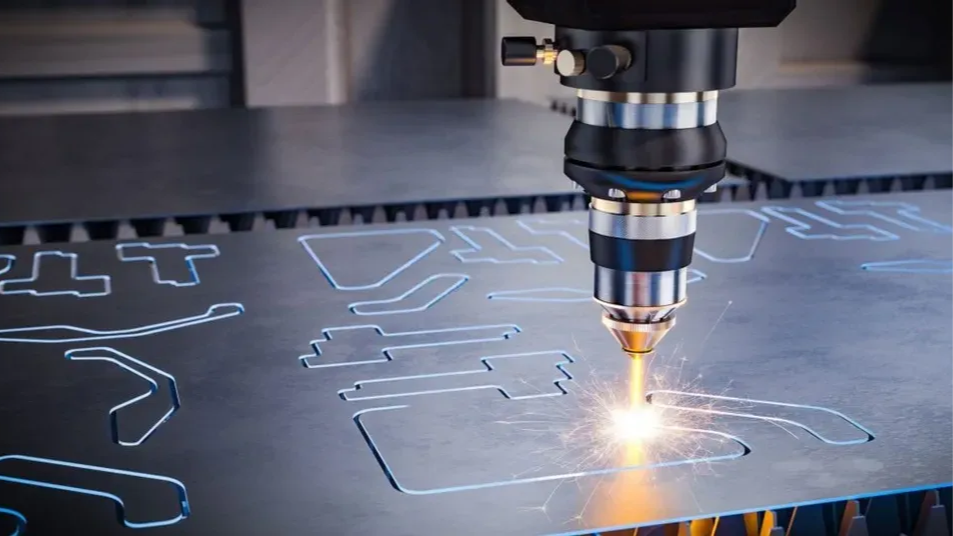
Требования к формовке и механической обработке
Перед выбором материалов производителям следует также учитывать особенности своих производственных процессов.
К важным факторам относятся:
- Процесс штамповки
- Требования к гибке
- Метод резки
- Требования к механической обработке
Материал, который хорошо себя показывает в одном технологическом процессе, может оказаться неподходящим для другого.
Например:
Марка нержавеющей стали с превосходной коррозионной стойкостью может не обладать наилучшими характеристиками при глубокой вытяжке.
Надежный поставщик нестандартных изделий из нержавеющей стали должен хорошо разбираться как в свойствах материалов, так и в требованиях к последующим этапам изготовления.
Ошибка № 7: Несоблюдение требований к сертификации и качеству
Отсутствие сведений о сертификации материала
Документация по материалам имеет важное значение для отраслей, в которых требуется отслеживаемость качества.
Покупателям следует рассмотреть возможность запросить:
- Сертификат результатов заводских испытаний (MTC)
- Отчет о химическом составе
- Результаты механических испытаний
Эти документы подтверждают, что поставленная нержавеющая сталь соответствует согласованным техническим требованиям.
Отсутствие определения требований к проверке
Перед размещением заказов покупатели должны уточнить требования к проверке, в том числе:
- Контроль толщины
- Проверка поверхности
- Контроль размеров
- Требования к упаковке
Четкие требования к качеству позволяют сократить количество споров и обеспечить более слаженное сотрудничество между покупателями и поставщиками.
Как компания «Weijunli Steel» помогает покупателям избежать проблем, связанных с техническими характеристиками нержавеющей стали
Чтобы правильно выбрать нержавеющую сталь, недостаточно просто определиться с маркой материала. Покупателям также необходима помощь в определении технических характеристик, соответствующих их производственным требованиям.
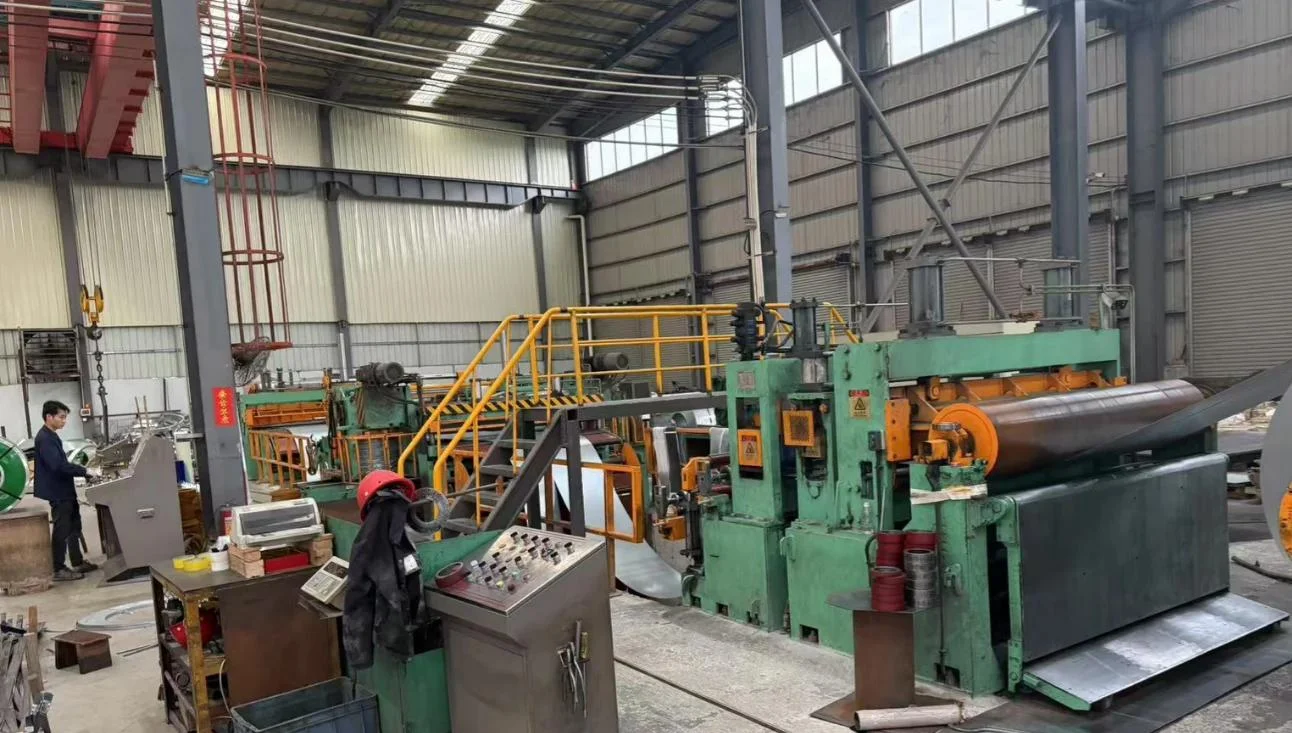
Weijunli Steel — компания, базирующаяся в Китае поставщик нержавеющей стали поставка рулонов, листов и пластин из нержавеющей стали для промышленных покупателей по всему миру.
Наша поддержка включает:
- Рекомендации по выбору марки нержавеющей стали
- Подтверждение технических характеристик
- Контроль качества материалов
- Индивидуальные решения в области переработки
- Опыт работы с экспортными заказами для зарубежных клиентов
Для покупателей с особыми требованиями сотрудничество с поставщик нестандартных изделий из нержавеющей стали помогает обеспечить соответствие технических характеристик материалов производственным процессам.
Для дистрибьюторов и оптовых покупателей надежный оптовый поставщик изделий из нержавеющей стали обеспечивает стабильное качество, надежные поставки и техническую поддержку.
Профессиональный поставщик должен не только поставлять изделия из нержавеющей стали, но и помогать клиентам избегать ошибок в технических требованиях ещё до начала производства.
Заключительная рекомендация: как составить точную спецификацию на нержавеющую сталь
Полная спецификация на нержавеющую сталь должна включать:
- Марка нержавеющей стали
- Форма продукта
- Толщина
- Размеры
- Толерантность
- Отделка поверхности
- Механические требования
- Требования к изготовлению
- Требования к сертификации
Лучшая нержавеющая сталь — это та, которая соответствует конкретному производственному процессу и требованиям к продукции.
Четко определяя технические требования и сотрудничая с опытный поставщик и переработчик стали, покупатели могут снизить производственные риски, свести к минимуму отходы и добиться более стабильных результатов производства.