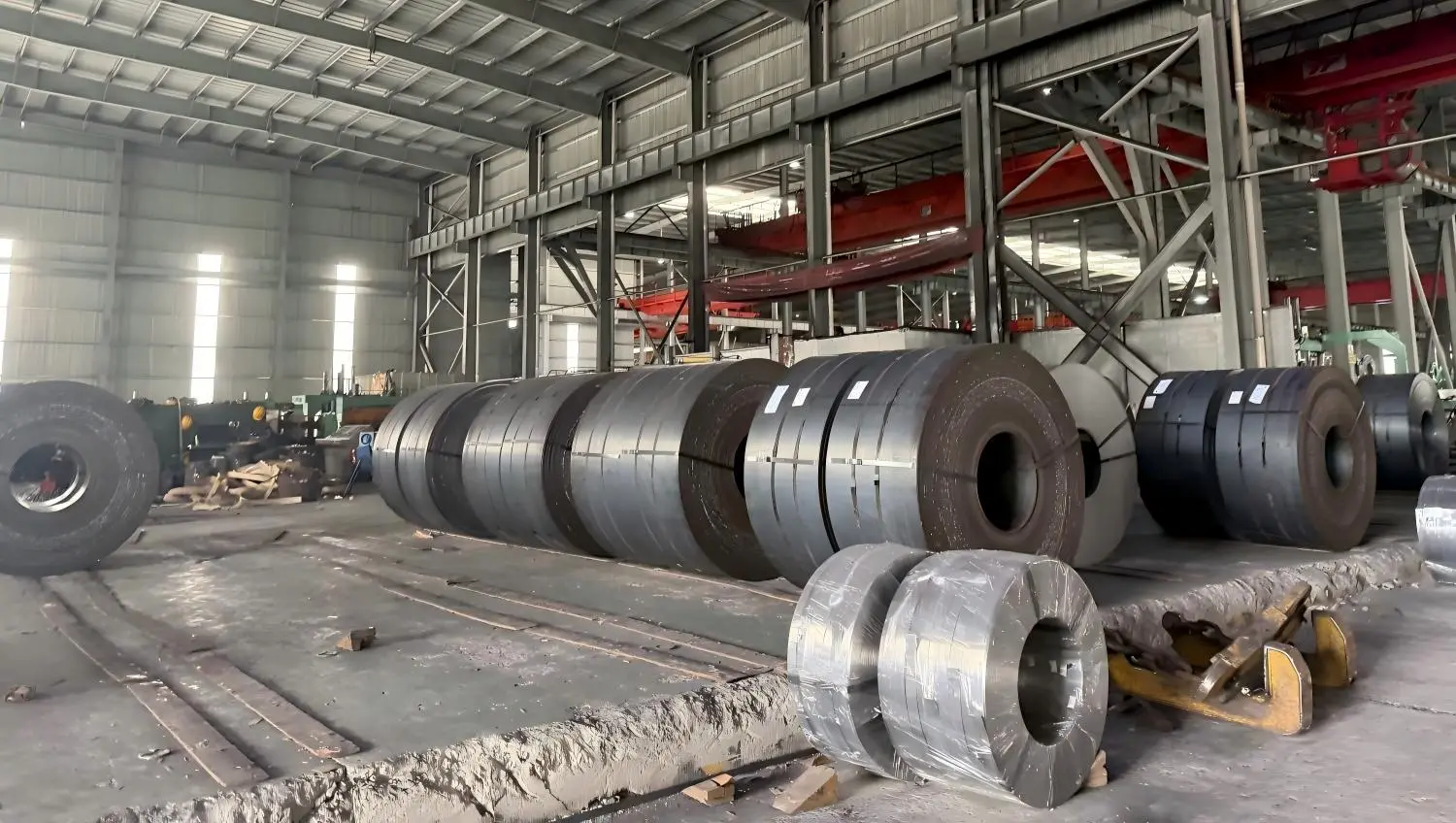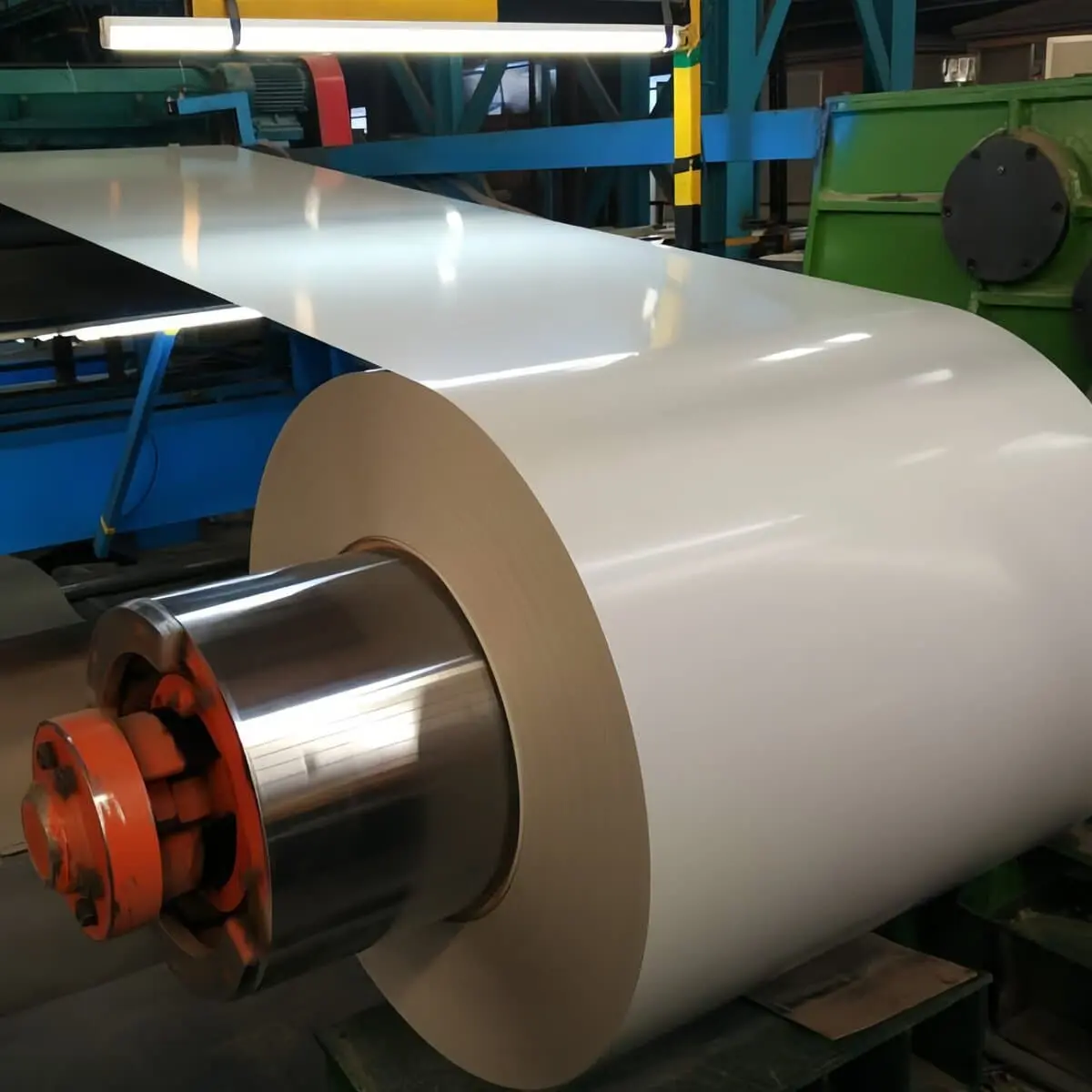
Steel is one of the most widely used industrial materials due to its strength, versatility, and cost-effectiveness. However, untreated steel is highly vulnerable to corrosion, wear, oxidation, and chemical damage. To improve performance and extend service life, various surface treatment processes are applied depending on the end-use environment.

For manufacturers, distributors, and wholesalers, understanding steel surface treatments is essential for selecting the right material specifications, improving product durability, and controlling long-term costs.

プロフェッショナルとして 卸売鋼材サプライヤー, I will introduce you to the most common steel surface treatments—covering their working principles, advantages, and industrial applications.

common steel surface treatments and their industrial applications

What Are Steel Surface Treatments?

Steel surface treatments refer to mechanical, chemical, or electrochemical processes applied to the surface of steel components to enhance their properties without changing the core material structure.

Key objectives include:

  • Corrosion resistance improvement
  • Wear and abrasion resistance
  • Aesthetic enhancement
  • Electrical insulation or conductivity control
  • Improved paint or coating adhesion
  • Extended product lifespan

These treatments are widely used in automotive parts, cookware, construction materials, industrial machinery, and consumer products.

For manufacturers engaged in the mass production of steel products, selecting the appropriate processing method can significantly impact product competitiveness and lifecycle costs.

Steel Surface Treatment

Common Steel Surface Treatment Methods

Galvanizing (Hot-Dip & Electro-Galvanizing)

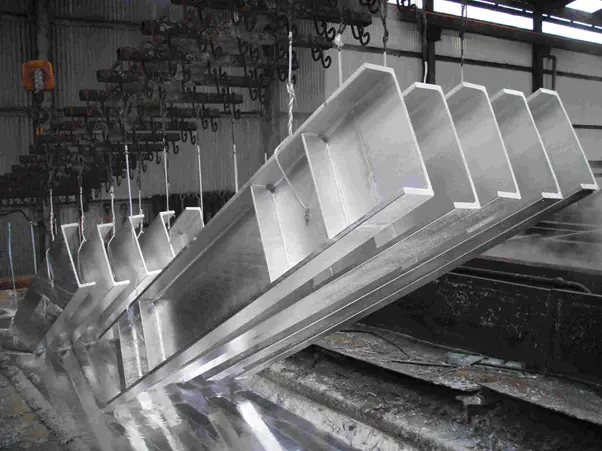
Galvanizing is one of the most common anti-corrosion treatments for steel, used to produce 亜鉛メッキ鋼板, which is widely valued for its strong rust resistance and long service life.

How it works:

A protective zinc layer is applied to the steel surface. Zinc acts as a sacrificial coating, corroding before the steel underneath.

Types:

  • Hot-dip galvanizing: Steel is immersed in molten zinc
  • Electro-galvanizing: Zinc is applied using an electrochemical process

メリット:

  • Excellent corrosion resistance
  • Long service life (especially outdoor use)
  • Cost-effective for structural steel

Industrial applications

  • Construction beams and frameworks
  • Outdoor fencing and railings
  • Automotive chassis parts
  • Utility infrastructure

Galvanizing is often preferred by a wholesale steel supplier due to its balance of cost and performance for bulk production.

galvanizing
galvanizing

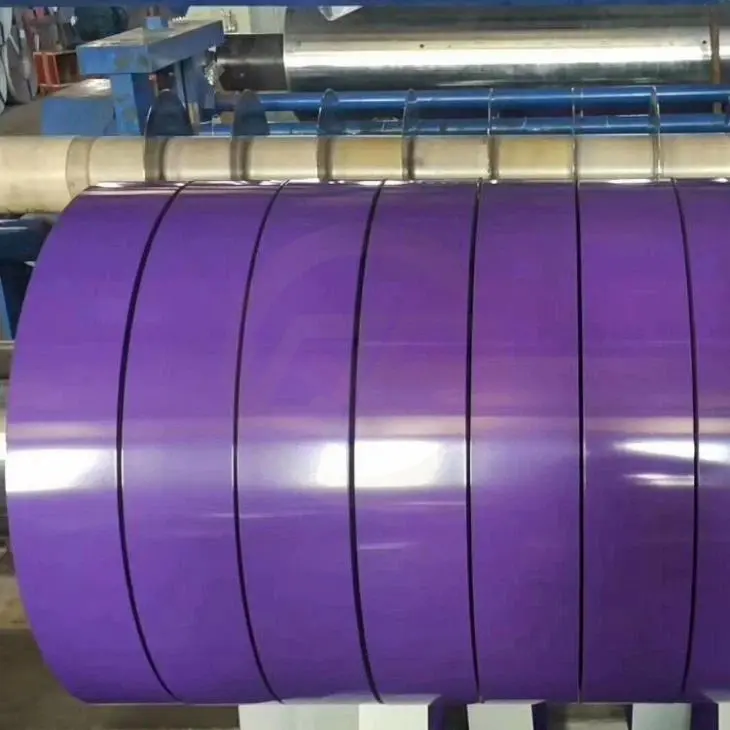
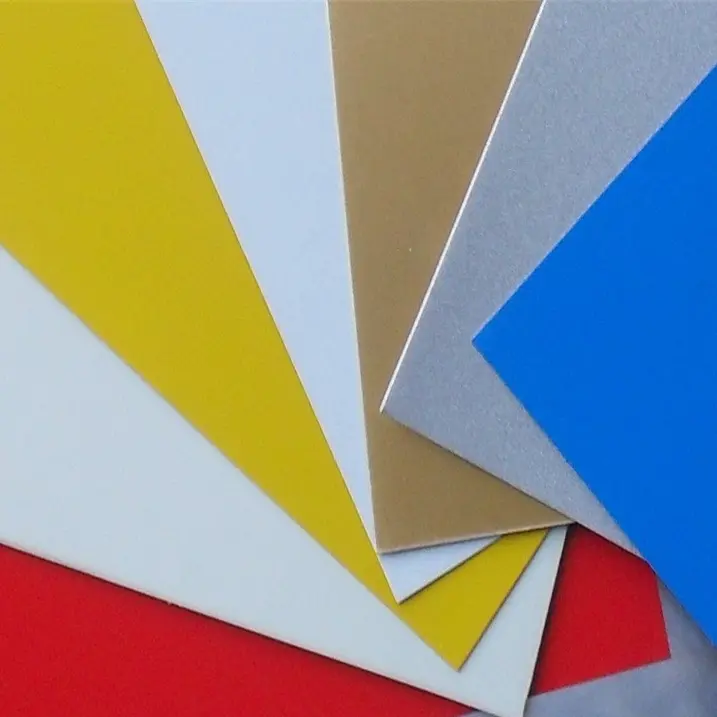
Powder Coating

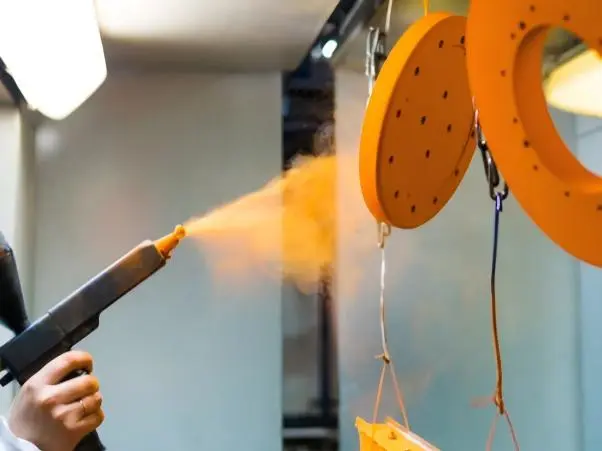
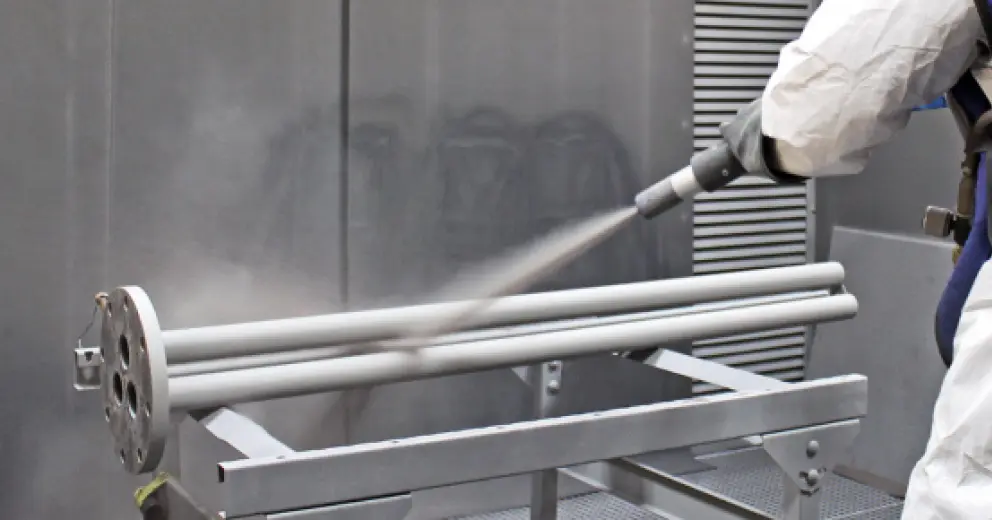
Powder coating is a dry finishing process where electrostatically charged powder is sprayed onto steel and then cured under heat.

Advantages:

  • Smooth, uniform finish
  • High resistance to scratching and fading
  • Environmentally friendly (no solvent emissions)
  • Wide color customization

Industrial Applications:

  • Home appliances
  • Metal furniture
  • Outdoor equipment
  • Kitchenware and storage products

Many global buyers prefer powder coating when working with a [custom steel manufacturer] due to its flexibility in color and surface design.

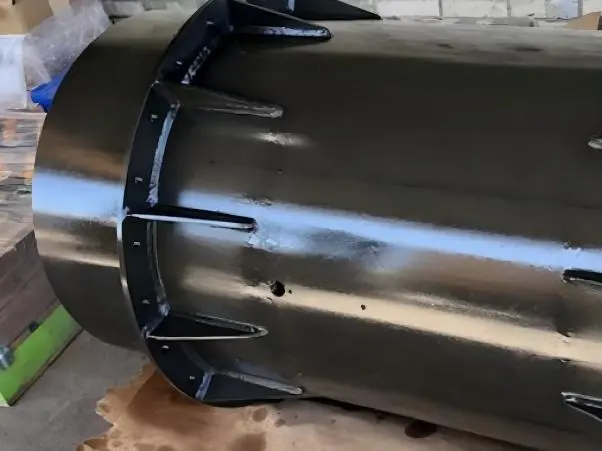
powder coating
powder coating

Electroplating (Nickel, Chromium, Zinc)

Electroplating uses an electric current to deposit a thin layer of metal onto steel.

Common Plating Materials:

  • Nickel (corrosion resistance & hardness)
  • Chromium (decorative finish & wear resistance)
  • Zinc (rust protection)

Advantages:

  • High precision coating
  • Decorative metallic finish
  • Improved surface hardness

アプリケーション

  • Automotive trim parts
  • バスルーム備品
  • Tools and hardware
  • Consumer electronics housings

Electroplating is widely used in industries requiring both aesthetics and durability.

electroplating
electroplating

Phosphating

Phosphating is a chemical conversion coating that forms a crystalline phosphate layer on steel.

Advantages:

  • Improves paint adhesion
  • Provides mild corrosion resistance
  • Reduces friction

アプリケーション

  • Automotive body panels
  • Fasteners and bolts
  • Machinery components

Phosphating is often used as a pre-treatment before painting or coating processes.

phosphating
phosphating

Black Oxide Coating

Black oxide is a conversion coating that chemically reacts with steel to form a black magnetite layer.

Advantages:

  • Minimal dimensional change
  • Mild corrosion resistance
  • Attractive matte black finish
  • Cost-effective process

アプリケーション

  • Tools and hand instruments
  • Military and defense equipment
  • Fasteners and precision parts

It is commonly chosen where aesthetics and slight protection are sufficient.

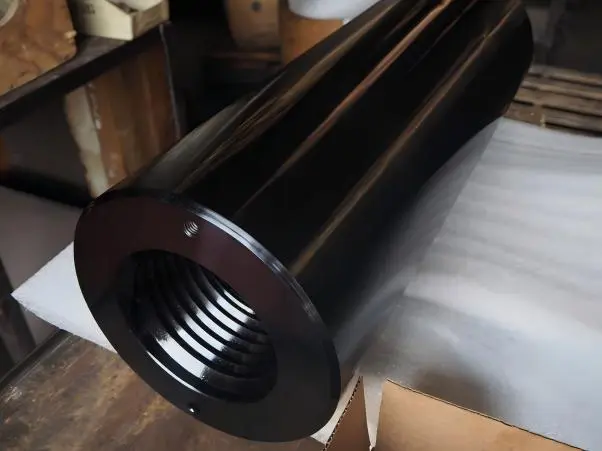
black oxide coating

PVD Coating (Physical Vapor Deposition)

PVD is a high-tech vacuum coating process that deposits thin films of metal nitrides or carbides.

Advantages:

  • Extremely hard surface
  • High wear resistance
  • Premium decorative finish
  • Environmentally friendly process

アプリケーション

  • Luxury hardware and fittings
  • High-end kitchenware
  • Watch components
  • Architectural decorative parts

PVD is increasingly popular among premium product brands seeking a modern metallic finish.

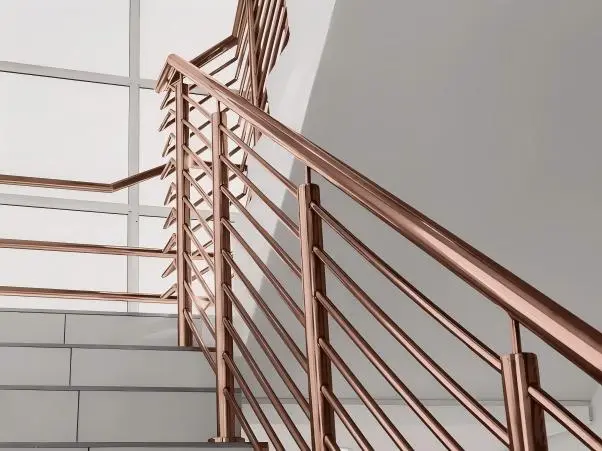
PVD coating
PVD coating

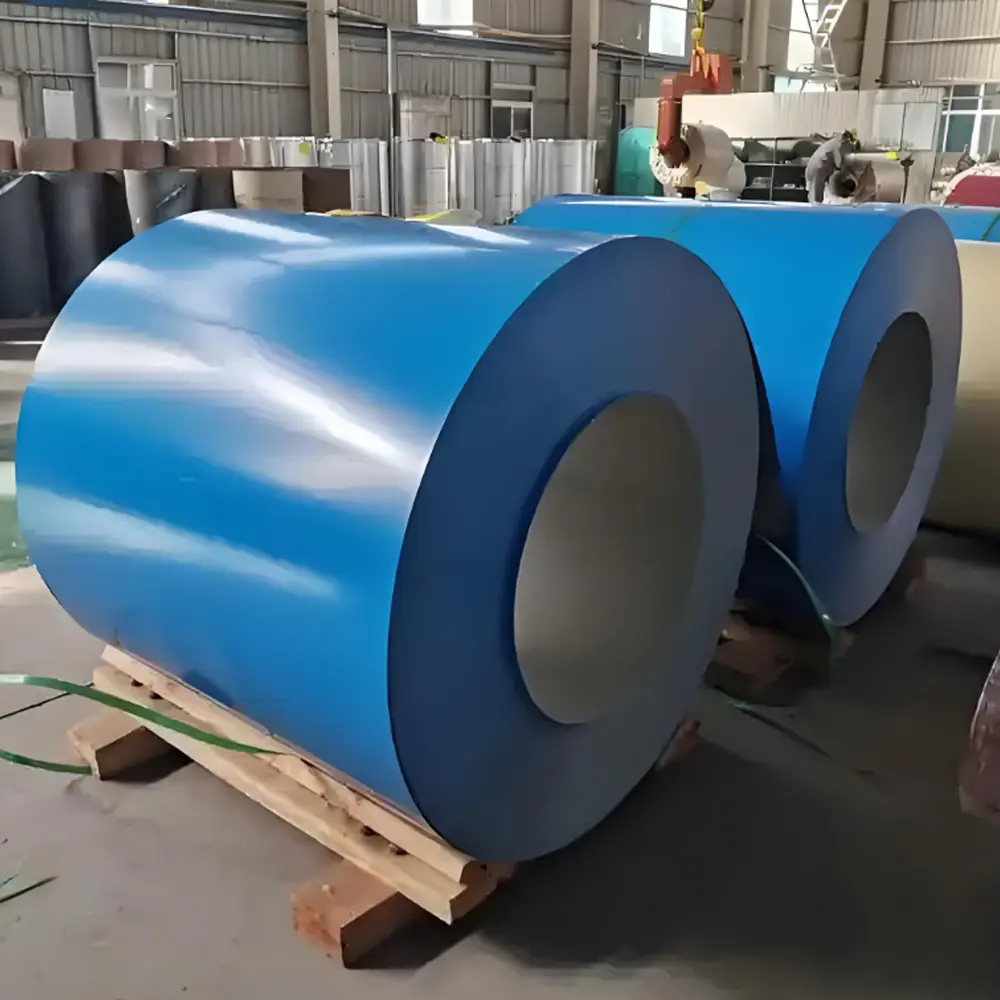
Painting and E-Coating

Painting:

Traditional liquid coatings applied via spraying or brushing.

E-coating:

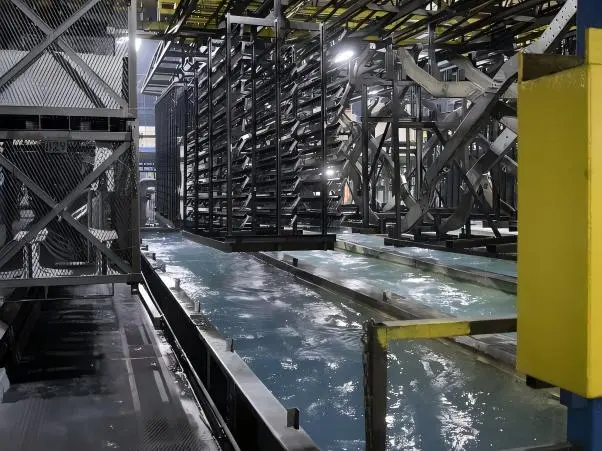
An electro-deposition process where paint particles are electrically attracted to the steel surface.

Advantages:

  • Excellent coverage, even on complex shapes
  • Strong corrosion resistance
  • High production efficiency (E-coating)

アプリケーション

  • Automotive bodies
  • 家電製品
  • Industrial equipment

E-coating is widely used in mass production industries due to its consistency.

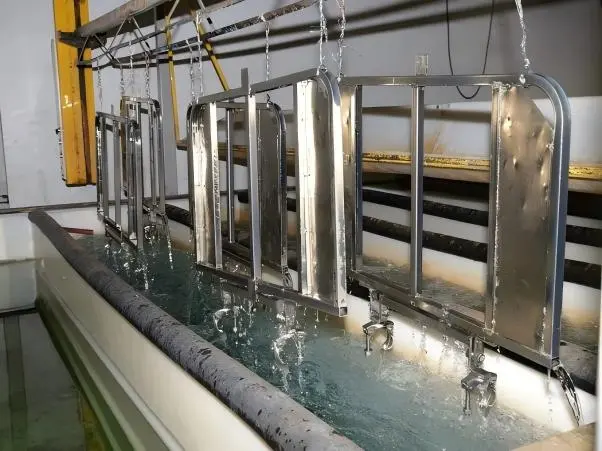
E-Coating
E-Coating

Comparison of Steel Surface Treatments

Treatment Method耐食性Cost Level耐久性Best Use Case
Galvanizing高いLow–Medium高いOutdoor structures
Powder Coating高いミディアム高いConsumer products
ElectroplatingMedium–HighミディアムミディアムDecorative parts
PhosphatingLowLowLowPre-treatment
Black OxideLowLowミディアムTools
PVD CoatingVery High高いVery HighPremium products
E-Coating高いミディアム高いMass production

正しい鉄鋼表面処理の選び方

Selecting the right surface treatment depends on several factors:

環境条件

  • Outdoor exposure → galvanizing or powder coating
  • High humidity or salt → PVD or electroplating

Mechanical Requirements

  • Heavy wear → nitriding or carburizing
  • Light use → black oxide or painting

Aesthetic Requirements

  • Premium appearance → PVD or electroplating
  • Functional use → powder coating or painting

Budget Considerations

  • Low-cost solutions → galvanizing, phosphating
  • High-end solutions → PVD, nitriding

Industrial Applications Across Key Sectors

Steel surface treatments are essential in multiple industries:

自動車産業

  • Anti-corrosion coatings
  • Wear-resistant engine components
  • Decorative trims

Construction Industry

  • Structural steel protection
  • Outdoor infrastructure durability

Kitchenware & Consumer Goods

Manufacturers of cookware, bottles, and storage products often rely on advanced coating systems for safety and aesthetics. Many global buyers choose a [wholesale steel manufacturer] for OEM production of coated steel products.

Industrial Machinery

  • High-wear components
  • Corrosion-resistant equipment housings

Marine & Outdoor Equipment

  • High corrosion protection systems
  • Multi-layer coating solutions

Quality Control in Steel Surface Treatment Manufacturing

High-quality surface treatment requires strict process control:

  • Surface cleanliness before coating
  • Coating thickness consistency
  • Adhesion strength testing
  • Salt spray corrosion testing
  • Hardness and wear resistance testing

Leading factories integrate automated coating lines and digital monitoring systems to ensure batch consistency and export compliance.

surface cleanliness before coating

結論

Steel surface treatments play a critical role in determining product performance, durability, and market competitiveness. From traditional galvanizing to advanced PVD and thermochemical processes, each method offers unique benefits depending on application requirements.

For manufacturers, wholesalers, and importers, selecting the right manufacturing partner is just as important as choosing the treatment itself. A reliable OEM/ODM factory can provide technical guidance, cost control, and consistent quality across large-scale production.

よくあるご質問

What is the most common steel surface treatment?

Galvanizing and powder coating are the most widely used due to their balance of cost and corrosion resistance.

Which treatment is best for outdoor steel products?

Hot-dip galvanizing and powder coating are ideal for outdoor environments.

What is the difference between plating and coating?

Plating deposits a metallic layer electrochemically, while coating applies a protective layer such as paint or powder.

Which surface treatment is most durable?

PVD, nitriding, and carburizing offer the highest durability for industrial applications.

Can steel surface treatments be customized?

Yes. Many manufacturers offer OEM/ODM customization including color, thickness, and performance requirements

About Weijunli – Your Trusted Wholesale Steel Supplier

As a professional wholesale steel supplier, Weijunli focus on supplying high-quality steel coils and steel sheets to global B2B clients. With extensive industry experience, we support a wide range of applications by offering materials compatible with various surface treatment processes, helping customers meet performance, durability, and cost requirements.

We understand the needs of wholesalers, distributors, and manufacturers, and provide flexible supply solutions, stable quality, and competitive pricing for bulk orders.

お問い合わせ

信頼できる鉄鋼サプライヤー、Weijunliをお選びください。バルク鋼材の供給から仕様加工まで、お客様のニーズに合わせて高品質の鋼材とカスタマイズされたソリューションを提供します。

お問い合わせ

信頼できる鉄鋼サプライヤー、Weijunliをお選びください。バルク鋼材の供給から仕様加工まで、お客様のニーズに合わせて高品質の鋼材とカスタマイズされたソリューションを提供します。

興味のある人を探す