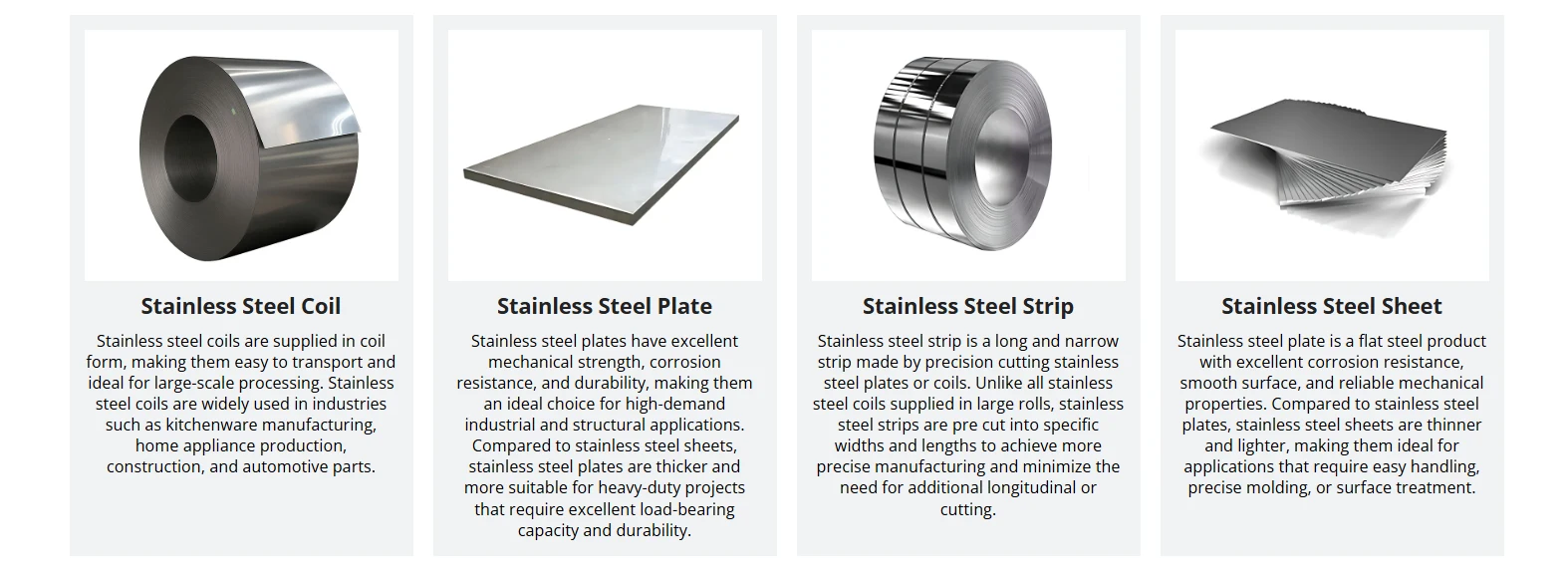
Sur le marché mondial de la fabrication et de l'approvisionnement, de nombreux acheteurs associent instinctivement l'acier inoxydable aux tôles laminées à froid. Cette hypothèse est compréhensible : la plupart des produits en acier inoxydable utilisés dans la vie quotidienne, tels que les ustensiles de cuisine, les appareils électroménagers et les panneaux décoratifs, présentent des surfaces lisses et des finitions précises, typiques du laminage à froid.
Toutefois, cette croyance n'est pas tout à fait exacte. L'acier inoxydable n'est pas défini par la manière dont il est traité. En fait, il peut être produit à l'aide de plusieurs méthodes, et le laminage à froid n'est que l'une d'entre elles.
En tant que professionnel fournisseur d'acier inoxydable, Je vais expliquer les différences entre les deux d'un point de vue professionnel.
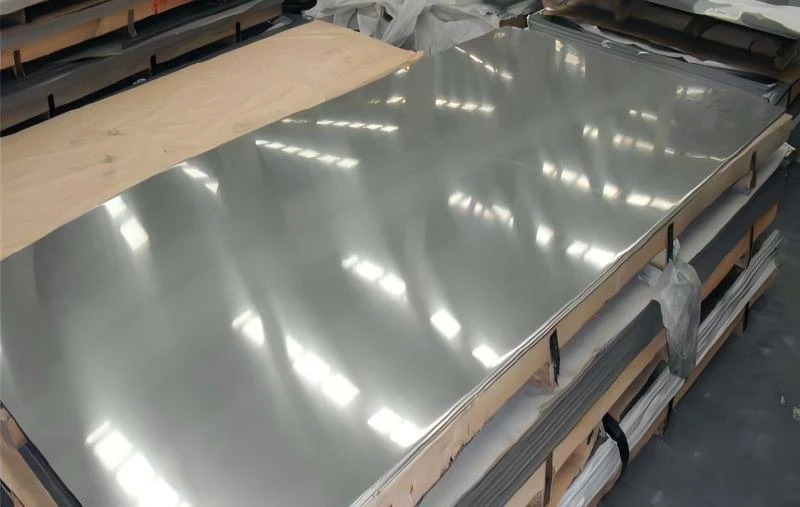
Qu'est-ce que l'acier inoxydable ? Un rappel rapide
L'acier inoxydable n'est pas défini par la façon dont il est traité, mais par sa qualité. sa composition.
À la base, l'acier inoxydable est un alliage à base de fer qui contient au minimum 10,5% chrome, qui forme une couche d'oxyde passive qui résiste à la corrosion. Des éléments supplémentaires comme le nickel, le molybdène ou le manganèse sont souvent ajoutés pour améliorer les propriétés telles que :
- Résistance à la corrosion
- Solidité et durabilité
- Résistance à la chaleur
- Formabilité
Il est important de séparer le matériel de la méthode de traitement :
- Acier inoxydable = un type de matériau
- Laminés à froid / laminés à chaud = techniques de transformation
Cette distinction est à l'origine de nombreux malentendus.
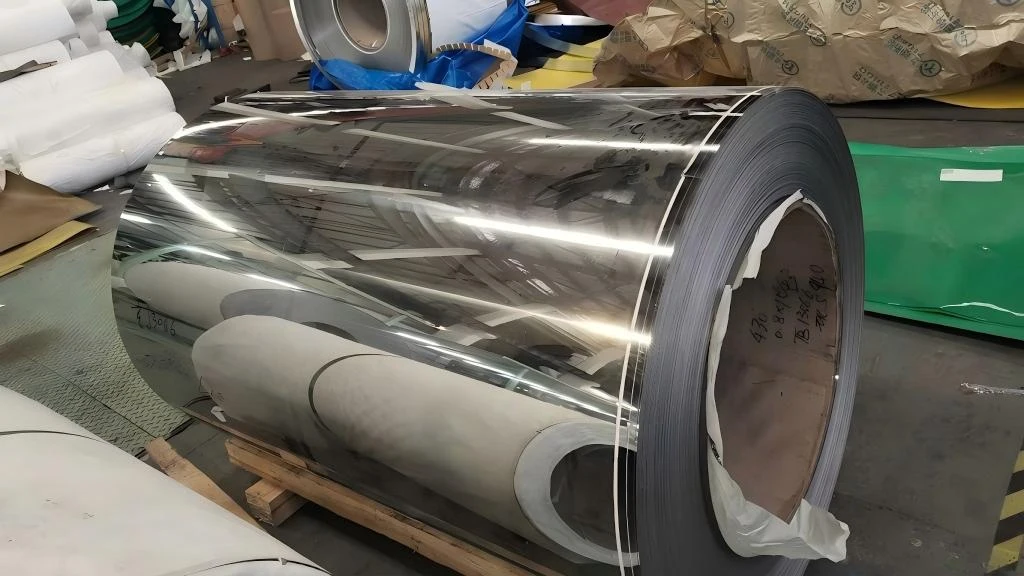
Que signifie l'expression “laminé à froid” ?
Le laminage à froid est un processus de fabrication dans lequel l'acier est transformé à température ambiante après un premier laminage à chaud.
Les principales caractéristiques de l'acier inoxydable laminé à froid sont les suivantes :
- Surface lisse et polie
- Tolérances dimensionnelles serrées
- Augmentation de la résistance grâce à l'écrouissage
- Meilleure adéquation aux applications de précision
En raison de ces qualités, l'acier inoxydable laminé à froid est largement utilisé dans les produits visibles ou de haute précision.
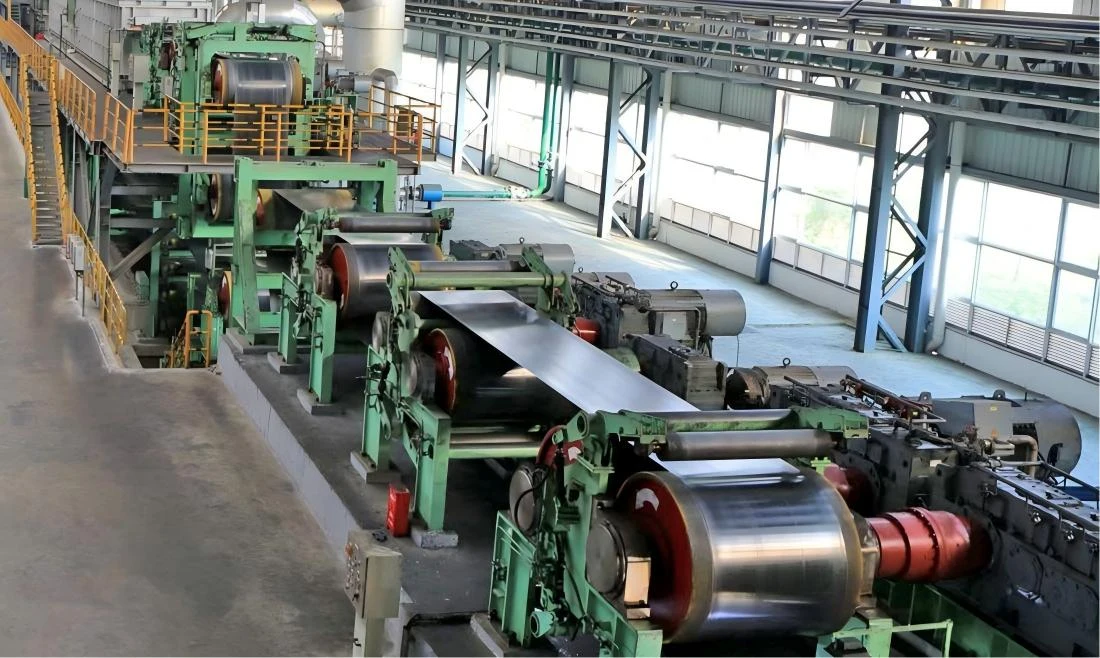
La principale idée fausse : Acier inoxydable ≠ Acier laminé à froid
L'une des idées fausses les plus répandues dans l'industrie consiste à considérer l'acier inoxydable et l'acier laminé à froid comme des termes interchangeables.
En réalité :
- L'acier inoxydable peut être laminé à chaud, à froid ou subir d'autres transformations.
- Le laminage à froid est facultatif et non obligatoire
Cette confusion est due au fait que de nombreux produits finis en acier inoxydable subissent un laminage à froid pour des raisons esthétiques et de précision, ce qui donne l'impression que tout l'acier inoxydable doit passer par ce processus.
Acier inoxydable laminé à chaud : L'alternative négligée
L'acier inoxydable laminé à chaud est produit à des températures élevées, ce qui facilite son façonnage et sa mise en forme au cours de la fabrication.
Caractéristiques typiques :
- Finition de surface plus rugueuse
- Coût inférieur à celui du laminé à froid
- Meilleur pour les grands composants structurels
- Traitement plus facile dans les premières étapes de la fabrication
L'acier inoxydable laminé à chaud est largement utilisé dans les applications industrielles où l'apparence n'est pas la première préoccupation.
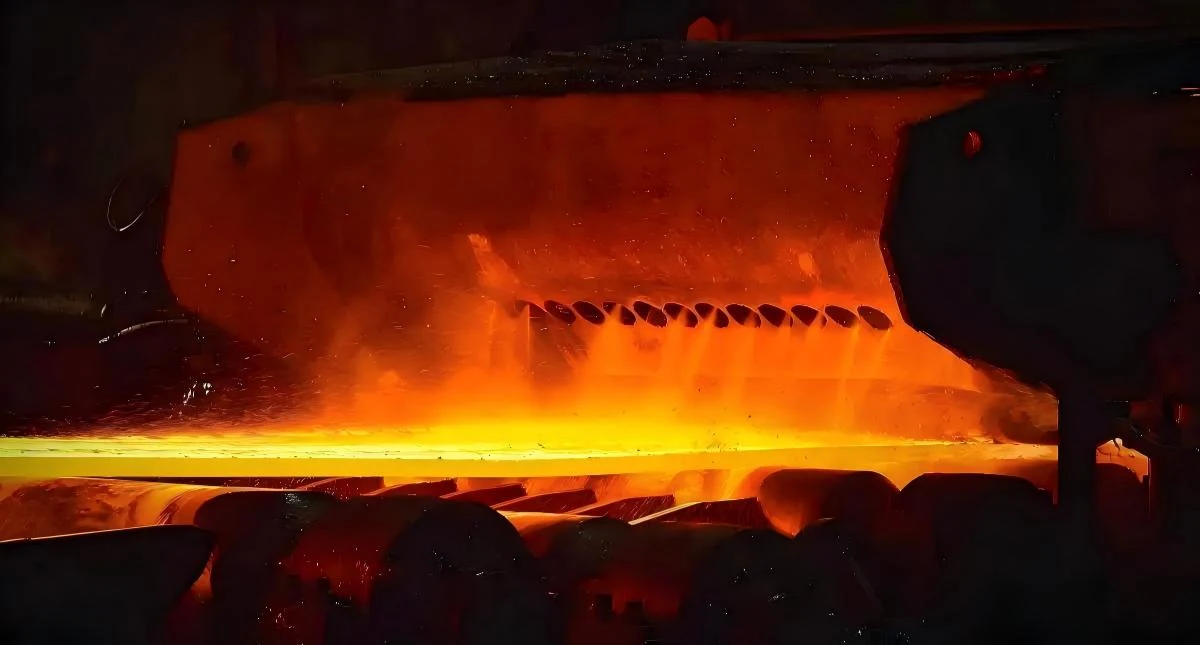
Acier inoxydable laminé à froid et acier inoxydable laminé à chaud : Principales différences
| Fonctionnalité | Acier inoxydable laminé à froid | Acier inoxydable laminé à chaud |
| Finition de la surface | Lisse, poli | Rugueux, écaillé |
| Précision dimensionnelle | Haute précision | Précision moindre |
| La force | Plus haut (durci au travail) | Plus bas |
| Coût | Plus élevé | Plus économique |
| Applications | Pièces décoratives et de précision | Structurel, industriel |
La compréhension de ces différences aide les acheteurs à sélectionner le bon matériau au lieu d'opter par défaut pour des options de laminage à froid.
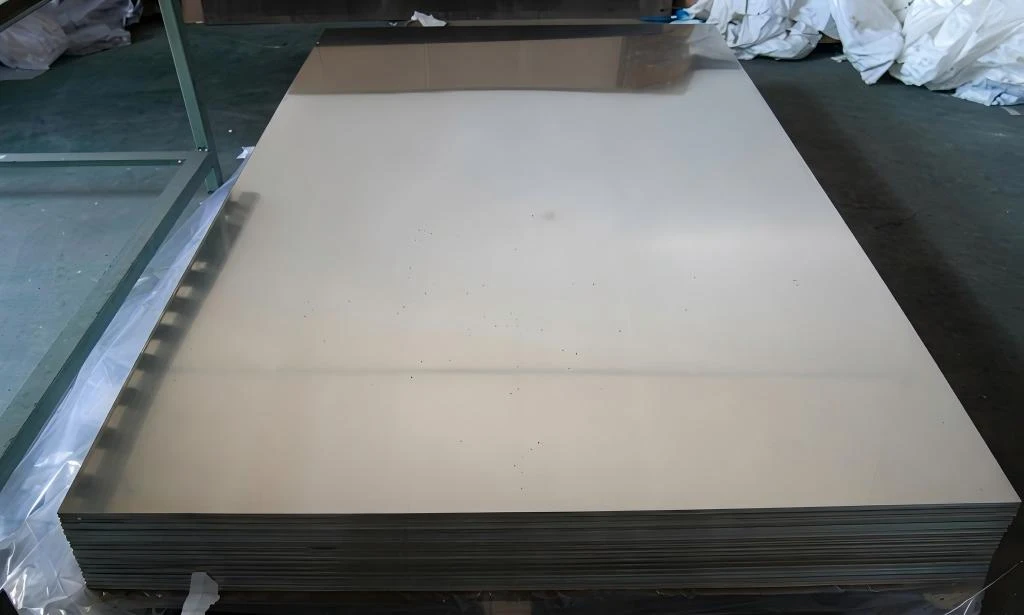
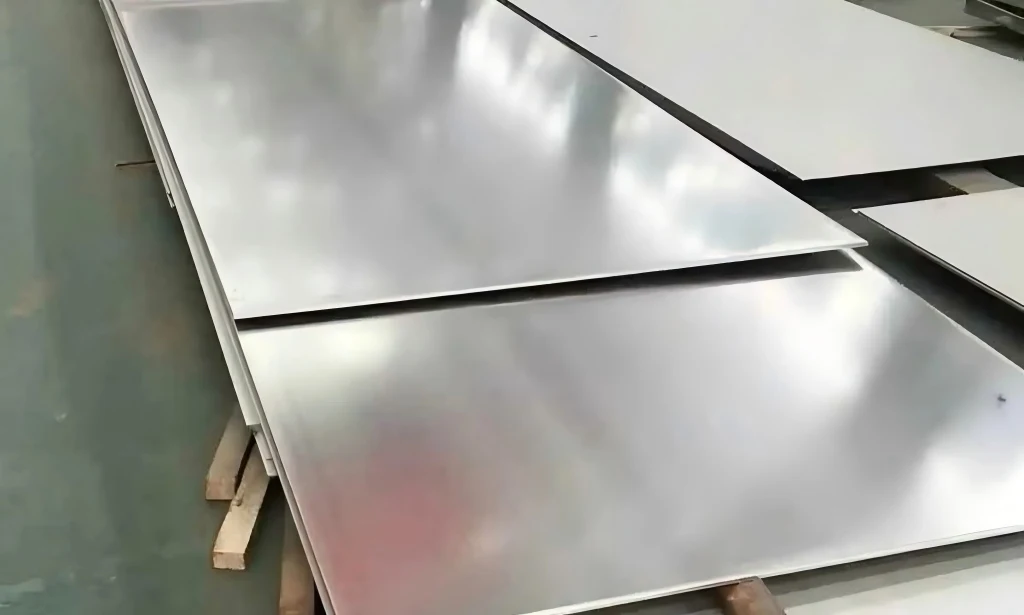
Déterminez d'abord si votre projet nécessite de l'acier inoxydable
Avant de choisir entre l'acier inoxydable laminé à froid et l'acier inoxydable laminé à chaud, la première question que les acheteurs doivent se poser est de savoir si l'acier inoxydable est vraiment nécessaire.
L'acier inoxydable offre une excellente résistance à la corrosion, une grande durabilité et un aspect de qualité supérieure, mais son coût est plus élevé que celui de matériaux tels que l'acier au carbone ou l'aluminium.
Pensez à l'acier inoxydable si votre projet l'exige :
- Résistance à l'humidité, aux produits chimiques ou à la corrosion
- Longue durée de vie avec un minimum d'entretien
- Performances hygiéniques ou alimentaires
- Une finition de surface propre et haut de gamme
Toutefois, si votre application est purement structurelle, si elle est utilisée dans des environnements secs ou si elle doit être revêtue ou peinte ultérieurement, des matériaux alternatifs peuvent constituer une solution plus rentable.
Faire le bon choix de matériaux dès le départ permet d'éviter les surspécifications et de réduire les coûts globaux du projet.
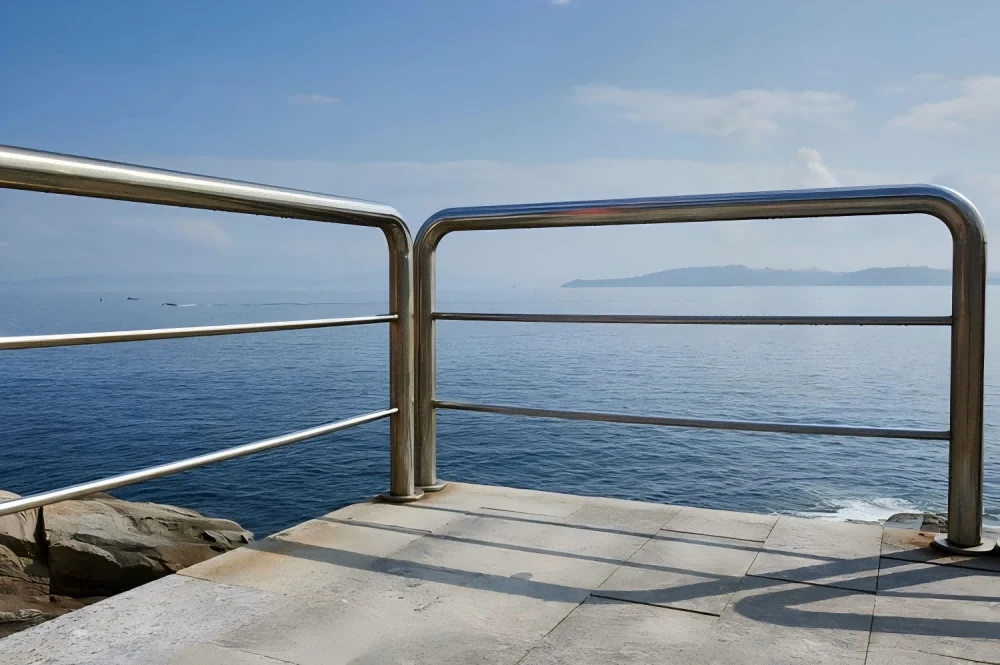
Quand l'acier inoxydable laminé à froid est-il le bon choix ?
L'acier inoxydable laminé à froid est idéal lorsque :
- L'aspect de la surface est important
- Des tolérances serrées sont requises
- Les produits nécessitent une finition supplémentaire (polissage, revêtement)
Les applications typiques sont les suivantes
- Équipement de cuisine
- Appareils ménagers
- Dispositifs médicaux
- Décoration architecturale
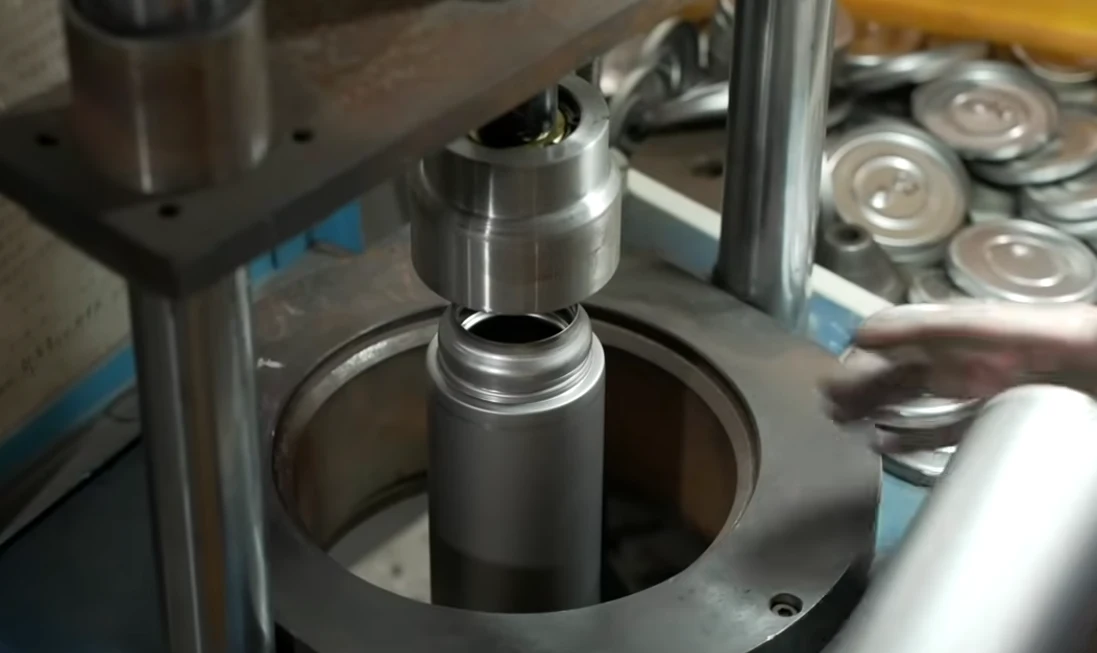
Quand l'acier inoxydable laminé à chaud est plus pratique
L'acier inoxydable laminé à chaud est souvent le meilleur choix lorsque.. :
- La force et la structure sont plus importantes que l'apparence
- L'efficacité des coûts est une priorité
- Le matériel sera soumis à un traitement ultérieur
Cas d'utilisation courants :
- Cadres structurels
- Équipements industriels
- Composants robustes
- Matériaux de base pour la fabrication ultérieure
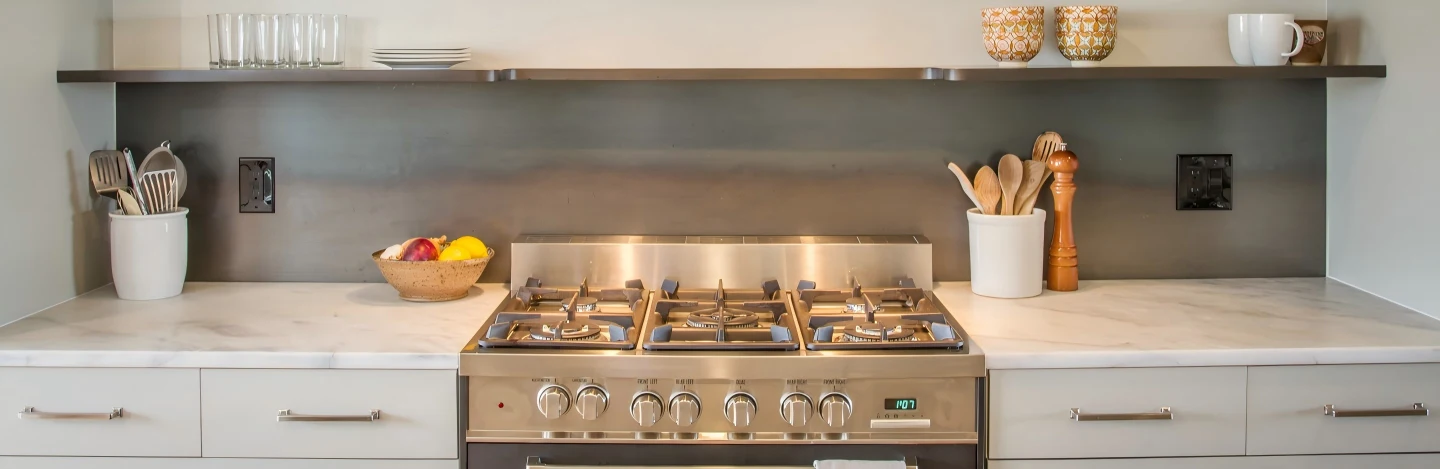
L'acier inoxydable peut-il être utilisé sans laminage à froid ?
Oui, de nombreux produits en acier inoxydable sont utilisés sans jamais être laminés à froid.
En pratique :
- L'acier inoxydable laminé à chaud peut être utilisé directement
- Ou subir des traitements secondaires tels que le décapage, le broyage ou le revêtement.
Cette flexibilité permet aux fabricants d'optimiser à la fois les performances et les coûts.
Conclusion : Choisir le processus en fonction de l'application et non de l'hypothèse
L'acier inoxydable ne doit pas nécessairement être laminé à froid. L'idée qu'il doit l'être est une simplification répandue mais trompeuse.
Pour les acheteurs et les fabricants, l'essentiel est de.. :
- Comprendre la différence entre le matériel et la transformation
- Évaluer les exigences de l'utilisation finale
- Choisir l'option la plus rentable et la plus adaptée
Choisir le bon type d'acier inoxydable ne consiste pas à suivre des hypothèses, mais à prendre des décisions en connaissance de cause.
À propos de Weijunli - Votre partenaire de confiance pour l'approvisionnement en acier inoxydable
Weijunli est un fournisseur d'acier en gros située en Chine, qui fournit des matériaux en acier inoxydable de haute qualité pour des applications industrielles et commerciales.
Notre gamme d'acier inoxydable comprend des aciers inoxydables laminés à froid et à chaud, ainsi qu'une variété de traitements de surface adaptés aux différents besoins d'application. Nous pouvons vous proposer des solutions matérielles adaptées aux exigences de votre projet.
Outre la fourniture de matériaux, Weijunli propose également des services de transformation à valeur ajoutée, tels que le découpage, le refendage et le dimensionnement sur mesure, afin d'aider les clients à rationaliser les processus de production et à réduire les coûts globaux d'approvisionnement.
Associez-vous à Weijunli pour simplifier votre approvisionnement en acier inoxydable et renforcer votre chaîne d'approvisionnement.