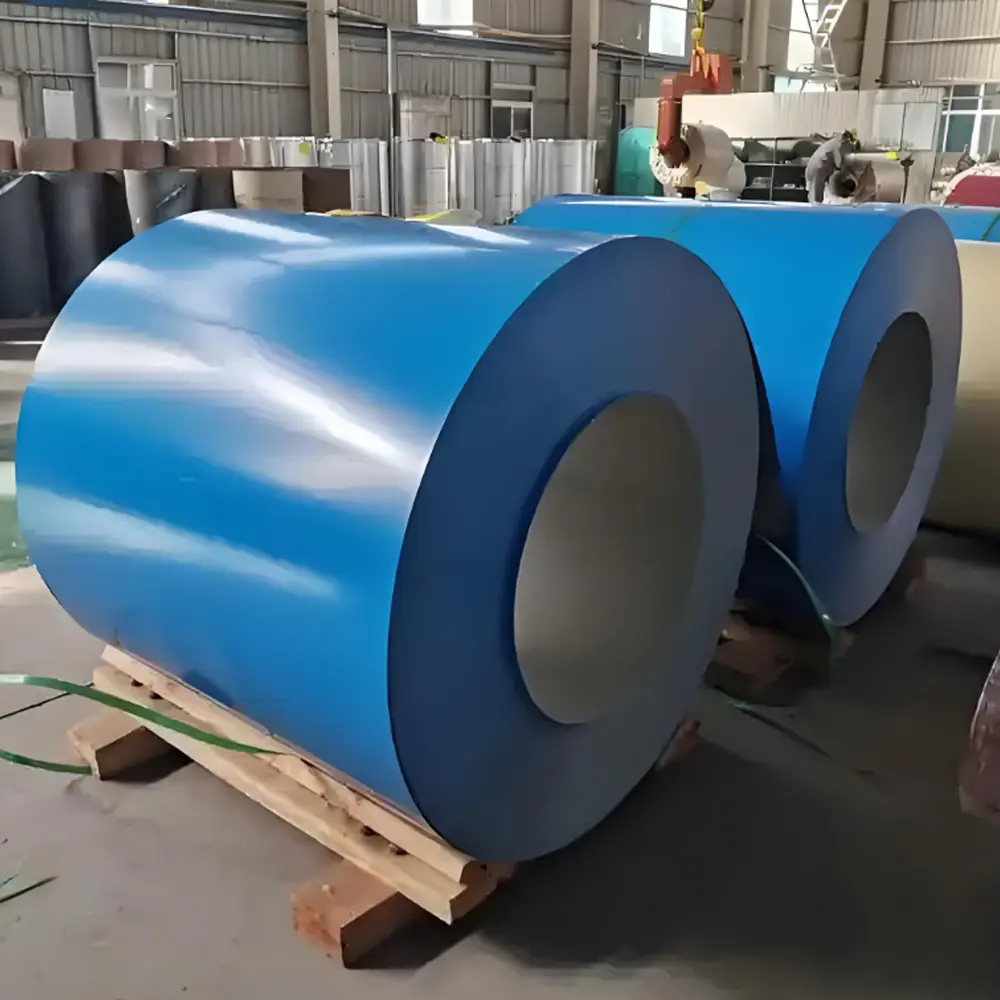
Pour les fabricants d'ustensiles de cuisine, le choix de la nuance d'acier inoxydable appropriée a une incidence directe sur la durabilité des produits, leur résistance à la corrosion, l'efficacité de la fabrication et le coût de production.
De nombreux acheteurs se concentrent principalement sur le prix de l'acier inoxydable lorsqu'ils s'approvisionnent en matériaux. Cependant, opter pour l'option la moins chère ne garantit pas toujours le coût de production global le plus bas. Une nuance d'acier inoxydable inadaptée peut entraîner des problèmes lors de l'emboutissage profond, de l'estampage, du polissage ou de l'utilisation à long terme du produit.
Le choix du meilleur acier inoxydable dépend de plusieurs facteurs, notamment :
- Type d'ustensiles de cuisine
- Processus de fabrication
- Résistance à la corrosion requise
- Positionnement sur le marché cible
- Volume de production
Cet article compare les nuances d'acier inoxydable les plus couramment utilisées pour les ustensiles de cuisine, notamment Acier inoxydable 304, 316 et 430, et explique comment les fabricants peuvent choisir le matériau adapté à différentes utilisations des ustensiles de cuisine.
Quel type d'acier inoxydable est utilisé pour la fabrication des ustensiles de cuisine ?
L'acier inoxydable est largement utilisé dans la fabrication d'ustensiles de cuisine car il allie :
- Sécurité alimentaire
- Résistance à la corrosion
- Durabilité
- Nettoyage facile
- Aspect attrayant
Les catégories d'acier inoxydable les plus couramment utilisées dans la fabrication des ustensiles de cuisine sont les suivantes :
- Acier inoxydable austénitique: 304 et 316
- Acier inoxydable ferritique: 430
Chaque nuance présente une composition chimique et des caractéristiques de performance différentes, ce qui les rend adaptées à divers types d'ustensiles de cuisine et aux exigences du marché.
Acier inoxydable 304 : le choix le plus courant pour les ustensiles de cuisine
Pourquoi l'acier inoxydable 304 est-il si largement utilisé ?
L'acier inoxydable 304 est le matériau le plus couramment utilisé dans la fabrication d'ustensiles de cuisine, car il offre un excellent équilibre entre performances, coût et facilité d'usinage.
Parmi ses principaux avantages, on peut citer :
- Excellente résistance à la corrosion
- Bonne aptitude au formage
- Excellentes performances d'emboutissage profond
- Facilité de polissage
- Bonnes performances en matière de contact alimentaire
Ces caractéristiques font de l'acier inoxydable 304 un matériau adapté à des produits tels que :
- Casseroles en acier inoxydable
- Poêles à frire
- Casseroles
- Ustensiles de cuisine
- Matériel de préparation alimentaire
Pour la plupart des applications dans le domaine des ustensiles de cuisine à usage domestique, l'acier inoxydable 304 offre une durabilité et une résistance à la corrosion suffisantes sans augmenter de manière significative les coûts des matériaux.
Batterie de cuisine en acier inoxydable 18/8 et 18/10
De nombreux articles de cuisine sont commercialisés sous l'appellation de Acier inoxydable 18/8 ou Acier inoxydable 18/10.
Ces termes désignent généralement la teneur approximative en chrome et en nickel :
- Le chrome 18% améliore la résistance à la corrosion
- Le nickel 8–10% améliore la durabilité, la résistance à la corrosion et l'aspect de la surface
En raison de leur finition et de leurs performances supérieures, les aciers inoxydables 18/8 et 18/10 sont couramment utilisés dans :
- Batterie de cuisine de milieu de gamme
- Gammes d'ustensiles de cuisine haut de gamme
- Produits de cuisine haut de gamme
Pour les marques d'ustensiles de cuisine qui ciblent les segments haut de gamme, l'acier inoxydable 304 de composition 18/10 est souvent privilégié.
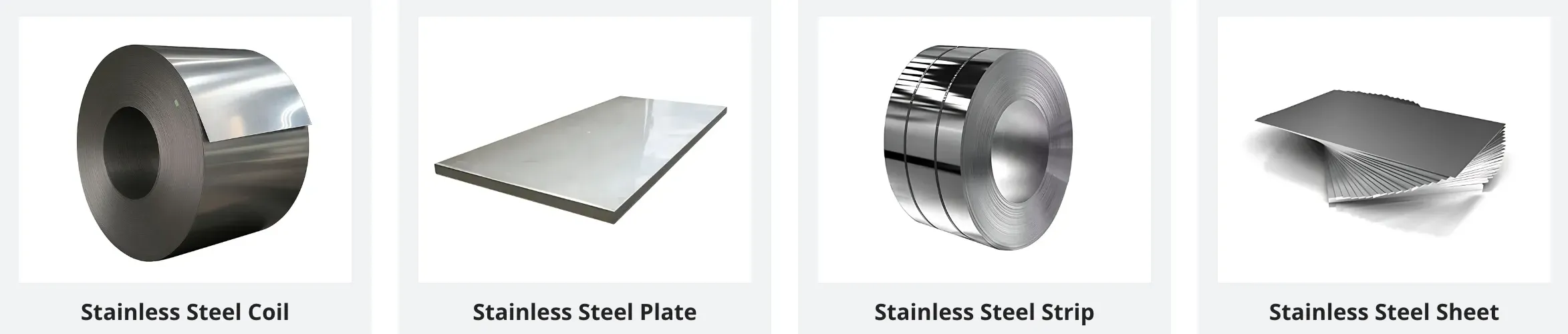
Acier inoxydable 316 : un matériau haut de gamme pour les applications soumises à une forte corrosion
Avantages de l'acier inoxydable 316
L'acier inoxydable 316 est une nuance d'acier inoxydable hautement performante qui contient du molybdène, ce qui améliore sa résistance aux environnements corrosifs.
Par rapport à l'acier inoxydable 304, le 316 offre :
- Meilleure résistance à la corrosion
- Meilleure résistance à l'exposition au sel
- Résistance chimique améliorée
- Une durée de vie prolongée dans des environnements difficiles
Il est couramment utilisé dans des applications où une protection supplémentaire contre la corrosion est utile, telles que :
- Ustensiles de cuisine sur le thème de la mer
- Matériel de cuisine professionnel
- Ustensiles de cuisine spécialisés
Pour les fabricants d'ustensiles de cuisine haut de gamme, l'acier inoxydable 316 permet de créer des produits conçus pour offrir une durabilité et des performances optimales.
Pourquoi l'acier inoxydable 316 n'est pas toujours le meilleur choix
Bien que l'acier inoxydable 316 offre une meilleure résistance à la corrosion, il n'est pas toujours indispensable pour les ustensiles de cuisine standard.
La principale limite est la suivante :
- Hausse du coût des matières premières
Pour les ustensiles de cuisine domestiques courants utilisés dans des conditions normales, l'acier inoxydable 304 offre généralement des performances suffisantes.
Par conséquent, les fabricants devraient déterminer si le surcoût lié à l'utilisation de l'acier 316 apporte une valeur ajoutée significative au produit.
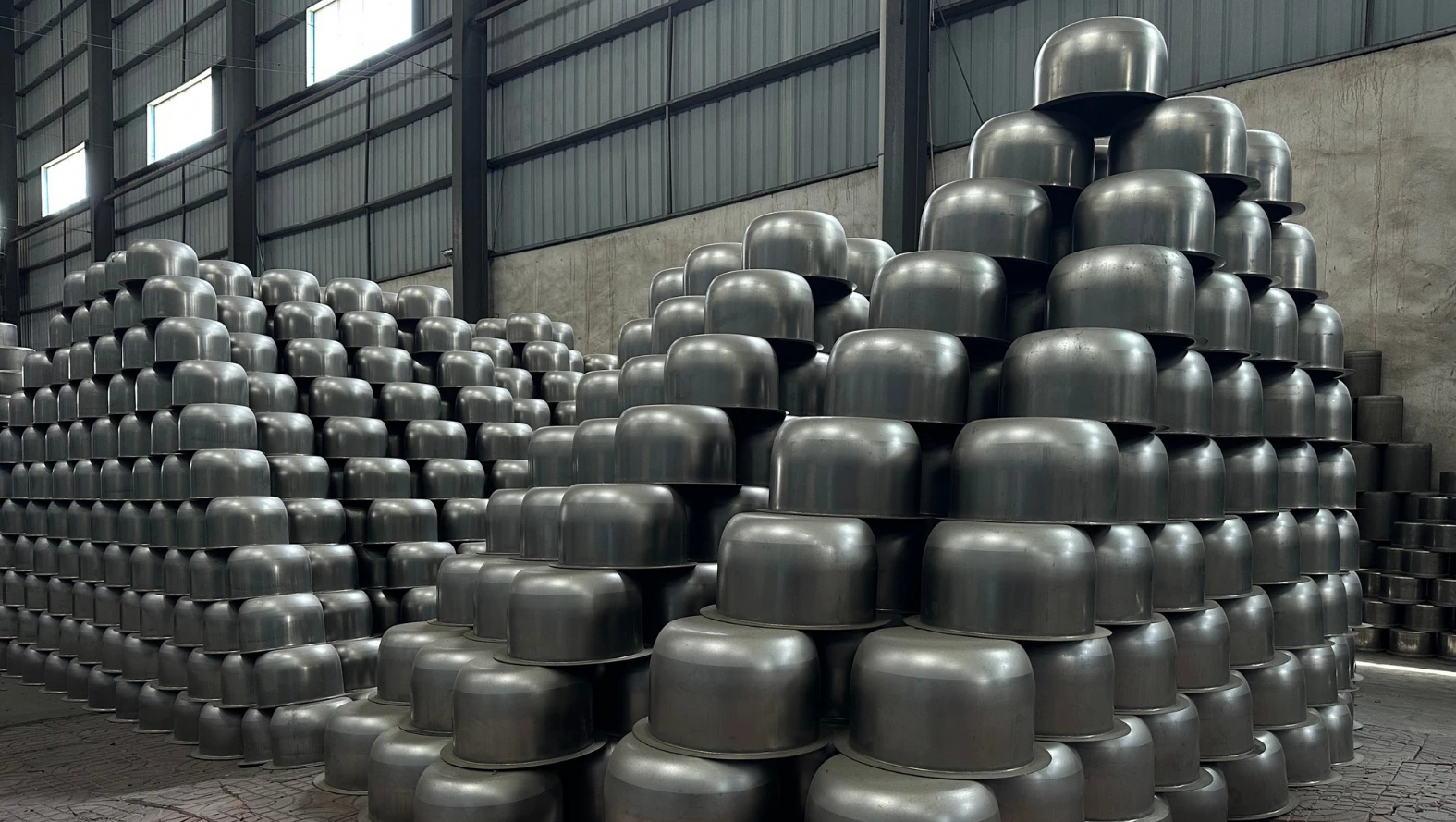
Acier inoxydable 430 : une option économique pour la fabrication d'ustensiles de cuisine
Caractéristiques de l'acier inoxydable 430
L'acier inoxydable 430 est un acier inoxydable ferritique couramment utilisé dans la fabrication d'ustensiles de cuisine, où le rapport coût-efficacité et les propriétés magnétiques sont des critères importants.
Parmi ses avantages, on peut citer :
- Coût inférieur des matériaux
- Propriétés magnétiques
- Bonne résistance à la corrosion
- Convient aux applications à induction
Parmi les applications courantes, on peut citer :
- Couches inférieures des ustensiles de cuisine
- Socles compatibles avec l'induction
- Ustensiles de cuisine à prix abordables
L'acier inoxydable 430 étant magnétique, il est souvent utilisé comme couche extérieure dans les ustensiles de cuisine conçus pour les plaques à induction.
Limites de l'acier inoxydable 430
Par rapport à l'acier inoxydable 304, l'acier 430 présente certaines limites :
- Résistance à la corrosion moindre
- Teneur en nickel plus faible
- Moins adapté aux plans de cuisson haut de gamme
C'est pourquoi l'acier inoxydable 430 n'est généralement pas choisi comme matériau principal pour la surface de cuisson des batteries de cuisine haut de gamme.
Au lieu de cela, les fabricants associent souvent l'acier inoxydable 430 à l'acier inoxydable 304 afin de trouver un juste équilibre entre performances et coût.
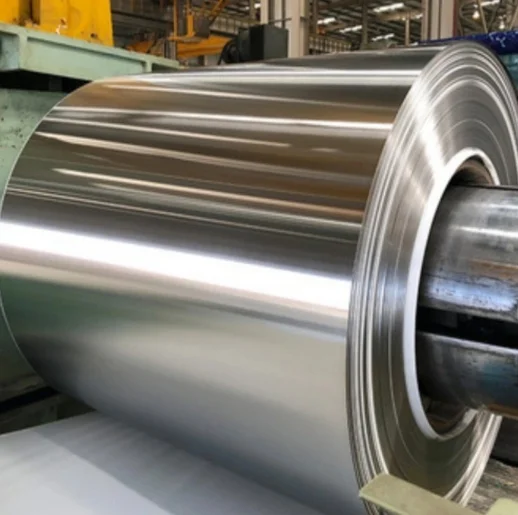
Acier inoxydable 304, 316 et 430 pour la fabrication d'ustensiles de cuisine
| Fonctionnalité | Acier inoxydable 304 | Acier inoxydable 316 | Acier inoxydable 430 |
|---|---|---|---|
| Résistance à la corrosion | Excellent | Supérieur | Bon |
| Coût des matières premières | Moyen | Le plus élevé | Le plus bas |
| Teneur en nickel | Oui | Oui | Non |
| Applications en contact avec les denrées alimentaires | Excellent | Excellent | Bon |
| Propriétés magnétiques | Généralement non magnétique | Généralement non magnétique | Magnétique |
| Utilisation courante | Corps principal de l'ustensile de cuisine | Ustensiles de cuisine haut de gamme | Plaques à induction, produits d'un bon rapport qualité-prix |
Comment les fabricants d'ustensiles de cuisine choisissent les nuances d'acier inoxydable
Sélection en fonction du positionnement du produit
Chaque segment de marché nécessite des stratégies différentes en matière de matériaux.
Ustensiles de cuisine haut de gamme :
→ Acier inoxydable 304 ou 316
Ustensiles de cuisine grand public :
→ Corps en acier inoxydable 304 + socle à induction en acier inoxydable 430
Ustensiles de cuisine à petit prix :
→ Solutions en acier inoxydable 430
Le choix judicieux des matériaux aide les marques à trouver le juste équilibre entre les performances du produit et le prix de vente au détail visé.
Sélection en fonction du procédé de fabrication
Le choix de la nuance d'acier inoxydable a également une incidence sur l'efficacité de la production.
La fabrication d'ustensiles de cuisine comprend généralement :
- Dessin en profondeur
- Estampillage
- Soudage
- Polissage
L'acier inoxydable 304 est largement plébiscité car il offre :
- Bonne ductilité
- Performances de formage stables
- Des résultats de finition impeccables
Pour les ustensiles de cuisine aux formes complexes, le choix d'un matériau présentant de bonnes propriétés de formage peut réduire les défauts de production et améliorer l'efficacité de la fabrication.
Choix en fonction de l'environnement d'utilisation
L'environnement d'utilisation final influe également sur le choix des matériaux.
Réfléchissez à ceci :
- Exposition à l'humidité
- Exposition au sel
- Produits chimiques de nettoyage
- Fréquence d'utilisation
Exemples :
Ustensiles de cuisine courants :
→ Acier inoxydable 304
Environnements marins ou hautement corrosifs :
→ Acier inoxydable 316
Structures des ustensiles de cuisine à induction :
→ Acier inoxydable 430 pour ses propriétés magnétiques
Pourquoi les batteries de cuisine en acier inoxydable multicouches utilisent-elles différentes nuances d'acier ?
Structure courante des ustensiles de cuisine multicouches
De nombreux articles de cuisine haut de gamme sont composés de plusieurs couches d'acier inoxydable plutôt que d'un seul matériau.
Une structure type comprend :
Surface de cuisson intérieure :
- acier inoxydable 304
Couche d'induction externe :
- Acier inoxydable 430
Couche centrale :
- Aluminium ou cuivre
Cette combinaison permet aux fabricants d'atteindre différents objectifs de performance au sein d'un même produit.
Avantages de la conception multi-matériaux
L'association de différentes nuances d'acier inoxydable offre les avantages suivants :
- Meilleure répartition de la chaleur
- Compatibilité avec la cuisson à induction
- Durabilité améliorée
- Coût des matières premières optimisé
Pour les marques d'ustensiles de cuisine, la fabrication multicouche permet de créer des produits haut de gamme tout en maîtrisant les coûts de fabrication.
Ce que les acheteurs doivent préciser lors de l'achat d'acier inoxydable destiné à la fabrication d'ustensiles de cuisine
Lorsqu'ils s'approvisionnent en matériaux en acier inoxydable, les fabricants d'ustensiles de cuisine doivent fournir des spécifications complètes à leurs fournisseurs.
Exigences relatives aux nuances d'acier inoxydable
Parmi les détails importants, on peut citer :
- Nuance d'acier inoxydable
- Composition chimique
- Norme relative aux matériaux
- Exigences relatives au contact alimentaire
Le choix de la nuance appropriée garantit que le matériau est adapté à l'utilisation prévue pour les ustensiles de cuisine.
Caractéristiques techniques des bobines et tôles en acier inoxydable
Outre la catégorie, les acheteurs doivent également vérifier :
- Épaisseur
- Largeur
- Finition de la surface
- Tolérance
- Sous forme de bobines ou de tôles
Par exemple :
- Les ustensiles de cuisine emboutis doivent présenter une épaisseur et des propriétés de formage adaptées.
- Les ustensiles de cuisine polis exigent une qualité de surface homogène.
Un professionnel expérimenté fournisseur d'acier inoxydable peut vous aider à définir les spécifications adaptées en fonction des exigences de production.
Exigences en matière de transformation et de qualité
Dans le domaine de la fabrication industrielle d'ustensiles de cuisine, la stabilité de la qualité des matériaux est essentielle.
Les acheteurs doivent vérifier :
- Normes d'inspection des surfaces
- Précision dimensionnelle
- Certification des matériaux
- Homogénéité des lots
Une fiabilité fournisseur d'acier inoxydable devrait fournir des matériaux homogènes permettant d'assurer une production en aval efficace.
Comment Weijunli Steel accompagne les fabricants d'ustensiles de cuisine
En tant que fournisseur d'acier en gros originaire de Chine, Weijunli Steel fournit des matériaux en acier inoxydable destinés aux fabricants d'ustensiles de cuisine et aux applications industrielles.
Notre assistance comprend :
- Fourniture de bobines et de tôles en acier inoxydable
- Recommandation concernant la note
- Épaisseur et largeur sur mesure
- Options de finition de surface
- Contrôle qualité
- Aide à l'exportation
Pour les fabricants d'ustensiles de cuisine, choisir le bon acier inoxydable ne se résume pas à l'achat de l'acier : il s'agit de s'assurer que ce matériau offre les performances requises tout au long du processus de production.
En faisant appel à un professionnel expérimenté fournisseur d'acier inoxydable sur mesure, les acheteurs peuvent optimiser le choix des matériaux en fonction de la conception du produit, des exigences de fabrication et du positionnement sur le marché.
Pour les distributeurs et les acheteurs en gros, un fournisseur fiable fournisseur en gros d'acier inoxydable contribue à garantir un approvisionnement stable et une qualité constante, même en cas de commandes répétées.
Recommandation finale : quelle nuance d'acier inoxydable choisir pour les ustensiles de cuisine ?
| Demande | Niveau recommandé |
|---|---|
| Ustensiles de cuisine pour un usage quotidien | acier inoxydable 304 |
| Ustensiles de cuisine haut de gamme | Acier inoxydable 304 / 316 |
| Environnement hautement corrosif | acier inoxydable 316 |
| Fond des ustensiles de cuisine à induction | Acier inoxydable 430 |
| Ustensiles de cuisine à prix abordables | Acier inoxydable 430 |
Il n'existe pas de nuance d'acier inoxydable unique qui convienne à tous les types d'ustensiles de cuisine.
L'acier inoxydable 304 reste le choix le plus répandu, car il offre le meilleur compromis entre performances et coût. L'acier inoxydable 316 convient aux applications haut de gamme nécessitant une résistance à la corrosion plus élevée, tandis que l'acier inoxydable 430 constitue une solution économique pour les structures compatibles avec la cuisson par induction.
Pour les fabricants d'ustensiles de cuisine, le choix approprié dépend du positionnement du produit, du processus de fabrication et des exigences du marché cible.
FAQ
Quelle est la meilleure nuance d'acier inoxydable pour la fabrication d'ustensiles de cuisine ?
L'acier inoxydable 304 est la nuance la plus couramment utilisée, car elle offre une excellente résistance à la corrosion, une grande durabilité et de bonnes performances de fabrication.
L'acier inoxydable 316 est-il meilleur que le 304 pour les ustensiles de cuisine ?
Cela s'applique particulièrement dans un environnement salin. L'acier inoxydable 316 offre une meilleure résistance à la corrosion, mais l'acier inoxydable 304 est généralement suffisant pour la plupart des ustensiles de cuisine à usage domestique.
L'acier inoxydable 430 convient-il à la fabrication d'ustensiles de cuisine ?
Oui. L'acier inoxydable 430 est couramment utilisé pour les bases à induction et la fabrication d'ustensiles de cuisine à prix abordable.
Quelle est l'épaisseur de l'acier inoxydable utilisée pour les ustensiles de cuisine ?
L'épaisseur requise dépend du type d'ustensile de cuisine, du procédé de fabrication, des exigences en matière de durabilité et du positionnement du produit.
Pourquoi les fabricants d'ustensiles de cuisine utilisent-ils à la fois de l'acier inoxydable 304 et 430 ?
L'acier 304 offre une surface de cuisson résistante à la corrosion, tandis que l'acier 430 présente des propriétés magnétiques qui le rendent compatible avec la cuisson à induction et permet d'optimiser les coûts liés aux matériaux.