L'acier laminé à froid le plus fin peut avoir une incidence directe sur la qualité du produit, le rendement de fabrication de produits spécifiques et le coût total de possession. Pour les acheteurs finaux et les ingénieurs, la première chose à considérer est de faire correspondre l'utilisation finale typique avec des paramètres clés tels que l'épaisseur et la tolérance, les propriétés mécaniques, l'état de surface et la formabilité.
Aujourd'hui, Weijunli Steel, un principal fournisseur et transformateur d'acier, La Commission européenne a donc décidé de créer un blog pour l'aider dans cette tâche.
Propriétés de l'acier laminé à froid
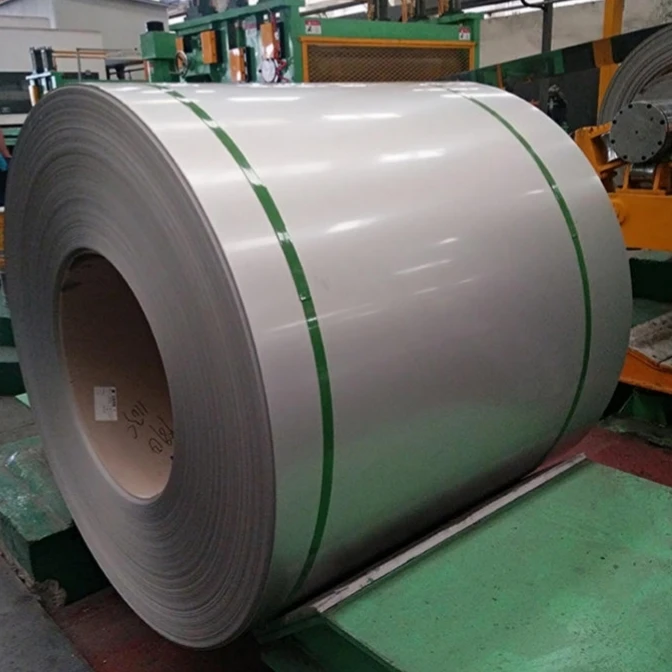
L'acier laminé à froid est produit en réduisant les bobines laminées à chaud à température ambiante, ce qui permet d'obtenir une meilleure finition de surface, des tolérances dimensionnelles plus serrées et une meilleure cohérence mécanique par rapport aux alternatives laminées à chaud.
Le processus peut inclure le recuit et le laminage de revenu pour atteindre les plages de ductilité et de résistance ciblées.
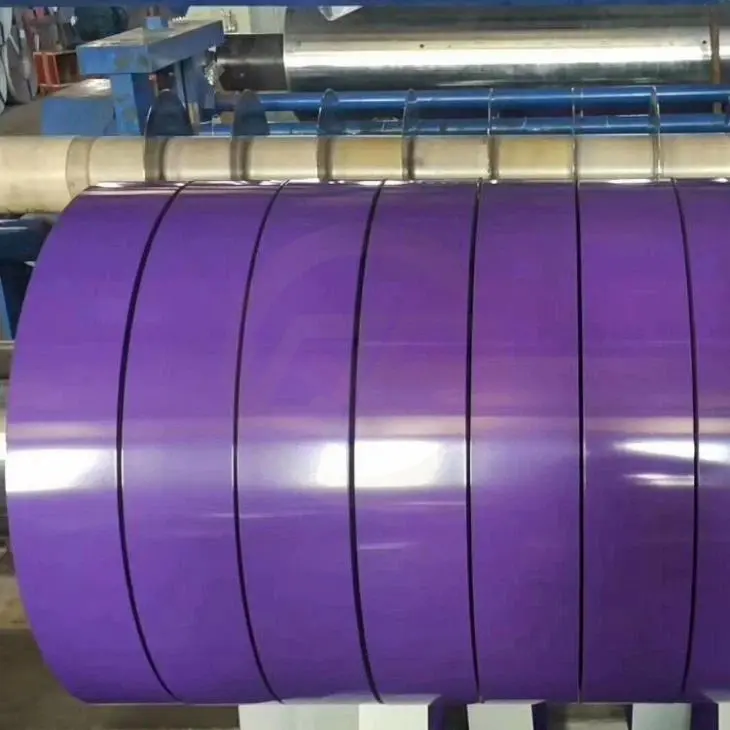
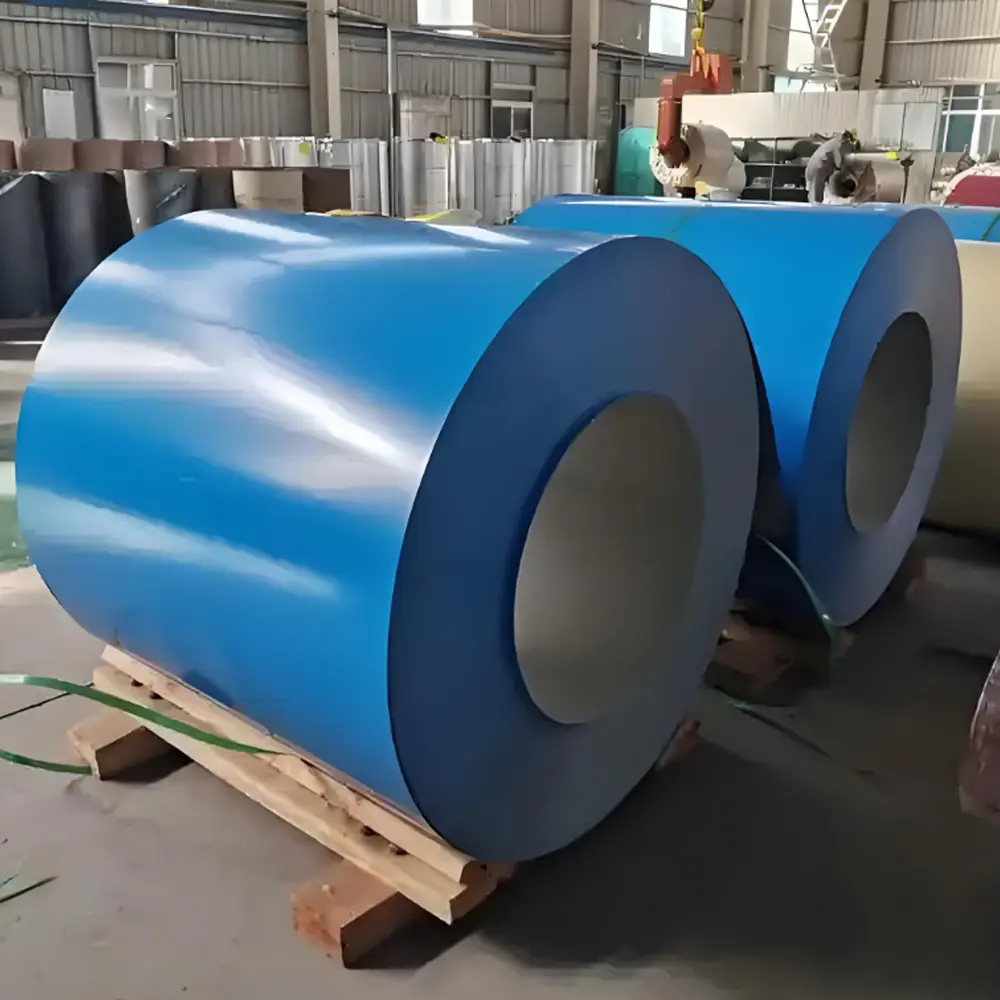
Les formes d'approvisionnement typiques sont la bobine, la feuille coupée à la longueur et la bande fendue, chacune ayant des implications pour l'inventaire, la manutention et le traitement en aval.
Paramètres clés à prendre en compte
Avant de choisir une note, alignez-vous sur ces quatre facteurs de décision.
Épaisseur, tolérance et planéité
La tolérance d'épaisseur a une incidence sur l'ajustement de l'assemblage et l'emboîtement des pièces découpées. Spécifiez l'épaisseur absolue et l'écart admissible (par exemple, ±0,03 mm) lorsque l'ajustement est critique. La tolérance de planéité et de cambrure de la bobine a une incidence sur le formage et l'alimentation de la presse ; pour les pièces de précision, des classes de planéité plus strictes sont nécessaires.
Propriétés mécaniques
Déterminez la résistance à la traction, la limite d'élasticité et l'allongement requis en fonction du formage et des charges de service. Les classes courantes de laminés à froid sont les suivantes
- DQ / Qualité commerciale (CQ) : fabrication générale.
- Qualité du dessin (DQ) : les appareils d'emboutissage et d'emboutissage.
- Qualité de l'emboutissage profond / emboutissage extra profond (DDQ / EDQ) : formation extrême avec un minimum de fissures.
Les grades de résistance plus élevés peuvent augmenter le retour élastique et l'usure de la matrice - choisissez un équilibre entre la résistance et la formabilité.
Qualité et finition de la surface
Les catégories de surfaces vont de la finition brillante et propre à des surfaces d'aspect spécial ou prêtes à être plaquées. Les panneaux visibles et les produits peints nécessitent des surfaces peu rugueuses et sans défaut. Pour la galvanisation ou le placage, choisissez des préparations de surface compatibles (propreté, type d'huile).
Formabilité et compatibilité avec la transformation
Adaptez les matériaux à vos principaux procédés de formage : emboutissage, cintrage, formage par roulage, découpe laser ou emboutissage. Demandez aux fournisseurs les indices de poinçonnabilité des matériaux, les performances des rayons de courbure et le comportement en matière d'ébarbage.
Choix par utilisation finale
Vous trouverez ci-dessous les points de repère recommandés pour les applications B2B courantes lors de l'utilisation d'acier laminé à froid.
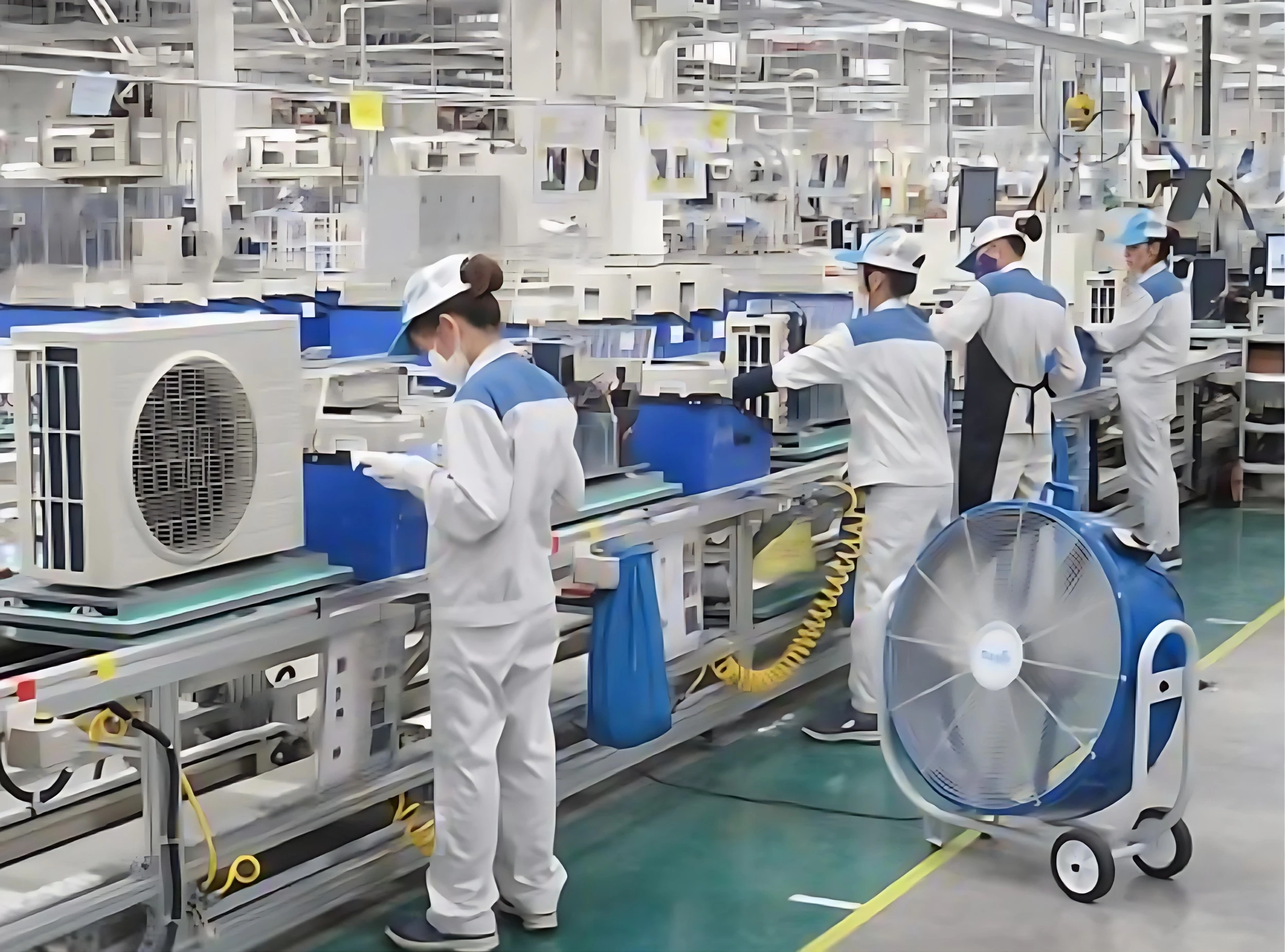
Panneaux d'appareils et pièces moulées de précision
- Priorité : finition de la surface, aptitude à l'emboutissage, compatibilité avec l'enduction de couleur.
- Recommandation : Nuances DDQ / EDQ à surface brillante (huilée ou décapée et huilée). Spécifier une surface laminée à chaud pour le revêtement des bobines ; exiger une faible teneur en inclusions et une excellente aptitude à la mise en forme. Demandez des échantillons de pré-production et des tests d'adhérence de la peinture.
Pièces d'intérieur et de structure légère pour automobiles
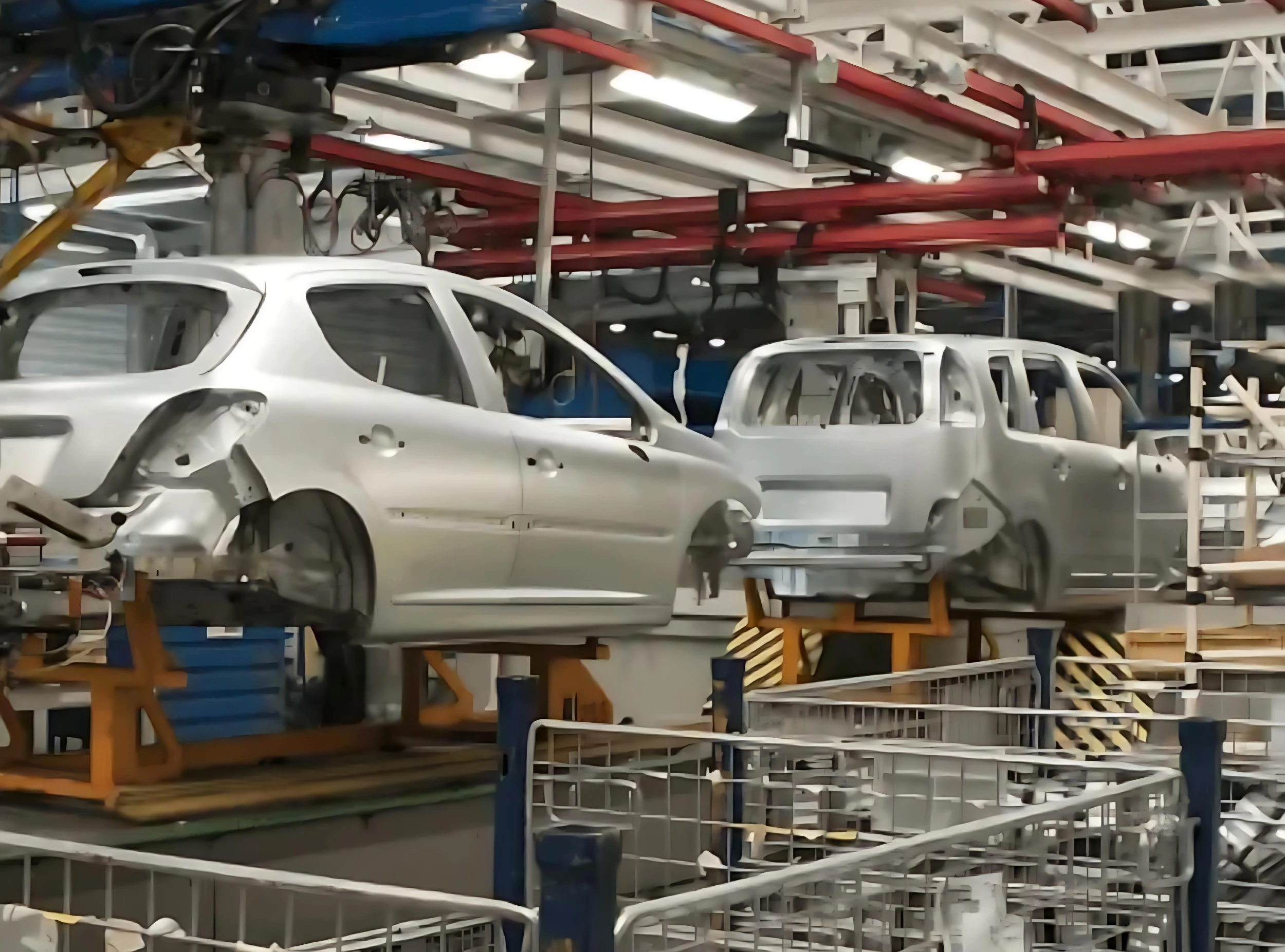
- Priorité : contrôle dimensionnel, propriétés mécaniques cohérentes, résistance à la fatigue pour les caractéristiques structurelles.
- Recommandation : Nuances CR (laminé à froid) de haute qualité adaptées à la sévérité du formage - utiliser le CR à plus haute résistance pour les supports structurels, mais valider le retour élastique. Contrôler étroitement la composition chimique pour assurer la compatibilité avec le soudage et le revêtement.
Armoires électriques et armoires de commande
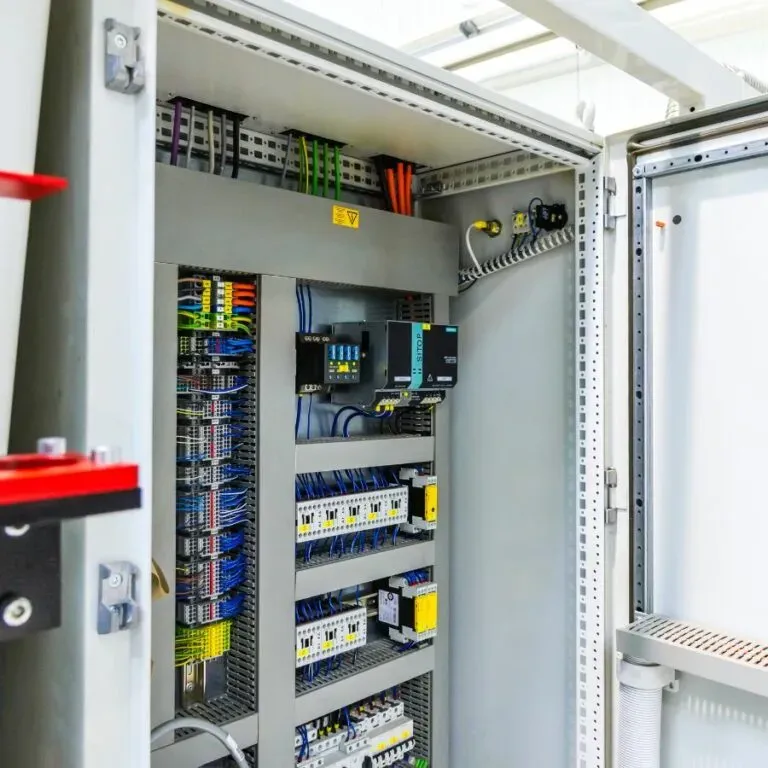
- Priorité : la planéité, la soudabilité, l'adhérence du revêtement et la résistance à la corrosion.
- Recommandation : Tôle CR avec un bon fini de surface (pour les applications de revêtement en poudre ou de prépeinture). En cas d'exposition ou d'utilisation à l'extérieur, spécifier les options galvanisées ou à revêtement pré-galvalume fabriquées à partir d'un substrat laminé à froid.
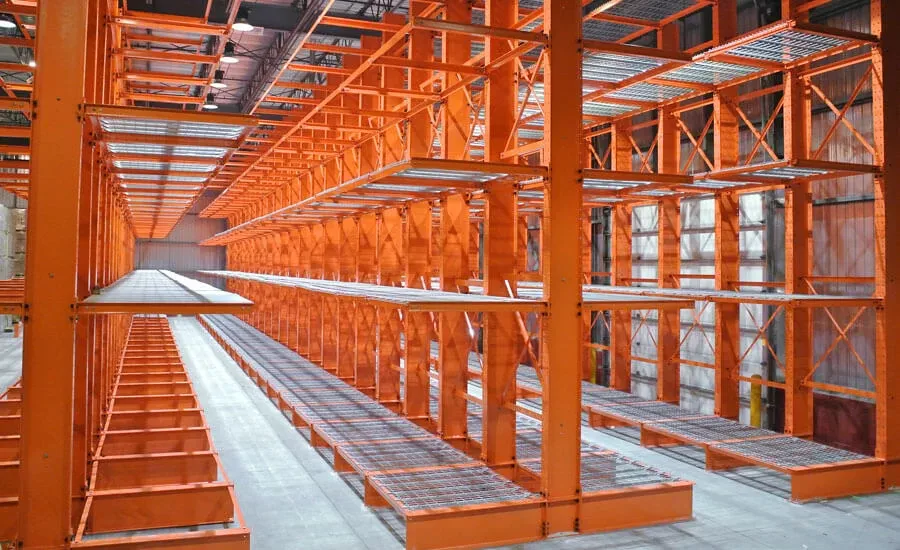
Meubles, rayonnages et systèmes d'étagères
- Priorité : rentabilité, formabilité, épaisseur constante pour les lignes automatisées.
- Recommandation : Nuances CQ ou commerciales laminées à froid avec surface standard ; optez pour des bobines CR prépeintes lorsque la finition cosmétique et la protection contre la corrosion sont requises.
Pièces de précision, composants découpés au laser et fabrication CNC
- Priorité : précision dimensionnelle, formation minimale de bavures, qualité constante des arêtes.
- Recommandation : laminé à froid avec une tolérance d'épaisseur spécifiée et une dureté contrôlée ; vérifier l'usinabilité et les paramètres de découpe au laser à l'aide d'échantillons du fournisseur.

Normes, notes et points de contrôle
Lors de la spécification de l'acier laminé à froid, il convient de faire référence aux normes reconnues (ASTM, EN, JIS) et de définir des critères d'acceptation mesurables :
- Composition chimique limites (C, Mn, P, S) pour contrôler la soudabilité et la formabilité.
- Essais mécaniques: la traction, la limite d'élasticité et l'allongement.
- Inspection de la surfaceLe tableau suivant indique la classe de défauts acceptables et la désignation de la finition.
- Essais dimensionnelsLes données de l'enquête sont les suivantes : épaisseur en plusieurs points, planéité et tolérance de la largeur.
- Traçabilité: Certificat d'essai de l'usine (MTC) avec les numéros de chaleur et de bobine.
Insister auprès des fournisseurs pour qu'ils fournissent des rapports d'essai sur les échantillons et des photos avant expédition pour les premières commandes.
Traitement de surface et finition en aval
Décidez si vous avez besoin de la feuille huilé, décapé et huilé, recuit ou prélaqué sur votre acier laminé à froid :
- Huilé / Mariné & Huilé : protège pendant le stockage ; doit être nettoyé avant d'être peint.
- Recuit (sans oxyde) : pour une formabilité supérieure et des caractéristiques mécaniques constantes.
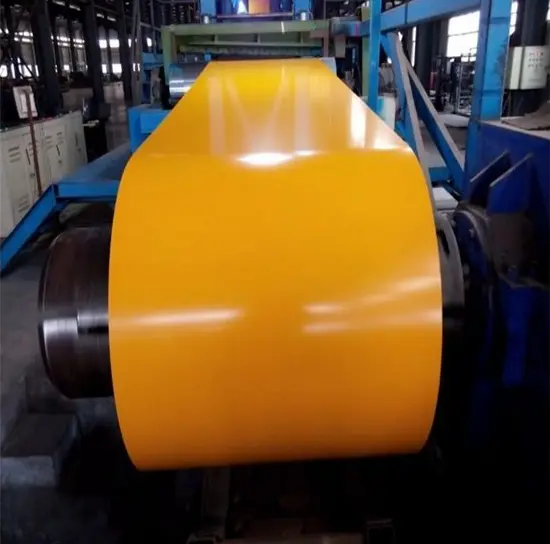
- Pré-peint / Pré-revêtu : économise les étapes de revêtement en interne - spécifiez le système de revêtement (PE, SMP, PVDF) et l'épaisseur du film.
Confirmer la compatibilité entre le traitement de surface choisi et vos procédés de soudage, de collage ou de revêtement.
Liste de contrôle pratique pour les marchés publics
Utilisez cette liste de contrôle dans les appels d'offres et les commandes :
- Description de la pièce/application et processus de formation.
- acier laminé à froid et la référence standard.
- Table d'épaisseur et de tolérance.
- Propriétés mécaniques requises (traction/élasticité/allongement).
- Finition de la surface et spécification du prétraitement.
- Exigences en matière d'essais et d'inspections (MTC, adhérence, essai de pliage).
- Instructions pour l'emballage, l'étiquetage et le transport.
- Délai d'exécution, MOQ et protocole d'échantillonnage convenu.
Conclusion
Pour choisir le bon acier laminé à froid, il faut aligner les propriétés du matériau sur les réalités de la fabrication et les performances de l'utilisation finale. Définissez d'abord les exigences fonctionnelles - comment la pièce sera formée, finie et utilisée - puis traduisez ces besoins en spécifications mesurables pour les matériaux. Une collaboration étroite avec un fournisseur qualifié, un échantillonnage précoce et des critères d'acceptation clairs minimiseront les surprises, réduiront les retouches et optimiseront le coût total tout au long du cycle de vie du produit.
À propos de Weijunli Steel
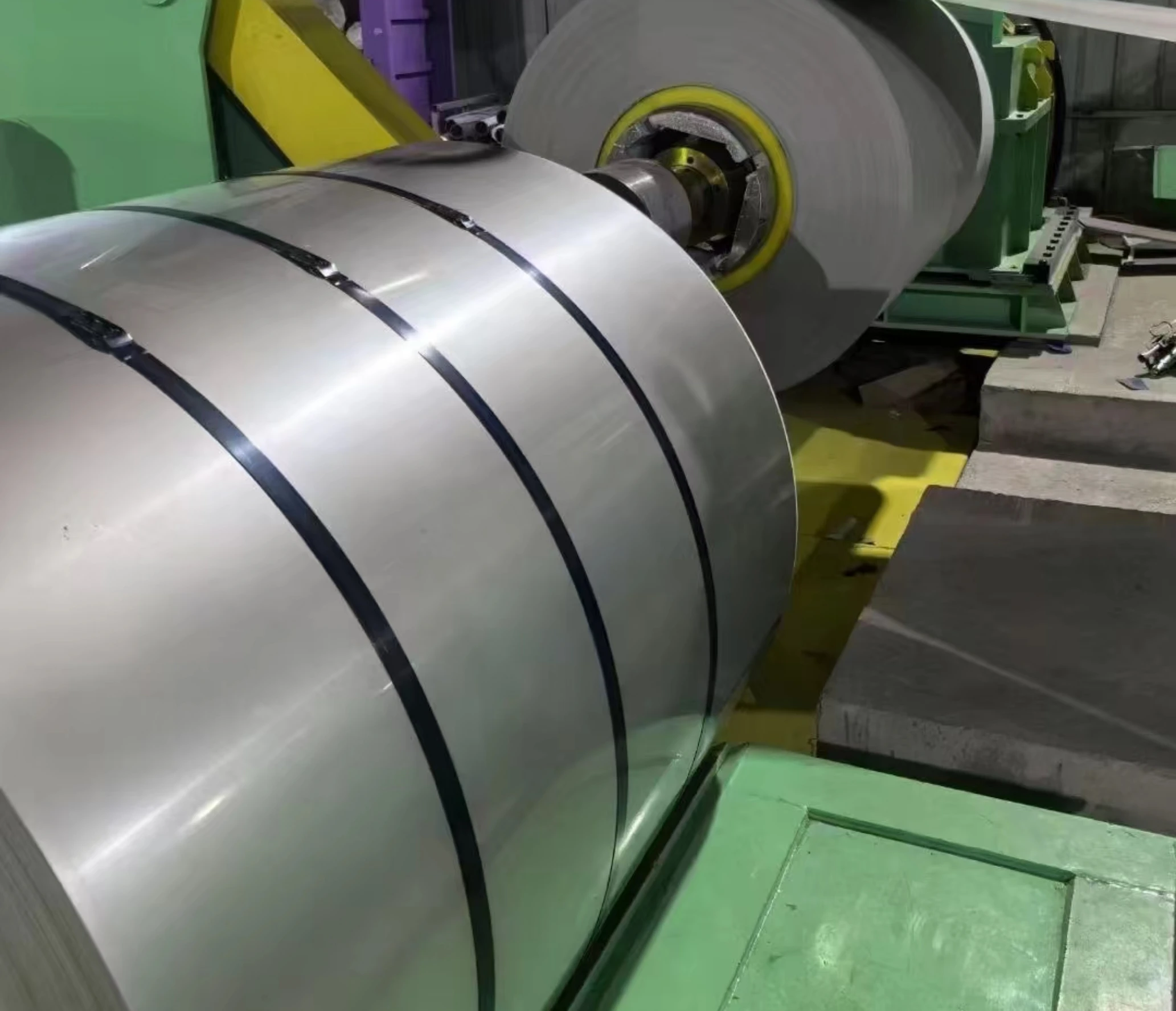
Weijunli Steel opère en tant que principal fournisseur et transformateur d'acier, fournissant vente en gros d'acier laminé à froid l'approvisionnement et les produits manufacturés. solutions personnalisées en acier laminé à froid pour diverses utilisations industrielles. Grâce à nos propres installations de production, nous contrôlons la qualité du traitement à la livraison tout en adhérant à des normes de sécurité et de fabrication internationalement reconnues. Cette approche axée sur l'usine permet d'obtenir une finition de surface cohérente, des tolérances précises et des performances d'approvisionnement fiables sur lesquelles vous pouvez compter.
FAQ : Erreurs courantes des acheteurs lors de l'approvisionnement en acier laminé à froid
Q1 : L'épaisseur et le prix sont-ils suffisants pour commander de l'acier laminé à froid ?
A1 : Non. L'épaisseur et le prix ne suffisent pas. Les acheteurs doivent également définir des exigences fonctionnelles telles que la formabilité, l'adhérence de la peinture et la résistance à la fatigue, afin de s'assurer que le matériau est adapté au processus de fabrication prévu.
Q2 : Les acheteurs doivent-ils effectuer des tests de production avant de passer des commandes en masse ?
R2 : Oui. Les essais d'emboutissage et de cuisson de la peinture sur des bobines échantillons permettent de valider les performances de la production réelle et de réduire le risque de défauts lors de la production en série.
Q3 : Pourquoi la cohérence d'un lot à l'autre est-elle importante ?
A3 : Des lots incohérents peuvent conduire à un formage instable et à des problèmes de qualité. Les acheteurs doivent exiger des plans de contrôle de la qualité des fournisseurs et une traçabilité minimale des lots.
Q4 : L'emballage et la manutention peuvent-ils affecter la qualité de l'acier ?
A4 : Oui. Un emballage inadéquat peut causer des dommages aux bords, des rayures de surface ou de la rouille pendant le transport. Des méthodes d'emballage protecteur et des procédures opérationnelles normalisées claires doivent être spécifiées à l'avance.