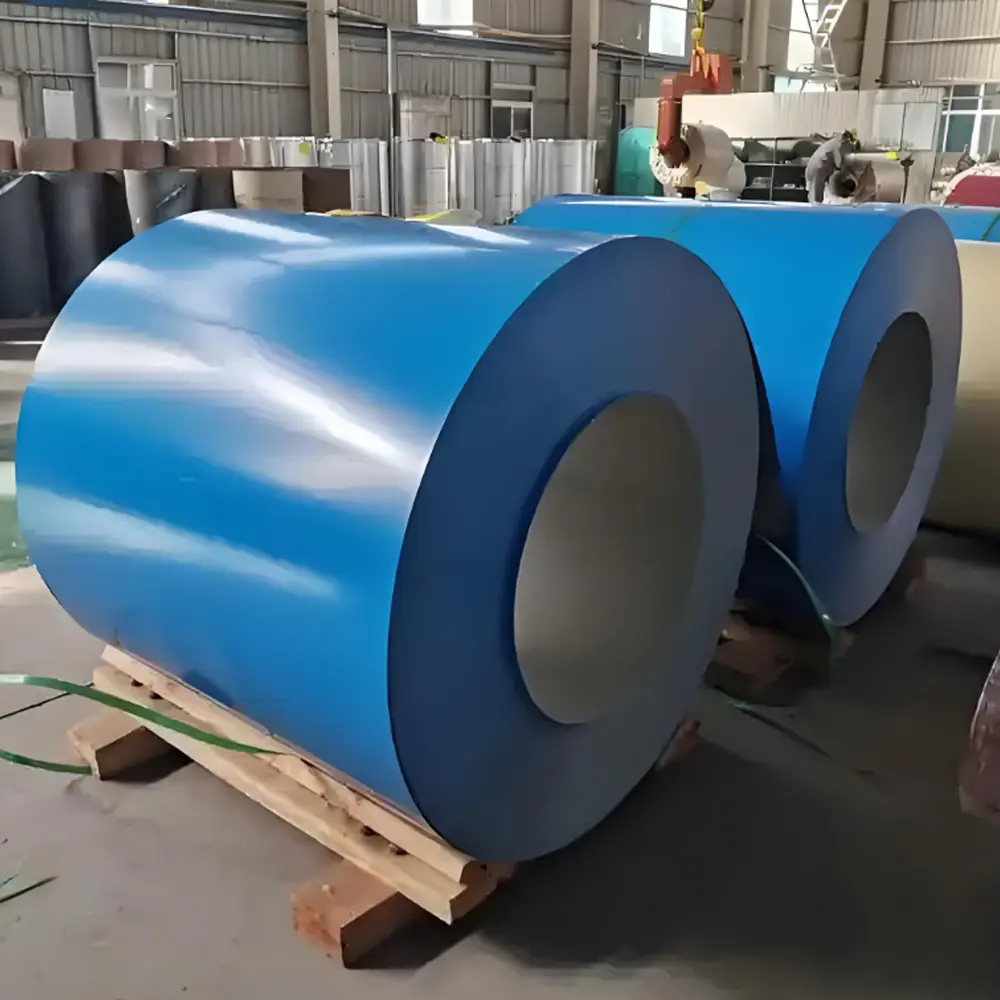
Edelstahl findet breite Anwendung bei Küchenutensilien, Haushaltsgeräten, im Bauwesen, im Innenausbau, bei Automobilteilen, im Maschinenbau und in der industriellen Fertigung. Viele Käufer sind der Meinung, dass Edelstahl grundsätzlich nicht magnetisch sein sollte. Wenn ein Magnet an Edelstahl haftet, vermuten sie möglicherweise, dass es sich um eine Fälschung oder um minderwertige Qualität handelt.
Dies ist jedoch ein weit verbreitetes Missverständnis.
Die Wahrheit ist, dass Manche Edelstahlsorten sind magnetisch, während andere nichtmagnetisch oder nur schwach magnetisch sind.. Ob Edelstahl magnetisch ist, hängt von mehreren Faktoren ab, darunter:
- Edelstahlsorte
- Chemische Zusammensetzung
- Kristallstruktur
- Herstellungsprozess
- Kaltumformungsverfahren
- Wärmebehandlungszustand
Für Einkäufer, Importeure, Bauunternehmer und Hersteller kann das Verständnis der magnetischen Eigenschaften von Edelstahl dazu beitragen, eine falsche Materialauswahl und unnötige Qualitätsstreitigkeiten zu vermeiden.
Als Fachmann Hersteller und Lieferant von rostfreiem Stahl, werde ich Ihnen den Zusammenhang zwischen Edelstahl und Magnetismus näherbringen.
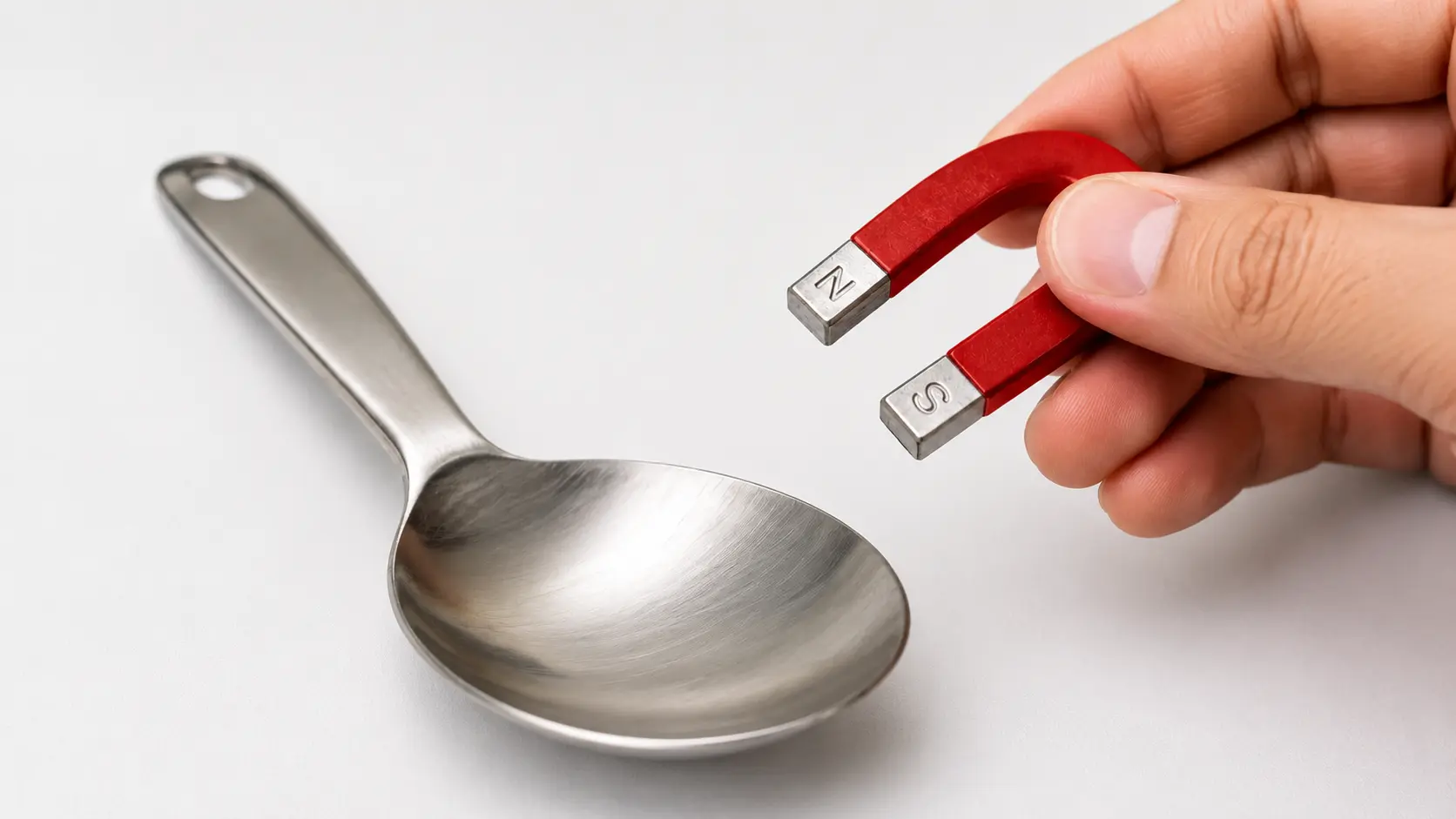
Warum ist manche Edelstahl magnetisch?
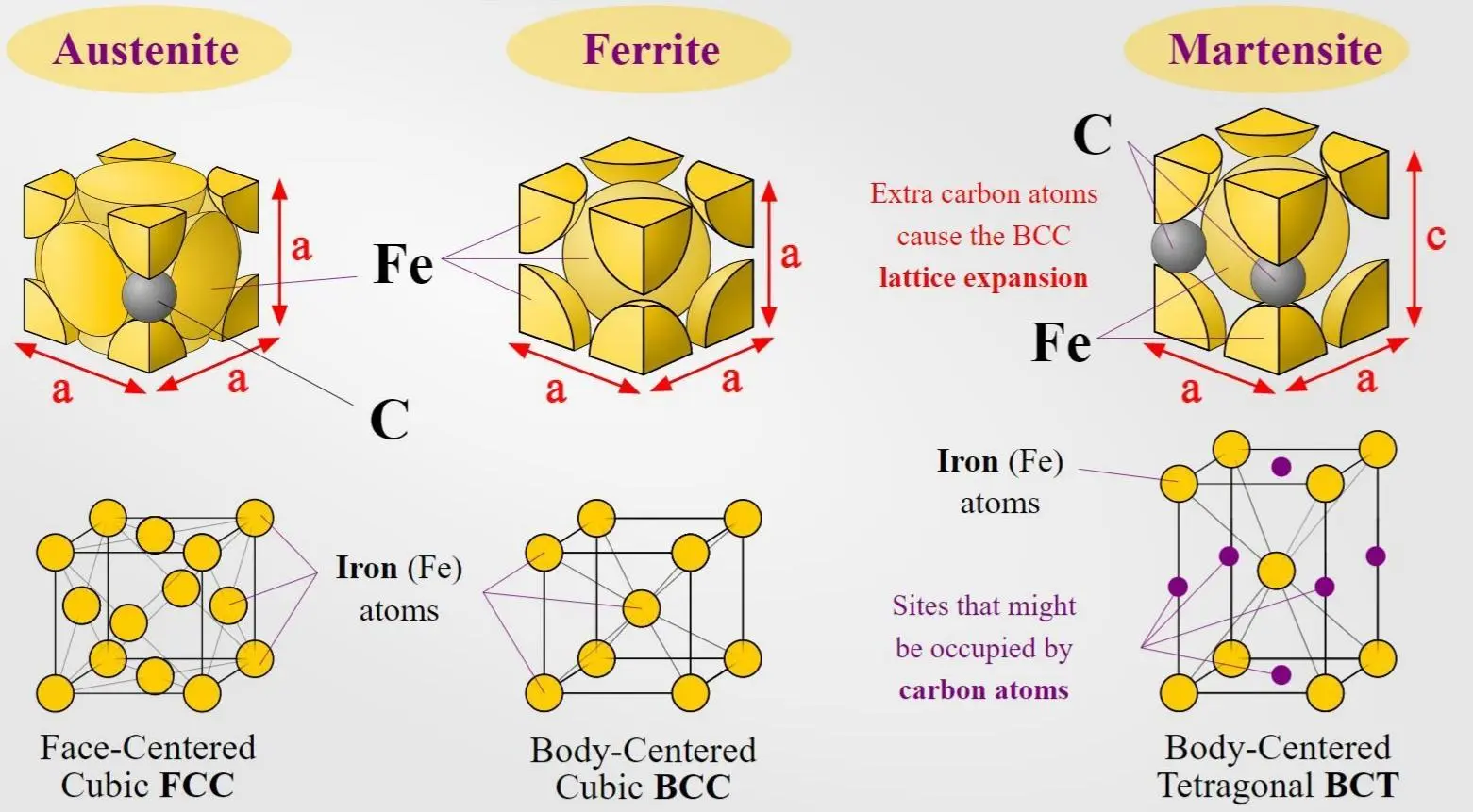
Die magnetischen Eigenschaften von Edelstahl hängen hauptsächlich mit seiner inneren Mikrostruktur zusammen. Edelstahl ist kein einheitlicher Werkstoff. Es handelt sich vielmehr um eine große Familie von Stahlwerkstoffen, die aus Chrom, Nickel, Molybdän, Kohlenstoff, Mangan und anderen Legierungselementen hergestellt werden.
Verschiedene Edelstahlsorten weisen unterschiedliche innere Strukturen auf, und diese Strukturen bestimmen, ob das Material magnetisch ist.
Im Allgemeinen lässt sich Edelstahl in drei gängige Sorten unterteilen:
- Austenitischer Edelstahl: In der Regel nichtmagnetisch oder schwach magnetisch
- Ferritischer Edelstahl: In der Regel magnetisch
- Martensitischer Edelstahl: Magnetisch und oft wärmebehandelbar
Das bedeutet, dass Magnetismus kein einfacher Maßstab dafür ist, ob es sich bei Edelstahl um echtes oder gefälschtes Material handelt. Ein magnetisches Edelstahlprodukt kann dennoch aus echtem Edelstahl bestehen. Entscheidend ist, ob die Materialgüte den Anforderungen der jeweiligen Anwendung entspricht.
Austenitischer Edelstahl: In der Regel nicht magnetisch
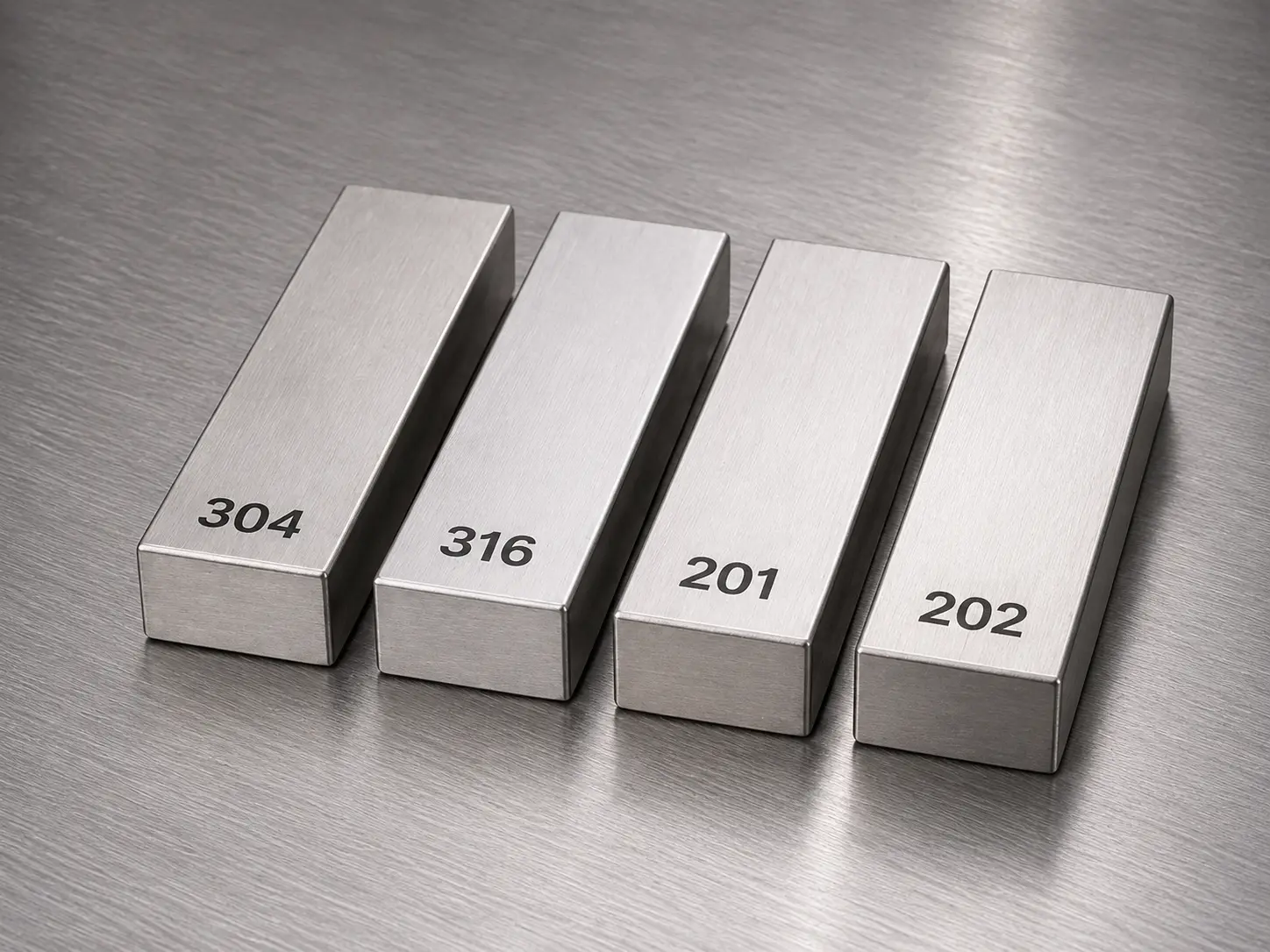
Austenitischer Edelstahl ist eine der am häufigsten verwendeten Edelstahlsorten. Zu den gängigen Güteklassen gehören:
- Edelstahl 304
- Edelstahl 316
- Edelstahl 201
- Edelstahl 202
Diese Stahlsorten enthalten in der Regel Nickel oder Mangan, was zur Bildung einer austenitischen Struktur beiträgt. Diese Struktur ist im Allgemeinen nichtmagnetisch.
Austenitischer Edelstahl findet breite Anwendung in:
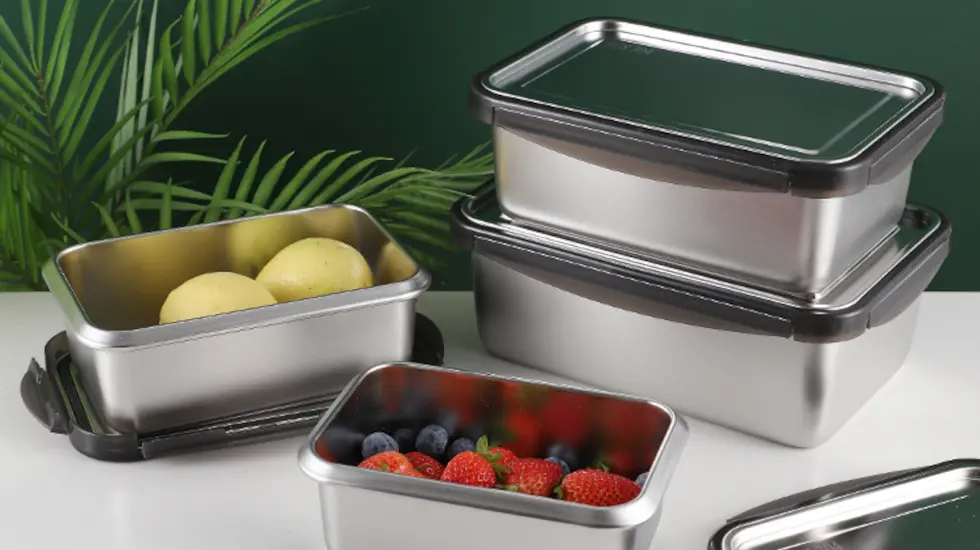
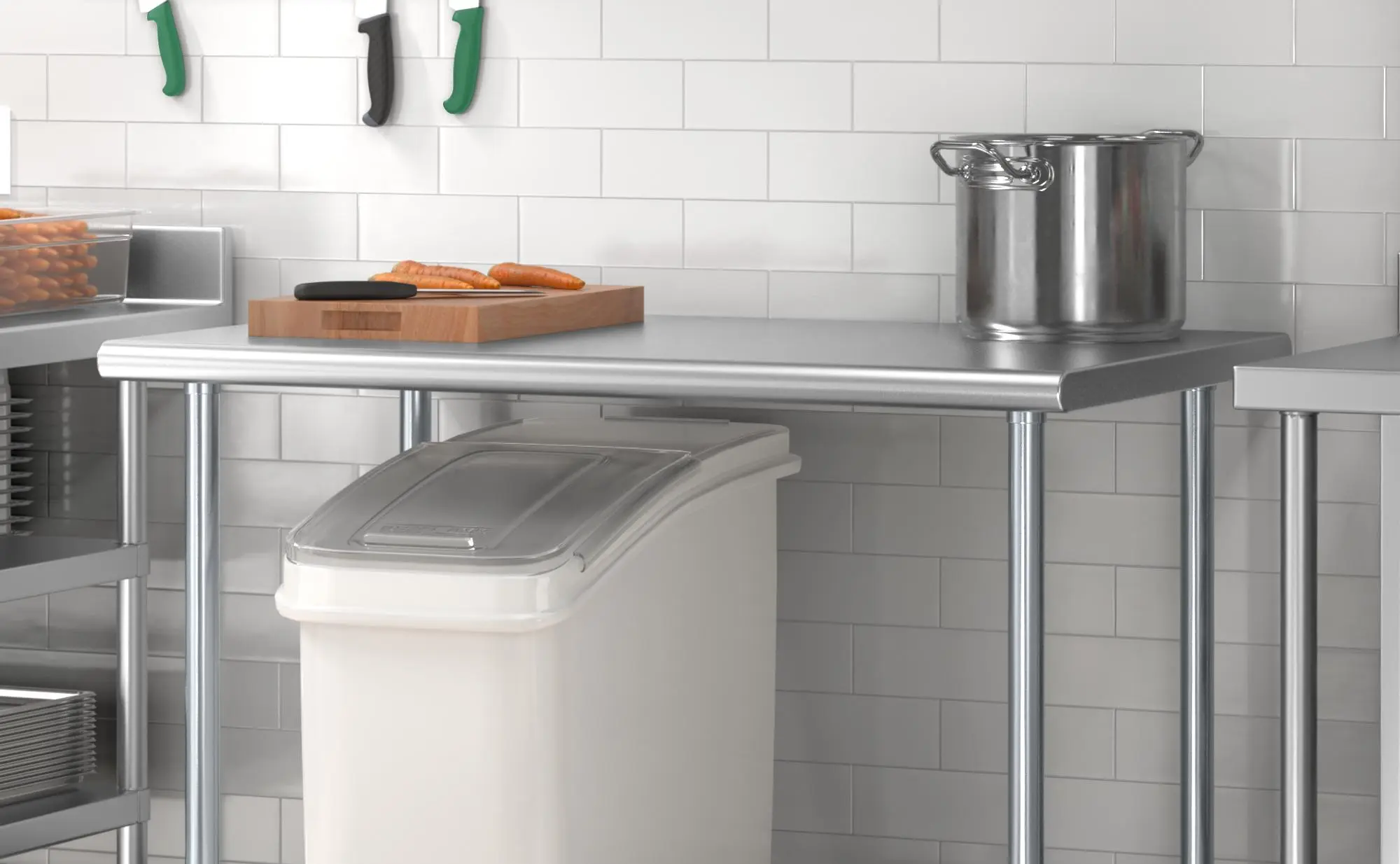
- Ausstattung der Küche
- Maschinen für die Lebensmittelverarbeitung
- Edelstahlspülen
- Geschirr und Kochgeschirr
- Medizinische Ausrüstung
- Dekorplatten
- Industrietanks und Rohrleitungen
Zum Beispiel:, Edelstahl 304 ist in geglühtem Zustand in der Regel nicht magnetisch. Nach dem Kaltwalzen, Biegen, Stanzen, Polieren oder Schweißen kann es jedoch zu einer leichten Magnetisierung kommen. Dies geschieht, weil sich ein Teil der inneren Struktur während der mechanischen Bearbeitung verändern kann.
Edelstahl 316 ist ebenfalls ein austenitischer Edelstahl. Im Vergleich zu 304 enthält er Molybdän, was die Korrosionsbeständigkeit verbessert, insbesondere in maritimen, chemischen und feuchten Umgebungen. Edelstahl 316 ist in der Regel weniger magnetisch als 304, kann jedoch nach intensiver Bearbeitung dennoch eine schwache Magnetisierung aufweisen.
Wenn ein Magnet also Edelstahl der Güteklasse 304 oder 316 leicht anzieht, bedeutet das nicht zwangsläufig, dass das Material von minderer Qualität ist. Dies kann einfach auf Kaltumformung oder Formgebung zurückzuführen sein.
Ferritischer Edelstahl: In der Regel magnetisch
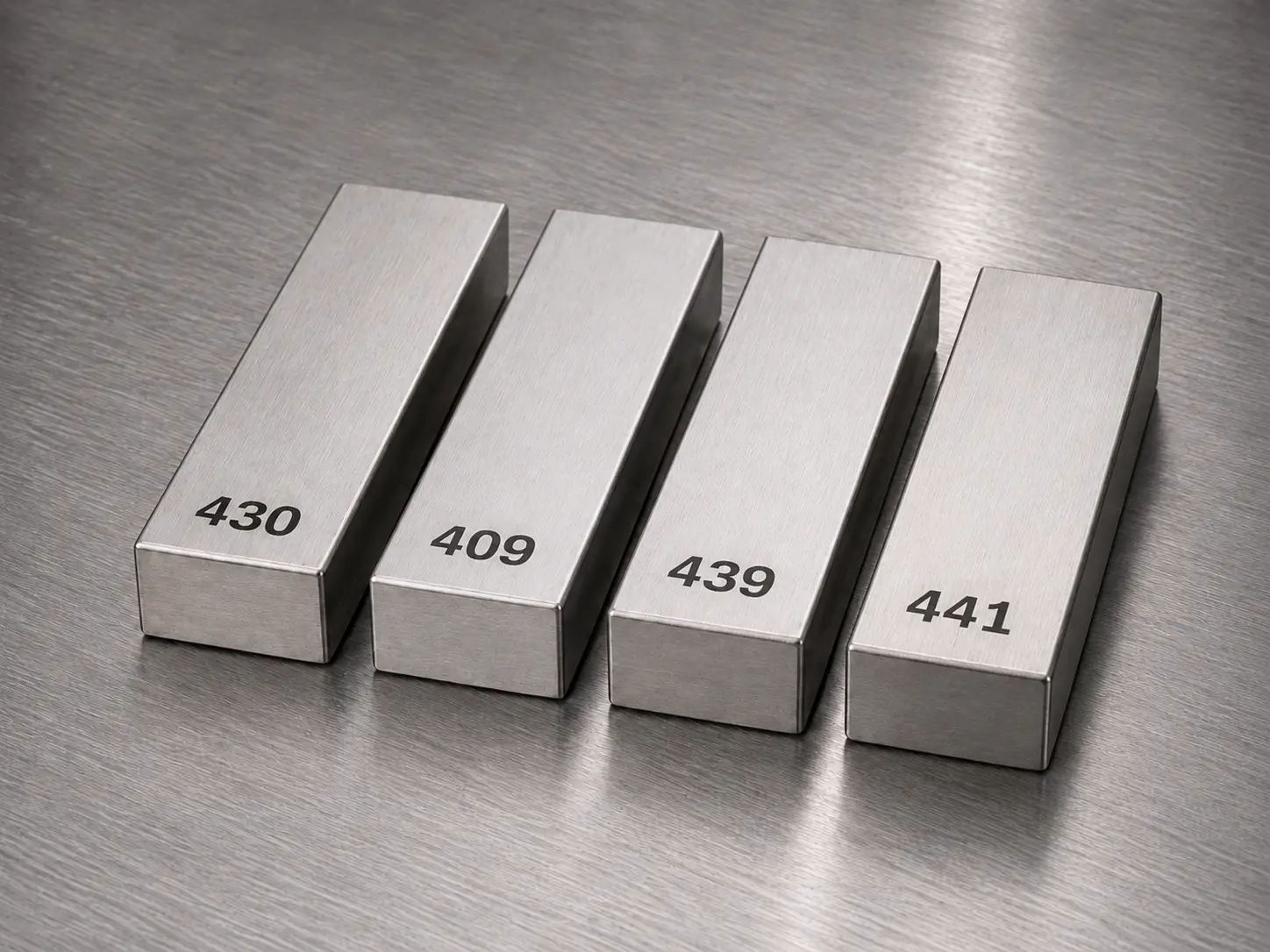
Ferritischer Edelstahl weist eine andere innere Struktur auf als austenitischer Edelstahl. Er enthält in der Regel Chrom, aber wenig oder gar kein Nickel. Aufgrund dieser Struktur ist ferritischer Edelstahl in der Regel magnetisch.
Zu den gängigen ferritischen Edelstahlsorten zählen:
- Edelstahl 430
- Edelstahl 409
- Edelstahl 439
- Edelstahl 441
Darunter, Edelstahl 430 ist eine der beliebtesten ferritischen Stahlsorten. Sie wird häufig für Anwendungen gewählt, bei denen ein ansprechendes Oberflächenbild, eine mäßige Korrosionsbeständigkeit und Kostenkontrolle wichtig sind.
Edelstahl 430 wird üblicherweise in folgenden Bereichen eingesetzt:
- Frontblenden für Küchengeräte
- Kühlschranktüren
- Dekorative Edelstahlbleche
- Aufzugverkleidungen
- Innenausstattung für Kraftfahrzeuge
- Innenarchitektonische Gestaltung
- Einige Kochgeschirrprodukte
Da ferritischer Edelstahl magnetisch ist, eignet er sich auch für bestimmte Produkte, bei denen magnetische Anziehungskraft von Vorteil ist. In diesen Fällen stellt die Magnetisierung keinen Mangel dar, sondern ist eine normale Eigenschaft des Materials.
Martensitischer Edelstahl: magnetisch und hart
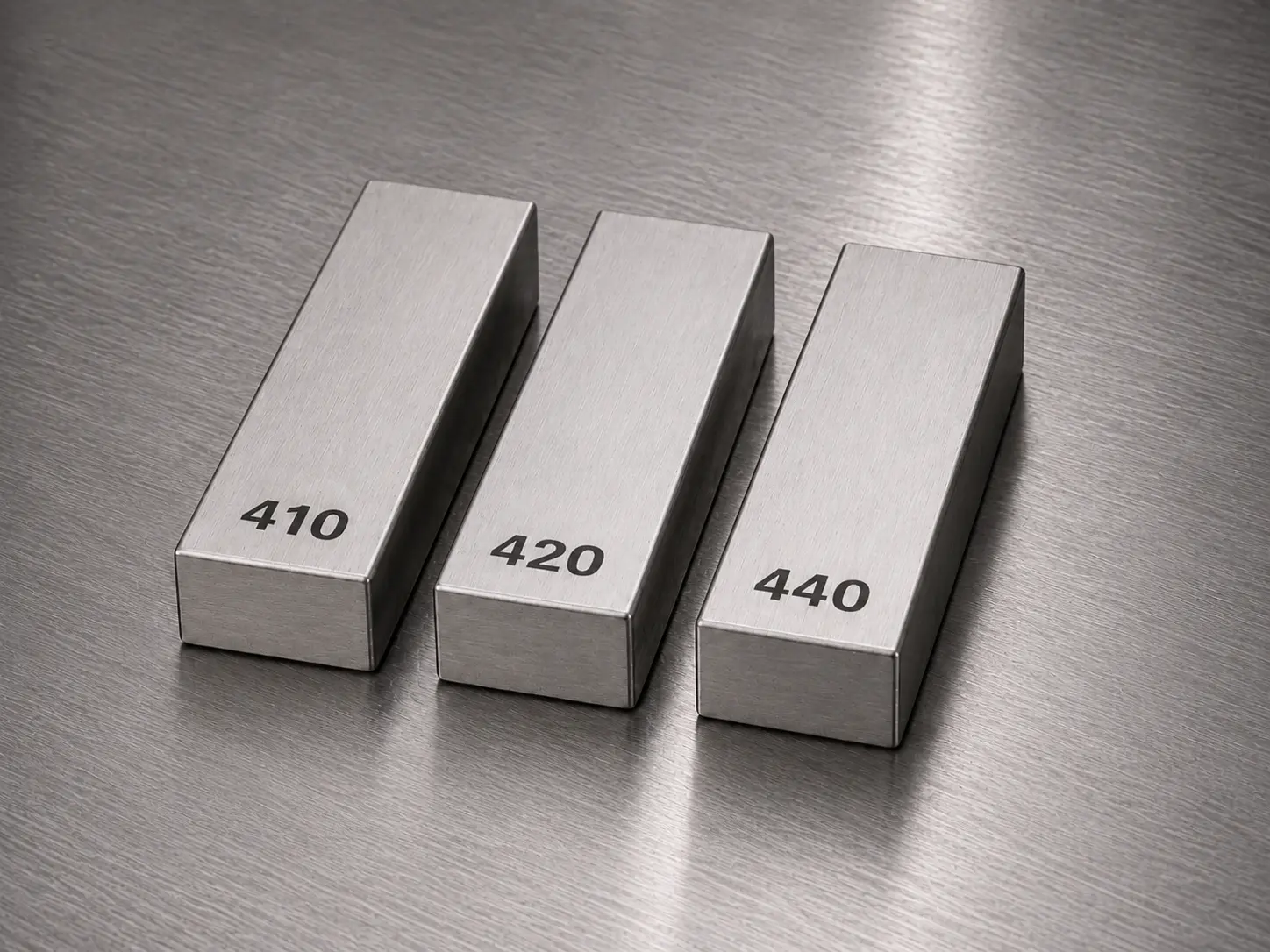
Martensitischer Edelstahl ist eine weitere Art von magnetischem Edelstahl. Zu den gängigen Sorten gehören:
- Edelstahl 410
- Edelstahl 420
- Edelstahl 440
Diese Stahlsorten weisen in der Regel einen höheren Kohlenstoffgehalt auf und lassen sich oft durch Wärmebehandlung härten. Aufgrund ihrer Festigkeit und Härte eignen sich martensitische Edelstähle für Anwendungen, bei denen Verschleißfestigkeit und mechanische Festigkeit gefragt sind.
Zu den gängigen Anwendungsbereichen gehören:
- Messer und Klingen
- Schneidwerkzeuge
- Wellen
- Ventile
- Befestigungselemente
- Mechanische Teile
- Industriekomponenten
Allerdings bietet martensitischer Edelstahl möglicherweise nicht dieselbe Korrosionsbeständigkeit wie Edelstahl der Typen 304 oder 316. Bei der Auswahl dieses Werkstoffs sollten Käufer die Härte, Festigkeit, Verschleißfestigkeit und Korrosionsbeständigkeit gemeinsam berücksichtigen.
Ist Edelstahl 304 magnetisch?
Eine der häufigsten Fragen von Käufern lautet: Ist Edelstahl 304 magnetisch?
Die Antwort lautet: Edelstahl 304 ist im geglühten Zustand in der Regel nicht magnetisch, kann jedoch nach der Weiterverarbeitung leicht magnetisch werden.
Edelstahl 304 kann nach folgenden Vorgängen eine schwache magnetische Wirkung zeigen:
- Kaltwalzen
- Biegen
- Stanzen
- Tiefziehen
- Schneiden
- Schweißen
- Oberflächenpolieren
Dies ist insbesondere bei Spülbecken, Schalen, Küchenteilen, Beschlagteilen und Formteilen aus Edelstahl der Fall.
Ein Magnettest allein reicht nicht aus, um eindeutig nachzuweisen, dass es sich bei dem Material um Edelstahl der Güteklasse 304 handelt. Ist eine genaue Bestimmung der Güteklasse erforderlich, sollte eine professionelle Materialprüfung durchgeführt werden.

Ist Edelstahl 316 magnetisch?
Edelstahl 316 ist in der Regel nicht magnetisch oder nur sehr schwach magnetisch. Da er Molybdän enthält, weist Edelstahl 316 eine bessere Beständigkeit gegen Chloridkorrosion auf als Edelstahl 304.
Edelstahl 316 wird häufig in folgenden Bereichen eingesetzt:
- Schiffsausrüstung
- Chemikalientanks
- Medizinische Ausrüstung
- Lebensmittelverarbeitungssysteme
- Außenbereiche
- Anwendungen bei hoher Luftfeuchtigkeit
- Bauprojekte an der Küste
Ähnlich wie bei Edelstahl 304 kann auch Edelstahl 316 nach Kaltumformung oder Schweißen eine leichte Magnetisierung aufweisen. Dies bedeutet nicht automatisch, dass es sich nicht um Edelstahl 316 handelt.
Bei hochwertigen Projekten oder anspruchsvollen technischen Anwendungen sollten Käufer ihren Lieferant für rostfreien Stahl für:
- Materialprüfzeugnisse
- Berichte zur chemischen Zusammensetzung
- Prüfunterlagen von Dritten
- Berichte zu Dickentoleranzen
- Bestätigung der Oberflächenqualität
Ist Edelstahl 430 magnetisch?
Ja, Edelstahl 430 ist magnetisch. Er gehört zur Familie der ferritischen Edelstähle und weist von Natur aus magnetische Eigenschaften auf.
Edelstahl der Güteklasse 430 bietet mehrere Vorteile:
- Gute magnetische Eigenschaften
- Ansprechende Oberflächenoptik
- Gute Oxidationsbeständigkeit
- Günstiger als viele nickelhaltige Sorten
- Geeignet für dekorative Anwendungen im Innenbereich
- Gute Formbarkeit für Geräteverkleidungen
Wenn ein Kunde ein magnetisches Edelstahlblech oder eine magnetische Edelstahlspule benötigt, könnte Edelstahl der Güteklasse 430 eine geeignete Option sein. Wenn die Anwendung jedoch eine hohe Korrosionsbeständigkeit in rauen Umgebungen erfordert, sind möglicherweise Edelstahl der Güteklassen 304 oder 316 besser geeignet.
Bedeutet Magnetismus, dass Edelstahl von schlechter Qualität ist?
Nein. Magnetismus bedeutet nicht automatisch, dass Edelstahl von schlechter Qualität ist.
Dies ist ein wichtiger Punkt, den Käufer beachten sollten. Verschiedene Edelstahlsorten sind für unterschiedliche Zwecke konzipiert. Einige Sorten sind magnetisch, andere hingegen nicht.
Ein magnetisches Produkt aus Edelstahl kann dennoch von hoher Qualität sein, wenn:
- Die Note ist richtig
- Die chemische Zusammensetzung entspricht der Norm
- Die Oberflächenbeschaffenheit ist akzeptabel
- Die Dickentoleranz wird kontrolliert
- Die mechanischen Eigenschaften entsprechen den Anforderungen
- Das Material wird für den richtigen Verwendungszweck eingesetzt.
Beispielsweise kann ein magnetisches Edelstahlblech der Sorte 430 von hoher Qualität sein, wenn es für Geräteverkleidungen oder die Innenausstattung verwendet wird. Andererseits kann ein nichtmagnetisches Edelstahlblech der Sorte 304 dennoch versagen, wenn es in einer maritimen Umgebung eingesetzt wird, in der Edelstahl der Sorte 316 erforderlich ist.
Qualität sollte nicht allein anhand der Anziehungskraft beurteilt werden. Zu den wichtigen Qualitätsfaktoren zählen:
- Qualität des Materials
- Chemische Zusammensetzung
- Korrosionsbeständigkeit
- Oberflächengüte
- Dickenpräzision
- Härte und Festigkeit
- Verarbeitungsleistung
- Produktionsstandard
Eine zuverlässige Edelstahlhersteller empfiehlt die passende Güteklasse auf der Grundlage der tatsächlichen Anwendung des Kunden, anstatt sich allein auf einen einfachen Magnettest zu verlassen.
So prüfen Sie die Magnetisierung von Edelstahl
Am einfachsten lässt sich Magnetismus mit einem kleinen Magneten überprüfen.
Ein einfacher Magnettest kann Folgendes zeigen:
- Starke Anziehungskraft: Das Material kann aus ferritischem oder martensitischem Edelstahl bestehen.
- Geringe Anziehungskraft: Das Material kann kaltverformter austenitischer Edelstahl sein.
- Keine Sehenswürdigkeit: Als Werkstoff kann geglühter austenitischer Edelstahl, beispielsweise 304 oder 316, verwendet werden.
Diese Methode hat jedoch deutliche Einschränkungen. Mit einem Magnettest lässt sich die Edelstahlsorte nicht genau bestimmen.
Zum Beispiel:
- Kaltverformter Edelstahl 304 kann eine schwache Magnetisierung aufweisen.
- Manche Edelstahlprodukte können in verschiedenen Bereichen unterschiedliche magnetische Eigenschaften aufweisen.
- Ein Magnet kann die genaue chemische Zusammensetzung nicht bestätigen.
- Magnetismus allein reicht nicht aus, um Korrosionsbeständigkeit nachzuweisen.
Zur genauen Materialidentifizierung sollten Einkäufer professionelle Prüfverfahren anwenden, wie zum Beispiel:
- Analyse der chemischen Zusammensetzung
- Spektrometerprüfung
- Prüfung der Materialzertifikate
- Prüfung mechanischer Eigenschaften
- Prüfung der Korrosionsbeständigkeit
- Prüfung durch eine unabhängige Stelle
Bei Großaufträgen, Projektbeschaffungen oder der OEM-Fertigung ist es ratsam, mit einem vertrauenswürdigen Partner zusammenzuarbeiten Lieferant für rostfreien Stahl die eine klare Dokumentation der Materialien und eine Qualitätskontrolle gewährleisten können.
Schlussfolgerung
Also, Ist Edelstahl magnetisch? Die Antwort hängt von der Edelstahlsorte und den Verarbeitungsbedingungen ab.
Einfach ausgedrückt:
- Edelstahl 304: In der Regel nicht magnetisch, kann jedoch nach der Bearbeitung schwach magnetisch werden
- Edelstahl 316: In der Regel nicht magnetisch oder nur sehr schwach magnetisch
- Edelstahl 430: magnetisch
- Edelstahl der Sorten 410 und 420: magnetisch und härtbar
- Edelstahl 201: In der Regel nicht magnetisch oder je nach Verarbeitung leicht magnetisch
Die magnetischen Eigenschaften bedeuten nicht, dass es sich bei Edelstahl um eine Fälschung oder um minderwertige Qualität handelt. Es handelt sich lediglich um eine der Materialeigenschaften, die mit der inneren Struktur und der Zusammensetzung zusammenhängen.
Über Weijunli Steel Supplier
Weijunli Steel ist ein professioneller Edelstahl-Anbieter, der sich darauf spezialisiert hat, zuverlässige Edelstahlcoils, -bleche und -bänder sowie maßgeschneiderte Verarbeitungslösungen für Kunden weltweit bereitzustellen. Wir liefern eine breite Palette an Edelstahlsorten, darunter Materialien der Serien 200, 300 und 400, für Anwendungen in den Bereichen Haushaltsgeräte, Küchenausstattung, Bauwesen, Innenausbau, Automobilteile, Industrieausrüstung und Metallverarbeitung.
Als zuverlässiger Hersteller und Lieferant von Edelstahl ist Weijunli Steel bestrebt, Großhändlern, Distributoren, Herstellern und Projektkunden weltweit gleichbleibende Qualität, wettbewerbsfähige Preise, pünktliche Lieferungen und professionellen Service zu bieten.
Unser Vorteil:
- Umfangreiche Auswahl an Edelstahlsorten: Weijunli Steel liefert Edelstahlwerkstoffe der Serien 200, 300 und 400, um den unterschiedlichen Anwendungsanforderungen gerecht zu werden.
- Zuverlässige Versorgung mit Coils und Blechen: Wir bieten Edelstahlcoils, -bleche, -bänder und Sonderanfertigungen an, um Großhändler, Distributoren, Hersteller und Projektkunden zu unterstützen.
- Flexible Verarbeitungsdienstleistungen: Wir bieten Längsschneiden, Zuschneiden, Oberflächenbearbeitung und kundenspezifische Materialaufbereitung entsprechend den Kundenanforderungen an.
- Stabile Qualitätskontrolle: Wir legen besonderen Wert auf Materialkonsistenz, Oberflächenqualität, Dickentoleranz und zuverlässige Produktionsstandards, um Risiken bei Kundenprojekten zu minimieren.
- Konkurrenzfähige Preisgestaltung: Als Edelstahl-Lieferant bietet Weijunli Steel kostengünstige Materiallösungen für Großaufträge und eine langfristige Zusammenarbeit.