Electrical steel is a critical material in the magnetic cores of motors and generators. Its magnetic performance, thickness, insulation coating, and mechanical properties can influence energy losses, operating temperature, manufacturing efficiency, and the overall performance of rotating electrical machines.
However, selecting electrical steel for a motor or generator is not simply a matter of choosing a grade with low core loss. Buyers also need to consider the machine’s operating conditions, core design, lamination manufacturing process, and required delivery specifications.
Why Is Electrical Steel Used in Motors and Generators?
Electrical steel is designed to support magnetic flux in electrical equipment. In motors and generators, it is commonly used to manufacture laminated magnetic cores, particularly in stator and rotor assemblies.
Its main purpose is to provide an effective magnetic path while limiting energy losses during repeated magnetization.
The Role of Electrical Steel in Magnetic Cores
In an electric motor, the magnetic field generated by the stator interacts with the rotor to produce mechanical motion. In a generator, mechanical energy drives the rotor, producing a changing magnetic field that induces electrical energy in the stator windings.
Both processes rely on magnetic circuits. Electrical steel provides the core material through which magnetic flux passes.
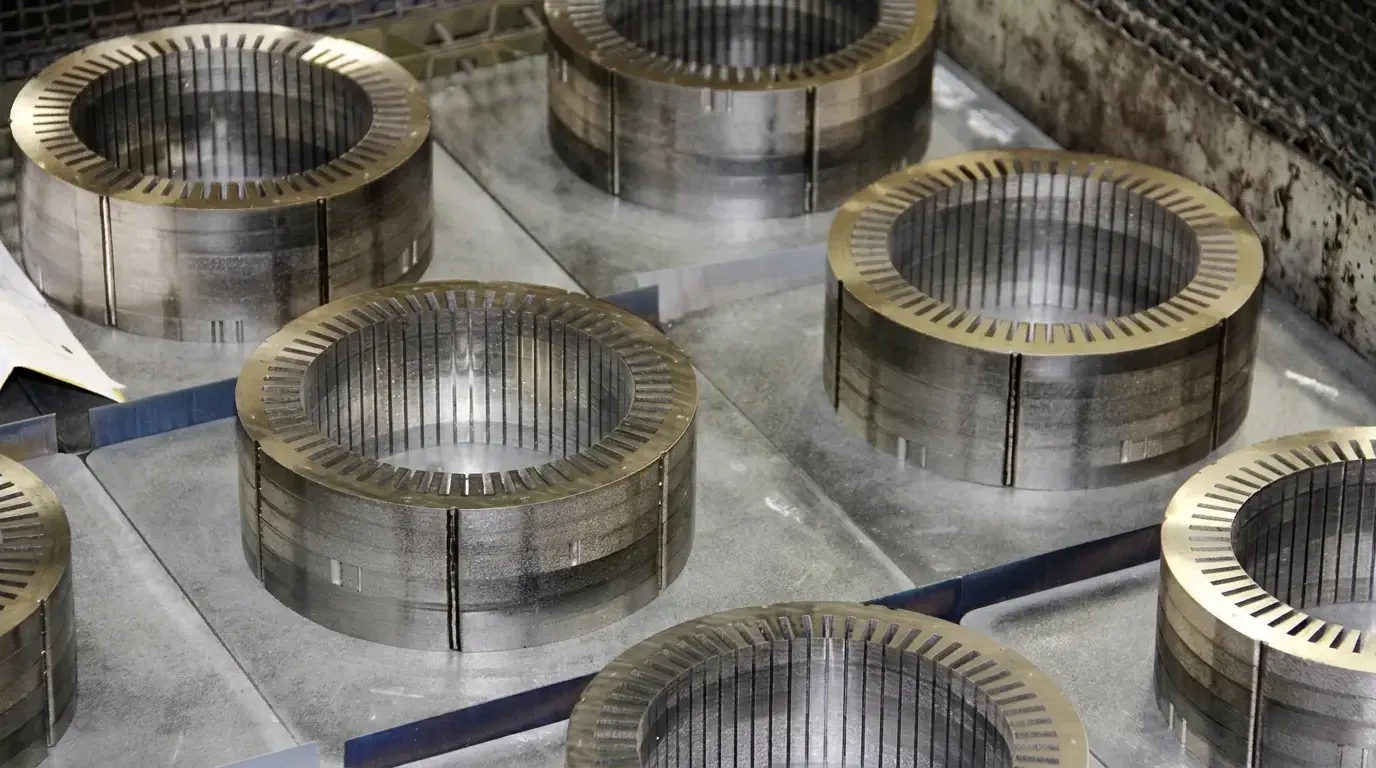
A key manufacturing characteristic is that the cores are generally constructed from thin steel laminations rather than a single solid block. Insulating layers between laminations help restrict circulating eddy currents, reducing associated energy losses and heat generation.
The material therefore needs to balance several requirements:
- Low magnetic losses under the intended operating conditions.
- Suitable magnetic permeability for the machine’s magnetic circuit.
- Appropriate thickness and dimensional consistency for lamination production.
- Adequate mechanical properties for punching, cutting, and stacking.
- Reliable insulation performance between individual laminations.
Why Non-Oriented Electrical Steel Is Commonly Used
Non-oriented electrical steel (NOES) is widely used in rotating electrical machines because its magnetic properties are designed to be relatively consistent in different in-plane directions.
This characteristic is useful in motor and generator cores, where magnetic flux paths may extend in multiple directions.
By comparison, grain-oriented electrical steel is primarily designed for applications where magnetic flux follows a preferred direction, particularly transformer cores.
For many motor and generator applications, NOES is therefore an important material category to evaluate. However, the final selection should still depend on the machine design, operating conditions, and required magnetic performance.
Electrical Steel Requirements for Motors
Electric motors operate through the interaction of magnetic fields in the stator and rotor. The electrical steel used in these components needs to support the motor’s magnetic circuit while meeting the manufacturing and operating requirements of the equipment.
Stator and Rotor Core Requirements
The stator is the stationary part of a motor. Its laminated core provides the magnetic path and contains slots for the windings.
The rotor is the rotating component. Depending on the motor design, its core may also be made from stacked electrical steel laminations.
Although both components can use electrical steel, their detailed requirements are not necessarily identical.
| Component | Main function | Purchasing considerations |
|---|---|---|
| Stator core | Supports the magnetic field and accommodates windings | Core loss, permeability, lamination geometry, punching quality |
| Rotor core | Supports the rotating magnetic circuit | Magnetic performance, mechanical requirements, dimensional accuracy, manufacturing process |
The required material properties depend on the motor architecture. For example, a high-speed motor may place greater emphasis on mechanical and structural requirements, while an efficiency-focused motor may place particular importance on magnetic losses.
Buyers should therefore identify the specific component and motor design before requesting a quotation.
How Motor Design Influences Material Selection
Several operating and design factors affect the choice of electrical steel:
- Efficiency targets: Lower core losses can help reduce energy dissipation in the magnetic core.
- Operating frequency: Magnetic losses vary with frequency, so material performance must be evaluated under relevant test conditions.
- Flux density: The operating magnetic flux density influences the required magnetic properties and the risk of approaching saturation.
- Motor size and weight: Core design involves trade-offs between material performance, dimensions, and overall equipment requirements.
- Production volume: High-volume motor manufacturing may place greater emphasis on consistent punching performance, dimensional tolerances, and material availability.
A material that performs well in one motor design is not automatically the best choice for another. Buyers should provide the intended application and relevant technical requirements rather than requesting a generic motor-grade material.
Electrical Steel Requirements for Generators
Generators also use laminated magnetic cores, but their operating conditions and construction can vary significantly depending on the generator type.
Electrical steel selection should account for the generator’s design, operating speed, frequency, magnetic loading, and efficiency requirements.
Generator Stator and Rotor Applications
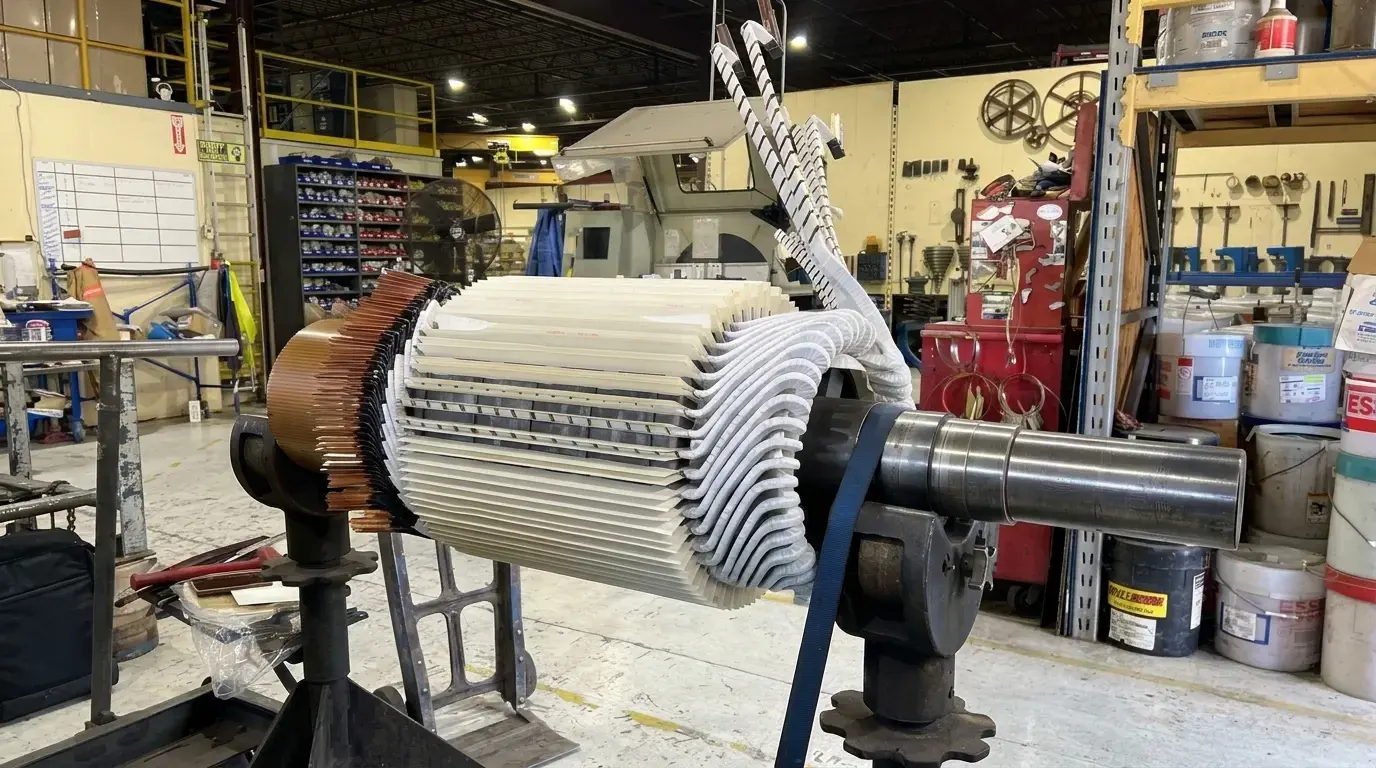
In many generator designs, the stator core is assembled from stacked electrical steel laminations. The laminations help provide a magnetic path while limiting eddy-current losses.
The rotor construction varies with the generator’s design. Some generator types use laminated magnetic components, while others have different rotor structures and material requirements.
Consequently, buyers should not assume that every generator uses the same electrical steel configuration.
When sourcing material, clarify:
- Whether the steel is intended for the stator, rotor, or another magnetic component.
- The generator’s operating frequency and speed.
- The required magnetic performance.
- The lamination dimensions and manufacturing process.
- Any mechanical or thermal constraints specified by the equipment designer.
Different Generator Designs Require Different Considerations
Generator applications are not interchangeable.
| Generator application | Relevant operating considerations | Material selection focus |
|---|---|---|
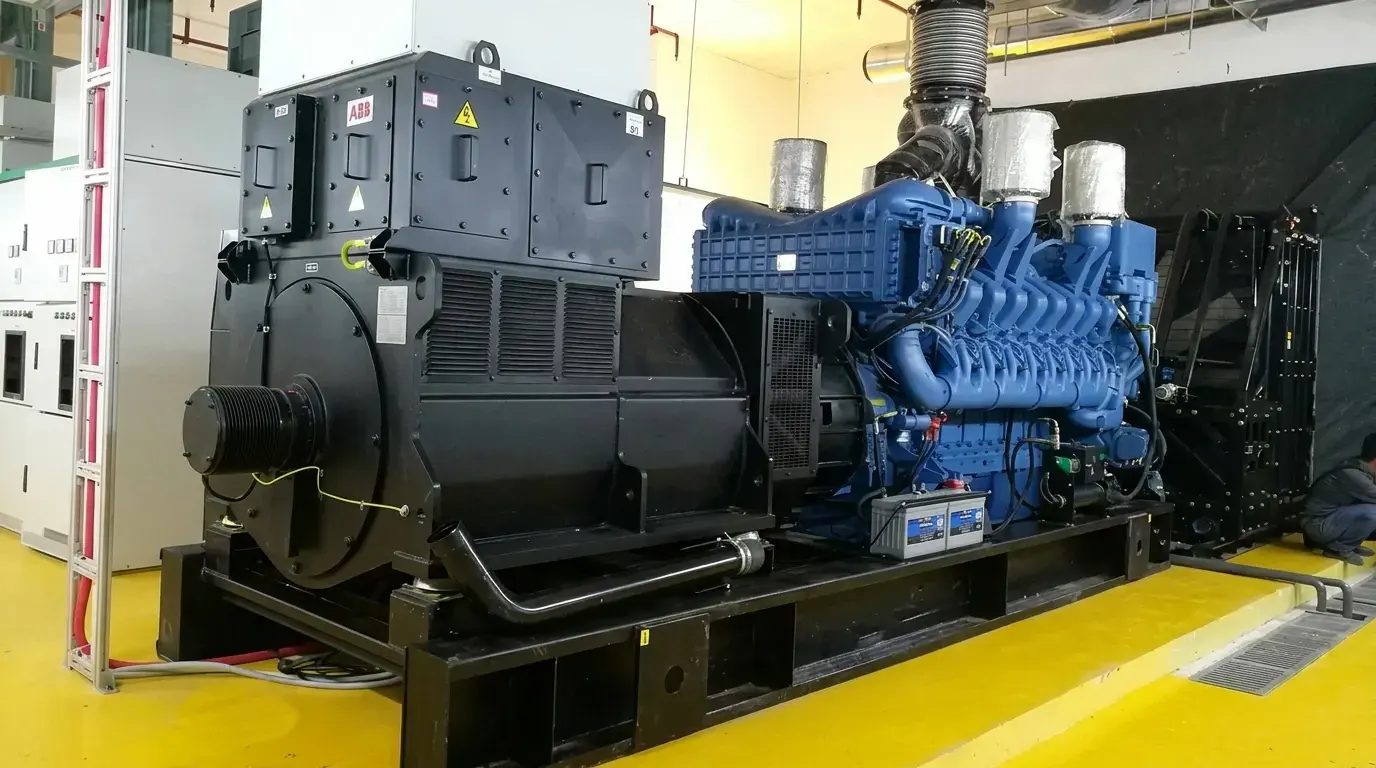
| Diesel generator | Engine-driven operation and specified output frequency | Magnetic performance under the intended operating conditions |
| Hydroelectric generator | Generator design and operating speed associated with the turbine system | Core design, magnetic loading, and manufacturing requirements |
| Wind turbine generator | Generator architecture, operating range, and power conversion system | Frequency-related performance, magnetic losses, and design-specific requirements |
These are general purchasing considerations, not fixed material prescriptions. The actual requirements must come from the generator design and engineering specifications.
For example, a buyer sourcing steel for a hydroelectric generator should not select material based only on its application category. The generator’s design parameters and core specifications are more useful for determining the appropriate grade and thickness.
Key Factors When Selecting Electrical Steel for Motors and Generators
Once the application and core component are identified, buyers can evaluate the material’s technical characteristics.
Core Loss and Magnetic Performance
Core loss refers to the energy dissipated in a magnetic core as it undergoes repeated magnetization. It generally includes hysteresis loss and eddy-current loss.
For motor and generator applications, core loss is an important consideration because it contributes to energy dissipation and heat generation.
When comparing electrical steel products, buyers should check:
- Specific total core loss at the stated test conditions.
- Magnetic polarization or flux density at the relevant field strength.
- The frequency and test method used for the reported values.
- Whether the values correspond to the required material thickness and grade.
A low core-loss figure is not meaningful without its test conditions. Two products should not be compared directly if their reported values were measured at different frequencies, magnetic polarizations, or testing conditions.
Thickness and Stacking Factor
Electrical steel is supplied in different thicknesses. Thickness affects magnetic performance, lamination manufacturing, and the design of the assembled core.
Thinner laminations can help reduce eddy-current losses, but they may also affect material handling, punching productivity, and manufacturing costs.
Another important consideration is the stacking factor. This describes the proportion of the laminated core’s total volume occupied by steel rather than insulation layers, coatings, and gaps.
A lower stacking factor means less steel is present within a given core volume. This needs to be considered during magnetic circuit design.
Buyers should specify the required nominal thickness and tolerance rather than selecting a thickness based on a general industry preference.
Insulation Coating and Interlaminar Resistance
Electrical steel laminations generally require insulation between adjacent sheets to restrict eddy currents.
The coating influences interlaminar resistance and can also affect processing characteristics, stacking, and the final core’s effective dimensions.
When evaluating coating options, buyers should confirm:
- The required coating type or specification.
- Insulation performance requirements.
- Compatibility with punching, cutting, and subsequent processing.
- Any thermal or assembly requirements.
- Whether the coating is suitable for the intended application.
The coating should be selected as part of the complete core manufacturing specification, not treated as an optional cosmetic feature.
Mechanical Properties and Punchability
Electrical steel must also be suitable for the manufacturing process used to produce the core.
Laminations are commonly manufactured through punching, stamping, or cutting. The material’s mechanical properties and surface condition can influence dimensional accuracy, burr formation, tool wear, and production consistency.
Punching can also introduce mechanical stress into the material, potentially affecting its magnetic performance.
Buyers should therefore consider:
- Thickness and flatness consistency.
- Tensile and yield properties where specified.
- Hardness requirements, if relevant.
- Punching or cutting method.
- Burr-height requirements.
- Whether additional stress-relief annealing is part of the production process.
The right balance depends on the lamination geometry, production equipment, and required finished-core performance.
What Should Buyers Specify When Purchasing Electrical Steel?
Incomplete technical requirements are a common source of quotation delays and material mismatches. A clear RFQ helps suppliers identify suitable products and reduces the risk of receiving material that does not meet the intended application requirements.
The following checklist can be used when preparing a purchasing inquiry.
| RFQ item | Information to provide | Why it matters |
|---|---|---|
| Application | Motor, generator, or other equipment | Establishes the intended use |
| Core component | Stator, rotor, or other component | Clarifies the material’s role |
| Grade and standard | Required grade, standard, or reference specification | Defines the technical baseline |
| Thickness | Nominal thickness and tolerance | Affects magnetic performance and processing |
| Magnetic properties | Core-loss and magnetic polarization requirements | Enables technical comparison |
| Test conditions | Frequency, magnetic polarization, and test method | Makes performance data comparable |
| Coating | Required insulation coating or specification | Defines interlaminar insulation needs |
| Mechanical properties | Relevant strength, hardness, or processing requirements | Supports lamination manufacturing |
| Product form | Coil, sheet, or other required form | Determines supply and processing arrangements |
| Delivery condition | Fully processed or semi-processed, where applicable | Clarifies further processing requirements |
| Documentation | Mill test certificate and other required inspection records | Supports material verification |
Not every buyer will have all these details at the beginning of the sourcing process. However, providing the application, component, thickness, grade, and available magnetic requirements gives suppliers a useful starting point.
If the engineering specification is still being developed, share the available drawings, technical documents, or reference material. The supplier can then assess whether its available products and processing capabilities match the stated requirements.
How to Evaluate an Electrical Steel Supplier
Choosing the right material is only part of the sourcing process. Buyers also need to assess whether the supplier can provide consistent products, accurate documentation, and suitable processing support.
Verify Technical Specifications and Documentation
Start by checking whether the supplier can provide clear technical information for the proposed material.
Relevant documents may include:
- Product datasheets.
- Mill test certificates.
- Chemical composition records, where required.
- Magnetic property test results.
- Mechanical property data.
- Coating and dimensional specifications.
Check that the information corresponds to the actual grade, thickness, and product batch being quoted.
Do not rely solely on a general product description or an advertised core-loss value. Ask for the applicable test conditions and supporting documentation before placing a bulk order.
Assess Processing and Supply Capabilities
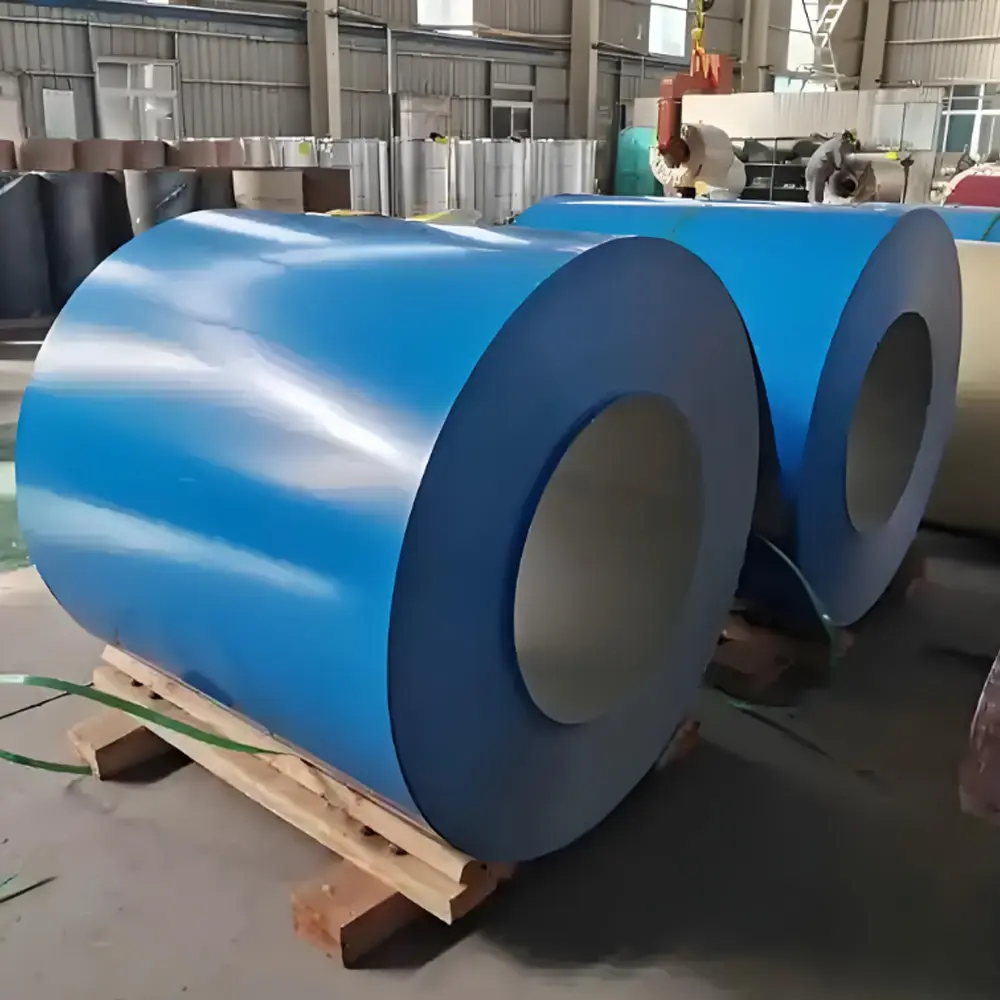
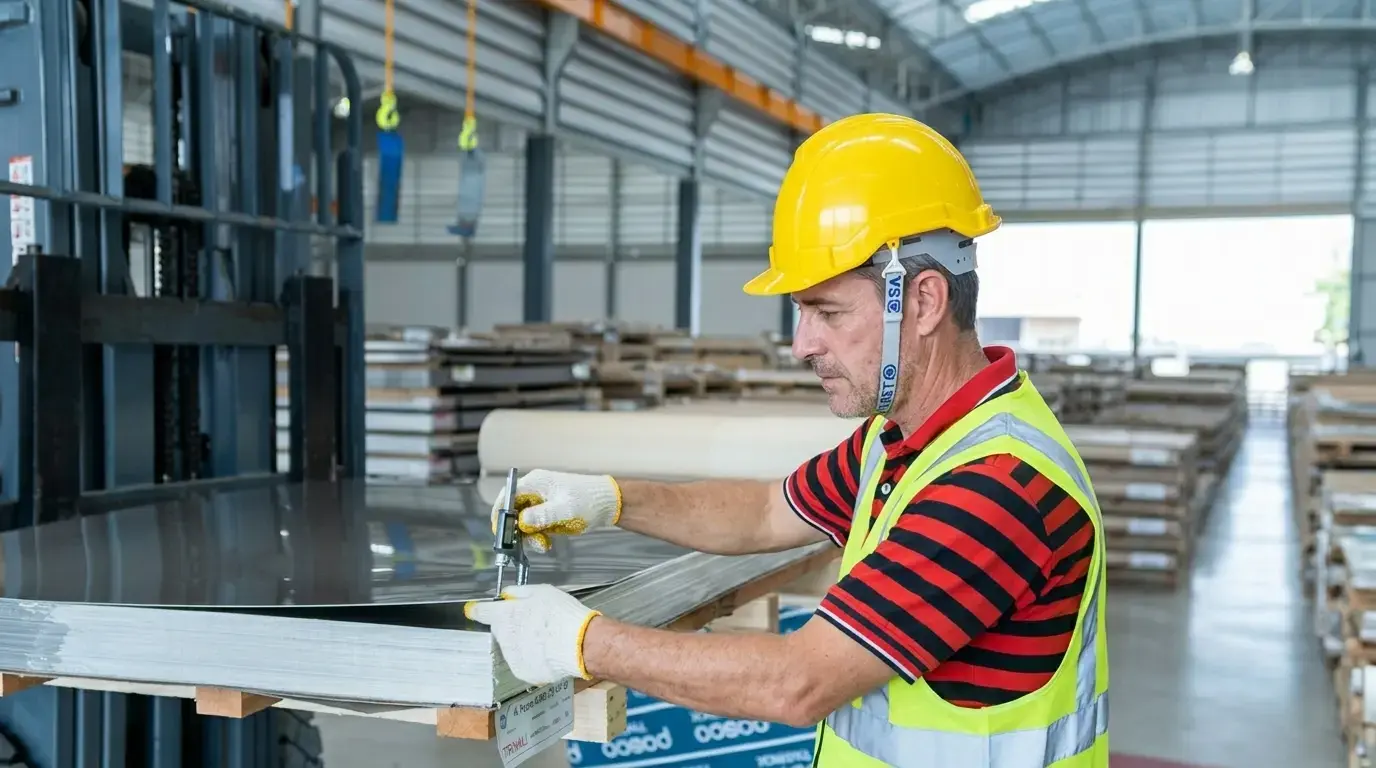
Electrical steel may be supplied in coils or sheets, depending on the product and buyer’s manufacturing requirements.
For buyers who need additional processing, supplier capabilities may also matter. Confirm whether the supplier can support the required dimensions, cutting specifications, tolerances, packaging, and delivery arrangements.
For distributors and importers, consistency between repeat orders is particularly important. Material specifications, inspection requirements, and packaging standards should be clearly documented before production or shipment.
When comparing an electrical steel supplier, evaluate more than the quoted price. Technical documentation, dimensional consistency, processing support, and communication during order fulfillment all affect the reliability of the supply relationship.
Conclusion
Selecting electrical steel for motors and generators requires more than comparing grades or choosing the lowest available core-loss value. Buyers need to consider the machine’s operating conditions, magnetic requirements, lamination thickness, insulation coating, mechanical properties, and manufacturing process.
The most effective purchasing approach is to define the application and core component first, establish measurable technical requirements, and then evaluate suppliers against those specifications.
Weijunli Steel supplies non-oriented electrical steel for industrial applications and supports buyers with product selection and custom steel processing solutions. For motor and generator material sourcing, buyers can discuss their required grades, thicknesses, dimensions, and documentation needs with the team to identify suitable supply options.