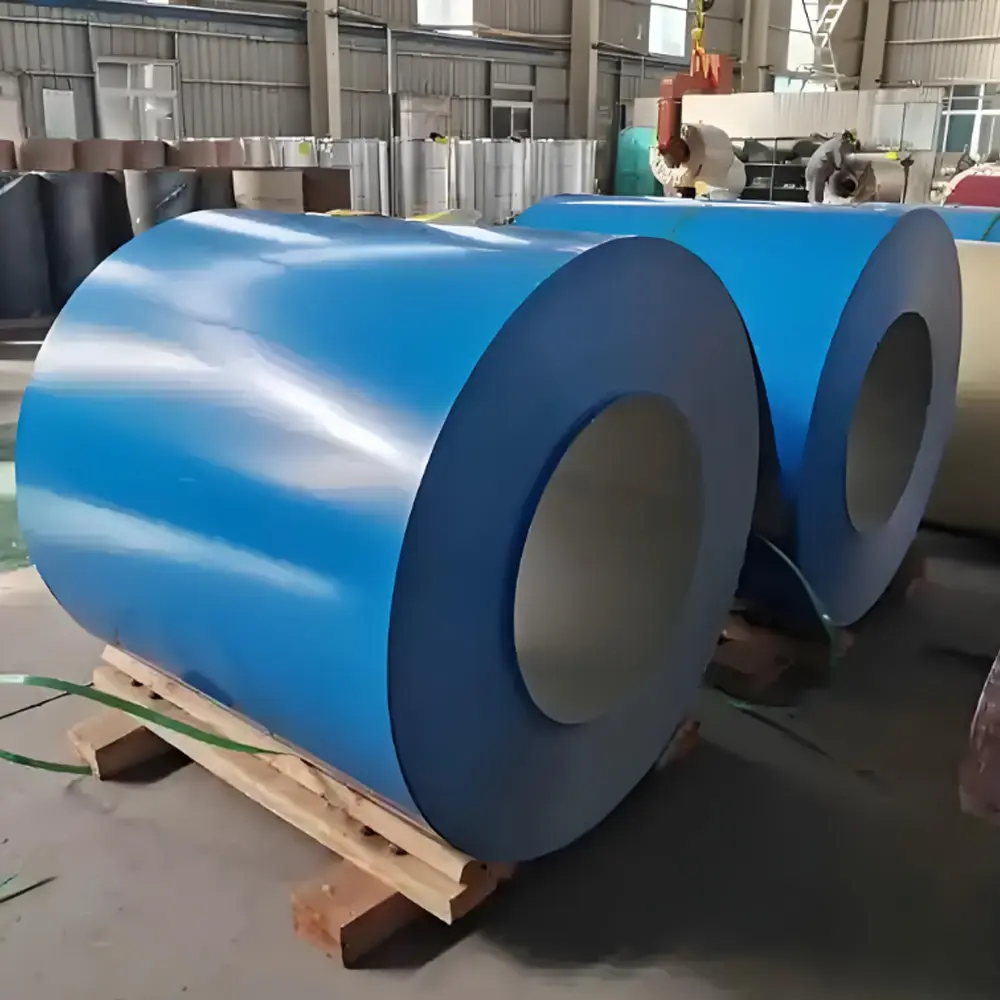
The main types of steel used in automotive manufacturing include mild steel, high-strength low-alloy steel (HSLA), advanced high-strength steel (AHSS), stainless steel, specialty alloy steel, and electrical steel. Cold-rolled, hot-rolled, and galvanized steel products are also widely used throughout vehicle production.
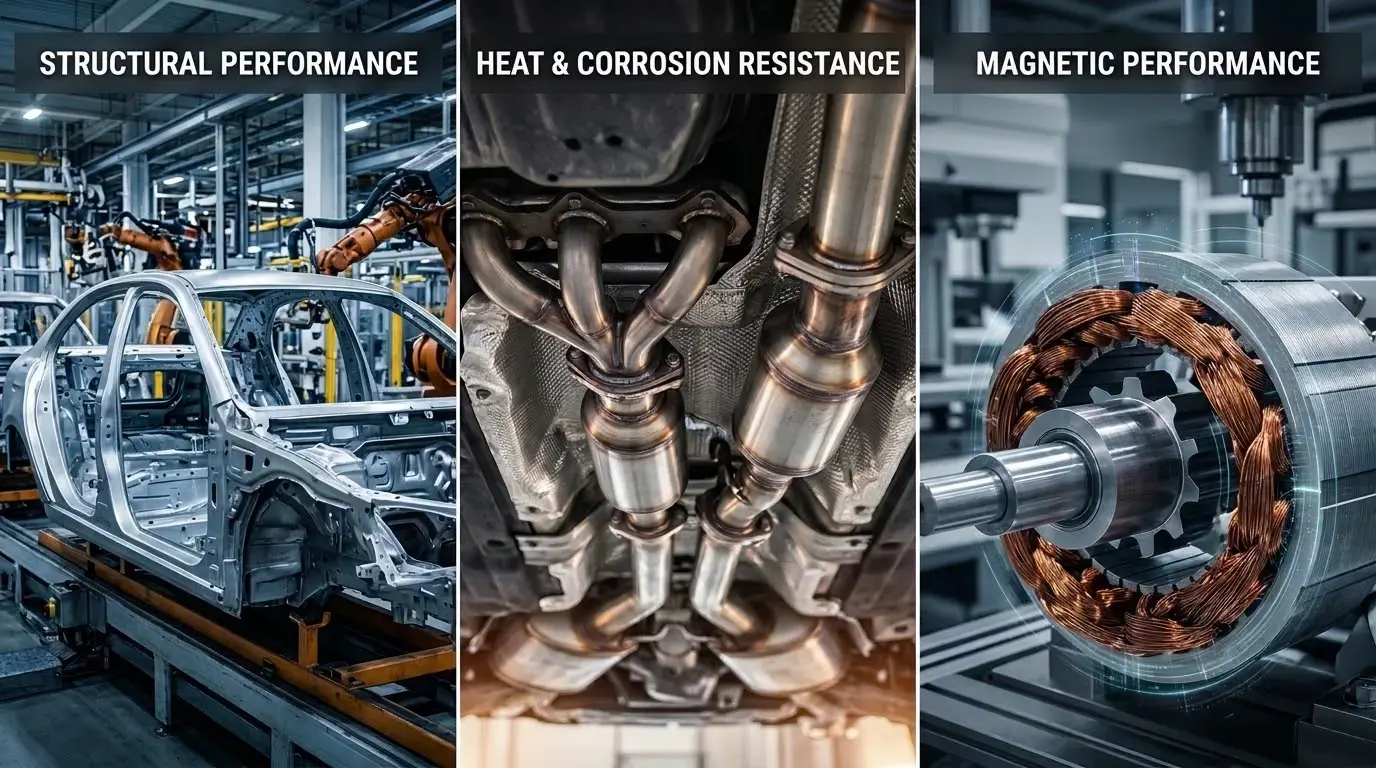
Each automotive steel serves a different purpose. Body panels require good formability and surface quality, structural components need strength and controlled deformation, while exhaust systems and electric motors require specialized material properties.
Understanding the steel used in cars starts with identifying what each component needs to achieve.
How Are Automotive Steels Classified?
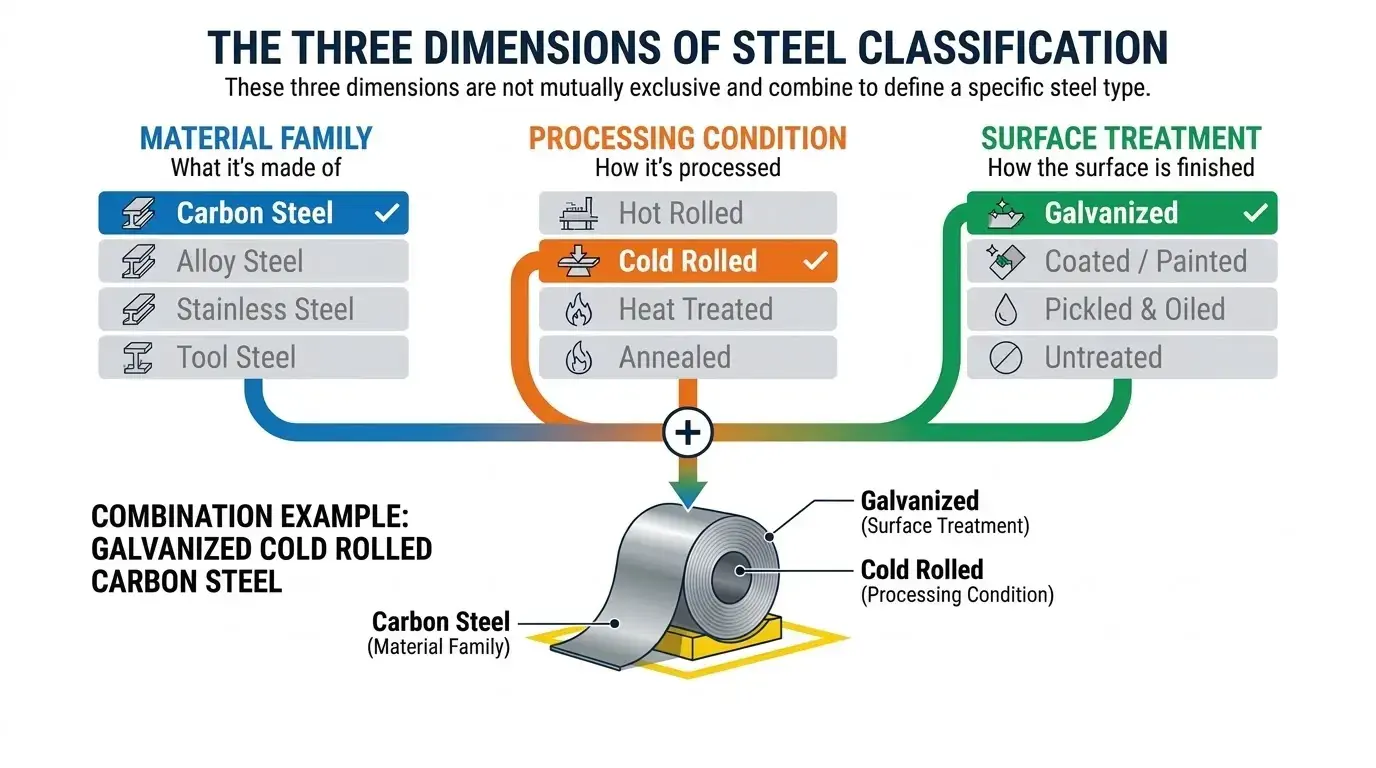
Automotive steels can be classified according to three different attributes:
| Classification | Examples | What It Describes |
|---|---|---|
| Material family | Mild steel, HSLA, AHSS, stainless steel | Composition, microstructure, and material properties |
| Processing condition | Hot-rolled, cold-rolled, pickled and oiled | Manufacturing route and product condition |
| Обработка поверхности | Galvanized, galvannealed, aluminized | Surface protection and coating characteristics |
These classifications are not mutually exclusive. For example, a dual-phase steel sheet can be cold-rolled and galvanized at the same time.
Automotive steel grades describe specific material requirements, whereas rolling methods and coatings describe other characteristics of the supplied product.
This distinction is important because two galvanized steel sheets may have substantially different mechanical properties depending on their underlying steel grades.
Common Types of Steel Used in Automotive Manufacturing
Mild Steel (Low-Carbon Steel)
Mild steel offers good ductility, weldability, and relatively economical processing. It is suitable for components requiring complex stamping without exceptionally high strength.
Typical applications include selected body panels, interior panels, and general stamped parts.
Interstitial-free steel (IF steel) is another option for demanding drawing operations. Where exterior panels require better dent resistance, bake-hardenable steel (BH steel), a conventional high-strength steel, can provide additional strength after paint baking.
High-Strength Low-Alloy Steel (HSLA)
High-strength low-alloy steel (HSLA) achieves higher strength than conventional mild steel through controlled alloying and microstructure while retaining useful fabrication properties.
It is commonly used in chassis components, crossmembers, structural brackets, and selected suspension parts. Its strength can allow manufacturers to reduce material thickness where component design and performance requirements permit.
Advanced High-Strength Steel (AHSS)
Advanced high-strength steel (AHSS) encompasses engineered steel grades that provide different combinations of strength, ductility, and deformation behavior.
Common types include:
- Dual-phase steel (DP): Offers useful strength and formability for structural and crash-management components.
- Transformation-induced plasticity steel (TRIP): Provides a combination of strength and deformation capability.
- Martensitic steel: Provides very high strength for selected structural reinforcement components.
- Press-hardened steel (PHS): Develops its required properties through hot forming and controlled cooling and is widely used in intrusion-resistant structures.
Not all crash-related components require the same material behavior. Crumple zones must absorb energy through controlled deformation, whereas passenger-compartment structures must limit intrusion.
According to WorldAutoSteel’s technical guidelines, different AHSS grades are selected to address these distinct crash-management requirements.
Нержавеющая сталь
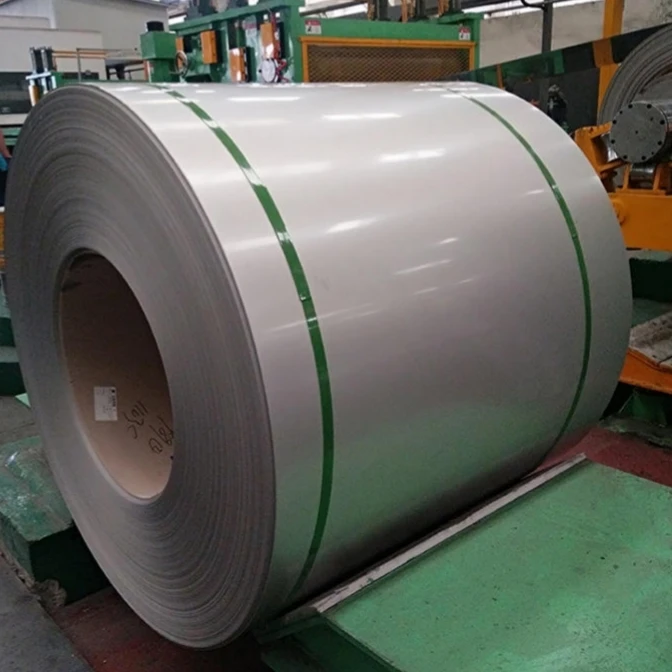
Stainless steel is used where corrosion resistance, elevated-temperature performance, or appearance is important.
Ferritic stainless steel grades are commonly used in automotive exhaust systems, including selected pipes and muffler components. Other stainless steel grades may be used for decorative trim and corrosion-resistant fittings.
The suitability of different stainless steel products depends on the grade, operating temperature, and service environment.
Alloy and Specialty Steels
Certain automotive components require specialized resistance to wear, fatigue, or repeated loading.
Case-hardening alloy steels are used in transmission gears and selected shafts, while spring steels are used in suspension springs and other elastic components.
Unlike conventional body sheet materials, these steels are often selected according to their heat-treatment response, hardness, and fatigue performance.
Неориентированная электротехническая сталь
Неориентированная электротехническая сталь is an important functional material in electric vehicle manufacturing. It is used to produce laminated stator and rotor cores for many electric traction motors.
Its magnetic characteristics make it suitable for applications involving changing magnetic flux directions. Low core loss, appropriate magnetic properties, and lamination thickness are important considerations for motor performance and efficiency.
Common Steel Products and Coatings in Automotive Manufacturing
In addition to material families, automotive manufacturers select steel products according to their processing conditions and surface characteristics.
Холоднокатаная сталь
Холоднокатаная сталь generally provides good dimensional control and surface quality, making suitable grades useful for precision stamping and visible automotive panels.
Common applications include hoods, doors, fenders, interior panels, and smaller stamped components.
Cold rolling does not determine the steel’s strength category. Both mild steel and selected high-strength grades can be supplied in cold-rolled form.
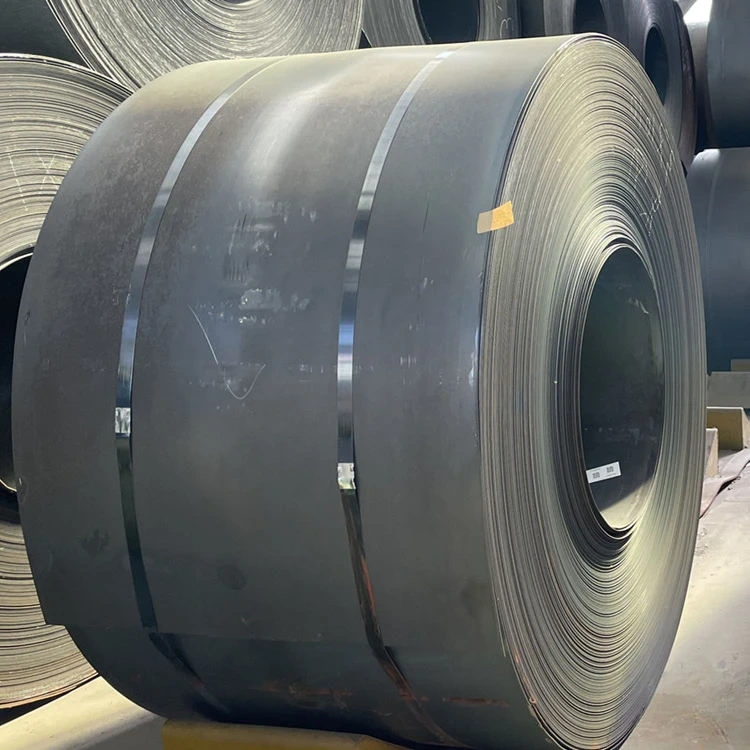
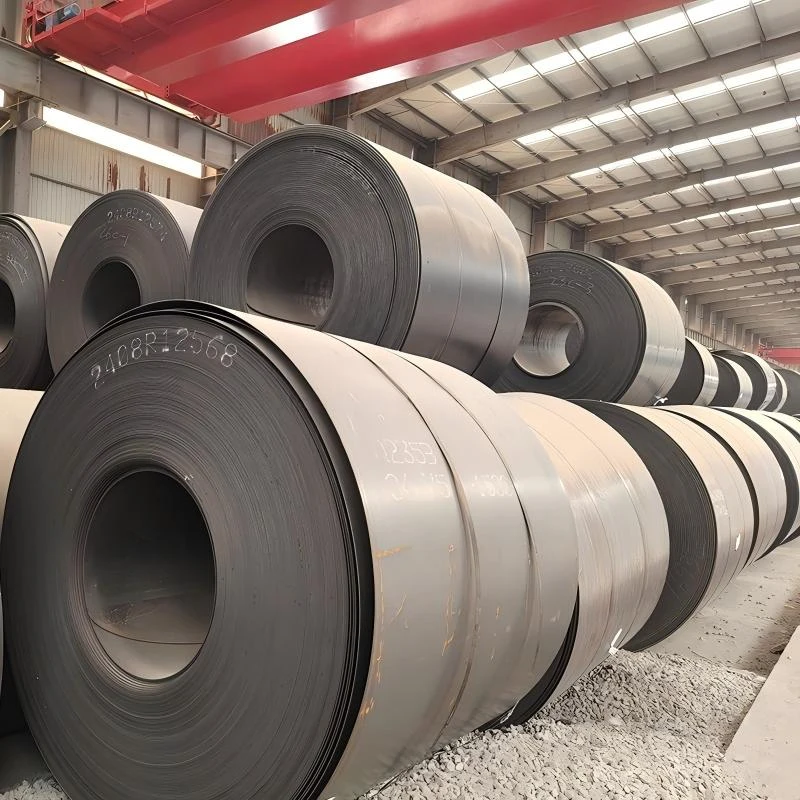
Горячекатаная сталь
Горячекатаная сталь is commonly used for structural components where mechanical performance and economical production are important.
Typical applications include chassis parts, crossmembers, mounting components, and selected vehicle frame structures.
Hot-Rolled Pickled and Oiled Steel (HRPO)
Горячекатаная травленая и промасленная сталь is hot-rolled steel from which mill scale has been removed through pickling, followed by oiling for temporary surface protection.
Its cleaner surface can benefit stamping, welding preparation, and subsequent finishing operations. Automotive applications include structural brackets, mounting plates, and fabricated components.
Pickling and oiling improve the surface condition but do not inherently increase the strength of the underlying steel.
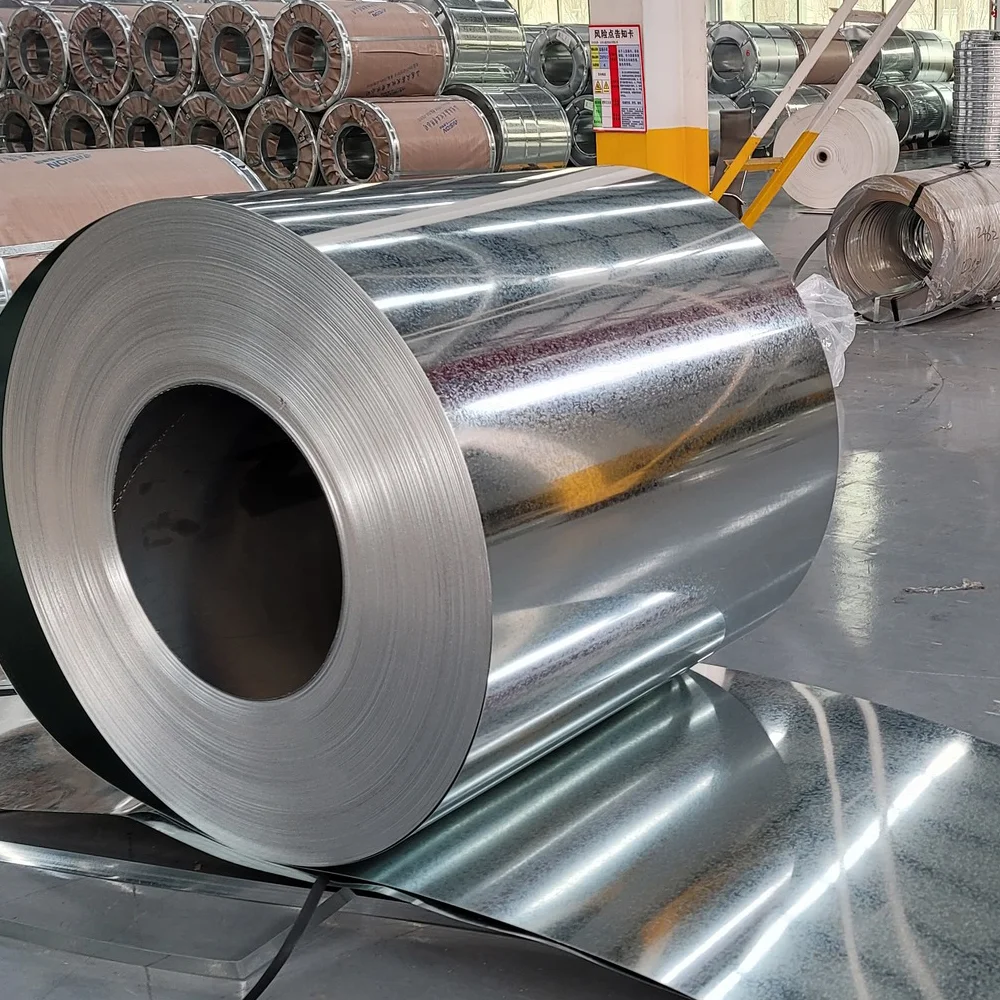
Оцинкованная сталь
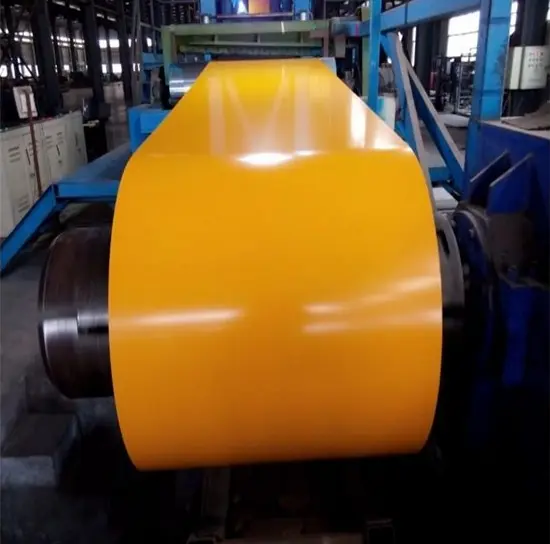
Оцинкованная сталь features a zinc coating that protects the steel substrate against corrosion.
Suitable galvanized grades are used in exterior body panels, door structures, underbody parts, and other components requiring additional corrosion protection.
Алюминизированная сталь
Aluminized steel has an aluminum-based coating that can improve resistance to high-temperature oxidation. It is used in selected exhaust system components where the coating is suitable for the operating environment.
What Types of Steel Are Used in Different Car Parts?
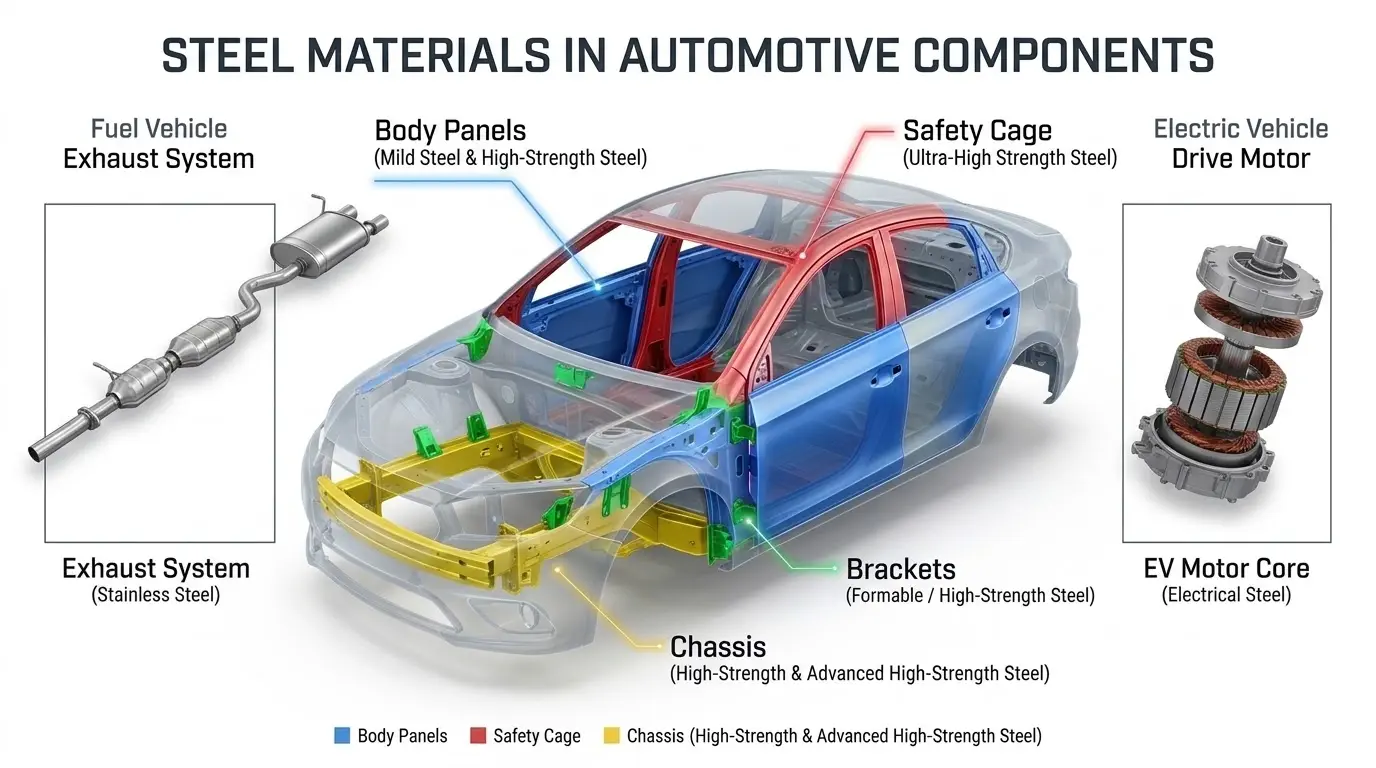
The appropriate steel depends on the component’s function, manufacturing method, and service conditions.
| Automotive Component | Common Steel Options | Main Requirements |
|---|---|---|
| Hood, roof, and fenders | Mild steel, IF steel, BH steel | Formability, surface quality, dent resistance |
| Doors and inner panels | Mild steel, HSS, galvanized sheet | Formability, strength, corrosion resistance |
| B-pillars and safety cage | AHSS, press-hardened steel | Intrusion resistance |
| Crash-management structures | Selected dual-phase and other AHSS grades | Controlled deformation and energy absorption |
| Chassis and crossmembers | HSLA, selected hot-rolled grades | Strength, durability, fatigue resistance |
| Конструкционные кронштейны | HRPO, cold-rolled steel, HSLA | Formability, weldability, strength |
| Gears and shafts | Selected alloy and engineering steels | Wear resistance, fatigue strength |
| Exhaust systems | Stainless steel, aluminized steel | Heat and corrosion resistance |
| EV motor cores | Неориентированная электротехническая сталь | Magnetic performance, low core loss |
These are typical industry applications rather than fixed material specifications.
For example, selecting steel for car body panels requires consideration of both stamping performance and finished surface quality. Automotive chassis steel, by contrast, must meet the structural and durability requirements of the specific component.
For smaller structural components, read our guide to HRPO steel for automotive brackets. For rotating electrical machines, our guide to electrical steel for motors explains the relevant material selection factors in more detail.
Why Different Automotive Components Require Different Steels
Selecting automotive steel grades involves balancing several material characteristics:
- Strength and ductility: Determine load-bearing capability and deformation behavior.
- Формуемость: Influences whether complex components can be stamped or bent without unacceptable defects.
- Качество поверхности: Affects the appearance and finishing of visible body panels.
- Corrosion and heat resistance: Influence material durability under different operating conditions.
- Magnetic properties: Affect the performance of electrical machine cores.
Higher strength alone does not make a steel more suitable for every automotive application. A deeply drawn panel and an intrusion-resistant reinforcement perform different functions and therefore require different material properties.
The final selection must consider the component design, forming process, joining method, and applicable automotive material specification.
Заключение
Automotive manufacturing relies on multiple steel families, processing conditions, and surface treatments to meet different functional requirements. Understanding these distinctions helps manufacturers identify suitable material options for structural parts, body panels, exhaust systems, and electric motors.
Weijunli supplies and processes a range of steel products, including cold-rolled, hot-rolled, galvanized, HRPO, stainless, and non-oriented electrical steel. Material availability and suitability for specific automotive applications should be confirmed against the required grade, dimensions, processing conditions, and technical specifications.
О поставщике стали Weijunli
Weijunli is a steel supplier and processor with over 20 years of industry experience, offering cold-rolled steel, hot-rolled steel, HRPO steel, galvanized steel, stainless steel, and non-oriented electrical steel for various industrial manufacturing needs.
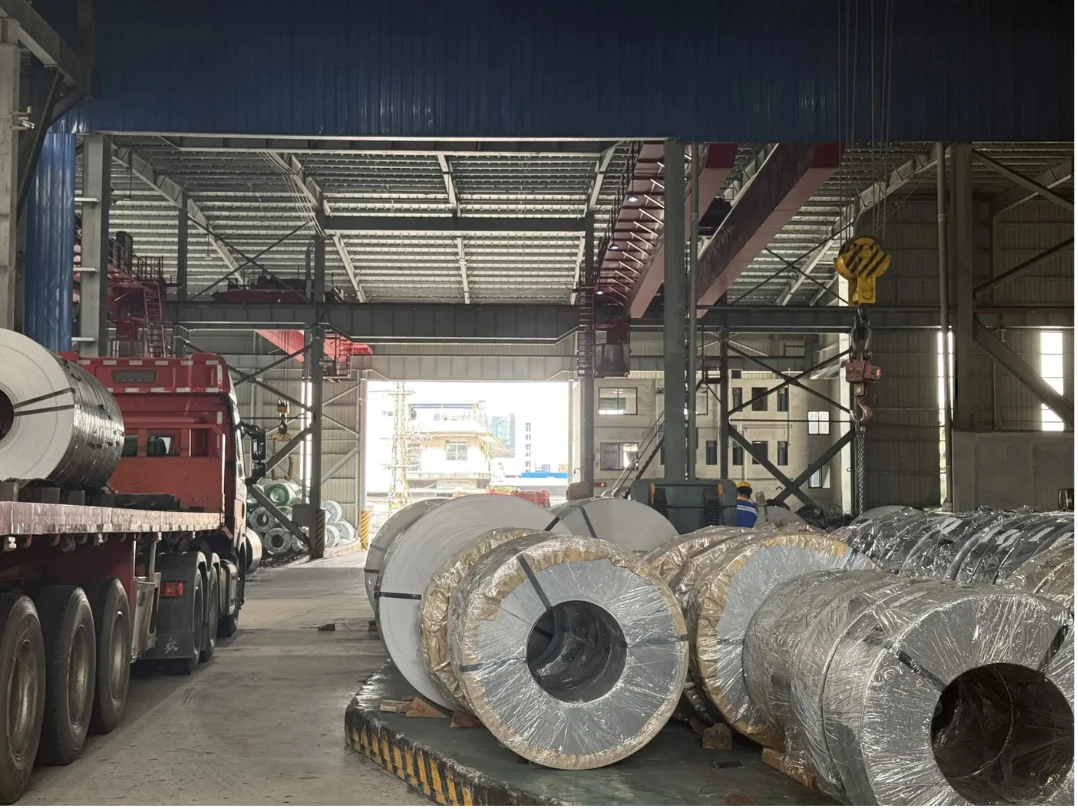
With its own processing factory and established steel sourcing network, Weijunli offers cutting, slitting, stamping, bending, and surface treatment services according to project requirements and material compatibility.
Whether you are sourcing steel for automotive brackets, body panels, structural components, or motor cores, our индивидуальные стальные решения can help match material and processing options to your specifications.
Contact Weijunli with your required steel grade, dimensions, quantity, and intended application to discuss material availability, processing requirements, and obtain a customized quotation.