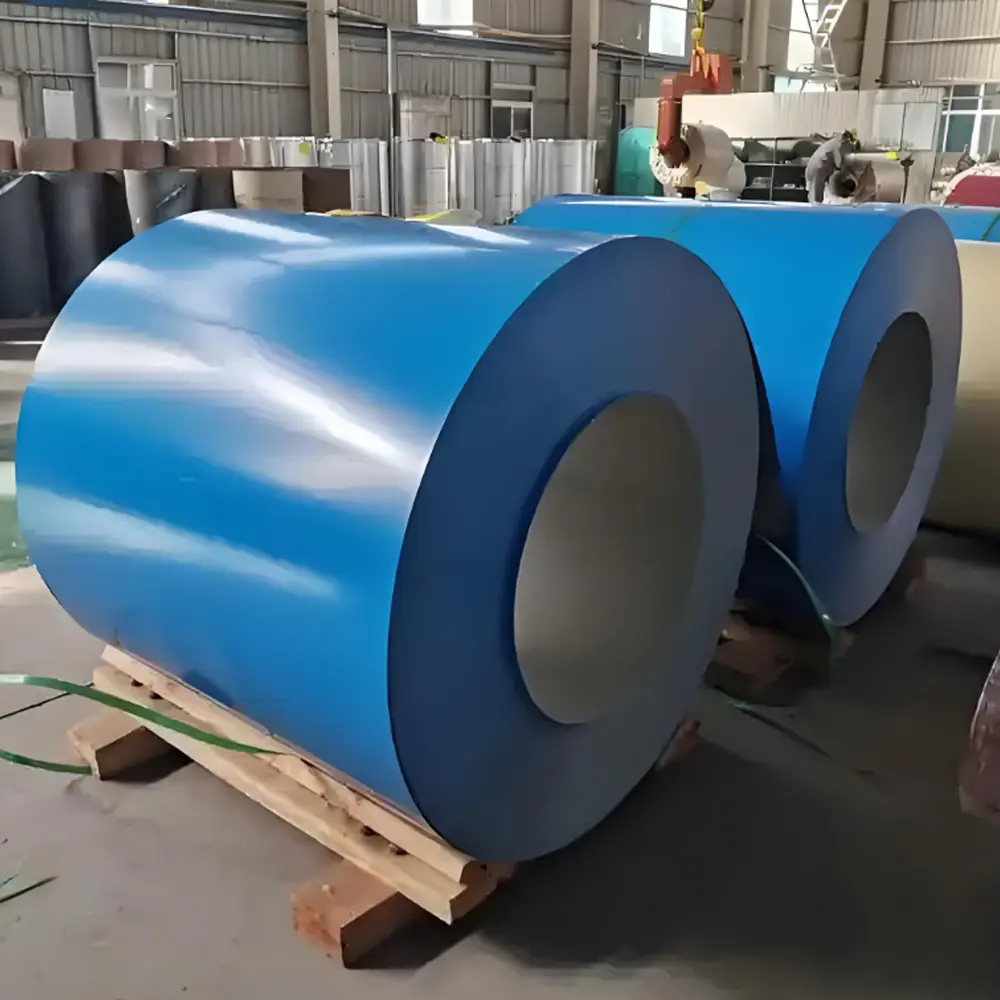
Сталь является одним из наиболее широко используемых промышленных материалов благодаря своей прочности, универсальности и экономичности. Однако необработанная сталь очень уязвима к коррозии, износу, окислению и химическим повреждениям. Для улучшения характеристик и продления срока службы применяются различные процессы обработки поверхности в зависимости от условий конечного использования.
Для производителей, дистрибьюторов и оптовиков понимание особенностей обработки стальных поверхностей необходимо для выбора правильных характеристик материала, повышения долговечности продукции и контроля долгосрочных затрат.
Как профессионал оптовый поставщик стали, Я познакомлю вас с наиболее распространенными видами обработки стальных поверхностей - покрытием Принципы их работы, преимущества и промышленное применение.
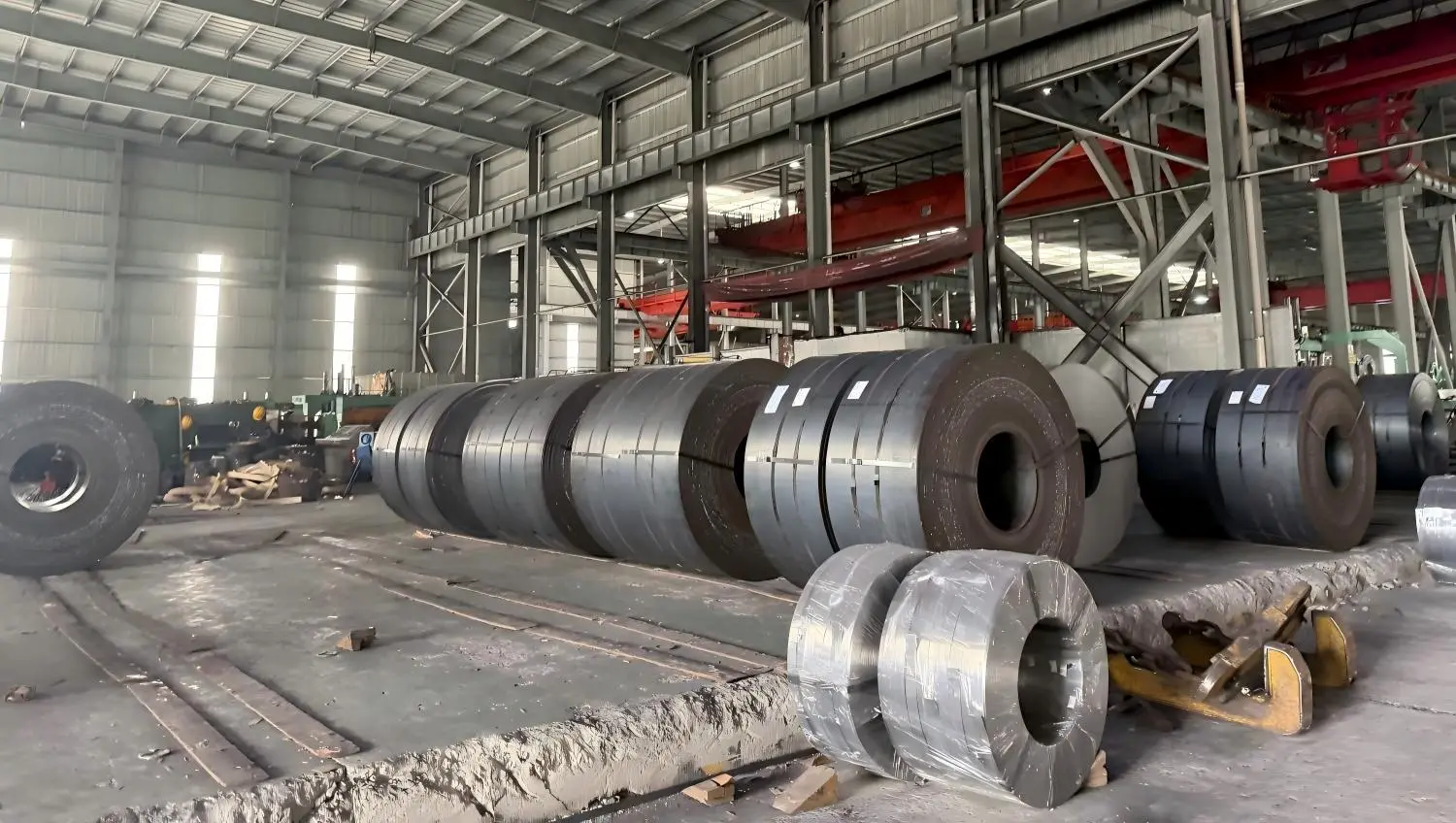
Что такое обработка поверхности стали?
Обработка поверхности стали - это механические, химические или электрохимические процессы, применяемые к поверхности стальных деталей для улучшения их свойств без изменения основной структуры материала.
Основные задачи включают:
- Повышение коррозионной стойкости
- Устойчивость к износу и истиранию
- Эстетическое совершенствование
- Электрическая изоляция или контроль электропроводности
- Улучшенная адгезия краски или покрытия
- Увеличенный срок службы изделия
Эти материалы широко используются в производстве автомобильных деталей, посуды, строительных материалов, промышленного оборудования и потребительских товаров.
Для производителей, занимающихся массовым производством стальных изделий, выбор подходящего метода обработки может существенно повлиять на конкурентоспособность продукции и стоимость ее жизненного цикла.
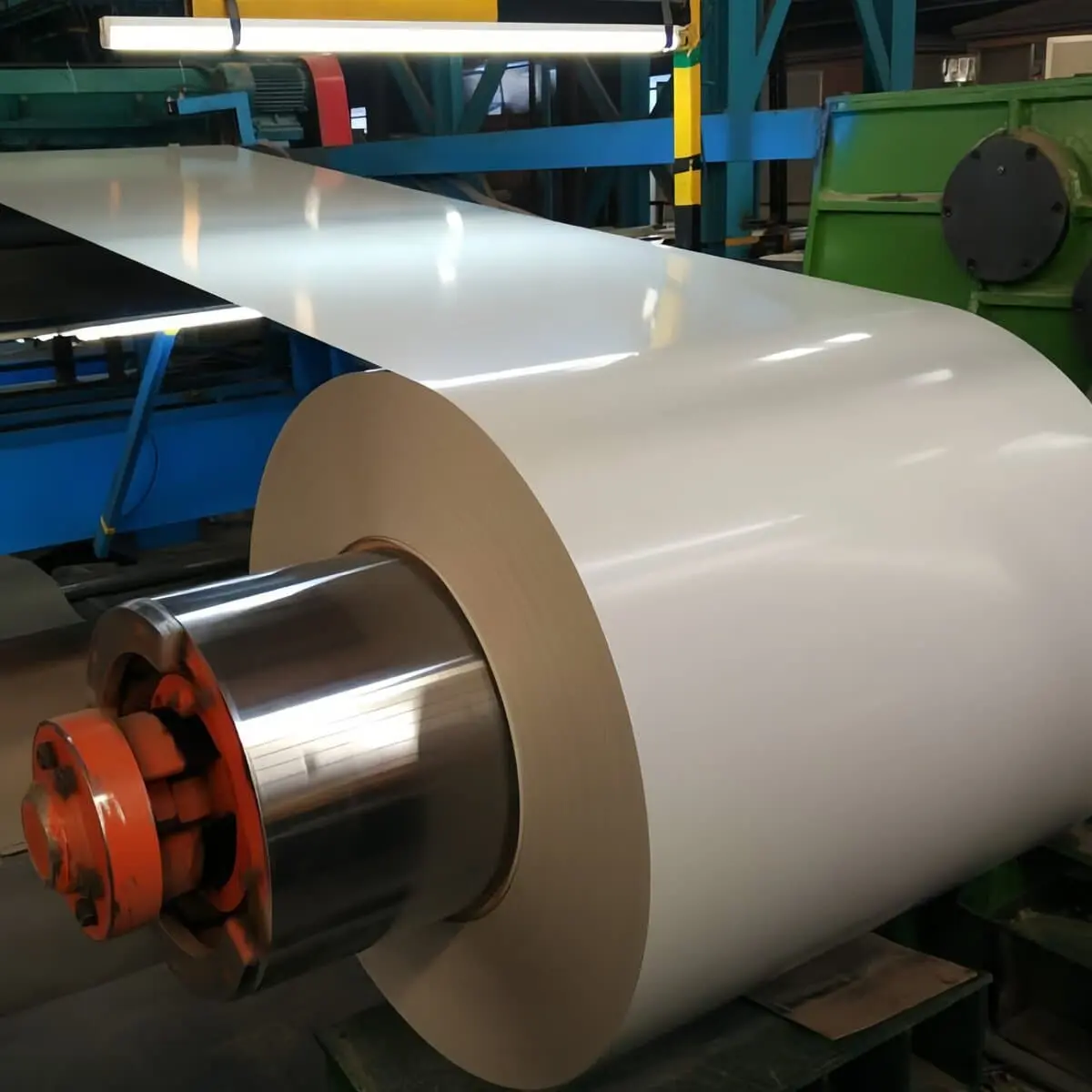
Распространенные методы обработки поверхности стали
Оцинковка (горячая и электрооцинковка)
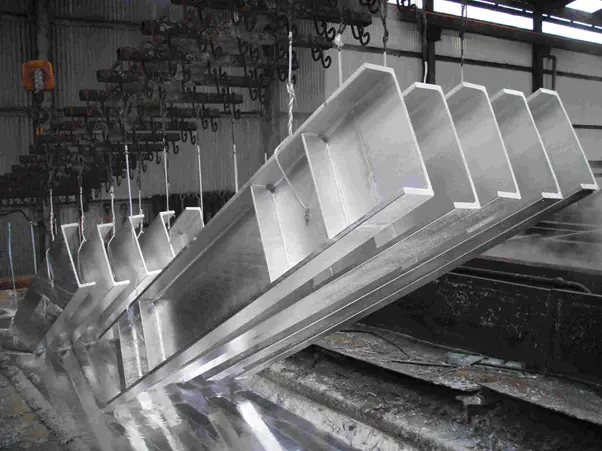
Гальванизация - одна из самых распространенных антикоррозийных обработок стали, используемая для производства гальванизированная сталь, который широко ценится за его сильную устойчивость к ржавчине и длительный срок службы.
Как это работает:
На стальную поверхность наносится защитный слой цинка. Цинк действует как жертвенное покрытие, корродируя раньше, чем сталь под ним.
Типы:
- Горячее цинкование: Сталь погружается в расплавленный цинк
- Электрогальванизация: Цинк наносится с помощью электрохимического процесса
Преимущества:
- Отличная коррозионная стойкость
- Длительный срок службы (особенно на открытом воздухе)
- Экономичность для конструкционной стали
Промышленное применение
- Строительные балки и каркасы
- Наружные ограждения и перила
- Детали автомобильных шасси
- Коммунальная инфраструктура
Оцинковка часто является предпочтительным вариантом для оптовых поставщиков стали благодаря балансу стоимости и производительности при массовом производстве.
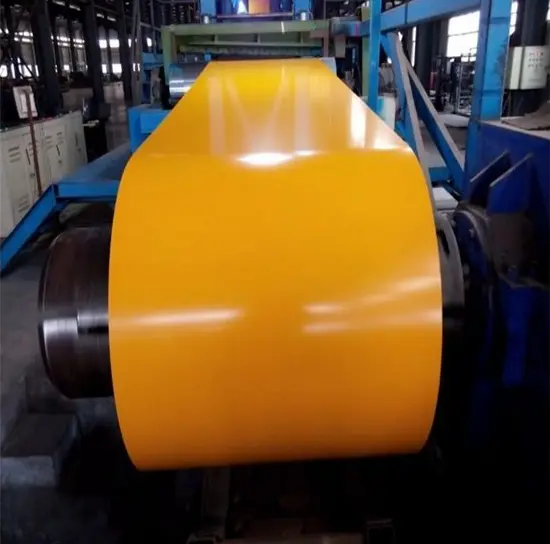
Порошковое покрытие
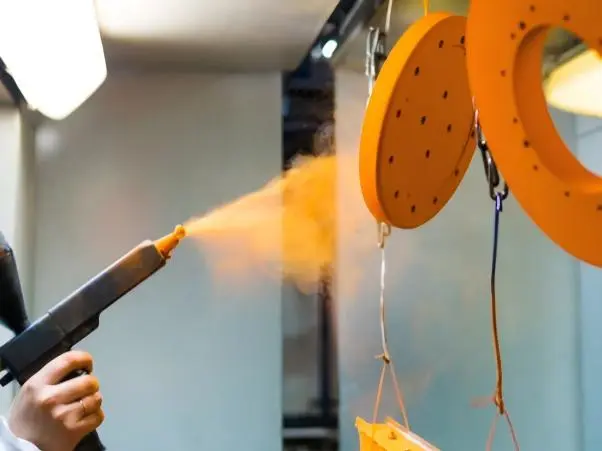
Порошковая окраска - это сухой процесс отделки, при котором электростатически заряженный порошок распыляется на сталь, а затем отверждается под воздействием тепла.
Преимущества:
- Гладкая, однородная поверхность
- Высокая устойчивость к царапинам и выцветанию
- Экологически безопасен (не выделяет растворителей)
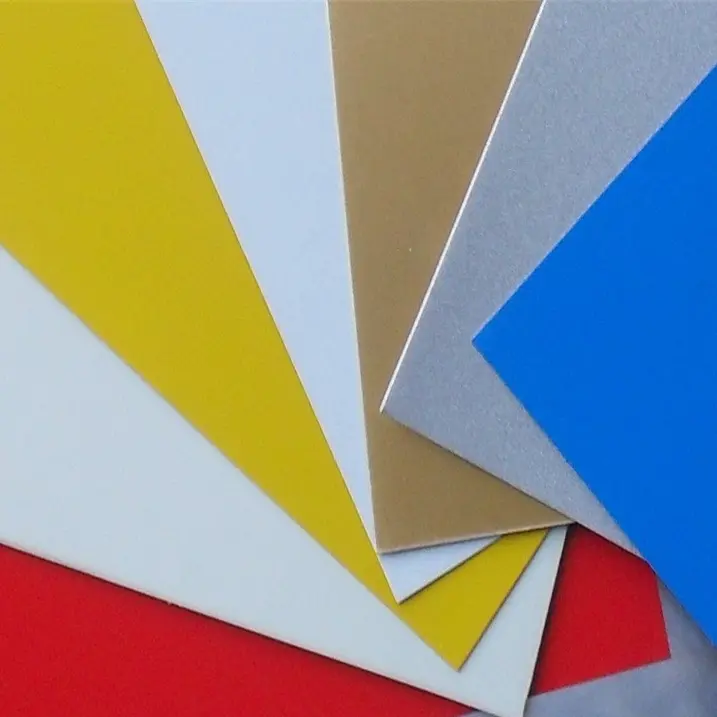
- Широкая настройка цвета
Промышленное применение:
- Бытовая техника
- Металлическая мебель
- Оборудование для улицы
- Кухонные принадлежности и товары для хранения
Многие мировые покупатели предпочитают порошковое покрытие при работе с [производителем стали на заказ] из-за его гибкости в выборе цвета и дизайна поверхности.
Гальваническое покрытие (никель, хром, цинк)
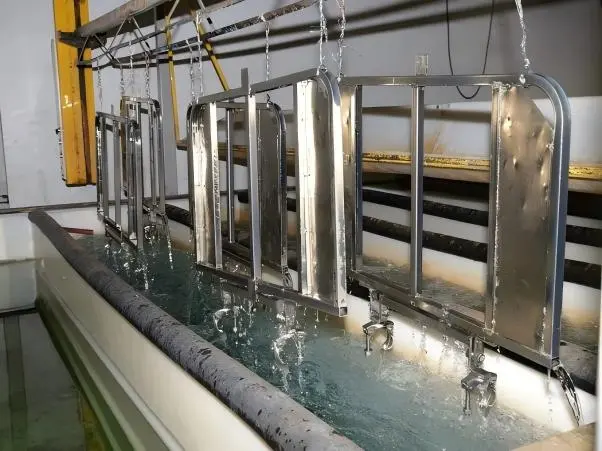
Гальваника использует электрический ток для нанесения тонкого слоя металла на сталь.
Распространенные материалы для нанесения покрытий:
- Никель (коррозионная стойкость и твердость)
- Хром (декоративная отделка и износостойкость)
- Цинк (защита от ржавчины)
Преимущества:
- Высокоточное покрытие
- Декоративная металлическая отделка
- Повышенная твердость поверхности
Приложения:
- Автомобильные отделочные детали
- Сантехника для ванной комнаты
- Инструменты и оборудование
- Корпуса для бытовой электроники
Гальваническое покрытие широко используется в отраслях, где требуется не только эстетика, но и долговечность.
Фосфатирование
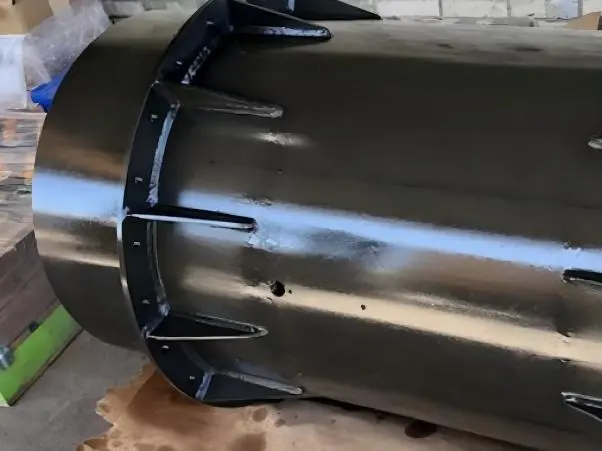
Фосфатирование - это химическое покрытие, образующее на стали кристаллический фосфатный слой.
Преимущества:
- Улучшает адгезию краски
- Обеспечивает слабую коррозионную стойкость
- Уменьшает трение
Приложения:
- Автомобильные кузовные панели
- Крепеж и болты
- Компоненты машин
Фосфатирование часто используется в качестве предварительной обработки перед процессами окрашивания или нанесения покрытий.
Черное оксидное покрытие
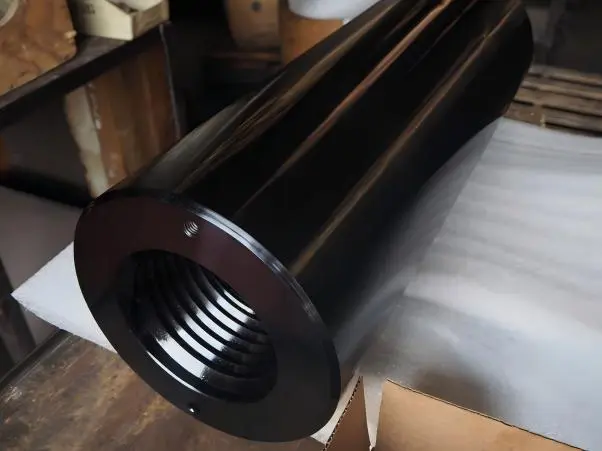
Черный оксид - это конверсионное покрытие, которое вступает в химическую реакцию со сталью, образуя черный магнетитовый слой.
Преимущества:
- Минимальные изменения размеров
- Умеренная коррозионная стойкость
- Привлекательная матовая черная отделка
- Экономически эффективный процесс
Приложения:
- Инструменты и ручные приборы
- Военное и оборонное оборудование
- Крепеж и прецизионные детали
Его обычно выбирают там, где достаточно эстетики и небольшой защиты.
PVD-покрытие (физическое осаждение из паровой фазы)
PVD - это высокотехнологичный процесс нанесения покрытий в вакууме, в ходе которого осаждаются тонкие пленки нитридов или карбидов металлов.
Преимущества:
- Очень твердая поверхность
- Высокая износостойкость
- Декоративная отделка премиум-класса
- Экологически чистый процесс
Приложения:
- Роскошная фурнитура и комплектующие
- Высококачественная кухонная утварь
- Компоненты часов
- Архитектурные декоративные детали
PVD-печать становится все более популярной среди брендов премиум-класса, стремящихся получить современную металлическую отделку.

Окрашивание и нанесение электронного покрытия
Живопись:
Традиционные жидкие покрытия, наносимые распылением или кистью.
Покрытие E:
Процесс электроосаждения, при котором частицы краски электрически притягиваются к стальной поверхности.
Преимущества:
- Отличное покрытие, даже на сложных формах
- Сильная коррозионная стойкость
- Высокая эффективность производства (E-покрытие)
Приложения:
- Автомобильные кузова
- Приборы
- Промышленное оборудование
E-покрытие широко используется в массовом производстве благодаря своей стойкости.
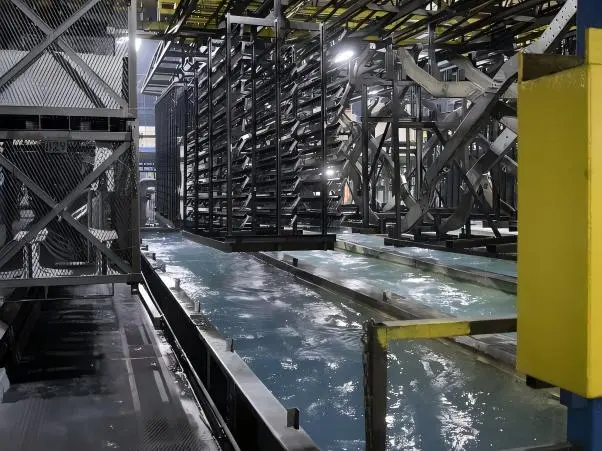
Сравнение обработки поверхности стали
| Метод лечения | Устойчивость к коррозии | Уровень затрат | Долговечность | Лучший пример использования |
| Гальванизация | Высокий | Низкий-средний | Высокий | Наружные конструкции |
| Порошковое покрытие | Высокий | Средний | Высокий | Потребительские товары |
| Гальваническое покрытие | Средний и высокий | Средний | Средний | Декоративные детали |
| Фосфатирование | Низкий | Низкий | Низкий | Предварительная обработка |
| Черный оксид | Низкий | Низкий | Средний | Инструменты |
| PVD-покрытие | Очень высокий | Высокий | Очень высокий | Продукция премиум-класса |
| E-покрытие | Высокий | Средний | Высокий | Массовое производство |
Как выбрать правильную обработку поверхности стали
Выбор правильного способа обработки поверхности зависит от нескольких факторов:
Условия окружающей среды
- Наружное воздействие → гальванизация или порошковое покрытие
- Высокая влажность или соль → PVD или гальваническое покрытие
Механические требования
- Сильный износ → азотирование или науглероживание
- Легкое использование → черная окись или покраска
Эстетические требования
- Премиальный внешний вид → PVD или гальваническое покрытие
- Функциональное использование → порошковое покрытие или покраска
Бюджетные соображения
- Недорогие решения → гальванизация, фосфатирование
- Высокотехнологичные решения → PVD, азотирование
Промышленное применение в ключевых отраслях
Обработка стальных поверхностей необходима во многих отраслях промышленности:
Автомобильная промышленность
- Антикоррозийные покрытия
- Износостойкие компоненты двигателя
- Декоративная отделка
Строительная промышленность
- Защита конструкционной стали
- Долговечность инфраструктуры на открытом воздухе
Кухонная утварь и потребительские товары
Производители посуды, бутылок и товаров для хранения часто полагаются на передовые системы покрытия для обеспечения безопасности и эстетики. Многие мировые покупатели выбирают [оптового производителя стали] для OEM-производства стальных изделий с покрытием.
Промышленное оборудование
- Износостойкие компоненты
- Коррозионностойкие корпуса оборудования
Морское и наружное оборудование
- Системы с высокой степенью защиты от коррозии
- Многослойные покрытия
Контроль качества при обработке стальных поверхностей
Высококачественная обработка поверхности требует строгого контроля процесса:
- Чистота поверхности перед нанесением покрытия
- Постоянство толщины покрытия
- Испытание на адгезионную прочность
- Испытания на коррозию в соляном тумане
- Испытания на твердость и износостойкость
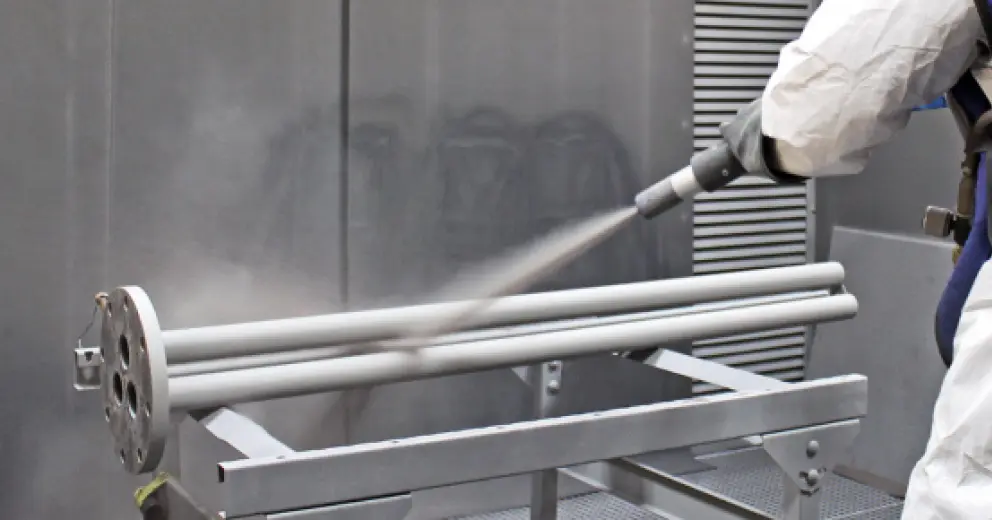
Ведущие заводы интегрируют автоматизированные линии нанесения покрытий и цифровые системы мониторинга, чтобы обеспечить согласованность партий и соответствие экспортным требованиям.
Заключение
Обработка стальных поверхностей играет важнейшую роль в определении эксплуатационных характеристик, долговечности и конкурентоспособности продукции на рынке. Каждый метод, от традиционного цинкования до современных PVD и термохимических процессов, предлагает уникальные преимущества в зависимости от требований применения.
Для производителей, оптовиков и импортеров выбор правильного производственного партнера так же важен, как и выбор самой обработки. Надежный OEM/ODM-завод может обеспечить техническое руководство, контроль затрат и стабильное качество при крупномасштабном производстве.
ЧАСТО ЗАДАВАЕМЫЕ ВОПРОСЫ
Какая самая распространенная обработка поверхности стали?
Оцинковка и порошковое покрытие являются наиболее распространенными благодаря соотношению стоимости и коррозионной стойкости.
Какая обработка лучше всего подходит для наружных стальных изделий?
Горячее цинкование и порошковое покрытие идеально подходят для наружных условий.
В чем разница между гальваническим покрытием и покрытием?
При гальваническом покрытии металлический слой наносится электрохимическим способом, а при нанесении защитного слоя - краской или порошком.
Какая обработка поверхности наиболее долговечна?
PVD, азотирование и науглероживание обеспечивают максимальную долговечность для промышленного применения.
Может ли обработка поверхности стали быть индивидуальной?
Да. Многие производители предлагают OEM/ODM изготовление на заказ, включая цвет, толщину и требования к производительности.
О компании Weijunli - ваш надежный оптовый поставщик стали
Как профессиональный оптовый поставщик стали, Weijunli фокусируется на поставках высококачественных стальных рулонов и стальных листов для глобальных клиентов B2B. Обладая обширным опытом работы в отрасли, мы поддерживаем широкий спектр применений, предлагая материалы, совместимые с различными процессами обработки поверхности, помогая клиентам удовлетворить требования к производительности, долговечности и стоимости.
Мы понимаем потребности оптовиков, дистрибьюторов и производителей и предлагаем гибкие решения по поставкам, стабильное качество и конкурентоспособные цены для оптовых заказов.