A steel trial order helps buyers verify whether a supplier can deliver the correct materials, meet processing requirements, and fulfill agreed delivery conditions before larger purchases.
Whether you’re sourcing hot-rolled, cold-rolled, stainless, coated, or electrical steel, the inspection should go beyond visual appearance. A practical steel trial order checklist covers material identification, dimensions, surface condition, product-specific properties, processing quality, and delivery performance.
This guide explains what to check for steel coils, sheets, plates, and strips—and how to decide whether to proceed with the next order.
Confirm the Steel Specifications Before Inspection
Before inspecting the delivered steel, review the purchase order (PO) and agreed acceptance criteria. Different steel products require different specifications and inspection methods.
Review the Purchase Order
Confirm these requirements:
- Steel type and grade: Hot-rolled, cold-rolled, stainless, coated, or electrical steel, with the specified grade and standard.
- Dimensions and tolerances: Thickness, width, length, and other relevant dimensions.
- Surface and coating: Required finish, coating type, coating designation, or paint system where applicable.
- 処理: Slitting, cutting, bending, or other agreed operations.
- ドキュメント: Required inspection reports, certificates, and shipping records.
Establish Inspection Methods
Identify which characteristics require measurement or testing, how samples will be selected, and what acceptance limits apply.
Use the agreed specifications and applicable product standards rather than assuming that one inspection criterion applies to every steel type.
Match Material Documents With the Delivered Steel
During a steel trial order, material traceability should be verified against the actual shipment.
Compare Documents With the Purchase Order
Review the mill test report or other agreed inspection documents and verify:
- Steel grade and applicable product standard.
- Heat, coil, or batch identification, as relevant.
- Required chemical and mechanical properties.
- Coating or magnetic-property reports, where specified.
For example, coated steel may require coating-related records, while electrical steel may require documented magnetic properties.
The documents should correspond to the material and requirements of the actual order.
Verify Material Identification
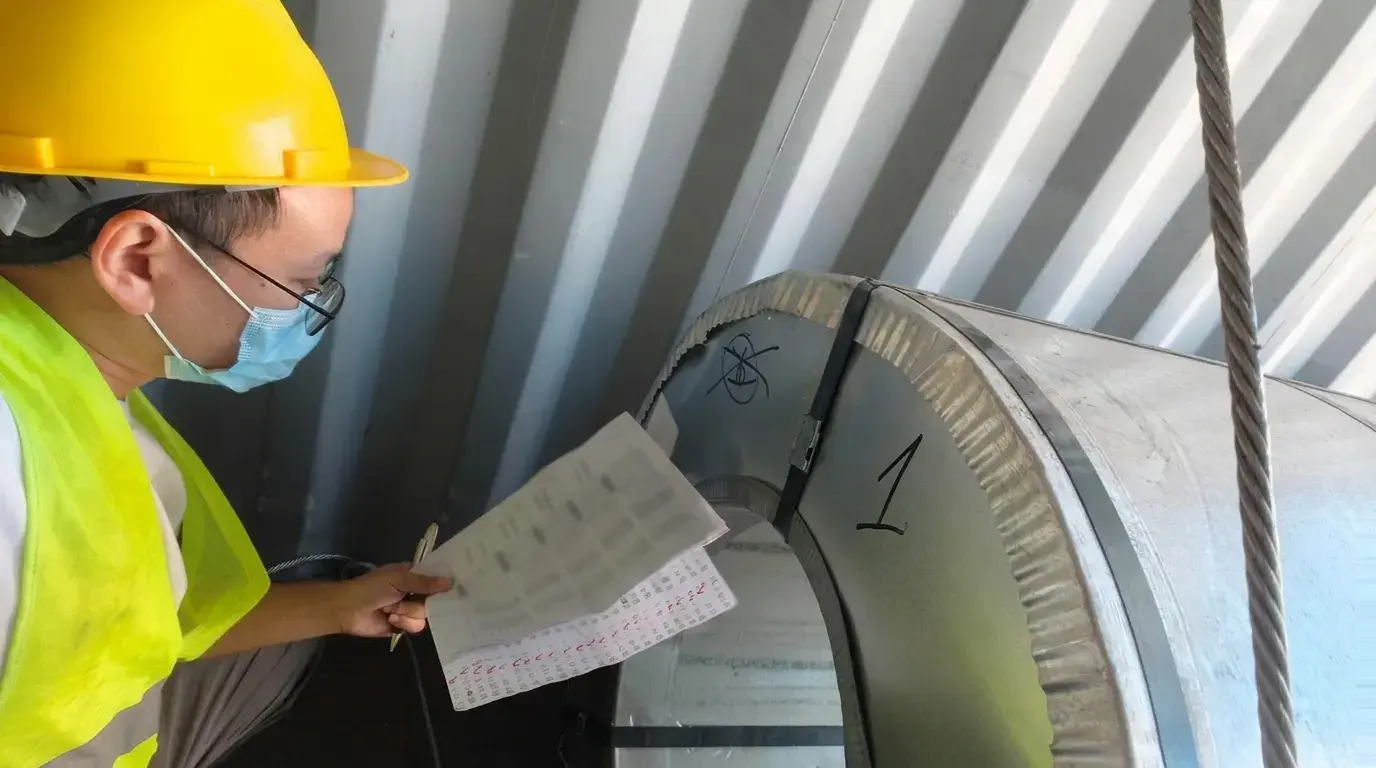
Compare identification labels on steel coils, bundles, or packages with the accompanying records.
For slit or cut materials, check whether the processing records preserve the connection to their original material batches.
If a shipment contains several batches but some cannot be matched to the required documents, hold the affected material until the discrepancy is resolved.
Inspect Dimensions, Surface Quality, and Steel-Specific Properties
A steel quality inspection should cover the physical characteristics common to flat steel products, followed by the requirements specific to each steel type.
Check Dimensions and Surface Condition
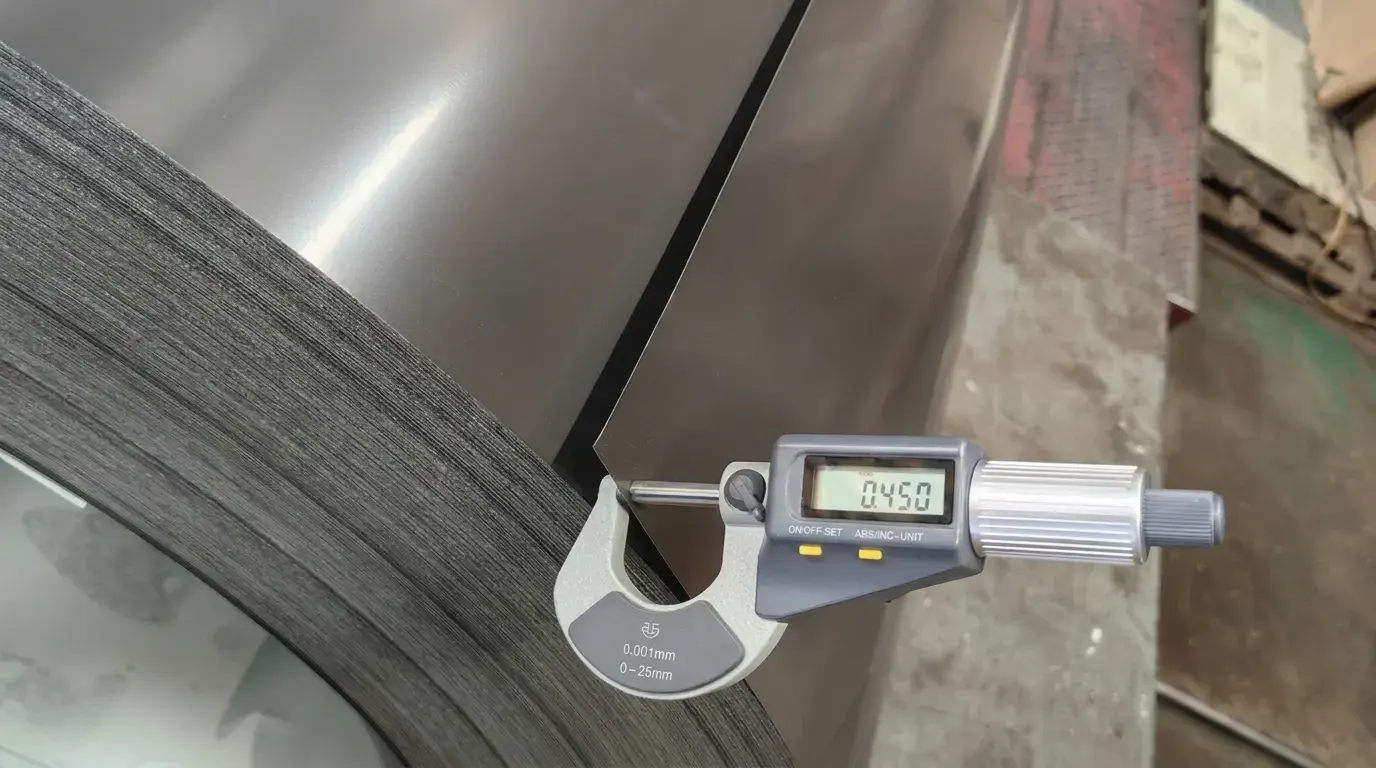
Use suitable measuring tools to verify:
- Thickness, width, and length: Compare actual measurements with specified tolerances.
- Flatness and edge condition: Check where required for the ordered product form.
- Surface quality: Look for unacceptable scratches, dents, rust, contamination, or other relevant defects.
- Coating condition: Inspect for visible coating damage or inconsistency when the product is coated.
Record measured values and defect locations instead of relying on a general visual assessment.
Check the Requirements for Each Steel Type
Different steel products require different inspection priorities.
| スチールタイプ | Additional Inspection Focus |
|---|---|
| 熱間圧延鋼 | Dimensional accuracy, surface condition, and specified mechanical properties |
| Cold-Rolled Steel | Thickness, flatness, surface finish, and required forming properties |
| HRP鋼 | Residual mill scale, pickled surface condition, and protective oil where specified |
| ステンレス鋼 | Material grade, surface finish, edge condition, and relevant corrosion or processing requirements |
| Galvanized / Galvalume Steel | Coating designation, required coating mass or thickness, and coating condition |
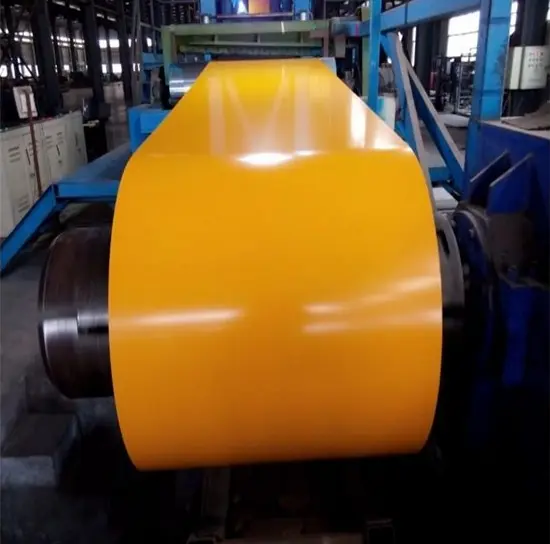
| 塗装済みスチール | Color and gloss consistency, paint-film requirements, and coating integrity |
| Electrical Steel (GOES / NOES) | Specified magnetic properties, insulation coating, dimensions, and relevant processing direction |
These are inspection priorities, not mandatory tests for every order. The actual requirements depend on the steel grade, product standard, and intended application.
For example, a buyer ordering HRP鋼 should check the agreed pickled surface condition, while a 亜鉛メッキ鋼板 order may require verification of coating designation and inspection records.
Similarly, 塗装済み鋼板 and electrical steel require attention to their specific coating or magnetic-performance requirements.
Test Processing Quality and Production Suitability
A steel product may meet its dimensional requirements but still cause problems during manufacturing.
Where relevant, the trial order should include a practical evaluation of processing quality and suitability for the intended application.
Inspect Custom Processing Results
If the order includes slitting, cutting, bending, or other processing, verify the resulting dimensions, edge conditions, and agreed finish requirements.
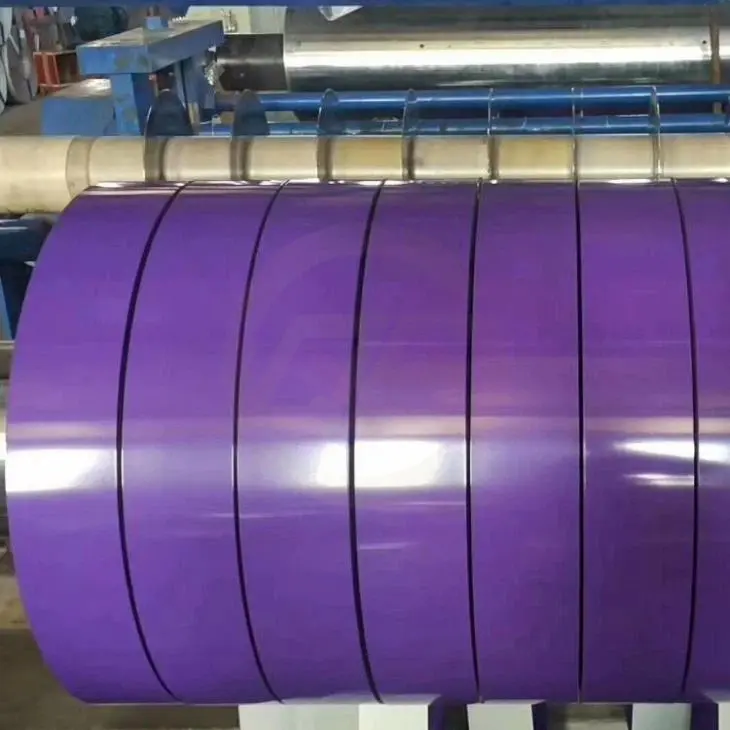
For instance, incorrect slit-strip width may affect feeding into automated production equipment, even when the original coil meets its material specification.
Buyers can review Weijunli’s カスタム鋼材加工ソリューション and confirm which operations are suitable for their specific requirements.
Evaluate Actual Production Performance
Where practical, test the steel in the intended manufacturing process.
Depending on the material and application, this may include:
- Forming or stamping performance.
- Cutting and bending results.
- Coating condition after forming.
- Lamination processing for electrical steel.
Record unexpected problems and investigate their causes rather than assuming every production issue originates from the material.
For distributors, verification may instead focus on product specifications, handling, and downstream customer requirements.
Check Packaging, Quantity, and Delivery Performance
A trial order also provides evidence of how effectively a 鉄鋼サプライヤー handles shipment preparation and delivery.
| Checkpoint | What to Verify |
|---|---|
| 数量 | Delivered quantity or weight matches the purchase records |
| パッケージング | Materials are secured and protected as agreed |
| Identification | Coil, bundle, or package labels remain clear |
| Surface Protection | Required oiling, wrapping, or coating protection is maintained |
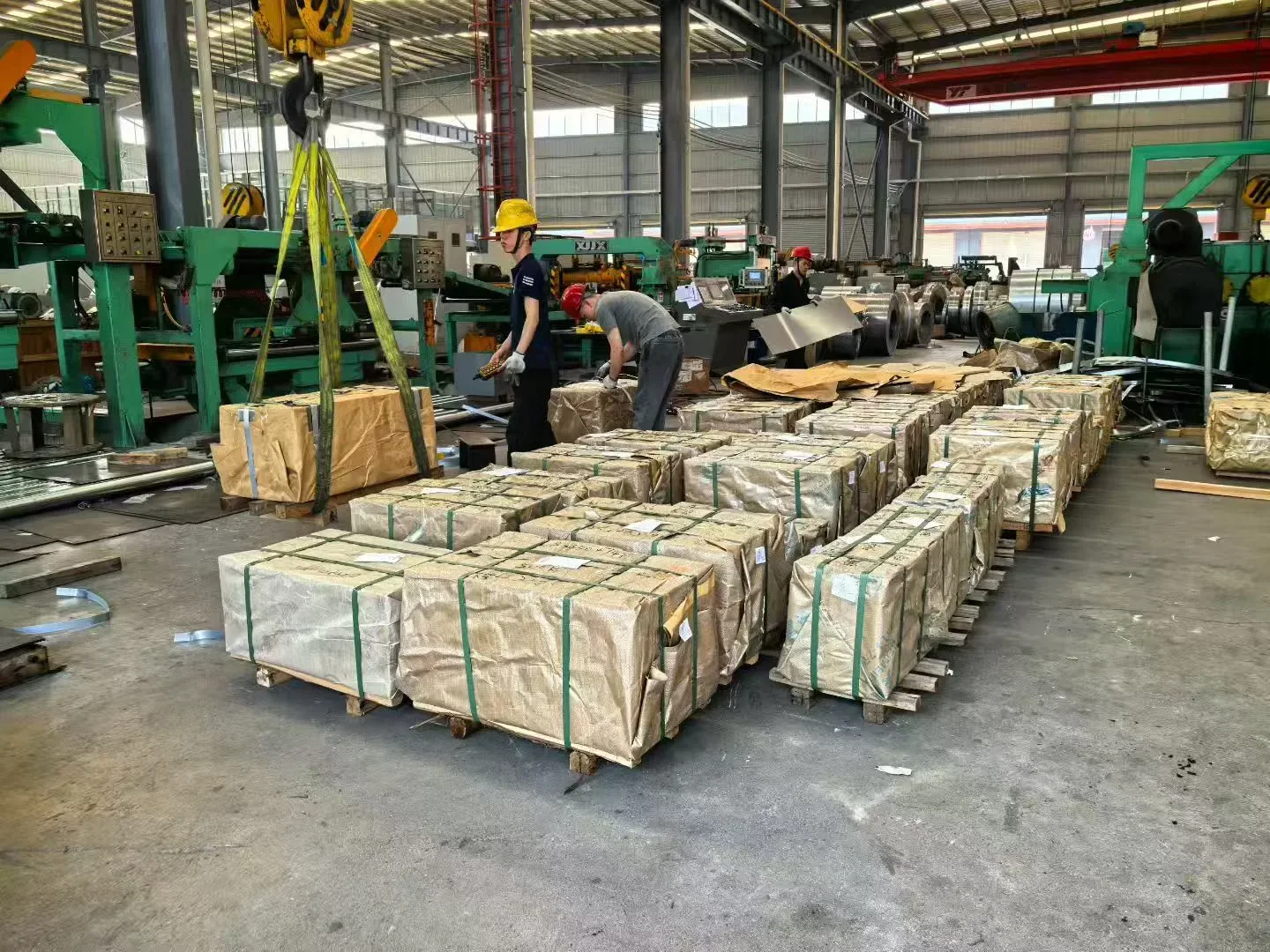
| Delivery | The agreed shipment responsibilities and schedule are met |
| Documents | Required shipping and receiving documents are complete |
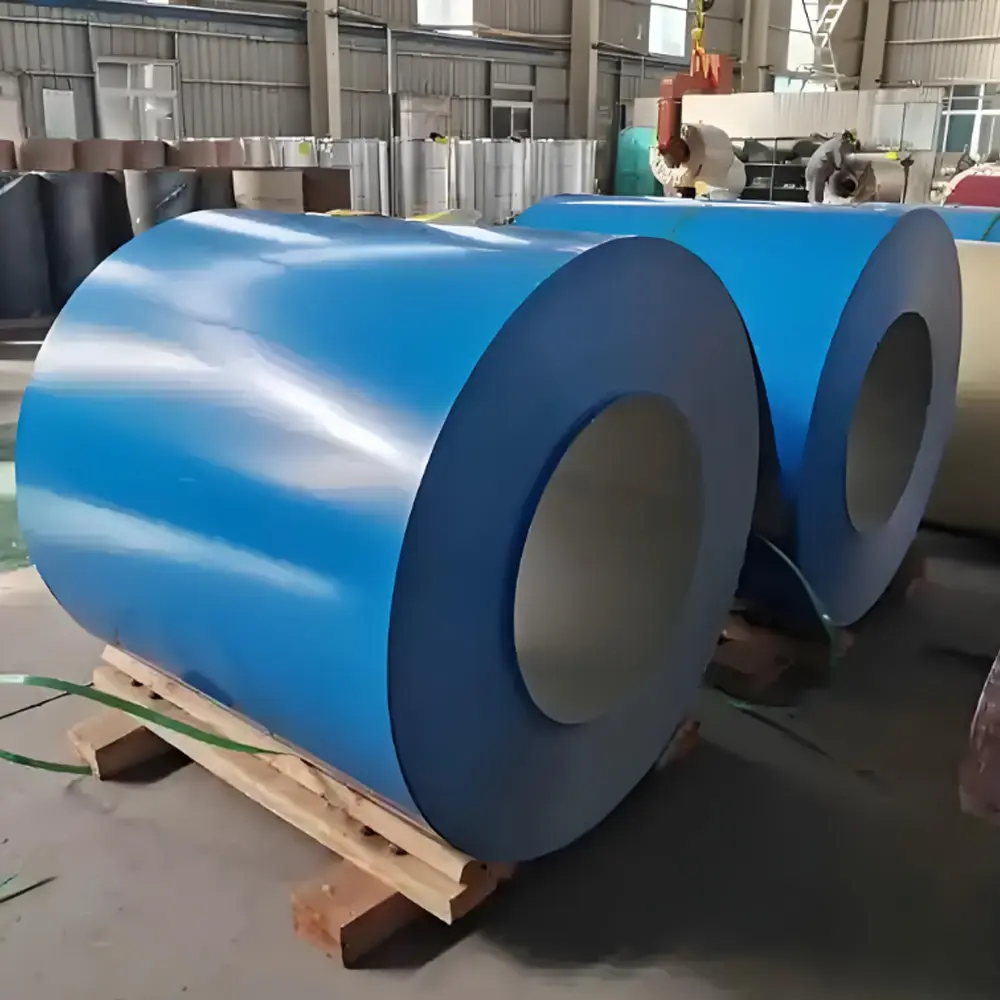
Packaging requirements vary by material. For example, exposed cold-rolled or HRPO surfaces may require protection against moisture, while prepainted steel may require additional care to prevent coating damage.
Photograph visible shipment damage and retain the receiving records.
For more information about Weijunli’s sourcing and delivery services, explore our 鉄鋼供給サービス.
Record Results and Decide Whether the Steel Trial Order Passes
Inspection findings should lead to a documented acceptance decision and a clear plan for future purchasing.
Complete the Steel Trial Order Inspection Checklist
| Inspection Item | Evidence to Record | 結果 |
|---|---|---|
| 材料の特定 | PO, batch labels, inspection documents | Pass / Hold / Fail |
| 寸法 | Measurements and applicable tolerances | Pass / Hold / Fail |
| Surface and Coating | Inspection records and defect photos | Pass / Hold / Fail |
| Product-Specific Properties | Required test reports or verification results | Pass / Hold / Fail |
| Processing Performance | Production trial or processing records | Pass / Hold / Fail |
| Packaging and Delivery | Receiving records and packing list | Pass / Hold / Fail |
These are suggested inspection statuses. Actual acceptance limits must follow the agreed requirements.
Accept, Hold, or Reject the Material
Pass — Accept the Trial Order
The required inspections are complete, and the delivered steel meets the agreed acceptance criteria.
Conditional Acceptance — Accept With Approved Conditions
A documented deviation may be accepted if authorized personnel determine that it is permissible. Any necessary restrictions or corrective actions should be recorded.
Hold or Reject — Do Not Release Unverified Steel
If material identity cannot be confirmed or critical requirements are not met, hold the affected material for investigation. Reject it when the agreed acceptance and disposition procedures justify rejection.
Decide Whether to Place the Next Order
A successful trial order provides evidence of supplier performance, but it does not guarantee future consistency.
Before increasing order volumes, review material quality, processing results, delivery performance, and how the supplier resolved any problems.
If significant issues occurred, verify the corrective actions before proceeding.
Conclusion: Make Your Next Steel Order Based on Verified Results
A successful steel trial order should confirm material conformity, suitability for the intended application, and acceptable delivery performance. By checking both general steel requirements and product-specific characteristics, buyers can identify problems early and make more informed purchasing decisions.
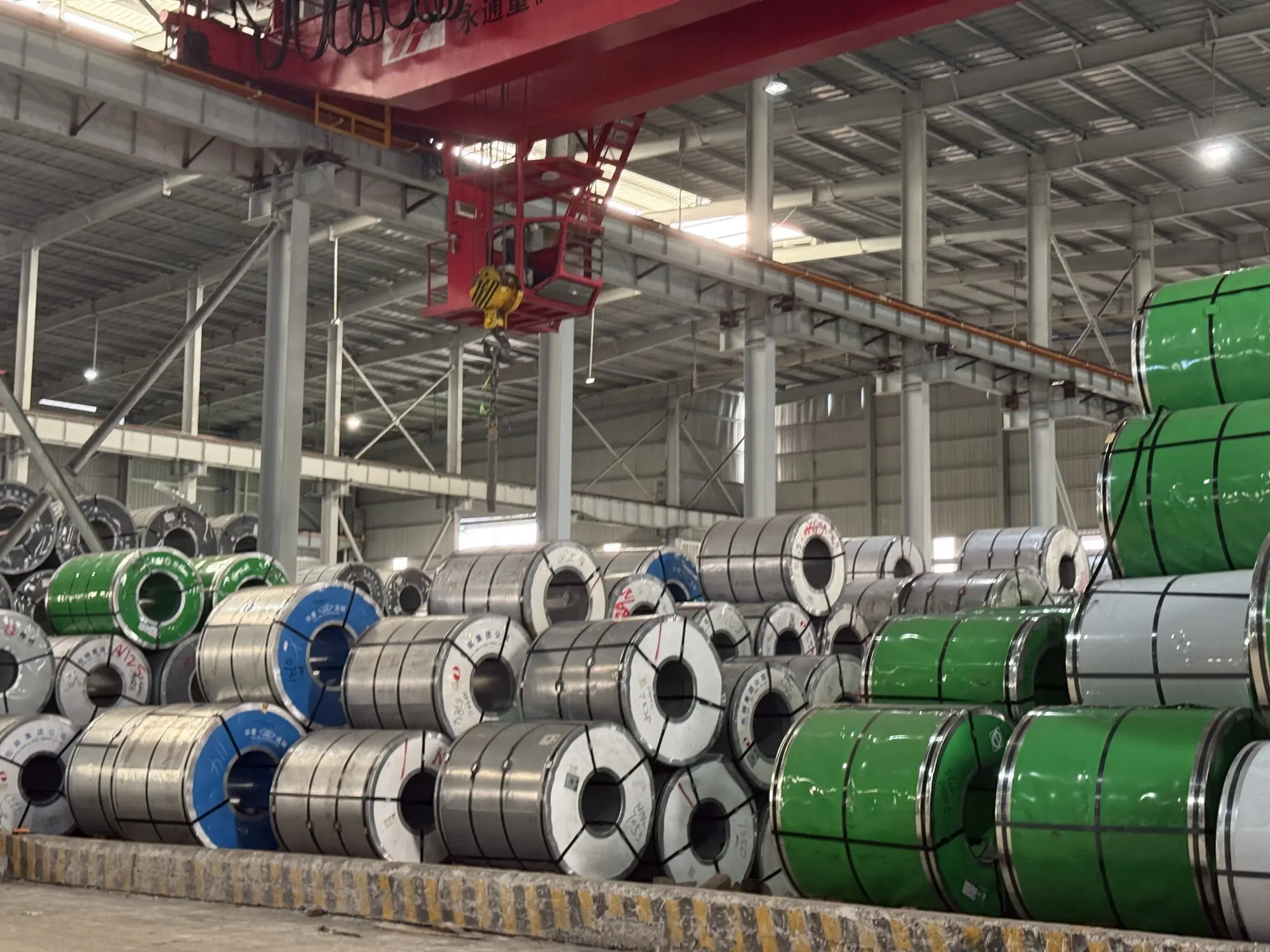
として wholesale steel supplier from China, Weijunli provides steel sourcing and customized processing services for industrial buyers. Explore our steel coils, sheets, plates, and strips, 、または contact our team with your required steel type, grade, dimensions, quantity, processing needs, and delivery destination to discuss a suitable trial order.