The finest cold-rolled steel can directly affect product quality, manufacturing yield of specific products, and total cost of ownership. For business-end buyers and engineers, matching the typical end use with key parameters like thickness and tolerance, mechanical properties, surface finish, and formability is the first thing to consider.
Today, Weijunli Steel, a 大手鉄鋼サプライヤーおよび加工業者, is delivering this blog to help with that.
Property of Cold-Rolled Steel
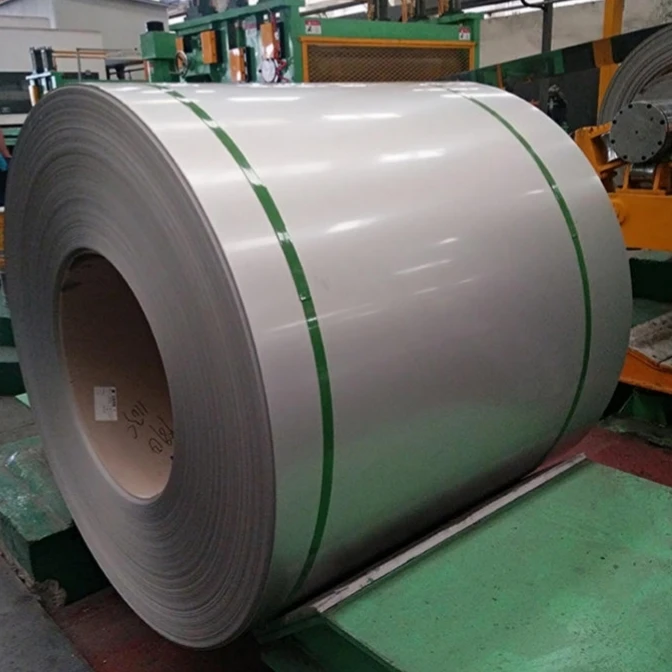
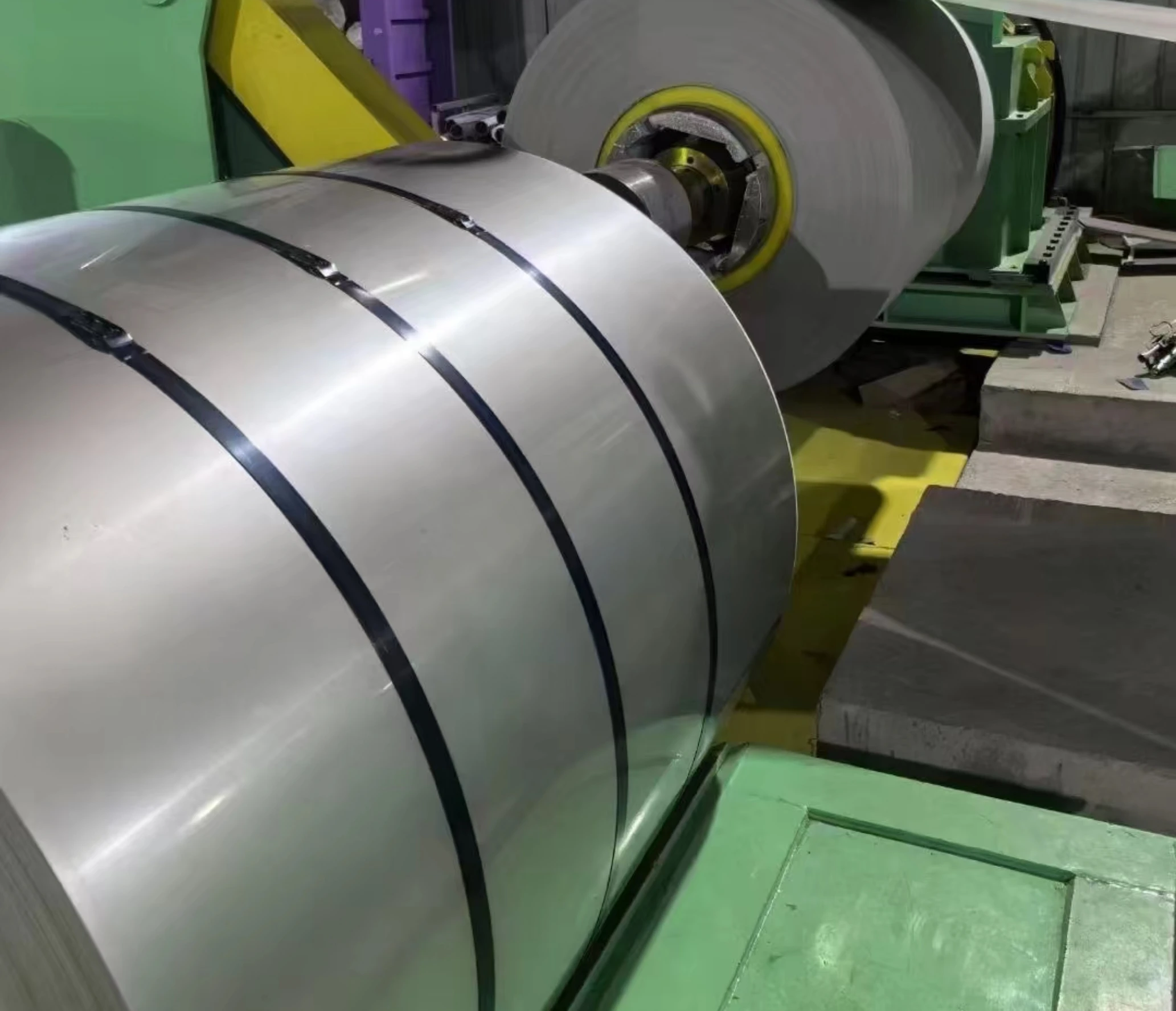
Cold-rolled steel is produced by reducing hot-rolled coils at room temperature, which yields improved surface finish, tighter dimensional tolerances, and enhanced mechanical consistency compared with hot-rolled alternatives.
The process can include annealing and temper rolling to achieve targeted ductility and strength ranges.
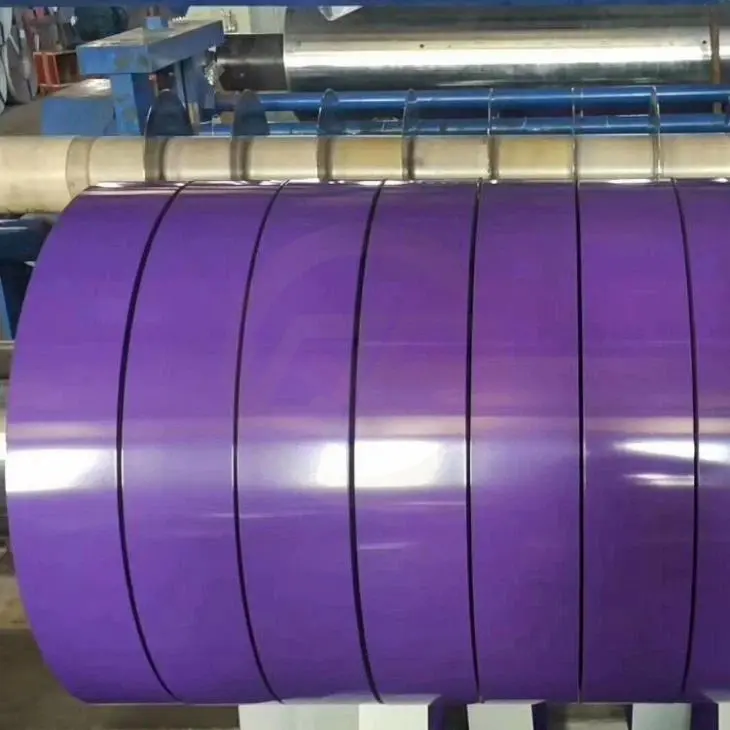
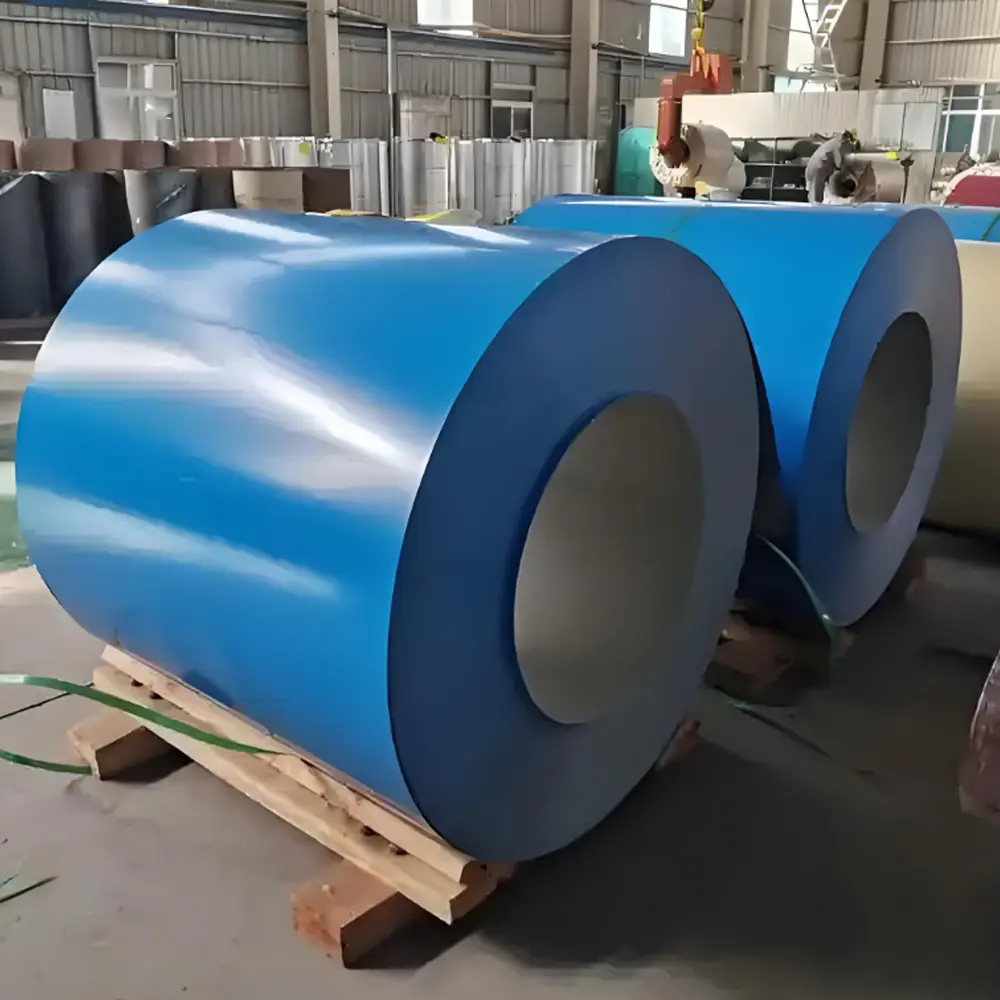
Typical supply forms are coil, cut-to-length sheet, and slit strip—each with implications for inventory, handling, and downstream processing.
Key Parameters to Consider
Before choosing a grade, align with these four decision drivers.
Thickness, tolerance, and flatness
Thickness tolerance affects assembly fit and stamping blank nesting. Specify absolute thickness and allowable deviation (e.g., ±0.03 mm) where fits are critical. Flatness and coil camber tolerance impact forming and press feeding; for precision parts require stricter flatness classes are required.
機械的特性
Decide the required tensile strength, yield strength, and elongation based on forming and service loads. Common cold-rolled classes include:
- DQ / Commercial Quality (CQ): general fabrication.
- Drawing Quality (DQ): deep drawing and deep-draw appliances.
- Deep Drawn Quality / Extra Deep Drawn (DDQ / EDQ): extreme forming with minimal cracking.
Higher strength grades may increase springback and die wear—choose a balance between strength and formability.
Surface quality and finish
Surface categories range from bright, clean mill-finished to special appearance or plating-ready surfaces. Visible panels and painted products require low-roughness, defect-free surfaces. For galvanizing or plating, choose compatible surface preps (cleanliness, oil type).
Formability and processing compatibility
Match material to your primary forming processes: stamping, bending, roll forming, laser cutting, or deep drawing. Request material punchability ratings, bend radii performance, and trimming behavior from suppliers.
Choosing by End Use
Below are recommended guidance points for common B2B applications when using cold-rolled steel.
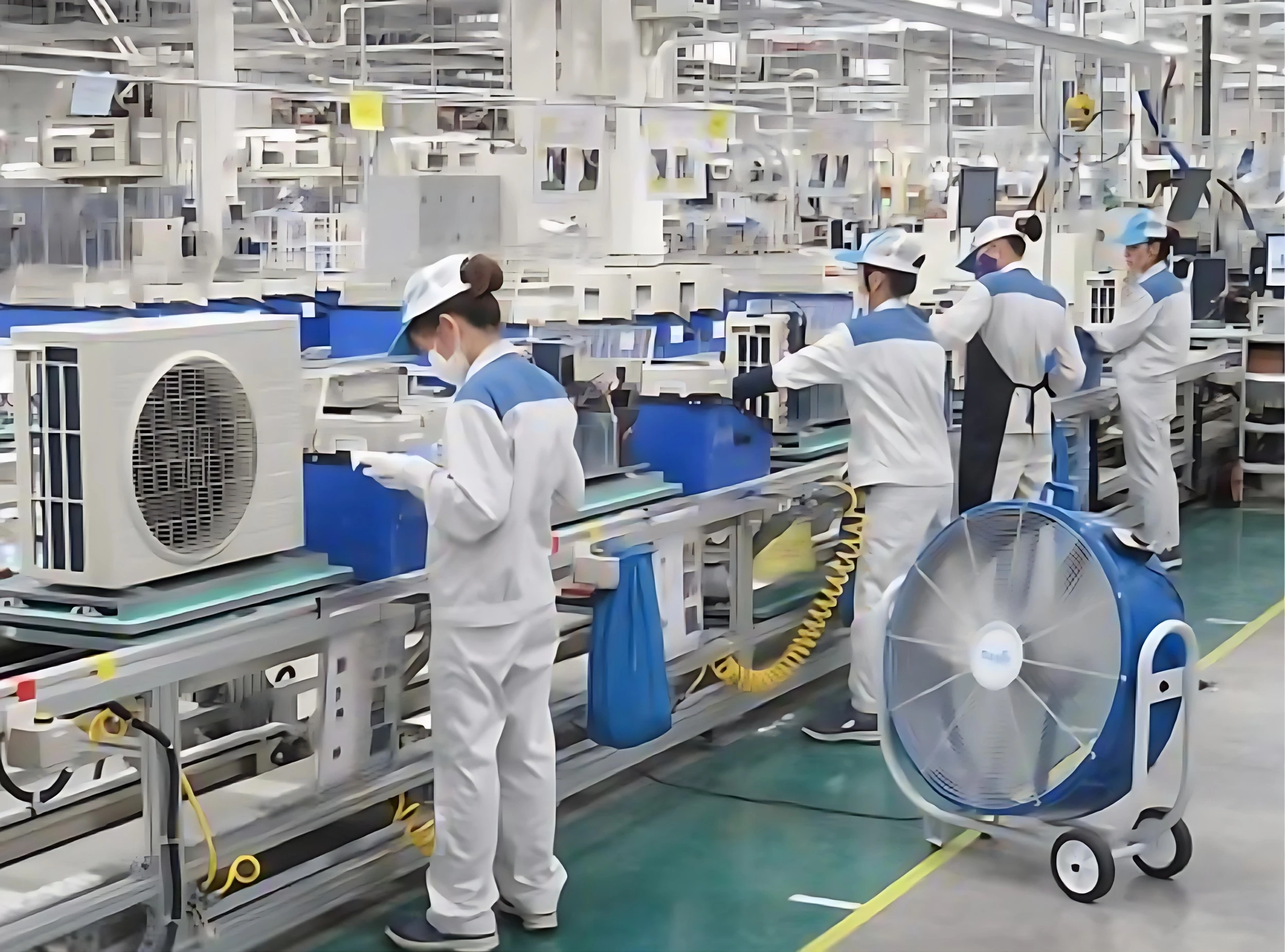
Appliance panels and precision castings
- Priority: surface finish, deep drawability, color-coating compatibility.
- Recommendation: DDQ / EDQ grades with bright surface (oiled or pickled & oiled). Specify temper-rolled surface for coil coating; require low inclusion content and excellent formability. Request pre-production sample blanks and paint adhesion tests.

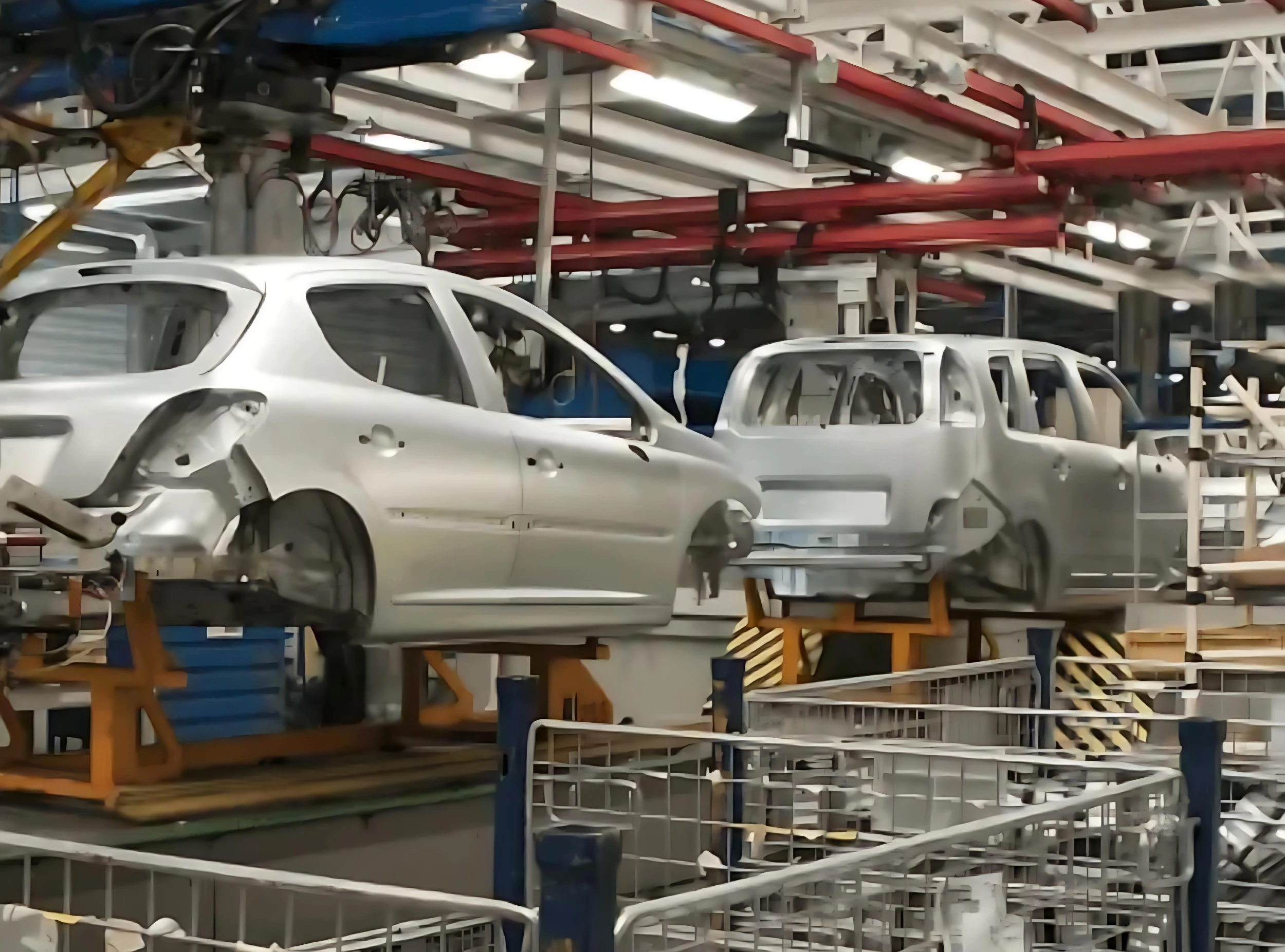
Automotive interior and light structural parts
- Priority: dimensional control, consistent mechanical properties, fatigue resistance for structural features.
- Recommendation: High-quality CR (cold-rolled) grades matched to forming severity—use higher-strength CR for structural brackets, but validate springback. Control chemical composition tightly for welding and coating compatibility.

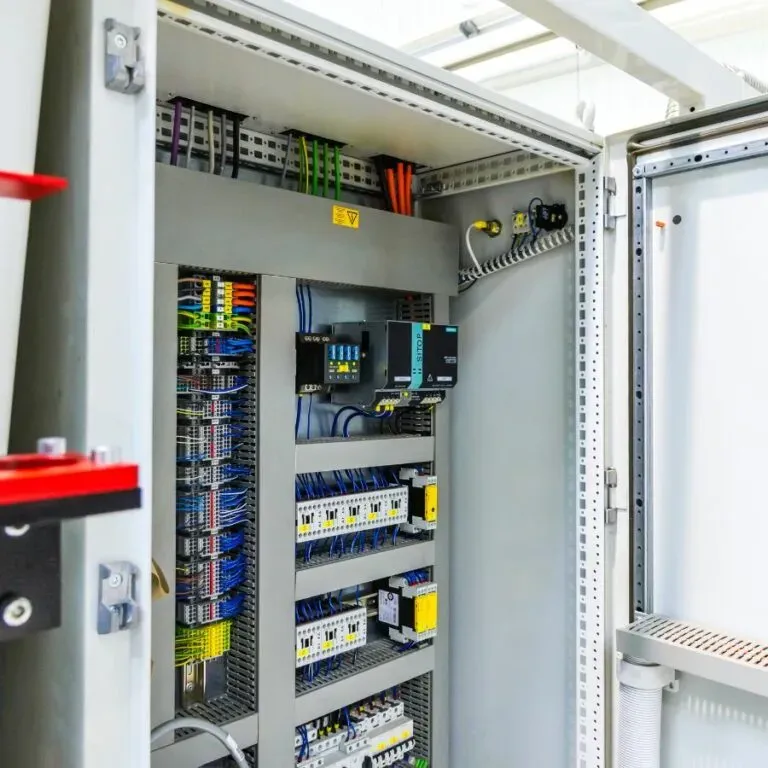
Electrical enclosures and control cabinets
- Priority: flatness, weldability, coating adhesion, and corrosion resistance.
- Recommendation: CR sheet with good surface finish (for powder coating or prepainted applications). If exposed or outdoor, specify galvanized or pre-galvalume coated options built on cold-rolled substrate.

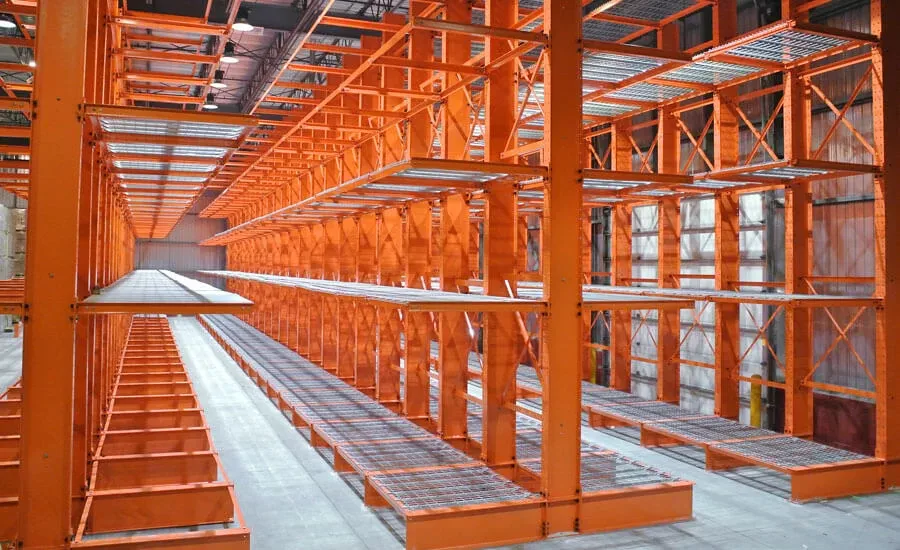
Furniture, racking, and shelving systems
- Priority: cost-effectiveness, formability, consistent thickness for automated lines.
- Recommendation: CQ or commercial cold-rolled grades with standard surface; opt for prepainted CR coils when cosmetic finish and corrosion protection are required.

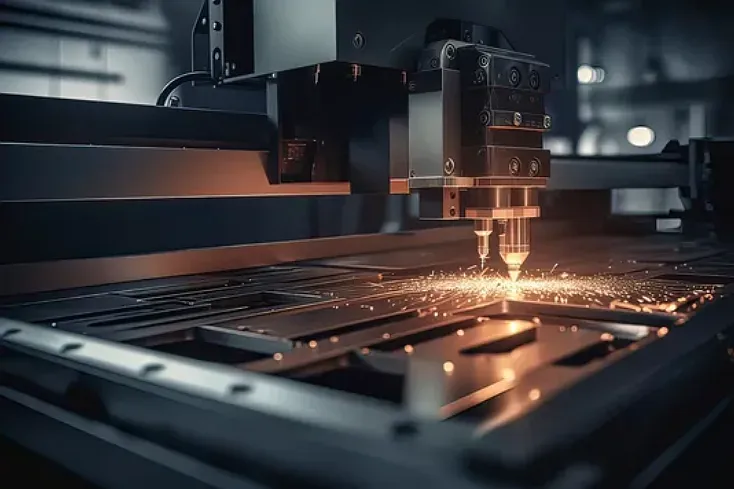
Precision parts, laser cut components, and CNC fabrication
- Priority: dimensional accuracy, minimal burr formation, consistent edge quality.
- Recommendation: cold-rolled with specified thickness tolerance and controlled hardness; verify machinability and laser-cutting parameters with vendor samples.

Standards, Grades, and Test Points
When specifying cold-rolled steel, reference recognized standards (ASTM, EN, JIS) and call out measurable acceptance criteria:
- 化学組成 limits (C, Mn, P, S) to control weldability and formability.
- 機械試験: tensile, yield, and elongation.
- Surface inspection: acceptable defect class and finish designation.
- Dimensional tests: thickness at multiple points, flatness, and width tolerance.
- Traceability: Mill Test Certificate (MTC) with heat/coil numbers.
Insist that suppliers provide sample test reports and pre-shipment photos for first orders.
Surface Treatment and Downstream Finishing
Decide whether you need the sheet oiled, pickled & oiled, annealed, or prepainted on your cold-rolled steel:
- Oiled / Pickled & Oiled: protects during storage; must be cleaned before painting.
- Annealed (ox-free): for superior formability and consistent mechanicals.
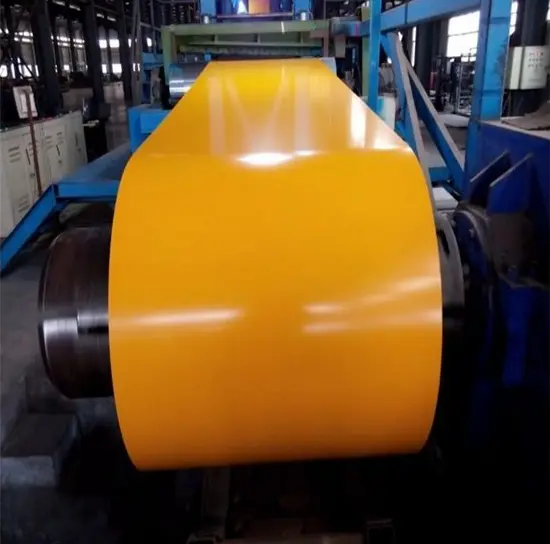
- Prepainted / Precoated: saves in-house coating steps — specify coating system (PE, SMP, PVDF) and film thickness.
Confirm compatibility between the chosen surface treatment and your welding, adhesive, or coating processes.
Practical Procurement Checklist
Use this checklist in RFQs and POs:
- Part/application description and forming process.
- cold-rolled steel grade and standard reference.
- Thickness and tolerance table.
- Required mechanical properties (tensile/yield/elongation).
- Surface finish and pre-treatment specification.
- Testing and inspection requirements (MTC, adhesion, bend test).
- Packaging, labeling, and transportation instructions.
- Lead time, MOQ, and agreed sampling protocol.
結論
Choosing the right cold-rolled steel requires aligning material properties with manufacturing realities and end-use performance. Define functional requirements first—how the part will be formed, finished, and used—then translate those needs into measurable material specifications. Close collaboration with a qualified supplier, early-stage sampling, and clear acceptance criteria will minimize surprises, reduce rework, and optimize total cost across the product lifecycle.
Weijunliスチールについて

Weijunli Steel operates as a 大手鉄鋼サプライヤーおよび加工業者, providing wholesale cold-rolled steel supply alongside engineered custom cold-rolled steel solutions for diverse industrial uses. Backed by our own production facilities, we control quality from processing to delivery while adhering to internationally recognized safety and manufacturing standards. This factory-driven approach enables consistent surface finish, precise tolerances, and dependable supply performance you can rely on.
FAQ: Common Buyer Mistakes When Sourcing Cold Rolled Steel
Q1: Is specifying thickness and price enough when ordering cold-rolled steel?
A1: No. Thickness and price alone are insufficient. Buyers should also define functional requirements such as formability, paint adhesion, and fatigue performance to ensure the material fits the intended manufacturing process.
Q2: Do buyers need to run production tests before mass ordering?
A2: Yes. Stamping trials and paint bake tests on sample coils help validate real production performance and reduce the risk of defects during mass production.
Q3: Why is batch-to-batch consistency important?
A3: Inconsistent batches can lead to unstable forming and quality issues. Buyers should require supplier quality control plans and minimum batch traceability.
Q4: Can packaging and handling affect steel quality?
A4: Yes. Improper packaging can cause edge damage, surface scratches, or rust during transport. Protective packing methods and clear handling SOPs should be specified in advance.