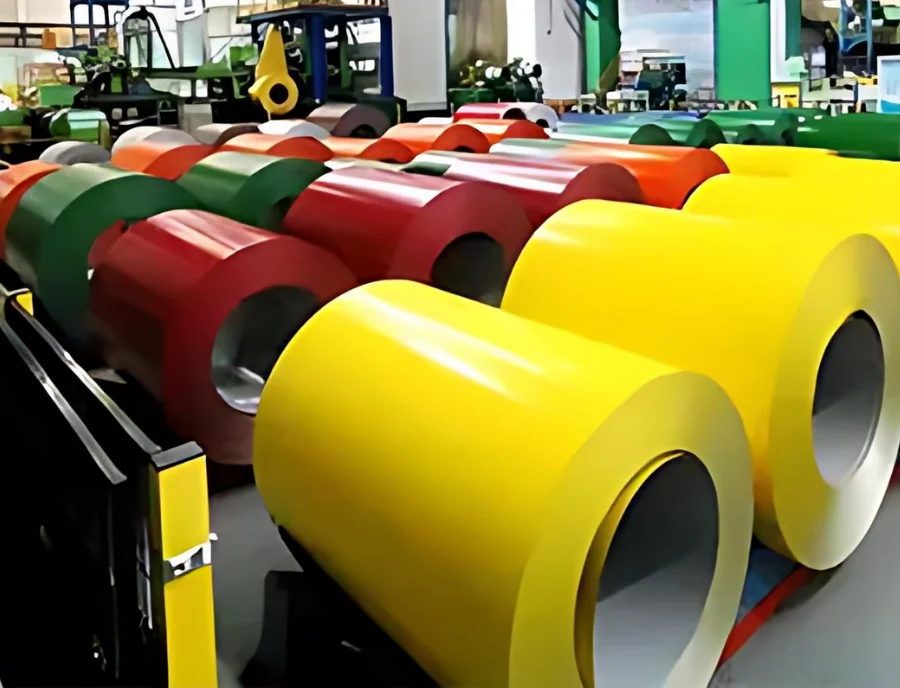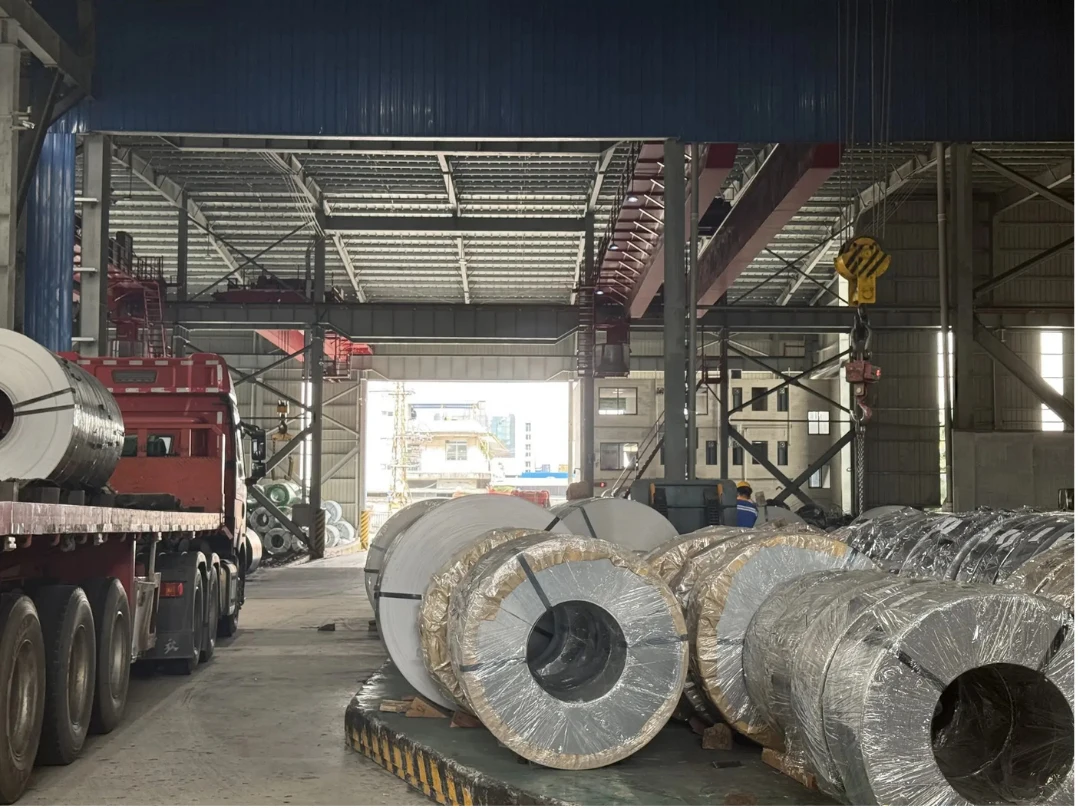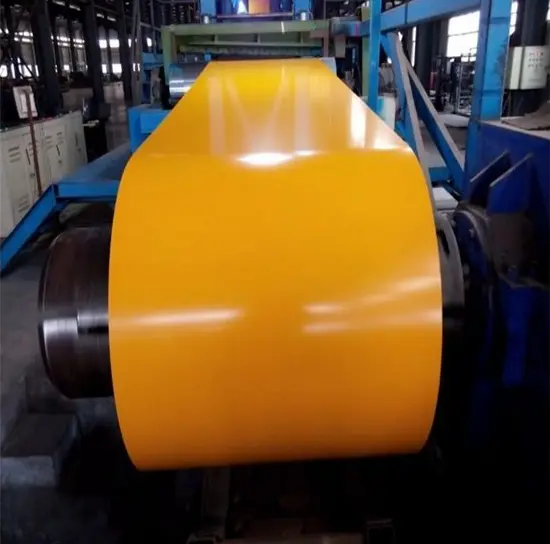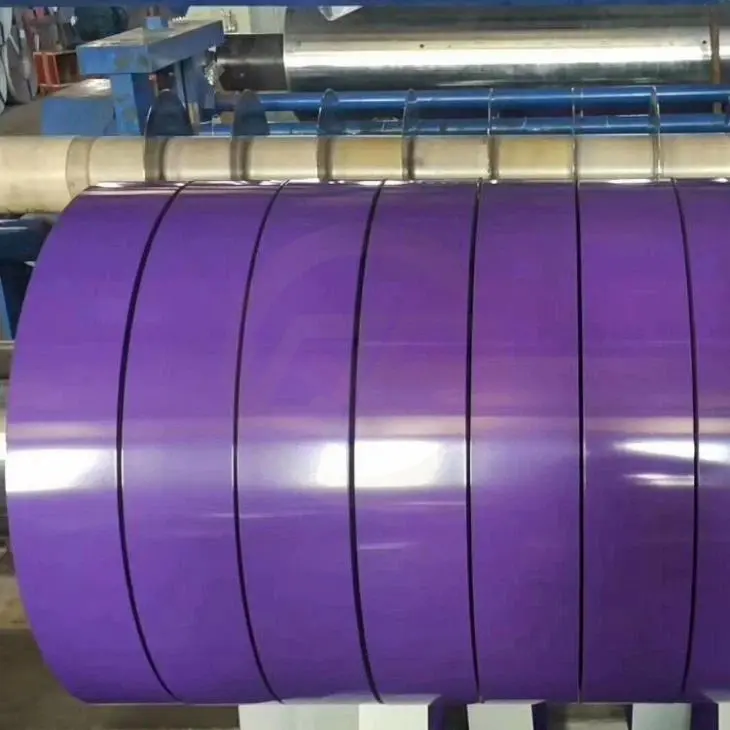
Prepainted steel (also known as PPGI/PPGL or pre-coated metal) is steel that has been continuously coated in a coil coating line at the mill before fabrication. For manufacturers and specifiers, it delivers consistent surface quality, reduces manufacturing steps, and improves lifecycle cost versus field or post-painting.
このブログでは、Weijunli Steel, Inc. 大手鉄鋼サプライヤーおよび加工業者, explains the material, core performance features, and the primary industrial applications in construction, appliances, and packaging, and offers buyer-focused considerations for B2B procurement.
What Is Prepainted Steel and Why Industry Use It
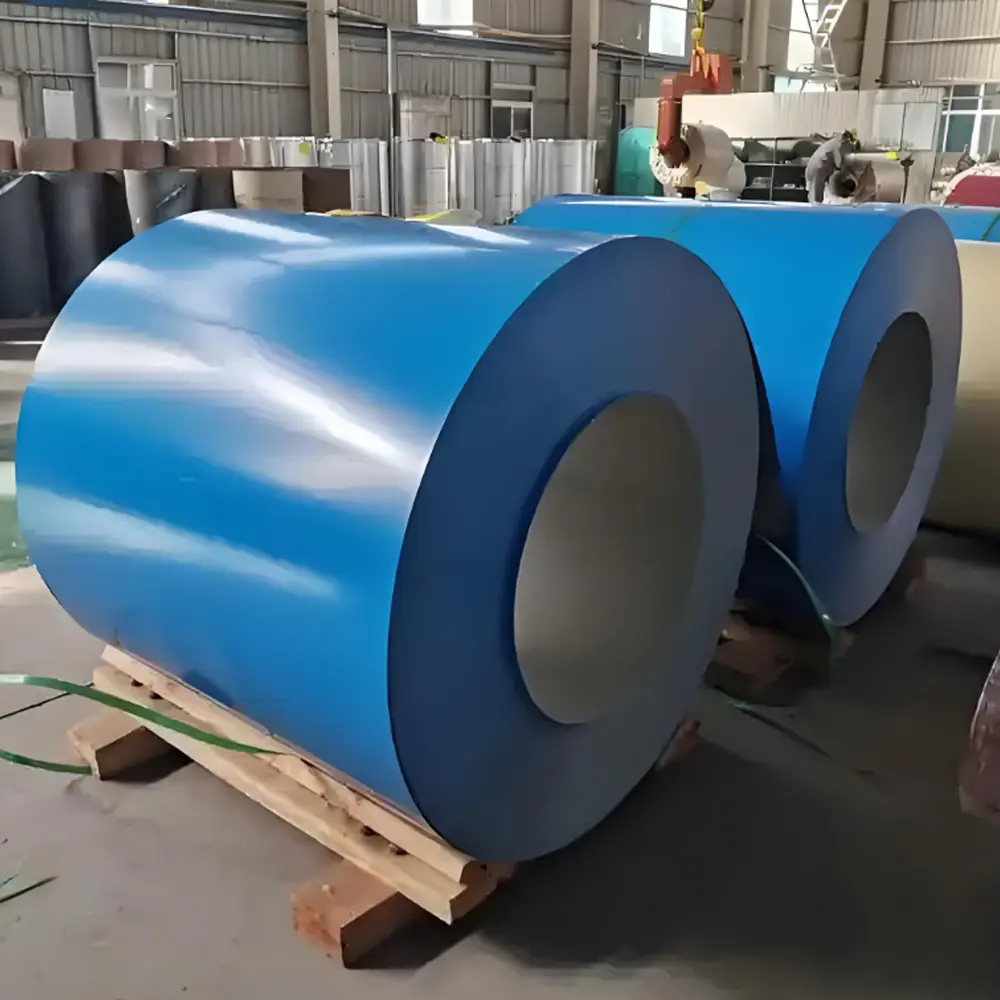
Prepainted steel is produced by applying a controlled coating system (primer + topcoat) to a steel substrate on a continuous line, typically followed by curing and inspection. The process differs from post-painted steel in that the coating is applied at the mill under tightly controlled conditions rather than by a downstream spray-paint operation.
For OEMs and manufacturers, the advantages are straightforward:
- Stable, uniform surface quality across large volumes (color, gloss, and film thickness are consistent).
- Shorter production cycles and reduced in-plant paint lines, enabling faster throughput.
- Lower total manufacturing cost when factoring in reduced labor, less rework, and lower VOC/permit burdens.
Because the coating is applied under factory conditions, prepainted steel is often the first-choice substrate where appearance, durability, and process reliability are priorities.
Key Performance Characteristics
Before reviewing industry applications, it helps to understand the technical attributes that make prepainted steel attractive.
- 耐食性 — mill-applied primers and topcoats provide a system-level defense; selection of substrate (galvanized, galvalume) and coating chemistry defines expected life.
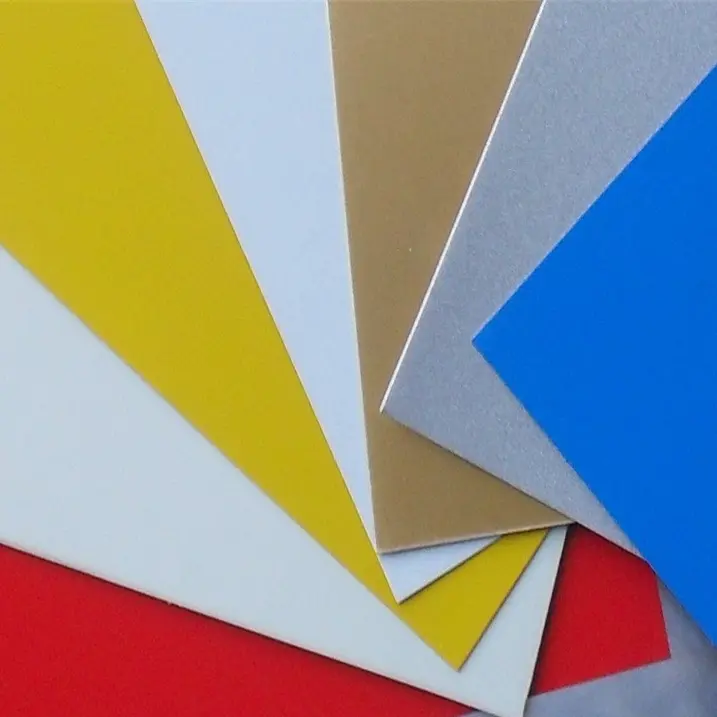
- Color consistency & design flexibility — coil coating supports precise color matching and patterned printing at scale.
- Coating adhesion and formability — coil-coated systems are engineered to endure bending, stamping, and roll-forming with minimal cracking.
- Production efficiency & waste reduction — prepainted coils reduce onsite painting, lowering overspray waste and rework.
These performance traits explain why multiple industrial sectors standardize on prepainted steel for volume production.
Applications in Construction
Roofing and wall panels
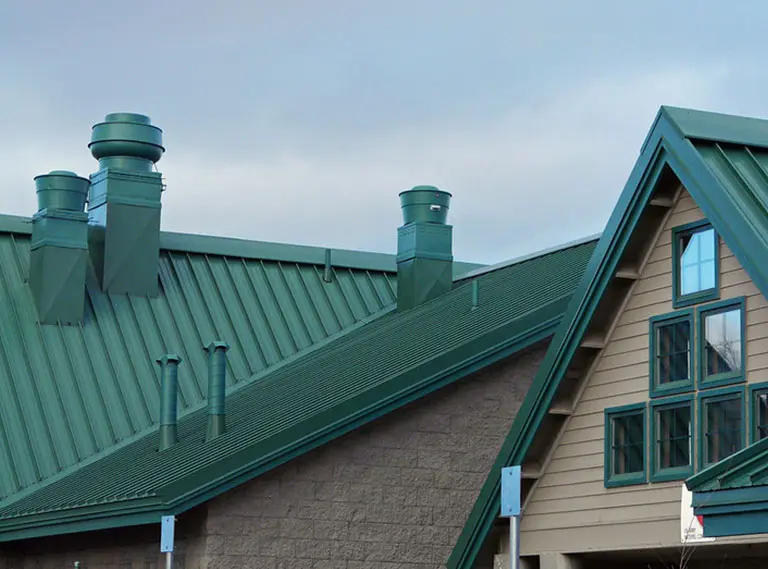
One of the largest end markets for prepainted steel is the exterior building envelope: corrugated roofing, standing-seam roofs, and insulated panels. Key reasons: long-term color retention, weathering resistance, and the ability to deliver large continuous lengths with a consistent finish. When combined with a suitable substrate (e.g., galvalume), prepainted products deliver decades of service with minimal maintenance.
Interior cladding and decorative panels
Prepainted coils are also ideal for interior architectural panels and modular wall systems. Designers value uniform appearance across hundreds of square meters, while building owners benefit from low-maintenance surfaces that resist staining and abrasion.
Why it works for construction
The combination of engineered substrate, factory-applied coating, and coil-forming efficiencies makes prepainted steel the logical choice for large projects where finish consistency, lead time, and total lifecycle cost matter.

Applications in Home Appliances
Appliance casings and exterior panels
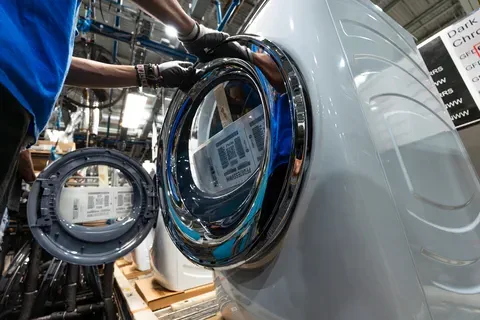
Major appliance manufacturers use prepainted steel for refrigerator doors, washer tubs, hob panels, and air-conditioner cabinets. Coil coating guarantees color and gloss across production runs and reduces assembly-line painting.
Internal structural components
Back panels, mounting brackets, and inner linings are often supplied prepainted to improve corrosion resistance and reduce secondary processes.
Why appliance OEMs prefer prepainted steel
Using it eliminates in-house paint booths, reduces VOC emissions, improves first-pass yield, and ensures every unit leaving the line has the same finish quality — a crucial factor for brand consistency and warranty claims.

Applications in Packaging
Industrial and equipment packaging
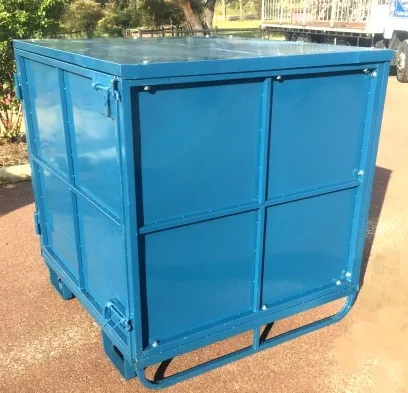
Prepainted steel is used for metal enclosures, transport crates, and protective housings where printed branding and durable surfaces are required.
Prepainted steel with printed markings
Mill-applied printing on prepainted coils is common for logos, safety markings, and instructional graphics. This approach replaces secondary labeling and improves traceability while ensuring ink adhesion and durability.
Why does it fit the packaging
High repeatability, abrasion resistance, and the ability to incorporate printed information at the coil stage make prepainted steel efficient for standardized packaging and branded enclosures.

Prepainted Steel vs. Post-Painted Steel — Industrial Comparison
| Criterion | Prepainted steel | Post-painted steel |
|---|---|---|
| Surface consistency | High (factory control) | Variable (shop process) |
| Production flow | Faster (no paint line) | Slower (requires painting step) |
| VOC / environmental | Low (centralized controls) | High (shop emissions) |
| Cost at scale | Lower TCO for high volumes | Lower CAPEX but higher OPEX |
| Repairability | Touch-up feasible; consistent finish | Easier local repairs but variable finish |
For high-volume B2B production, prepainted steel typically reduces total cost and improves quality control versus post-painting.
Key Considerations for B2B Buyers
を指定する場合 prepainted steel, procurement teams should address:
- Base steel selection: GI (galvanized), GL (galvalume), CR (cold-rolled), or HR (hot-rolled), depending on corrosion and formability needs.
- Coating system choice: PE, SMP, PVDF — select based on durability, color retention, and warranty expectations.
- Color matching & batch consistency: Request M-standards, spectral matches, and batch samples.
- MOQ, lead time & QC: Understand minimum order quantities for custom colors/patterns and require pre-shipment inspection, adhesion, and salt-spray test reports.
Include clear acceptance criteria (film thickness, adhesion, formability tests) in purchase orders to avoid disputes.
Industry standards and quality control
Relevant standards (ASTM, EN, ISO) cover substrate preparation, coating thickness, adhesion testing, and corrosion resistance. Typical tests for prepainted steel include cross-cut adhesion, mandrel bend/forming tests, salt-spray, and QUV weathering. For OEMs pursuing long-term warranties, they require supplier test certificates and production process audits.
結論
For construction, appliances, and industrial packaging, prepainted steel offers a proven pathway to consistent appearance, reduced process complexity, and lower total lifecycle cost. By moving the paint operation to the mill — where process control, environmental management, and color consistency are maximized — manufacturers achieve better quality at scale.
Weijunliスチールについて

Weijunli Steel is a 大手鉄鋼サプライヤーおよび加工業者, focused on offering wholesale prepainted steel supply and delivering custom prepainted steel solutions for industrial and construction applications.
As a factory-direct partner, we operate under internationally recognized safety and production standards to ensure stable quality and consistent output. Our processing capabilities allow specifications, coatings, and finishes to be tailored to practical project requirements, making us a reliable choice for long-term supply.