Reducir los residuos de fabricación es una de las formas más eficaces que tienen los fabricantes para reducir los costes de producción y mejorar la rentabilidad. Aunque los compradores suelen comparar los tipos de acero y los precios, la forma de suministro del material puede tener un impacto igualmente significativo en la utilización del material, la eficiencia de la mano de obra y la productividad de la fabricación.
El acero HRPO (laminado en caliente, decapado y aceitado) se suministra habitualmente en forma de chapas o bobinas. Aunque ambos se fabrican a partir del mismo material base, están diseñados para métodos de fabricación distintos. Elegir la forma de suministro adecuada puede reducir los residuos, simplificar la producción y mejorar la eficiencia general de la fabricación.
En este artículo, Weijunli Steel va a comparar las chapas de acero HRPO y las bobinas de acero HRPO, explicar cómo influye cada una de ellas en los residuos de fabricación y ofrecer recomendaciones prácticas para seleccionar la opción más adecuada a sus necesidades de producción.
Comprensión de los formularios de entrega de acero de HRPO
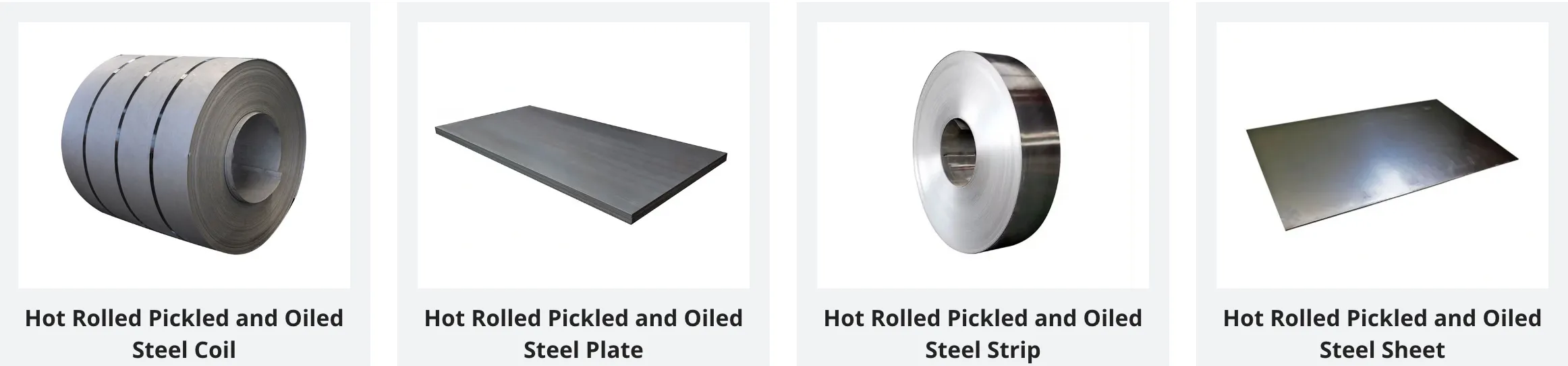
En Weijunli Steel, suministramos cuatro tipos de acero laminado en caliente, decapado y lubricado a clientes de todo el mundo. Conocemos bien sus características.
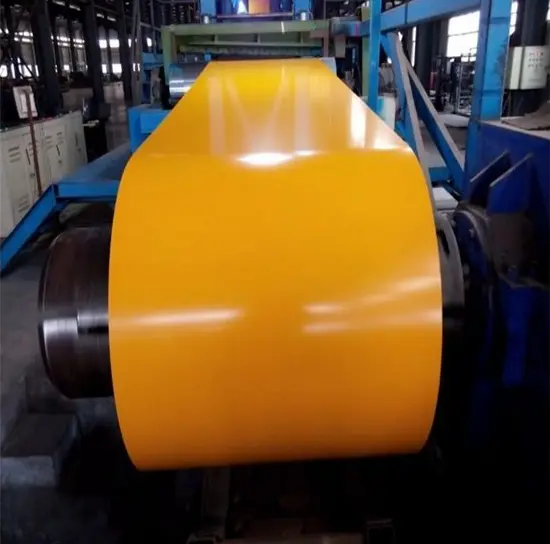
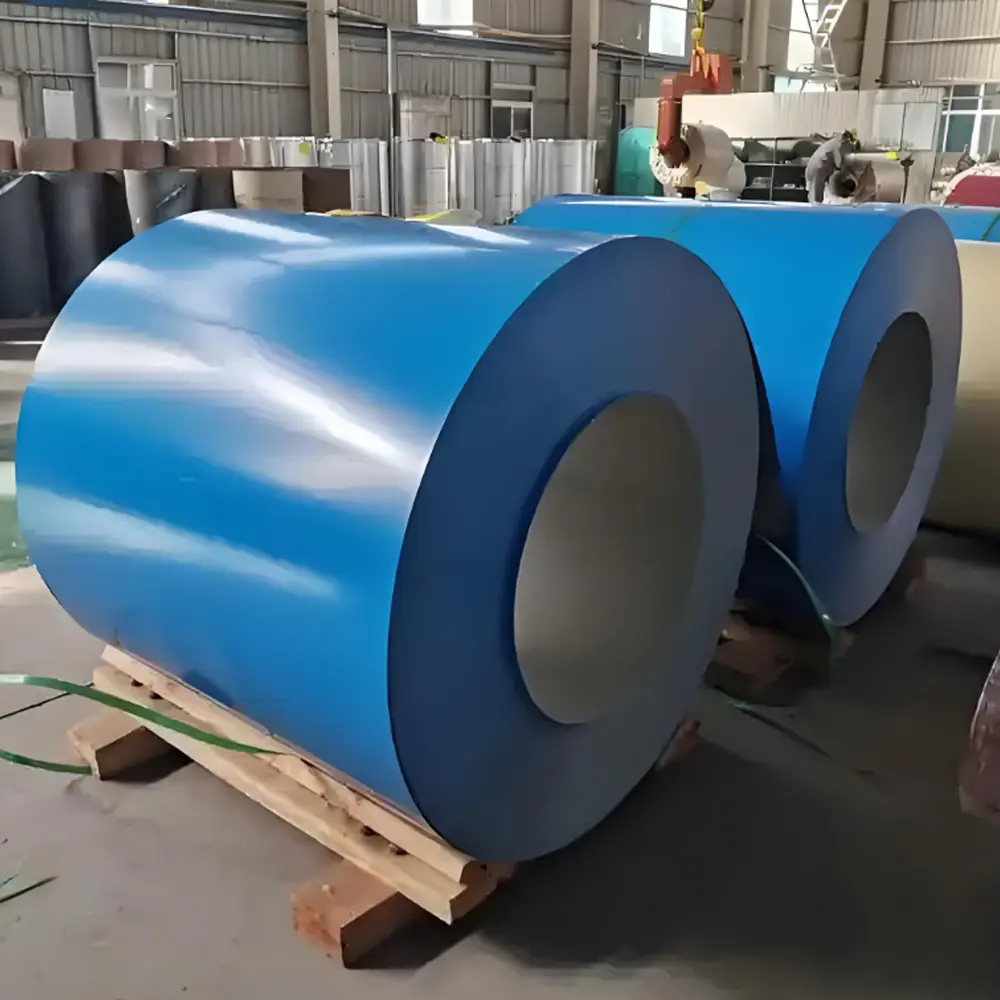
Bobina de acero HRPO Se suministra en forma de rollo continuo de acero enrollado alrededor de un núcleo. Se utiliza ampliamente en la fabricación automatizada, ya que puede introducirse directamente en los equipos de producción sin necesidad de cambios frecuentes de material.
Las aplicaciones típicas son:
- Estampado progresivo
- Perfilado
- Punzonado automático
- Líneas de producción en continuo
Chapa de acero HRPO Se suministra como material plano en longitudes y anchuras fijas. Está listo para su fabricación directa, sin necesidad de operaciones adicionales de nivelación o desenrollado.
Las chapas de acero HRPO se utilizan habitualmente para:
- Bases para máquinas
- Bastidores para equipos
- Soportes estructurales
- Componentes de soporte de alta resistencia
- Piezas fabricadas a medida
Dado que las chapas individuales son fáciles de manipular y procesar, resultan especialmente adecuadas para talleres de fabricación que producen pedidos de volumen bajo a medio.
El mismo material, diferentes ventajas de fabricación
Una idea errónea muy extendida es que las chapas HRPO y las bobinas HRPO difieren en cuanto a la calidad del material. En realidad, ambas se fabrican con el mismo acero laminado en caliente, decapado y aceitado.
La principal diferencia radica en cómo se suministra y se procesa el material.
La forma de entrega influye en factores como:
- Aprovechamiento de los materiales
- Tiempo de puesta a punto de la máquina
- Velocidad de producción
- Eficiencia en la manipulación
- Generación de residuos
Por ello, la elección del formato adecuado suele influir más en los costes de fabricación que el propio acero.
Cómo se generan los residuos de fabricación
Los residuos de fabricación no se deben a un único factor. Por el contrario, se acumulan a lo largo de todo el proceso de fabricación.
Saber dónde se generan los residuos ayuda a los compradores a elegir el formato de material más eficiente.
Pérdida por anidamiento de chapas de acero
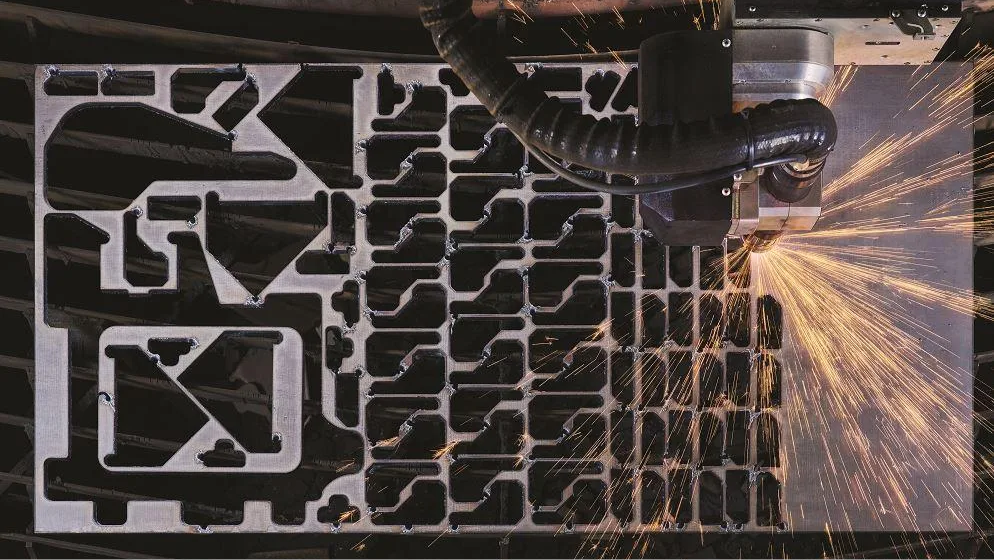
Una de las principales fuentes de desperdicio es el anidamiento de materiales.
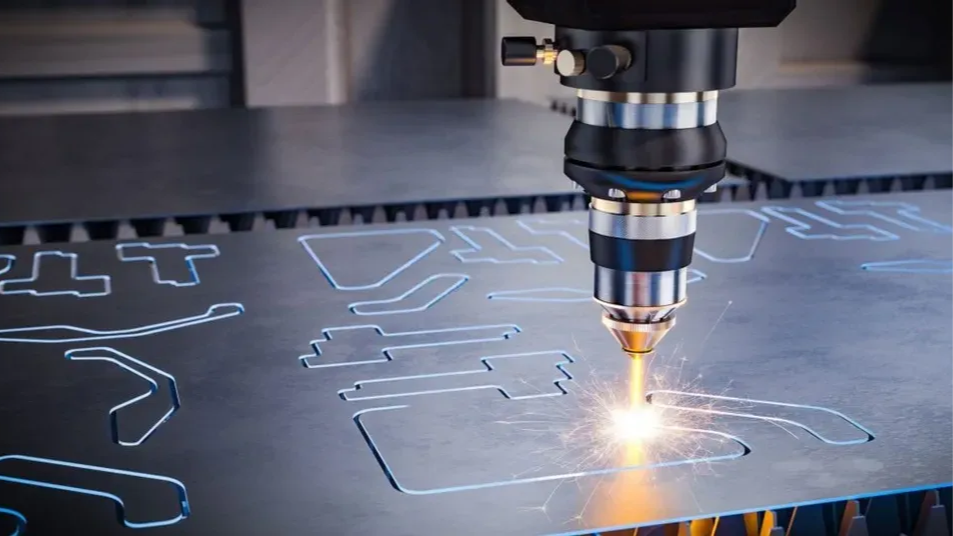
Durante el corte por láser, el punzonado CNC o el corte por plasma, las piezas deben colocarse sobre la superficie de acero. Una mala distribución deja zonas sin aprovechar entre los componentes o alrededor de los bordes de la chapa.
Entre las causas más comunes se encuentran:
- Geometría irregular de las piezas
- Dimensiones de la placa fija
- Distancia de seguridad entre las piezas
- Requisitos para el recorte de bordes
La optimización de las disposiciones de anidamiento mejora el aprovechamiento del material, pero la forma de suministro también influye en la eficiencia con la que se puede utilizar el material.
Residuos de la industria siderúrgica
Las operaciones de fabricación generan residuos adicionales durante la producción.
Entre los ejemplos típicos se incluyen:
- Recorte de extremos
- Residuos de montaje
- Pérdidas por conmutación de bobinas
- Recortes de chapa
- Piezas de prueba durante la puesta a punto de la máquina
Aunque estas pérdidas puedan parecer pequeñas por separado, cobran importancia en la producción a gran escala.
Cuando las bobinas de HRPO reducen los residuos de fabricación
Para los fabricantes que cuentan con líneas de producción automatizadas, Bobina de acero HRPO suele ser la forma de administración más eficaz.
Su suministro continuo reduce al mínimo las interrupciones y mejora al mismo tiempo la aprovechamiento del material a lo largo de todo el proceso de producción.
Producción automatizada a gran escala
Las bobinas resultan especialmente ventajosas para los fabricantes que producen grandes cantidades de componentes idénticos.
Las aplicaciones típicas son:
- Estampado progresivo
- Perfilado
- Punzonado automático
- Líneas de prensado continuo
- Fabricación de componentes para el sector de la automoción
Dado que el material se introduce de forma continua en la maquinaria de producción, los operarios dedican menos tiempo a cambiar de material y más tiempo a fabricar piezas.
El resultado es una mayor productividad y unos costes laborales más bajos.
Mejor aprovechamiento de los materiales
En comparación con las chapas de tamaño fijo, las bobinas ofrecen una mayor flexibilidad durante el procesamiento.
Los fabricantes pueden mejorar el aprovechamiento de los materiales mediante:
- Alimentación continua con un mínimo de desperdicio final
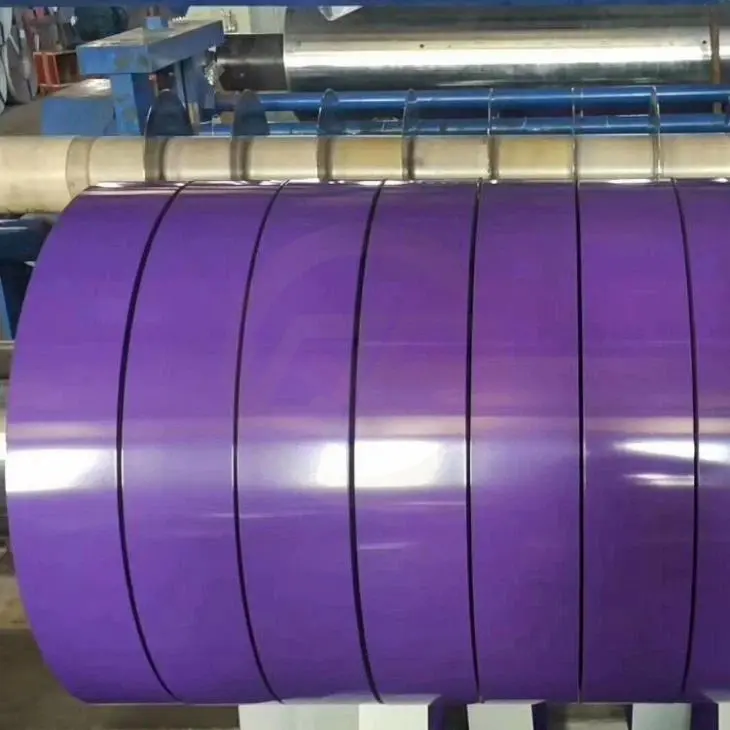
- Corte de bobinas en anchos específicos para cada aplicación
- Recorte reducido de los bordes
- Menos restos sin utilizar tras la producción
Por ejemplo, si un soporte requiere una tira de 180 mm de ancho, el proveedor puede cortar la bobina principal a esa medida exacta antes de la entrega. De este modo, se evita el recorte innecesario durante la fabricación y se aumenta el aprovechamiento del material.
En tiradas de producción largas, estas mejoras pueden traducirse en un ahorro sustancial de materia prima.
Menor coste por pieza terminada
Aunque el precio de compra de la bobina de HRPO pueda ser similar al de la chapa de acero HRPO, el coste total de fabricación suele ser menor en la producción a gran escala.
Entre las principales ventajas se incluyen:
- Menos manipulación manual de materiales
- Reducción del tiempo de inactividad de las máquinas
- Ciclos de producción más rápidos
- Menores necesidades de mano de obra
- Mayor aprovechamiento de los equipos
En lugar de centrarse únicamente en el precio del acero por tonelada, los fabricantes deberían evaluar el coste de producción de cada componente acabado.
En muchas operaciones automatizadas, la bobina HRPO permite reducir el coste por pieza, ya que disminuye tanto la mano de obra como el desperdicio de material.
Aplicaciones ideales para la bobina HRPO
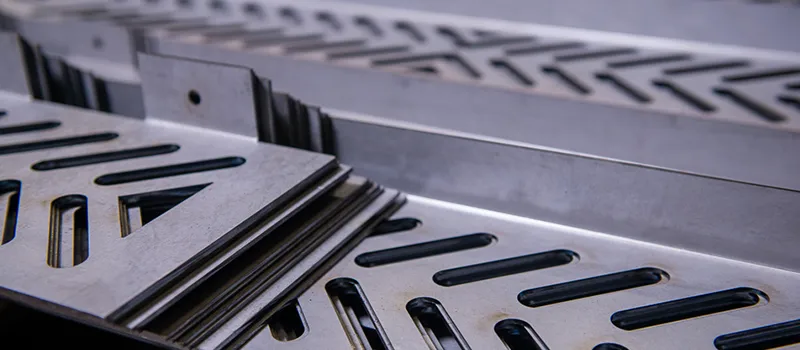
La bobina HRPO es la más adecuada para entornos de fabricación en los que la eficiencia productiva es la máxima prioridad.
Entre los productos más habituales se encuentran:
- Perfiles estructurales laminados
- Soportes para equipos industriales
- Componentes de refuerzo para la industria de la automoción
- Piezas para maquinaria agrícola
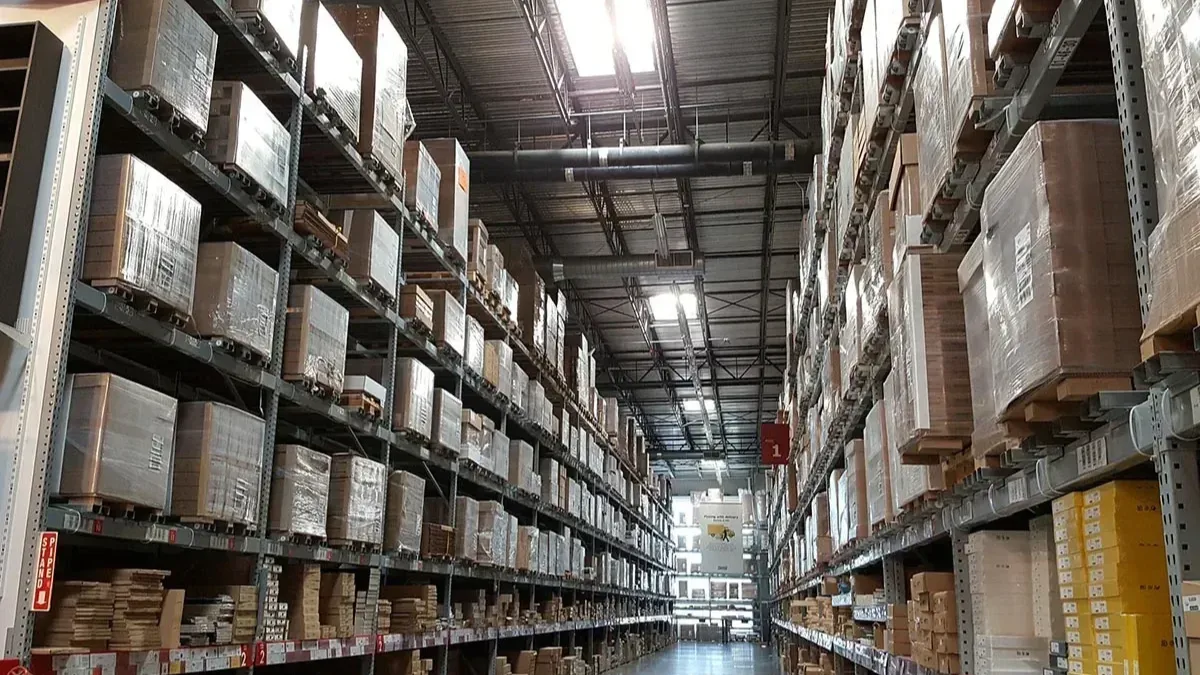
- Sistemas de estanterías
- Componentes de las estanterías de almacenamiento
- Piezas para sistemas de transporte
Estas aplicaciones se benefician de una producción continua, un suministro constante de material y una mayor eficiencia en la fabricación.
Cuándo la placa HRPO es la mejor opción
Si bien la bobina HRPO ofrece claras ventajas para la fabricación automatizada, Chapa de acero HRPO suele ser la solución más práctica para los talleres de fabricación que producen componentes a medida o en pequeñas series.
Sus dimensiones fijas ofrecen una mayor flexibilidad, lo que facilita su manipulación, procesamiento y modificación a lo largo de todo el proceso de producción.
Fabricación en pequeñas series o a medida
Los fabricantes que producen prototipos o lotes de producción reducidos rara vez se benefician de los sistemas de alimentación por bobina.
La chapa HRPO resulta más adecuada para aplicaciones como:
- Desarrollo de prototipos
- Equipos industriales a medida
- Piezas de mantenimiento y reparación
- Producción en lotes pequeños
- Fabricación basada en proyectos
Dado que cada placa se puede procesar de forma independiente, los fabricantes pueden adaptar rápidamente los diseños sin tener que modificar toda la configuración de producción.
Corte por láser y anidamiento de materiales más sencillos
El corte por láser es uno de los procesos de fabricación más habituales para las chapas de HRPO.
A diferencia de la producción continua en bobina, las chapas permiten a los fabricantes optimizar la disposición de los patrones de corte en función del tamaño y la forma de cada pieza. Los operarios pueden girar los componentes, reorganizar los patrones de corte y aprovechar al máximo el material utilizable en cada chapa.
Para los fabricantes que producen piezas de distintos tamaños en una misma tirada de producción, esta flexibilidad suele reducir los recortes innecesarios y mejora el aprovechamiento del material.
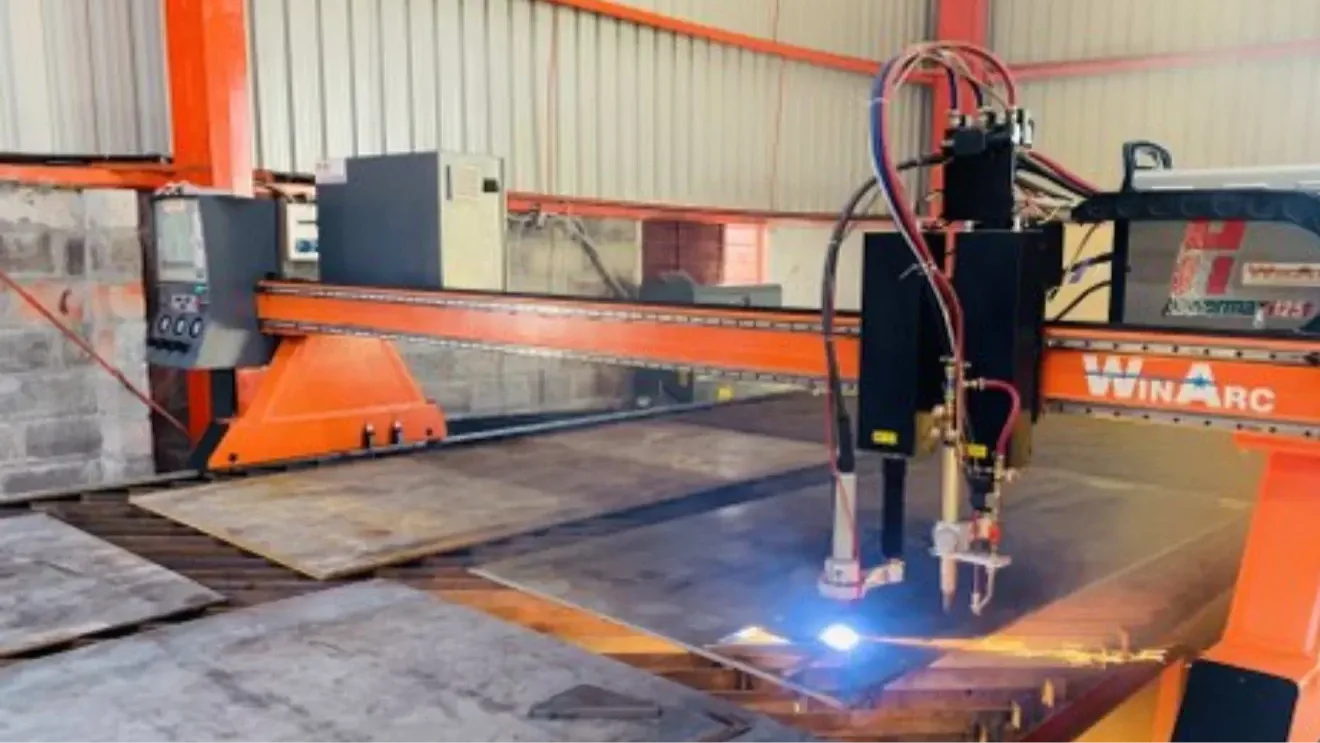
Ideal para componentes estructurales de gran espesor
Muchas aplicaciones estructurales requieren materiales de mayor espesor, que resultan más prácticos de suministrar en forma de chapas que de bobinas.
Entre los productos más habituales se encuentran:
- Bases para máquinas
- Estructuras de soporte para equipos
- Soportes de montaje de alta resistencia
- Estructuras soldadas
- Plataformas industriales
Estos componentes suelen requerir numerosos trabajos de soldadura, taladrado y mecanizado tras el corte. Las chapas planas de HRPO facilitan su manipulación a lo largo de estos procesos de fabricación.
Láminas HRPO frente a bobinas: comparación lado a lado
La elección entre la chapa HRPO y la bobina HRPO debe basarse en los requisitos de fabricación y no en la calidad del material.
| Factor | Placa HRPO | Bobina HRPO |
|---|---|---|
| Aprovechamiento de los materiales | Bien | Excelente |
| Volumen de producción | Bajo-Medio | Medio-Alto |
| Producción automatizada | Limitado | Excelente |
| Corte por láser | Excelente | En buen estado (tras el nivelado o el corte a medida) |
| Perfilado | No apto | Excelente |
| Residuos de materiales | Moderado | Bajo |
| Flexibilidad de configuración | Excelente | Moderado |
| Coste por pieza terminada | Mejor a gran escala | Reducir a gran escala |
Ninguna de las dos modalidades de entrega es mejor que la otra en todos los casos. Si no estás seguro de qué materiales utilizar en tus proyectos, ¡Ponte en contacto con Weijunli Steel para obtener más ayuda y haz tu pedido ahora mismo!
Cómo los servicios de transformación del acero reducen aún más los residuos
Además de elegir la forma de entrega adecuada, los servicios de procesamiento de valor añadido pueden mejorar considerablemente la eficiencia de la fabricación.
Corte longitudinal de precisión
En lugar de comprar una bobina de ancho completo y recortar el material sobrante durante la producción, los compradores pueden encargar bobinas cortadas a la anchura exacta que necesiten a un proveedor de acero.
Las ventajas incluyen:
- Menos recorte de los bordes
- Mayor rendimiento del material
- Reducción del tiempo de procesamiento
- Menores índices de desechos
Procesamiento por corte a medida
El proceso de corte a medida convierte las bobinas de HRPO en chapas o placas con unas dimensiones específicas que se ajustan a las necesidades de producción del cliente.
En comparación con los tamaños estándar de las existencias, un proveedor y transformador profesional de acero puedo ayudarte con:
- Reducir los recortes
- Mejorar la eficiencia del anidamiento
- Reducir al mínimo la manipulación de materiales
- Eliminar las operaciones de corte innecesarias
Asistencia técnica
Proveedores de acero con amplia experiencia no se limitan a suministrar materias primas.
Al conocer el diseño del producto, el volumen de producción y los procesos de fabricación del cliente, pueden recomendar la forma de entrega y los servicios de procesamiento más adecuados para reducir los residuos y mejorar la eficiencia.
Este apoyo técnico ayuda a los compradores a tomar decisiones de adquisición fundamentadas, al tiempo que optimiza los costes de producción a largo plazo.
Conclusión
Las chapas y las bobinas HRPO se fabrican a partir del mismo acero laminado en caliente, decapado y engrasado, pero sus formatos de suministro responden a diferentes necesidades de fabricación.
En el caso de la producción automatizada y de gran volumen, las bobinas de HRPO suelen ofrecer la mayor aprovechamiento del material, el menor desperdicio en la fabricación y el menor coste por pieza acabada. Para la fabricación a medida, los componentes estructurales pesados y la producción de bajo volumen, las chapas de HRPO ofrecen mayor flexibilidad y un procesamiento más sencillo.
En lugar de seleccionar los materiales basándose únicamente en el precio de compra, los fabricantes deberían evaluar el volumen de producción, los métodos de fabricación y los costes totales de fabricación. Colaborar con un proveedor con experiencia que ofrezca servicios de procesamiento a medida puede reducir aún más los residuos y mejorar la eficiencia general de la fabricación.