Die Auswahl des richtigen Stahlbands im Vorfeld hat einen direkten, messbaren Einfluss auf die Qualität, den Ertrag und die Lauffähigkeit des Produkts. Stahlband die Sie in nachgelagerte Prozesse einspeisen. Eine schlechte Coil-Auswahl kann zu übermäßigem Grat, Wölbung, uneinheitlichen Spaltbreiten und unerwartetem Ausschuss führen - all dies erhöht die Kosten und stört die Produktion.
In diesem Leitfaden, Weijunli-Stahl, a führender Stahllieferant, wird die Beschaffungs- und Ingenieurteams durch die technischen und kommerziellen Kriterien führen, die beim Kauf von Coils, die für das Schneiden in Bänder bestimmt sind, von Bedeutung sind.
Verstehen Sie zuerst den Schneideprozess
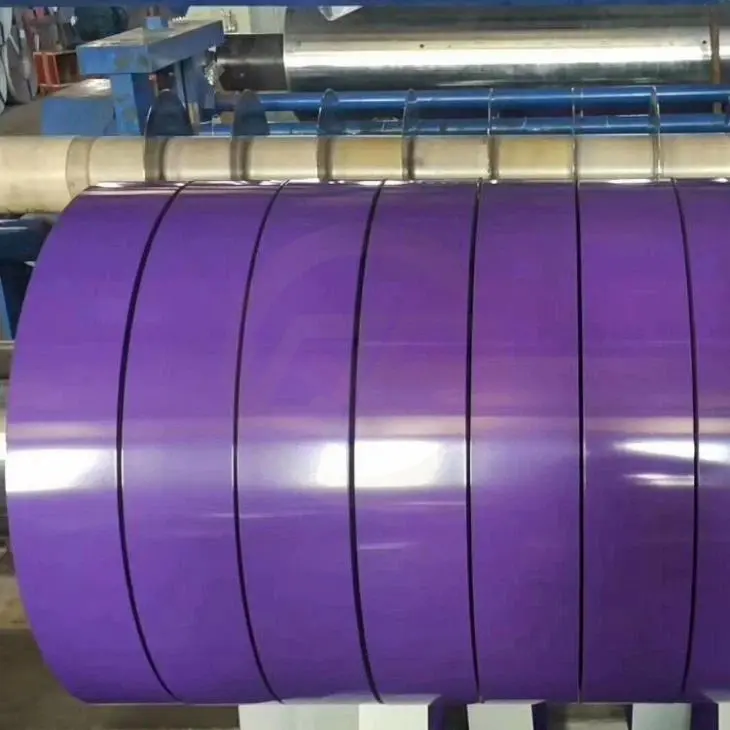
Das Längsteilen ist ein Längsschnitt: Ein breites Ausgangscoil wird mit rotierenden Messern in mehrere schmale Streifen geteilt und dann wieder aufgerollt. Anders als beim Querschneiden wird das Material beim Längsteilen besonderen Belastungen ausgesetzt (Messerkontakt, örtliche Scherung, unterschiedliche Spannung zwischen den Streifen). Einige Coils vertragen diese Belastungen besser als andere; die Wahl des falschen Coils vergrößert Kantenfehler, Wölbung und Gratbildung.
Basisstahl-Typ: Material auf die Anwendung abstimmen
Verschiedene Substrate verhalten sich während des Spaltvorgangs zum Stahlband unterschiedlich und werden schließlich verwendet:
- Kaltgewalzter Stahl (CR): Beste Oberflächengüte und engste Toleranzen. Bevorzugt für Präzision Stahlband für Stanzarbeiten, Gerätetafeln und vorlackierte Anwendungen.
- Verzinkt (GI): Erhöht den Korrosionsschutz, erfordert jedoch die Beachtung des Beschichtungsgewichts und des Kantenverhaltens (Zink kann verschmieren) sowie die Überwachung des Zinkaufbaus“ auf den Messern, um Spaltabweichungen bei langen Läufen zu vermeiden. Nützlich, wenn Rostschutz ohne Lackierung erforderlich ist.
- Galvalume / Al-Zn beschichtet (GL): Bietet überlegene Korrosionsbeständigkeit und Wärmereflexion; das Schneiden muss sorgfältig kontrolliert werden, da die Sprödigkeit der Beschichtung die Kantenqualität beeinträchtigen und zu Mikrorissen in der Scherzone führen kann.
- Warmgewalzt, gebeizt und geölt (HRPO): Kostengünstig für schwerere Bänder, aber mit größerer Dickentoleranz und mehr Restspannung.
Wählen Sie die Art des Trägermaterials je nach den nachgelagerten Anforderungen: für kosmetische Platten ist CR erforderlich; für Struktur- oder Schutzleisten können GI/GL oder HRPO verwendet werden.
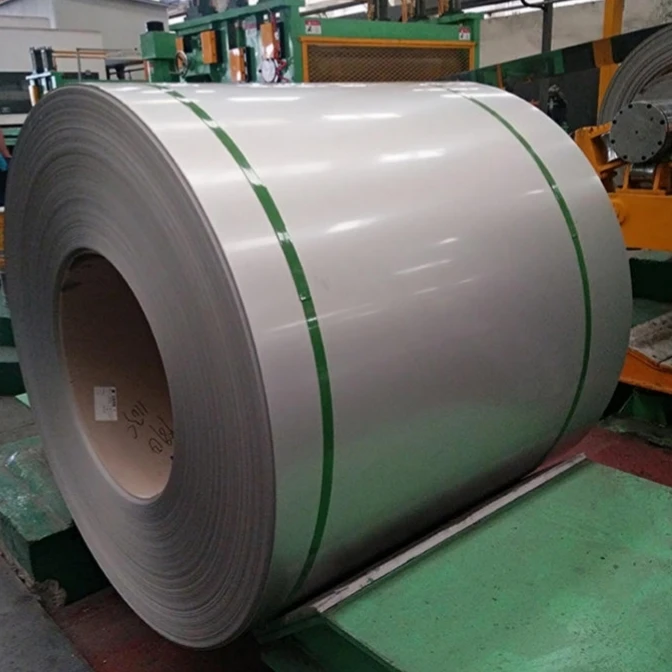
Kaltgewalzte Stahlspule
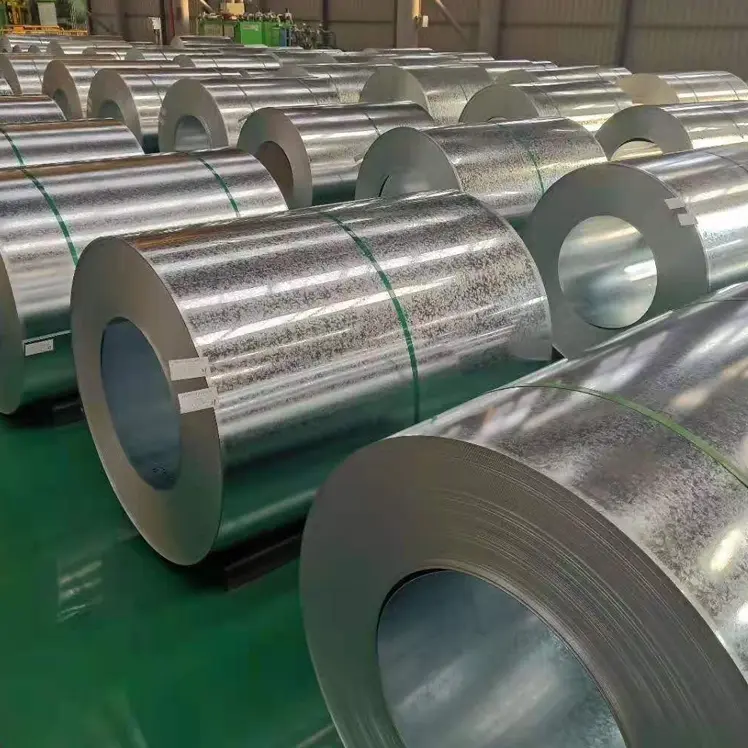
Gavalume Stahlspule
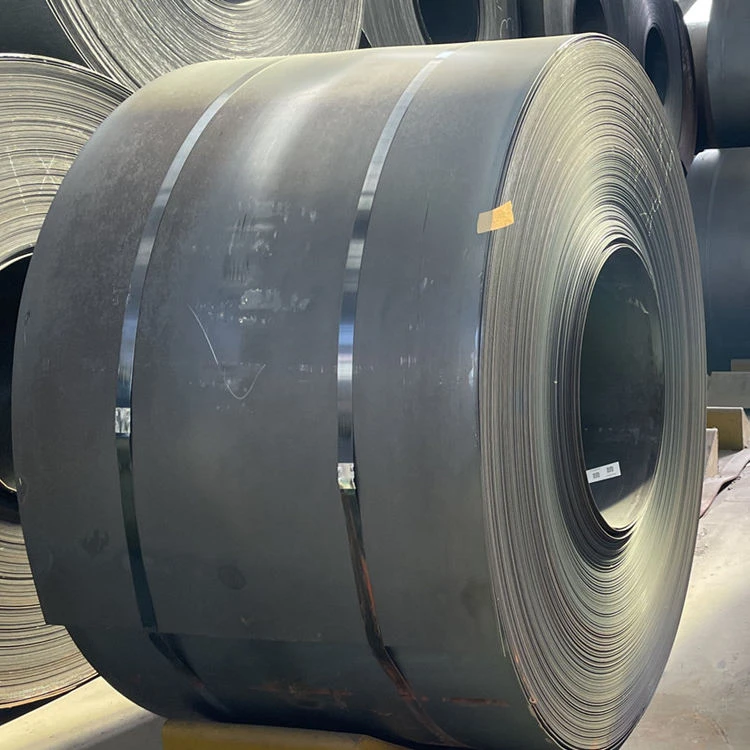
Warmgewalzte gebeizte und geölte Stahlspulen
Planung von Dicke, Breite und Toleranzen
Präzision in Dicke und Breite ist für viele Produktionslinien nicht verhandelbar:
- Konsistenz der Schichtdicke über das Coil reduziert die Rückfederungsschwankungen und hilft, die Kantenform nach dem Schneiden beizubehalten. Geben Sie die maximale Abweichung über die Spule an, die Sie akzeptieren können (z. B. ±0,02 mm).
- Breite des Muttercoils im Vergleich zu den endgültigen Bandbreiten: Planen Sie die Verschachtelung so, dass der Beschnittverlust möglichst gering ist. Die übergeordnete Breite muss eine optimale Anordnung der Streifen ermöglichen, ohne dass übermäßig viel Beschnitt übrig bleibt.
- Stapeln von Toleranzen: Berücksichtigen Sie, wie sich Coil-Toleranz, Spalttoleranz und nachgelagerte Umformtoleranzen summieren. Fordern Sie klare Toleranzen für das Muttercoil und das Zielband an.
Die minimale praktische Spaltbreite hängt von der Ausrüstung und dem Material ab; erkundigen Sie sich bei Ihrem Lieferanten der Schneidemaschine, bevor Sie Coils bestellen.
Mechanische Eigenschaften und Schlitzleistung
Materialstärke, Duktilität und Härte beeinflussen die Kantenqualität und den Werkzeugverschleiß:
- Streckgrenze und Zugfestigkeit: Eine höhere Festigkeit erhöht die Schneidkraft und den Klingenverschleiß; sehr hochfeste Coils können spezielle Messerwerkstoffe oder langsamere Geschwindigkeiten erfordern.
- Dehnung: Eine niedrige Dehnung kann beim Biegen oder Umformen zu Kantenrissen führen; für tiefgezogene oder rollgeformte Bänder sollten Sie sich für Sorten mit höherer Dehnbarkeit entscheiden.
- Härte: Härtere Materialien erhöhen den Klingenverschleiß und können erhöhte Grate erzeugen; planen Sie die Wartungsintervalle entsprechend.
Stimmen Sie das mechanische Profil des Coils auf das vorgesehene Umformverfahren ab, um Überraschungen zu vermeiden.
Oberflächenbeschaffenheit und beschichtete Materialien
Der Oberflächenzustand beeinflusst das Spaltverhalten und das Aussehen des fertigen Stahlbandes:
- Oberflächengüte: Glänzende / hautfarbene / matte Oberflächen haben unterschiedliche Schmier- und Abriebeigenschaften. Dekorative Anwendungen erfordern saubere Oberflächen mit minimalen Defekten.
- Gewicht und Gleichmäßigkeit der Beschichtung (GI/GL): Ungleichmäßige Beschichtungen führen zu ungleichmäßiger Scherung beim Schneiden und zu einem unterschiedlichen Aussehen der Kanten. Fordern Sie immer Angaben zur Beschichtungsmasse (g/m²) an.
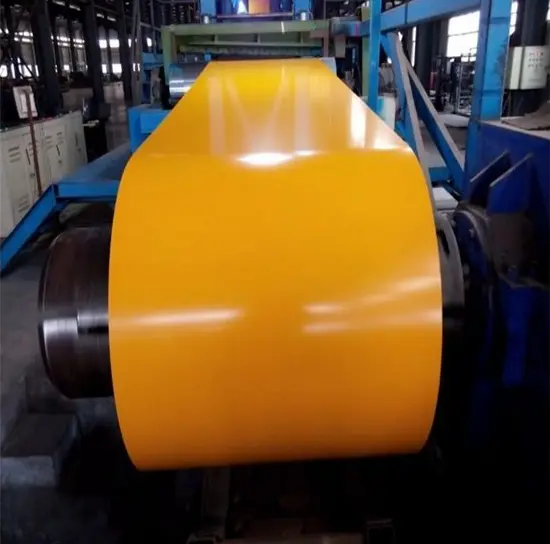
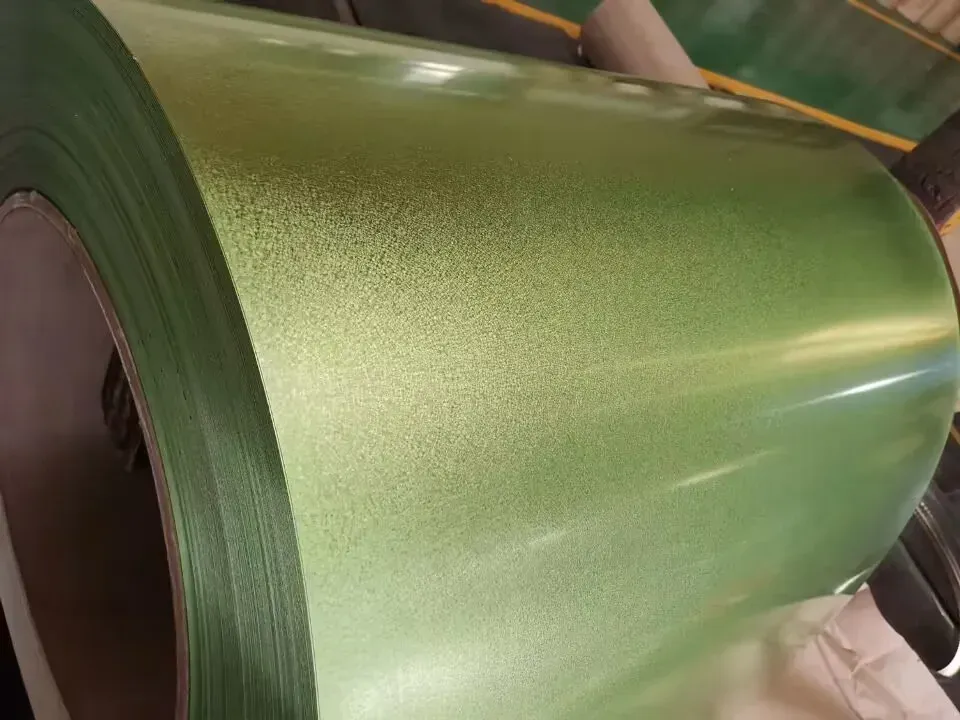
- Vorlackierte oder vorbedruckte Coils: Wenn Sie vorbeschichtetes Material schneiden, sind Schutzfolie, Umhüllung und Werkzeug unerlässlich, um Kratzer und Kantenabplatzungen zu vermeiden.
Geben Sie an, ob Sie vor dem Schneiden eine Schutzfolie, eine Zwischenlage oder eine spezielle Reinigung benötigen.
Spulengeometrie und Handhabung
Die Abmessungen und die Geometrie des Coils müssen sowohl auf die Schneidanlage als auch auf die nachgeschaltete Anlage abgestimmt sein:
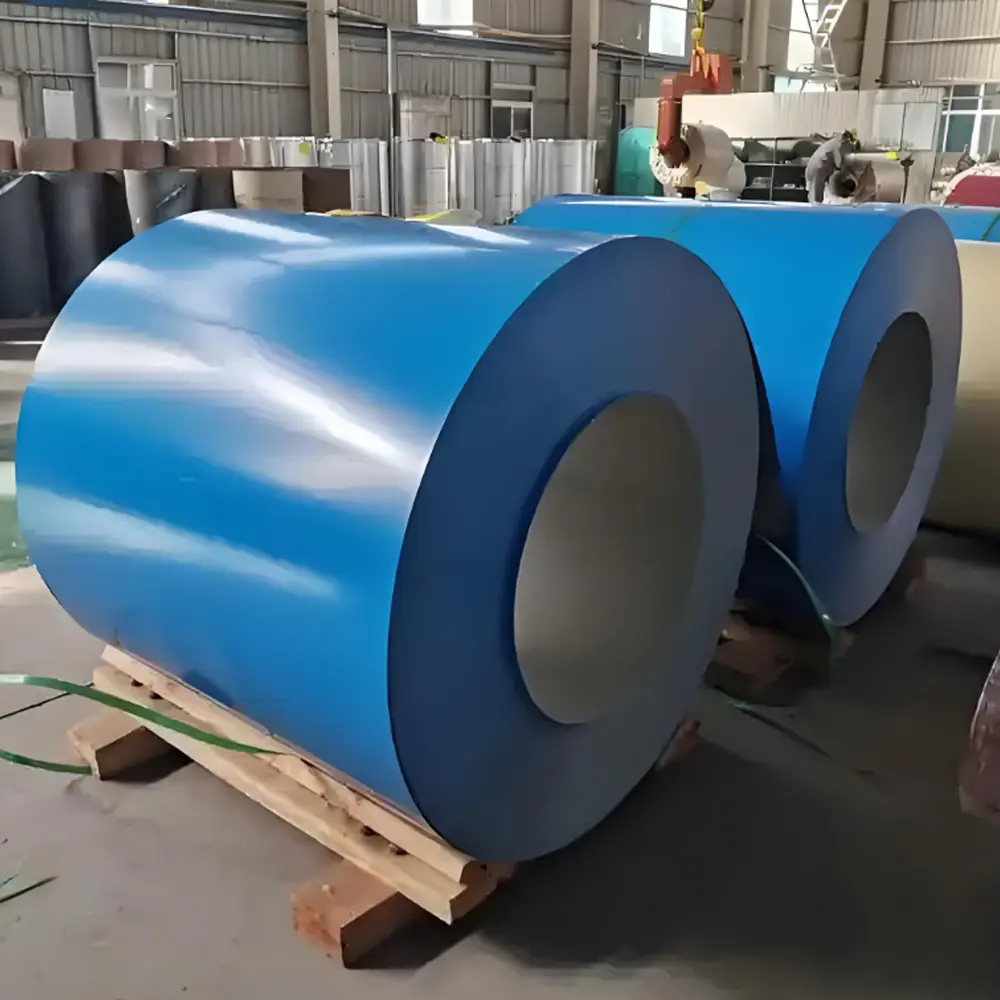
- Innendurchmesser (ID) und Außendurchmesser (OD): Sie beeinflussen den Sitz der Abwickelhaspel und den Eingriff des Dorns. Unstimmigkeiten können Teleskopieren oder Rundlauf verursachen.
- Gewicht der Spule: Stellen Sie sicher, dass Ihre Aufwickel-/Abwickelhaspel und Ihre Handhabungsgeräte die Coil-Masse sicher handhaben können.
- Sturz und Spulensatz: Eine zu starke Wölbung führt zu einem Wandern des Bandes; prüfen Sie die Muttercoils auf die für Ihr Verfahren akzeptablen Wölbungsgrenzen.
Bestätigen Sie die Coil-Spezifikationen in der Bestellung und lassen Sie die Geometrie der Coils vor dem Versand von den Lieferanten überprüfen.
Erwartungen an die Kantenqualität nach dem Schlitzen
Nennen Sie ausdrücklich die akzeptablen Randbedingungen:
- Grathöhe: Definieren Sie den maximal zulässigen Grat als <10% der Materialdicke (z.B. <0,1 mm für 1mm Band).
- Kantenüberschlag und Bruch: Einige Umformverfahren sind empfindlich gegenüber Überrollungen. Geben Sie anwendungsspezifische Kantenanforderungen in den Beschaffungsunterlagen an.
- Trimm-dich-Planung: Bitten Sie die Lieferanten, den geschätzten Verschnitt pro Coil-Layout anzugeben.
Klare Kantenspezifikationen verringern die Nacharbeit und helfen den Zulieferern, die Klingenabstände und -geschwindigkeiten richtig einzustellen.
Auswahl der angetriebenen Spule für die Endanwendung
Die Wahl der Spule richtet sich nach dem Verwendungszweck:
- Stanzen/Tiefziehen: Bevorzugen Sie kaltgewalzte DDQ/EDQ-Coils mit hoher Verformbarkeit und geringem Einschlussgehalt.
- Walzprofilieren/Profile: Stabile Dicke und niedrige Wölbung sind der Schlüssel; je nach Belastung kann kaltgewalztes Material mittlerer Stärke oder HRPO ausreichen.
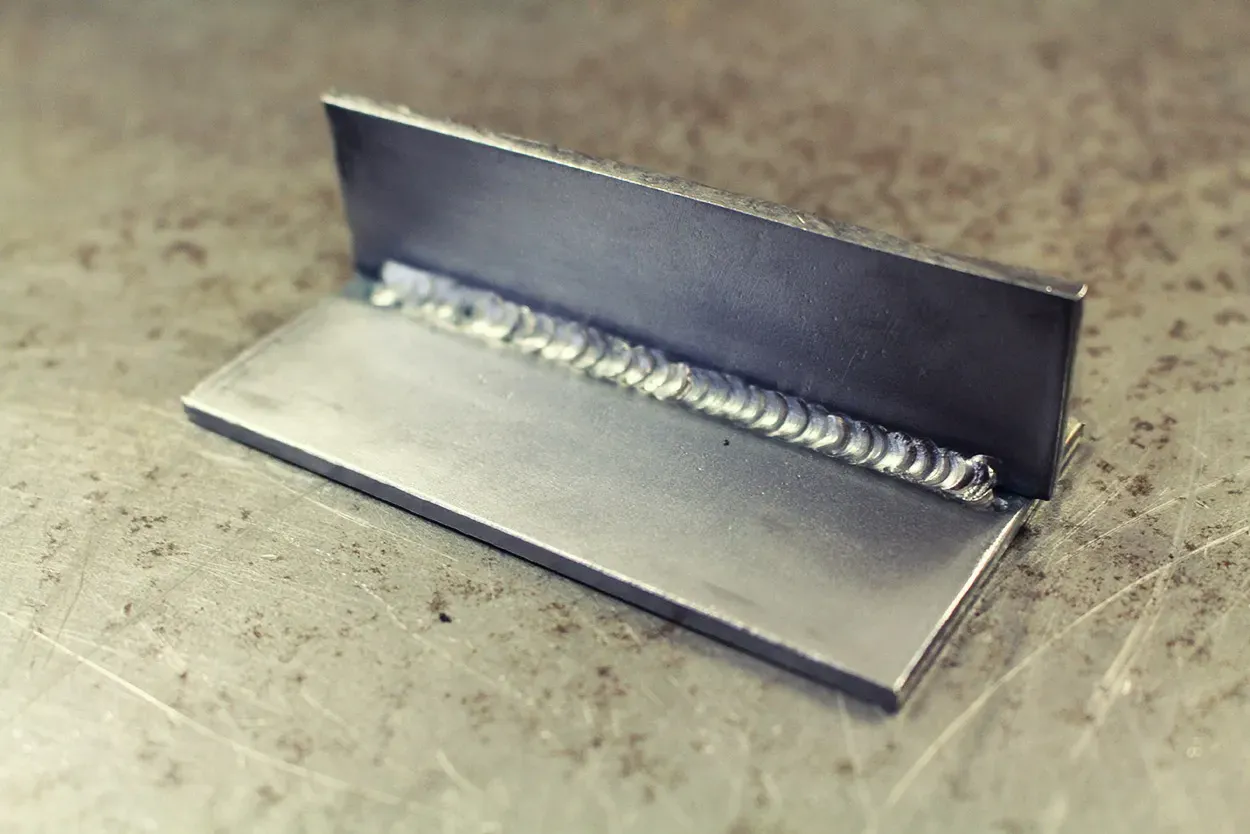
- Geschweißte Teile / Rohre: Achten Sie auf die Sauberkeit des Coils und die Kantenmetallurgie für zuverlässige Schweißnähte.
Arbeiten Sie mit der Technik zusammen, um die Anforderungen des Endverbrauchers vor der Ausschreibung auf die Eigenschaften der Spule abzustimmen.
Leistungsfähigkeit der Lieferanten, Qualitätskontrolle und Dokumentation
Ein technisch fähiger Lieferant verringert das Risiko:
- Konsistenz der Mühlenquellen: Bevorzugen Sie Lieferanten, die sich verpflichten können, konsistente Mühlenchargen oder rückverfolgbare Erhitzungen zu gewährleisten.
- Erfahrung im Schlitzen und in der Werkzeugherstellung: Überprüfen Sie die Klingenmaterialien, die Verfahren zum Wechseln der Messer und die Wartungsintervalle.
- SPC und Rückverfolgbarkeit: Verlangen Sie bei jeder Lieferung SPC-Musterdiagramme, Berichte über die erste Spule und Kennzeichnungen der Schmelze/Spule.
- Prüfung: Fordern Sie MTCs, Beschichtungsmassenberichte und Fotos vor dem Versand für Erstaufträge an.
Diese Kontrollen gewährleisten, dass die Stahlband bei Ihrer Leitung ankommt, verhält sich vorhersehbar.
Kosten, Ertrag und kommerzielle Abwägungen
Gleichgewicht zwischen Preis pro Tonne und verwertbarer Leistung:
- Schnittabfälle verringern den verwertbaren Ertrag; die Preisgestaltung mit realistischen Annahmen über die Nettorendite aushandeln.
- MOQ und Terminierung: Kleine Sonderbreiten erhöhen die Einrichtungskosten; gruppieren Sie ähnliche Größen, um die Kosten zu senken.
- Gesamtbetriebskosten: Billige Spulen, die Ausfallzeiten oder Nacharbeiten verursachen, sind selten wirtschaftlich.
Bitten Sie die Lieferanten um Ertragssimulationen und Gesamtkostenvergleiche für mögliche Spulenoptionen.
Schlussfolgerung
Die Wahl des richtigen Coils für das Längsteilen ist eine multidisziplinäre Entscheidung, die Materialwissenschaft, Anlagenkompatibilität und kommerzielle Planung miteinander verbindet. Beginnen Sie mit der Endanwendung, definieren Sie messbare Akzeptanzkriterien (Dicke, Kante, Wölbung) und arbeiten Sie mit Lieferanten zusammen, die eine nachvollziehbare Dokumentation und nachweisliche Spalterfahrung vorweisen können. Auf diese Weise lassen sich Stahlband Die Beschaffung wird von einer Preisübung zu einer vorhersehbaren Lieferstrategie, die die Betriebszeit der Produktion schützt und die Gesamtkosten senkt.
Über Weijunli Steel
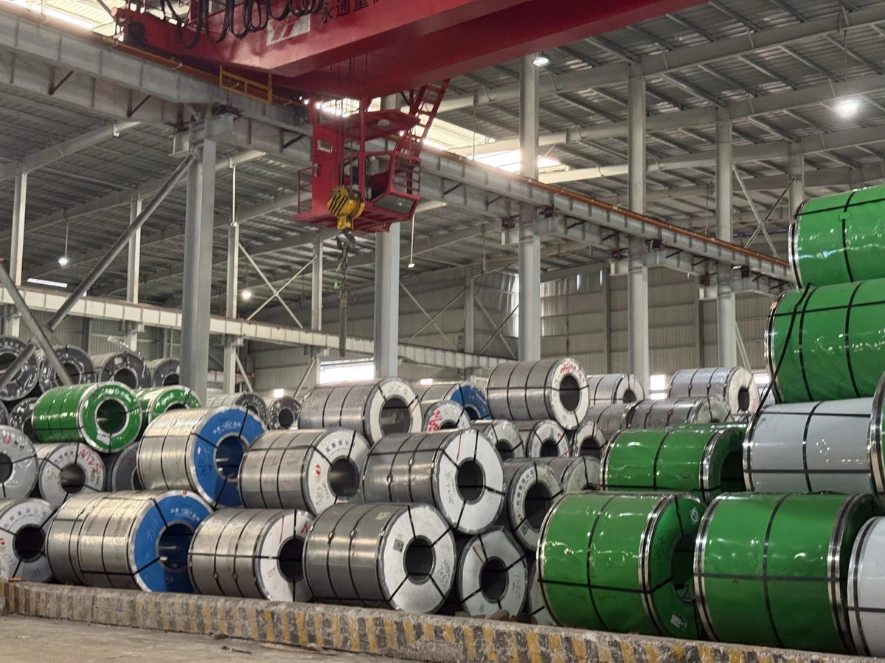
Weijunli Steel ist ein führender Stahllieferant und -verarbeiter, konzentriert auf Angebot Großhandel Stahlspule, Stahlband, Stahlblech und Stahlplatte Versorgung und die Lieferung Maßgeschneiderte Stahllösungen für Industrie- und Bauanwendungen.
Als Partner des werksinternen Großhandels mit Bandstahl arbeiten wir nach international anerkannten Sicherheits- und Produktionsstandards, um eine stabile Qualität und eine gleichbleibende Produktion zu gewährleisten. Unsere Verarbeitungskapazitäten ermöglichen es, Spezifikationen, Beschichtungen und Veredelungen auf praktische Projektanforderungen zuzuschneiden, was uns zu einer zuverlässigen Wahl für langfristige Lieferungen macht.