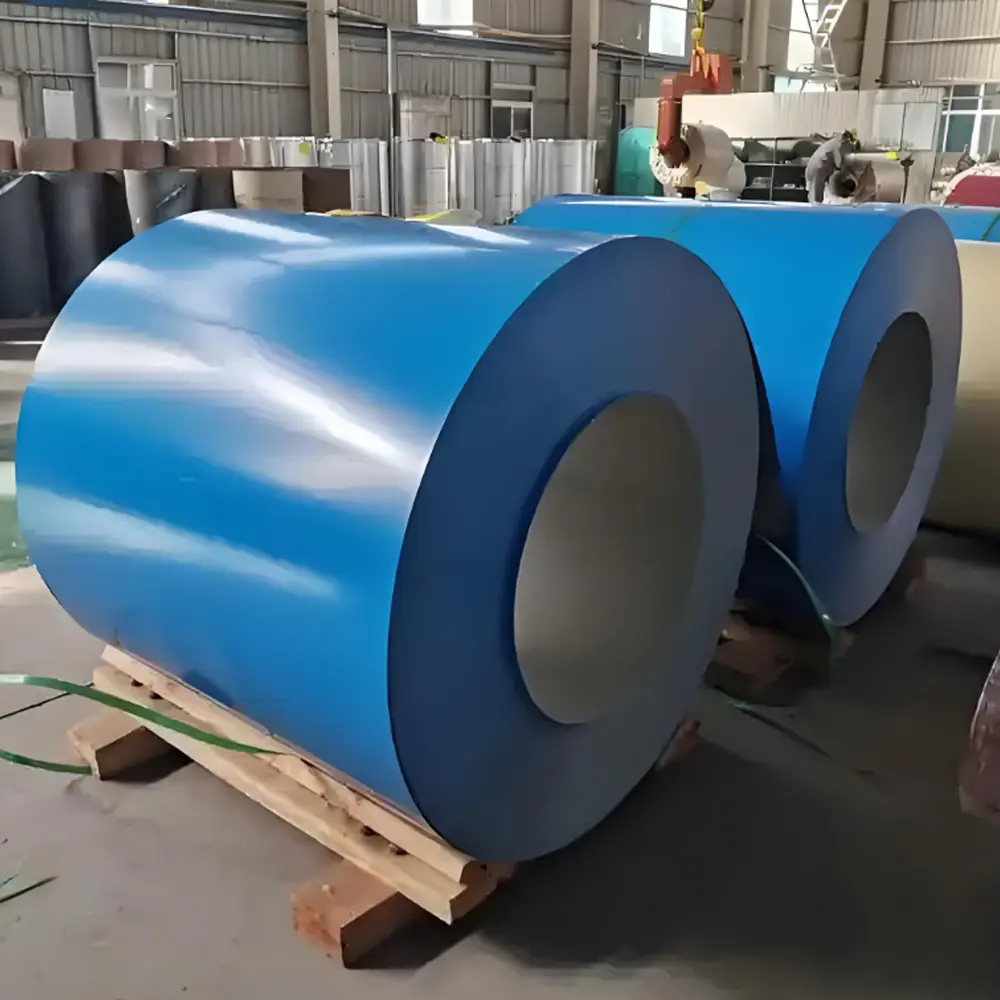
Stahl ist aufgrund seiner Stärke, Vielseitigkeit und Kosteneffizienz einer der am häufigsten verwendeten industriellen Werkstoffe. Unbehandelter Stahl ist jedoch sehr anfällig für Korrosion, Verschleiß, Oxidation und chemische Schäden. Um die Leistung zu verbessern und die Lebensdauer zu verlängern, werden je nach Endanwendungsumgebung verschiedene Oberflächenbehandlungsverfahren angewandt.
Für Hersteller, Distributoren und Großhändler ist die Kenntnis der Oberflächenbehandlung von Stahl entscheidend für die Auswahl der richtigen Materialspezifikationen, die Verbesserung der Produkthaltbarkeit und die Kontrolle der langfristigen Kosten.
Als Fachmann Stahlgroßhandel Lieferant, Ich stelle Ihnen die gängigsten Oberflächenbehandlungen von Stahl vor - Abdeckungen ihre Funktionsprinzipien, Vorteile und industriellen Anwendungen.
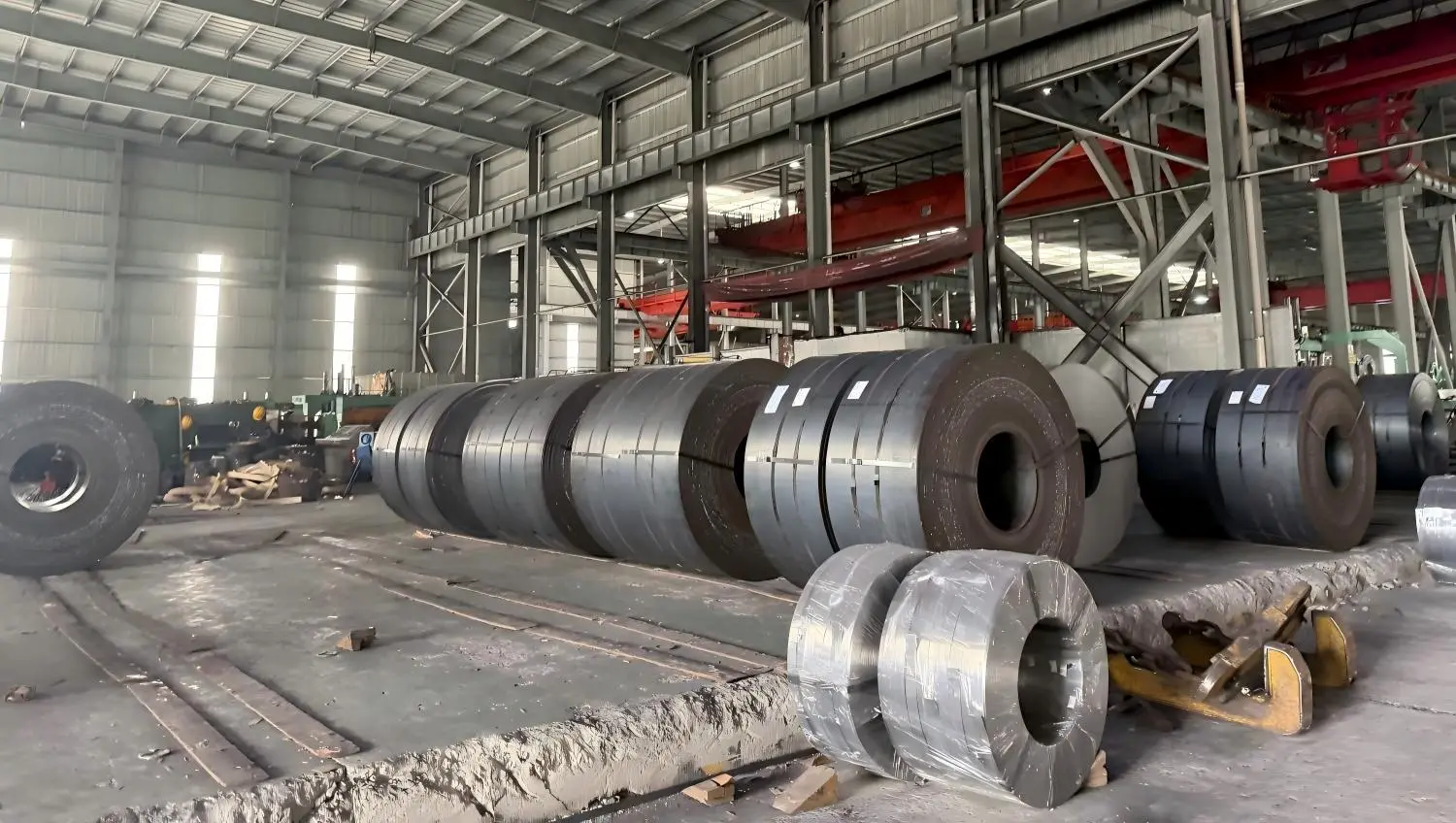
Was sind Oberflächenbehandlungen von Stahl?
Die Oberflächenbehandlung von Stahl bezieht sich auf mechanische, chemische oder elektrochemische Verfahren, die auf die Oberfläche von Stahlbauteilen angewendet werden, um deren Eigenschaften zu verbessern, ohne die Struktur des Kernmaterials zu verändern.
Zu den wichtigsten Zielen gehören:
- Verbesserung der Korrosionsbeständigkeit
- Abnutzungs- und Abriebfestigkeit
- Ästhetische Aufwertung
- Elektrische Isolierung oder Leitfähigkeitskontrolle
- Verbesserte Haftung von Farbe oder Beschichtung
- Verlängerte Produktlebensdauer
Diese Behandlungen werden häufig in Automobilteilen, Kochgeschirr, Baumaterialien, Industriemaschinen und Konsumgütern eingesetzt.
Für Hersteller, die Stahlerzeugnisse in Massenproduktion herstellen, kann die Wahl des geeigneten Verarbeitungsverfahrens die Wettbewerbsfähigkeit des Produkts und die Lebenszykluskosten erheblich beeinflussen.
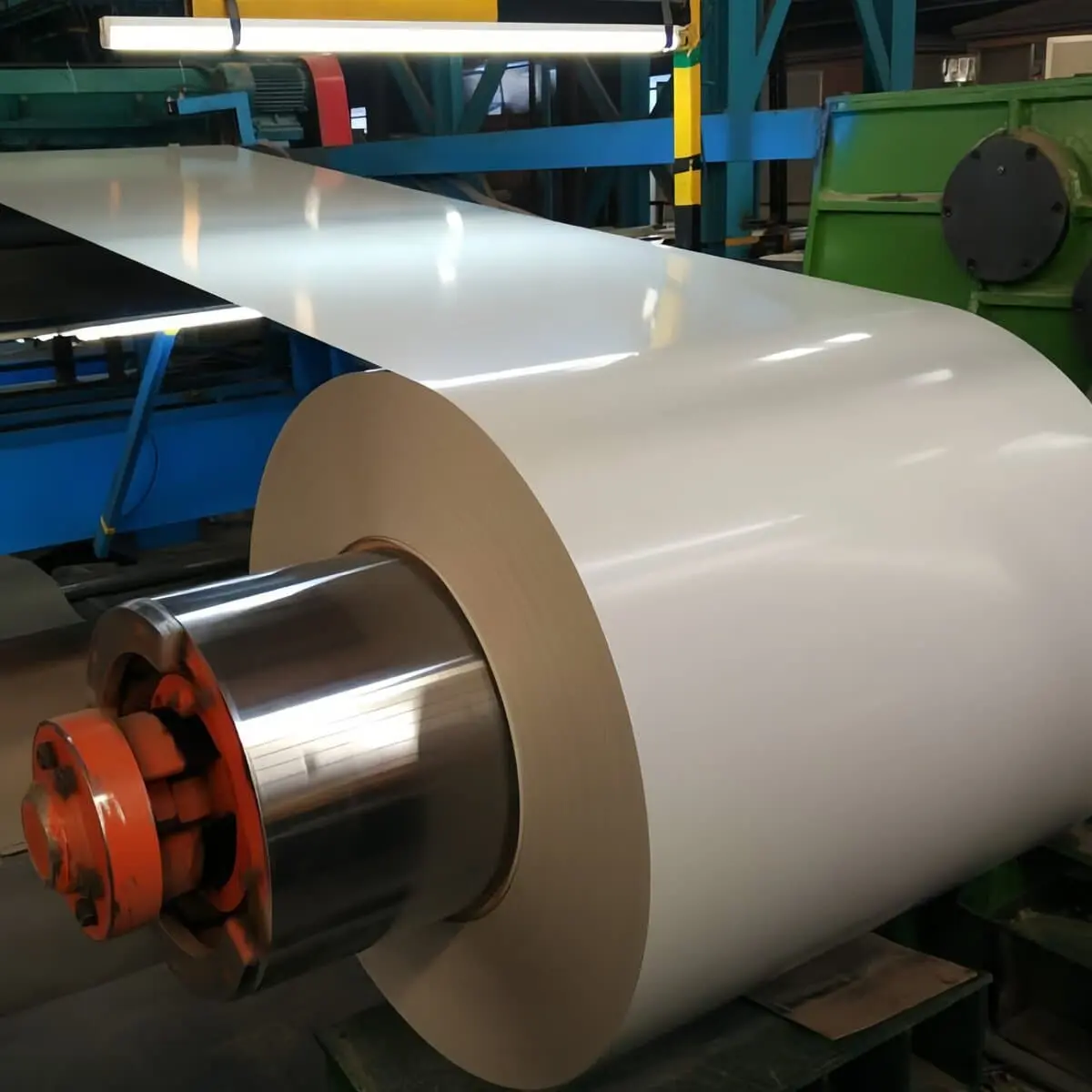
Gängige Verfahren zur Oberflächenbehandlung von Stahl
Verzinkung (Feuerverzinkung und galvanische Verzinkung)
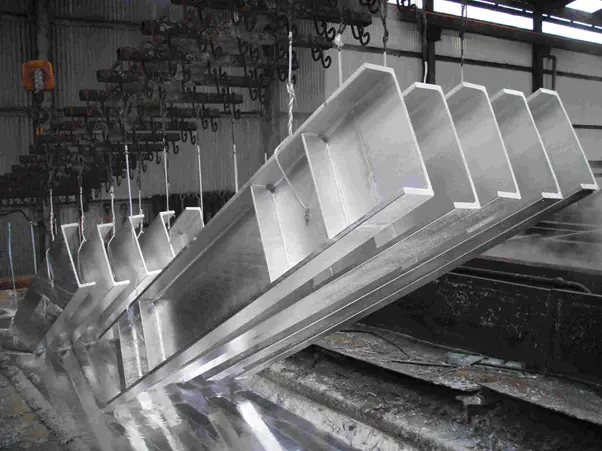
Die Verzinkung ist eine der häufigsten Korrosionsschutzbehandlungen für Stahl, die zur Herstellung von verzinkter Stahl, die wegen ihrer hohen Rostbeständigkeit und langen Lebensdauer sehr geschätzt wird.
Wie es funktioniert:
Auf die Stahloberfläche wird eine schützende Zinkschicht aufgetragen. Das Zink fungiert als Opferschicht, die vor dem darunter liegenden Stahl korrodiert.
Typen:
- Feuerverzinkung: Stahl wird in geschmolzenes Zink getaucht
- Elektrolytische Verzinkung: Zink wird durch ein elektrochemisches Verfahren aufgebracht
Vorteile:
- Ausgezeichnete Korrosionsbeständigkeit
- Lange Lebensdauer (vor allem im Außeneinsatz)
- Kostengünstig für Baustahl
Industrielle Anwendungen
- Konstruktionsbalken und Gerüste
- Zäune und Geländer für den Außenbereich
- Fahrwerksteile für Kraftfahrzeuge
- Infrastruktur der Versorgungsunternehmen
Die Verzinkung wird häufig von Stahlgroßhändlern bevorzugt, da sie ein ausgewogenes Verhältnis zwischen Kosten und Leistung für die Massenproduktion bietet.
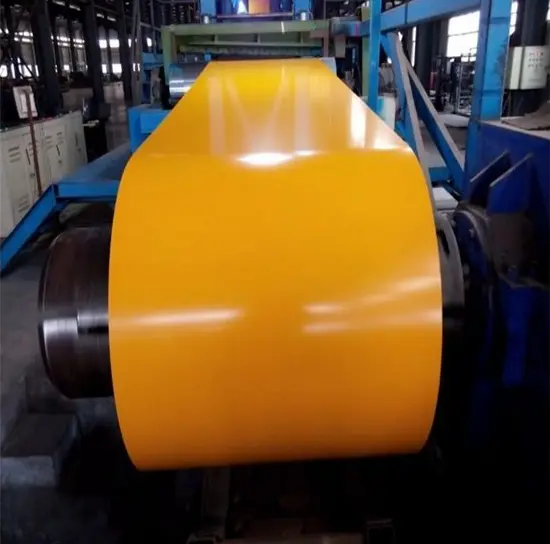
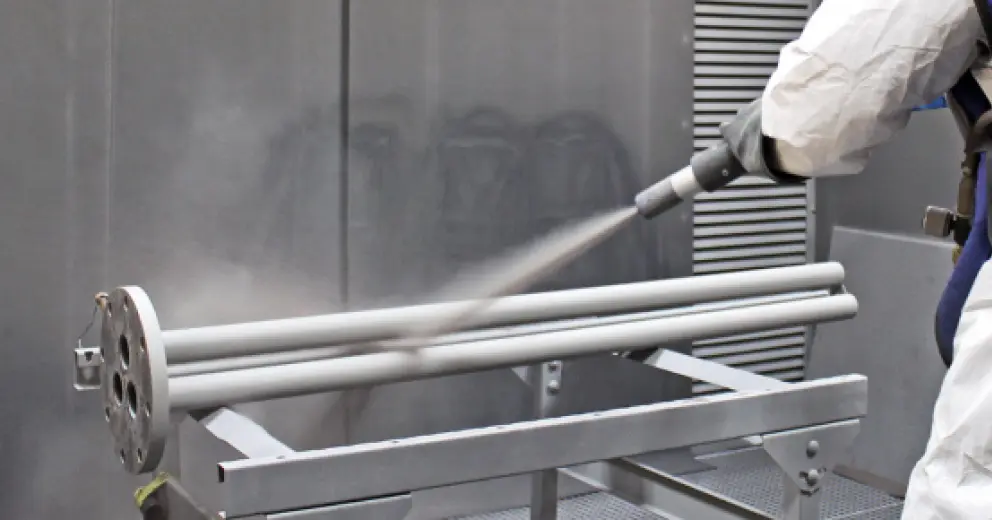
Pulverbeschichtung
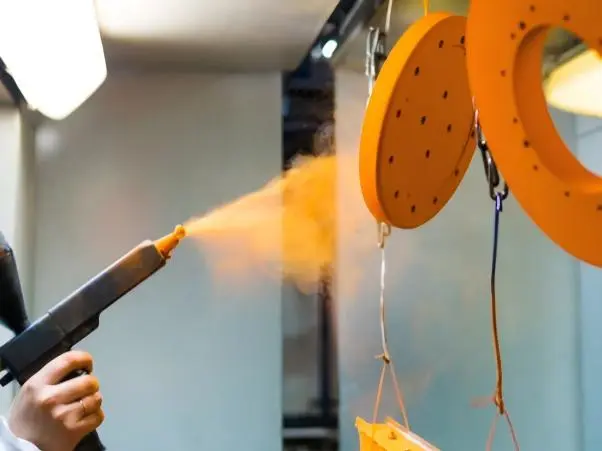
Die Pulverbeschichtung ist ein trockenes Veredelungsverfahren, bei dem elektrostatisch aufgeladenes Pulver auf Stahl gesprüht wird und dann unter Hitze aushärtet.
Vorteile:
- Glatte, einheitliche Oberfläche
- Hohe Widerstandsfähigkeit gegen Kratzer und Ausbleichen
- Umweltfreundlich (keine Lösemittelemissionen)
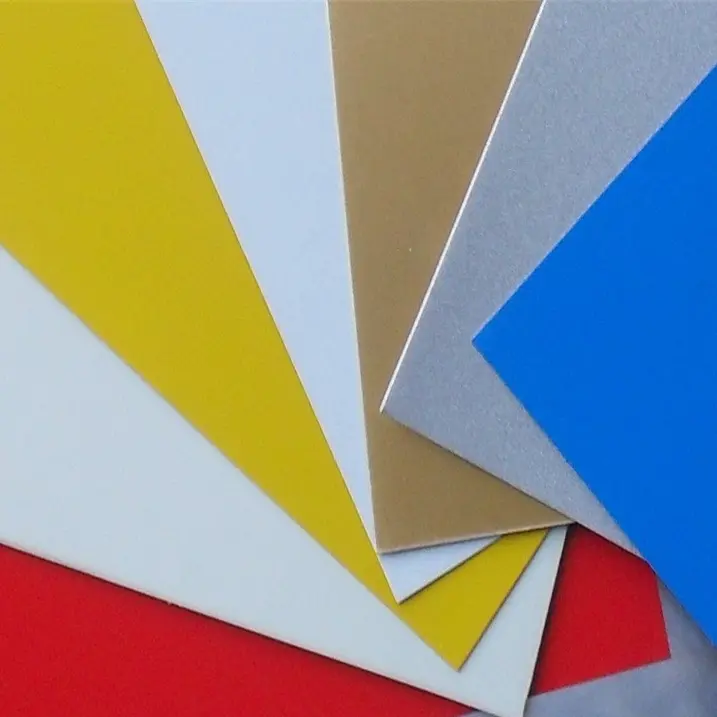
- Breite Farbanpassung
Industrielle Anwendungen:
- Haushaltsgeräte
- Metallmöbel
- Outdoor-Ausrüstung
- Küchengeräte und Aufbewahrungsprodukte
Viele internationale Einkäufer bevorzugen die Pulverbeschichtung, wenn sie mit einem [Stahlhersteller] zusammenarbeiten, weil sie so flexibel in Farbe und Oberflächengestaltung ist.
Galvanische Beschichtung (Nickel, Chrom, Zink)
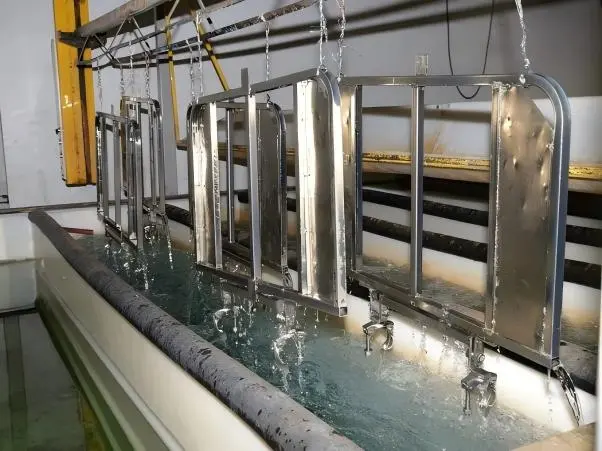
Beim Galvanisieren wird mit Hilfe von elektrischem Strom eine dünne Metallschicht auf Stahl aufgebracht.
Gängige Beschichtungsmaterialien:
- Nickel (Korrosionsbeständigkeit und Härte)
- Chrom (dekorative Oberfläche und Verschleißfestigkeit)
- Zink (Rostschutz)
Vorteile:
- Hochpräzise Beschichtung
- Dekorative Metalloberfläche
- Verbesserte Oberflächenhärte
Anwendungen:
- Automobilverkleidungsteile
- Armaturen für das Badezimmer
- Werkzeuge und Hardware
- Gehäuse für Unterhaltungselektronik
Die Galvanotechnik wird in vielen Branchen eingesetzt, in denen sowohl Ästhetik als auch Haltbarkeit gefragt sind.
Phosphatieren
Das Phosphatieren ist eine chemische Umwandlungsbeschichtung, bei der eine kristalline Phosphatschicht auf dem Stahl entsteht.
Vorteile:
- Verbessert die Lackhaftung
- Bietet leichte Korrosionsbeständigkeit
- Reduziert Reibung
Anwendungen:
- Karosserieteile
- Befestigungselemente und Bolzen
- Maschinenbauteile
Die Phosphatierung wird häufig als Vorbehandlung vor Lackier- oder Beschichtungsprozessen eingesetzt.
Schwarz-Oxid-Beschichtung
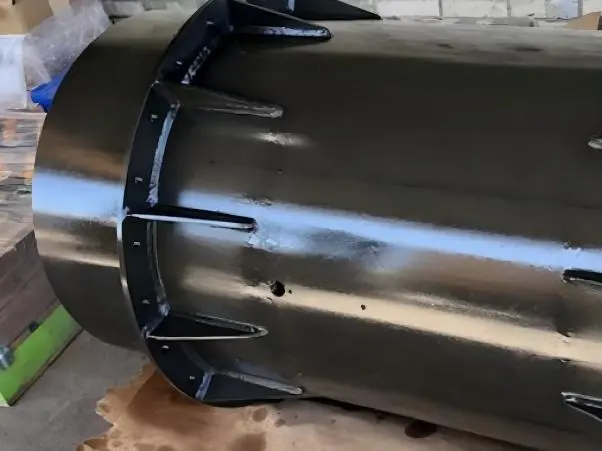
Schwarzes Oxid ist eine Konversionsschicht, die chemisch mit Stahl reagiert und eine schwarze Magnetitschicht bildet.
Vorteile:
- Minimale Veränderung der Abmessungen
- Leichte Korrosionsbeständigkeit
- Attraktive, mattschwarze Oberfläche
- Kostengünstiges Verfahren
Anwendungen:
- Werkzeuge und Handwerkzeuge
- Militär- und Verteidigungsausrüstung
- Verbindungselemente und Präzisionsteile
Sie wird in der Regel gewählt, wenn Ästhetik und geringer Schutz ausreichen.
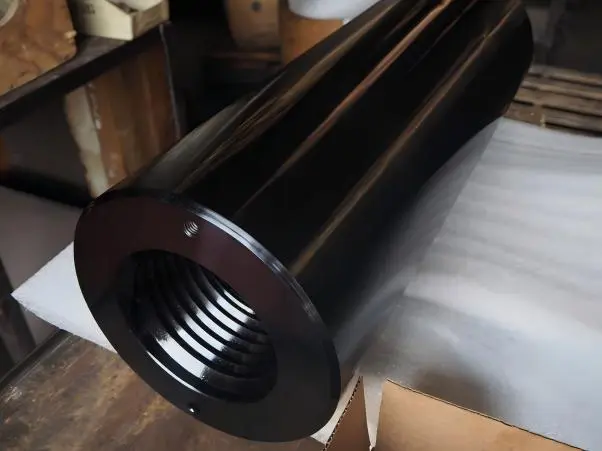
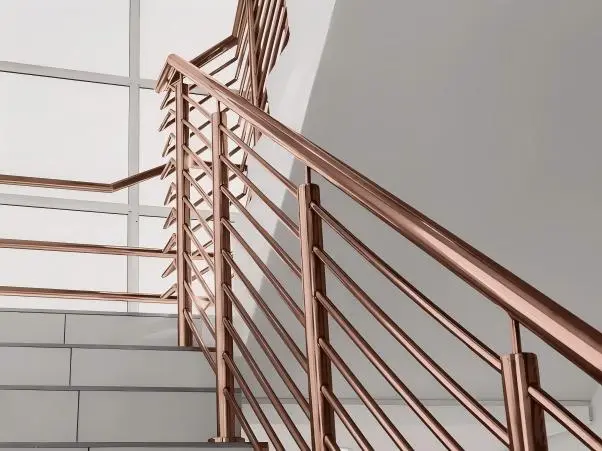
PVD-Beschichtung (Physikalische Gasphasenabscheidung)
PVD ist ein Hightech-Vakuumbeschichtungsverfahren, bei dem dünne Schichten aus Metallnitriden oder Karbiden abgeschieden werden.
Vorteile:
- Äußerst harte Oberfläche
- Hohe Verschleißfestigkeit
- Hochwertige dekorative Ausführung
- Umweltfreundliches Verfahren
Anwendungen:
- Luxuriöse Beschläge und Armaturen
- Hochwertige Küchengeräte
- Komponenten der Uhr
- Architektonische Zierteile
PVD erfreut sich zunehmender Beliebtheit bei Premium-Produktmarken, die ein modernes Metallic-Finish wünschen.
Lackierung und E-Lackierung
Malerei:
Traditionelle Flüssigbeschichtungen, die durch Sprühen oder Streichen aufgetragen werden.
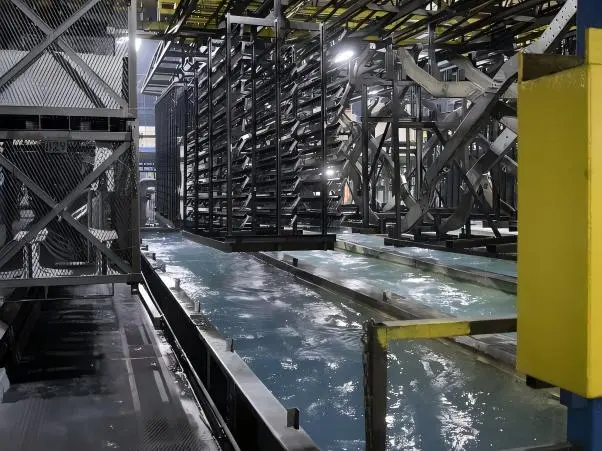
E-Beschichtung:
Ein Elektrodepositionsverfahren, bei dem Farbpartikel elektrisch von der Stahloberfläche angezogen werden.
Vorteile:
- Hervorragende Abdeckung, auch bei komplexen Formen
- Hohe Korrosionsbeständigkeit
- Hohe Produktionseffizienz (E-Beschichtung)
Anwendungen:
- Karosserien
- Geräte
- Industrielle Ausrüstung
Die E-Beschichtung ist in der Massenproduktion aufgrund ihrer Beständigkeit weit verbreitet.
Vergleich der Oberflächenbehandlungen von Stahl
| Behandlungsmethode | Korrosionsbeständigkeit | Kostenniveau | Dauerhaftigkeit | Bester Anwendungsfall |
| Verzinkung | Hoch | Niedrig bis mittel | Hoch | Strukturen im Freien |
| Pulverbeschichtung | Hoch | Mittel | Hoch | Konsumgüter |
| Galvanik | Mittel-Hoch | Mittel | Mittel | Dekorative Teile |
| Phosphatieren | Niedrig | Niedrig | Niedrig | Vor-Behandlung |
| Black Oxide | Niedrig | Niedrig | Mittel | Werkzeuge |
| PVD-Beschichtung | Sehr hoch | Hoch | Sehr hoch | Hochwertige Produkte |
| E-Coating | Hoch | Mittel | Hoch | Massenproduktion |
Wie man die richtige Oberflächenbehandlung von Stahl wählt
Die Wahl der richtigen Oberflächenbehandlung hängt von mehreren Faktoren ab:
Umweltbedingungen
- Außeneinsatz → Verzinkung oder Pulverbeschichtung
- Hohe Luftfeuchtigkeit oder Salz → PVD oder galvanische Beschichtung
Mechanische Anforderungen
- Starker Verschleiß → Nitrieren oder Aufkohlen
- Leichter Einsatz → Schwarzoxid oder Anstrich
Ästhetische Anforderungen
- Hochwertiges Aussehen → PVD oder Galvanisierung
- Funktionelle Nutzung → Pulverbeschichtung oder Lackierung
Überlegungen zum Budget
- Kostengünstige Lösungen → Verzinken, Phosphatieren
- High-End-Lösungen → PVD, Nitrieren
Industrielle Anwendungen in allen Schlüsselsektoren
Oberflächenbehandlungen von Stahl sind in vielen Industriezweigen unerlässlich:
Autoindustrie
- Anti-Korrosions-Beschichtungen
- Verschleißfeste Motorkomponenten
- Dekorative Verzierungen
Bauindustrie
- Schutz von Stahlkonstruktionen
- Haltbarkeit der Infrastruktur im Freien
Küchengeräte und Konsumgüter
Hersteller von Kochgeschirr, Flaschen und Aufbewahrungsprodukten verlassen sich häufig auf fortschrittliche Beschichtungssysteme für Sicherheit und Ästhetik. Viele globale Abnehmer wählen einen [Stahlgroßhändler] für die OEM-Produktion von beschichteten Stahlprodukten.
Industrielle Maschinen
- Komponenten mit hohem Verschleiß
- Korrosionsbeständige Gerätegehäuse
Marine- und Outdoor-Ausrüstung
- Systeme mit hohem Korrosionsschutz
- Mehrschichtige Beschichtungslösungen
Qualitätskontrolle bei der Herstellung von Oberflächenbehandlungen von Stahl
Hochwertige Oberflächenbehandlung erfordert eine strenge Prozesskontrolle:
- Sauberkeit der Oberfläche vor der Beschichtung
- Konsistenz der Beschichtungsdicke
- Prüfung der Adhäsionskraft
- Salzsprühnebel-Korrosionsprüfung
- Härte- und Verschleißfestigkeitsprüfung
Führende Fabriken integrieren automatisierte Beschichtungsanlagen und digitale Überwachungssysteme, um die Konsistenz der Chargen und die Einhaltung der Exportvorschriften zu gewährleisten.
Schlussfolgerung
Die Oberflächenbehandlung von Stahl spielt eine entscheidende Rolle bei der Bestimmung der Produktleistung, der Haltbarkeit und der Wettbewerbsfähigkeit auf dem Markt. Von der traditionellen Verzinkung bis hin zu fortschrittlichen PVD- und thermochemischen Verfahren bietet jede Methode je nach Anwendungsanforderungen einzigartige Vorteile.
Für Hersteller, Großhändler und Importeure ist die Wahl des richtigen Produktionspartners ebenso wichtig wie die Wahl der Behandlung selbst. Ein zuverlässiger OEM/ODM-Betrieb kann technische Beratung, Kostenkontrolle und gleichbleibende Qualität in der Großserienproduktion bieten.
FAQ
Was ist die häufigste Oberflächenbehandlung von Stahl?
Verzinkung und Pulverbeschichtung sind aufgrund ihrer Ausgewogenheit von Kosten und Korrosionsbeständigkeit am weitesten verbreitet.
Welche Behandlung ist für Stahlprodukte im Außenbereich am besten geeignet?
Feuerverzinkung und Pulverbeschichtung sind ideal für den Außeneinsatz.
Was ist der Unterschied zwischen Plattieren und Beschichten?
Beim Galvanisieren wird eine Metallschicht elektrochemisch abgeschieden, während beim Beschichten eine Schutzschicht wie Farbe oder Pulver aufgetragen wird.
Welche Oberflächenbehandlung ist am haltbarsten?
PVD, Nitrieren und Aufkohlen bieten die höchste Haltbarkeit für industrielle Anwendungen.
Können Oberflächenbehandlungen von Stahl individuell angepasst werden?
Ja. Viele Hersteller bieten OEM/ODM-Anpassungen an, einschließlich Farbe, Dicke und Leistungsanforderungen.
Über Weijunli - Ihr zuverlässiger Stahlgroßhändler
Als professioneller Großhandelslieferant für Stahl konzentriert sich Weijunli auf die Lieferung hochwertiger Stahlcoils und Stahlbleche an globale B2B-Kunden. Mit umfangreicher Branchenerfahrung unterstützen wir eine breite Palette von Anwendungen, indem wir Materialien anbieten, die mit verschiedenen Oberflächenbehandlungsverfahren kompatibel sind und Kunden helfen, die Anforderungen an Leistung, Haltbarkeit und Kosten zu erfüllen.
Wir kennen die Bedürfnisse von Großhändlern, Distributoren und Herstellern und bieten flexible Lieferlösungen, stabile Qualität und wettbewerbsfähige Preise für Großaufträge.