Kleine gestanzte Beschlagteile - Türgriffe, Klammern, Scharniere und kleine Halterungen - sehen einfach aus, aber sie verstärken jede Unvollkommenheit in der Stahlqualität. Für Beschaffungsteams und Fertigungsingenieure, Weijunli-Stahl weiß, dass Verstärkung der Grund dafür ist, dass eine scheinbar unbedeutende Lieferantenwahl zu einem wiederkehrenden Produktionsproblem wird.
Als ein führendes Lieferant und Verarbeiter von Stahlcoils, Wir freuen uns, die Mechanismen hinter dieser Sensibilität zu erklären, die Auswirkungen für B2B-Einkäufer zu erläutern und konkrete Spezifikationen und Ratschläge zur Lieferantenbewertung zu geben, die Sie sofort anwenden können.
Wie die Größe von Stanzteilen Materialprobleme vergrößert
Drei physikalische Gegebenheiten führen dazu, dass kleine Teile viel weniger verzeihend sind als große Platten oder Strukturelemente:
- Engeres Toleranzfenster. Ein kleiner Clip hat ein viel kleineres Abmessungsfenster, bevor er nicht mehr zusammengebaut werden kann oder nicht mehr funktioniert. Geringfügige Dickenabweichungen oder lokale Lackablagerungen, die größere Teile absorbieren, können kleine Teile aus der Toleranz bringen.
- Konzentrierte Verformung. Kleine Bauteile bilden sich oft bei konzentrierten lokalen Dehnungen. Während eine große Platte die Verformung über einen großen Bereich umverteilen kann, konzentriert sich die Dehnung bei einer kleinen gestanzten Geometrie auf einen winzigen Bereich - und genau dort wird ein marginales Material reißen.
- Einmalige Prozesse. Viele kleine Teile werden in einem einzigen Stanzvorgang geformt; es gibt keine mehrstufige Rückgewinnung oder Nacharbeit. Weist das Blechmaterial eine harte Stelle, eine unerwartete Streckung oder eine leicht abweichende Dehnung auf, geht der Fehler direkt in das fertige Teil ein.
All diese drei Faktoren führen zu einem höheren Ausschussrisiko, mehr Stillstandszeiten bei den Werkzeugen und größeren Schwankungen bei der Ausbeute im ersten Durchgang - ein direkter Schlag für die Gewinnspanne und die Liefertreue.
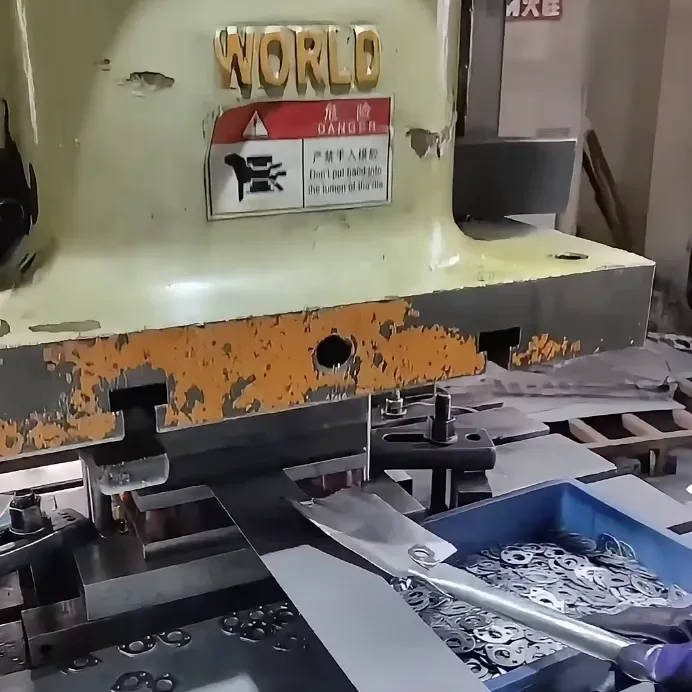
Was “Stahlqualität” für kleine Eisenwaren bedeutet
Wenn Käufer sagen “verbessern Stahlqualität,Sie bezeichnen in der Regel eine oder mehrere praktische Eigenschaften, die sich auf die Umformung und die Endbearbeitung auswirken:
- Konsistenz der Schichtdicke über die Spule (Minimierung der Schwankungsbreite)
- Zustand der Oberfläche (niedrige Ra, Sauberkeit, keine eingebetteten Trümmer)
- Mechanische Konsistenz (stabile Streckgrenze und Dehnung von Coil zu Coil)
- Zustand der Kante nach dem Schneiden (Grathöhe und Kantenüberschlag)
- Rückverfolgbarkeit der Chargen (Wärme-/Spulen-IDs, MTC), damit Sie Probleme mit Materialpartien korrelieren können
Bei kleiner Hardware sind dies keine akademischen Werte, sondern der Unterschied zwischen einer 98%- und einer 80%-First-Pass-Ausbeute.

Gängige Stahlsorten in der Eisenwarenindustrie - und ihre tatsächlichen Auswirkungen
| Stahltyp | Typische Verwendung in Hardware | Echte Auswirkungen auf kleine Stanzteile |
|---|---|---|
| Kaltgewalzter Stahl (CRS) - z. B. SPCC / DC01 | Präzisions-Stanzteile, dekorative Beschläge | Enge Toleranzen und glatte Oberflächen ermöglichen eine stabile Formgebung, ein geringes Rissrisiko und eine gleichmäßige Beschichtung. |
| Verzinkter Stahl (GI) | Outdoor-Beschläge, korrosionsgeschützte Teile | Die Zinkbeschichtung verbessert die Korrosionsbeständigkeit, kann aber die Kantenqualität und die Konsistenz der Formgebung beeinträchtigen. |
| Galvalume / Al-Zn beschichteter Stahl (GL) | Bedachungsteile, einige lackierte Beschläge | Starke Korrosionsbeständigkeit; Beschichtung erfordert kontrolliertes Schneiden und Formen für kleine Teile. |
| Warmgewalzter Stahl (HR / HRPO) | Schwere Halterungen, nicht-kosmetische Strukturteile | Geringere Oberflächenqualität und Maßgenauigkeit schränken die Verwendung für Präzisions- oder dekorative Teile ein. |
| Rostfreier Stahl (z. B. 304, 316) | Hochkorrosive oder ästhetische Anwendungen | Hervorragende Haltbarkeit, aber höhere Umformungsschwierigkeiten und schnellerer Werkzeugverschleiß. |
| Aluminium/Zink-Legierungen | Dekorative oder leichte Teile | Leichte Optionen, die unterschiedliche Werkzeuge und Endbearbeitungsverfahren erfordern. |
Typische Versagensarten für Kleinteile und ihre Ursachen im Stahlwerkstoff
- Rissbildung an Biegungen oder Ausschnitten → oft verursacht durch örtlich geringe Dehnung oder hohe Härte im Coil.
- Schlechte Haftung der Beschichtung oder “gesprenkelte” Oberfläche → in Verbindung mit Oberflächenverschmutzung, ungleichmäßigem Ra oder inkompatibler Beschichtungsmetallurgie.
- Übermäßige Grate oder Kantenbrüche nach dem Schlitzen → aufgrund falscher Messereinstellungen im Zusammenspiel mit härterem Material als erwartet.
- Maßabweichung zwischen den Chargen → Schwankungen in der Dicke/Plattheit von Coil zu Coil oder ungleichmäßiges Warmwalzen.
Für jeden Fehlermodus gibt es eine verfahrenstechnische Lösung - die kosteneffektivste Abhilfemaßnahme ist jedoch die Festlegung der richtigen Stahlqualität und die Durchsetzung von Lieferantenkontrollen im Vorfeld.
Was Einkäufer über die Stahlqualität angeben müssen
Um das nachgelagerte Risiko zu verringern, sollten die Ausschreibungen messbare, umsetzbare Anforderungen enthalten:
- Materialsorte und Standard (z. B. SPCC / DC01 für kaltgewalzte blanke Coils).
- Dickentoleranz und maximale Abweichung zwischen den Spulen (z. B. 0,8 mm ±0,02 mm; maximale Abweichung zwischen den Spulen ≤ 0,01 mm).
- Bereich der mechanischen Eigenschaften (Streckgrenze, Zugfestigkeit, Dehnung) - keine Einzelwerte, sondern akzeptable Bandbreiten.
- Oberflächengüteklasse (geben Sie Ra target oder “bright finish / skin-passed” an) und eine eventuell erforderliche Vorbehandlung.
- Kriterien für Kanten/Grat nach dem Schneiden (Grathöhenbegrenzung, zulässige Kantenart).
- Rückverfolgbarkeit der ChargenWärmezahlen, MTC mit chemischen und mechanischen Testergebnissen.
- Annahme der ersten Spule: verlangt einen unterzeichneten Bericht über die erste Spule und Fotos vor dem Versand für die erste Lieferung.
- Verpackung und Handhabung Besonderheiten (Schutzfolie, Zwischenlage) für vorlackierte oder beschichtete Oberflächen.
Diese Punkte wandeln vage Erwartungen in überprüfbare Akzeptanzkriterien um - und sie erschweren es, dass Streitigkeiten zu “er sagte/sie sagte”-Folgen werden.
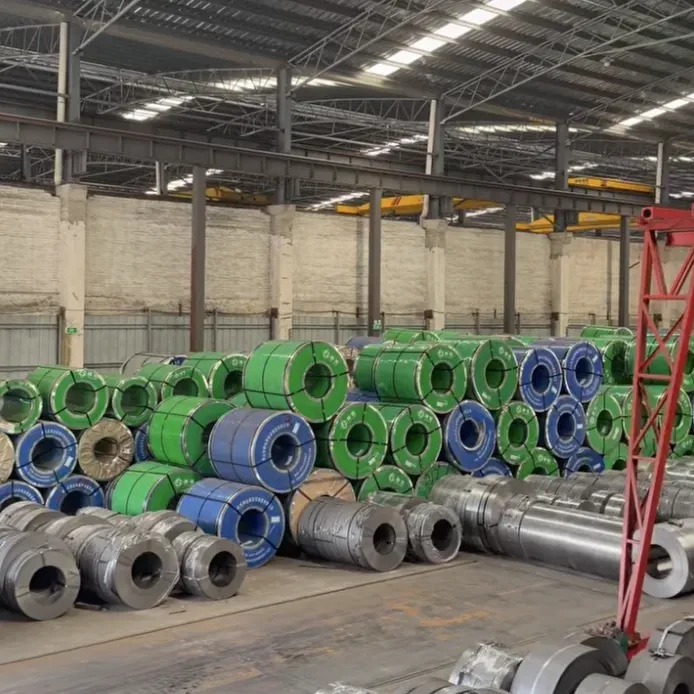
Wie man Lieferanten nach ihrer Stahlqualität bewertet
Fragen Sie bei der Bewertung eines Anbieters nach Beweisen - nicht nach Versprechungen:
- Aktuelle MTCs bereitstellen und eine Beschreibung, wie sie die Breiten-/Dickenvariationen kontrollieren.
- SPC-Diagramme anzeigen für eine repräsentative Produktlinie (Dicke, Ebenheit, Härte).
- Erläuterung von Schneid- und Messerwartungspraktiken; fragen Sie nach Verfahren zur Gratkontrolle.
- Unterstützung der Studie demonstrierenBereitschaft, Probespulen zu liefern und einen gemeinsamen Erstversuch durchzuführen.
- Transparenz in der Lieferkette: Können sie die Quellen der Mühlen identifizieren und sich zur Rückverfolgbarkeit von Wärme und Spulen verpflichten?
Lieferanten, die diese Dokumentation liefern, demonstrieren damit ihre betriebliche Reife - und diese Reife schützt Ihre Branche.
Schlussfolgerung
Kleine Hardware-Stanzteile sind sehr empfindlich gegenüber Stahlqualität weil ihre Geometrien und Produktionswege wenig Spielraum für Materialschwankungen lassen. Für die Beschaffungsteams ist die Lösung einfach: Übersetzen Sie funktionale Anforderungen in messbare Materialkriterien, verlangen Sie Dokumentation und Validierung der ersten Spule und wählen Sie Lieferanten aus, die stabile Prozesskontrollen nachweisen können. Wenn Sie Stahlqualität als eine Reihe von überprüfbaren Attributen und nicht als eine vage Erwartung, reduzieren Sie den Ausschuss, die Ausfallzeiten von Werkzeugen und das Risiko kostspieliger Nacharbeit drastisch - und Sie machen Ihre Beschaffungsentscheidungen sowohl für die Technik als auch für die Finanzabteilung vertretbar.
Über Weijunli Steel
Weijunli Steel ist ein professioneller Lieferant und Verarbeiter von Stahlbändern und -platten bedient B2B-Hersteller weltweit. Gestützt auf stabile Werksressourcen, präzises Schneiden und strenge Qualitätskontrolle sind wir spezialisiert auf Maßgeschneiderte Stahllösungen für kleine Stanzteile und hochtolerante Komponenten.
Unser Werk unterstützt kundenspezifische Stahlsorten, Dickenkontrolle, Oberflächengüte, Kanten-/Gratanforderungen und vollständige Rückverfolgbarkeit auf Wärme- und Coil-Ebene. Von der Materialauswahl und den Probecoils bis hin zur Dokumentation und Validierung des ersten Coils unterstützt Weijunli Steel Erstausrüster dabei, den Ausschuss zu reduzieren, die Produktion zu stabilisieren und eine vorhersehbare, ertragreiche Stanzleistung zu erzielen, indem wir eine ausgezeichnete Stahlqualität liefern.
Praktische FAQ für eine risikoarme Anfrage zur Stahlqualität
Q1: Welche Materialqualität sollte ich angeben?
A1: Definieren Sie immer die genaue Sorte und Norm (z. B. SPCC, DC01). Dies gewährleistet eine vorhersehbare Verformbarkeit, Oberflächenqualität und Verantwortlichkeit des Lieferanten.
F2: Wie sollten Dicke und Toleranz angegeben werden?
A2: Geben Sie die Nenndicke zusammen mit der zulässigen Toleranz an. Enge Toleranzen verringern die Schwankungen beim Stanzen und verbessern die Maßhaltigkeit.
F3: Muss ich mechanische Eigenschaften definieren?
A3: Ja. Fragen Sie immer nach akzeptablen Bereichen für Streckgrenze (YS), Zugfestigkeit (TS) und Dehnung (El), nicht nur nach typischen Werten.
F4: Welche Oberflächenbeschaffenheit sollte erforderlich sein?
A4: Geben Sie die Anforderungen an die Oberfläche klar an, wie z. B. Ra-Grenzwerte, glänzende Oberfläche oder "Skin-passed"-Zustand, insbesondere bei beschichteten oder lackierten Teilen.
F5: Wie sollte die Kantenqualität spezifiziert werden?
A5: Legen Sie die maximal zulässige Grathöhe und den Kantentyp (geschlitzt oder geschert) fest, um Rissbildung und Werkzeugverschleiß bei Stanzvorgängen zu vermeiden.
F6: Wann sollten Beschichtungsanforderungen einbezogen werden?
A6: Wenn die Korrosionsbeständigkeit oder das Aussehen entscheidend sind, geben Sie die Art der Beschichtung ausdrücklich an (GI, GL oder bandbeschichteter Stahl).
F7: Ist die Abnahme der ersten Spule erforderlich?
A7: Für neue Lieferanten oder neue Anwendungen wird dringend empfohlen, die erste Spule zu genehmigen, um die Leistung vor der vollen Produktion zu überprüfen.
F8: Warum sind MTC und Chargenrückverfolgbarkeit wichtig?
A8: Materialprüfzertifikate und die Rückverfolgbarkeit von Chargen ermöglichen eine Ursachenanalyse und schützen die Käufer im Falle von Qualitätsstreitigkeiten.
F9: Welche Verpackungsdetails sollten geklärt werden?
A9: Definieren Sie Schutzmaßnahmen wie Folien, Zwischenlagenpapier, Trockenmittel oder Holzgestelle, um Transportschäden zu vermeiden.