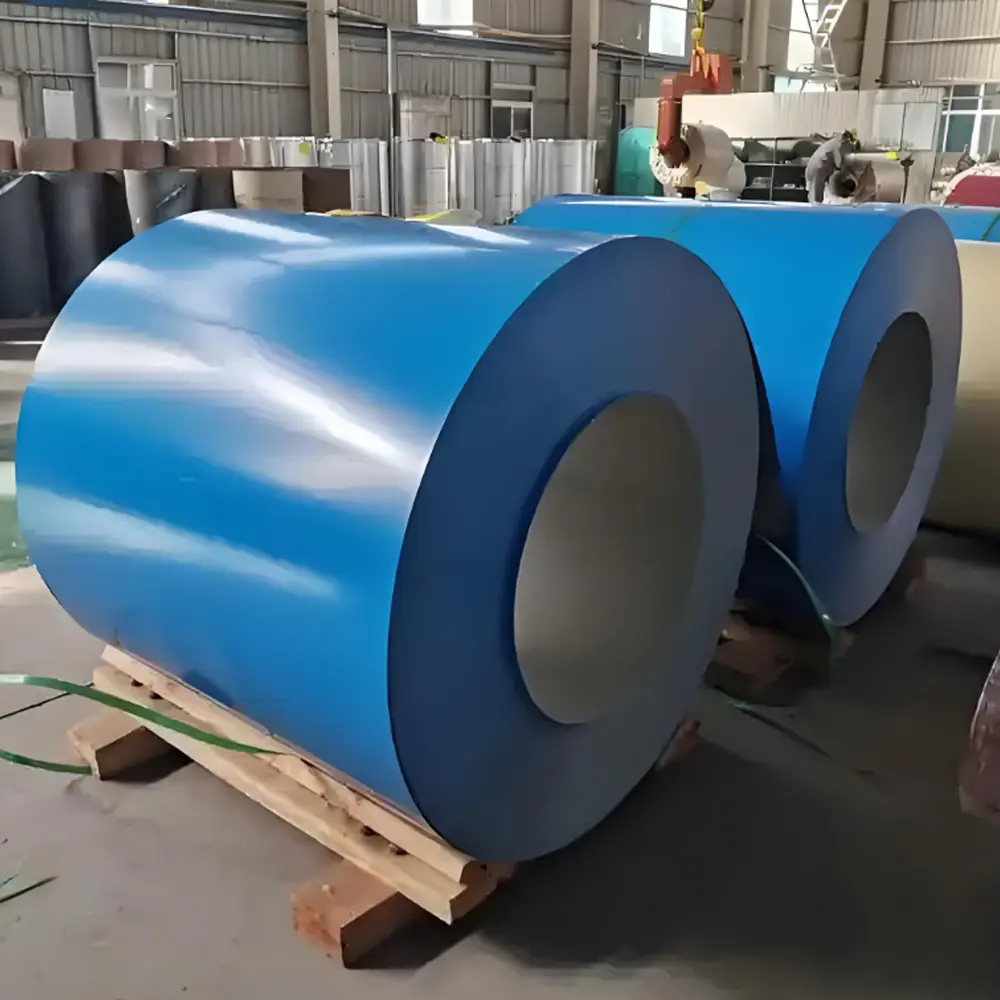
While both start from the same base metal, hot rolled and cold rolled steel are defined by their processing temperatures—a distinction that fundamentally dictates their mechanical properties, surface finish, and dimensional precision.
In this article, Weijunli Steel, a leading steel supplier and processor from China, explains the core differences between hot rolled and cold rolled steel, shows why those differences matter to consumers and manufacturers, and gives clear selection guidance for typical applications.
Why the Steel Distinction Matters
Many buyers treat steel as a commodity and request only a grade name. In practice, the production route—hot rolling versus cold rolling—controls surface roughness, dimensional tolerances, residual stress and forming windows. Selecting the wrong product can cause:
- plating and coating defects
- stamping cracks or failed draws
- dimensional instability and assembly rejects
- unexpected downstream cost (rework, tool maintenance)
The right choice reduces scrap, shortens setup time and lowers per-part total cost.
Difference Between Cold Rolled Steel and Hot Rolled Steel
Hot rolled steel is produced by rolling steel at high temperatures (~900–1100°C), resulting in rough surfaces, looser dimensional tolerances, and good formability for thick structural parts, while cold rolled steel is made by further rolling hot rolled steel at room temperature, producing a smooth, uniform surface, tighter tolerances, and slightly higher strength.
In short, the fundamental difference is that cold rolling occurs at room temperature, improving surface quality and dimensional precision compared to hot rolling.
Quick Comparison
| Property | Hot rolled steel | cold rolled steel |
|---|---|---|
| Surface finish | Rough, scaled | Smooth, low Ra |
| Dimensional tolerance | Looser | Tighter |
| Typical thickness | Medium → thick | Thin → medium |
| Best for | Structural, heavy sections | Precision parts, plated/visible panels |
| Cost per ton | Lower | Higher |
| Forming | Simple bending, welding | Deep drawing, precision stamping |
Consumer Perspective: What End Users Notice About Cold Rolled and Hot Rolled Steel
Appearance and finish
Products made from cold rolled steel look smoother and more consistent. That matters for appliance facades, office furniture, and consumer electronics housings. Hot rolled parts are normally painted or coated; their rougher texture is acceptable where appearance is not critical, like industrial storage rack frames or heavy equipment frames.
Price and perceived value
Cold rolling adds processing steps and quality control, so final products using cold rolled steel typically carry higher cost. Consumers pay for a better finish and tighter fit; hot rolled parts keep retail price down when the component is hidden or structural.
Durability and coatings
Cold-finished surfaces accept paint, powder coat and electroplating more reliably. For decorative or plated components, specifying cold rolled steel reduces visible coating defects and improves long-term appearance.
Manufacturing Perspective: How Engineers Choose Steel
Surface quality & plating risk
Low surface roughness (Ra) and minimal embedded defects are essential for electroplating and mirror finishes. cold rolled steel typically meets these requirements; hot rolled material often needs additional conditioning to achieve similar outcomes.
Thickness range and economics
Typical practice:
- cold rolled steel: ~0.3–3.0 mm — ideal for thin-gauge, precision work.
- Hot rolled: ~2.0–25+ mm — efficient for plates and structural sections.
For thick welded brackets, hot rolled or HRPO options are often more economical; for thin, stamped parts, cold rolled steel usually lowers per-part cost when scrap and finishing are included.
Dimensional accuracy & flatness
Cold rolling produces tighter thickness tolerances and better flatness. That reduces springback variability and hole positional drift in progressive dies — essential for automated assembly and tight tolerances. Hot rolled coil can present camber and local thickness variation that complicate high-precision operations.
Formability & stamping performance
Cold rolled deep-draw grades (examples: DC04, SPCE, DDS equivalents) provide consistent elongation and a reliable forming window for single-hit draws and tight radii. Hot rolled steels are workable but less predictable for deep drawing and complex stampings; they suit simple bends and structural forming.
Rule: When controlled elongation and repeatable springback matter, specify cold rolled steel or an equivalent deep-draw grade.
Burr control & tooling wear
Edges from hot rolled or poorly slit coil can be rougher, increasing burr size and accelerating die wear. Clean slitting and using cold rolled steel reduces burr, extends tool life, and lowers hidden tooling costs — a significant factor in high-volume stamping.
Total cost of ownership (TCO)
Material price alone is misleading. Hot rolled may be cheaper per ton, but higher scrap rates, secondary finishing, and increased tool maintenance can make it more expensive per finished part. For precision manufacturing, cold rolled steel often reduces downstream costs and improves production stability.
Typical Industrial Applications Table
| Industry | Hot Rolled Steel (Typical Use) | Cold Rolled Steel (Typical Use) |
|---|---|---|
| Construction | Structural beams | Light structural panels |
| Automotive | Chassis members | Body panels and interior trim |
| Appliances | Internal frames | Exterior panels and visible parts |
| Hardware | Heavy brackets | Precision-stamped components |
How Steel Coil Buyers Should Choose
Choose cold rolled steel when the product requires:
- tight tolerances and predictable springback
- smooth surface for plating or a visible finish
- deep drawing or complex stamping
Choose hot rolled steel when the part prioritizes:
- thickness and structural performance
- lower raw material cost where appearance is secondary
Procurement tip: always specify measurable acceptance criteria (thickness tolerance, Ra, mechanical windows YS/TS/El, edge/burr limits, and first-coil validation) rather than just a grade name.
Conclusion
The difference between hot rolled and cold rolled steel is fundamental and practical. Rolling temperature determines surface finish, dimensional control, and forming behavior—factors that drive product quality and manufacturing cost. For structural, hidden components, hot rolled is economical; for precision, plated or cosmetic parts, cold rolled steel is the safer, more economical choice on a per-part basis when total costs are considered.
FAQ: Cold Rolled VS. Hot Rolled Steel
Q1. When should buyers choose hot rolled steel?
A: When the application prioritizes strength, thickness, and lower cost rather than surface finish or tight tolerances, such as structural parts, welded frames, or heavy brackets.
Q2. When is cold rolled steel the better choice?
A: Cold rolled steel is preferred for precision stamping, smooth surface finish, and coating applications, including appliance panels, enclosures, and plated components.
Q3. Why can the wrong steel type increase production costs?
A: Using the wrong material can lead to plating defects, stamping cracks, and dimensional variation, which increases scrap, rework, and tooling wear.
Q4. What should buyers specify when ordering steel materials?
A: Include grade, thickness tolerance, mechanical property range, and surface finish requirements to ensure consistent performance.
Q5. Why is cold rolled steel common in high-volume stamping?
A: Cold rolled steel provides better flatness, tighter tolerances, and a smoother surface, improving forming consistency and reducing defects.
About Weijunli Steel
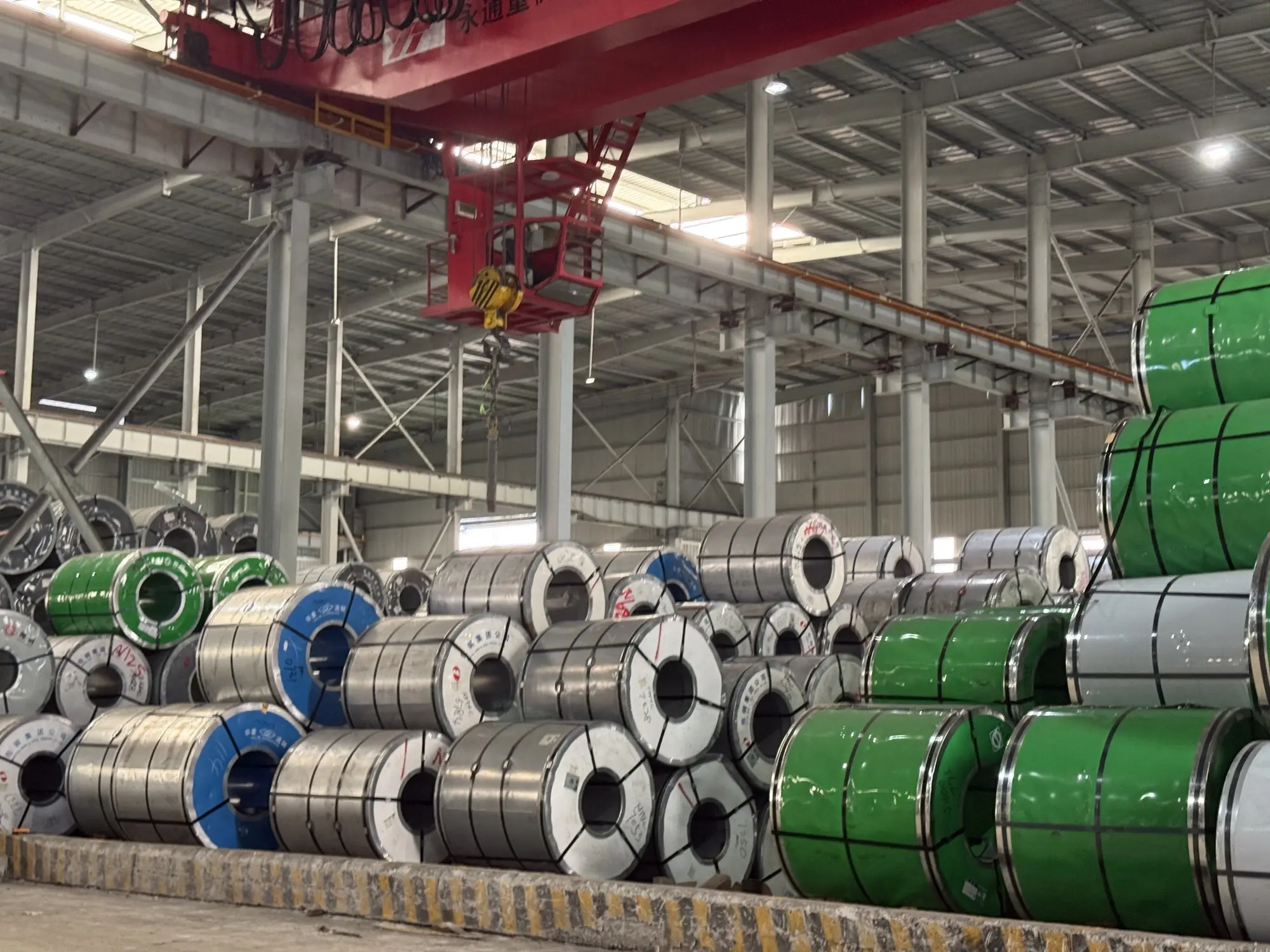
Weijunli Steel is a leading steel supplier serving hardware manufacturers, stampers, and plating factories with batch-stable steel coil and sheet supply. With strict control over surface quality, thickness tolerance, and mechanical consistency, we help buyers reduce plating defects and forming failures at scale.
Our team supports B2B projects with custom steel solutions with specifications such as bright/skin-passed finish, Ra targets, slitting width, edge control, and protective packaging for export shipments. From RFQ support to lot traceability and repeatable deliveries, Weijunli focuses on making your electroplated hardware steel sourcing reliable, measurable, and production-ready.