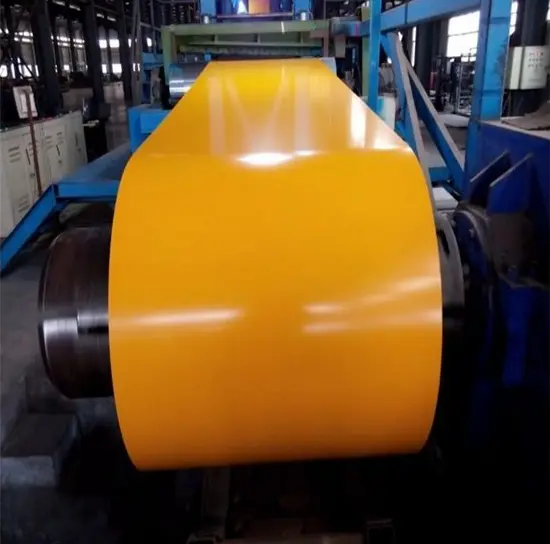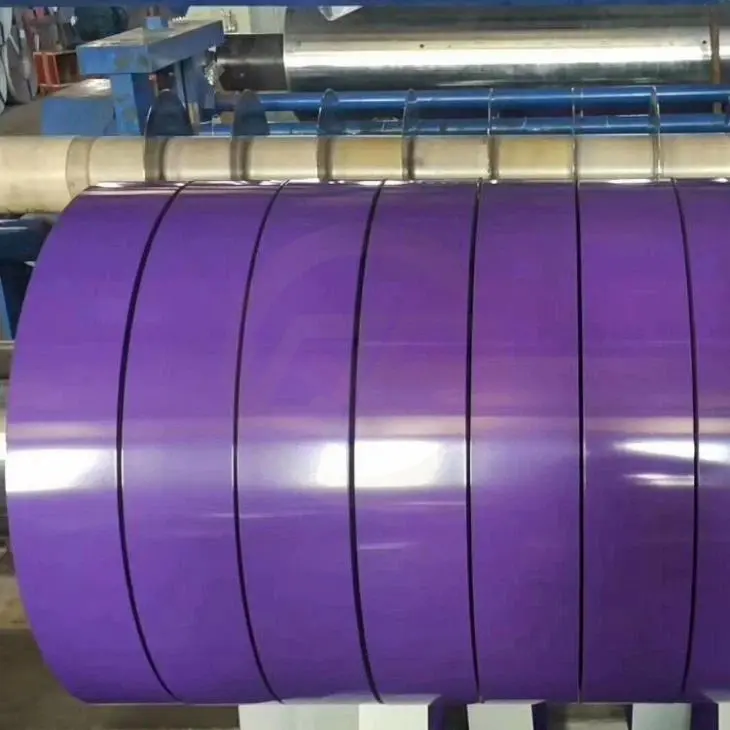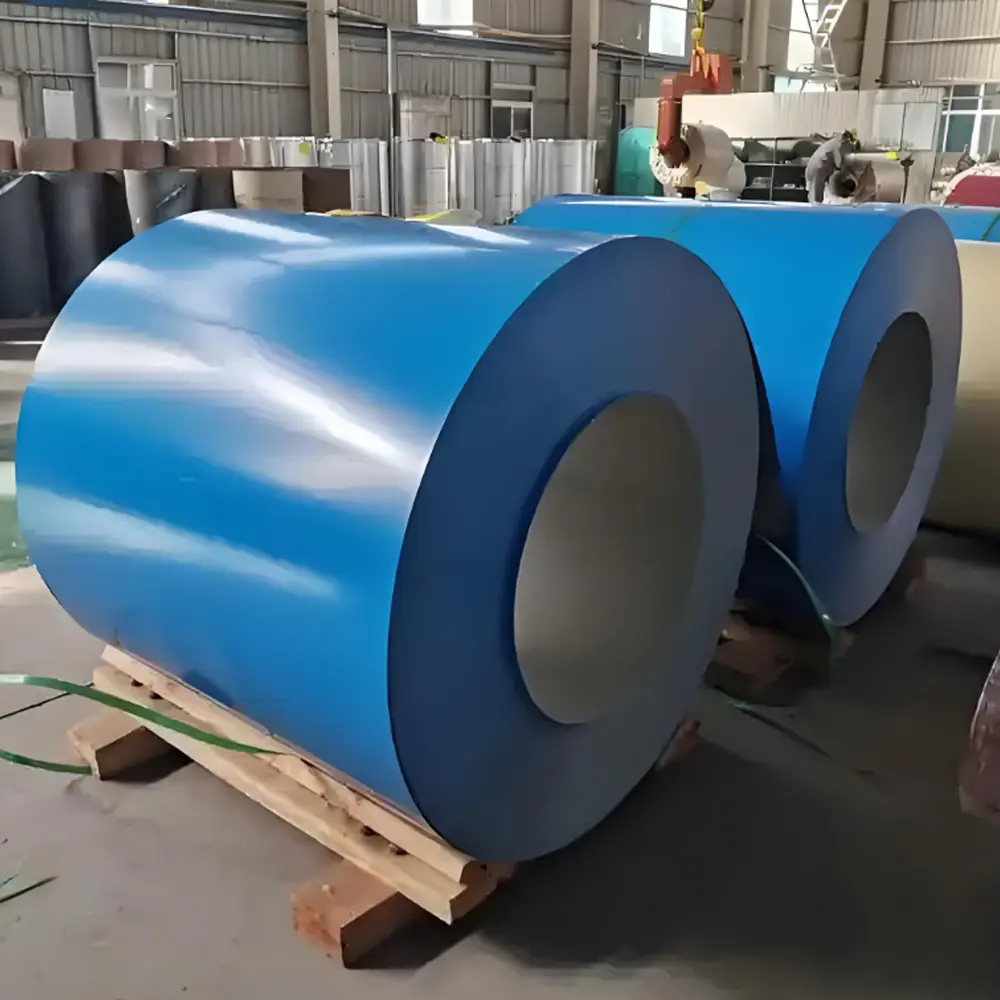
Electroplating problems — dull finish, “mottling”, poor adhesion, or uneven thickness — are usually blamed on the plating line. In reality, up to 80% of observable plating failures start with the substrate: the sheet or coil you bought. For hardware buyers (door handles, clips, hinges), the right cold rolled steel specification is the single most cost-effective way to cut rework and scrap.
In this guide, Weijunli Steel, a leading steel supplier, explains what to require, why it matters, and how to write RFQs that actually protect production.
Why Small Hardware Amplifies Material Issues
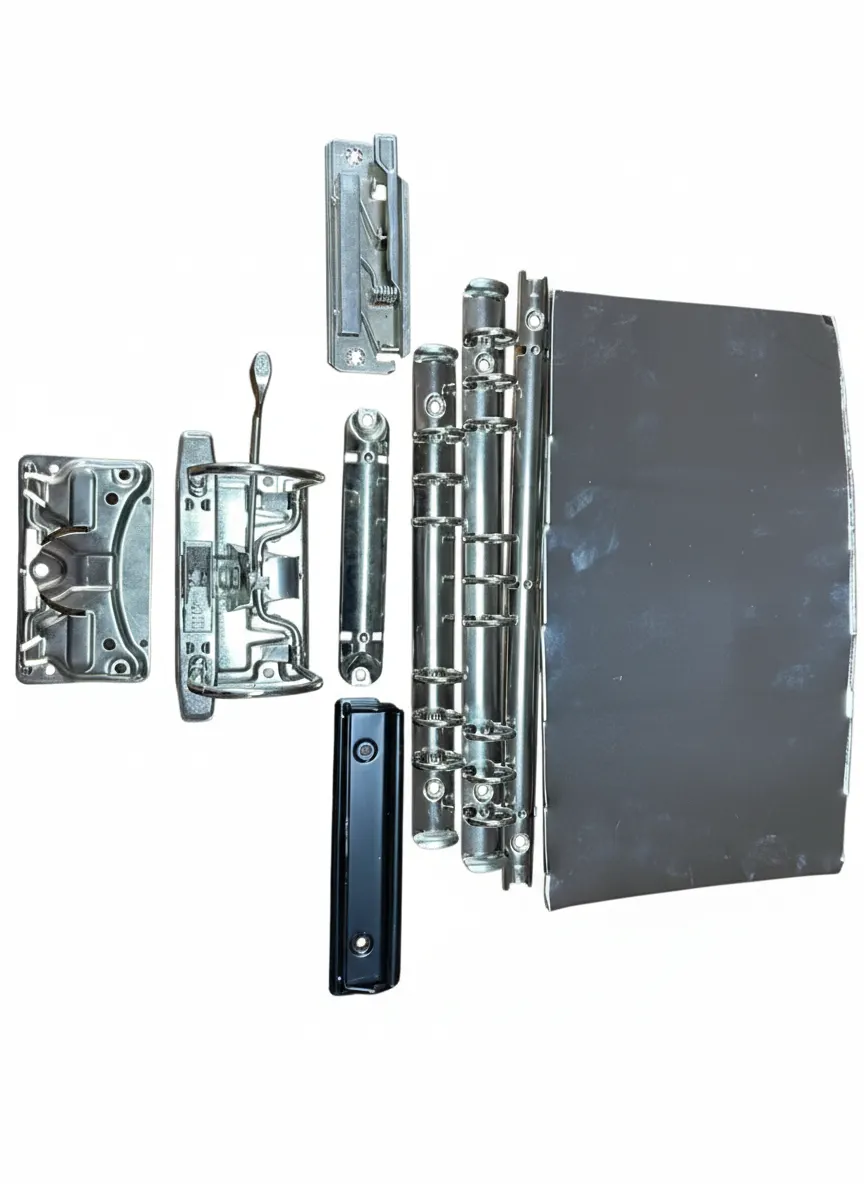
Small stamped parts concentrate deformation into tiny zones and often go through one-shot forming. There’s no “forgiving” geometry to hide a local hard spot, a burr, or a surface defect. What looks like a minor coil blemish becomes a visible plating defect on a finished door handle. That’s why procurement should treat electroplated hardware steel as a functional specification — not a vague grade and thickness.
The Substrate Attributes That Control Plating Outcomes
When you specify cold rolled steel for plated hardware, ask for measurable traits, not vague assurances. The most important are:
- Surface roughness (Ra): The single most predictive indicator of final brightness. Mirror-like chrome requires very low Ra; nickel tolerates slightly higher roughness.
- Surface cleanliness: No visible roll marks, oil patches, pit marks, or mill scale. Residual lubricants, fingerprints, and flash rust create “mottling.”
- Mechanical consistency: Yield, tensile, and elongation ranges that match your forming severity. Low elongation or variable yield causes cracks at the forming radii.
- Thickness consistency & flatness: Narrow across-coil variation reduces springback and dimensional drift.
- Edge condition after slitting: Burrs, edge rollover, or micro-cracks lead to plating thin spots or peeling.
- Batch traceability: Heat/coil IDs and MTCs so you can correlate problems to material lots.
These are not optional: they directly determine whether your plated finish is repeatable.
Skin-Passed/Bright Cold Rolled Steel Vs. Regular CRS
There are quite a few differences between bright CRS and normal standard CRS
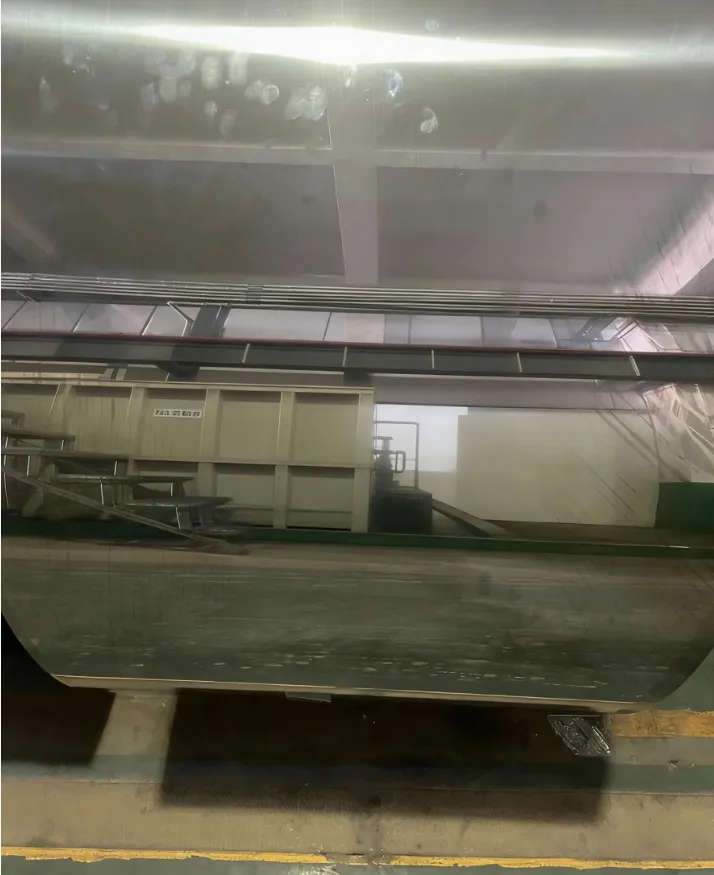
- Bright (skin-passed) CRS is processed to produce a smoother, more uniform surface and better control of surface oxide and roll marks. It consistently yields superior plating — brighter chrome, more uniform nickel.
- Standard CRS may be fine for internal brackets or painted parts, but it carries a higher risk for visible electroplated finishes because surface peaks and micro-scratches are more common.
If the part is a visible, plated hardware piece, default to specifying bright/skin-passed cold rolled steel in the RFQ.
How Ra Affects Chrome and Nickel Plating
- Ra ≤ 0.4 µm — Recommended target for mirror-like chrome finishes on decorative hardware.
- Ra ≤ 0.6–0.8 µm — Often acceptable for nickel undercoats or less reflective parts.
- Why it matters: Plating reproduces surface topology. High Ra leads to reduced gloss, current concentration at peaks (non-uniform thickness), and the appearance of “orange peel” or roughness after plating.
(These are industry-typical targets — adjust with your plating partner for specific processes.)
Which Steels Plate Well — and Which Are Risky
Plate well (recommended for plated hardware):
- SPCC / DC01 bright finish (cold rolled, skin-passed) — reliable formability and surface for chrome/nickel.
- DDQ/EDQ variants for severe drawing — use if the part needs deep drawing before plating.
Risky / often problematic:
- Hot-rolled / HRPO — rougher surface and wider thickness variation; plating will struggle to look bright.
- Poorly stored or rusted CRS — flash rust, stain, and micro-pitting create irrecoverable defects.
- Low-grade galvanized — zinc can smear or transfer during forming; not a substitute for plating-grade CRS unless specifically processed for that route.
- Uncontrolled stainless — plating stainless is possible, but more demanding and often unnecessary if the goal is a plated finish on a steel substrate.

Practical RFQ Checklist for Plating-grade Cold Rolled Steel
Use this copy-paste checklist in your RFQs to remove ambiguity:
- Material grade/standard: SPCC (JIS) or DC01 (EN), bright finish (skin-passed)
- Thickness & tolerance: e.g., 0.8 mm ±0.02 mm; max across-coil variation ≤ 0.01 mm
- Mechanical property window: YS / TS / El ranges (specify per part requirement)
- Surface finish: Bright finish, Ra ≤ 0.4 µm (for mirror chrome) / Ra ≤ 0.6 µm (for nickel)
- Surface defect tolerance: No roll marks, pitting, black spots, or rust; free from rolling oil residue
- Edge condition: Slit edge, burr ≤ 0.15 mm (or specify acceptable burr tolerance)
- Coil handling & packaging: Film + interleaving + desiccant for long shipment; avoid coil-to-coil contact
- First-coil acceptance: Required — sample stamping + plating trial before full run
- Traceability: MTC and heat/coil ID required with each delivery
As a rule: if it’s not written, it’s not enforceable.
Slitting, Handling, and Why the Processor Matters
Even perfect coil chemistry and finish can be ruined by poor slitting, rough handling, or thermal exposure in storage. Ask suppliers about:
- Knife gap control and burr monitoring
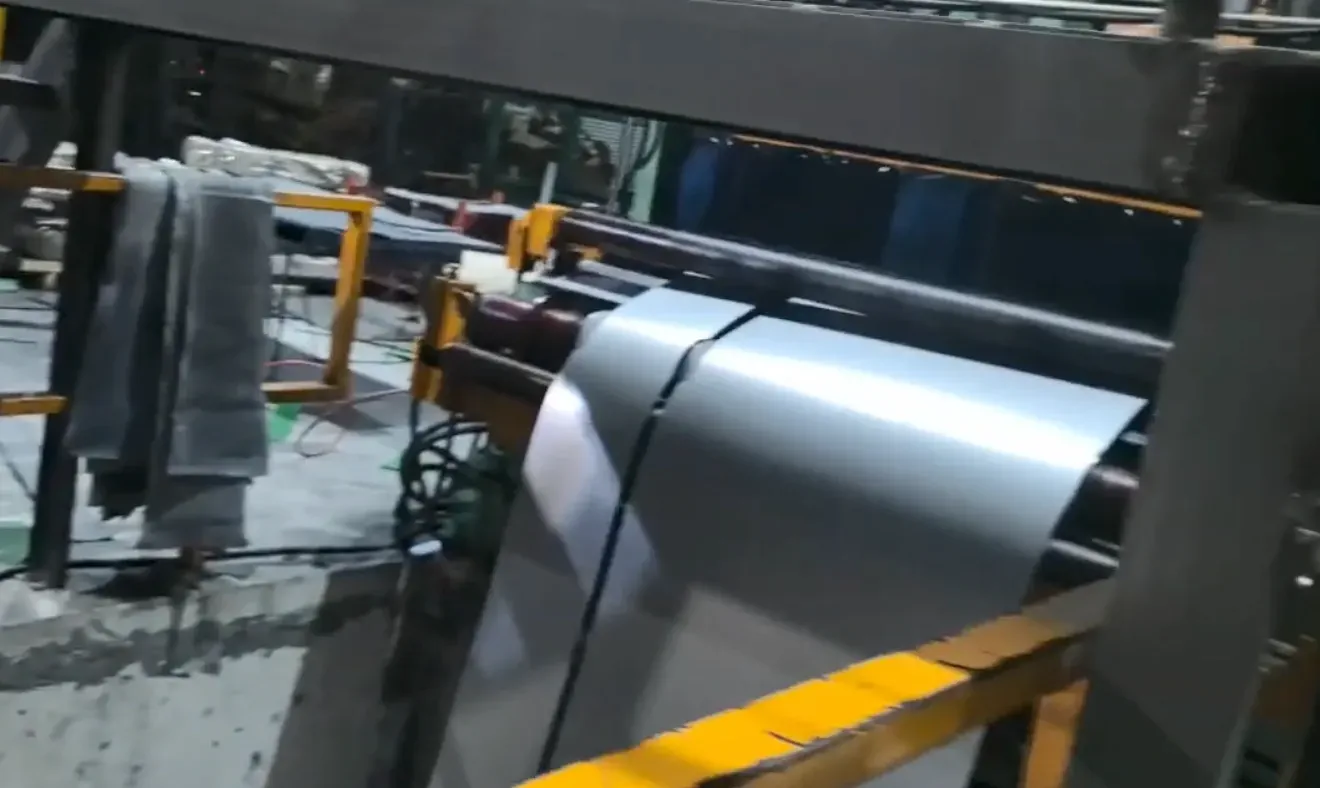
- Protective film application for bright coils
- Storage humidity control and first-in-first-out handling
- Ability to supply trial coils and run stamping + plating validation
A supplier who treats handling and slitting as part of “plating-grade” supply is worth a premium — because they prevent expensive rework downstream.
Low-cost Validation Steps Before Volume Runs
- Request a same-batch sample coil and run a representative stamping + plating cycle.
- Measure Ra on the sample and compare with the RFQ target.
- Inspect for micro-defects under bright light and document with photos.
- Require a signed first-coil report and accept/reject criteria before mass shipments.
A one- or two-coil trial is a tiny insurance premium compared to an entire production run scrapped after plating.
Conclusion
For decorative and functional plated hardware, specifying cold rolled steel correctly is the single fastest way to cut scrap, stabilize yield, and protect margins. Move beyond “SPCC 0.8 mm” — require bright finish, Ra limits, first-coil trials, and clear handling/packaging. Suppliers that commit to plating-grade processing (controlled slitting, protective film, traceability) do more than sell steel — they protect your production line and your reputation.
About Weijunli Steel
Weijunli Steel is a leading steel supplier serving hardware manufacturers, stampers, and plating factories with batch-stable steel coil and sheet supply. With strict control over surface quality, thickness tolerance, and mechanical consistency, we help buyers reduce plating defects and forming failures at scale.
Our team supports B2B projects with custom steel solutions with specifications such as bright/skin-passed finish, Ra targets, slitting width, edge control, and protective packaging for export shipments. From RFQ support to lot traceability and repeatable deliveries, Weijunli focuses on making your electroplated hardware steel sourcing reliable, measurable, and production-ready.