When sourcing steel for hardware manufacturing, buyers often focus on material grade, thickness, or surface finish. However, the format of the steel—coil, strip, or sheet—can be just as important.
Choosing the wrong format may increase production costs, reduce manufacturing efficiency, and create unnecessary material waste. Understanding the differences between steel coil, steel strip, and steel sheet helps manufacturers select the most cost-effective option for their production processes.
Here, Weijunli Steel explains the characteristics, advantages, and ideal applications of each format so hardware manufacturers can make informed purchasing decisions.
Understanding the Three Main Steel Formats
What Is Steel Coil?
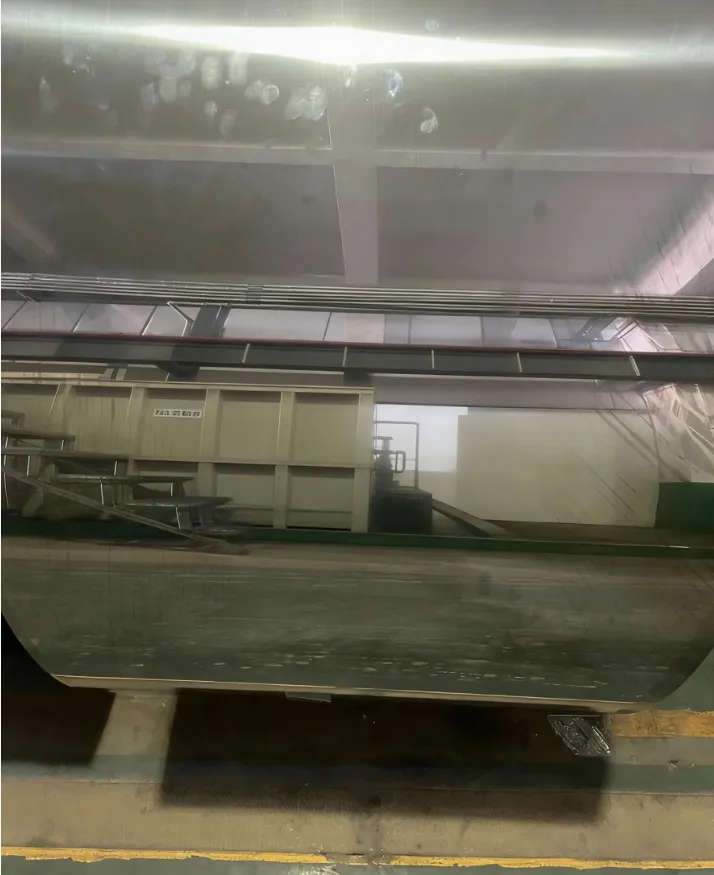
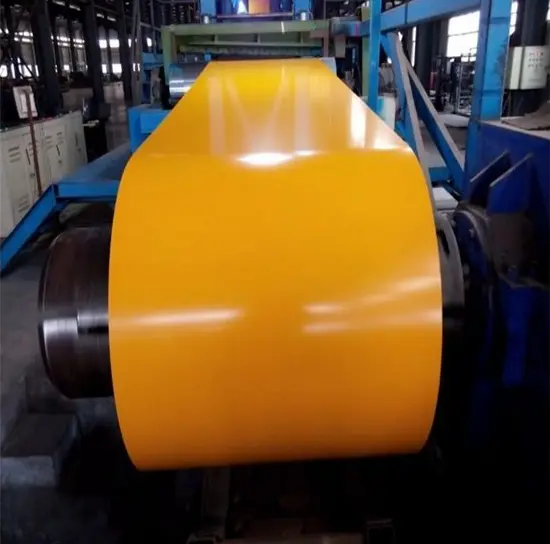
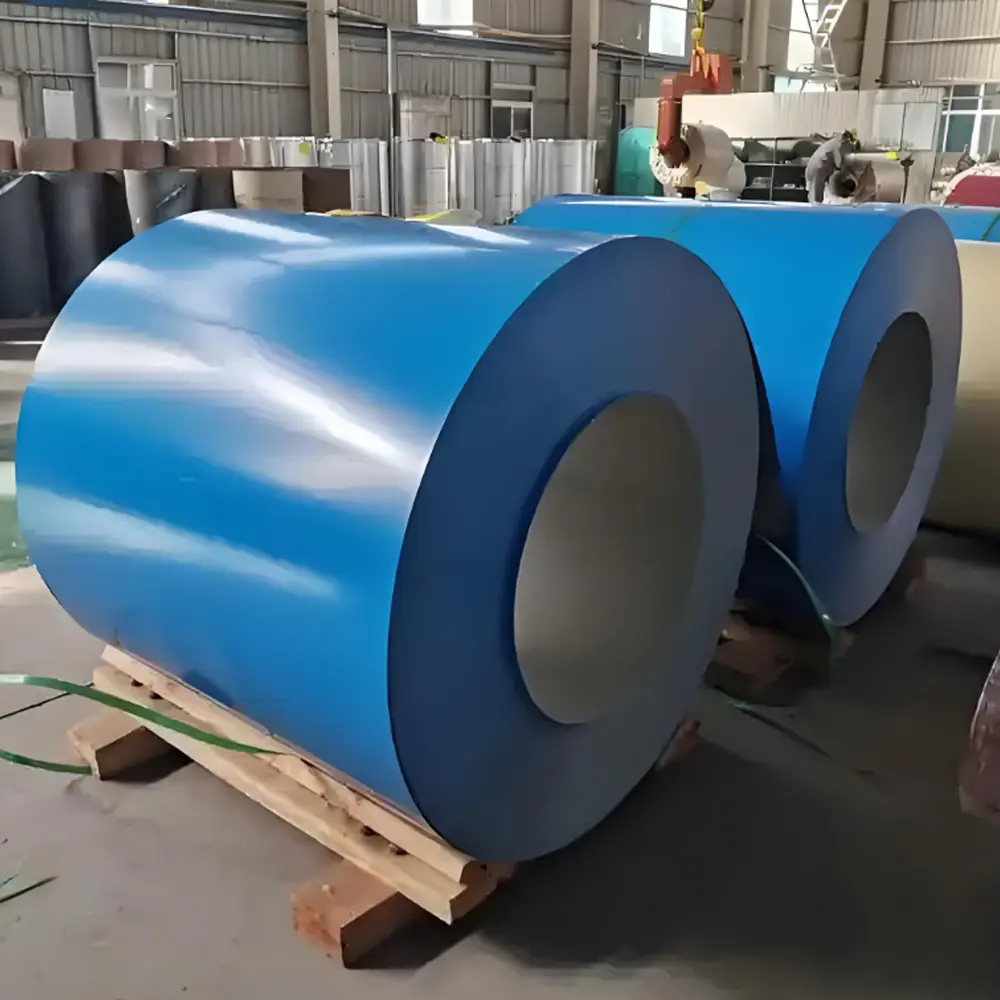
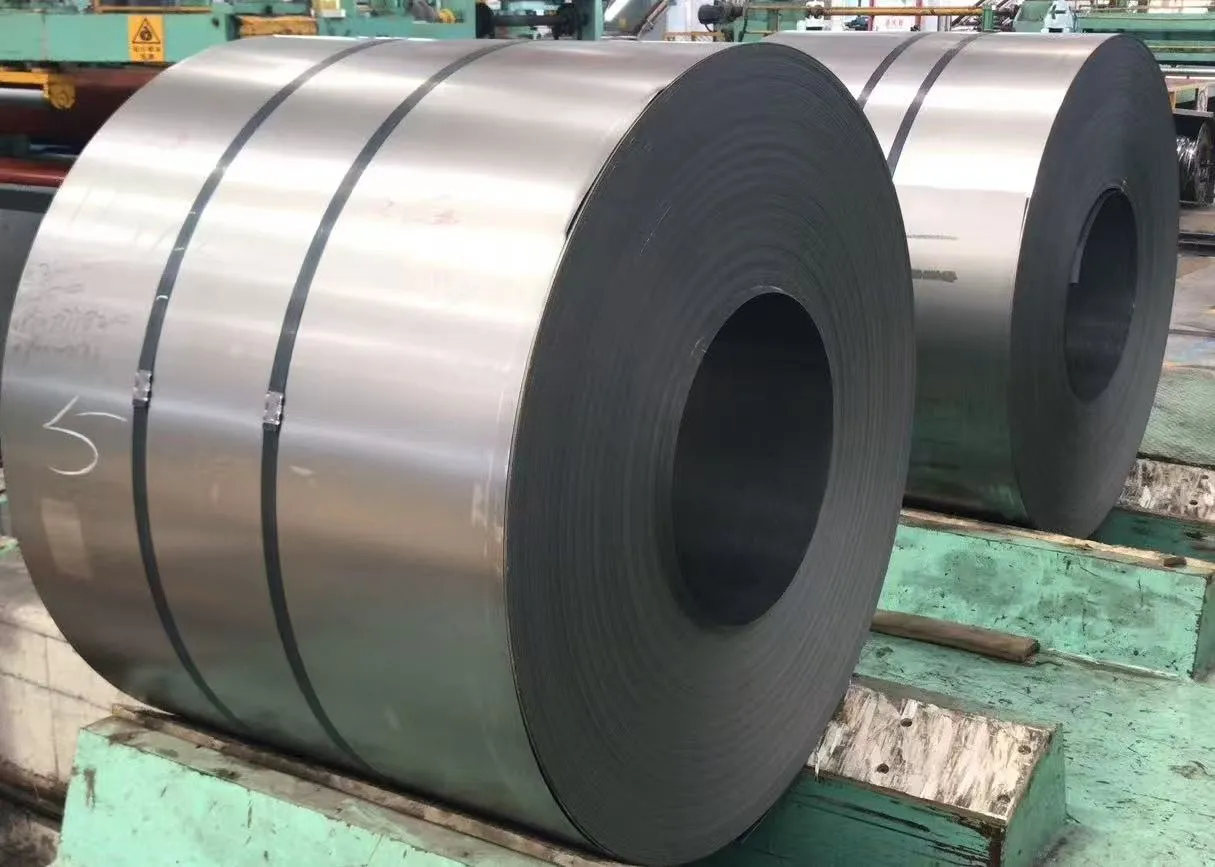
A steel coil is a continuous length of steel wound into a large roll after the rolling process. It is typically supplied in hot-rolled, cold-rolled, galvanized, stainless steel, or specialty steel grades.
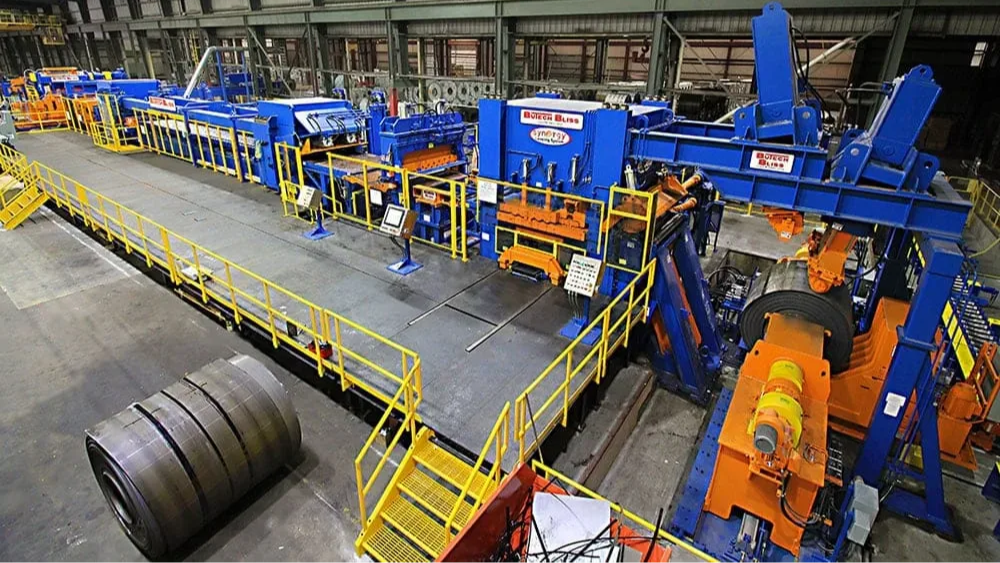
Coils are widely used in high-volume manufacturing because they can be continuously fed into production equipment such as stamping presses, roll-forming lines, and automated fabrication systems.
Common advantages include:
- Efficient material handling
- High production speeds
- Reduced labor requirements
- Lower material costs per unit
What Is Steel Strip?
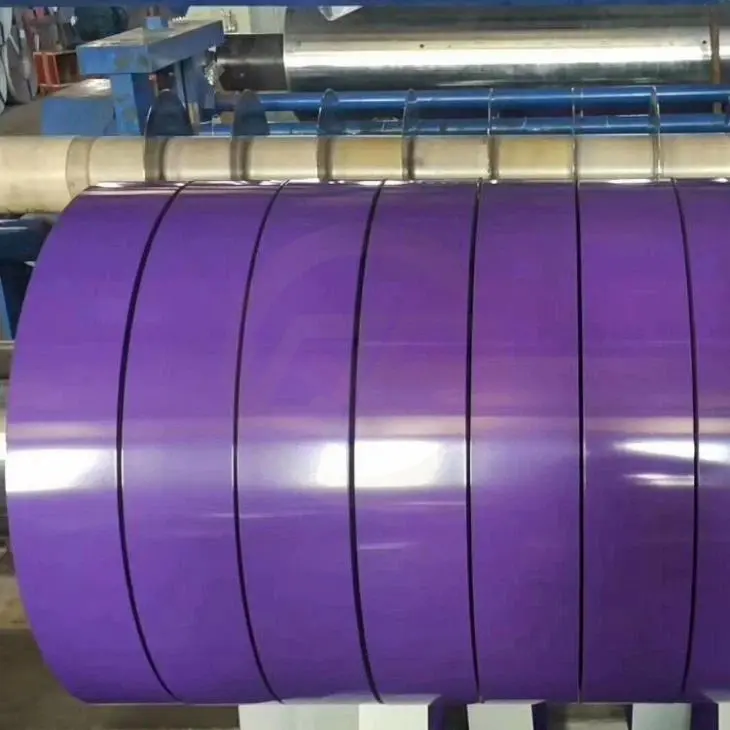
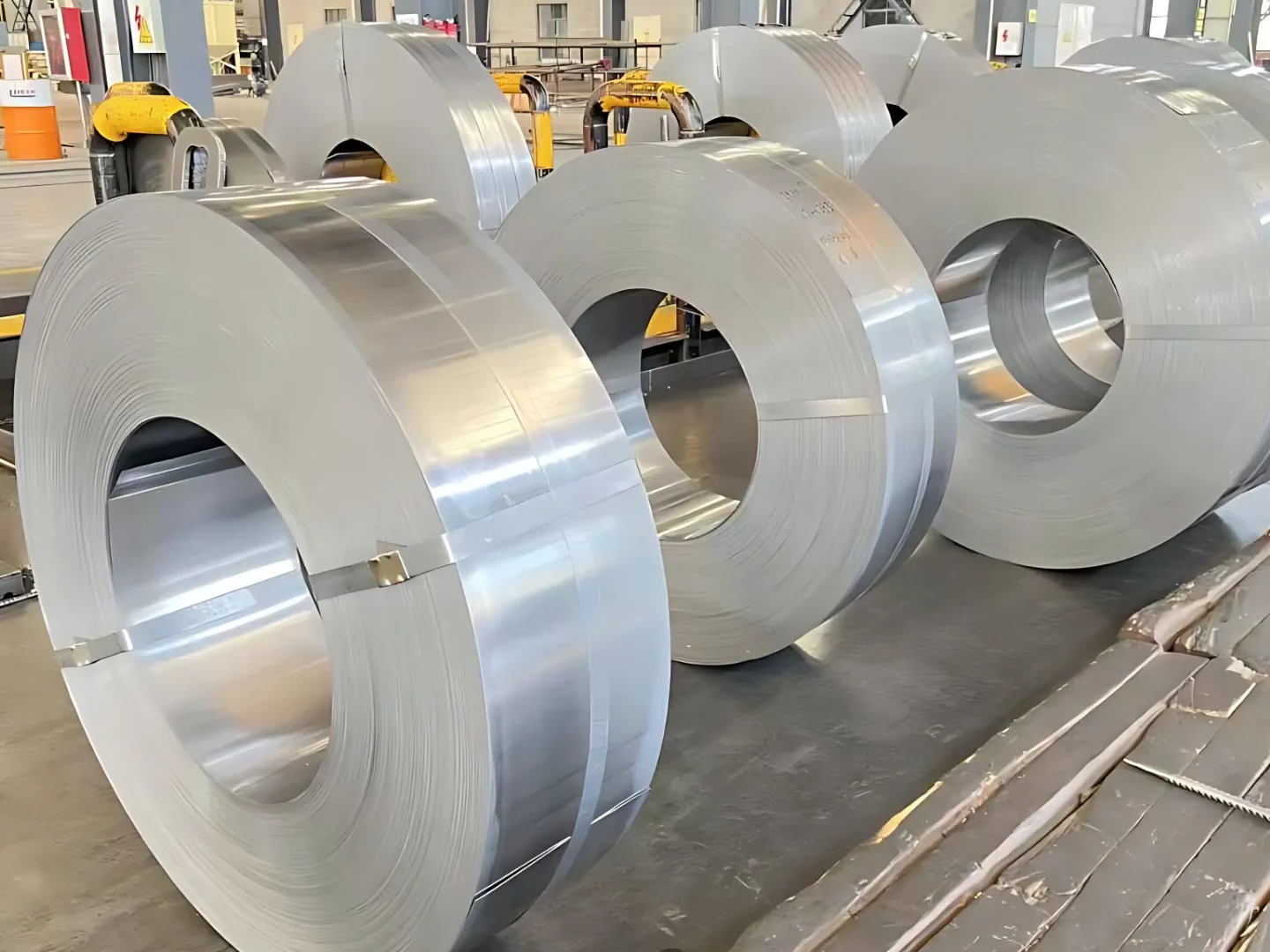
Steel strip is produced by slitting a master coil into narrower widths according to customer requirements.
While technically still supplied in coil form, steel strip is optimized for precision manufacturing processes that require narrower dimensions and tighter tolerances.
Steel strip is commonly used for:
- Washers
- Clips
- Springs
- Electrical components
- Precision hardware
Manufacturers often purchase slit strip directly from a steel strip supplier to eliminate in-house slitting operations.
What Is Steel Sheet?
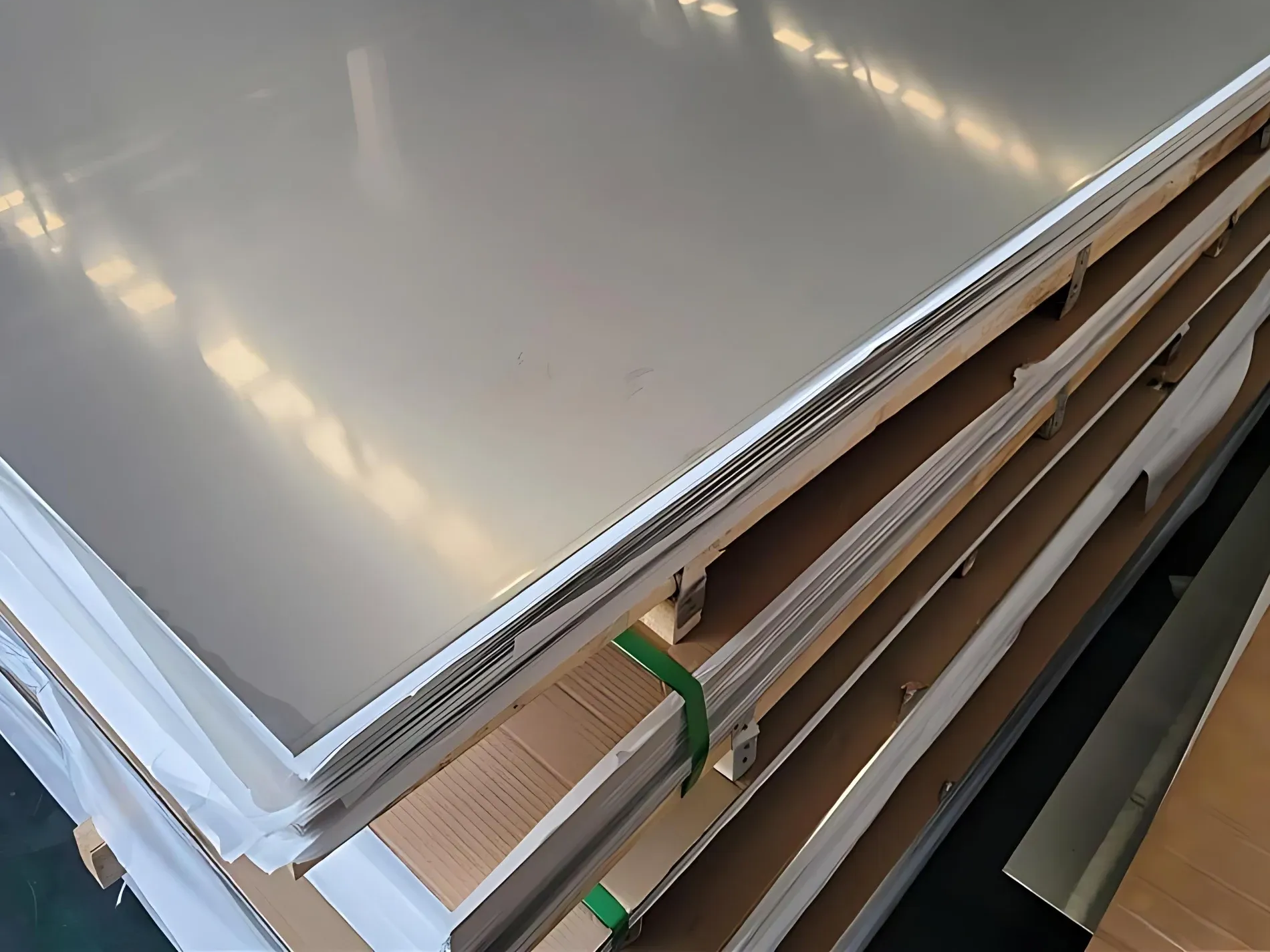
Steel sheet refers to flat rectangular pieces cut from steel coils through cut-to-length processing.
Sheets are supplied in standard or custom dimensions and are commonly used for fabrication processes such as:
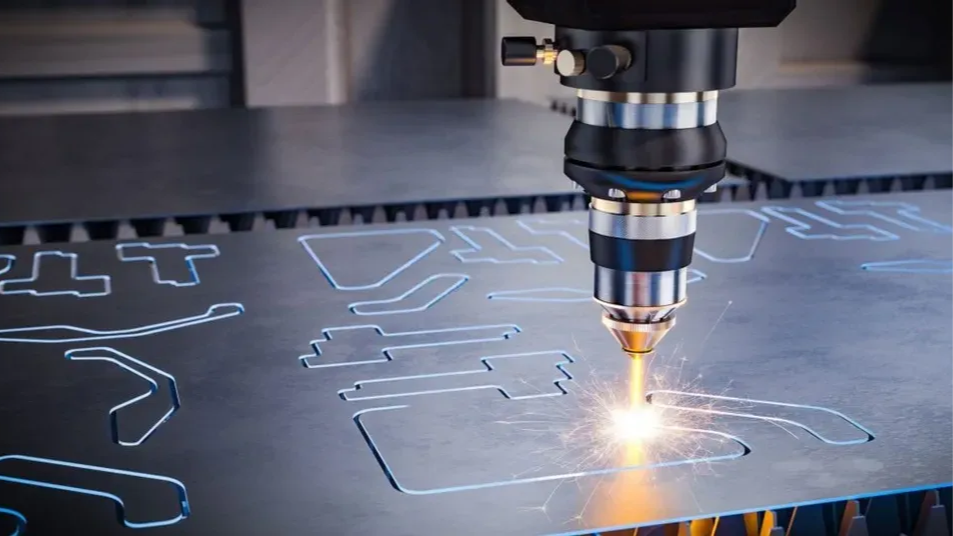
- Laser cutting
- CNC punching
- Bending
- Welding
Unlike coils, sheets can often be processed without specialized coil-feeding equipment.
Quick Comparison of Steel Formats
| Format | Shape | Supply Method | Typical Processing |
|---|---|---|---|
| Steel Coil | Continuous roll | Large coils | Stamping, roll forming |
| Steel Strip | Narrow coil | Slit coils | Precision stamping |
| Steel Sheet | Flat panels | Individual sheets | Laser cutting, fabrication |
Steel Coil vs Strip vs Sheet: Key Differences
Material Handling
Each format requires different handling methods.
Steel coils typically require:
- Coil cars
- Decoilers
- Feeding systems
- Material handling equipment
Steel strips require similar equipment but are generally easier to manage due to their smaller width and lower weight.
Steel sheets can often be moved manually or with simple lifting equipment, making them suitable for smaller workshops and fabrication facilities.
Production Efficiency
Production efficiency is one of the biggest differences among the three formats.
Steel coil allows continuous feeding into automated machinery, minimizing downtime and maximizing throughput.
Steel strip offers similar benefits while providing widths optimized for specific products.
Steel sheet requires loading and unloading individual pieces, which can slow production compared to coil-fed systems.
Material Utilization
Material utilization directly impacts manufacturing costs.
Coil-fed production typically provides:
- Better yield rates
- Reduced scrap
- Improved nesting efficiency
Steel strip further improves utilization because widths can be customized to match the final product dimensions.
Sheets may generate more waste depending on part geometry and cutting patterns.
Cost Comparison
| Factor | Steel Coil | Steel Strip | Steel Sheet |
| Material Cost | Lowest | Medium | Highest |
| Processing Cost | Lowest in volume production | Moderate | Higher |
| Waste Rate | Low | Very Low | Moderate |
| Production Efficiency | Highest | High | Moderate |
| Setup Flexibility | Lower | Moderate | Highest |
When Should Hardware Manufacturers Choose Steel Coil?
High-Volume Stamping Production
Steel coil is the preferred choice for large-scale stamping operations.
Common applications include:
- Door hinges
- Brackets
- Mounting hardware
- Fastener components
- Reinforcement plates
Because material feeds continuously through the press, manufacturers achieve higher productivity and lower labor costs.
Roll Forming Applications
Roll-forming operations rely heavily on steel coils.
Examples include:
- Metal channels
- Cabinet rails
- Window tracks
- Structural profiles
Continuous coil feeding enables consistent production and dimensional accuracy.
Automated Manufacturing Lines
Companies investing in automation often select coil-fed production because it supports:
- Unattended operation
- Faster cycle times
- Consistent quality
- Lower production costs
Pros and Cons of Steel Coil
Advantages
- Lowest material cost
- Ideal for mass production
- Minimal handling interruptions
- High manufacturing efficiency
Limitations
- Requires specialized equipment
- Higher initial investment
- Less suitable for small production runs
When Is Steel Strip the Better Choice?
Precision Stamping Operations
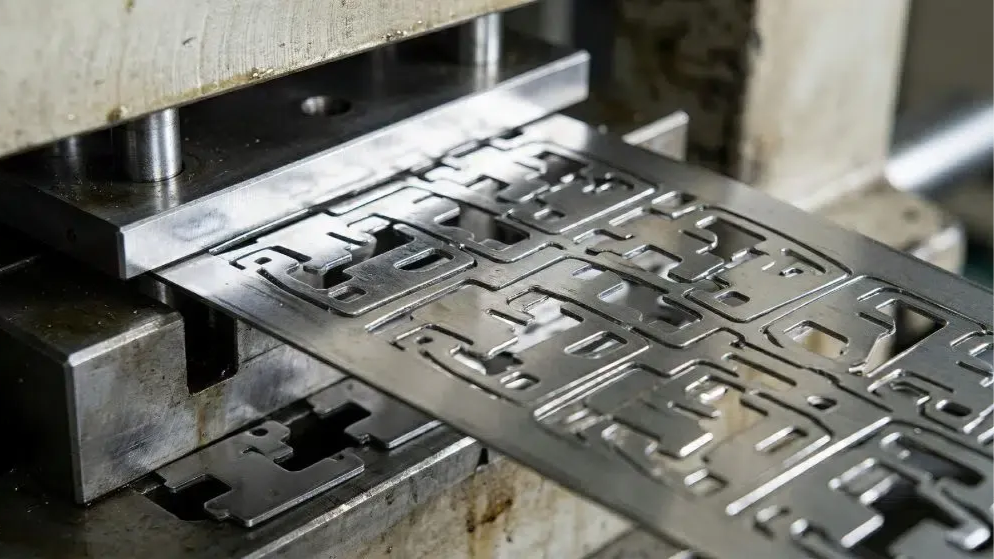
Steel strip is commonly used when manufacturers require narrow widths and precise dimensional control.
Typical products include:
- Washers
- Retaining clips
- Springs
- Electrical contacts
- Lock components
The narrower width helps improve production efficiency and reduce material waste.
Reduced Material Waste
One major advantage of steel strip is width optimization.
Instead of purchasing a wide coil and slitting it internally, manufacturers can source pre-slit material that closely matches their tooling requirements.
Benefits include:
- Lower scrap rates
- Reduced inventory complexity
- Improved material utilization
Faster Production Setup
Pre-slit strip reduces preparation time before production begins.
Manufacturers can feed the material directly into stamping equipment without additional processing.
Pros and Cons of Steel Strip
Advantages
- Excellent material utilization
- Reduced waste
- Faster setup
- Suitable for precision hardware
Limitations
- Higher processing cost than master coils
- Limited flexibility once widths are specified
When Should Manufacturers Use Steel Sheet?
Low-Volume Production
A steel sheet is often the most practical choice for small production runs.
Manufacturers avoid investing in coil-feeding equipment while maintaining flexibility for changing designs.
Fabrication and Welding Projects
Many fabricated hardware products begin with a steel sheet.
Examples include:
- Electrical cabinets
- Equipment enclosures
- Control panels
- Architectural hardware
- Industrial housings
These applications often involve multiple fabrication steps rather than continuous stamping.
Laser Cutting and CNC Processing
Laser cutting systems typically process flat sheets more efficiently than coils.
Steel sheets offer:
- Easy loading
- Flexible programming
- Suitable nesting patterns
- Quick design modifications
For custom or low-volume products, sheets often provide the most economical solution.
Pros and Cons of Steel Sheet
Advantages
- High flexibility
- Ideal for fabrication
- Easy handling
- Suitable for prototyping
Limitations
- Higher material cost
- More handling labor
- Lower productivity in mass production
Choosing the Right Format Based on Hardware Product Type
The ideal steel format depends largely on the final product and manufacturing process.
| Hardware Product | Recommended Format |
| Hinges | Steel Coil |
| Brackets | Steel Coil |
| Mounting Plates | Steel Coil |
| Washers | Steel Strip |
| Springs | Steel Strip |
| Electrical Contacts | Steel Strip |
| Cabinet Panels | Steel Sheet |
| Equipment Enclosures | Steel Sheet |
| Fabricated Hardware Parts | Steel Sheet |
| Custom Prototypes | Steel Sheet |
As a general rule:
- High-volume stamping favors coil.
- Precision narrow-width products favor strip.
- Fabrication and custom manufacturing favor sheet.
Other Factors Buyers Should Consider
Production Volume
Production volume is often the first factor influencing format selection.
- Small Batch Production: Steel sheet typically offers the greatest flexibility.
- Medium Volume Production: Steel strip may provide the best balance between cost and efficiency.
- High-Volume Manufacturing: Steel coil generally delivers the lowest overall production cost.
Equipment Capabilities
Manufacturers should evaluate existing equipment before purchasing material.
Questions to ask include:
- Do you have coil-fed stamping lines?
- Do you operate roll-forming equipment?
- Are your processes primarily laser cutting and fabrication?
The answer often determines the most economical format.
Inventory Management
Material format also affects storage requirements.
Steel coils maximize storage density but require specialized handling.
Steel sheets are easier to access but typically occupy more warehouse space.
Lead Time Requirements
Custom processing can impact delivery schedules.
Examples include:
- Slitting services
- Cut-to-length processing
- Custom widths
- Custom sheet dimensions
Buyers should discuss lead times early when working with a steel coil manufacturer or steel strip supplier.
Why Work with a Supplier That Offers All Three Formats?
Greater Flexibility
A wholesale steel supplier capable of delivering coil, strip, and sheet formats can support different manufacturing needs without requiring multiple vendors.
Lower Procurement Complexity
Consolidating purchases with a single supplier often simplifies:
- Quality control
- Logistics management
- Order tracking
- Inventory planning
Custom Processing Services
An experienced custom steel strip manufacturer can provide value-added services such as:
- Precision slitting
- Edge conditioning
- Cut-to-length processing
- Custom packaging
These services reduce processing requirements at the customer’s facility.
Better Cost Optimization
A professional wholesale steel sheet supplier can help buyers evaluate the most economical format based on:
- Production volume
- Equipment capabilities
- Material utilization
- Total manufacturing costs
Rather than simply selling material, an experienced steel supplier can serve as a manufacturing partner, helping optimize efficiency throughout the supply chain.
Conclusion
There is no universally best steel format for every hardware application.
Steel coil is ideal for high-volume automated production, steel strip excels in precision stamping operations, and steel sheet remains the preferred choice for fabrication and custom manufacturing.
The right decision depends on production volume, equipment capabilities, material utilization goals, and overall manufacturing strategy. By understanding the strengths of each format and partnering with an experienced supplier, hardware manufacturers can reduce costs, improve efficiency, and streamline production.
About Weijunli Steel
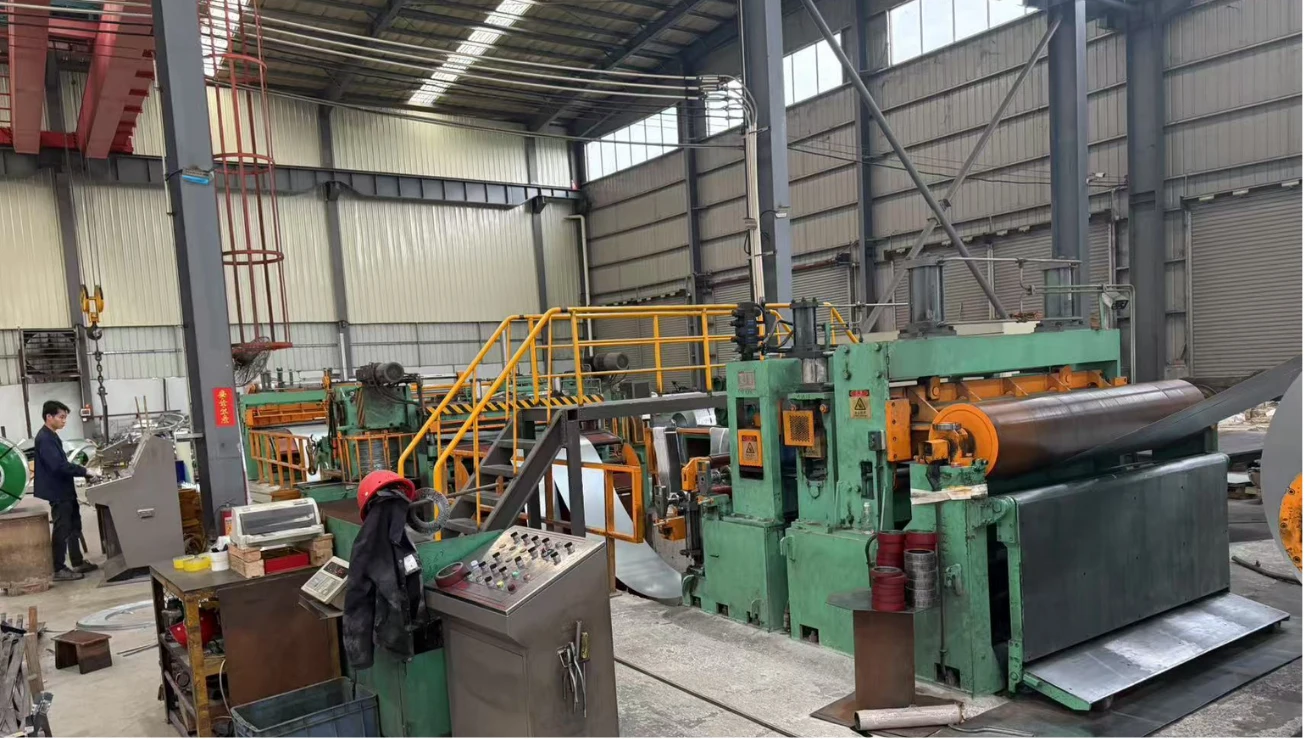
Weijunli Steel is a factory-direct steel supplier specializing in steel coils, steel strips, steel plates, and steel sheets for hardware manufacturers, distributors, and industrial buyers worldwide. With advanced processing capabilities, strict quality control, and stable production capacity, we deliver reliable steel products that meet demanding manufacturing requirements. Our services include custom slitting, cut-to-length processing, tailored dimensions, and OEM supply solutions to help customers improve material utilization and production efficiency.
As an experienced wholesale steel supplier, we are committed to consistent quality, dependable delivery, competitive pricing, and responsive customer support. Whether you need steel coil, precision steel strip, or custom steel sheet solutions, Weijunli Steel provides reliable supply and flexible customization for your business growth.
FAQ
What is the difference between a steel coil and a steel sheet?
Steel coil is supplied as a continuous rolled product, while steel sheet is supplied as individual flat pieces cut to specific dimensions.
Is a steel strip made from a steel coil?
Yes. Steel strip is typically produced by slitting a wider master coil into narrower widths.
Which steel format is best for stamping?
Steel coil and steel strip are generally preferred because they support continuous feeding and high-volume production.
Is a steel sheet more expensive than a steel coil?
In most cases, yes. Additional cutting, handling, and processing requirements often increase the cost of steel sheet compared with coil products.
Should I buy a slit steel strip or slit it myself?
For many manufacturers, purchasing pre-slit strips reduces equipment investment, setup time, and material waste.
Can one supplier provide coil, strip, and sheet formats?
Yes. Many steel suppliers, like Weijunli Steel, offer coil, strip, and sheet products along with custom slitting and cut-to-length services to support a wide range of manufacturing applications.