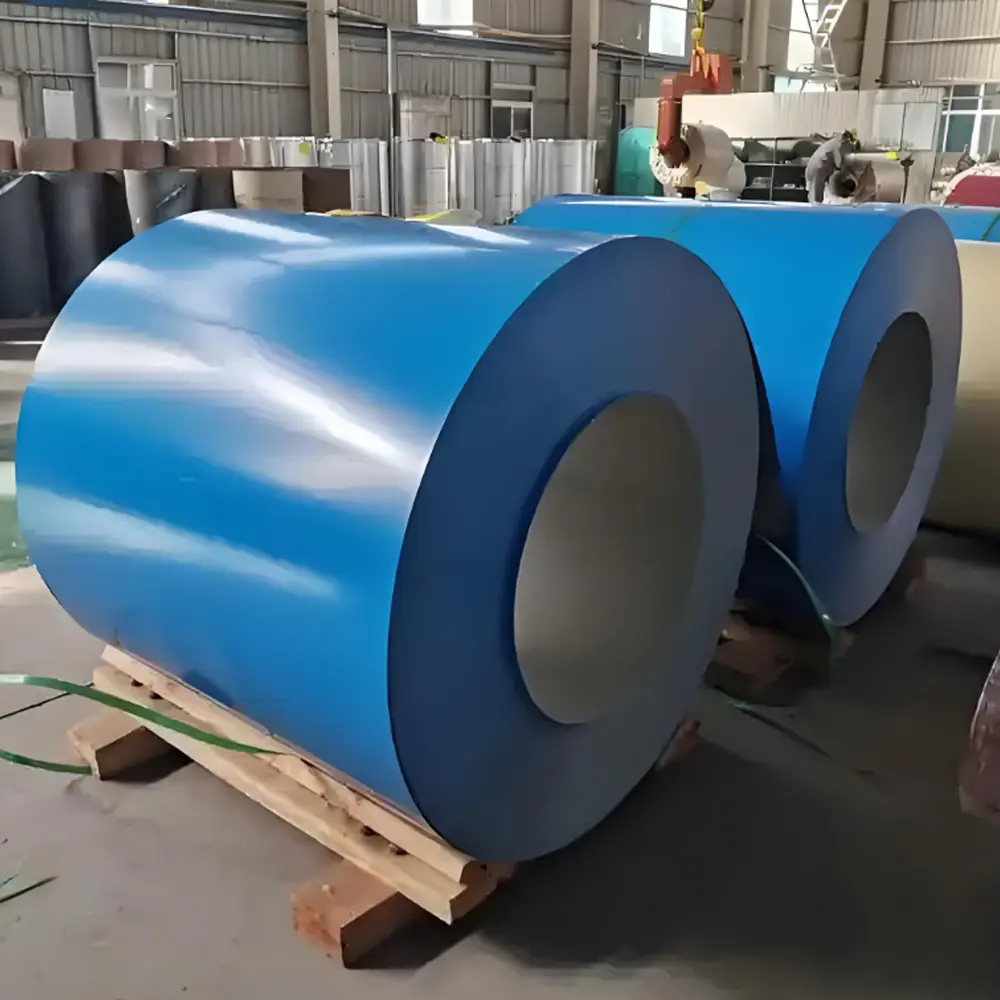
Galvanized steel is often the material of choice for exposure to harsh environments due to its excellent corrosion resistance and cost-effectiveness.
A common question among buyers and engineers is: Does galvanized steel rust? Many assume it is completely rust-proof, but the reality is more nuanced.
The short answer is: Yes, eventually. While galvanized steel is designed specifically to fight off corrosion, it isn’t immortal.
As a professional galvanized steel supplier from China, I will provide a detailed explanation of how galvanized steel works, whether it rusts, its lifespan, and how to maximize its service life.
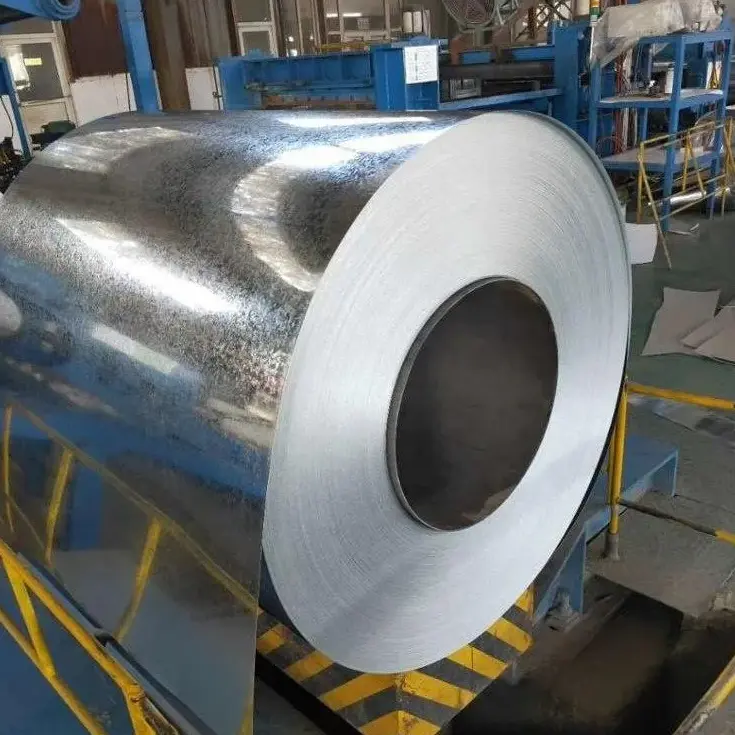
What Is Galvanized Steel?
Galvanized steel is carbon steel that has been coated with a protective layer of zinc to prevent corrosion.
How it Works
Galvanization involves coating steel in a layer of zinc. This protects the metal in two ways:
- The Shield: It acts as a physical barrier.
- The Sacrifice: Zinc is more chemically active than steel. If the coating is scratched, the zinc “sacrifices” itself by corroding first to protect the exposed steel underneath (a process called galvanic corrosion).
However, once the zinc layer is entirely consumed by environmental factors—like saltwater, acid rain, or extreme humidity—the raw steel is exposed, and red rust will form.
Galvanization Methods
- Hot-Dip Galvanizing: Steel is submerged in molten zinc, forming a thick, durable coating.
- Electro-Galvanizing: Uses an electric current to apply a thinner zinc layer.
- Thermal Diffusion (Sherardizing): Zinc is diffused into the steel surface at high temperatures.
Coating Structure
The galvanized layer typically consists of:
- Outer pure zinc layer
- Zinc-iron alloy layers
- Base steel substrate
This multi-layer structure is what gives galvanized steel its superior corrosion resistance.
Does Galvanized Steel Rust?
Yes, galvanized steel can rust, but it resists corrosion much longer than untreated steel.
Why It Doesn’t Rust Immediately
The zinc coating protects the steel in two key ways:
- Barrier Protection: The zinc layer blocks moisture and oxygen from reaching the steel.
- Sacrificial Protection: Zinc corrodes first, protecting the underlying steel even if the surface is scratched.
When Rust Begins
Rust starts forming when:
- The zinc layer is fully depleted
- Deep scratches expose bare steel
- The material is used in extremely aggressive environments
How Galvanized Steel Prevents Corrosion
Physical Barrier
The zinc coating acts as a shield against environmental elements like water and air.
Cathodic (Sacrificial) Protection
Zinc is more reactive than iron, so it corrodes first, preventing rust on the steel.
Self-Healing Effect
In minor scratches, zinc can continue to protect nearby exposed areas through electrochemical action.
Factors That Affect Rusting
Environmental Conditions
- Indoor environments: Minimal corrosion
- Rural areas: Low corrosion rates
- Urban/industrial areas: Higher due to pollution
- Coastal environments: Accelerated corrosion due to salt
Coating Thickness
Thicker zinc coatings significantly increase lifespan.
Mechanical Damage
Scratches, cutting edges, and abrasion reduce protection.
Moisture Exposure
Constant wet conditions can accelerate zinc consumption.
Chemical Exposure
Acids, alkalis, and industrial chemicals can degrade the zinc layer.
Types of Corrosion in Galvanized Steel
White Rust
- White, powdery residue
- Forms in damp, low-ventilation conditions
- Affects zinc layer, not steel initially
Red Rust
- Indicates steel is exposed
- Occurs after zinc layer failure
- Sign of structural concern
Galvanic Corrosion
- Happens when galvanized steel contacts dissimilar metals
- Accelerates corrosion in certain conditions
How Long Does Galvanized Steel Last?
The lifespan depends heavily on the environment:
| Environment | Estimated Lifespan |
|---|---|
| Indoor | 50+ years |
| Rural outdoor | 30–50 years |
| Urban/industrial | 20–40 years |
| Coastal (marine) | 10–25 years |
For B2B buyers, selecting the correct coating thickness is critical for achieving the desired lifespan.
How to Prevent Galvanized Steel from Rusting
Proper Storage
- Keep in dry, ventilated areas
- Avoid stacking in humid conditions
Apply Additional Coatings
- Painting (duplex system) extends lifespan significantly
- Powder coating adds extra protection
Regular Maintenance
- Remove dirt, salt, and debris
- Inspect for damage
Avoid Physical Damage
Use protective handling during transport and installation
Can Galvanized Steel Be Repaired?
Minor Damage
- Zinc-rich paint (cold galvanizing)
- Spray coatings
Severe Corrosion
- Re-galvanizing
- Component replacement
For industrial buyers, repair solutions can extend product life without full replacement.
Galvanized Steel vs Other Materials
Galvanized Steel vs Stainless Steel
| Aspect | Galvanized Steel | Stainless Steel |
|---|---|---|
| Protection Mechanism | Protection is on the metal (zinc coating applied to surface) | Stainless steel resists corrosion by forming a self-healing chromium oxide layer when exposed to air. |
| Material Structure | Carbon steel coated with a layer of zinc | Alloy steel with at least 10.5% chromium |
| Rust Resistance | Highly rust-resistant, but depends on zinc coating | Excellent rust resistance throughout the material |
| Durability | Zinc layer is sacrificial and wears off over time | More durable; protection remains even if scratched |
| Self-Healing Ability | No self-healing; exposed steel will rust | Yes, forms a new chromium oxide layer when exposed to air |
| Cost | Budget-friendly; suitable for large-scale projects | Premium price; typically 4–5× more expensive |
| Typical Applications | Bridges, towers, fencing, infrastructure | Kitchenware, medical tools, architecture, high-end products |
Galvanized Steel vs Aluminum
| Aspect | Galvanized Steel | Aluminum |
|---|---|---|
| Protection Mechanism | Protection is on the metal (zinc coating on steel surface) | Protection is in the metal (natural oxide layer forms on surface) |
| Material Structure | Carbon steel coated with zinc | Pure metal or aluminum alloy |
| Rust / Corrosion Resistance | Good rust resistance, but depends on zinc coating | Excellent corrosion resistance; naturally forms protective oxide layer |
| Durability | Strong and tough, but coating wears off over time | Good durability, but softer and less strong than steel |
| Self-Healing Ability | No; once coating is damaged, steel can rust | Yes; oxide layer reforms when exposed to air |
| Saltwater Resistance | Poor to moderate; zinc corrodes faster in salt environments | Very good; widely used in marine environments |
| Weight | Heavy | Lightweight (about 1/3 the weight of steel) |
| Appearance | Industrial grey, spangled or matte finish | Clean, modern silver; can be anodized or painted |
| Cost | Lower cost; budget-friendly for large projects | Moderate cost; generally higher than galvanized steel but lower than stainless steel |
| Typical Applications | Construction, fencing, infrastructure | Aerospace, automotive, packaging, kitchenware, marine use |
Common Applications
Galvanized steel is widely used in:
- Construction (roofing, structural components)
- Fencing and pipelines
- Automotive parts
- Outdoor furniture and equipment
- Industrial containers and storage systems
FAQs
Does galvanized steel rust in water?
Yes, especially in stagnant or saltwater, but much slower than regular steel.
Is galvanized steel waterproof?
No, but it is highly water-resistant due to the zinc coating.
Can galvanized steel rust in coastal areas?
Yes, salt accelerates corrosion, reducing lifespan.
How can I tell if it’s rusting?
- White powder = zinc corrosion
- Brown/red rust = steel exposure
Conclusion
So, does galvanized steel rust?
The answer is yes — but only after the protective zinc layer is compromised or consumed.
For most applications, galvanized steel provides decades of reliable corrosion resistance, making it an excellent choice for cost-conscious B2B buyers. By selecting the right coating thickness and following proper maintenance practices, you can significantly extend its service life.